(Last Updated on October 13, 2026 by Henry)
The Problem With Confusing Grip Strength & Grip Endurance
Ever notice how some people can crush a hand gripper with ease but struggle to carry grocery bags for more than a minute? Or how a climber can hang from a wall seemingly forever despite not having the strongest handshake in the room?
That’s because grip strength and grip endurance aren’t the same thing.

Many beginners assume that stronger hands automatically mean longer-lasting hands.
It sounds logical: if you’re stronger, you should be able to hold onto things longer, right?
In reality, your hands rely on two separate (but related) qualities:
- Maximum force production.
- The ability to sustain that force over time.
Think of it like sprinting versus running a marathon.
Both involve your legs, but they demand completely different abilities.
Your grip works much the same way. Sometimes you need to produce a tremendous amount of force for a few seconds. Other times, you need to maintain a moderate amount of force for several minutes.
Understanding the difference is important because it explains why your hands might fail during certain activities despite feeling “strong.”
It also helps you train smarter by focusing on the qualities you actually need for your goals.
Is Your Grip Strong Enough?
How Strong Are the Average Climber’s Fingers?
Strong hands produce force. Reliable hands sustain it.
The best grip training programs develop both.
Deciphering Grip Strength and Grip Endurance
Grip strength and grip endurance, although related, cater to different needs.
Grip strength is all about the maximum force your hand muscles can produce in a single effort. Think of it like squeezing a stress ball with all you’ve got in one go. This kind of strength is crucial when you need to lift something heavy momentarily or break open a tight jar lid.
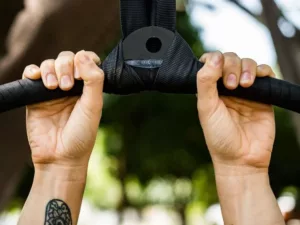
On the other hand, grip endurance is about how long you can sustain that effort. It’s the ability to keep your grip firm over a period, like when you’re holding a shopping bag for the entire walk home or when you’re clenching a pull-up bar as you do repetitive lifts.
There’s a common mix-up where people think that having a strong grip automatically means being able to hold on for longer. That’s not necessarily true. You might have enough strength to lift something heavy briefly, but when it comes to holding onto that weight over time, endurance kicks in.
Addressing these differences helps in training our grip capabilities more effectively. Understanding what your activities demand gives you an edge in tailoring your exercises to either boost your gripping power or your stamina.
Quick Comparison
Grip Strength
- Maximum force
- Heavy lifts
- Short duration
- Crushing tasks
- Peak performance
Grip Endurance
- Sustained force
- Long holds
- Extended duration
- Carrying tasks
- Reliable performance
Common Examples
- Grip strength helps you produce maximum force – Think opening a stubborn pickle jar, lifting a heavy suitcase, or performing a heavy deadlift. These activities require a lot of force in a short amount of time.
- Grip endurance helps you maintain force over time – Carrying groceries, hanging from a pull-up bar, or using tools throughout the day all rely more heavily on endurance than raw strength.
- Most activities use a combination of both – Rock climbing, martial arts, and manual labor require your hands to repeatedly produce and sustain force throughout an activity.
- Beginners usually overestimate their endurance – Many people discover their hands fatigue much sooner than expected, even if they feel reasonably strong.
- Training one doesn’t automatically maximize the other – Improving your crush grip won’t necessarily improve your ability to hold a heavy object for several minutes.
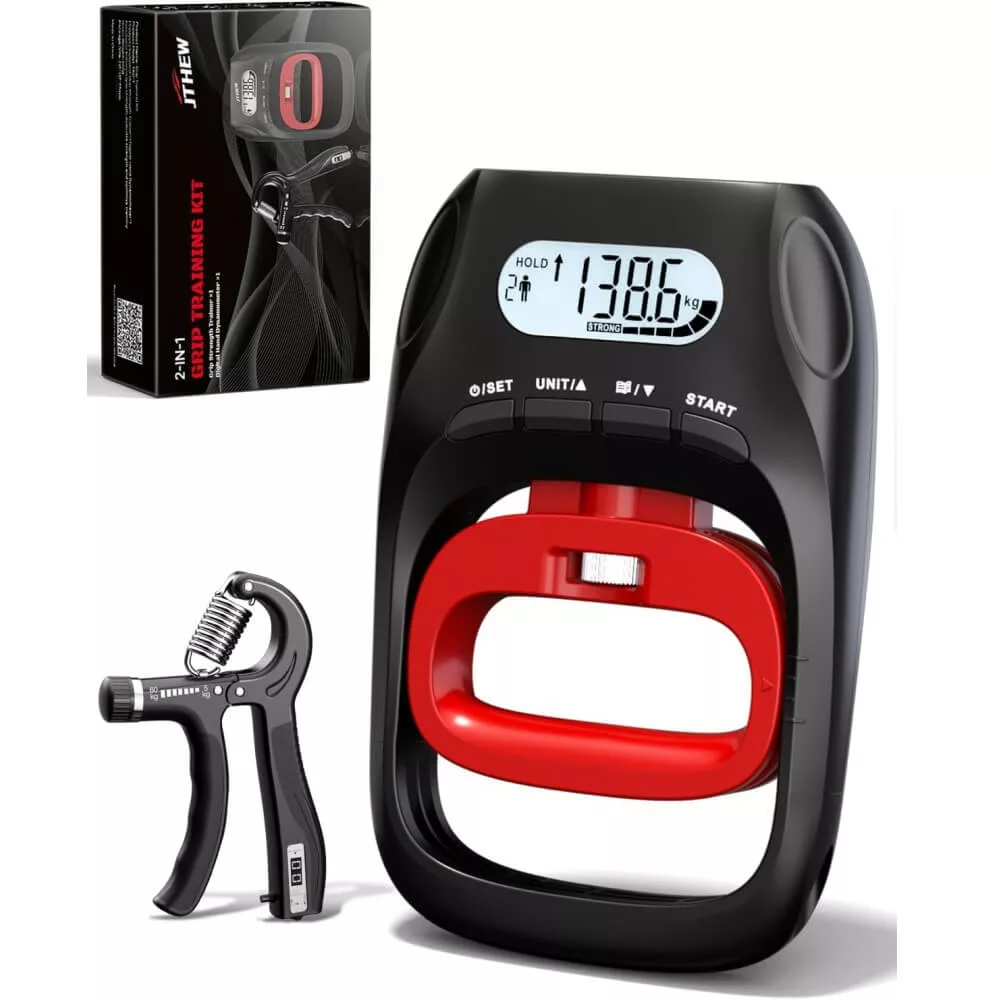
Don’t Guess: Use Grip Dynamometer for Accurate Progress Tracking

Multi-Grip Pull-Up Bar, Simple yet Surprisingly Effective?
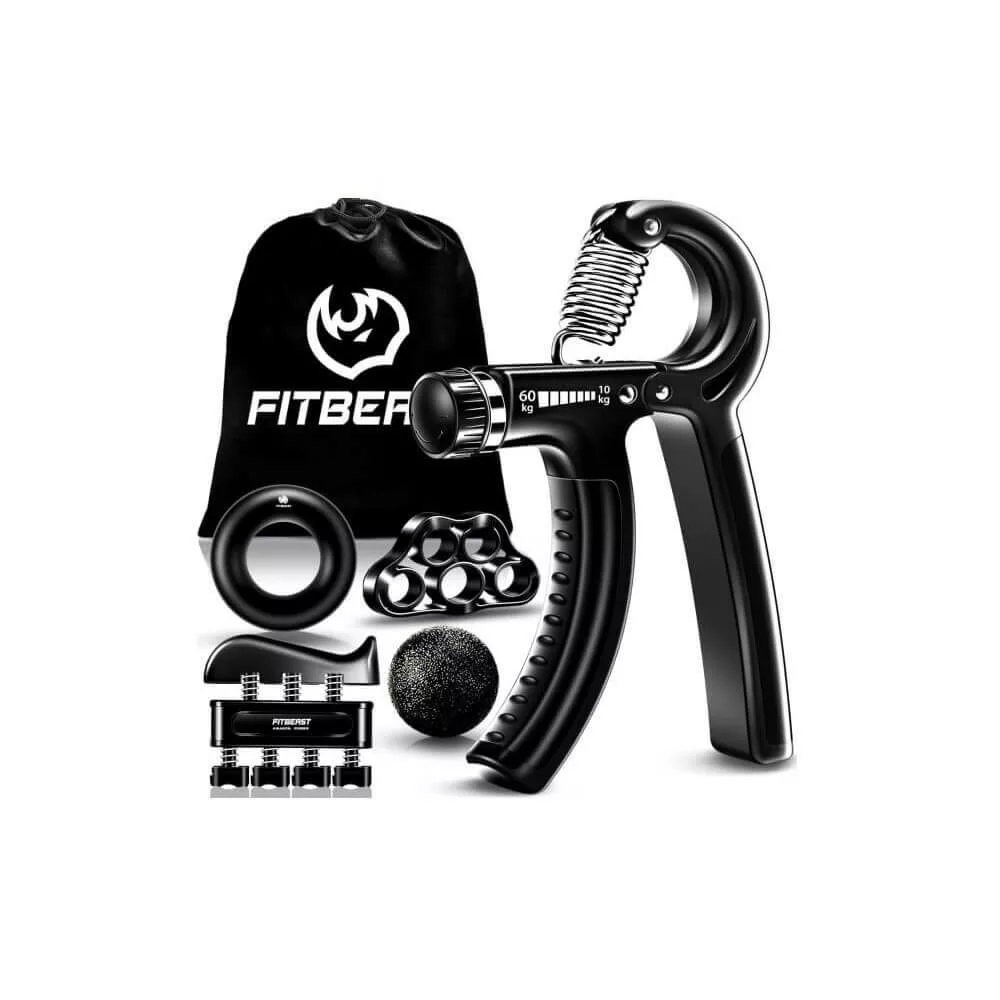
Budget Grip Strengthener Kit With 5 Trainers
Training for Optimal Grip: Balancing Power with Persistence
Building a grip that’s both strong and enduring can greatly impact your everyday efficiency. A well-rounded training routine should focus on exercises that enhance both these attributes.
When it comes to boosting grip strength, think about incorporating heavy lifts like deadlifts and farmers’ walks. These exercises demand short bursts of high power, pushing your gripping ability to its maximum.
For grip endurance, your training might include activities that involve maintaining a hold over a longer timeframe, such as hanging from a pull-up bar or squeezing a stress ball for extended periods. These help develop the stamina needed for prolonged tasks.
Adding variability into your routine can also aid balanced development. Use different hand positions or grips to ensure your hands are being challenged in multiple ways. This approach prevents overtraining one particular movement while neglecting others.
Don’t overlook recovery and nutrition. Ensuring your muscles have the necessary nutrients post-exercise is crucial for repair and adaptation. Proper hydration, sleep, and rest days support long-term progress.
Ultimately, building a training plan that suits your lifestyle and goals while addressing specific grip challenges helps reinforce these skills. Whether you’re climbing a mountain or simply opening a jar at home, your improved grip abilities will make life a bit easier.
Beginner Recommendations
- Train strength with heavier resistance – Grippers, thick handles, and heavy carries are excellent tools for building maximum force.
- Train endurance with time-based exercises – Dead hangs, carries, and sustained holds improve your ability to keep going.
- Progress gradually – Small increases in time or resistance add up significantly over months of consistent training.
- Recover properly between sessions – Adaptation happens during recovery, not while you’re actively training.
- Keep your training balanced – The strongest hands are often the ones that can perform well across many different tasks.
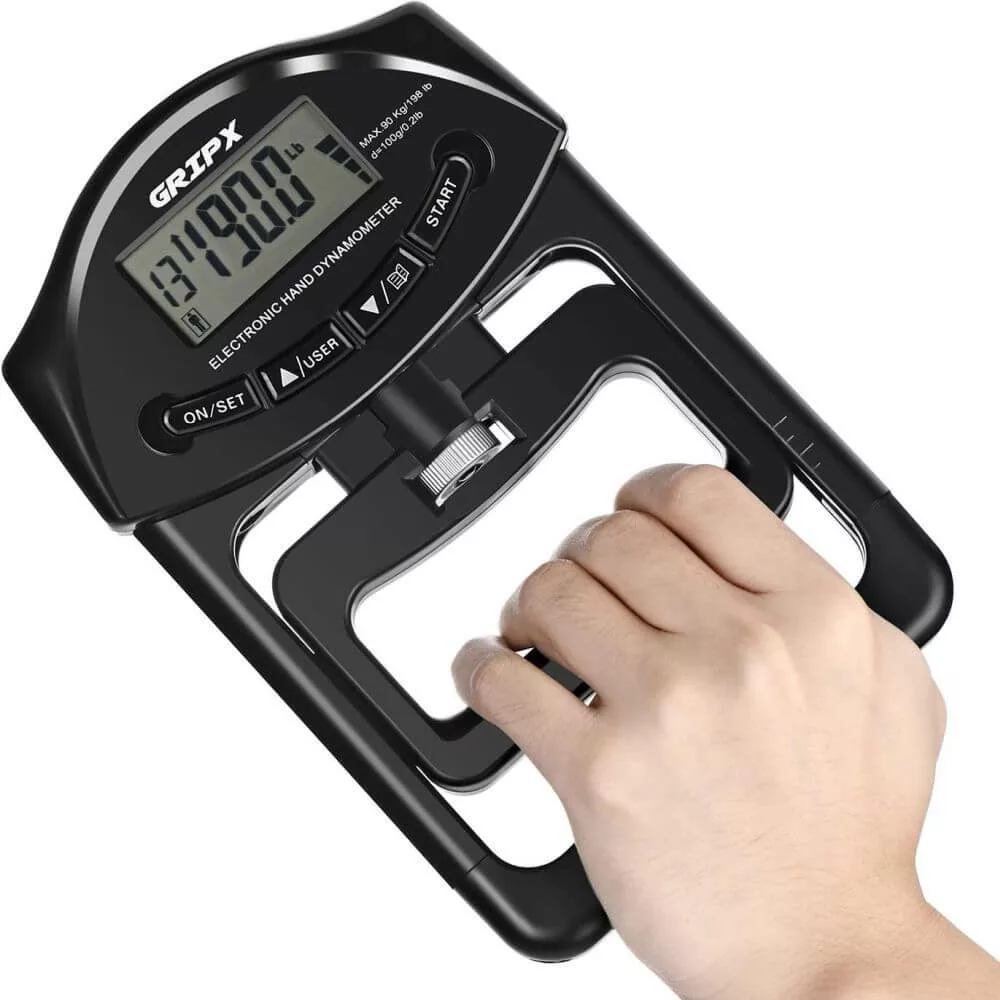
The Best Grip Dynamometer for Home, Sports, & Clinical Use?
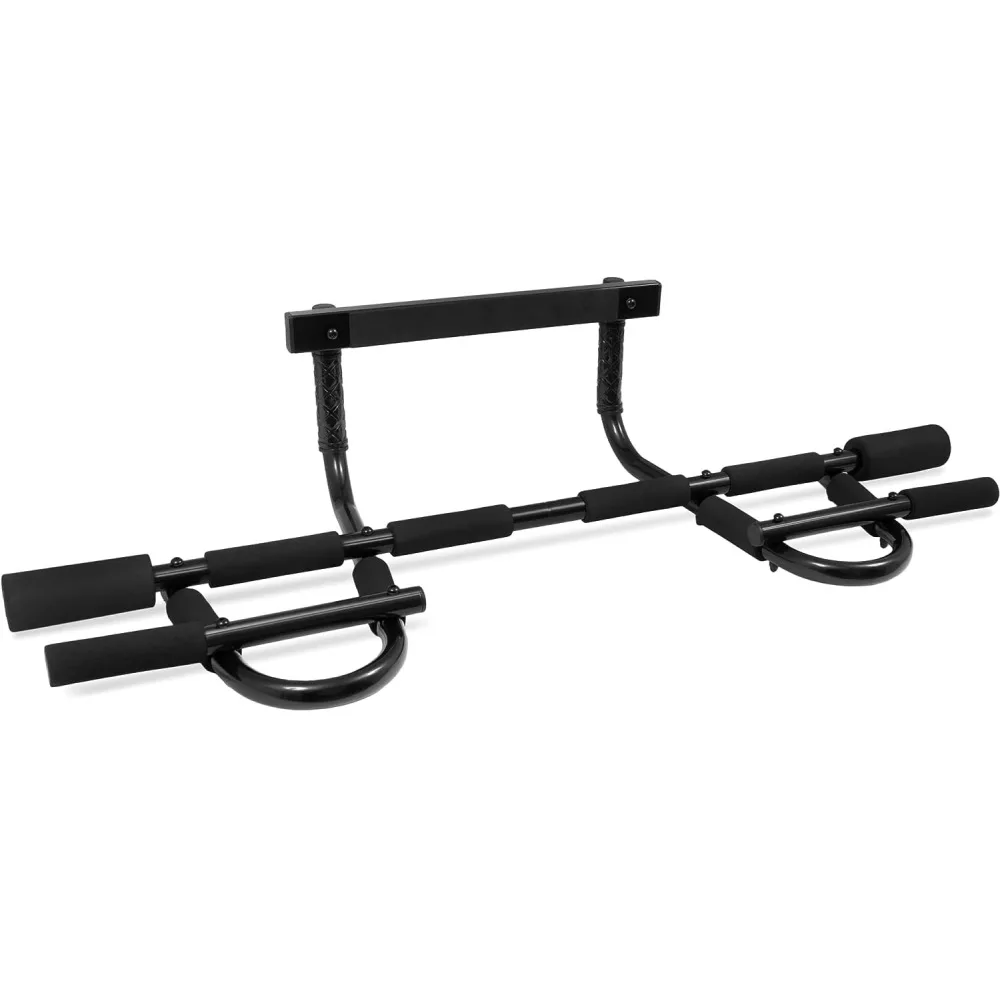
Door Pull-Up Bar with 12 Foam Grips: Max Comfort & Versatility
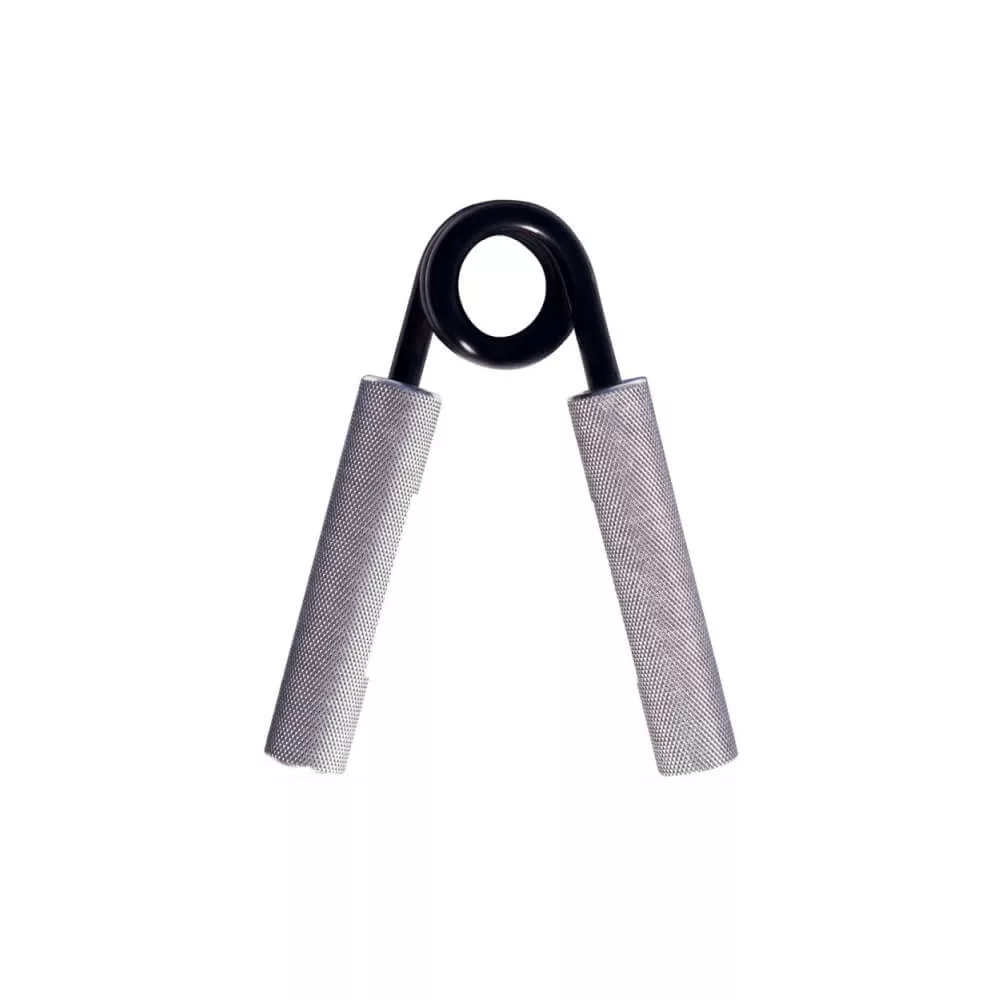
Affordable, Consistent Grippers: Best Bang for Your Buck?
For most beginners, improving both qualities is the fastest path toward stronger, more reliable hands. The good news is that neither one requires complicated programming, just consistency, patience, and a willingness to train regularly.
Grip strength gets you started. Grip endurance keeps you going.

Excellent Pull-Up Bars Designed for Wider Doorframes

Transform Every Barbell into Axel with Fat Bar Handles?
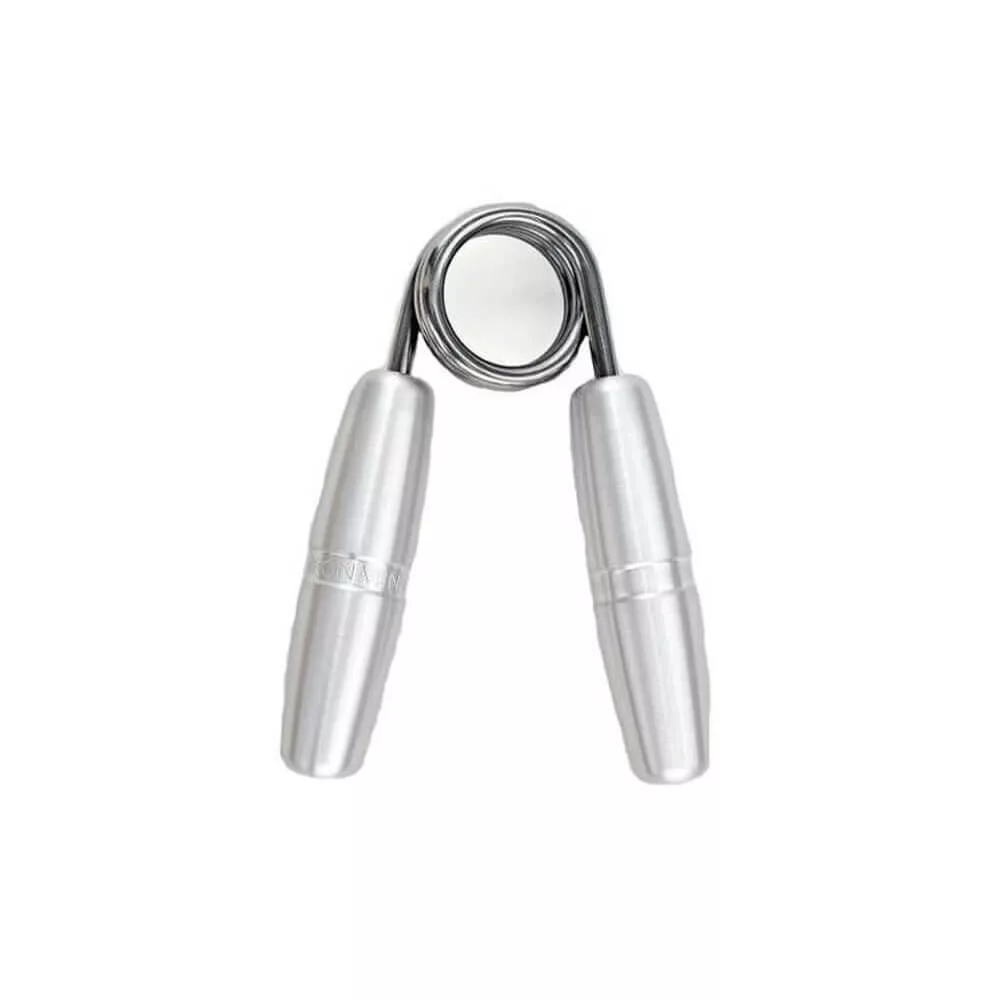
Smooth-Handle Gripper: Ideal For Rehab & Gentle Training
Key Takeaways
- Grip strength and grip endurance are different abilities – One measures maximum force, while the other measures how long you can sustain it.
- Most daily activities require both – Carrying, lifting, climbing, and even typing rely on a combination of power and stamina.
- Training should reflect your goals – Heavy resistance improves strength, while timed holds build endurance.
- Beginners often need more endurance than they realize – Reliable hands typically improve quality of life more than maximum force alone.
- Balanced development delivers the best results – Strong and enduring hands are ultimately more useful than specializing too early.
Thanks for Reading!
Do You Think Your Limiting Factor is Grip Strength or Endurance?
Let Me Know in the Comments Below!