(Last Updated on October 15, 2026 by Henry)
Refine Your Grip Training With Better Programming, Specificity & Recovery
The world of grip training isn’t just about lifting heavier weights; it’s about understanding a deeper level of skill and strategy.

When you’re moving from beginner to advanced stages, you start realizing the importance of precision and planning in your workouts.
That’s where things like training volume, intensity, frequency, & specificity really come into play.
Simply put, advanced grip training is about refining your programming to make sure it fits your goals and the specific demands of your sport or activity.
Just piling on more weight isn’t going to cut it if you’re looking for real progress.
This is especially true when it comes to the nuances of grip strength, as opposed to just overall strength gains.
One of the first things to tackle is understanding the critical variables:
- Training volume: How much total work you perform through sets, repetitions, holds, and exercises.
- Training intensity: How challenging each movement or effort is.
- Training frequency: How often you train your grip throughout the week.
- Training specificity: How closely your exercises match your actual goals and activities.
These factors help tailor your sessions so they align with your needs and create a sustainable workout plan. Each one plays a key role in how effective your training sessions are, so it’s crucial to get these right.
Another point to bear in mind is the risk of jumping into advanced routines too soon. Such routines can lead to burnout or injury if your body isn’t prepared or if you’re not fully aware of how these intricate factors interact during your training sessions.
It’s all about pacing yourself and making sure your regimen evolves as your skills do.
For athletes who have a well-established base in strength, adopting a more precise program becomes crucial. You’ll need to integrate exercises that not only emphasize overall hand strength but also target the subtle, specific movements relevant to your activities.
In a nutshell, the journey towards advanced grip training requires patience, a sound understanding of your body, and a measured approach to introducing these complex training elements gradually.
Once you master these, you’ll be able to design a program that’s finely tuned to unlock your full potential without falling into the trap of overtraining or injury.
A useful starting point: Advanced grip training does not necessarily mean training every movement harder, every day. It means understanding what you are trying to improve, selecting the right tools and exercises, and managing the workload well enough to keep progressing.
Here’s a grip strength training protocol you can follow.
Let’s break down variations that are more accessible with minimal equipment.
Fine-Tuning Specificity in Grip Movements
When it comes to grip training, specificity is the name of the game.
It’s important to zero in on the exact type of grip strength you want to develop, as different movements target different elements of grip strength. Simply put, crush strength isn’t the same as pinch strength, and support endurance won’t automatically translate to explosive grip strength.
To get the best results, you need to align your exercises with your exact goals.
Whether you want to focus on crushing, pinching, supporting, wrist torque, or even pronation and supination, each objective requires specific exercises.
Let’s say you’re aiming to enhance pinching strength; regular crush exercises might not deliver the results you’re after. It’s all about matching your workout to your needs.
Match the Training Tool to the Goal
- Crush grip: Use grippers, crushing handles, and other tools that challenge the fingers closing around an object.
- Pinch grip: Use loading pins, pinch blocks, plates, or other tools that require the thumb and fingers to hold an object together.
- Support grip: Use dead hangs, farmer carries, heavy holds, and loaded carries to build the ability to hold onto a weight for time.
- Wrist torque: Use wrist rollers, leverage tools, and controlled wrist flexion or extension movements.
- Pronation and supination: Use specialized rotational tools, straps, and handles that train the forearm to rotate against resistance.
- Finger extension: Use extension bands or other opening movements to balance repeated gripping and finger-closing work.
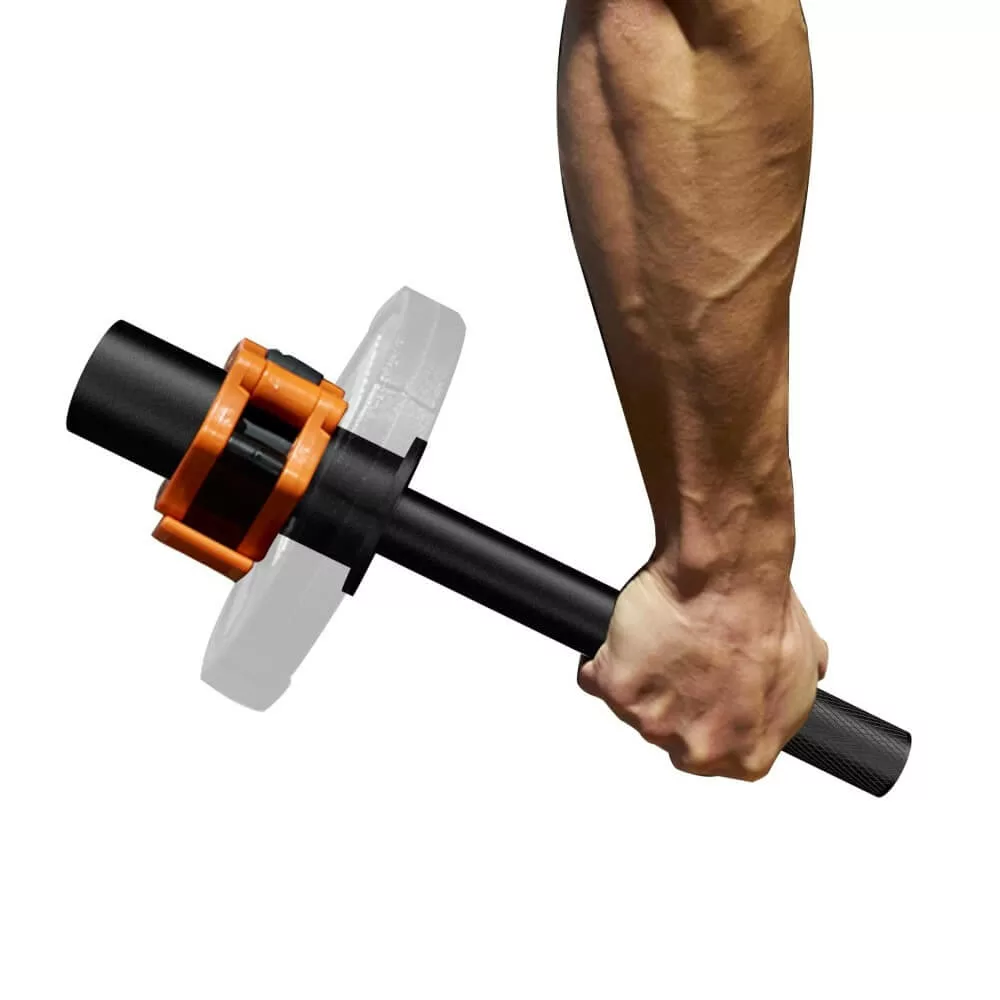
Wrist Strength Without Weak Links: Build Forearm Power & Control
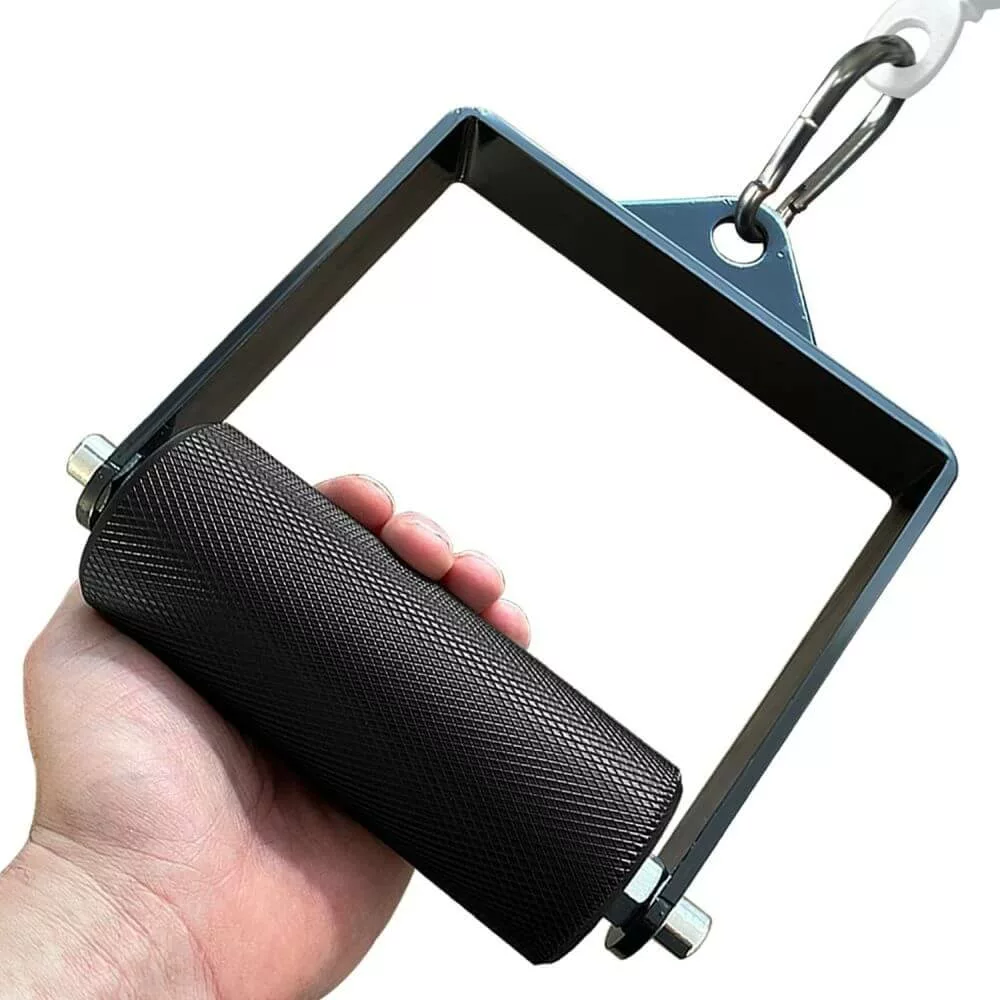
Thick Rotating Handle for Serious Forearm & Grip Development
Modern Rice Bucket Gadget for Grip & Forearm Training?
Sports and activities also dictate the kind of grip training you should prioritize.
A rock climber’s program will differ significantly from a powerlifter’s because the demands of their respective sports require different types of grip training. Knowing what’s important in your specific sport helps in tailoring a targeted plan.
A climber may need more finger strength, open-hand control, and endurance on small holds. A powerlifter may prioritize support grip for heavy deadlifts and loaded carries. An arm wrestler may need more wrist control, pronation, supination, and specialized leverage strength.
While it’s beneficial to have a balanced training regimen, it’s just as essential to have a primary focus.
Your program can include diverse exercises, but always prioritize the ones that directly contribute to your main goals. This way, you maintain a balance while making sure to hone in on what’s most important for your personal development.
The takeaway?
Don’t spread yourself too thin by trying to improve everything all at once. By focusing on what’s most relevant and training with intent, you’ll see better and faster improvements in the areas that matter most to you.
Choose a Primary Grip Goal
Before adding more exercises, ask yourself:
- What activity am I training for? Climbing, lifting, grappling, arm wrestling, work, or general hand strength may require different priorities.
- Which grip quality is holding me back? It could be crush strength, pinch strength, support endurance, wrist control, or finger extension.
- What movement do I perform most often? Your training should support the demands you regularly place on your hands.
- What should remain secondary? You can maintain other qualities without trying to maximize all of them at once.
A balanced program is useful, but balance does not mean giving every movement equal attention.
Your main goal should receive the freshest effort, the clearest progression plan, and the most consistent tracking.
Build a Program That Fits Your Goals
Advanced grip training is not about collecting the hardest grippers, performing endless holds, or adding more exercises simply because you can.
It’s about making deliberate decisions.
Choose the grip qualities that matter most to your goals. Match your exercises to those demands. Manage resistance, volume, frequency, rest, and exercise order. Then monitor your response and make changes gradually.
The strongest program on paper is not always the best program for you.
A routine that fits your training background, hand size, sport, schedule, and recovery capacity will usually be more useful than an impressive-looking plan that you cannot sustain.
Key Takeaway
Advanced grip training is about precision, not simply more effort.
Train the grip qualities that matter most, manage your training variables carefully, and personalize your program around your actual needs.
When specificity, progression, fatigue management, and recovery work together, your grip training becomes more effective and much easier to sustain.
Thanks for Reading!
What Part of Advanced Grip Training Are You Focusing On?
Share Your Thoughts in the Comments!