(Last Updated on October 15, 2026 by Henry)
Plan Your Grip Training For Long-Term Strength, Endurance & Performance
Periodization basically refers to structuring your training over time.
It’s all about organizing different training phases to make sure you’re developing various fitness aspects effectively, like strength, endurance, and recovery, rather than constantly pushing at maximum effort.

Think of periodization as a roadmap for your fitness journey.
When training is structured, you can make more consistent long-term progress.
Random workouts might give short bursts of improvement, but they’re unlikely to lead to significant gains over time.
Planned progression helps you track where you’re going and assess your achievements.
Grip strength training benefits greatly from periodization, similar to full-scale strength programs. It allows you to focus on different aspects, like technique, endurance, and power, in a balanced manner. This phased approach ensures that you’re not just stronger, but your grip works well across various functions.
Periodization doesn’t have to be complicated or overwhelming. There are basic models that match your current fitness level and goals. Whether you’re just starting out or have been building strength for a while, there’s an approach that works for you. The key is to tailor the plan to where you are and where you want to be.
When you’re setting up your training plan, align it with your experience and personal goals. If you’re new to grip training, you’ll want to focus more on building a solid foundation of technique and endurance. For more experienced athletes, the focus might shift towards enhancing specific aspects or skills.
Remember, the goal is not just to train harder but smarter.
Plan your training over time:
- Strength, endurance, and recovery: Organizing different training phases makes sure you’re developing various fitness aspects effectively.
- Long-term progress: When training is structured, you can make more consistent long-term progress.
- Technique, endurance, and power: Grip strength training allows you to focus on different aspects in a balanced manner.
- Experience and personal goals: Tailor the plan to where you are and where you want to be.
Motivate Yourself Not to Overtrain.
A Blueprint for Effective Grip Training: Sample Cycles
Creating an effective grip training cycle starts with understanding where you’re beginning from. Assess your current strength levels and identify areas that need improvement.
Start With Technique & Manageable Volume
In the initial weeks, focus on technique refinement and maintaining a manageable volume. This foundation ensures your movements are efficient and reduces the risk of injury as intensity ramps up.
Gradually Increase Resistance
As you progress, gradually increase resistance. Small, steady increments help your body adapt without overwhelming the muscles, preventing setbacks.
Introduce Heavier, Lower-Rep Work
Once a solid base is established, introduce heavier, lower-repetition work.
This shift aims at boosting overall grip strength while maintaining proper form and control.
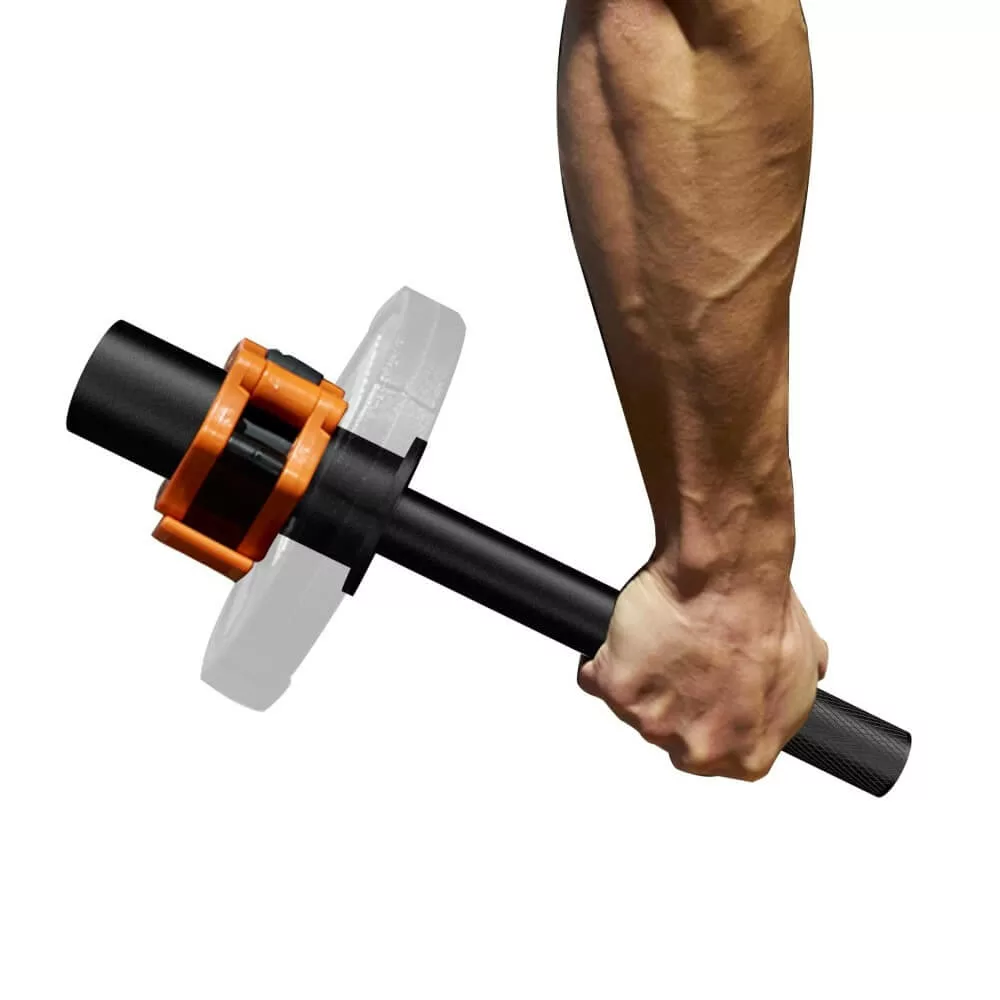
Wrist Strength Without Weak Links: Build Forearm Power & Control
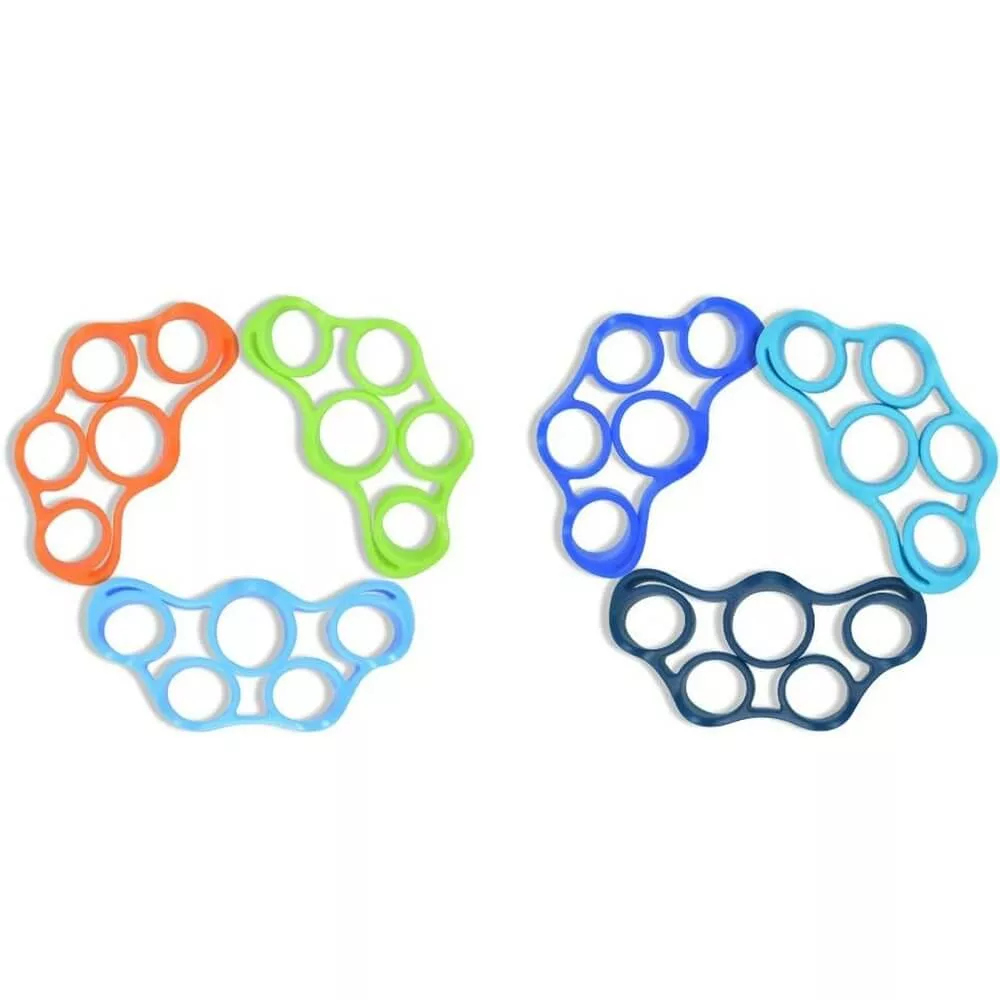
Avoid Elbow Pain with Simple Finger Exerciser
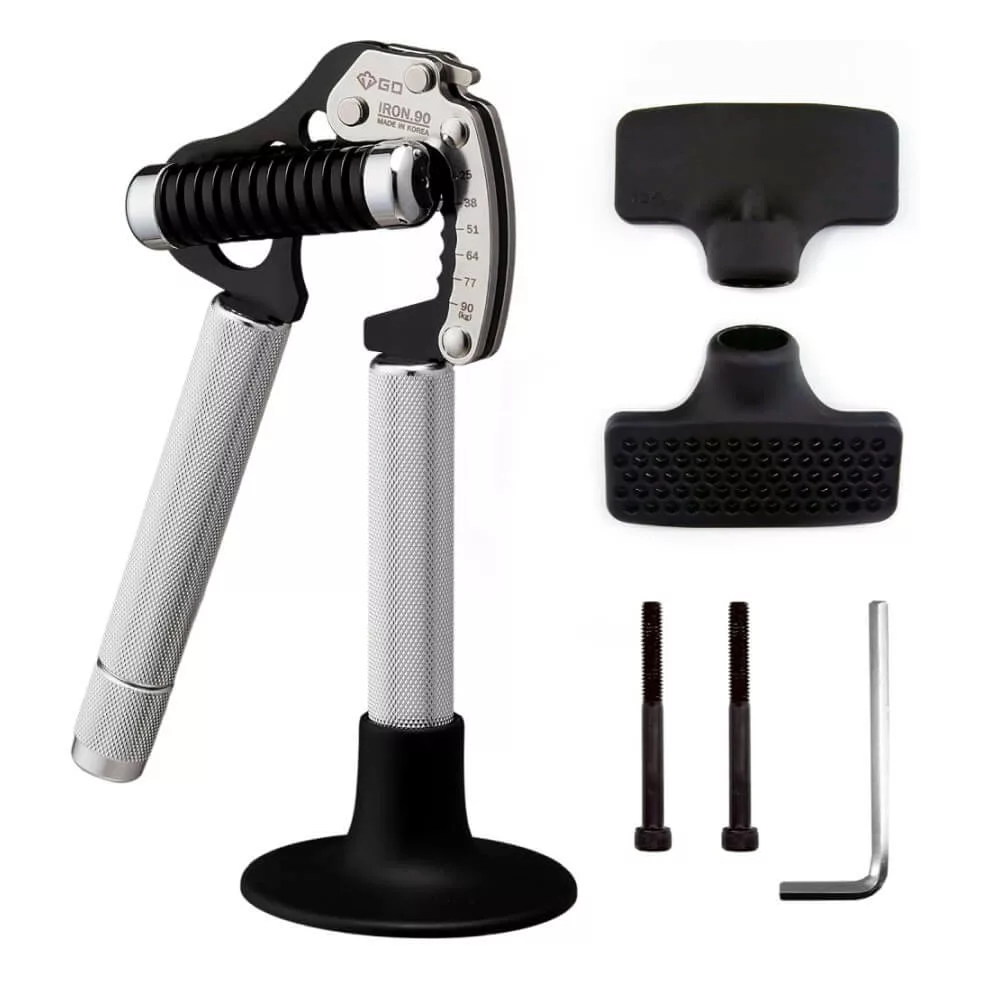
One of the Most Precise Grippers Ever Built?
Add Endurance & Sport-Specific Work
Incorporate endurance or sport-specific work towards the end of your cycle. This helps adapt your strength to real-world scenarios, whether it’s for climbing, lifting, or grip-specific sports.
Deload Before Testing Progress
Reducing fatigue before testing progress is vital. Plan for a deload or lighter training week where intensity and volume are reduced to allow recovery and peak performance in testing sessions.
A Simple Multi-Week Progression
Here’s a sample multi-week progression:
- Foundation: Start with a focus on technique and manageable volume.
- Progression: Gradually increase resistance as your body adapts.
- Strength: Integrate heavier, lower-repetition work.
- Specificity: Add stamina or sport-specific work.
- Recovery: Conclude with a lighter phase before assessing progress.
It’s crucial to remember that any example provided should be adapted to suit your individual needs and conditions. Training is highly personal, and what works for one person might need tweaks for another.
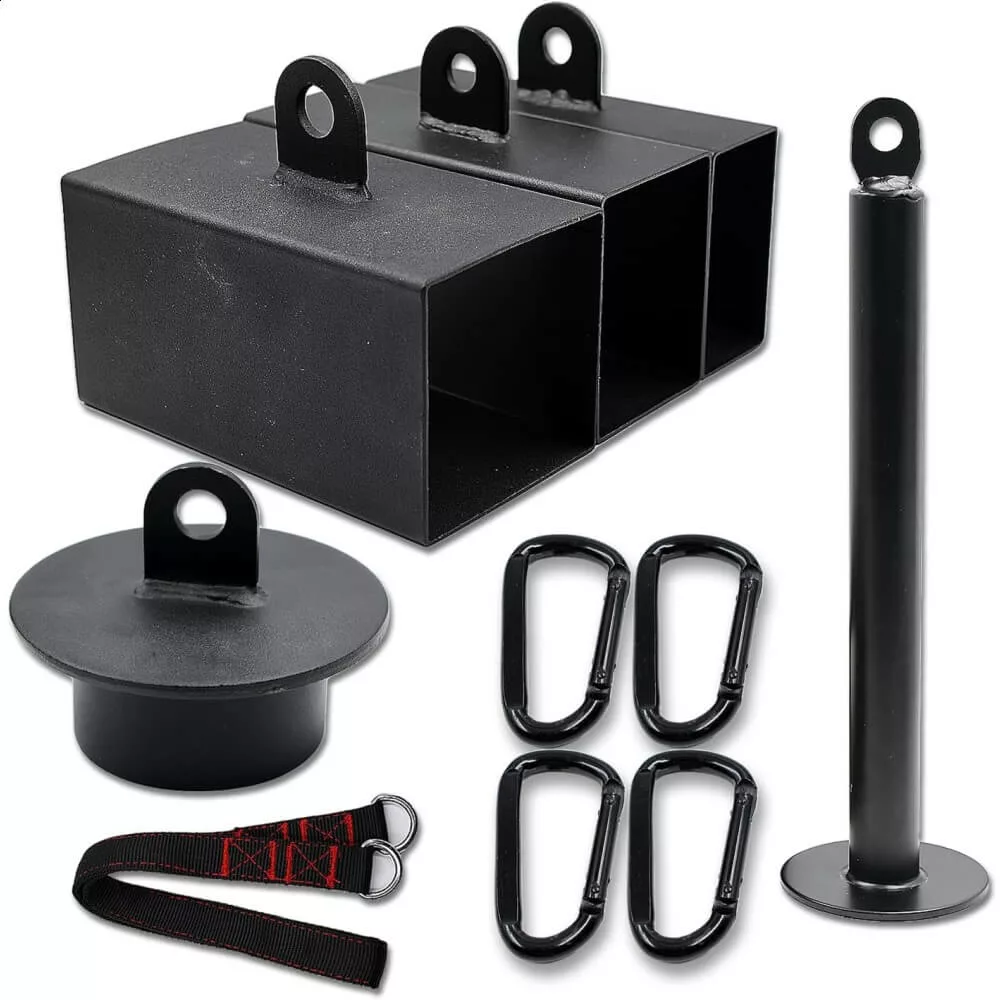
Complete Pinch Grip Training System for Serious Thumb Strength
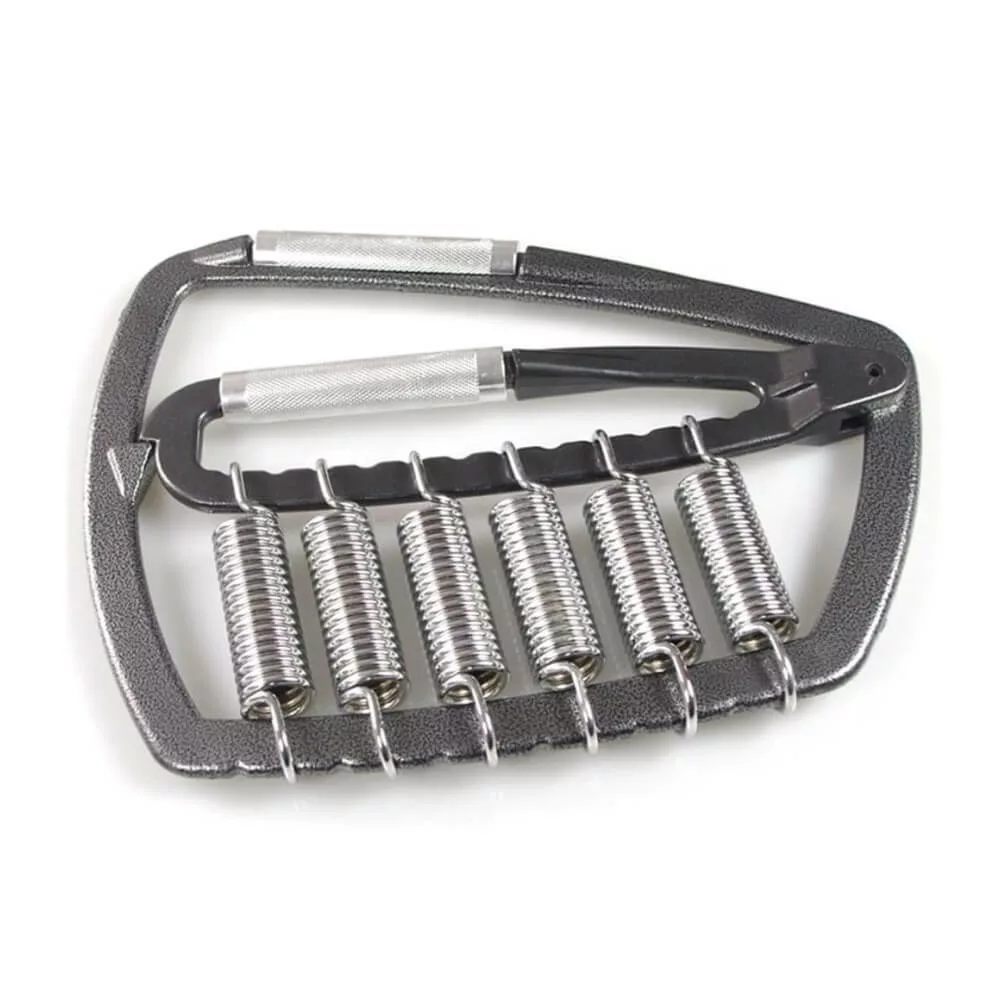
One Grip Tool That Can Replace an Entire Collection
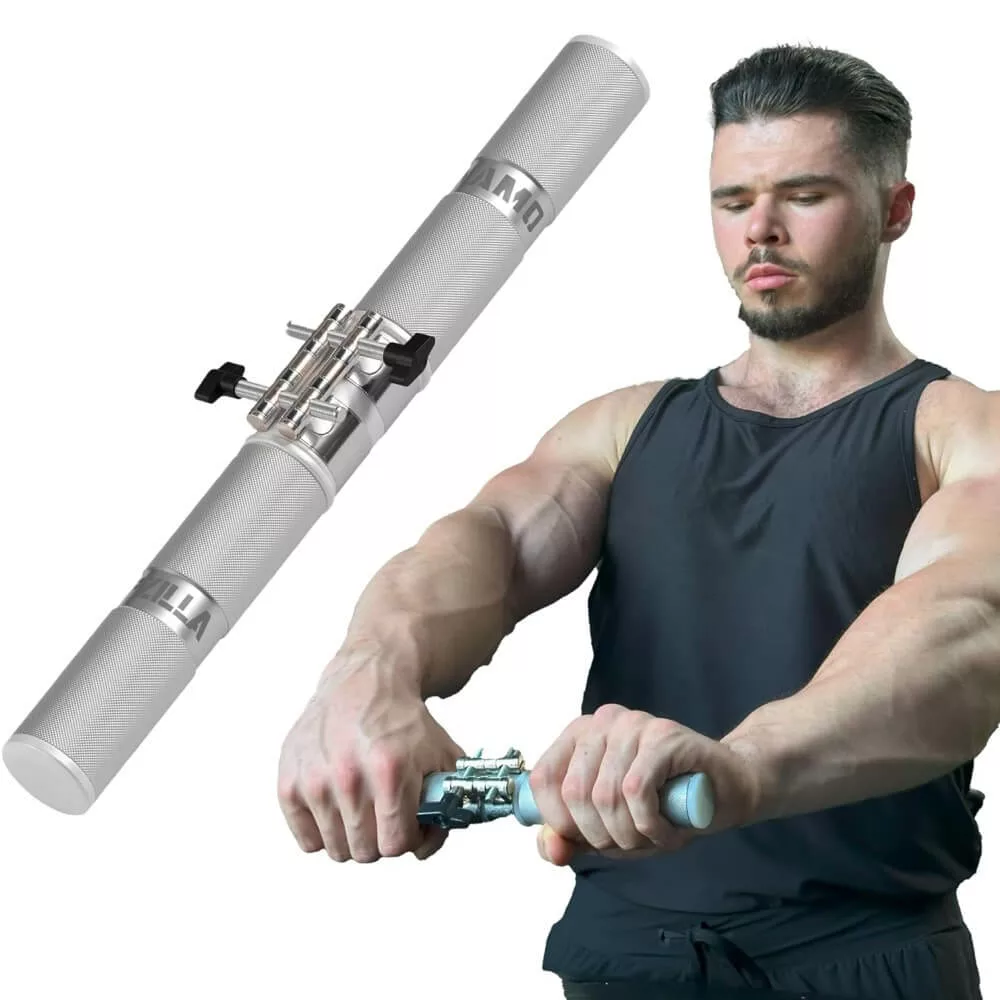
Reliable Budget Wrist Roller That Actually Lasts?
Build a Grip Training Plan That Evolves With You
Periodization for grip strength doesn’t have to mean creating a complicated training schedule or rigidly following a plan that leaves no room for adjustment.
The basic idea is much simpler: organize your training so you know what you’re trying to improve, when you want to emphasize it, and when you need to give your body time to recover.
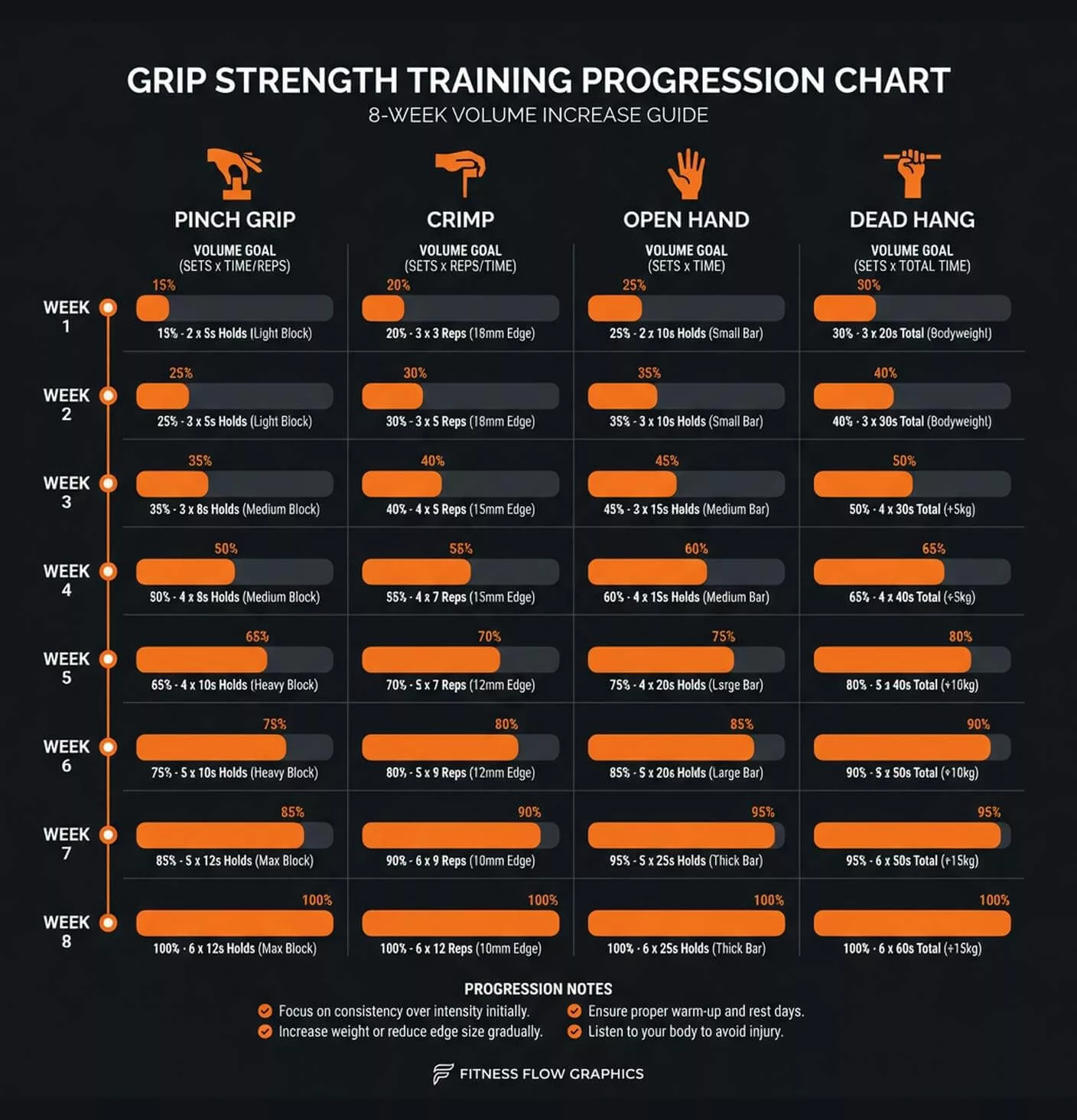
Your priorities can change as you become stronger and more experienced.
A beginner may need more time developing technique and work capacity, while an experienced athlete might benefit from greater specificity, heavier resistance, or more carefully managed fatigue.
The important thing is to make those changes deliberately rather than simply pushing harder every time you train.
Key Takeaway
Periodization is simply a way to give your grip training structure over time.
By organizing your training into different phases, you can develop technique, work capacity, strength, endurance, power, and recovery without trying to maximize everything at once.
You don’t need a complicated program to benefit from periodization.
Set a clear goal, choose the variables that support it, progress gradually, track your results, and adjust the plan when your experience or recovery demands it.
Thanks for Reading!
How Do You Currently Structure Your Grip Training?
Share Your Thoughts in the Comments!