(Last Updated on September 19, 2026 by Henry)
Find the Grip Qualities That Matter Most for Your Activity
Then Build Your Training Around Them Without Neglecting the Rest of Your Hands
Grip strength is not one single ability.
A climber hanging from a small hold, an arm wrestler trying to control an opponent’s wrist.
A lifter holding a heavy bar and someone typing at a computer.
All place very different demands on the hands and forearms.
Even though all of these activities involve “grip,” the qualities required to perform them well can be quite different.
That is why grip training becomes much more useful when you understand:
What kind of grip your goals actually require.
You do not necessarily need to train every aspect of grip strength equally. You also do not need to abandon everything except one movement once you choose a specialization.
The better approach is to build a general foundation first, identify the qualities that matter most for your activity, then give those qualities greater attention while maintaining the rest of your hand and wrist function.
In other words, specialization is about emphasis, not exclusion.
These 3 details are worth keeping in mind:
Define your goals better; don’t go overboard with volume; do a better job at recovery
3. Match Your Training to Your Activity
The best starting point for specialization is usually not an exercise.
It is the activity you want your hands to perform better.
Ask yourself what your hands actually have to do during that activity. Do they need to produce maximum force? Hold onto a load for a long time? Control another person’s wrist? Maintain small finger positions? Repeat gripping actions without fading?
Those questions tell you much more than simply asking, “How can I get a stronger grip?”
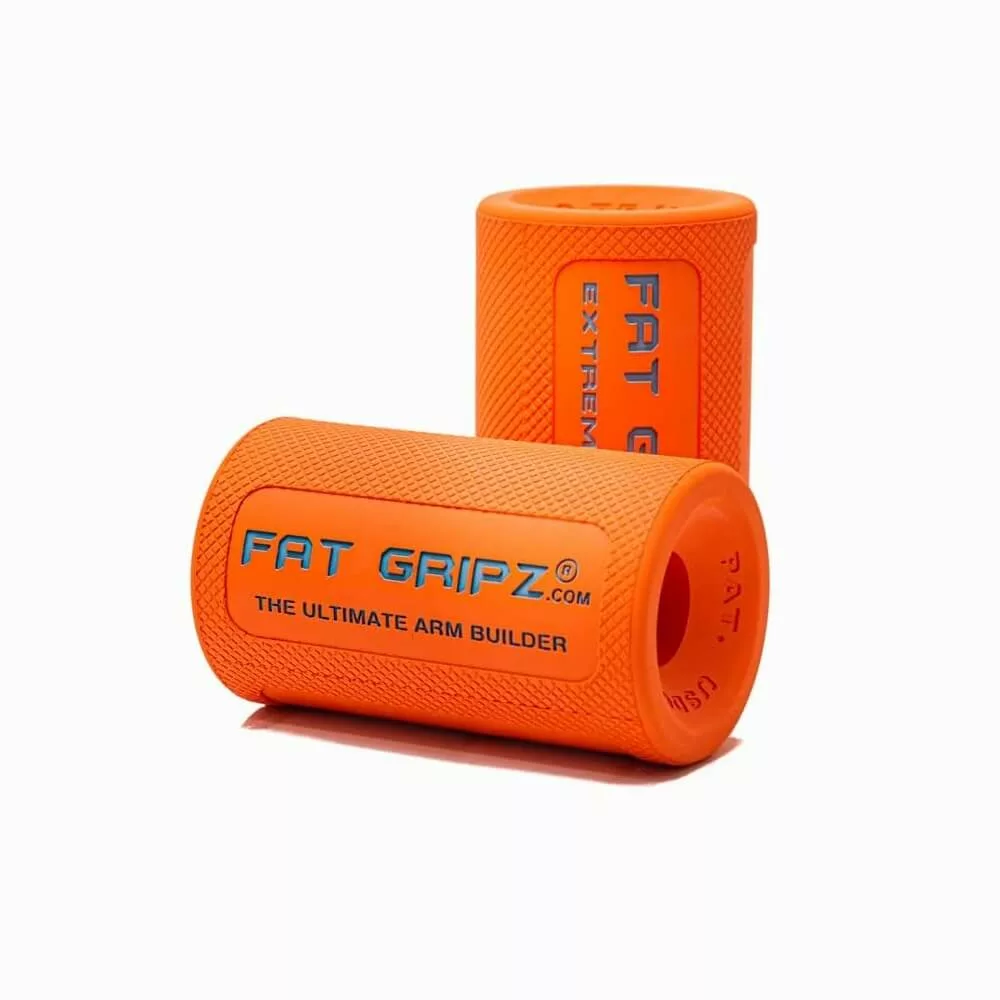
Massive Thick-Grip Training for Elite Forearm Strength

Burn Machine Arm Rotation Trainer: Shockingly Effective?
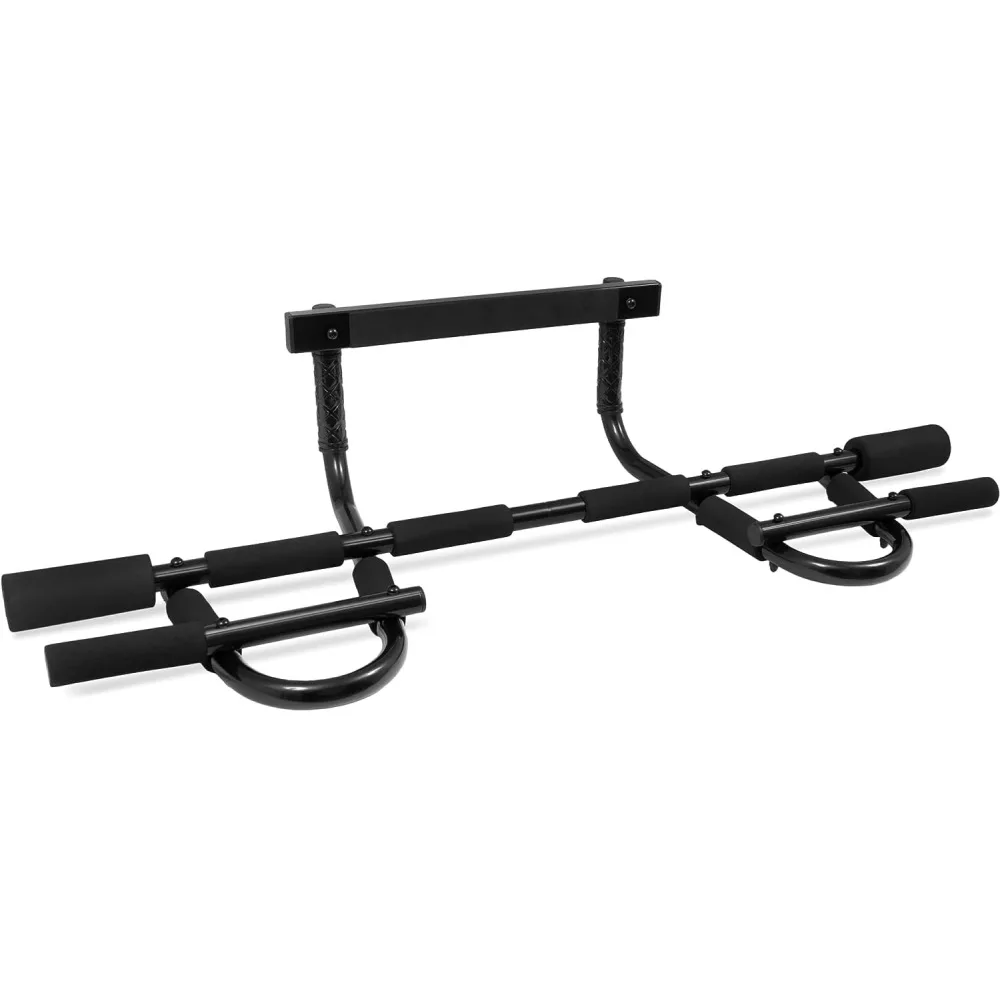
Door Pull-Up Bar with 12 Foam Grips: Max Comfort & Versatility
Climbing and Bouldering
Climbing places unusual demands on the fingers because the hand may need to support bodyweight through relatively small contact points.
Finger strength is therefore an obvious priority, but it is not the only consideration.
Pinch strength, open-hand positions, support endurance, and the ability to tolerate repeated loading can all matter depending on the style of climbing and the individual.
For climbers, specialization should also account for tissue capacity. Stronger fingers are useful, but the ability to repeatedly expose those tissues to climbing-specific loads without exceeding their recovery capacity is just as important.
A climbing-focused program therefore does not need to become a collection of maximum-effort finger exercises. It should complement actual climbing rather than competing with it.
Arm Wrestling
Arm wrestling is an excellent example of why general “grip strength” can be too broad a concept.
The hand and wrist have to control an opponent while force is produced through several directions. Wrist position, pronation, supination, finger containment, and pulling strength can all influence performance.
For someone specializing in arm wrestling, wrist torque and forearm rotation may therefore deserve considerably more attention than simply chasing a heavier gripper close.
The most useful specialization is the one that reflects the positions and forces encountered at the table.
Strongman and Heavy Lifting
For heavy lifting, the question is often much simpler:
Can you keep hold of the weight?
Support grip becomes particularly important when the hands have to maintain contact with a heavy bar, handle, or implement for an extended period.
Thick handles and loaded carries can introduce additional challenges because they alter how the hand has to wrap around and control the object.
Someone whose primary goal is lifting heavier loads may therefore get more practical benefit from support-grip training than from spending most of their grip-training time on maximum crush strength.
Calisthenics
Calisthenics frequently involves hanging, pulling, supporting bodyweight, and controlling the wrist while the body moves through different positions.
Support grip and hanging ability are therefore central qualities.
Wrist control can also matter, particularly when training movements that place the hands in unusual positions or require significant pressure through the palms.
The specialization here is less about producing one enormous grip-strength number and more about developing hands capable of repeatedly supporting and controlling bodyweight.
Combat Sports and Grappling
Grappling and combat sports can demand repeated gripping rather than one isolated maximum effort.
The hands may need to control clothing, limbs, wrists, or other objects while the athlete continues moving and producing force.
That makes grip endurance particularly relevant.
Wrist control, pulling strength, and the ability to repeatedly grip without rapidly fading can all become important supporting qualities.
For these athletes, a specialization built entirely around maximum squeezing strength may miss the bigger picture.
General Fitness
If your goal is simply to become stronger, healthier, and more capable, early specialization may not be necessary at all.
A balanced approach covering several major grip and wrist qualities can provide a broad base without requiring you to choose one narrow pathway.
General fitness is also a useful situation for allowing your interests to develop naturally.
You may discover that you enjoy climbing, lifting, arm wrestling, calisthenics, or another activity later. A broad foundation gives you somewhere useful to start when that happens.
Desk Work and Everyday Hand Health
Someone who spends much of the day typing, using a mouse, gaming, or performing other repetitive hand tasks usually does not need an extreme specialization.
Moderate strengthening, finger extension, wrist movement, sensible workload management, and general hand conditioning may be more appropriate.
The objective is not to turn every office worker into a grip-strength specialist.
It is to develop hands that can tolerate everyday demands while maintaining a useful balance between strength, movement, and recovery.
Build a Grip Training Focus That Actually Fits Your Goals
There is no single version of “strong hands” that is perfect for everyone.
A climber, arm wrestler, lifter, grappler, calisthenics athlete, office worker, and recreational trainee can all benefit from stronger hands while requiring very different qualities from them.
That is why choosing a specialization should begin with your goal, not with whichever grip exercise happens to be most popular.
Build a general foundation first. Identify the qualities your activity demands. Find the area that limits you most. Give that quality the greatest training emphasis while maintaining the rest of your basic hand and wrist capacity.
That approach lets you specialize without becoming unnecessarily narrow.
And perhaps most importantly, it gives your grip training a reason to exist beyond simply chasing bigger numbers.
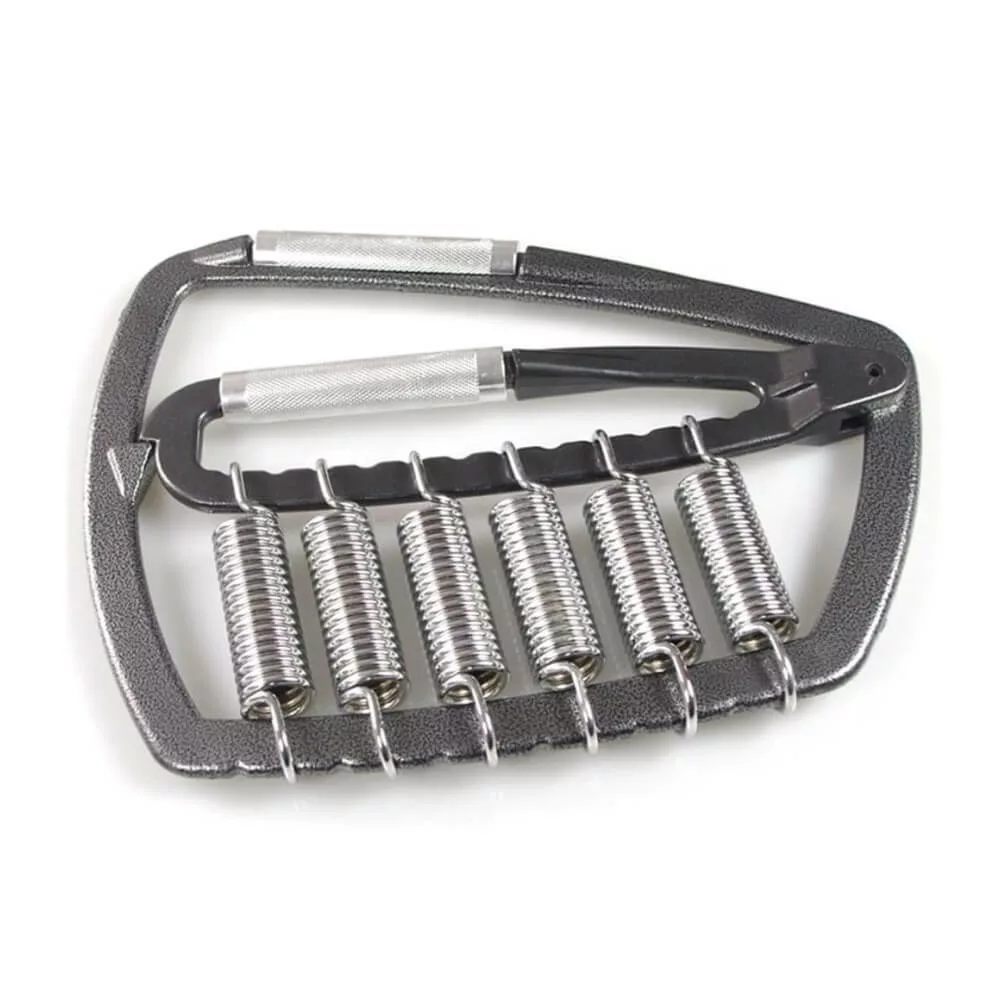
One Grip Tool That Can Replace an Entire Collection
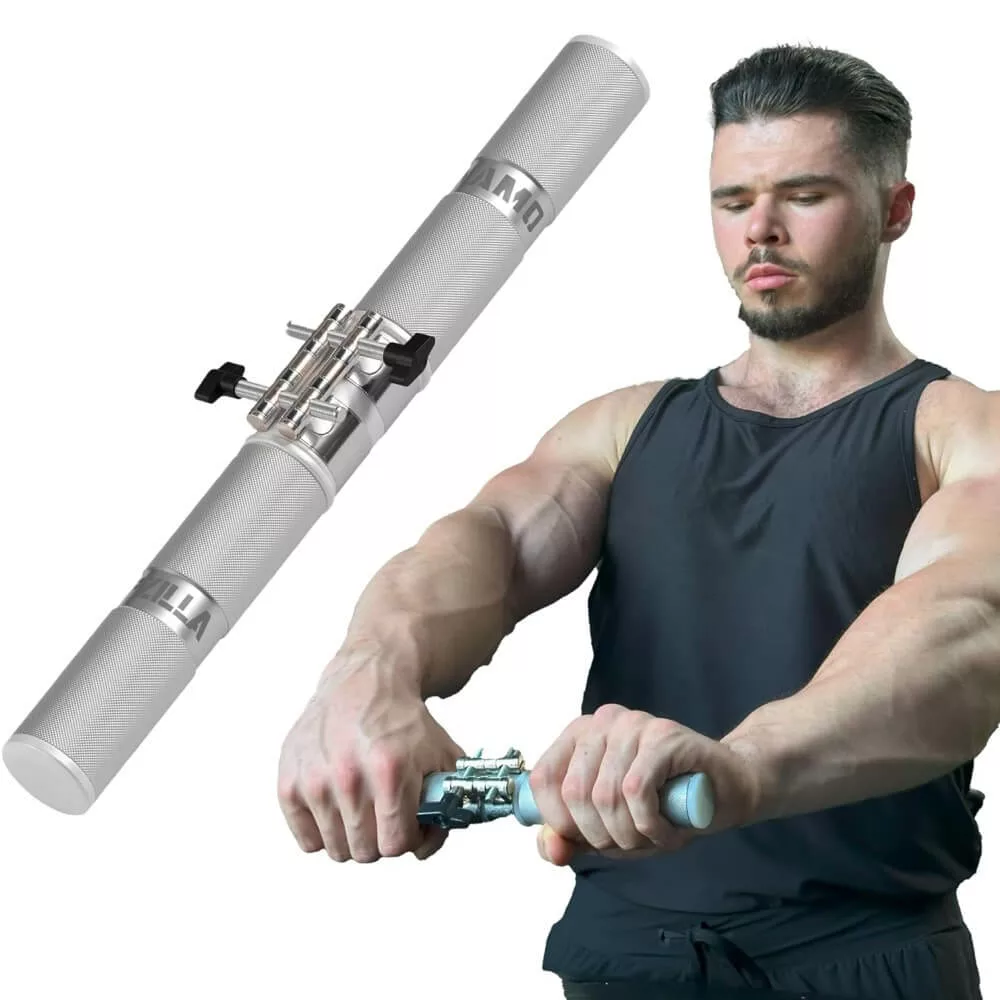
Reliable Budget Wrist Roller That Actually Lasts?
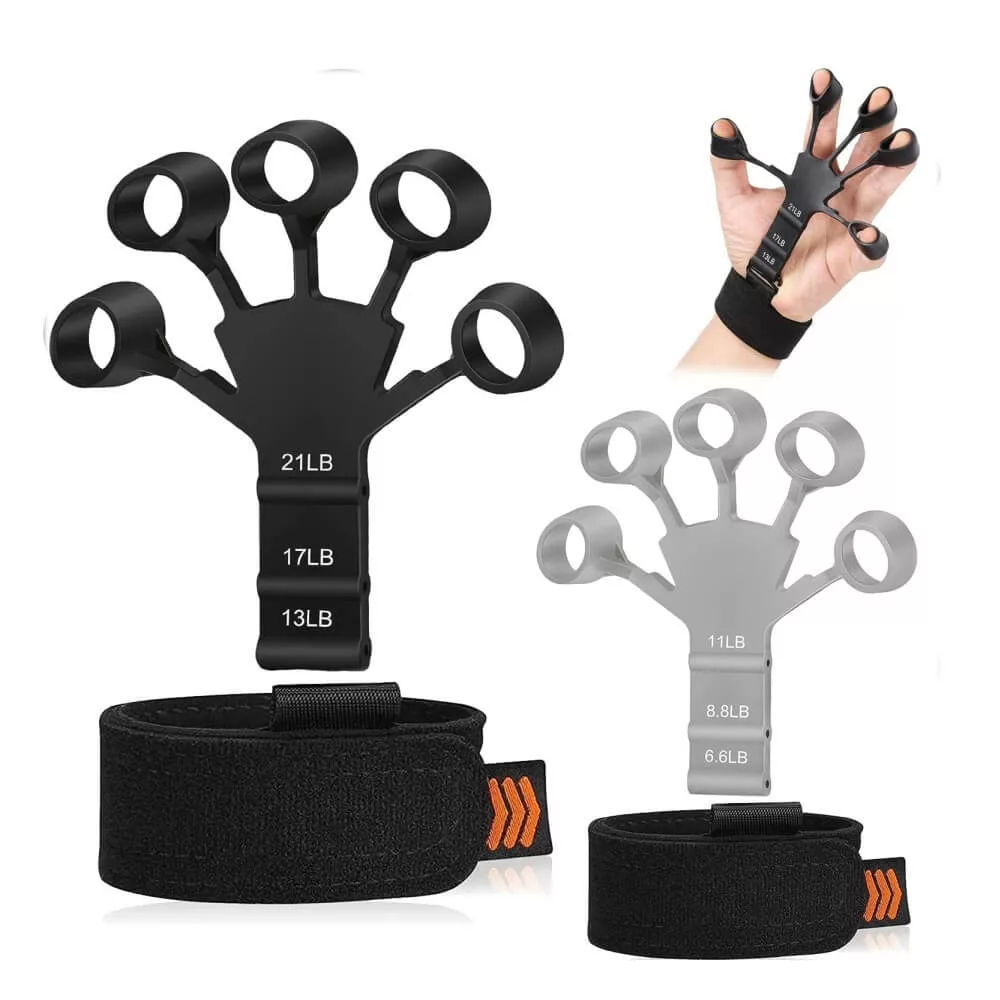
Fun & Affordable Way to Rehab Weak Hands
Recommended Next Reads
Your strongest grip is not necessarily the one that produces the biggest number.
It is the one that gives you the capabilities you actually need.
Key Takeaway
Specialization does not mean training one grip quality & ignoring everything else.
Focus on identifying the demands that matter most for your goal and giving those qualities greater attention while maintaining a useful foundation of overall hand, finger, wrist, and forearm capability.
Choose your focus based on what you actually do, what currently limits you, the equipment and time you have available, and how well your hands can recover.
Then give that specialization enough time to work before reassessing it.
Train Smarter. Grip Harder.
Thanks for Reading!
Have You Already Found Your Main Grip-Training Specialization?
Share Your Thoughts in the Comments!