
(Last Updated on October 13, 2026 by Henry)
Finding The Sweet Spot Between Training & Recovery
One of the first questions beginners ask is surprisingly simple:
“How often should I train my grip?”
The answer isn’t “every day,” nor is it “once in a while.”
Like every other muscle group in your body, your grip becomes stronger through a cycle of training, recovery, and adaptation.
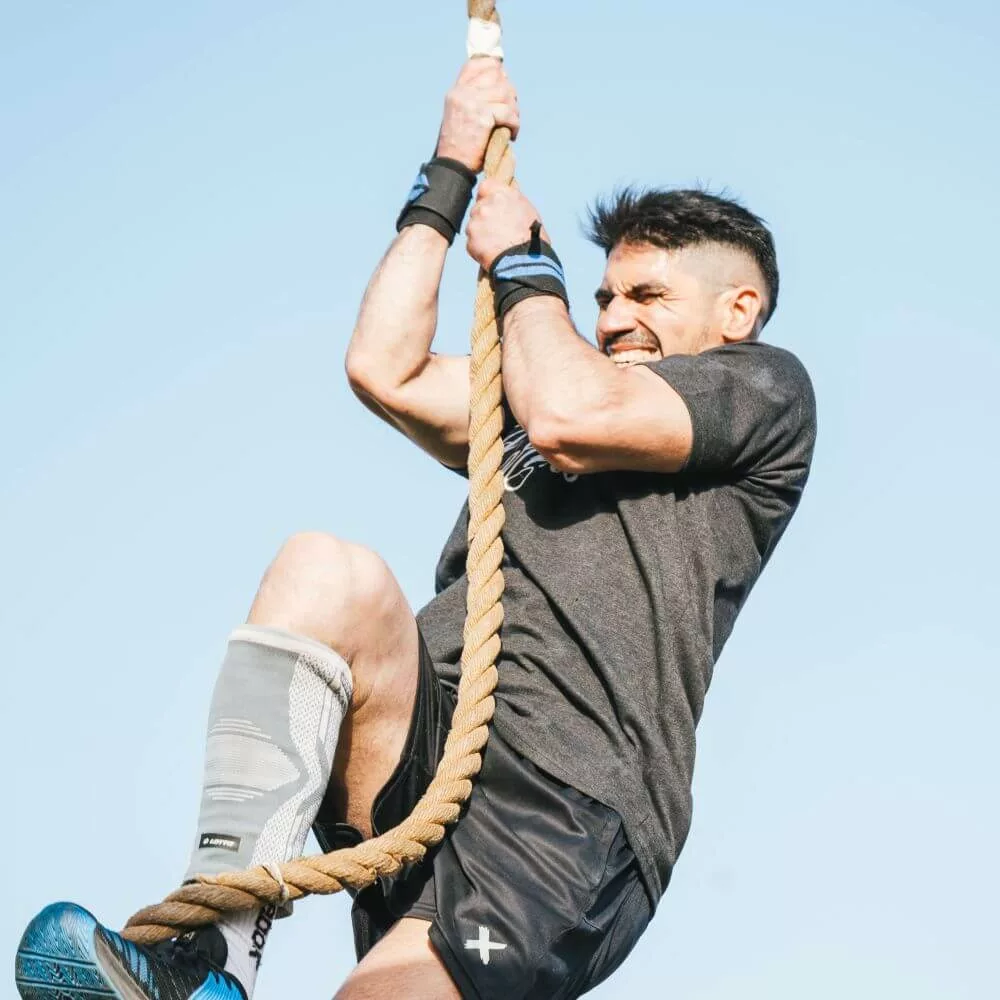
Train too little and progress slows to a crawl.
Train too often and your forearms, hands, and tendons may never fully recover before the next workout begins.
This is where many beginners start unintentionally sabotaging themselves.
They become excited after buying their first gripper or pull-up bar and start training every chance they get.
At first, this feels productive, but after a few weeks, their hands constantly feel tired, sore, or weaker than before.
The goal isn’t simply to train more.
The goal is to train consistently enough to stimulate progress while allowing your body enough time to recover.
Fortunately, grip training is fairly forgiving for beginners.
Once you understand how recovery works and learn to recognize your body’s signals, finding your ideal training frequency becomes much easier.
Let’s Rank the Exercises that Have Potential to Give You the Best & Fastest Gains.
Your muscles grow during training.
Your strength grows during recovery.
Delving into Grip Muscles and Recovery
Getting a good grip on things starts with knowing what muscles you’re actually working. Your forearm muscles, along with the smaller muscles inside your hands, are the key players here. These muscles are quite different from larger muscle groups and have their own recovery needs.
Once you’ve worked your grip, it’s important to understand how recovery takes place. These muscles, because of their size and because they’re used constantly during everyday activities, often recover faster than larger muscle groups. However, that doesn’t mean they recover instantly. Heavy gripping sessions still place considerable stress on the muscles, tendons, and connective tissues.
The downtime your grip muscles receive doesn’t have to mean doing absolutely nothing. Active recovery, such as gentle hand mobility drills, stretching, or light finger extension exercises, can help maintain movement without placing excessive stress on recovering tissues.
Understanding the influence of recovery helps determine how often to train these muscles. Giving them enough time to repair allows them to become stronger and more resilient over time. The better you understand recovery, the easier it becomes to build an effective long-term routine.
Recovery Principles Every Beginner Should Know
- Grip muscles recover relatively quickly – Because they’re smaller than muscles like your legs or back, they often recover faster, especially after lighter training sessions.
- Tendons recover much more slowly – Your muscles may feel ready after a day or two, but connective tissues continue adapting behind the scenes. This is why gradually increasing training volume is so important.
- Recovery doesn’t always mean complete rest – Light mobility work, stretching, and finger extension exercises can improve circulation while allowing your grip to recover.
- Sleep is one of your best recovery tools – Quality sleep supports tissue repair, nervous system recovery, and long-term strength development.
- Consistency beats intensity – Moderate training repeated for months almost always outperforms occasional “all-out” workouts.
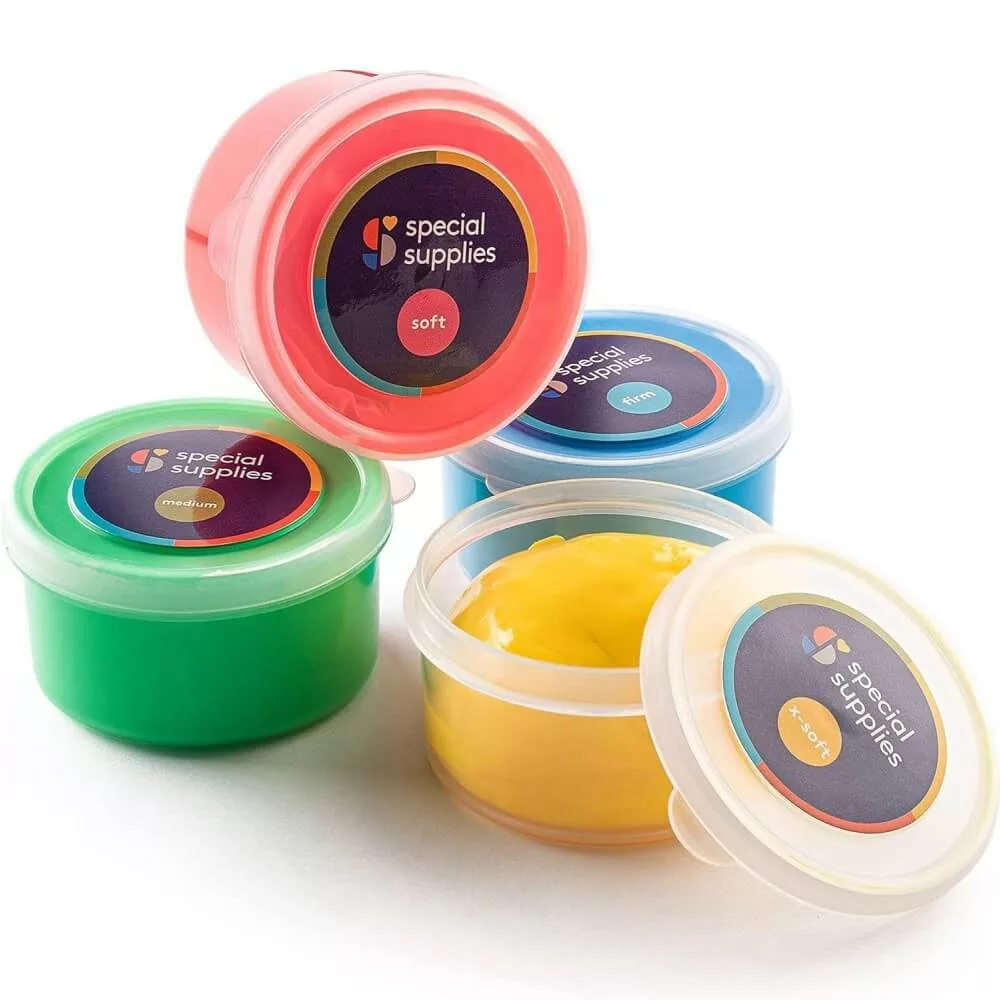
Therapy Putty: Rehab-Grade Hand Recovery & Grip Training?
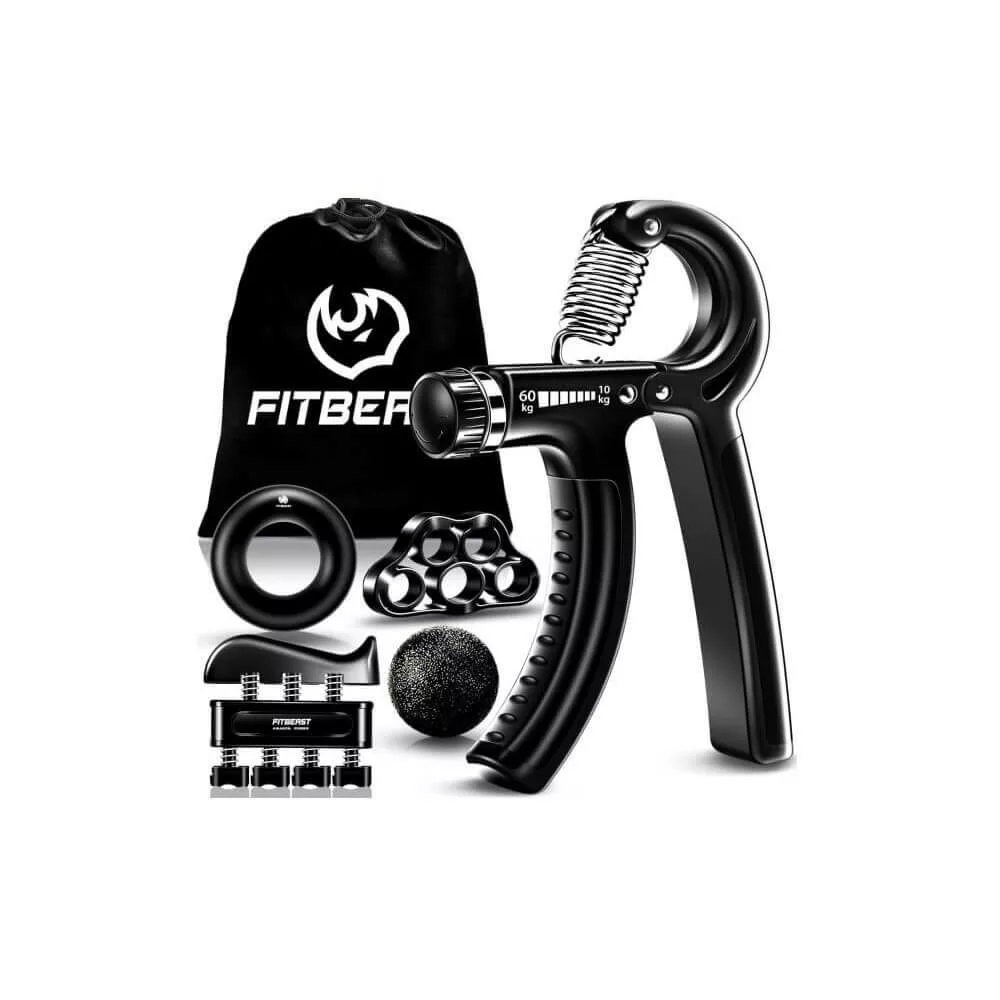
Budget Grip Strengthener Kit With 5 Trainers

Why are Handbands Staple to Build Hand Muscle Balance?
Crafting Your Ideal Weekly Grip Training Schedule
Building a weekly grip training schedule is about striking the right balance between challenge and recovery. Start with a clear understanding of your goals and current fitness level. Whether your objective is stronger everyday hands, improved climbing performance, or better lifting ability, your schedule should support those priorities.
For most beginners, training grip two or three times per week on non-consecutive days works extremely well. Combining direct grip work with compound exercises such as pull-ups, rows, carries, and deadlifts creates a balanced program without excessive volume.
As your experience grows, your schedule can evolve. Some sessions may emphasize maximum strength, while others focus on endurance or mobility. Rotating these training goals helps prevent overuse while continuing to develop every aspect of your grip.
Above all, don’t forget that recovery extends beyond the gym. Sleep, nutrition, hydration, and stress management all influence how well your hands adapt between sessions.
Building A Sustainable Routine
- Plan your training around recovery – Recovery days are part of the program, not interruptions to it.
- Mix direct and indirect grip work – Compound lifts naturally strengthen your grip while dedicated exercises target specific weaknesses.
- Avoid training to failure every session – Leaving a little in the tank improves consistency over the long run.
- Adjust your schedule when life changes – Busy weeks may require less volume, while easier weeks provide opportunities to progress.
- Think in months, not days – Long-term consistency always beats short bursts of motivation.

Gyro Ball is Amazing For Grip Training Warm-Up & Hand Rehab

How Can Hand Warmers Help Relieve Hand Pain Effectively?
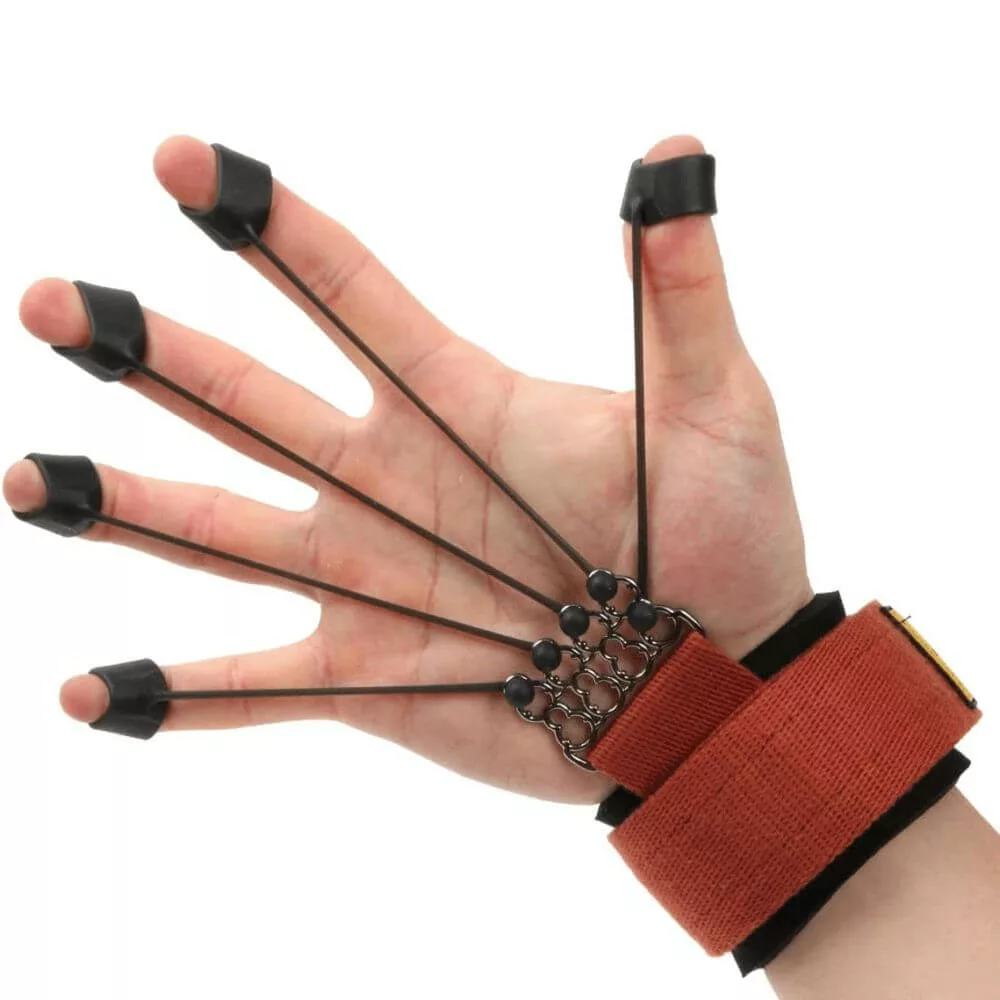
Fancy Finger Exerciser to Build Functional Grip Strength
Finding the right training frequency is less about following a universal rule and more about learning how your own body responds.
Most beginners make excellent progress with just two or three well-planned sessions each week, especially when recovery receives the same attention as training itself.
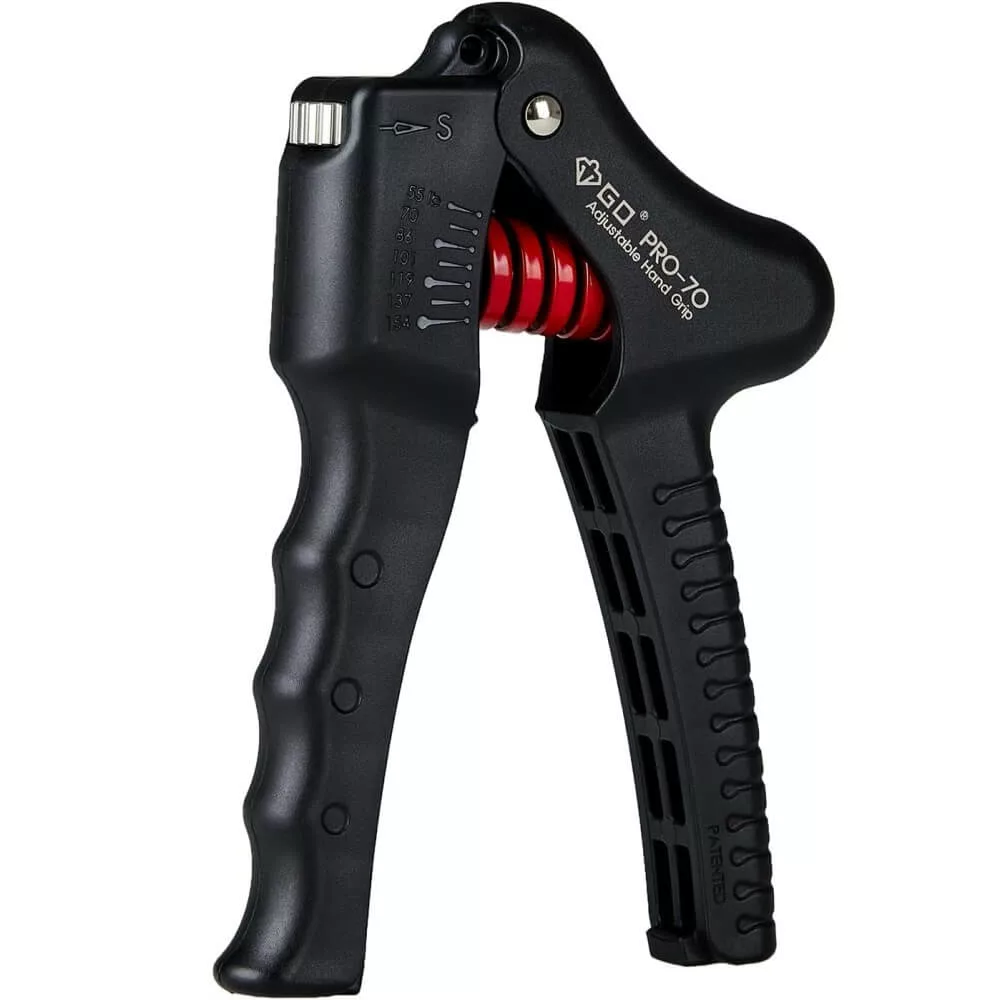
Adjustable Grip Trainer for Steady Strength Progression
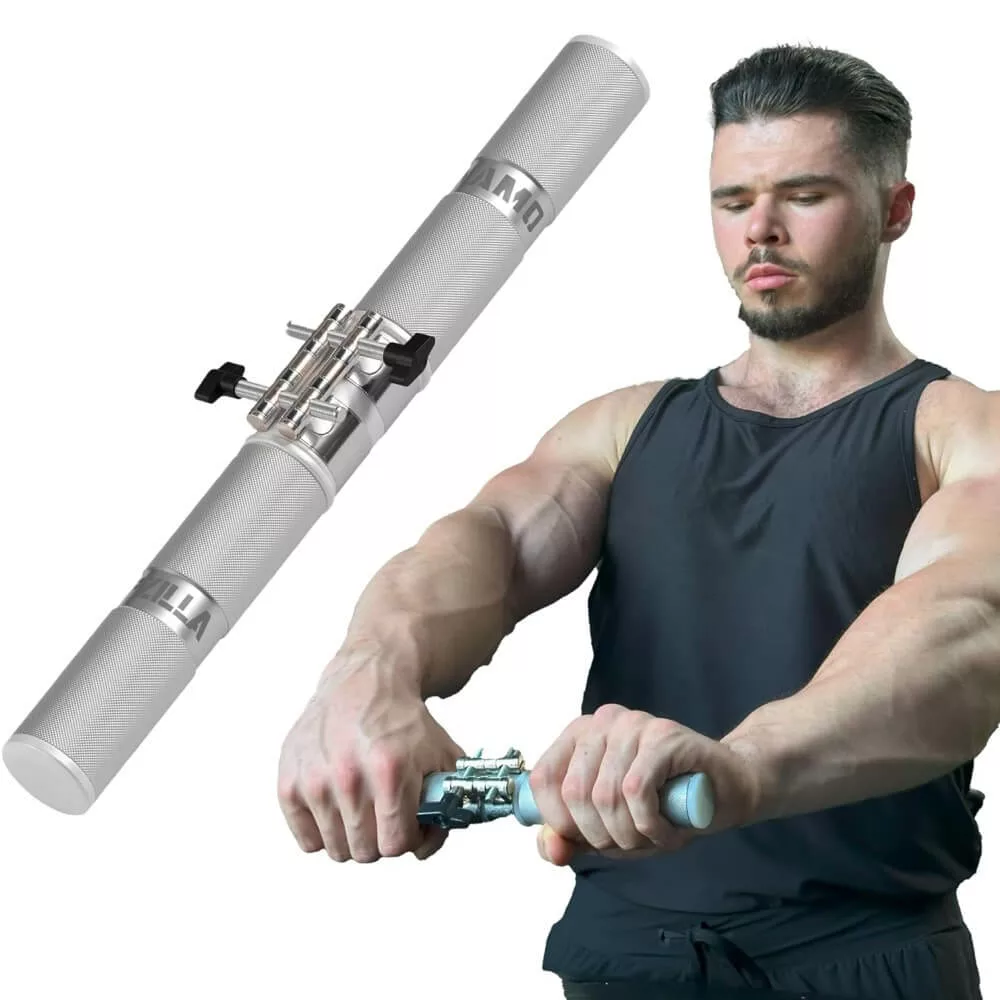
Reliable Budget Wrist Roller That Actually Lasts?

Can Muscle Floss Bands Speed Up Recovery & Improve Mobility?
The best grip training schedule isn’t the one that looks hardest.
It’s the one you can recover from and repeat every week.
Key Takeaways
- Most beginners only need two or three sessions each week – More isn’t automatically better when recovery is limited.
- Recovery drives long-term progress – Muscles, tendons, and your nervous system all need time to adapt.
- Watch your body’s feedback – Persistent soreness or declining performance often signals excessive training volume.
- Progress should be gradual – Small improvements repeated consistently produce the biggest long-term gains.
- Consistency always wins – A sustainable routine performed week after week beats short periods of excessive training.
Thanks for Reading!
How Often Are You Currently Training Your Grip?
Share Your Thoughts in the Comments!