
(Last Updated on October 13, 2026 by Henry)
Can You Train Grip Every Day?
One of the first questions almost every beginner eventually asks is surprisingly simple:
“Can I train my grip every day?”
It’s an understandable question. Grip muscles are relatively small, you use your hands constantly throughout the day, and many grip tools are easy to keep on your desk or beside the couch.

It can feel like squeezing a gripper every day should naturally produce faster results.
The reality is a little more complicated.
Your grip isn’t powered by just a few muscles.
Every workout also places stress on tendons, ligaments, joints, connective tissue, and your nervous system.
While some structures recover fairly quickly, others adapt much more slowly.
That’s why training frequency isn’t simply about whether your muscles feel sore.
Many beginners accidentally stall their progress by assuming more training always equals more improvement. In reality, your body becomes stronger between workouts while it repairs the stress created during training. Without enough recovery, those improvements never fully materialize.
The good news is that daily grip work isn’t always a bad idea. It simply depends on what you’re training, how hard you’re training, and how well you’re recovering.
Understanding that balance is one of the biggest steps toward long-term grip development.
Forearms Are Often One of Those Neglected Muscles That Can Make A Big Difference
In Terms of How Complete Your Physique Is.
Understanding Daily Stress & Recovery: The Science Behind Muscle Adaptation
The concept of stress and recovery is one of the most important principles in strength training. Every time you perform grip exercises, you’re creating a training stimulus that challenges your muscles, tendons, and nervous system to adapt. The workout itself isn’t what makes you stronger; it’s the recovery afterward.
The grip muscles, like every other muscle group, respond to training by breaking down slightly before rebuilding stronger. But here’s the important part: if you don’t allow enough recovery, that rebuilding process never finishes. It’s similar to trying to build a house while someone keeps removing the bricks every day.
Creating room for muscles to repair is where real progress happens. During recovery, muscle fibers rebuild, connective tissue strengthens, and your nervous system restores its ability to produce force efficiently. Skipping this process doesn’t speed up progress; it usually slows it down.
Learning to listen to your body is equally important. Persistent soreness, declining performance, or aching joints are all signs that recovery may be falling behind your training volume.
Training is only one side of the equation. Sleep, nutrition, hydration, stress management, and recovery habits all influence how quickly your body adapts.
Signs Your Grip Is Recovering Well
- Your grip strength stays consistent – You can perform similar numbers of repetitions or holds from one workout to the next.
- Soreness disappears within a day or two – Mild muscle soreness is normal, but it shouldn’t linger throughout the week.
- Your hands feel fresh before training – Starting workouts with energized hands usually indicates adequate recovery.
- Joints remain comfortable – Healthy wrists, fingers, and elbows tolerate regular training without persistent aches.
- You continue making gradual progress – Small improvements over weeks matter far more than occasional breakthrough workouts.
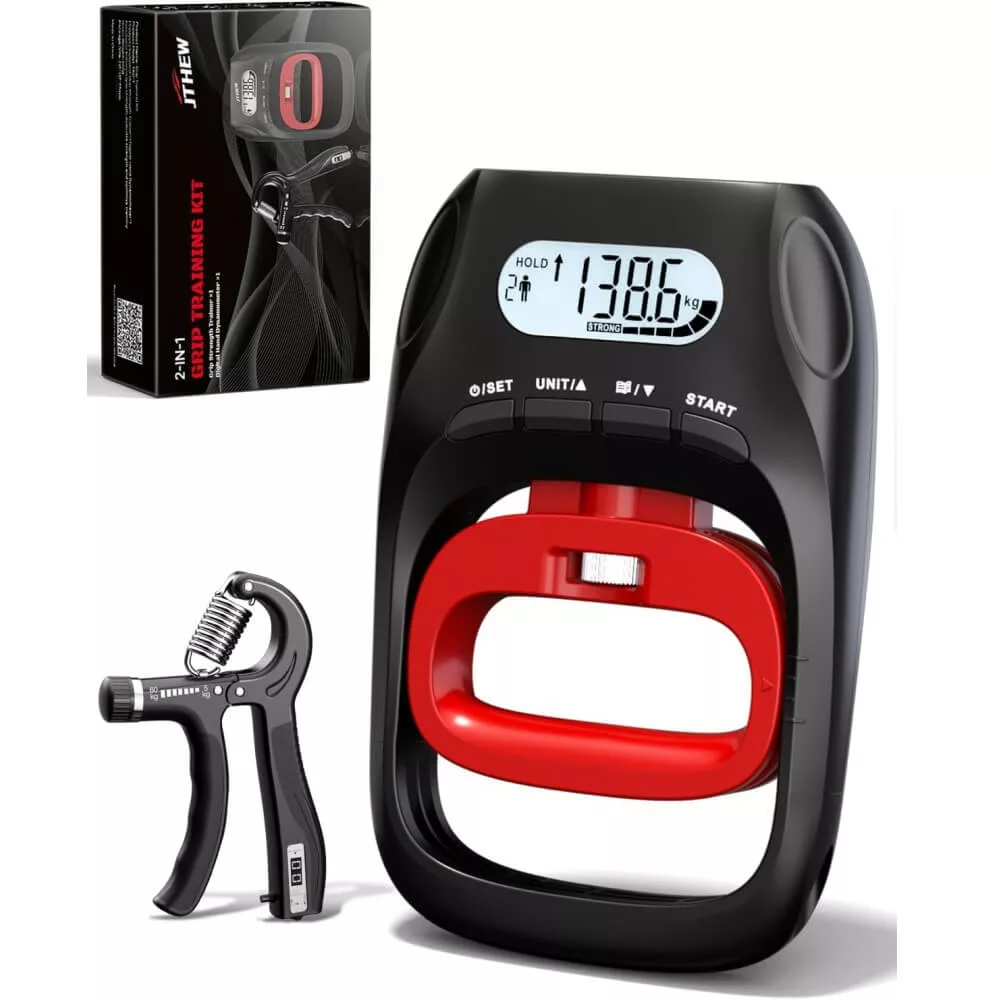
Don’t Guess: Use Grip Dynamometer for Accurate Progress Tracking
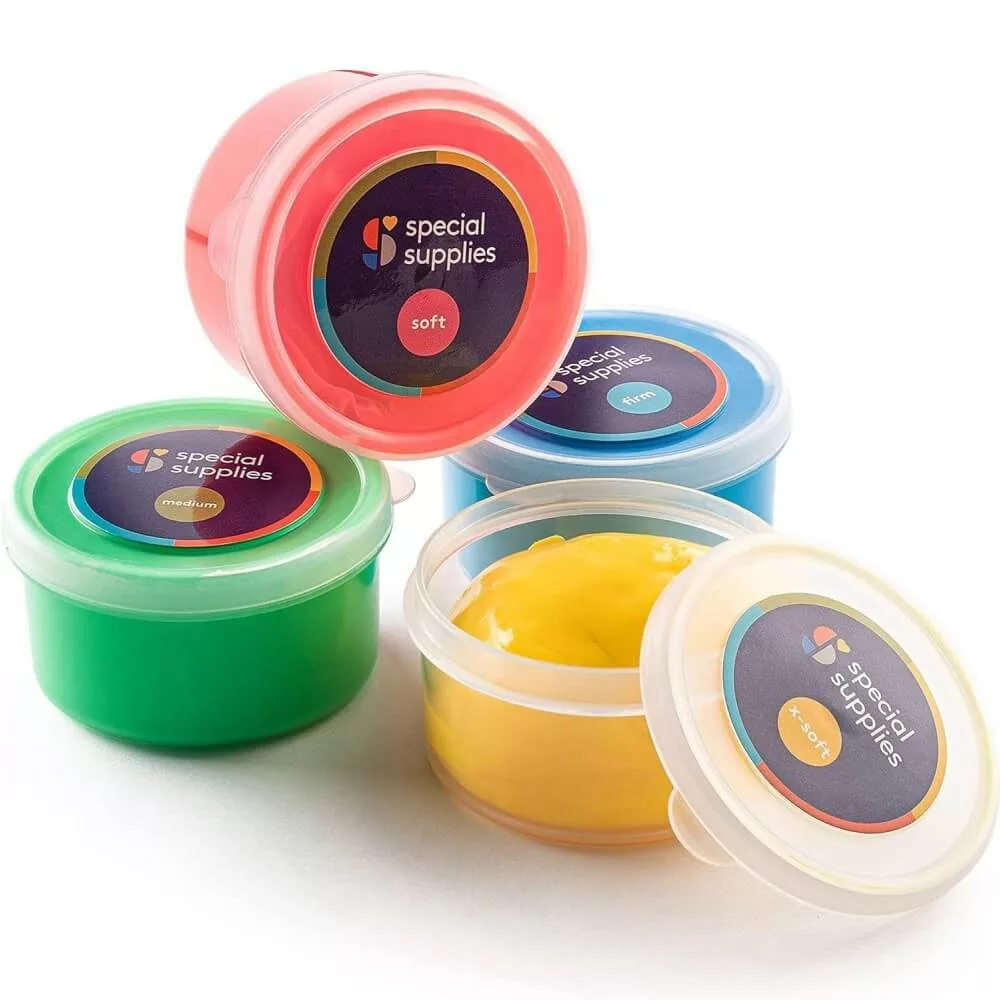
Therapy Putty: Rehab-Grade Hand Recovery & Grip Training?

How Can Hand Warmers Help Relieve Hand Pain Effectively?
When Daily Training Can Work: Special Cases and Tailored Approaches
For certain people, training grip every day isn’t just possible, it can actually be beneficial. This is most commonly seen in sports where grip is constantly used, such as rock climbing, gymnastics, arm wrestling, racquet sports, or certain manual trades. Over time, these athletes gradually condition their hands and forearms to tolerate higher training frequencies.
That doesn’t mean they perform maximum-effort grip workouts every day.
One of the biggest misconceptions beginners have is assuming that “daily training” means “daily hard training.” In reality, experienced athletes constantly adjust the intensity of their sessions. Some days focus on heavy strength work, while others are dedicated to technique, mobility, blood flow, or recovery exercises.
This variation allows tissues to continue adapting without accumulating excessive fatigue.
Even recreational lifters can occasionally perform light grip work on consecutive days. Mobility drills, finger extension exercises, gentle rice bucket work, or easy gripper sessions performed far below maximum effort generally create far less fatigue than heavy crushing or long dead hangs.
The key is understanding the purpose of each workout.
Instead of asking, “Can I train grip today?”, ask: “What does my grip actually need today?”
Sometimes the answer is strength. Sometimes it’s recovery.
Sometimes it’s simply leaving it alone.

Modern Rice Bucket Gadget for Grip & Forearm Training?

Gyro Ball is Amazing For Grip Training Warm-Up & Hand Rehab
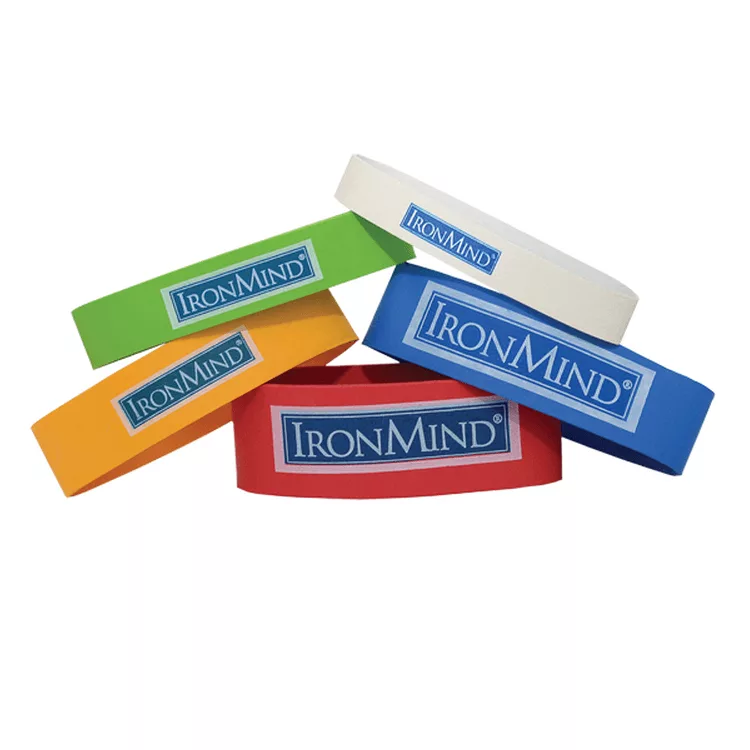
Why are Handbands Staple to Build Hand Muscle Balance?
Learning this distinction is one of the biggest differences between productive training & simply doing more work.
When Daily Grip Training Makes Sense
- Alternate heavy and light sessions – High-intensity grip workouts should be followed by easier days that focus on movement quality, mobility, or circulation.
- Use different grip patterns – Crush grip, pinch grip, support grip, wrist rotation, and finger extension all stress tissues differently and don’t always require identical recovery.
- Keep recovery work truly easy – Mobility drills, therapy putty, finger extensions, and gentle stretching should leave your hands feeling better, not exhausted.
- Monitor performance instead of chasing volume – If today’s session is noticeably weaker than usual, your body may be asking for recovery rather than more work.
- Adjust frequency as experience grows – Beginners usually benefit from fewer, higher-quality sessions before gradually increasing training frequency.
Risks of Training Grip Too Frequently: What to Watch Out For
Training grip too often might seem like a shortcut to faster gains, but it carries its own set of risks. One of the biggest pitfalls is the potential for overuse injuries, particularly in the wrists, fingers, elbows, and forearms. These injuries can interrupt not only your grip training but also other workouts and everyday activities.
Many beginners mistakenly judge recovery based only on muscle soreness. The problem is that tendons and connective tissues recover much more slowly than muscles do. Your hands may feel perfectly fine while the deeper structures are still adapting beneath the surface.
Persistent pain, declining grip strength, reduced motivation, or discomfort during everyday tasks are all warning signs that training frequency may have exceeded your body’s ability to recover.
It’s also worth remembering that your grip is involved in almost everything you do. Pull-ups, rows, deadlifts, climbing, manual work, gaming, typing, and carrying groceries all contribute to your total weekly grip workload. Even if you only perform dedicated grip exercises twice a week, your hands may still be working hard every day.
Professional guidance can help prevent many common beginner mistakes, but simply learning to respect recovery goes a long way toward keeping your hands healthy for years to come.
Warning Signs You’re Training Too Often
- Persistent soreness doesn’t improve – If your hands, wrists, or forearms remain sore for several days, recovery may be falling behind.
- Grip strength starts decreasing – Getting weaker despite training more is often one of the earliest signs of accumulated fatigue.
- Joint discomfort replaces muscle fatigue – Sharp pain around the fingers, wrists, or elbows should never be ignored.
- Daily tasks become uncomfortable – Opening jars, shaking hands, typing, or carrying bags shouldn’t suddenly become painful.
- Your enthusiasm starts disappearing – Constant fatigue and lack of motivation often accompany excessive training volume before physical injuries appear.
- Recovery feels slower every week – If each workout seems to require longer recovery than the last, reducing frequency may actually improve progress.

Can a Finger Splint Really Provide Quick Pain Relief & Recovery?
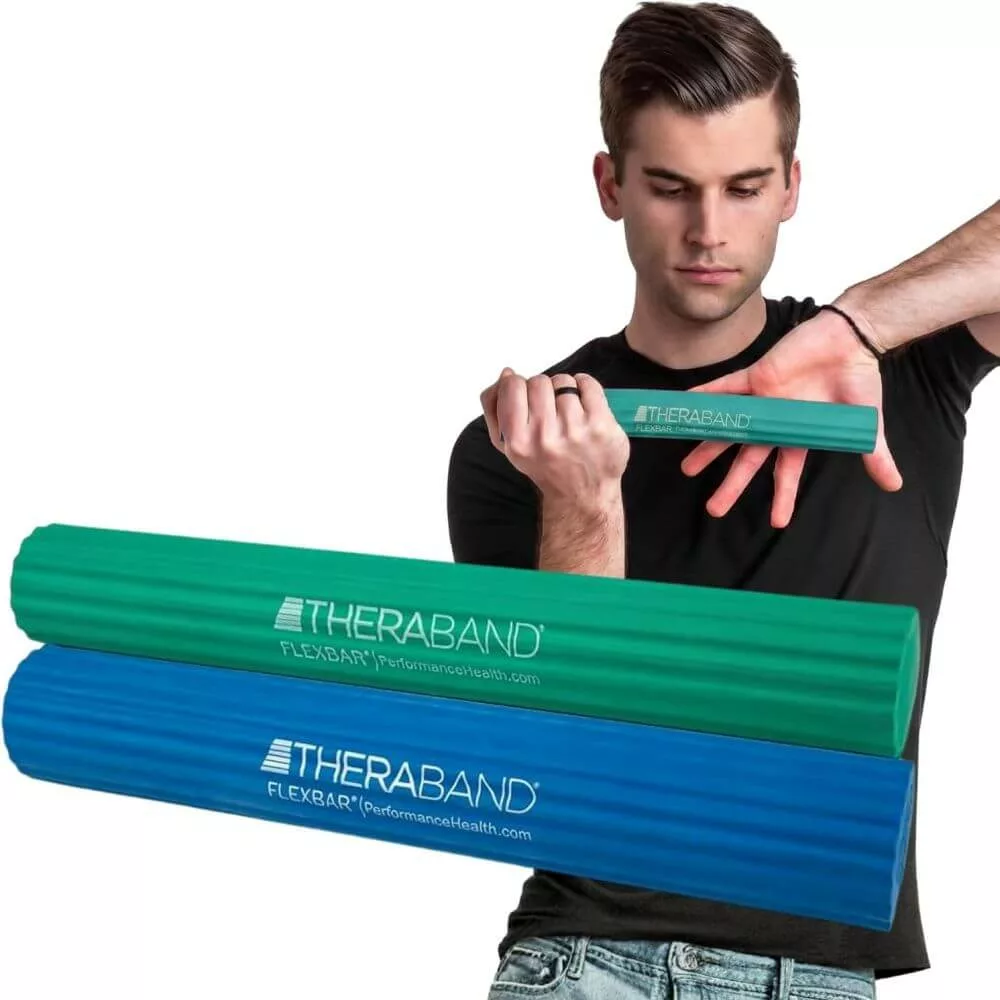
Resistance Bar: Simplest Tool to Rehab Injured Hands?
These three products complement this section well because they emphasize recovery and injury prevention rather than more training, reinforcing the article’s message without repeating previous movement categories.
For most beginners, consistency beats frequency every single time. Rather than asking whether you can train grip every day, ask whether today’s workout will help you recover well enough to make progress tomorrow.
A balanced approach, combining challenging workouts, planned recovery, gradual progression, and patience, will produce far better long-term results than constantly pushing your hands to their limit.
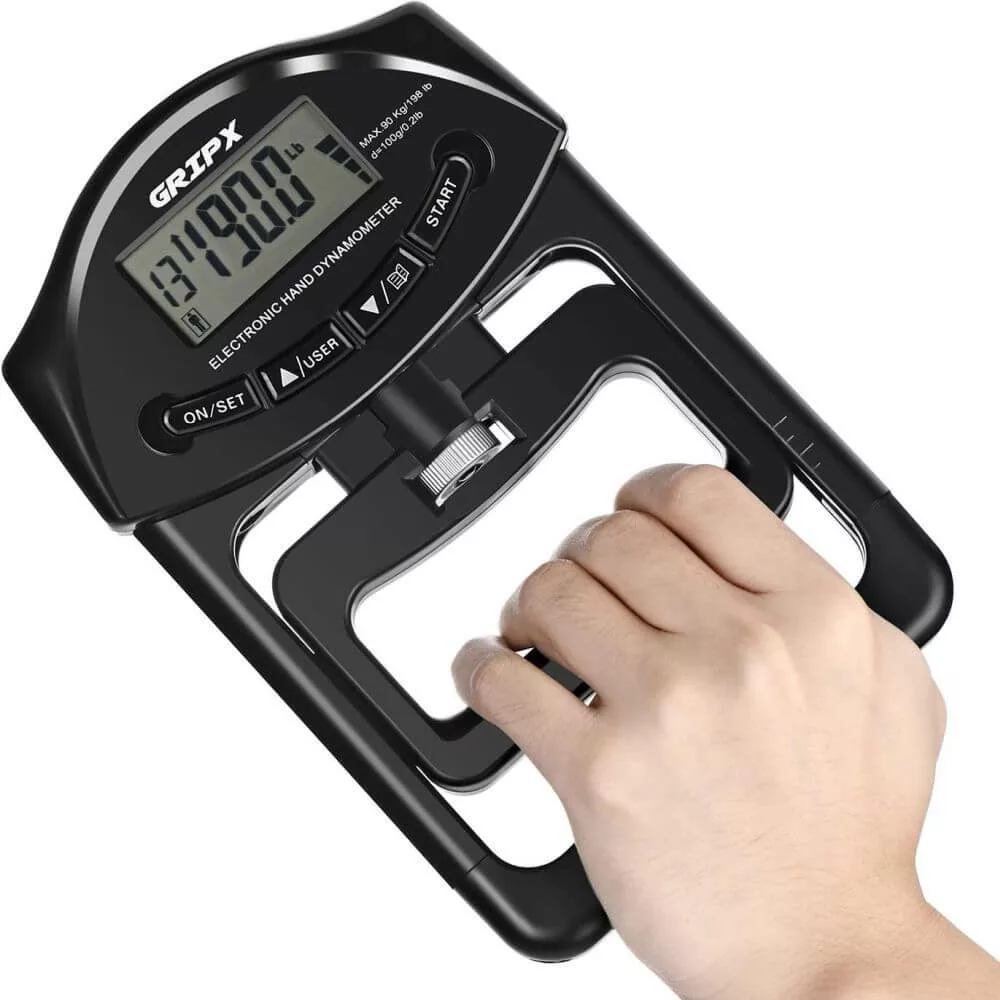
The Best Grip Dynamometer for Home, Sports, & Clinical Use?
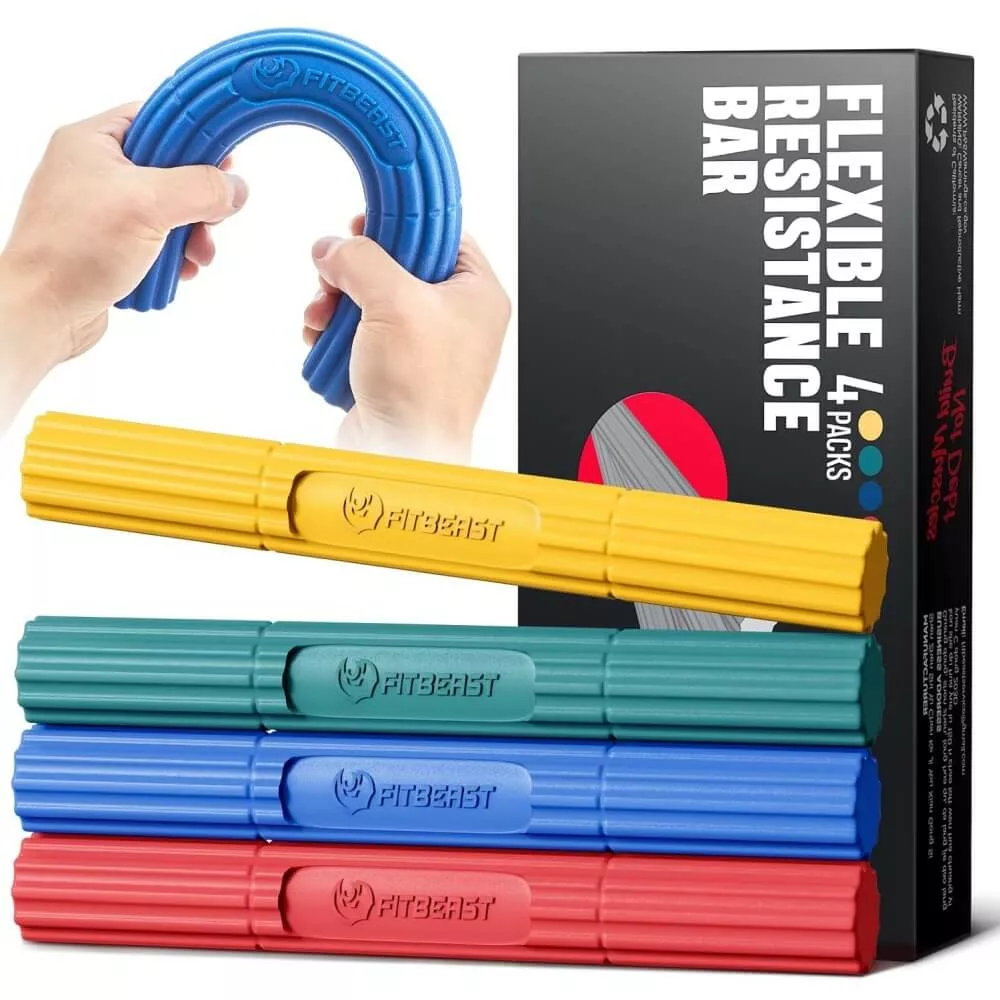
The Best Twist Bar for Hand, Wrist & Elbow Rehabilitation?

Can Muscle Floss Bands Speed Up Recovery & Improve Mobility?
These tools complement daily training by helping you monitor progress, promote healthy recovery, and reduce the likelihood of overuse problems.
Your grip doesn’t get stronger because you train every day. It gets stronger because your body successfully recovers from the training you give it.
Key Takeaway
Training your grip every day isn’t automatically good or bad: it depends entirely on how much stress you’re applying and how well you’re recovering from it.
Most beginners will make faster, safer progress by training grip 2–4 times per week, gradually increasing the challenge while giving muscles, tendons, and joints enough time to adapt.
Long-term consistency will always outperform short bursts of excessive training.
Thanks for Reading!
How Often Are You Currently Training Your Grip?
Share Your Thoughts in the Comments!
Recommended Next Reads
Continue building your understanding of grip training fundamentals: