(Last Updated on May 10, 2026 by Henry)

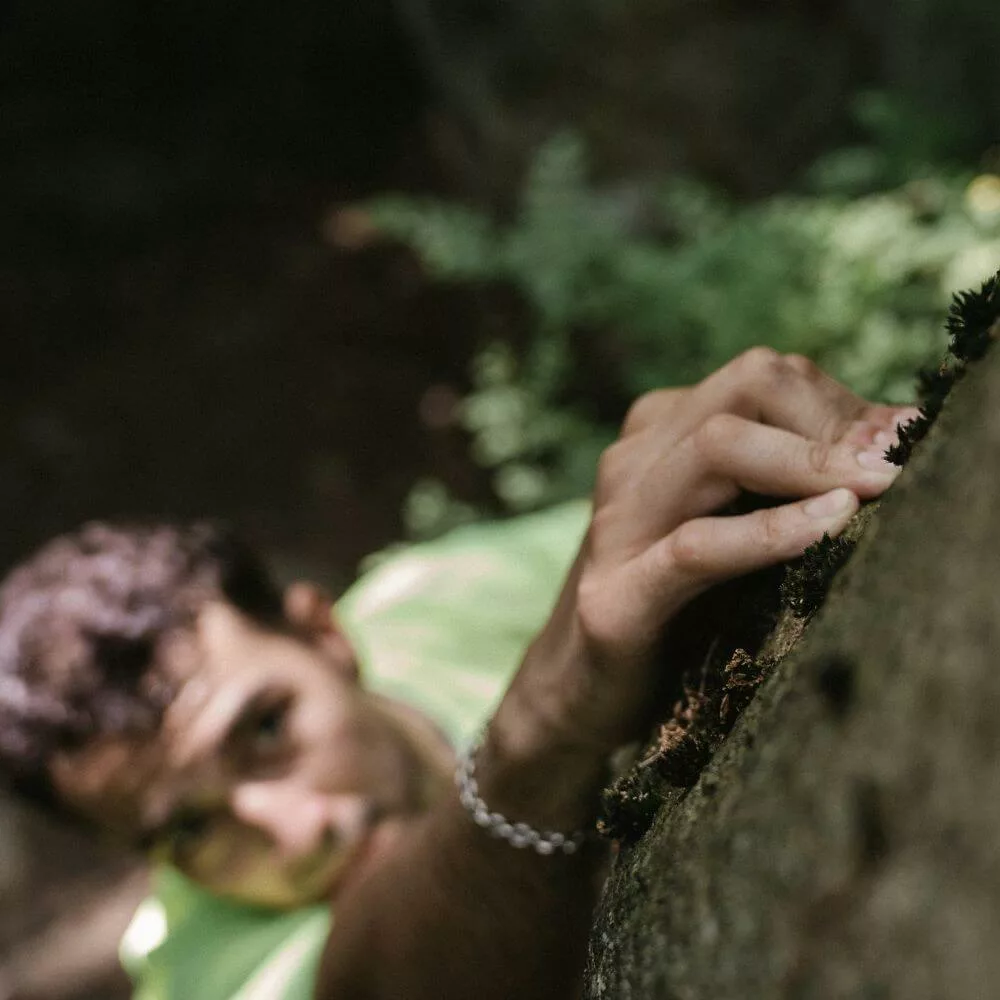
Whether you climb indoors, boulder outdoors, project long sport routes, or simply want more confidence on smaller holds, grip strength plays a massive role in climbing performance.

Strong fingers, resilient tendons, and durable forearms help climbers stay controlled under fatigue, recover faster between sessions, and reduce the risk of overuse injuries.

This climbing-focused hub combines practical training systems, recovery strategies, equipment guides, finger strength education, and climbing-specific grip tools designed to help you build stronger, more reliable hands for the wall.

Why Grip Strength Matters for Climbers

Climbing is one of the most grip-dependent sports in the world. Even when your legs, back, and technique are solid, weak fingers and tired forearms can quickly become the limiting factor that ends a session early. Whether you struggle with small crimps, pump out too quickly on longer routes, or lose control during dynamic movements, improving grip strength can directly impact climbing performance and confidence.

For climbers, grip training is not simply about crushing power. It involves finger endurance, tendon durability, open-hand strength, wrist stability, forearm recovery, and balanced hand development. Climbers also place enormous stress on finger pulleys, connective tissue, and forearm flexors, which means recovery and injury prevention become just as important as raw strength itself.

This hub was built to help climbers understand how grip strength applies specifically to climbing. From beginner finger conditioning to advanced hangboard progressions, recovery systems, extensor training, and climbing-specific equipment, you’ll find practical resources designed to help you climb stronger while protecting your hands long-term.

Explore the stages below to improve climbing grip strength step by step:
from beginner awareness and finger conditioning to advanced performance,
recovery, and long-term hand durability.

STAGE 1 — BEGINNER CLIMBER: BUILD AWARENESS

STAGE 1 — BEGINNER CLIMBER: BUILD AWARENESS

Every climber starts somewhere. At this stage, the goal is to understand how grip strength affects climbing performance, endurance, finger fatigue, recovery, and overall confidence on the wall. These guides help beginner climbers identify common weaknesses, avoid early mistakes, and build a stronger foundation for long-term progress.


  • Why Your Grip Fails Before Your Back Or Legs
  • Why Climbers Get Forearm Pump So Quickly
  • Common Finger Fatigue Problems In Climbers
  • Signs Your Grip Strength Is Holding Back Climbing Progress
  • Why Small Holds Feel Impossible To Control
  • Why Your Hands Open Unexpectedly During Climbs
  • Most Common Grip Training Mistakes Climbers Make
  • Why Climbers Need Extensor Training
STAGE 2 — LEARN HOW CLIMBING GRIP STRENGTH WORKS

STAGE 2 — LEARN HOW CLIMBING GRIP STRENGTH WORKS

Once you recognize the weak points limiting your climbing, the next step is understanding how grip strength actually develops. These guides explain finger strength, tendon adaptation, forearm endurance, recovery systems, and climbing-specific hand mechanics so you can train smarter instead of simply training harder.


  • How Climbers Build Finger Strength
  • Grip Endurance vs Crushing Strength
  • Open-Hand Grip vs Crimp Grip
  • How Finger Tendons Adapt To Climbing
  • Why Recovery Matters For Climbers
  • Forearm Anatomy For Climbers Explained
  • How Often Should Climbers Train Grip?
  • Dead Hang Fundamentals For Beginners
  • Why Extensor Training Helps Climbers
STAGE 3 — EXPLORE CLIMBING GRIP TRAINING METHODS & TOOLS

STAGE 3 — EXPLORE CLIMBING GRIP TRAINING METHODS

Now it’s time to explore practical solutions. These climbing-focused guides cover grip exercises, hangboard methods, endurance systems, wrist training, recovery tools, and equipment options that help climbers build stronger, more durable hands for both indoor and outdoor climbing.


  • Best Grip Exercises For Climbers
  • Dead Hangs vs Finger Rolls
  • Thick Bars vs Hangboards
  • How To Build Climbing Grip Endurance
  • Best Forearm Exercises For Climbers
  • Finger Extensors Benefits For Climbers
  • Towel Pull-Ups vs Dead Hangs
  • How To Use A Hangboard Safely
  • Which Grip Tool Should Climbers Use?
  • Best Recovery Methods After Climbing Sessions
STAGE 4 — FIND THE BEST CLIMBING GRIP EQUIPMENT

STAGE 4 — FIND THE BEST CLIMBING GRIP EQUIPMENT

Different climbing goals require different tools. Whether you want stronger fingers, better endurance, improved recovery, or portable warm-up equipment, these reviews and comparison guides help climbers choose the right grip training devices without wasting time or money on the wrong gear.


  • Best Grip Trainers For Climbers
  • Best Hangboards For Beginners
  • Best Finger Extensor Tools For Climbers
  • Adjustable Grippers For Climbers
  • Best Wrist Recovery Tools For Climbers
  • Hangboard Review Roundup
  • Captains of Crush vs Adjustable Grippers
  • Finger Recovery Tools Compared
  • Best Portable Grip Trainers For Climbers
  • Portable Warm-Up Devices
  • Wrist Recovery Equipment
  • Forearm Endurance Trainers
  • Pinch Grip Devices
  • Finger Conditioning Tools
STAGE 5 — ADVANCED CLIMBING GRIP PROGRESSION

STAGE 5 — ADVANCED CLIMBING GRIP PROGRESSION

As your climbing improves, grip training becomes more specialized. Advanced climbers often focus on finger endurance cycles, tendon durability, recovery optimization, progressive loading, and long-term hand health. These advanced guides help climbers continue progressing while keeping their hands strong, balanced, and resilient over time.


  • How To Track Climbing Grip Progress
  • Avoiding Finger Strength Plateaus
  • Long-Term Tendon Health For Climbers
  • Advanced Hangboard Progressions
  • Periodization For Climbing Grip Strength
  • Recovery Between Climbing Sessions
  • Balancing Grip Training With Climbing Volume
  • Year-Round Finger Conditioning
  • Advanced Forearm Endurance Training
  • One-Arm Dead Hang Progressions
  • Advanced Finger Conditioning
  • Grip Endurance Cycles
  • Forearm Density Training
  • Performance Tracking Systems
RECOVERY & LONG-TERM HAND HEALTH FOR CLIMBERS

RECOVERY & LONG-TERM HAND HEALTH FOR CLIMBERS

Strong climbing hands are not built through training alone. Long-term climbing performance depends heavily on recovery, tendon durability, balanced hand development, and intelligent load management. This section focuses on helping climbers keep their fingers, wrists, forearms, and connective tissues healthy enough to continue progressing consistently over time.


  • Tendon Recovery Basics For Climbers
  • Finger Pulley Injury Prevention
  • Why Climbers Need Extensor Training
  • Wrist Mobility For Climbers
  • Best Recovery Tools For Sore Forearms
  • Managing Finger Fatigue Between Sessions
  • Warm-Up Systems Before Climbing
  • How To Reduce Elbow Pain From Climbing
  • Skin, Calluses & Hand Care For Climbers
  • Signs You Need More Recovery Time
  • Overtraining Symptoms In Climbers
  • Blood Flow & Forearm Recovery Methods

A strong climbing grip is built through consistency, smart recovery, balanced training, and gradual progression. Explore the guides, equipment reviews, recovery systems, and climbing-specific grip methods throughout this hub to keep building stronger hands, healthier fingers, and more durable forearms for every climb ahead.

Thanks for Stopping By!

How’s Your Climbing Journey Progress?
Share Your Experience Below!

Need to Improve Your Grip? As a Fitness Enthusiast, I'm Here to Guide You: Looking to Get More Competitive Edge? Prehab, Rehab, Treating RSI or Just Seeking Fun? Find All the Relevant Tricks of the Trade You Need Right Here. Sharing My Insight to Help You to Improve Both Mentally & Physically, Offering You Various Ideas & Directions to Be on Top of Your Game.

Leave a Reply

Your email address will not be published. Required fields are marked *