(Last Updated on May 11, 2026 by Henry)

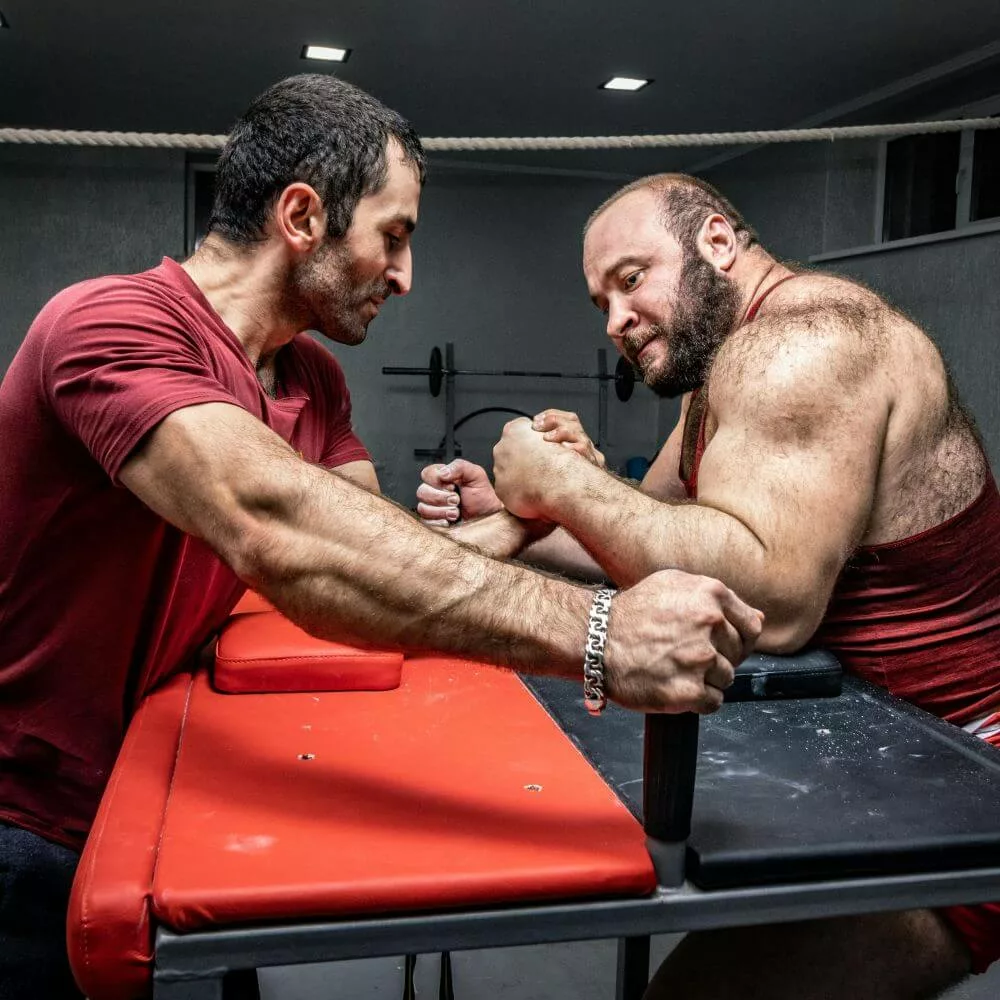
Whether you compete professionally, train at your local club, dominate table practice sessions, or simply want stronger hands and wrists for arm wrestling, grip strength plays a massive role in pulling performance.

Strong fingers, durable wrists, powerful pronation, and resilient connective tissues help arm wrestlers control opponents more effectively, apply pressure safely, and maintain hand dominance under heavy loads.

This arm wrestling-focused hub combines practical grip training systems, wrist conditioning methods, recovery strategies, tendon health education, and arm wrestling-specific equipment guides designed to help you build stronger, more explosive hands for the table.

Why Grip Strength Matters for Arm Wrestlers

Arm wrestling is one of the most hand-dominant strength sports in the world. Even athletes with strong backs, shoulders, and arms can struggle on the table if their fingers, wrists, or pronation strength collapse under pressure. Whether you lose your hand position early, struggle to contain opponents, or experience wrist fatigue during long matches, improving grip strength can directly improve your control, leverage, and table confidence.

For arm wrestlers, grip strength involves far more than simply squeezing hard. Successful pulling requires finger containment, rising strength, wrist integrity, pronation control, static endurance, tendon durability, and coordinated pressure through multiple angles. The hand and wrist often determine whether you can apply your power effectively or lose position before your arm strength even matters.

Arm wrestlers also place enormous stress on connective tissues around the fingers, wrists, elbows, and forearms. Because of this, recovery, intelligent loading, and long-term tendon health become just as important as strength progression itself. Training hard without balancing recovery can quickly lead to overuse problems that stall progress or limit table performance.

Many arm wrestlers focus heavily on arm strength while neglecting hand control, pronation efficiency, and wrist positioning. This type of technical breakdown helps explain how leverage, hand dominance, and pressure application affect real arm wrestling performance.

This hub was built to help arm wrestlers understand how grip strength applies specifically to pulling performance, hand control, wrist integrity, and long-term table development. From beginner hand positioning concepts to advanced pronation training, recovery systems, tendon conditioning, and arm wrestling-specific equipment, you’ll find practical resources designed to help you pull harder while protecting your hands and elbows long-term.

Explore the stages below to improve arm wrestling grip strength step by step: from beginner awareness and hand control fundamentals to advanced pulling strength, recovery, and long-term tendon durability.

STAGE 1 — BEGINNER ARMWRESTLER: BUILD HAND CONTROL & AWARENESS

STAGE 1 — BEGINNER ARMWRESTLER: BUILD HAND CONTROL & AWARENESS

Every arm wrestler starts somewhere. At this stage, the goal is to understand how grip strength, wrist positioning, pronation, finger containment, and endurance affect real pulling performance. These guides help beginner arm wrestlers identify weak links, avoid common mistakes, and develop stronger hand control before progressing into more advanced table training.


  • Why Your Hand Opens During Arm Wrestling
  • Why Wrist Strength Matters More Than Beginners Think
  • Most Common Grip Mistakes New Arm Wrestlers Make
  • Why Finger Containment Changes Everything
  • Signs Your Grip Is Limiting Your Pulling Power
  • Why Beginners Lose Hand Position So Quickly
  • Why Pronation Strength Matters In Arm Wrestling
  • Common Elbow Stress Problems In Arm Wrestling
  • Why Arm Wrestlers Need Finger Endurance
  • How Weak Wrists Affect Table Control
STAGE 2 — LEARN HOW ARMWRESTLING GRIP STRENGTH WORKS

STAGE 2 — LEARN HOW ARMWRESTLING GRIP STRENGTH WORKS

Once you recognize the weak points limiting your table performance, the next step is understanding how arm wrestling grip strength actually develops. These guides explain pronation mechanics, tendon adaptation, finger containment, wrist stability, endurance systems, and pulling-specific biomechanics so you can train smarter instead of simply applying more force without control.


  • How Arm Wrestlers Build Hand Dominance
  • Pronation vs Supination Explained
  • Why Finger Containment Matters In Arm Wrestling
  • How Wrist Integrity Affects Pulling Power
  • How Tendons Adapt To Arm Wrestling Training
  • Why Static Strength Matters On The Table
  • Grip Endurance vs Crushing Strength
  • Forearm Anatomy For Arm Wrestlers Explained
  • How Often Should Arm Wrestlers Train Grip?
  • Why Recovery Matters For Pullers
STAGE 3 — EXPLORE ARMWRESTLING GRIP TRAINING METHODS & TOOLS

STAGE 3 — EXPLORE ARMWRESTLING GRIP TRAINING METHODS & TOOLS

Now it’s time to explore practical training methods. These arm wrestling-focused guides cover wrist training, pronation systems, finger containment drills, static holds, handle variations, endurance work, and pulling-specific grip exercises designed to help arm wrestlers build stronger, more durable hands for the table.


  • Best Grip Exercises For Arm Wrestlers
  • How To Train Pronation For Arm Wrestling
  • Finger Containment Drills Explained
  • Static Holds vs Dynamic Pulling
  • Thick Handles vs Standard Handles
  • How To Build Wrist Strength For Arm Wrestling
  • Best Forearm Exercises For Pullers
  • Towel Pull-Ups For Arm Wrestling Grip
  • Rolling Handle Training Explained
  • How To Improve Rising Strength
  • Best Strap Exercises For Arm Wrestling
  • How To Train Finger Pressure Safely
  • Grip Endurance Methods For Long Matches
  • Wrist Cupping Training Systems
  • How To Use Fat Grip Attachments For Pulling Power
STAGE 4 — FIND THE BEST ARMWRESTLING GRIP EQUIPMENT

STAGE 4 — FIND THE BEST ARMWRESTLING GRIP EQUIPMENT

Different arm wrestling goals require different training tools. Whether you want stronger pronation, better wrist integrity, improved finger containment, or more durable forearms, these reviews and comparison guides help arm wrestlers choose practical grip equipment that supports real table performance without wasting time or money on ineffective gear.


  • Best Grip Trainers For Arm Wrestlers
  • Best Rolling Handles For Arm Wrestling
  • Best Wrist Wrenches For Pullers
  • Adjustable Grippers For Arm Wrestling
  • Best Pronation Training Handles
  • Best Finger Containment Tools
  • Captains of Crush vs Adjustable Grippers
  • Fat Grip Attachments For Arm Wrestling
  • Best Strap Training Equipment
  • Portable Grip Trainers For Pullers
  • Rolling Thunder vs Wrist Wrench
  • Best Forearm Recovery Tools For Arm Wrestlers
  • Static Hold Equipment Explained
  • Finger Conditioning Tools Compared
  • Best Beginner Equipment For New Arm Wrestlers
STAGE 5 — ADVANCED ARMWRESTLING GRIP PROGRESSION

STAGE 5 — ADVANCED ARMWRESTLING GRIP PROGRESSION

As your arm wrestling improves, grip training becomes increasingly specialized. Advanced pullers often focus on tendon durability, progressive overload, pressure transitions, static endurance, recovery optimization, and highly specific movement patterns designed to improve table efficiency over time. These advanced guides help arm wrestlers continue progressing while protecting their hands, wrists, and elbows long-term.


  • How To Track Arm Wrestling Grip Progress
  • Avoiding Wrist Strength Plateaus
  • Advanced Pronation Training Systems
  • How To Periodize Arm Wrestling Grip Training
  • Long-Term Tendon Health For Pullers
  • Balancing Table Time With Recovery
  • Advanced Finger Containment Development
  • Static Endurance Training Cycles
  • Year-Round Wrist Conditioning
  • One-Arm Handle Holds Explained
  • Forearm Density Training For Arm Wrestlers
  • Advanced Strap Pressure Training
  • How Elite Pullers Build Hand Control
  • Performance Tracking Systems For Grip Strength
  • Recovery Scheduling For Heavy Pullers
RECOVERY & LONG-TERM JOINT HEALTH FOR ARMWRESTLERS

RECOVERY & LONG-TERM JOINT HEALTH FOR ARMWRESTLERS

Strong arm wrestling performance is not built through training alone. Long-term progress depends heavily on recovery, tendon resilience, joint integrity, and intelligent load management. Arm wrestlers place extreme stress on the fingers, wrists, elbows, and connective tissues, making recovery systems just as important as strength development.


  • Tendon Recovery Basics For Arm Wrestlers
  • Elbow Pain Prevention For Pullers
  • Wrist Mobility For Arm Wrestling Longevity
  • Best Recovery Tools For Forearms
  • Managing Finger Fatigue After Table Sessions
  • Warm-Up Systems Before Arm Wrestling
  • How To Reduce Overuse Injuries
  • Blood Flow Techniques For Faster Recovery
  • Joint Health Strategies For Pullers
  • Signs You Need More Recovery Time
  • Overtraining Symptoms In Arm Wrestling
  • Long-Term Elbow Protection Methods

Finger, wrist, and elbow injuries are extremely common in arm wrestling due to the high torque and static load demands. Proper recovery strategy and tendon conditioning can significantly reduce injury risk and improve long-term performance.

A strong arm wrestling grip is built through consistent training, intelligent technique development, progressive overload, and disciplined recovery. Explore the guides in this hub to build stronger hands, more stable wrists, and long-term table durability.

Thanks for Stopping By!

What Part Of Grip Training Are You Focusing On Right Now?
Share Your Experience Below!

Need to Improve Your Grip? As a Fitness Enthusiast, I'm Here to Guide You: Looking to Get More Competitive Edge? Prehab, Rehab, Treating RSI or Just Seeking Fun? Find All the Relevant Tricks of the Trade You Need Right Here. Sharing My Insight to Help You to Improve Both Mentally & Physically, Offering You Various Ideas & Directions to Be on Top of Your Game.

Leave a Reply

Your email address will not be published. Required fields are marked *