(Last Updated on June 6, 2026 by Henry)
Periodization is a strategic training approach that involves dividing your training into distinct phases, each with specific goals and focuses. This approach has long been a staple in the athletic community, and for good reason. It allows athletes to balance the demands of training and recovery, promoting peak performance while minimizing the risks of overtraining or burnout.
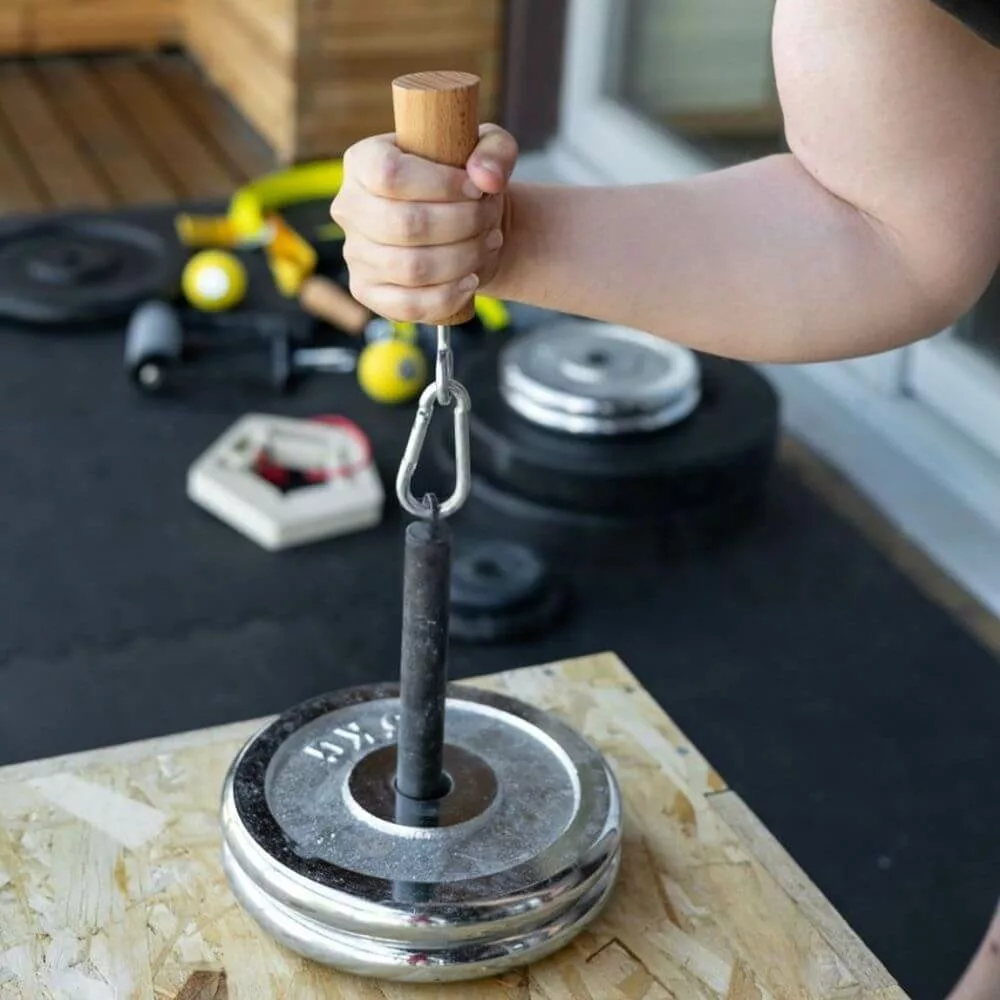
For arm wrestlers, periodization provides a structured way to develop grip strength, forearm power, and tendon resilience without constantly pushing maximum intensity. In the context of arm wrestling, where grip strength is paramount, trying to train at maximum intensity all year long isn’t feasible.
Like any other muscle group, the muscles in your hands and forearms require periods of high effort, mixed with phases emphasizing recovery and rebuilding.
Tendons and connective tissues often need even more recovery than muscles, making planned training cycles especially valuable for long-term progress.
This balance helps you avoid the common pitfalls of constant intense training, like injuries or training plateaus that can stagnate progress.
Random and unstructured training can lead to uneven progress and increased risk of injuries. By contrast, a well-planned periodized training program provides structured progression. Each phase builds upon the last, ensuring that your muscles are not only growing stronger but are also resilient and less prone to fatigue or injury.
Structured progression allows arm wrestlers to focus on specific qualities such as hand containment, pronation strength, grip endurance, or peak competitive performance at the appropriate time.
Perhaps the most significant advantage of periodization in training is its capacity to prevent both plateaus and overuse injuries. When you switch up your training focus, your body continues to adapt and grow without the wear and tear that can come with repetitive stress.
Strategic variation keeps training productive while reducing the likelihood of chronic forearm, wrist, and finger issues. This keeps training fresh and effective, ultimately leading to better long-term results.
Adopting periodization means committing to a plan where every training session moves you closer to your goal. Whether you’re a beginner looking to build initial grip strength or a seasoned pro aiming to enhance specific performance aspects, understanding periodization is your first step towards achieving sustainable success in arm wrestling.
A well-designed periodized grip training plan helps develop strength, endurance, recovery capacity, and durability together, creating a stronger foundation for long-term arm wrestling performance.
Components That Define Arm Wrestling Grip Mastery
Successfully mastering arm wrestling demands more than just brute force. The key lies in developing several crucial grip-related components that are integral to optimizing performance. A complete arm wrestling grip system combines strength, control, endurance, and leverage rather than relying on any single quality alone.
Finger containment and crushing power are foundational. This is all about the ability to grip your opponent firmly, minimizing their chances to slip away or break your hold. Without a strong finger grip, you’ll struggle to contain your adversary during crucial moments in a match.
Strong fingers help preserve hand control and make it harder for opponents to attack your grip.
Next is wrist cupping strength, which plays a pivotal role in dictating the direction and control of your opponent’s hand. A strong wrist allows you to execute force effectively and maintain advantageous positioning throughout a match.
Cupping strength is often closely linked to hand containment, leverage, and overall table control. Pronation, or the ability to rotate your hand and wrist inward, adds another layer to your grip arsenal. This rotational control is essential for maneuvering opponents into weaker positions and dictating match flow.
Well-developed pronation can support top-roll techniques while helping protect your own hand position under pressure. Static endurance is the ability to maintain grip strength under continuous pressure. This endurance lays the groundwork for holding your opponent in place without losing grip integrity, especially during prolonged bouts.
Many matches are won not only through peak strength but also through the ability to sustain force over time.
Each of these grip qualities contributes uniquely to performance on the arm wrestling table. Developing a robust grip across all these dimensions can transform your competitive edge, making you a more formidable opponent.
Periodized grip training works best when these qualities are developed strategically throughout the year, allowing strength, endurance, and technical ability to improve together while minimizing overuse and fatigue.
Establishing a Foundation: Off-Season Grip Strength Phase
Creating a strong grip foundation during the off-season is vital for any serious arm wrestler. This period is the perfect time to focus on building raw strength without the immediate pressure of upcoming competitions. The off-season is often the best opportunity to accumulate training volume and develop qualities that require months of consistent work.
The key here is prioritizing strength development while managing training volume to enhance performance safely. This means incrementally increasing the weights and repetitions to gradually build up endurance and power in your grip and forearms.
Progressive overload remains important, but it should be balanced with recovery to support long-term adaptation. Addressing weak points in your hand and wrist should take center stage during this phase. By identifying and targeting these areas, you can ensure that no aspect of your grip is left vulnerable.
Many arm wrestlers use the off-season to improve finger containment, wrist cupping, pronation strength, or grip endurance deficiencies that may have limited previous performance.
Specialized tools such as handles, straps, and other grip aids can be highly beneficial in tailoring exercises to correct these imbalances. This phase is also a good time to experiment with new exercises and training methods before competition-specific preparation begins.
The goal is to establish a robust foundation that can support more intense phases later in the year. This phase is less about specificity to arm wrestling and more about building generic hand and wrist strength that will stand up under competitive pressure.
Developing stronger tendons, connective tissues, and forearm musculature now can help support heavier and more specialized training later.
Remember, this time is an investment in the future of your performance. Laying down a strong base now means you’ll be better prepared to handle the increasing intensity and demands of subsequent phases. Athletes who consistently build a solid off-season foundation often find it easier to peak effectively while reducing the risk of plateaus, fatigue, and overuse injuries throughout the competitive year.
Shifting Gears: Transition to Strength and Power Training
After laying a solid groundwork in the off-season, it’s time to shift focus towards a phase where strength and power become the main goals. This means not just having raw strength, but being able to apply it effectively and swiftly during matches.
This phase emphasizes converting general grip strength into force that transfers directly to the arm wrestling table. In this phase, it’s crucial to slightly reduce your training volume while ramping up the intensity. This approach stresses your muscles differently, pushing them to adapt and grow stronger. Concentrating on match-specific exercises can align your training more closely with the dynamics of arm wrestling competition.
Higher-intensity work is often paired with lower overall volume to manage fatigue while improving performance. Integrating exercises like heavier static holds and isometric contractions challenges your muscles in a way that’s directly applicable to matches. These practices build the muscle memory and resilience needed to maintain strong grips under intense opposition.
Isometric work can be especially valuable for developing hand containment, wrist stability, and sustained force production.
Explosive training initiatives become a focal point, encouraging fast-twitch muscle fibers in the hand and wrist. These exercises help your grip react more quickly and with more force, giving you an edge in sudden, dynamic match situations.
Power development helps bridge the gap between raw strength and real-world competitive execution.
It’s essential to monitor recovery as training stress increases. This means paying attention to how your body responds to the heightened demands. Proper rest, nutrition, and even active recovery techniques play a vital role in ensuring that you can continue performing at your best without succumbing to fatigue or injury.
As intensity rises, recovery becomes a major performance factor. Managing sleep, nutrition, and training stress helps maintain strength gains while protecting the hands, wrists, and forearms from overuse.
Peak Performance: Pre-Competition Grip Strength Preparation
As competition approaches, the focus shifts from building strength to showcasing it efficiently. During this time, it’s essential to highlight the strength you’ve developed without straining your grip with excessive workload. The objective is no longer to build new strength but to arrive at competition day feeling strong, fresh, and fully recovered.
Strategically reducing fatigue through proper deloading techniques allows your muscles to recover while maintaining sharpness and readiness. This period is about fine-tuning rather than intensifying training, ensuring your grip is responsive and dynamic. Reducing training volume while maintaining some intensity helps preserve performance without accumulating unnecessary fatigue.
Maintaining grip sharpness is crucial. This involves keeping your exercises varied but not overwhelming: focus on speed and agility, rather than additional strength building. By doing so, you ensure that your hand stays agile and reactive, essential for quick adjustments during a match.
Fast, controlled movements can help maintain neuromuscular efficiency without placing excessive stress on the hands and forearms. Balancing table practice with gym training is key in this phase. Table practice should be used to simulate match conditions without causing unnecessary strain. Your time in the gym, meanwhile, should support this by focusing on maintenance rather than growth.
Competition preparation is often about refining technique, timing, and hand control rather than pursuing new strength gains.
Avoiding last-minute overtraining mistakes is about maintaining confidence in the strength you’ve built. Pushing too hard right before competition can risk injury and negate weeks of preparation.
Many athletes make their biggest mistakes during this phase by adding extra volume in an attempt to gain more strength when recovery should be the priority.
Trust what you’ve developed and focus on transitioning your training approach to suit competitive performance. A successful peaking phase allows your grip strength, wrist stability, pronation power, and endurance to be fully expressed when they matter most, at the arm wrestling table.
Mapping Out a Comprehensive Annual Grip Training Strategy
Developing an effective annual grip training strategy requires integrating each training phase to create a seamless cycle of growth and performance. This holistic approach ensures that grip strength is not just acquired but sustained throughout the year.
Rather than treating training as a collection of separate workouts, periodization connects every phase into a long-term plan designed to maximize arm wrestling performance.
Combining off-season, strength, and competition phases allows you to consistently work on different aspects of grip strength. Each phase contributes uniquely, focusing on building and peaking at different times, so you never over-focus on one phase while neglecting others.
A well-rounded annual plan should include:
- Foundational grip and forearm strength development
- Finger containment and crushing power training
- Wrist cupping and pronation strengthening
- Grip endurance and static hold work
- Match-specific power development
- Deload and recovery periods
- Competition peaking phases
- Ongoing injury prevention and tendon care
Adjusting your training routine based on individual goals and experience level is critical. Newbies might need longer foundational phases, while seasoned competitors could benefit from extended power-building sessions. Tailoring your plan makes it more effective and sustainable for your body and ambitions.
Tracking your progress and identifying any weak links in your grip training is a practice that keeps your strategy dynamic. Regular assessments ensure you’re on the right track and point out areas needing extra attention, preventing small issues from becoming major setbacks.
Useful metrics to monitor include:
- Grip strength improvements
- Wrist strength progression
- Pronation performance
- Endurance under static loads
- Recovery quality
- Training volume tolerance
- Table performance indicators
Managing recovery throughout the year is about preventing burnout and ensuring longevity in your strength development. Recovery periods should be as planned and structured as strength training phases themselves.
Building stronger, healthier hands through sustainable practices highlights the importance of a well-rounded training strategy. Rather than simply aiming for immediate results, focus on long-term improvement and injury prevention.
This mindset shifts you from short-term gain to enduring performance excellence. The most successful arm wrestlers view periodization as a year-round process that balances strength, endurance, recovery, and technical development, allowing consistent progress while protecting the hands, wrists, forearms, and tendons from unnecessary wear and tear.