
Explore Wrist Rollers, Gyro Balls & Maces to Build Wrist Strength, Rotational Power & Forearm Endurance.
Here You’ll Find:
-
- Wrist Rollers
- Gyro Balls
- Twist Bars
- Rotational Trainers
- Steel Maces
- Wrist Rotators
- Forearm Endurance Tools
Why These Tools Matter for Rotational Grip:
Wrist strength often determines how effectively force is transferred through the hand and forearm.
Whether you’re lifting weights, swinging a mace, carrying heavy objects, or developing sport-specific strength, rotational training can improve durability, endurance, and long-term wrist resilience.
The tools below are organized by function to help you build stronger wrists and more capable forearms.
#1 WRIST ROLLERS
Wrist rollers are one of the most effective tools for building wrist strength, forearm endurance, and rotational control.
By forcing the hands and forearms to work continuously under tension, they provide a simple yet highly scalable way to develop stronger and more resilient wrists.
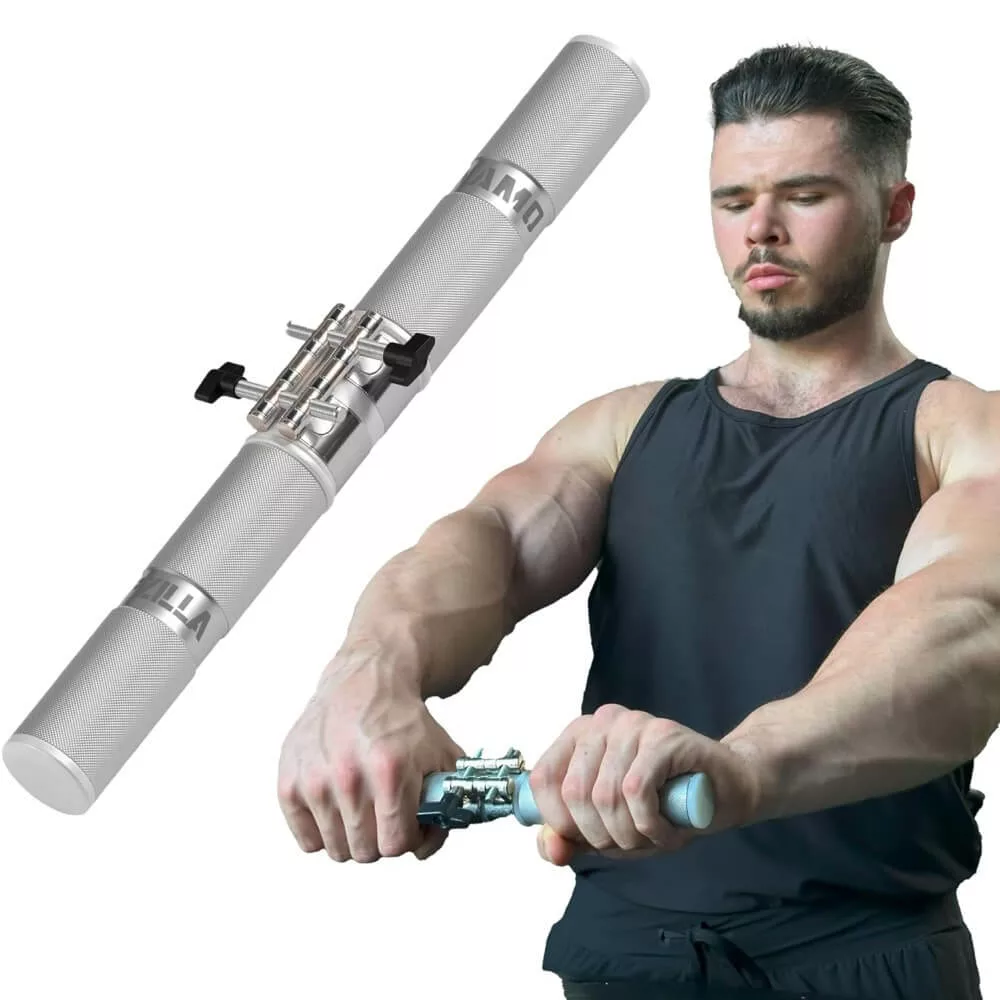
Reliable Budget Wrist Roller That Actually Lasts?
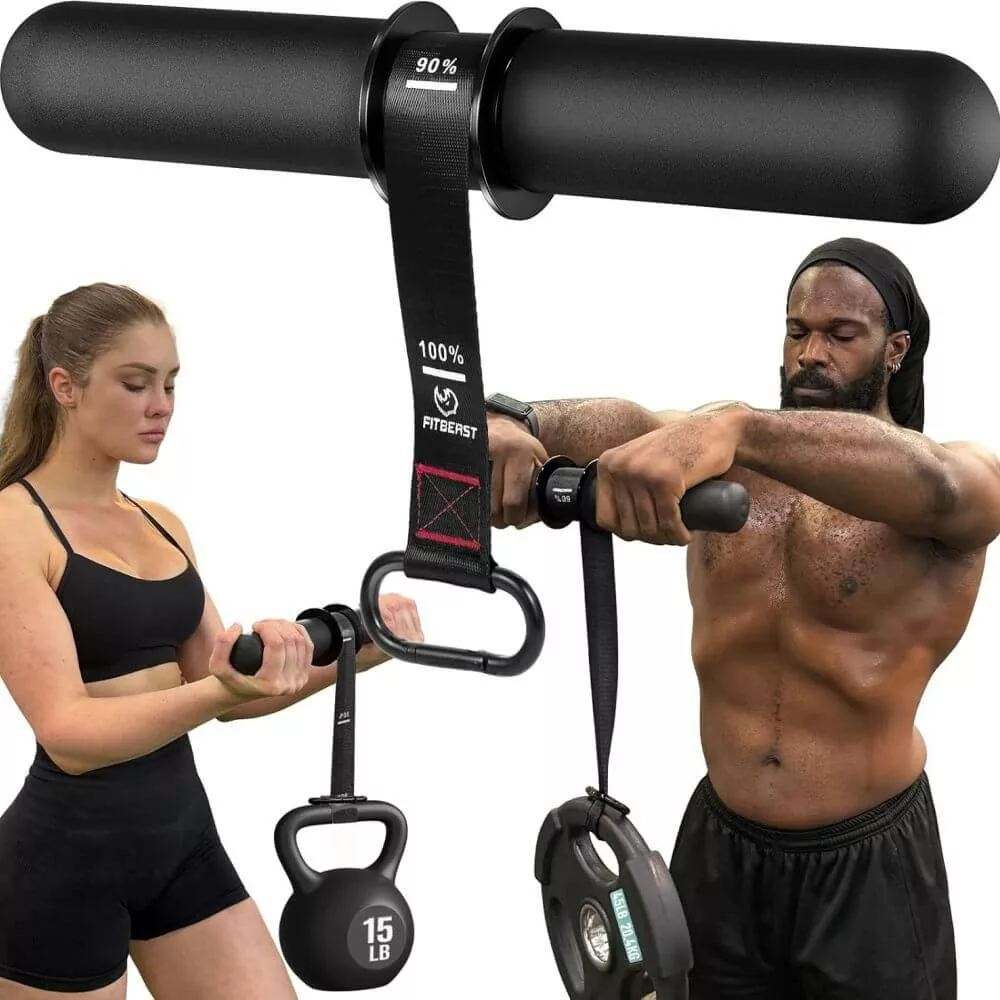
Simple Wrist Roller for Grip & Forearm Muscle Power
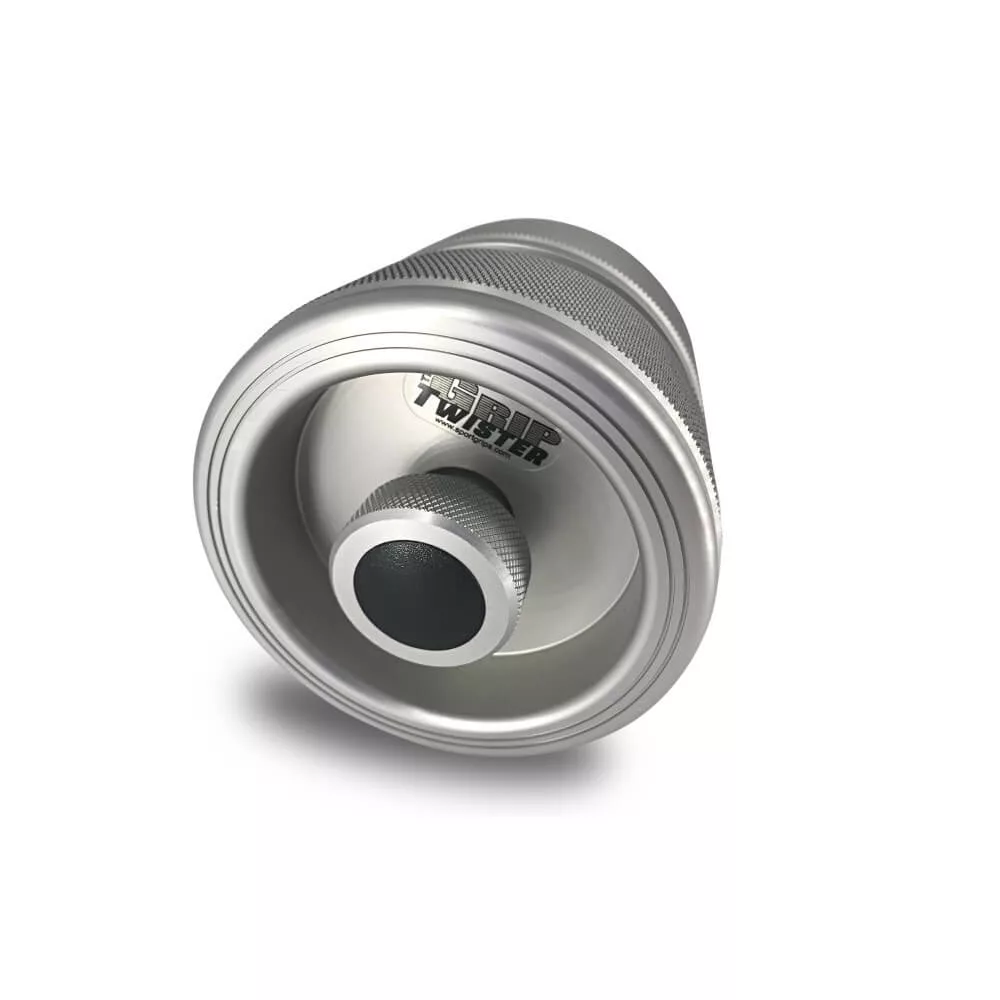
Ultimate Pinch Grip Trainer with Virtually Infinite Resistance?
Great forearms aren’t built overnight.
A few extra turns of the wrist roller today can become years of stronger performance tomorrow.
#2 GYRO BALLS & ROTATOR MACHINES
Gyro balls and rotational trainers introduce a dynamic element to grip training by combining speed, coordination, and endurance.
Their unique resistance profiles challenge the wrist and forearm in ways that traditional static tools often cannot, making them excellent additions to both training and recovery routines.
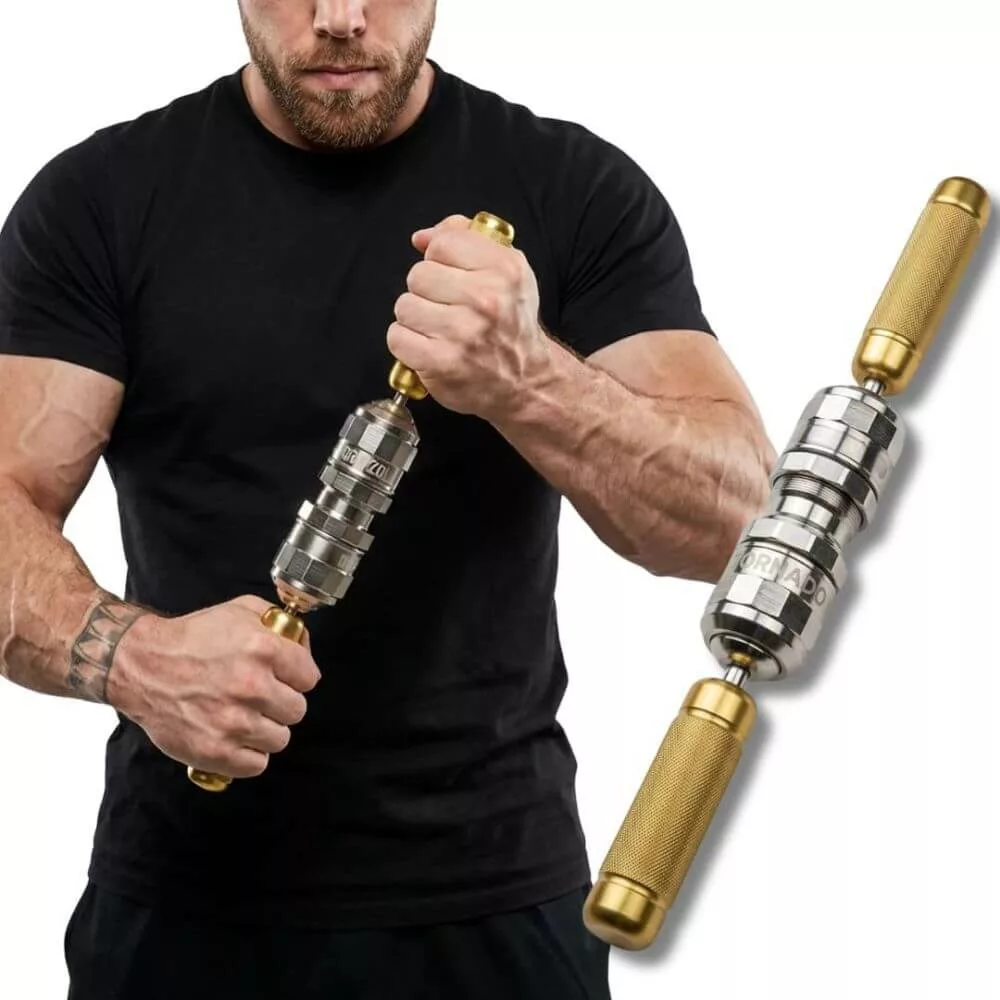
Multi-Axis Forearm Training That Takes Grip Beyond the Squeeze

Burn Machine Arm Rotation Trainer: Shockingly Effective?

Gyro Ball is Amazing For Grip Training Warm-Up & Hand Rehab
Sometimes the smallest movements produce the biggest improvements
in long-term wrist health and control.
#3 TWIST BARS & WRIST STRENGTHENERS
Twist bars and dedicated wrist strengtheners allow athletes to target wrist flexion, extension, and rotational strength in a controlled manner.
They are particularly useful for improving wrist stability and addressing weak points that may limit performance in sports, lifting, or everyday activities.
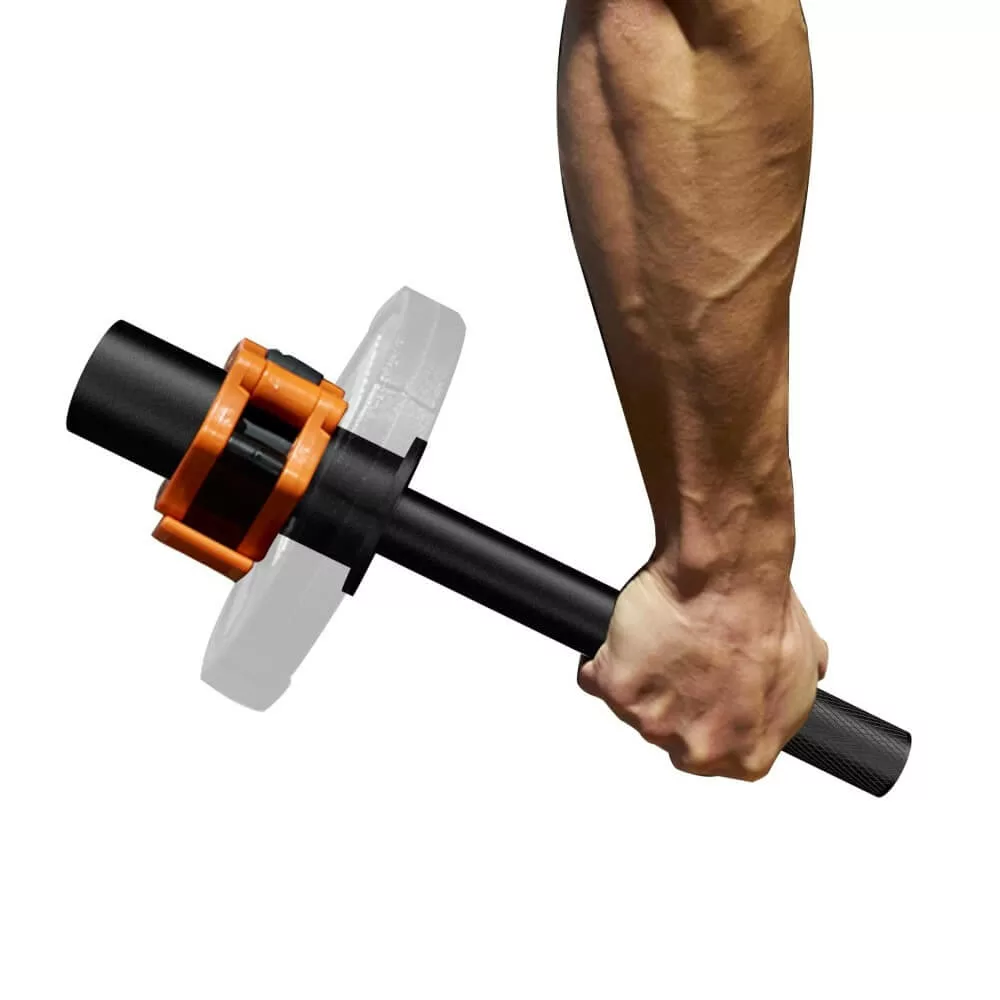
Wrist Strength Without Weak Links: Build Forearm Power & Control
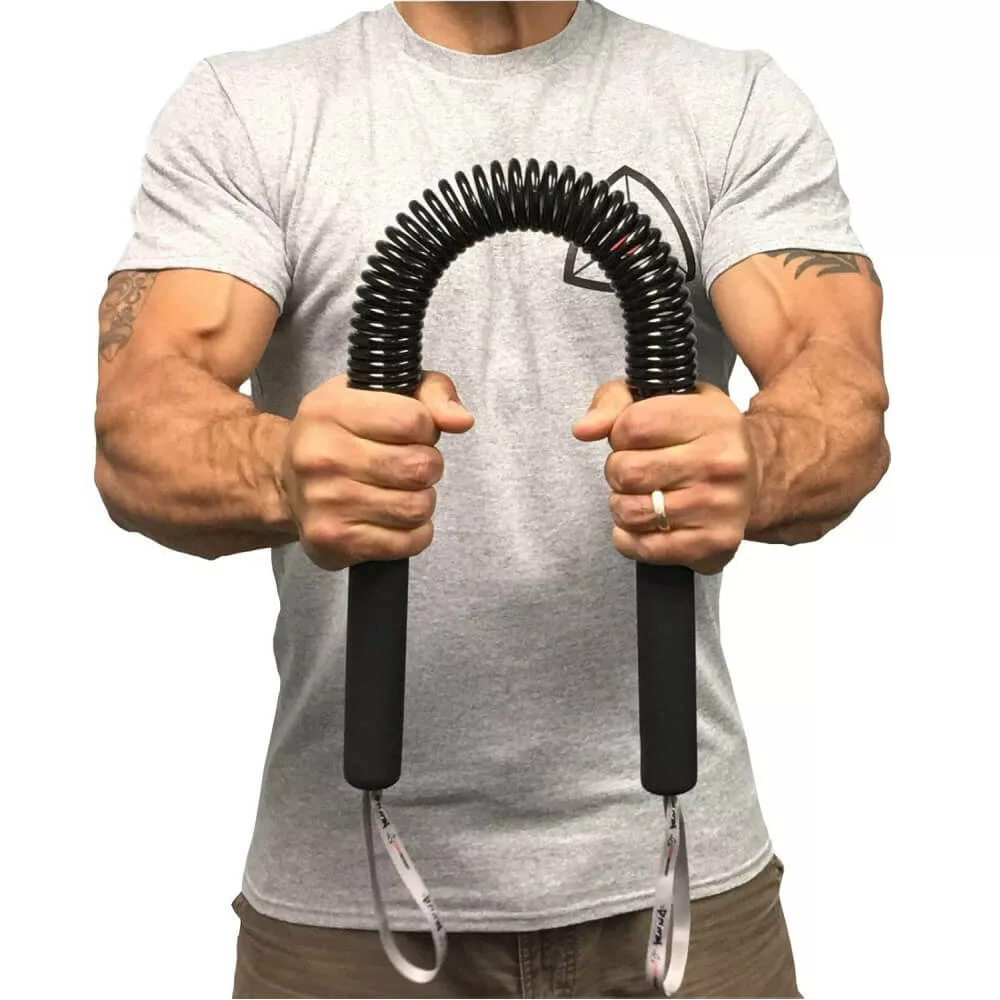
Twister Bar: The Classic Grip & Arm Trainer That Never Fails

The Ultimate Portable Arm Trainer for Home Workouts?
Strong wrists provide a foundation for stronger hands,
better lifts, and greater confidence under load.
#4 ROTATIONAL & ATHLETIC CONDITIONING TOOLS
Athletic conditioning tools bridge the gap between grip training and full-body performance.
From steel maces to jump ropes, these implements improve coordination, endurance, and wrist resilience while teaching the body to move efficiently under repeated stress.
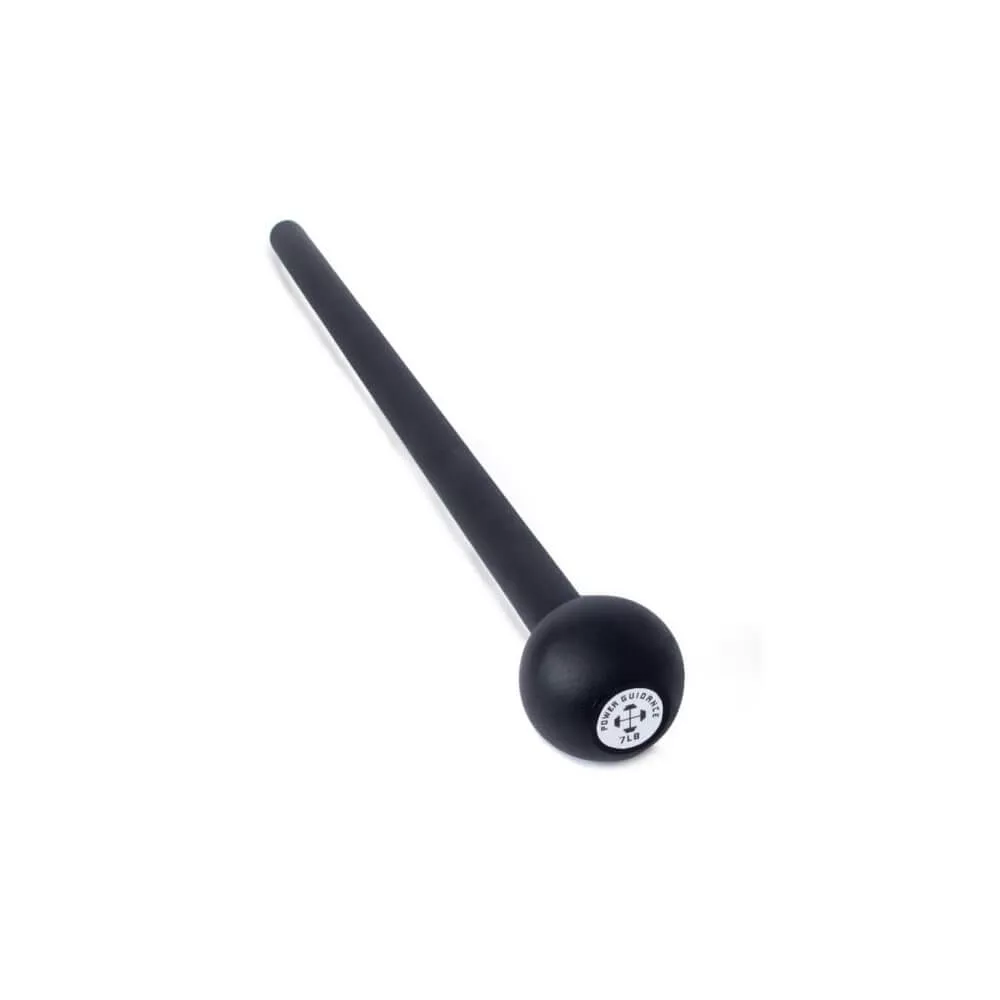
Use Steel Mace to Strengthen Your Wrists in a Dynamic Way
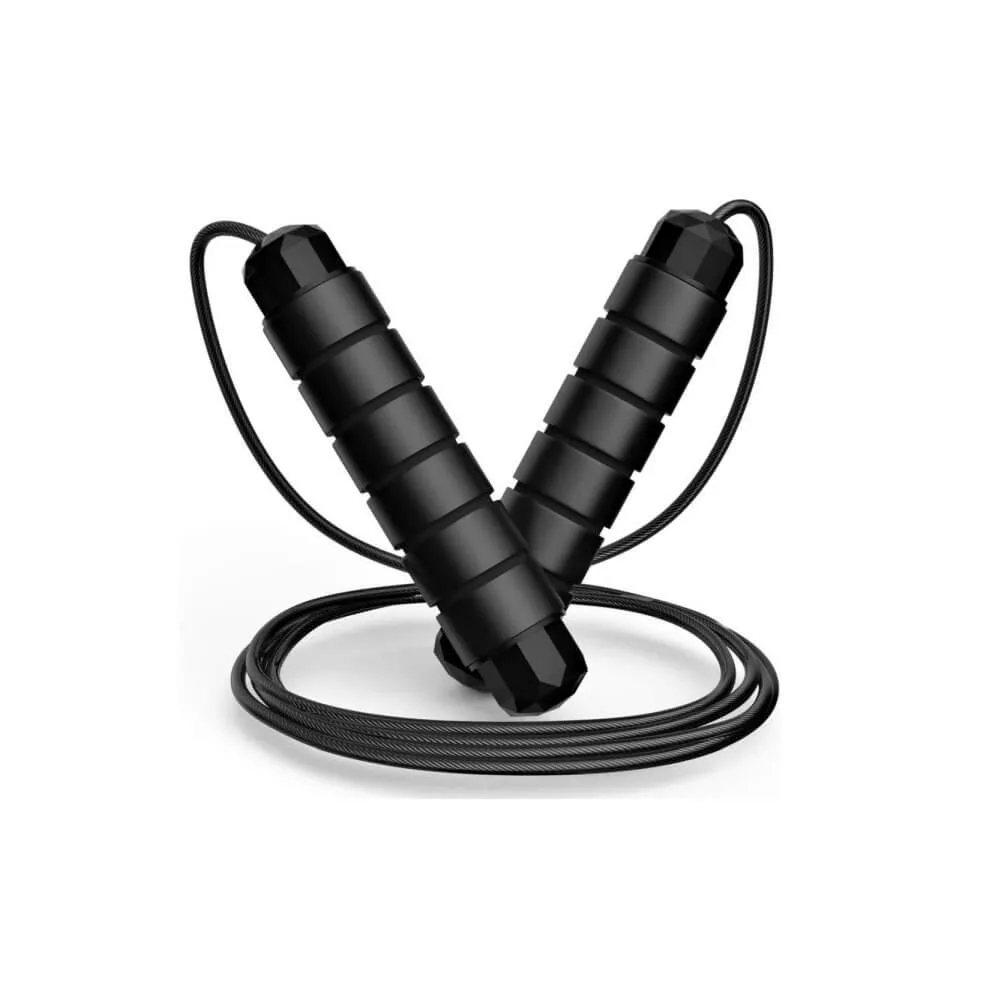
Train Wrists with Inexpensive, Beginner-Friendly Jump Rope
Strong wrists aren’t built through strength alone. Coordination, endurance, and consistency
all play a role in developing hands that perform when it matters most.
Why Wrist Strength Matters
- Everyday Life →
Build resilient hands and forearms. - Tradespeople →
Work comfortably with tools. - Strongman →
Control awkward implements. - Lifters →
Improve force transfer. - Combat Athletes →
Develop rotational strength. - Grapplers →
Maintain wrist position during scrambles.
Powerful hands begin with wrists capable of supporting them.
The wrist acts as the bridge between the hand and the rest of the body.
Nearly every gripping movement relies on its ability to stabilize, transfer force, and maintain position under load.
From swinging a mace and rolling a wrist trainer to controlling tools on the job, stronger wrists contribute to both performance and confidence across a wide range of activities.
Go Deeper Into Wrist Torque Training
Wrist strength isn’t just about having a strong grip. Your wrists also need to control force through flexion, extension, and rotation when your hands are working under load.
Whether you’re learning how to train your wrists, trying to understand the movements behind wrist strength, putting your grip strength into perspective, or dealing with discomfort during training, these guides can help you take the next step.
Ready to Start Training Your Wrists?
Learn the fundamentals of wrist torque training and how to build strength through the wrist movements that support a more capable grip.
Want to Understand Wrist Strength Better?
Explore the movements behind stronger, more capable wrists and learn how flexion, extension, and rotation contribute to hand function.
Wondering How Strong Your Grip Should Be?
Put your grip strength into perspective and learn what grip strength can look like at different levels of training and experience.
Wrist Pain Getting in the Way?
Learn how kinesio tape can provide support around the tendons of the hand and wrist while you work toward more capable movement.
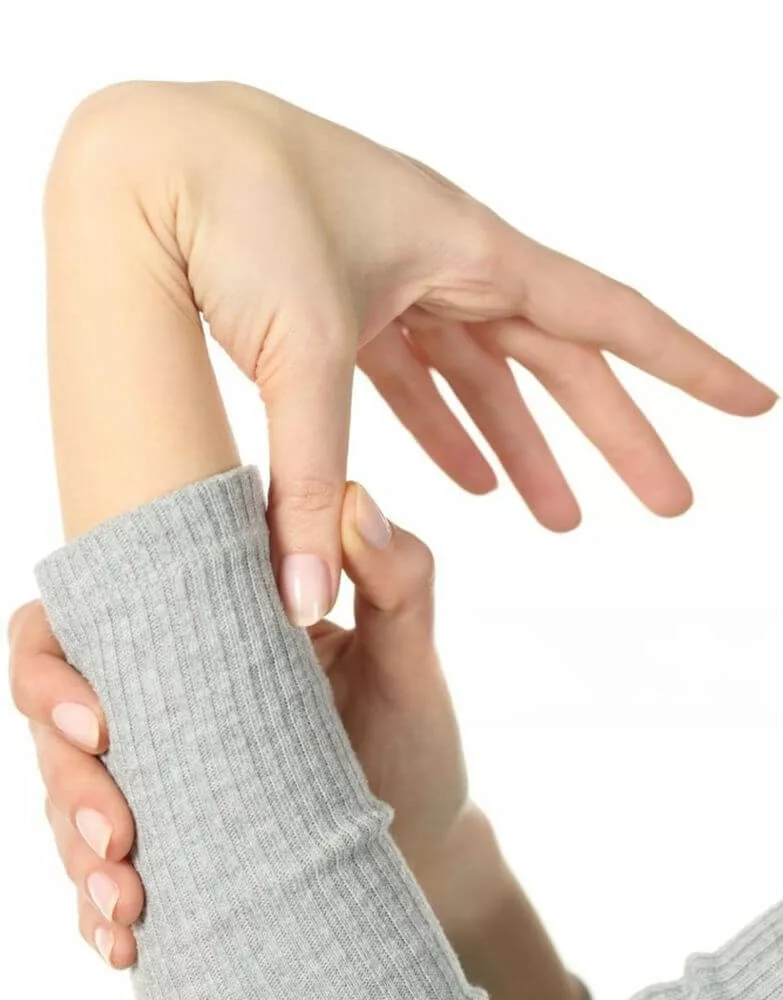
Want To Build Stronger Wrists For Real-World Performance?
Wrist training sits at the intersection of strength, endurance, and control. Whether you’re lifting, working, or competing, stronger wrists often translate into better performance where it matters most.
Wrist strength rarely exists in isolation. Whether you’re carrying awkward loads in Strongman, controlling an opponent on the mats, or spending long hours using tools on the job, rotational strength and forearm endurance can play an important role in real-world performance.
- Strongman says: “Move the impossible.“
- Grappler says: “Control every position.“
- Tradesperson says: “Work hard. Stay strong.“
Explore our identity hubs below to discover training strategies, equipment recommendations, and practical guides tailored to your goals.
From competition and athletics to demanding everyday tasks, stronger wrists can help support stronger performance wherever life takes you.
Because every powerful grip ultimately depends on the strength and stability of the wrist behind it.
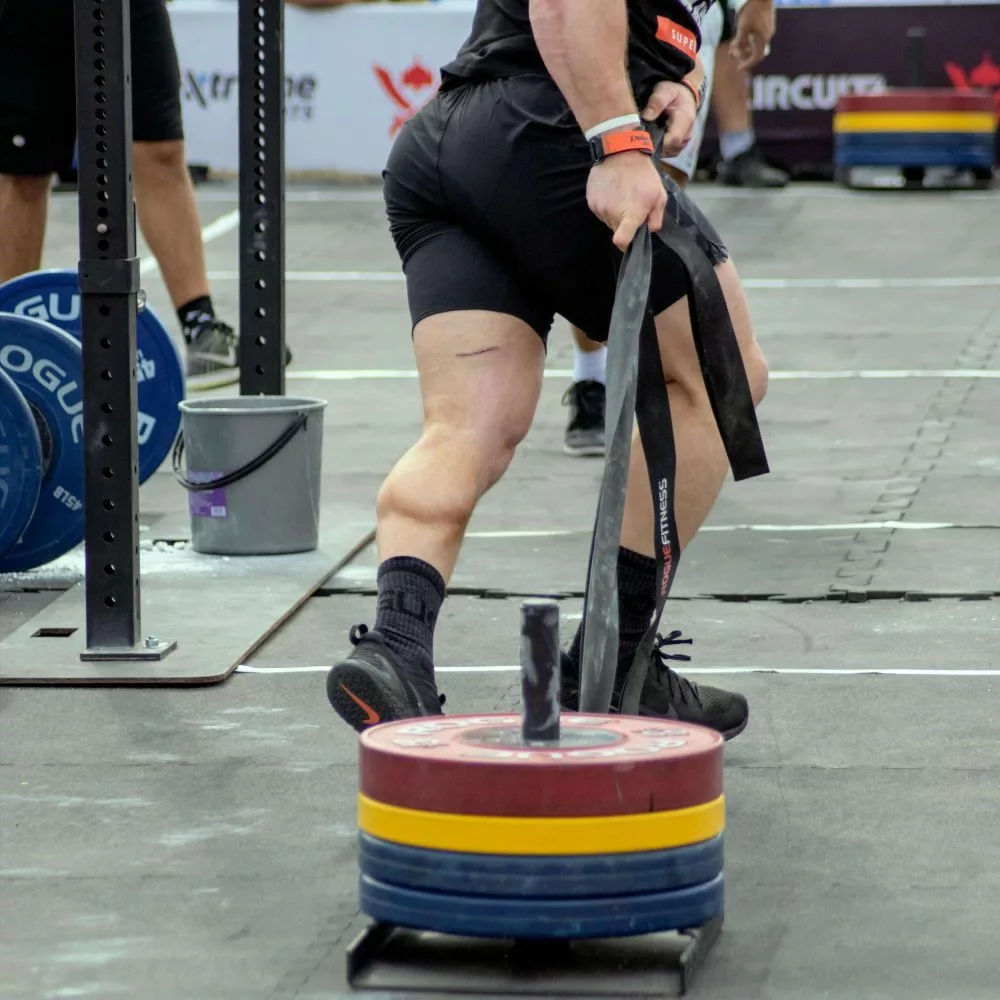
Grip Strength for Strongman: Grip Power for Heavy Events
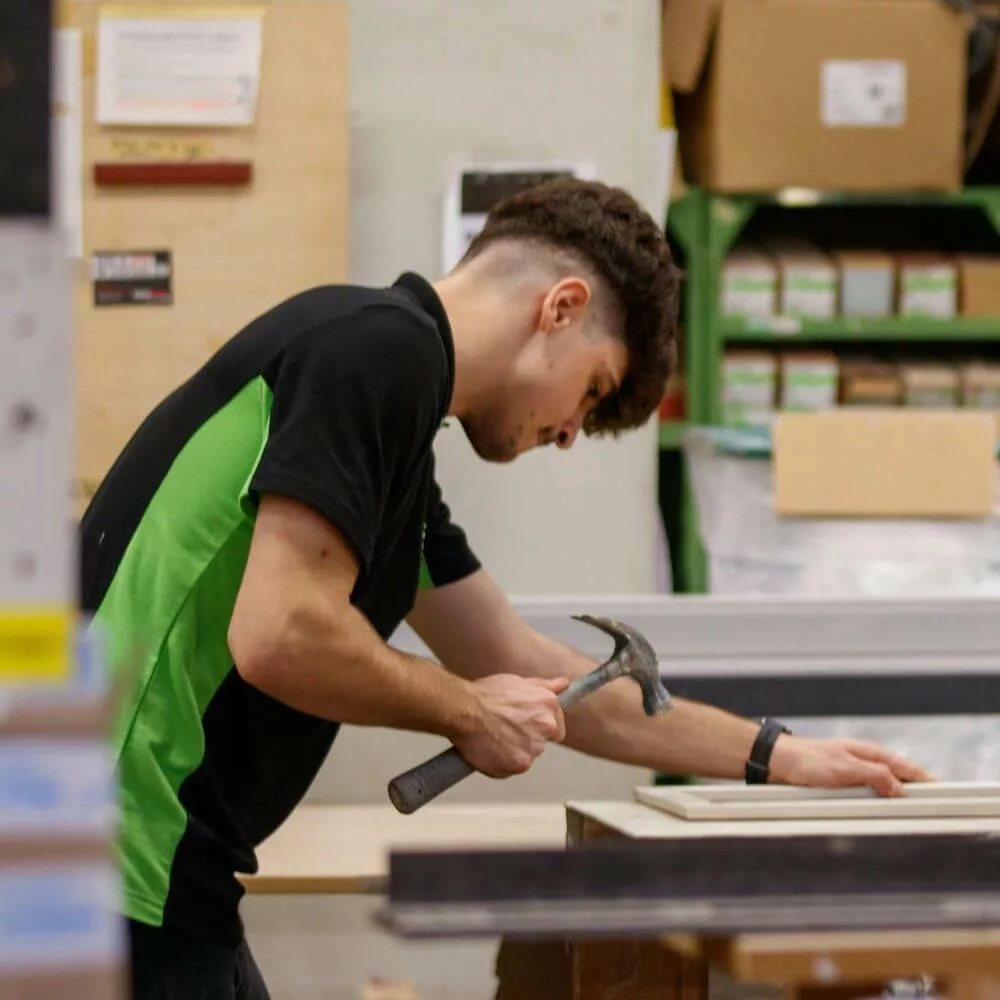
Grip Strength for Tradespeople: Endurance for Demanding Work