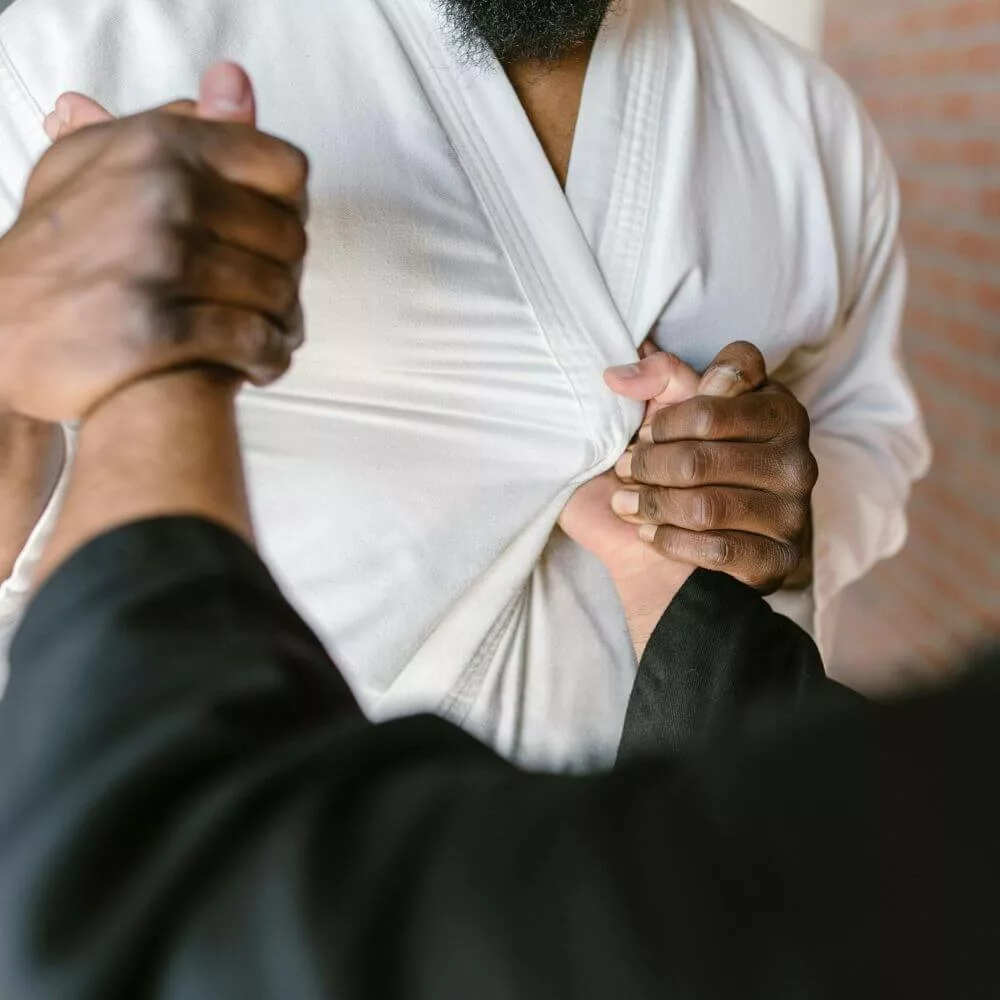
Explore Chalk, Tacky & Lifting Straps to Improve Grip Reliability and Perform When It Matters Most.
Here You’ll Find:
-
- Wrist Wraps
- Elbow Sleeves & Compression
- Weightlifting Gloves & Grip Pads
- Athletic & Kinesiology Tape
- Joint Support Equipment
- Long-Term Protection Tools
Why This Equipment Matters for Joint Protection:
Strength training places significant demands on the small joints of the hands, wrists, and elbows.
While no piece of equipment can replace proper technique and sensible programming, support gear can help athletes train more comfortably and confidently over the long term.
The products below are designed to provide additional stability, improve comfort, and help reduce unnecessary wear and tear, allowing you to spend more time doing what you enjoy.
#1 WRIST WRAPS
Wrist wraps remain one of the most popular support tools in strength sports.
By helping maintain a more stable wrist position during pressing, carrying, and overhead movements, they provide additional confidence when training under heavier loads.
Whether you’re stepping under a barbell or preparing for a demanding event, wrist support can make a noticeable difference in both comfort and consistency.

Extra Long Wrist Wraps: More Support, More Stability
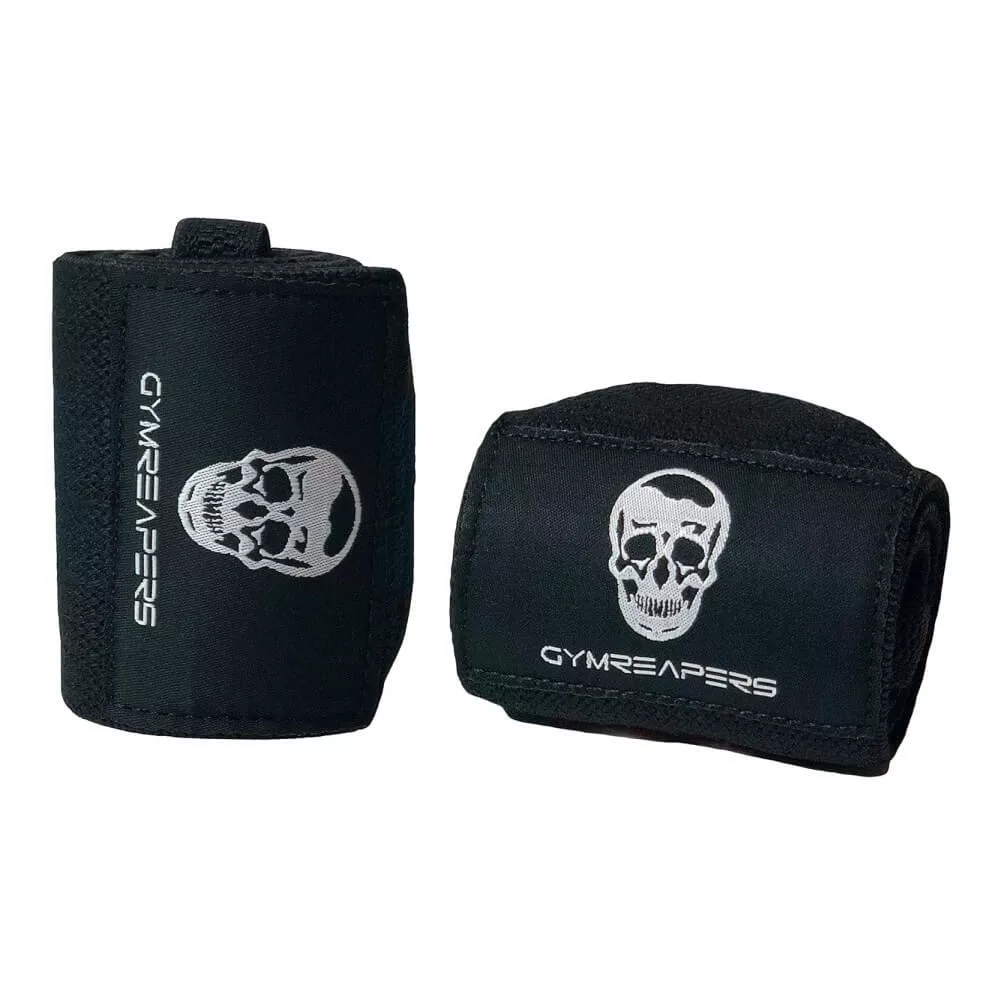
Competition Grade Wrist Wraps: Built for Serious Lifters
Strong wrists build strong lifts,
but supported wrists tend to last longer.
#2 ELBOW SLEEVES & COMPRESSION
The elbow serves as a critical link between the hand and the shoulder, absorbing tremendous forces during lifting, pulling, grappling, and repetitive work.
Compression sleeves and elbow cuffs are popular tools among athletes seeking warmth, support, and greater confidence during demanding sessions.
They’re particularly common among strength athletes who understand that longevity is often just as important as performance.
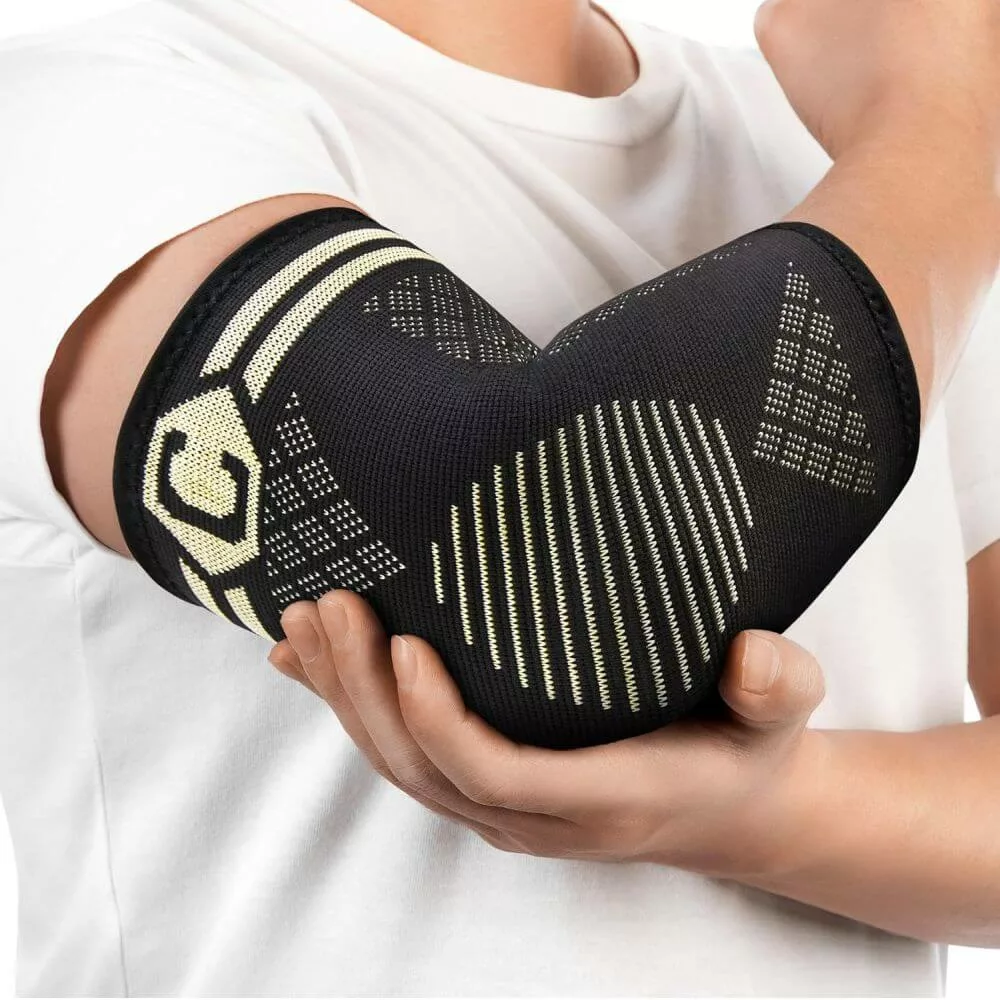
Can an Elbow Compression Sleeve Relieve Pain & Support Recovery?
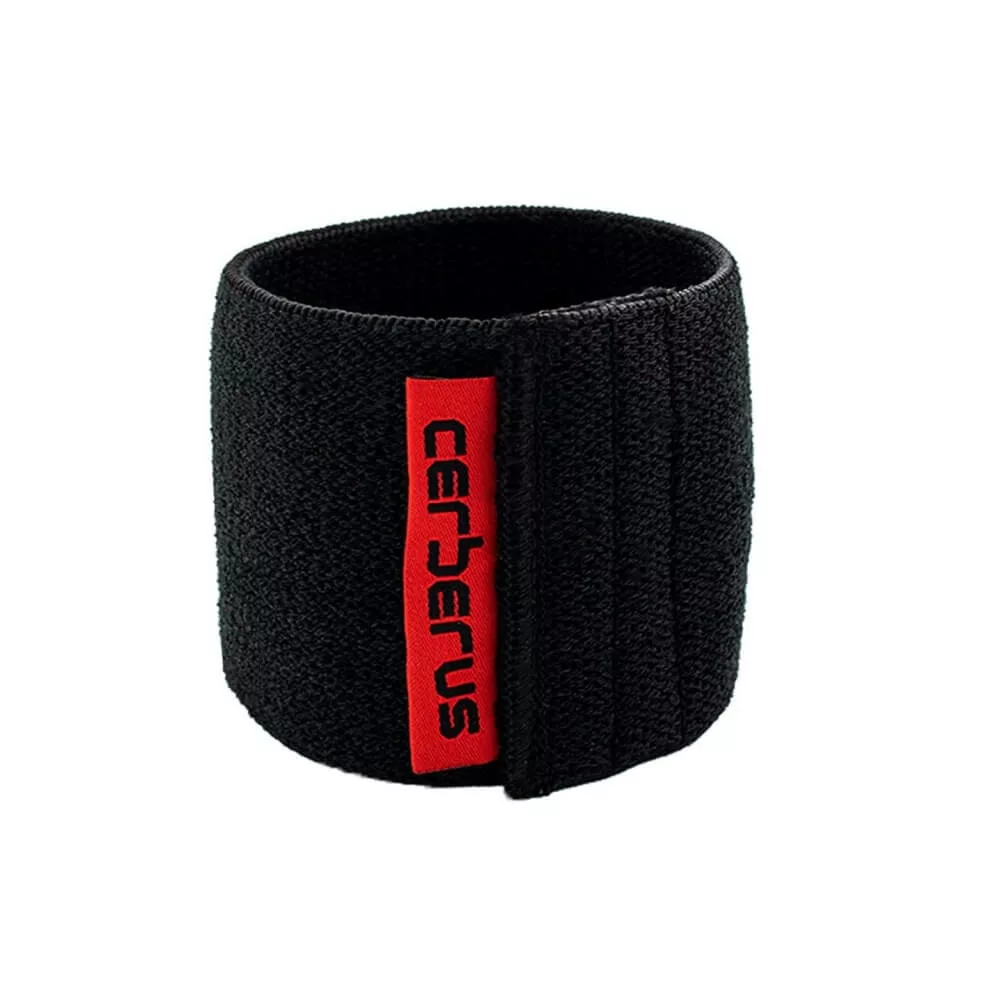
Is a Compression Elbow Cuff Enough to Protect Your Joints?
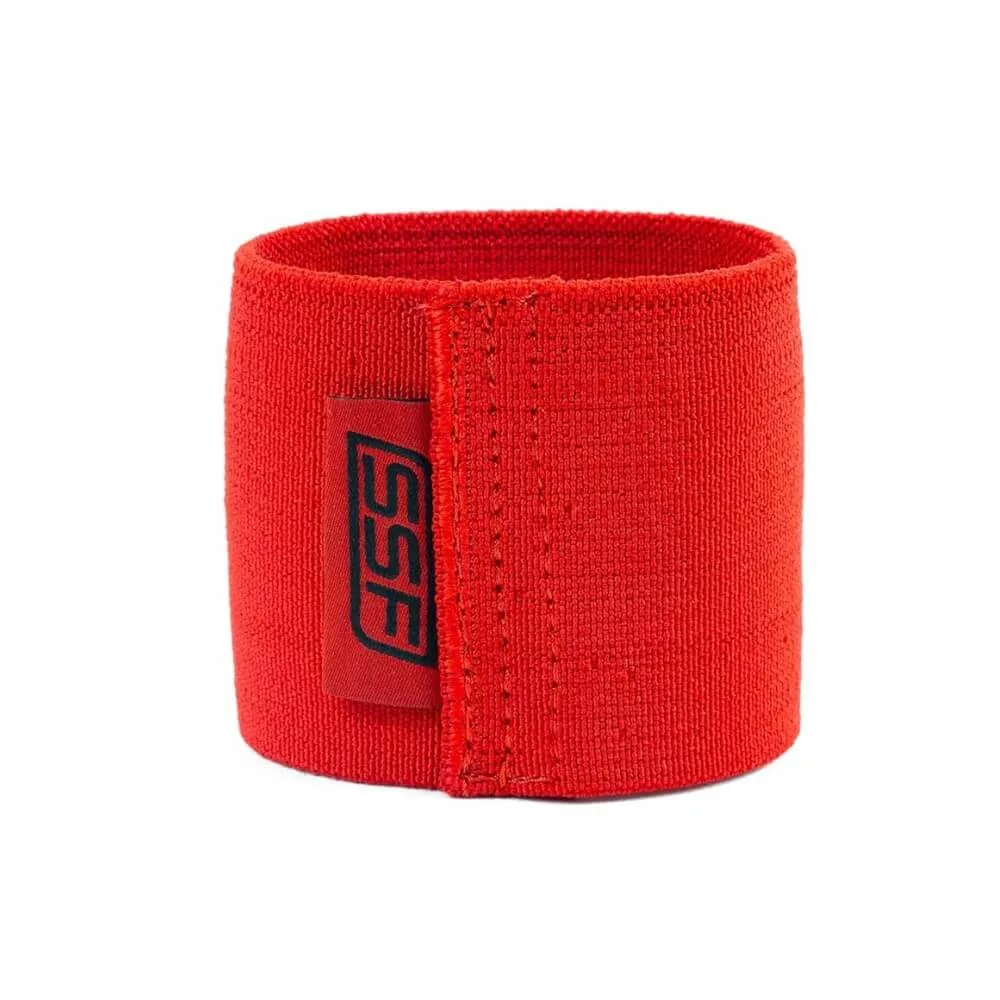
Can a Max Compression Elbow Cuff Relieve Joint Pain Faster?
Your hands may hold the weight,
but your elbows often pay the bill.
#3 GLOVES & GRIP PADS
Gloves and grip pads continue to divide opinion within the strength community, but they remain practical tools for many people.
From reducing friction and protecting the skin to improving comfort during high-volume training, they offer an accessible way to make difficult sessions more manageable.
For many users, protecting the hands means spending less time recovering and more time training.
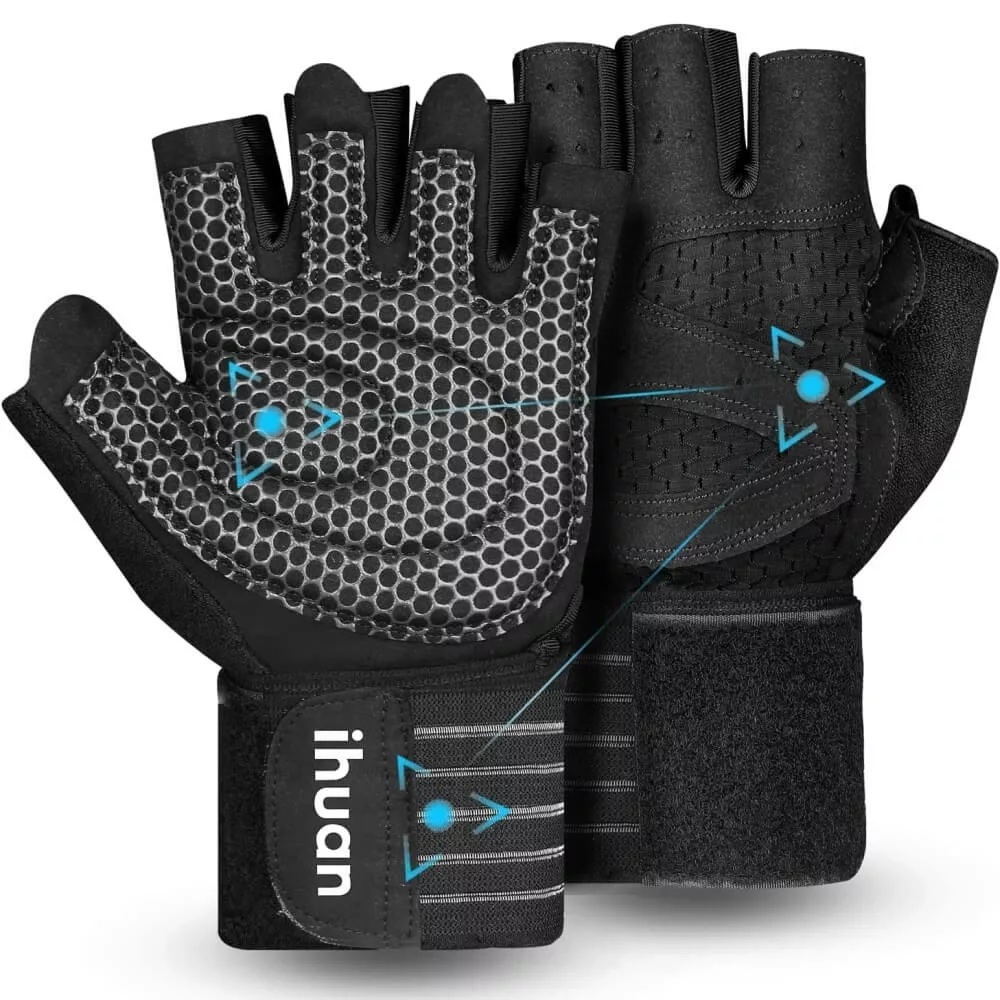
Ventilated Gym Gloves With Wrist Wraps For Maximum Comfort?
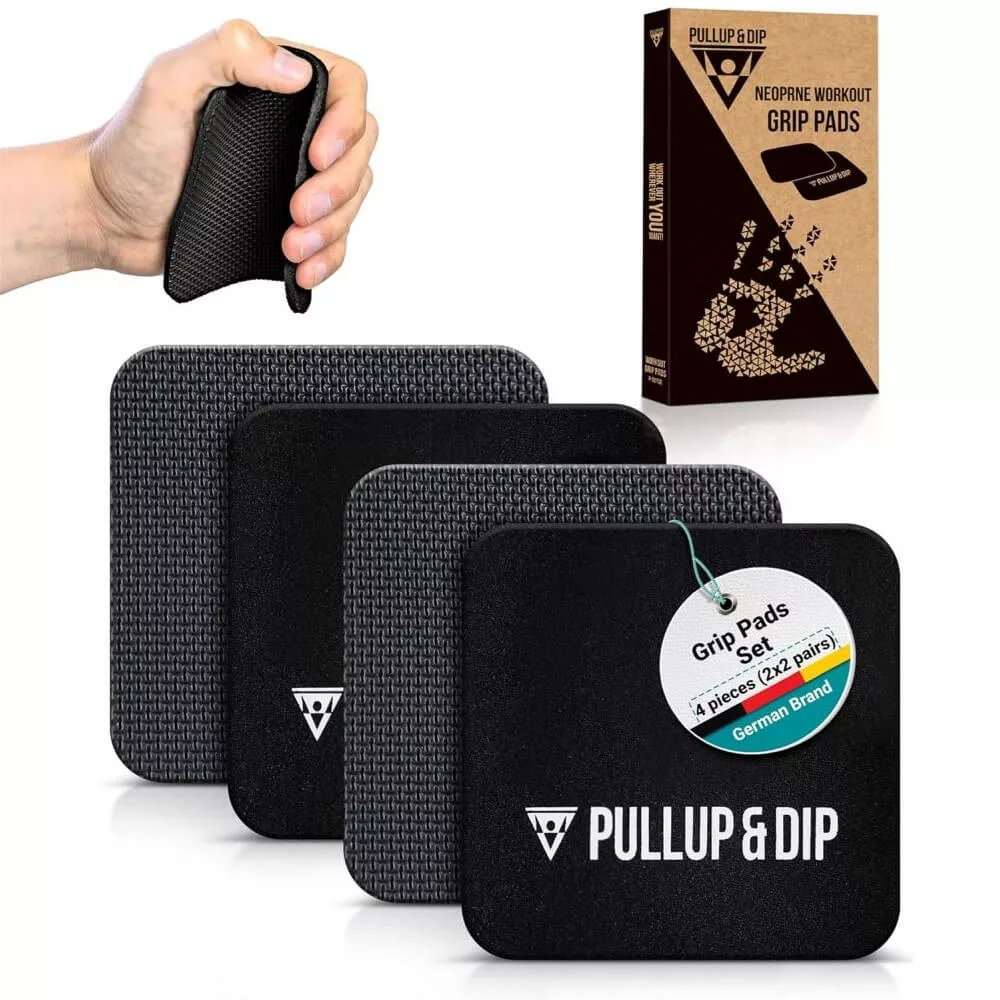
Simple Neoprene Grip Pads: Durable & Effective to the Point?
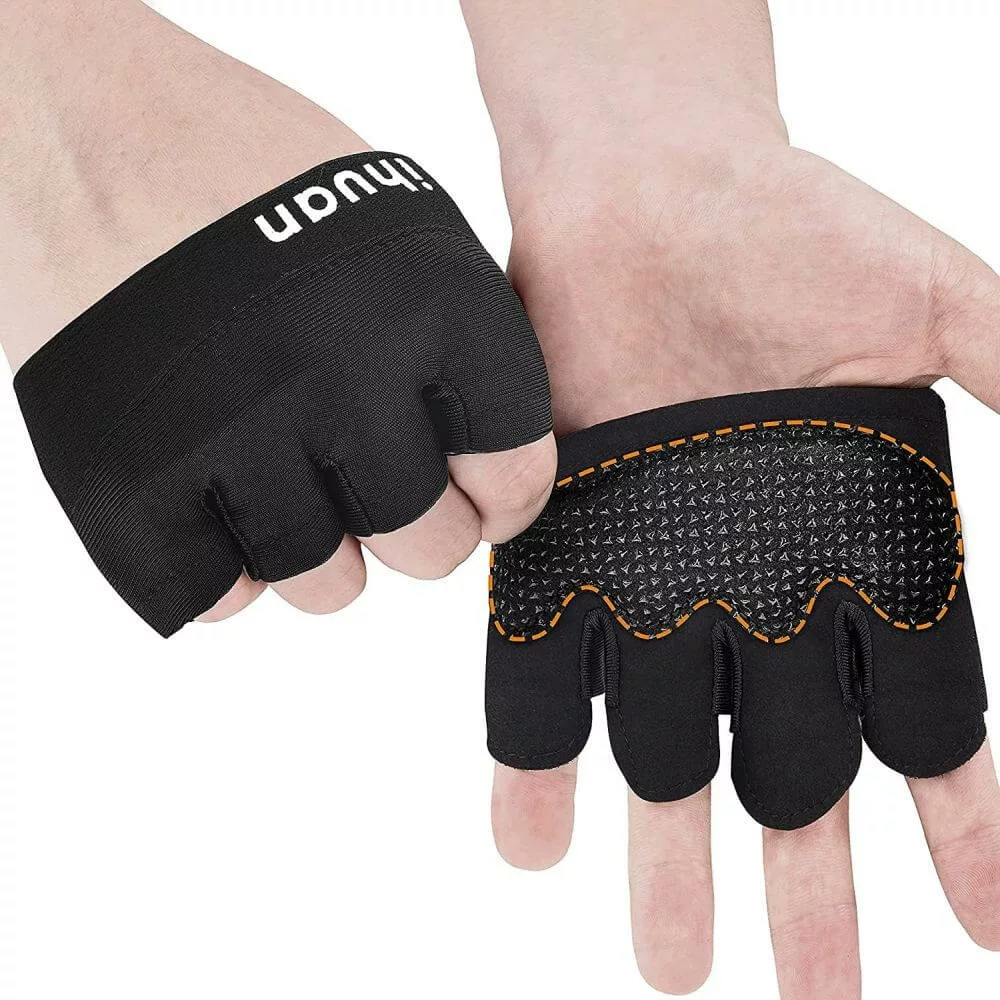
Minimal Grip Protection with Partial Fitness Gloves?
Protecting your hands isn’t weakness,
it’s preparation for tomorrow’s training session
#4 ATHLETIC & KINESIOLOGY TAPE
Athletic tape has become a staple across countless sports.
Whether wrapped around fingers, wrists, or elbows, it offers a versatile solution for athletes seeking additional support during training and competition.
From grapplers and climbers to weightlifters and combat athletes, tape remains one of the simplest tools available for helping active hands stay active.
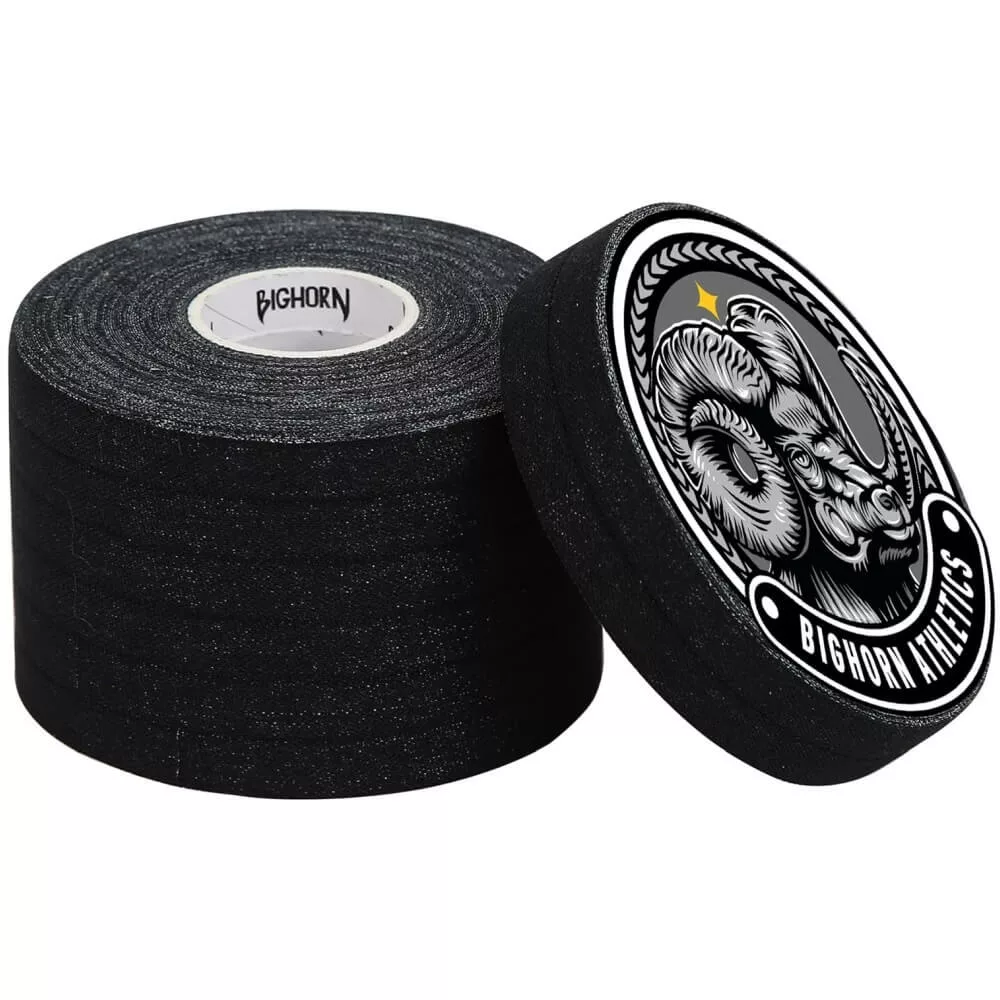
BJJ Finger Tape for Reliable Grip Protection
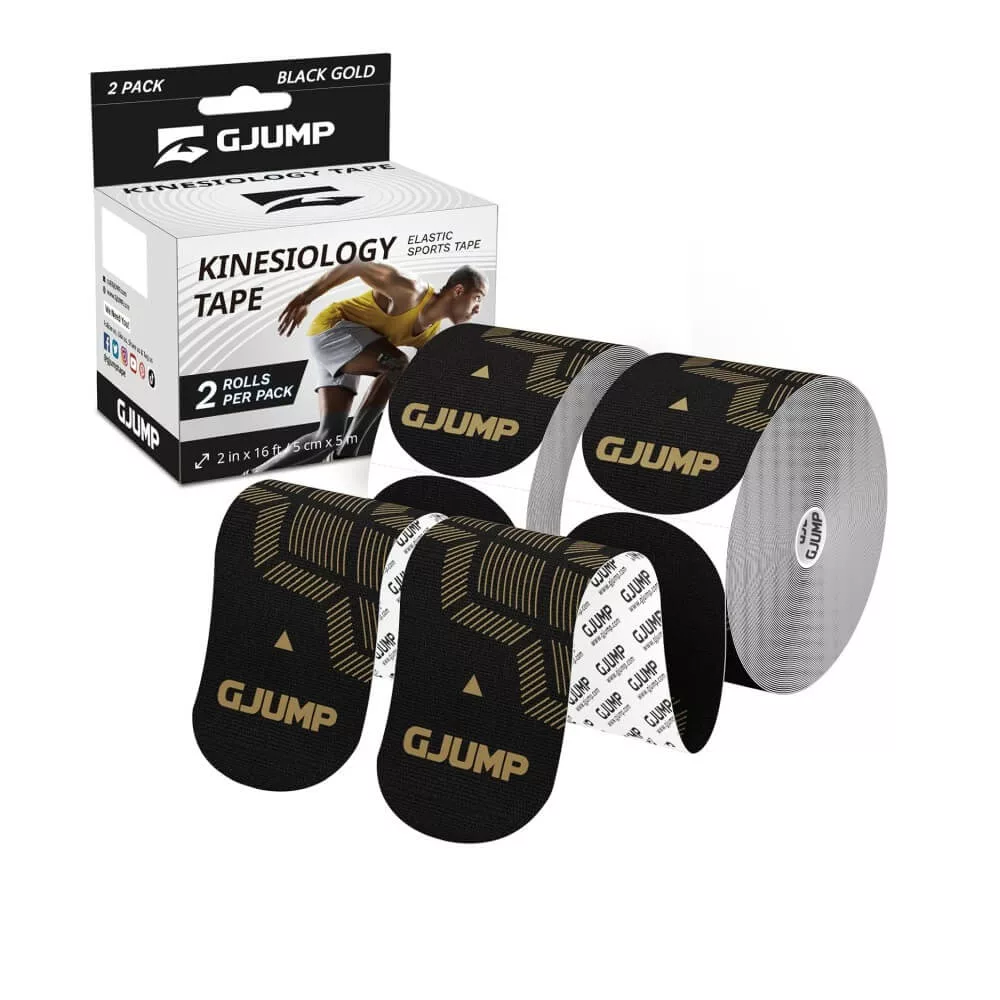
Precut Kinesiology Tape: No Measuring, Just Peel & Apply

Latex-Free Pre-Wrap Tape for Grip & Wrist Training
Sometimes a few inches of tape are all that
stand between quitting early and finishing the job.
Why Joint Protection Matters
- Grapplers →
Finger tape & elbow support. - Weightlifters →
Heavy presses & pulling volume. - Tradespeople →
Repetitive stress & tool use. - Strongman →
Carry events & awkward loads. - Everyday Life →
Comfortable & functional hands. - Climbers →
Tendons, pulleys, & skin.
The goal isn’t to protect your joints from movement; it’s to help them continue moving for as long as possible.
Joint health rarely becomes a priority until discomfort begins to interfere with training.
Yet the athletes who enjoy decades of progress are often the ones who understand that consistency matters more than occasional heroic efforts.
Supporting your wrists, elbows, & hands isn’t about avoiding hard work but ensuring you’re still able to do it years from now.
Go Deeper Into Joint Protection
Strong hands still need healthy joints. The better your hands and wrists can tolerate the demands placed on them, the longer you can keep training, working, and doing the things you enjoy.
Whether you’re learning why joint protection matters, trying to choose the right support for your hands and wrists, wondering whether you’re actually building stronger joints or simply supporting them, or dealing with pain during training, these guides can help you take the next step.
Why Does Joint Protection Matter?
Learn why protecting your hands and wrists matters when they’re repeatedly exposed to gripping, loading, impact, and other training demands.
- Why Does Joint Protection Matter for Your Hands?
Not Sure Which Support You Need?
Explore the different types of hand and wrist support and learn how to choose the right option for your activity, training demands, and individual needs.
- How to Choose the Right Support for Your Hands
Supporting Your Joints or Making Them Stronger?
Understand the difference between external support and developing the capacity of your own hands and wrists to handle training demands.
- Joint Support vs Joint Strength: What’s Improving?
Hands & Wrists Hurting During Training?
Explore common causes of hand and wrist pain during training and practical ways to reduce unnecessary stress while continuing to train smarter.
- Why Do Your Hands & Wrists Hurt During Training?
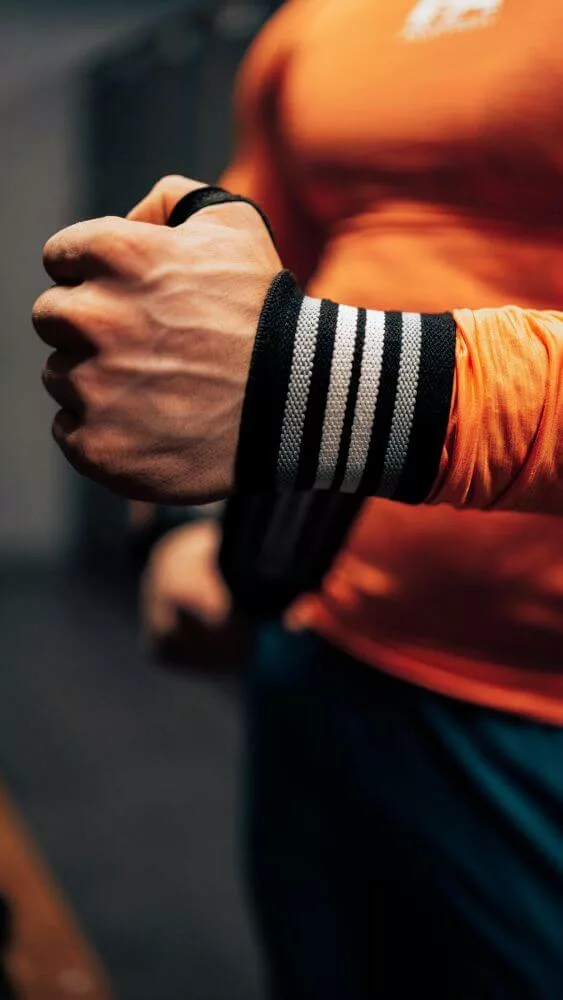
Want To Keep Training For Years To Come?
Training is a long game. The strongest athletes aren’t always the ones who progress the fastest; they’re often the ones who remain healthy enough to keep showing up year after year.
Explore our identity hubs below to discover equipment recommendations, training advice, and practical strategies designed specifically for Grapplers, Weightlifters, and Tradespeople.
- Grappler says: “Protect the grip to control the match.“
- Weightlifter says: “Stay under the bar longer.“
- Tradesperson says: “Your hands are part of the job.“
Because strength is impressive, but strength that lasts a lifetime is even better.
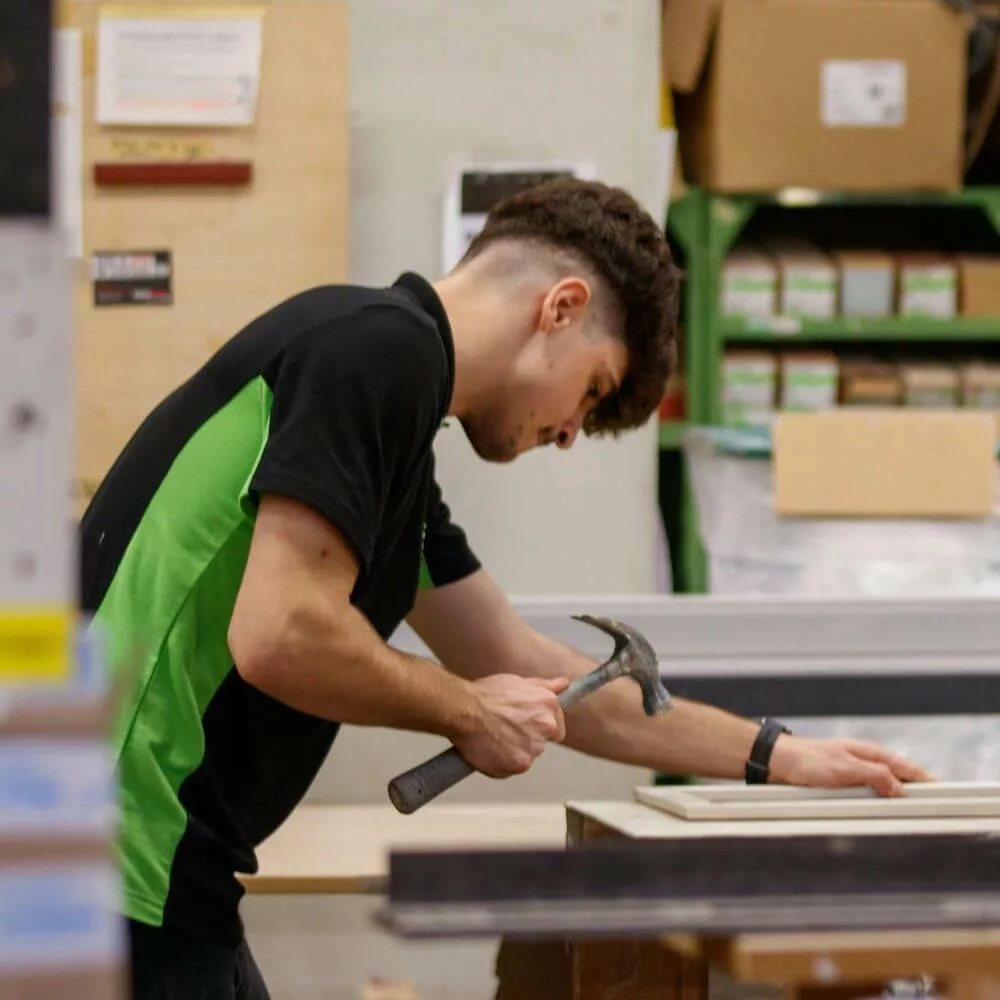
Grip Strength for Tradespeople: Endurance for Demanding Work
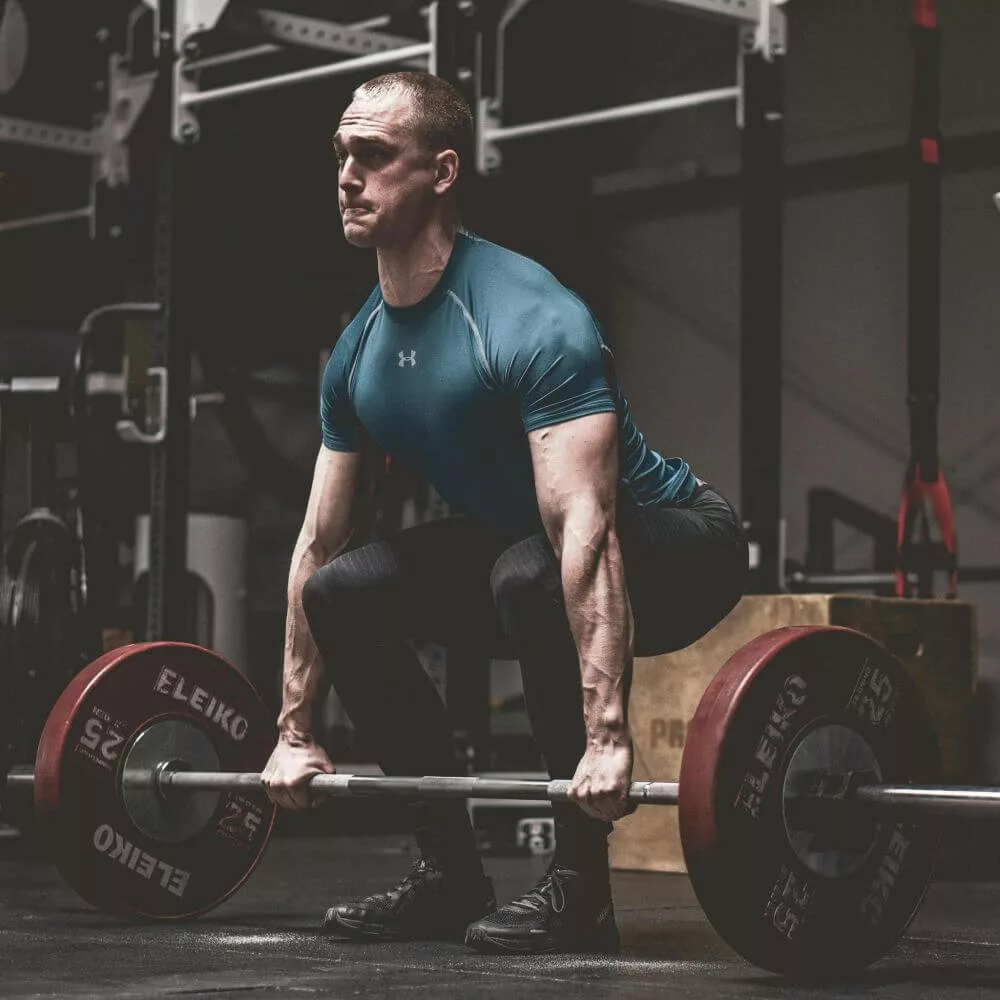
Grip Strength for Weightlifters: Better Grip for Bigger Lifts