(Last Updated on October 18, 2026 by Henry)
What Should You Do When Training Starts to Hurt Your Hands or Wrists?
Your hands and wrists help you grip, lift, pull, push, twist, and control equipment. They also handle repeated demands during sports, strength training, and manual work.
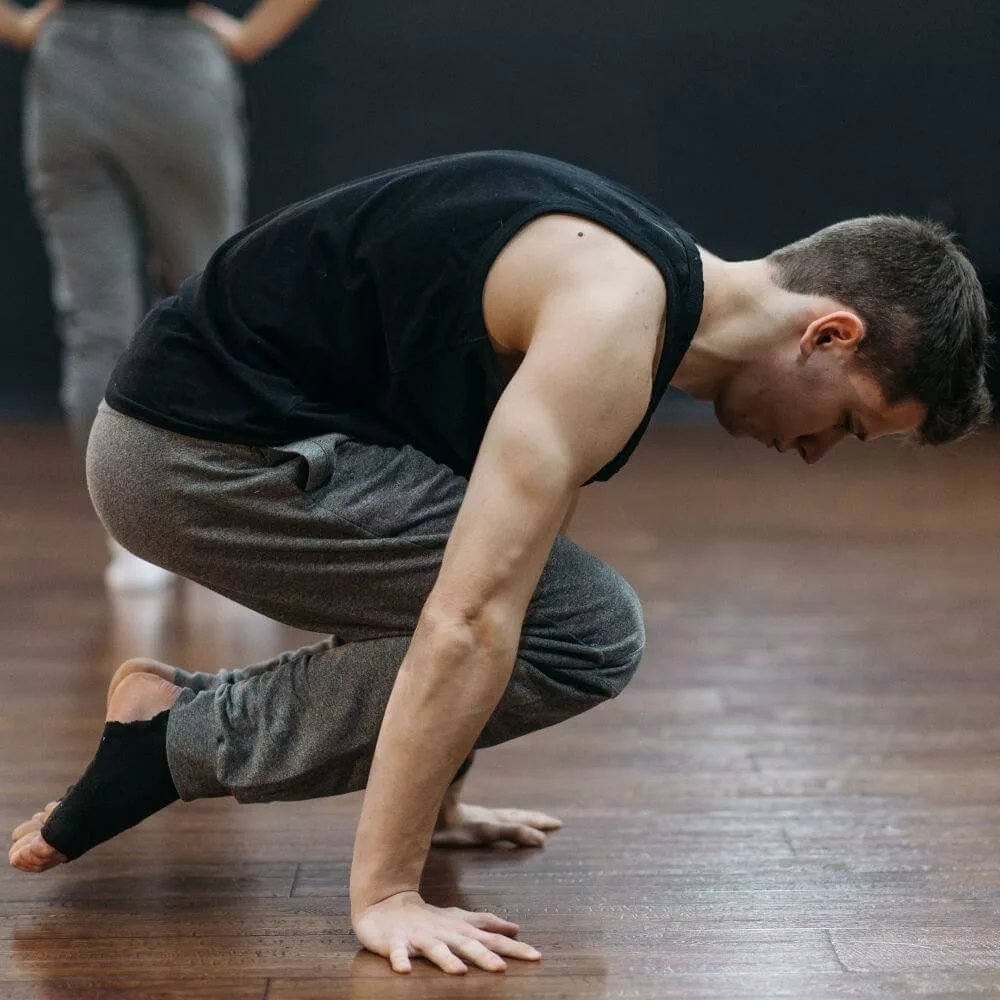
When these demands exceed what your body can comfortably tolerate, discomfort may develop during an exercise, immediately afterward, or later in the day.
But pain doesn’t always mean the same thing. Sometimes, your workload has increased too quickly.
Your technique or equipment may be contributing to unnecessary stress.
Repetitive movements and insufficient recovery can also play a role.
Table of Contents – Explore What's Covered Below
ToggleIn other cases, pain may indicate an injury or an underlying condition that needs professional assessment. The important thing is to avoid treating every problem as a simple lack of strength or assuming that a wrist wrap will solve it.
The first step is to understand the circumstances in which the pain occurs. From there, you can make more sensible decisions about adjusting your training, modifying equipment, managing workload, and deciding when to seek help.
Pain is a signal to investigate, not a challenge to overcome by force. Find out what may be contributing to it before deciding how to respond.
Hand and wrist discomfort can affect beginners who increase their training too quickly, experienced lifters who repeatedly push demanding loads, and athletes whose sports require frequent gripping or wrist movement. Even familiar exercises can become problematic when their demands change or recovery falls behind.
This guide covers common training-related contributors, practical adjustments, and warning signs that deserve attention. It is intended to help you make informed decisions, not to diagnose the cause of your pain from symptoms alone.
Wrist mobility & strength routine is often overlooked.
Yet this one has the most potential to save you from pain & injury.
Are You Increasing Your Training Load Too Quickly?
One common contributor to training-related discomfort is a mismatch between the demands placed on your hands and wrists and what they currently tolerate.
Your muscles, tendons, and other tissues respond to physical demands over time. However, increasing resistance, training volume, frequency, or the duration of repetitive work too quickly can leave insufficient room for adaptation and recovery.
This can happen even when an individual exercise seems manageable. The total workload across several sessions may be more demanding than you realize.
What Can Cause a Workload Spike?
- Adding too much resistance: Increasing the weight on a lift can substantially change the forces your hands and wrists must manage.
- Doing more repetitions or sets: A load you tolerate for a few sets may become problematic when the total amount of work increases considerably.
- Training more frequently: Adding extra sessions reduces the recovery time between repeated demands.
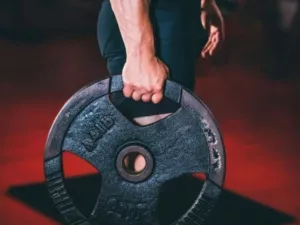
- Combining several grip-intensive activities: Grippers, heavy carries, deadlifts, wrist exercises, climbing, and manual work can all contribute to your overall workload.
- Returning too aggressively after a break: Your previous training capacity may not reflect what you can comfortably tolerate after time away.
The key issue isn’t simply whether a load is heavy. It is whether the total demand is appropriate for your current capacity and recovery.
What Should You Change?
If discomfort begins after a noticeable increase in training demands, review what changed before adding more exercises or equipment.
Depending on the severity and circumstances, this may mean reducing the load, shortening the session, lowering the number of sets, or temporarily avoiding the movement that triggers symptoms. Choose a tolerable alternative only if it does not reproduce or worsen the problem.
Don’t respond by immediately adding wrist curls, grippers, or other strengthening exercises. If the affected area is already irritated, extra training may add more demand rather than solve the issue.
Once the problem has settled and serious injury has been ruled out when appropriate, return gradually. Increase one aspect of the workload at a time so you can better judge how your body responds.
More training creates more opportunity to adapt only when the workload remains appropriate for your current capacity.
Could Your Technique or Wrist Position Be Contributing?
Your hands and wrists don’t work independently of the rest of your movement. How you hold a bar, position your hand, grip a handle, or distribute force can influence the demands placed on different structures.
A wrist position that feels comfortable during one exercise may be less suitable for another. The same is true of grip width, handle shape, and the way you transfer force through your hand.
This doesn’t mean there is one universally perfect wrist position. The appropriate position depends on the activity, the equipment, the load, and your individual circumstances.
Look at the Movement That Triggers the Pain
During pressing exercises, for example, excessive wrist extension may contribute to discomfort for some lifters. Adjusting the bar’s position in the hand, reviewing wrist alignment, or reducing the load may help identify whether the movement is part of the problem.
During pulling exercises, the way you grip a bar or handle may affect how the wrist and fingers share the work. A handle that is too large, too small, or uncomfortable to hold may also change your grip strategy.
In sports that involve twisting, throwing, striking, or rapid changes of direction, the demands can be different again.
Practical Technique Checks
- Check your wrist position: Notice whether the exercise forces your wrist into an uncomfortable angle under load.
- Review your grip: Make sure you’re holding the equipment in a way that suits the movement rather than squeezing harder than necessary throughout every repetition.
- Observe the full movement: Pain may relate to how you enter or leave a position, not just the position itself.
- Reduce the load while assessing technique: If the movement is otherwise appropriate, a lighter load can make it easier to evaluate positioning without adding unnecessary stress.
- Get qualified feedback: A coach or healthcare professional may help identify movement issues, particularly when symptoms repeatedly occur during a specific exercise.
Technique adjustments can be useful, but pain is not always a technique problem. An injury, nerve irritation, or another condition may produce symptoms even when your movement looks reasonable.
If changing your technique doesn’t resolve the problem, or the pain is persistent or worsening, don’t keep experimenting indefinitely. Seek appropriate assessment.
The goal is to find a movement strategy that fits the activity and your current capacity, not to force every wrist into one idealized position.
Are Repetitive Movements or Grip Fatigue Overloading Your Hands?
Not every hand or wrist problem comes from lifting a weight that is too heavy. Repeated gripping, pinching, twisting, and finger movements can also contribute to discomfort when the demands are excessive or recovery is insufficient.
This matters especially if you train your grip directly while also participating in a sport, working with tools, or spending long periods performing repetitive tasks.
Your hands don’t necessarily get a complete break just because your workout has ended.
Grip Fatigue Can Accumulate Across Activities
Imagine performing several sets of heavy carries, followed by gripper training, and then spending the next day using tools that require forceful gripping. Each activity may be manageable on its own, but the combined demand may be more than you comfortably tolerate.
Fatigue can also affect how consistently you control a movement. You may begin compensating, squeezing harder, or changing wrist position as a session progresses.
However, fatigue and pain are not interchangeable. Ordinary muscular tiredness after unfamiliar exercise is different from sharp joint pain, persistent tenderness, numbness, or symptoms that interfere with normal hand function.
What Can Help?
- Review your total workload: Consider grip-intensive exercise, sport, and manual work together rather than counting only your formal training sessions.
- Adjust repetitive volume: Reduce the duration, repetitions, or frequency of a triggering activity when appropriate.
- Allow adequate recovery: Avoid repeatedly challenging an irritated area without allowing symptoms to settle.
- Use equipment appropriately: A different handle or tool may improve comfort or reduce unnecessary gripping demands, depending on the task.
- Avoid training through worsening symptoms: More repetitions are not useful if they repeatedly aggravate the problem.
Don’t Confuse Fatigue With a Need for More Strength
If your grip tires during a workout, building grip strength or endurance may eventually help you tolerate that activity better. But if your hands or wrists already hurt, adding more grip training isn’t automatically the right response.
First determine whether the problem is ordinary fatigue, excessive workload, an equipment issue, or something that requires assessment.
Once you’re able to train comfortably and safely, you can work toward improving the specific capacity your activity demands.
Could Your Equipment or Grip Setup Be the Problem?
The equipment you use can change how your hand interacts with a load. Handle diameter, surface texture, shape, padding, and grip position can all affect comfort and how you distribute force.
A handle that feels natural to one person may be awkward for another. Similarly, a tool that requires excessive gripping force may be difficult to use comfortably over long periods.
Common Equipment-Related Contributors
Handles that don’t suit your hand: A thick or unusually shaped handle may increase the effort required to maintain your grip. A very narrow handle may feel uncomfortable under certain loads. The best diameter depends on your hand size, the task, and your training goal.
Poor friction or a slippery surface: If a handle feels insecure, you may squeeze harder than necessary. Improving the grip surface or using an appropriate grip aid may help in some situations, but it won’t resolve every source of pain.
Uncomfortable pressure points: Certain handles, tool edges, straps, or equipment components may concentrate pressure on a sensitive part of your hand.
Support products that fit poorly: A wrist wrap, glove, sleeve, or brace that bunches up, slips, or applies excessive pressure can create new discomfort rather than improve the situation.
How to Troubleshoot Equipment
- Check the contact points: Identify where the equipment touches your hand and whether discomfort consistently occurs in the same location.
- Review the fit: Make sure the handle, glove, or support is appropriate for your hand and intended activity.
- Test reasonable adjustments: When safe, try a more comfortable grip position, suitable handle, or alternative setup at a manageable load.
- Avoid excessive tightening: A support should not cause tingling, numbness, unusual color changes, or increasing pain.
- Don’t use equipment to hide symptoms: If pain persists despite changing the setup, the problem may require more than an equipment adjustment.
Equipment changes are most useful when they address a specific, identifiable problem. Buying a new support without understanding why your hand hurts can leave the underlying issue untouched.
Could Recovery, Previous Injuries, or Other Conditions Be Involved?
Training load and technique are important, but they don’t explain every case of hand or wrist pain. Recovery, previous injuries, and underlying health conditions can influence how symptoms develop and how well you tolerate activity.
For example, someone returning to training after a wrist injury may not yet tolerate the same loading or range of motion as before. Another person may experience symptoms associated with a tendon problem, nerve irritation, arthritis, or a condition unrelated to training technique.
These possibilities can overlap, which is why pain location alone is not enough to establish a diagnosis.
Consider the Broader Picture
- Recent changes in activity: Have you increased training, started a new sport, or taken on more repetitive work?
- Previous injuries: Does the discomfort occur in an area that has been injured before, or has your ability to use the hand changed since that injury?
- Recovery and fatigue: Are you combining demanding sessions with insufficient rest or other activities that repeatedly load the same structures?
- Symptoms outside training: Do you also experience pain, stiffness, tingling, or numbness during everyday tasks or at night?
- Changes over time: Is the discomfort settling, staying the same, becoming more frequent, or progressively worsening?
These questions can help you describe the problem more clearly, but they cannot confirm its cause.
When a Training Adjustment Isn’t Enough
If symptoms keep returning despite sensible changes to your workload and technique, seek assessment from an appropriate healthcare professional. The same applies when pain affects normal activities, disrupts sleep, or is accompanied by persistent tingling, numbness, weakness, or swelling.
A clinician can assess whether the problem involves a muscle, tendon, ligament, joint, nerve, or another structure and recommend an appropriate course of action.
Don’t assume that every recurring wrist problem is caused by overtraining, and don’t assume that every painful hand simply needs more strengthening.
A useful troubleshooting process recognizes when a problem is no longer appropriate for guesswork.
What Should You Do When Your Hands or Wrists Start Hurting?
When pain appears during training, the immediate priority is to avoid making the problem worse. You don’t need to identify the exact diagnosis before deciding that continuing a painful exercise is a poor idea.
The right next step depends on the severity, onset, and associated symptoms.
Step 1: Stop the Triggering Exercise
Don’t force yourself through sharp, sudden, or increasing pain. Stop the movement and avoid repeatedly testing the painful position under heavy load.
If the pain began after a fall, impact, sudden twist, or other significant injury, don’t assume it is a minor strain. Seek appropriate medical assessment.
Step 2: Reduce or Modify the Demand
For mild discomfort without warning signs, it may be reasonable to temporarily reduce the activity that provokes symptoms. Depending on the situation, this could mean using a lighter load, shortening a session, avoiding a specific movement, or taking a break from repetitive gripping.
Only use an alternative exercise if it does not reproduce or worsen your symptoms. You do not need to replace every missed exercise immediately.
Step 3: Monitor How Symptoms Respond
Pay attention to whether discomfort settles, returns with ordinary activity, or becomes worse over time. Notice whether it is accompanied by swelling, stiffness, tingling, numbness, weakness, or reduced movement.
Don’t use a single pain-free repetition as proof that the problem has resolved. Symptoms may change throughout the day or appear after the activity has ended.
Step 4: Return Gradually When Appropriate
If the problem is mild, improving, and does not suggest a significant injury, gradually returning to activity may be appropriate. Start with a manageable demand and increase it according to your response.
There is no single progression schedule that fits every injury or condition. If you have been given a rehabilitation plan, follow that guidance rather than applying a generic training progression.
Step 5: Seek Help When Needed
Arrange professional assessment if the pain is persistent, recurring, worsening, or interfering with normal function. Seek urgent medical care for severe pain, significant swelling, deformity, sudden loss of strength or sensation, inability to move the hand or wrist, or other concerning symptoms.
A support product may be appropriate in some circumstances, but it should not delay assessment when the symptoms warrant it.
How Can You Reduce the Chance of Hand and Wrist Pain Returning?
Once you understand what may be contributing to the discomfort, and have obtained appropriate care when needed, you can work toward making your training more sustainable.
The objective is not to avoid every demanding activity. It is to manage demands in a way that allows you to develop capacity without repeatedly aggravating the same problem.
Build Workload Progressively
Increase resistance, repetitions, session frequency, and training duration in a controlled way rather than changing everything at once. Pay attention to how your hands and wrists respond to the total workload, including activities outside the gym.
If you return after an injury or a prolonged break, don’t assume that your previous training level is immediately appropriate.
Develop the Capacities Your Activity Requires
Different activities place different demands on the hands and wrists. Grip strength, wrist strength, endurance, and movement control can all be relevant, but the appropriate training depends on your goals and current condition.
Choose exercises that match those demands, and progress them when you can tolerate them. If you are recovering from an injury, follow a suitable rehabilitation plan rather than trying to strengthen the area through pain.
Review Technique and Equipment Regularly
Make sure your grip and equipment suit the task. Small adjustments to handle position, wrist alignment, or equipment fit may improve comfort when they address the actual source of the problem.
However, don’t assume that a technique adjustment or support product will resolve unexplained or persistent pain.
Treat Recovery as Part of Training
Recovery is not separate from the training process. Repeatedly demanding the same tissues without enough opportunity to recover can make it harder to tolerate your workload.
Allow appropriate time between demanding sessions, pay attention to recurring symptoms, and adjust your plan when your current workload exceeds what you comfortably manage.
Use Support for a Clear Purpose
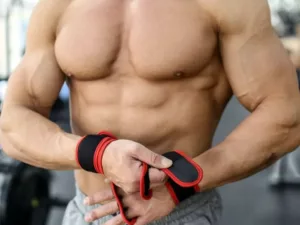
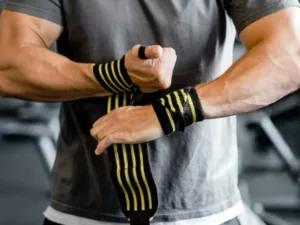
Wrist wraps, gloves, sleeves, and braces can be useful in selected circumstances, but they serve different functions. Choose them according to the need they are intended to address.
A wrap that helps during a particular lift is not proof that your wrist has become stronger. A brace recommended for an injury is not simply another training accessory.
If you are unsure whether support is appropriate for your symptoms, seek professional guidance rather than relying on a product to solve an unidentified problem.
Long-term progress comes from matching training demands to your capacity, making sensible adjustments, and responding appropriately when something doesn’t feel right.
Key Takeaway
Don’t treat every hand or wrist problem as a strength problem.
Training load, technique, repetitive demands, equipment fit, recovery, injuries, and other conditions can all contribute to discomfort.
Stop or modify painful activity, look for patterns, and make sensible adjustments.
If symptoms are severe, persistent, worsening, or accompanied by concerning signs, seek professional assessment rather than trying to push through.
Thanks for Reading!
Have Your Wrists Started Hurting During Grip Training?
Share What You Noticed in the Comments!
Recommended Next Reads
- Why Does Joint Protection Matter for Your Hands & Wrists?
- How to Choose the Right Support for Your Hands & Wrists
- Joint Support vs Joint Strength: What Are You Really Improving?