
Explore Pinch Blocks, Thick Grip Tools & Thumb Trainers to Build Better Control, Precision & Grip Strength.
Here You’ll Find:
-
- Pinch Blocks
- Thick Bar Adaptors
- Thumb Strength Training
- Open-Hand Grip Development
- Grip Precision Tools
- Functional Hand Strength
Why These Tools Matter for Thumb Strength:
Pinch strength occupies a unique place in grip training. Unlike crushing or supporting movements, pinch exercises challenge the thumb and fingers to work together without wrapping completely around an object.
The result is a form of strength that translates exceptionally well to climbing, grappling, Strongman, and countless everyday tasks requiring control and precision.
Many athletes discover that improving pinch strength not only develops stronger thumbs but also enhances overall hand awareness, open-hand stability, and confidence when handling awkward objects.
#1 PINCH BLOCKS
Pinch blocks are among the most direct ways to train thumb strength.
By forcing the thumb and fingers to oppose one another under load, they develop the kind of strength needed to control plates, lifting implements, and small handholds.
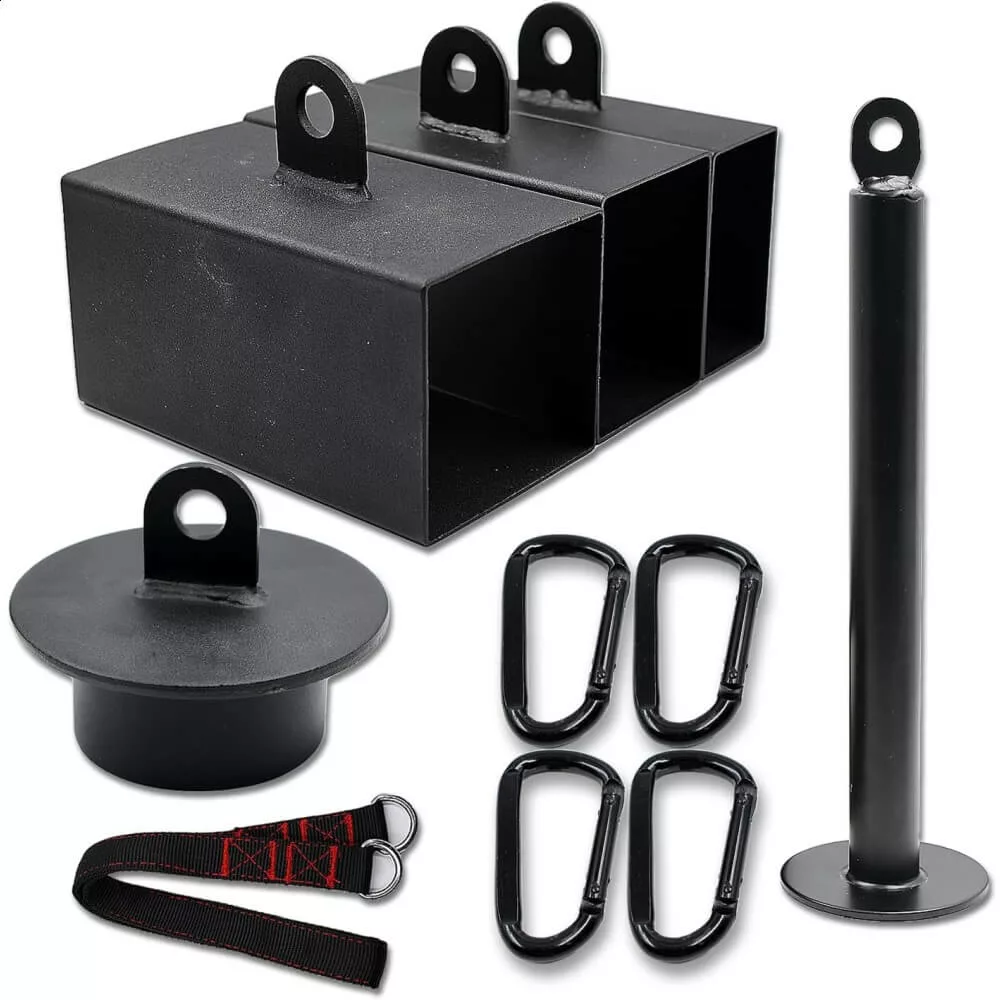
Complete Pinch Grip Training System for Serious Thumb Strength
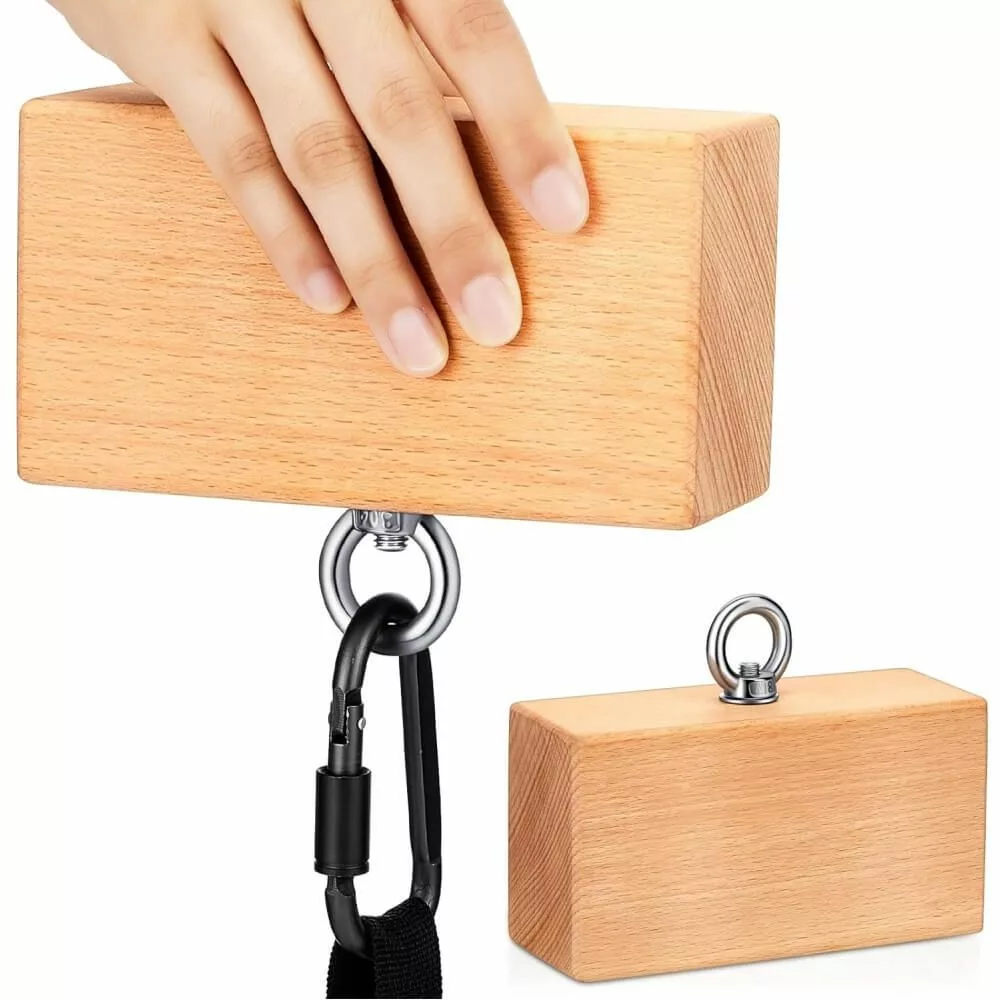
Train Your Thumbs with a Simple Pinch Block
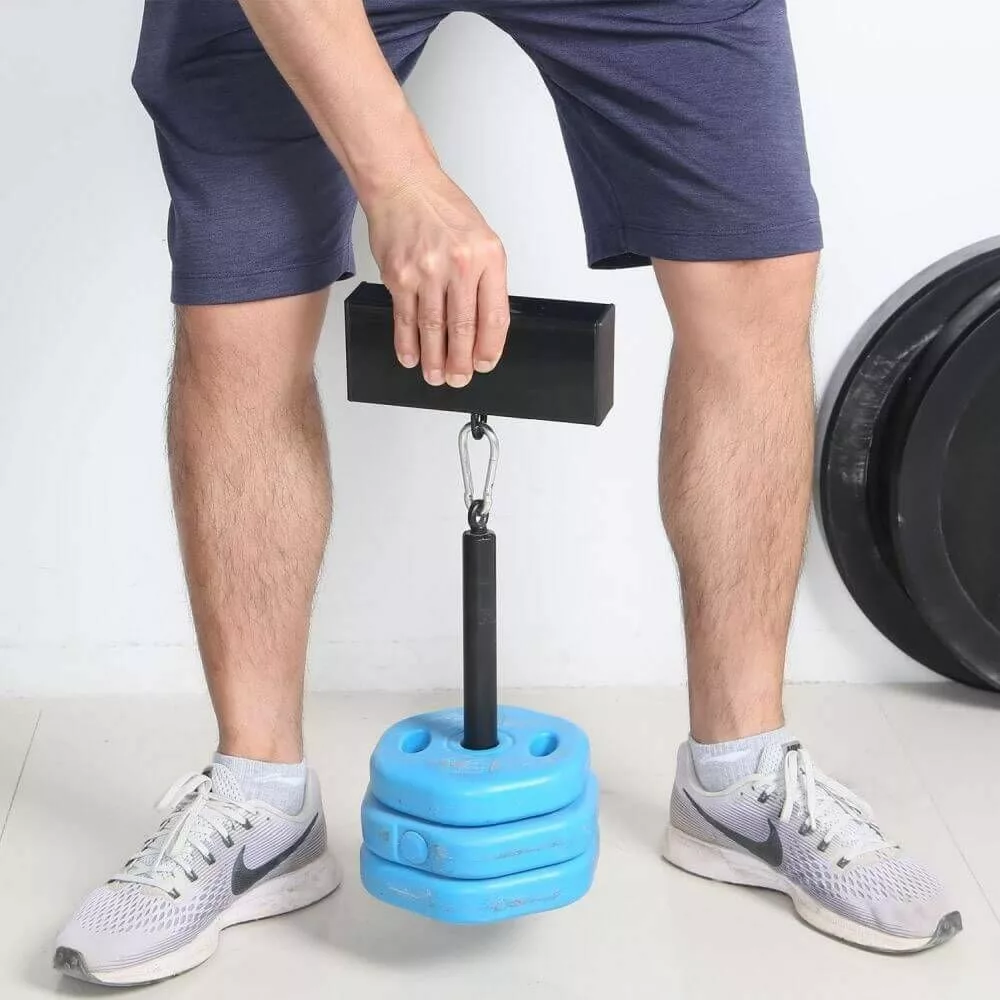
Pinch Grip Training Made Effective in a Simple Way?
Pinch blocks may look deceptively simple, but few tools expose weaknesses in hand strength
faster than a heavy object held between your fingers and thumb.
#2 THICK GRIP ADAPTORS
Thick grip adaptors increase the diameter of barbells, dumbbells, and pull-up bars, transforming familiar exercises into demanding tests of hand strength.
They are particularly effective for developing open-hand grip and teaching the thumb to work harder during compound movements.
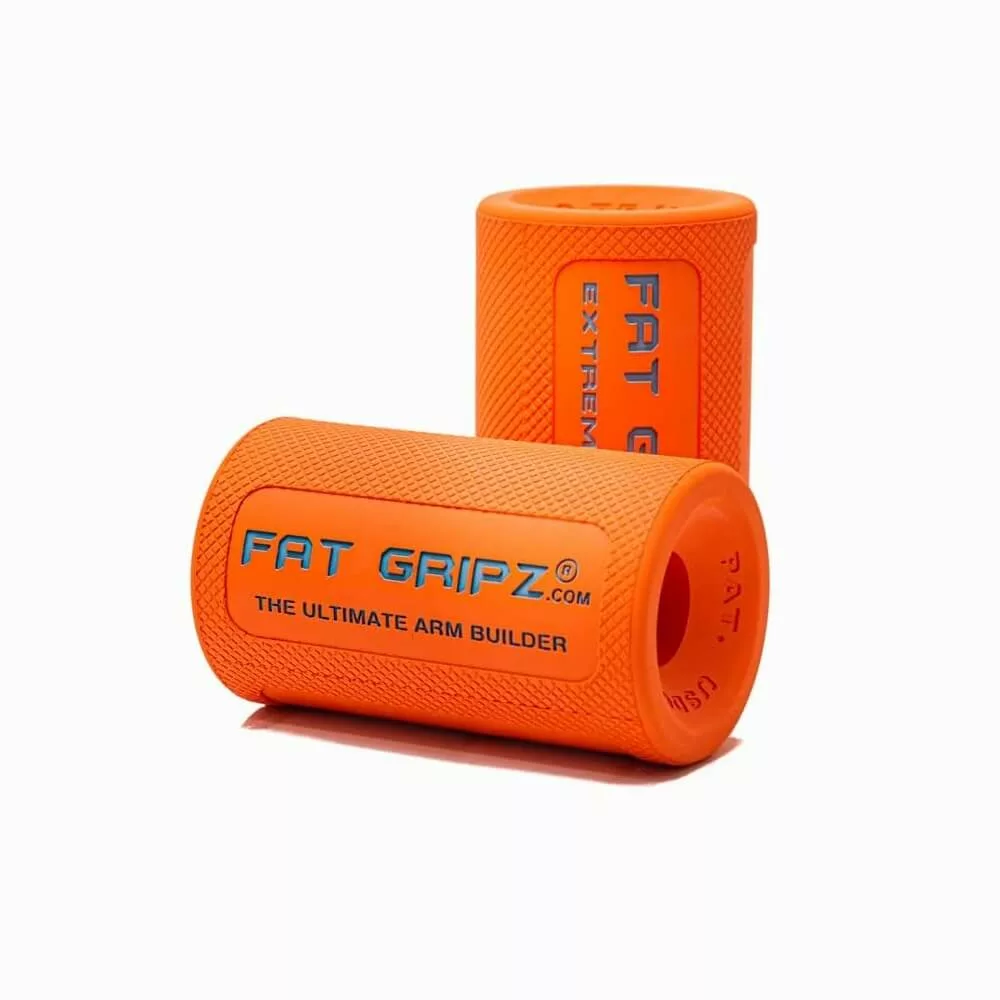
Massive Thick-Grip Training for Elite Forearm Strength
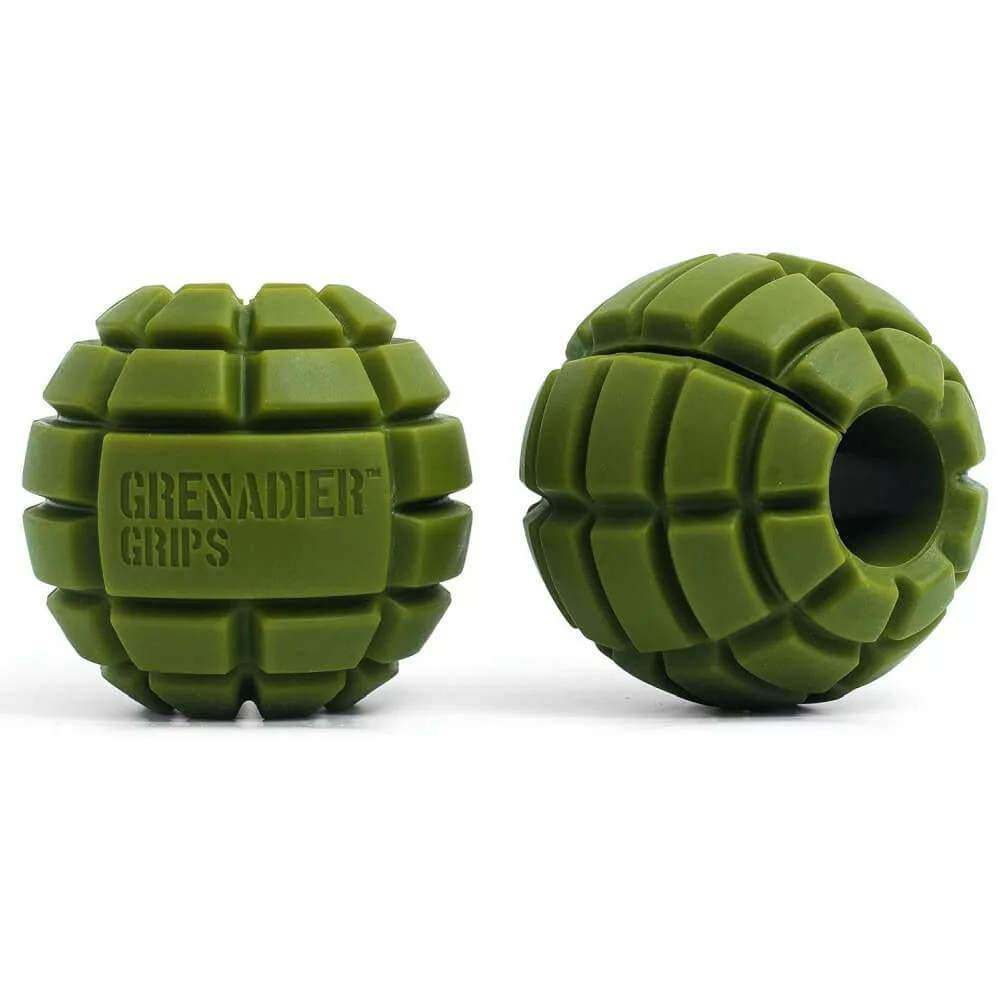
Unique Fat Bar Adaptors to Target Your Pinch Grip?

Transform Every Barbell into Axel with Fat Bar Handles?
Sometimes, making the bar thicker is all it takes
to make your hands work twice as hard.
Why Pinch Strength Matters
-
- Strongman →
Atlas stones, blobs, plates. - Climbers →
Small holds, open hand. - Grapplers →
Sleeve control, gi grips. - Tradespeople →
Proper use of tools. - Everyday life →
Jars, groceries, luggage.
- Strongman →
Pinch strength isn’t about squeezing harder; it’s about maintaining control when your hand can’t fully close around the object.
Pinch strength is often overlooked because it doesn’t receive as much attention as crushing grip or forearm size. Yet many sports and daily activities depend heavily on the thumb’s ability to stabilize, oppose, and maintain control under load.
From carrying awkward objects to maintaining grips during competition, pinch strength contributes to a level of hand control that traditional grip training doesn’t always address.
Go Deeper Into Pinch & Thumb Training
Pinch strength is easy to overlook, but your thumb plays a huge role in how well your hand can control and hold objects.
Whether you’re learning how to train pinch grip, trying to understand why thumb strength matters, putting your grip strength into perspective, or dealing with slippery objects that keep getting away from you, these guides can help you take the next step.
Ready to Start Training Your Pinch Grip?
Learn the fundamentals of pinch grip training and how to build stronger fingers and thumbs with a progressive approach.
Want to Understand Pinch Grip Better?
Explore the mechanics, benefits, and unique role of thumb-to-finger strength as one of the primary hand movements.
Wondering How Strong Your Grip Should Be?
Put your pinch strength into perspective and learn what grip strength can look like at different levels of training and experience.
Struggling With Slippery Objects?
Learn how chalk can improve friction and give you a more secure grip when moisture gets in the way.
Want To Turn Grip Into Control?
Pinch strength extends far beyond the weight room. Whether you’re lifting atlas stones, hanging from small edges, or fighting for hand control on the mats, stronger thumbs and better open-hand strength can provide a meaningful advantage.
- Strongman says: “Lift the unliftable.“
- Climber says: “Hold the impossible.“
- Grappler says: “Control the opponent.“
All three are ultimately asking the same question: Can your thumb keep the object where you want it?
Explore our identity hubs below to discover training strategies, equipment recommendations, and practical guides designed specifically for Strongman athletes, Climbers, and Grapplers.
Because sometimes, the difference between success and failure comes down to how well you can hold on when only your fingers and thumb are left in the fight.
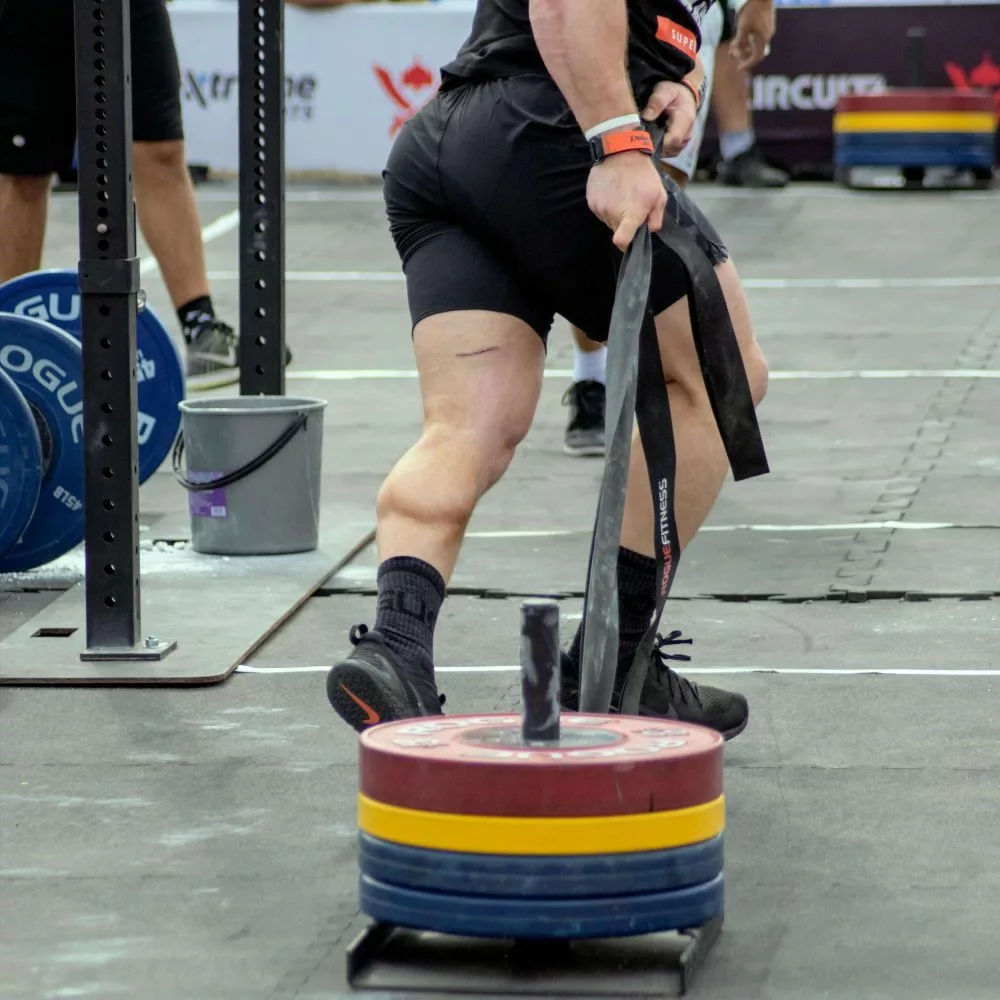
Grip Strength for Strongman: Grip Power for Heavy Events
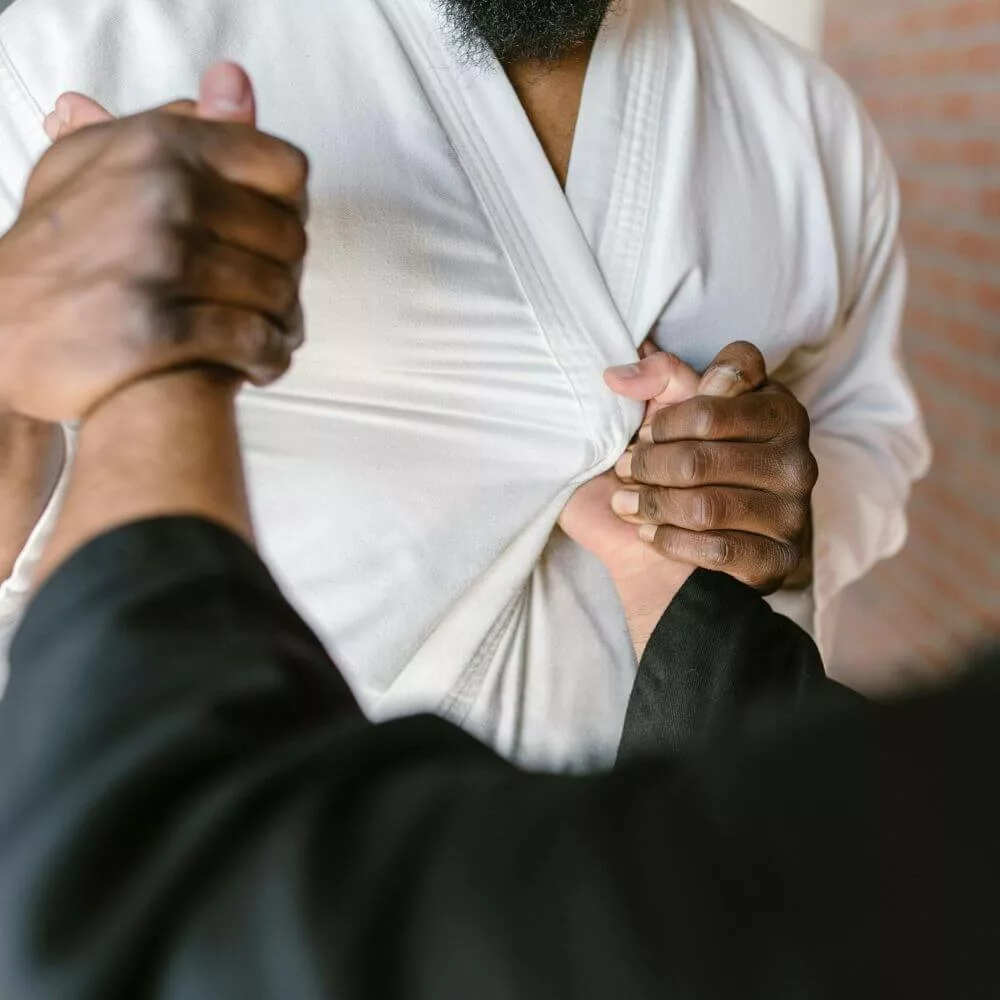
Grip Strength For Grapplers: Stronger Control & Endurance