
Explore Chalk, Tacky & Lifting Straps to Improve Grip Reliability and Perform When It Matters Most.
Here You’ll Find:
-
- Gym Chalk
- Grip Enhancers & Tacky
- Lifting Straps
- Grip Reliability Tools
- Performance Accessories
- Competition & Training Equipment
Why These Tools Matter for Grip Reliability:
Grip strength is important, but grip reliability is what determines whether that strength shows up when you need it most.
Sweat, fatigue, and prolonged training sessions can quickly become limiting factors, even for experienced athletes.
The tools below aren’t designed to replace hard work or build foundational strength.
Instead, they help improve consistency, reduce unnecessary limitations, and allow you to perform with greater confidence during training, competition, and everyday challenges.
#1 GYM CHALK
Chalk remains one of the simplest and most effective ways to improve grip reliability.
By reducing moisture and improving friction between the hand and the implement, it helps athletes maintain control when conditions become less than ideal.

Fine Chalk for Grip: Is It Really the Best Option?

Block Chalk for Grip, Great All-Purpose Option
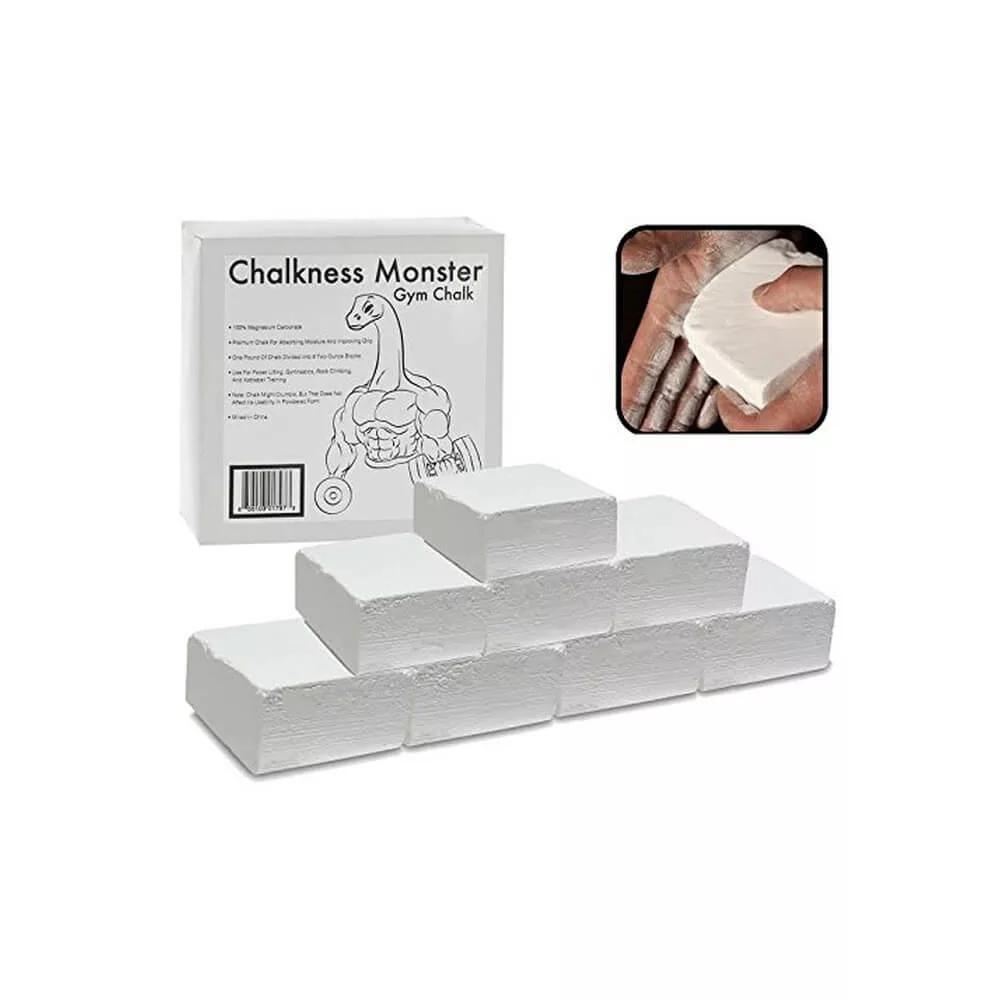
Budget Gym Chalk, Inexpensive and Quick to Crumble
Sometimes the difference between success and failure
is measured in millimeters of slipping.
#2 TACKY & GRIP ENHANCERS
Grip enhancers increase friction when chalk alone isn’t enough.
Frequently used in Strongman & throwing sports, they provide an additional layer of security during heavy lifts & awkward carries.

Strongman Grip Aid: Easy to Use & Competition-Tested
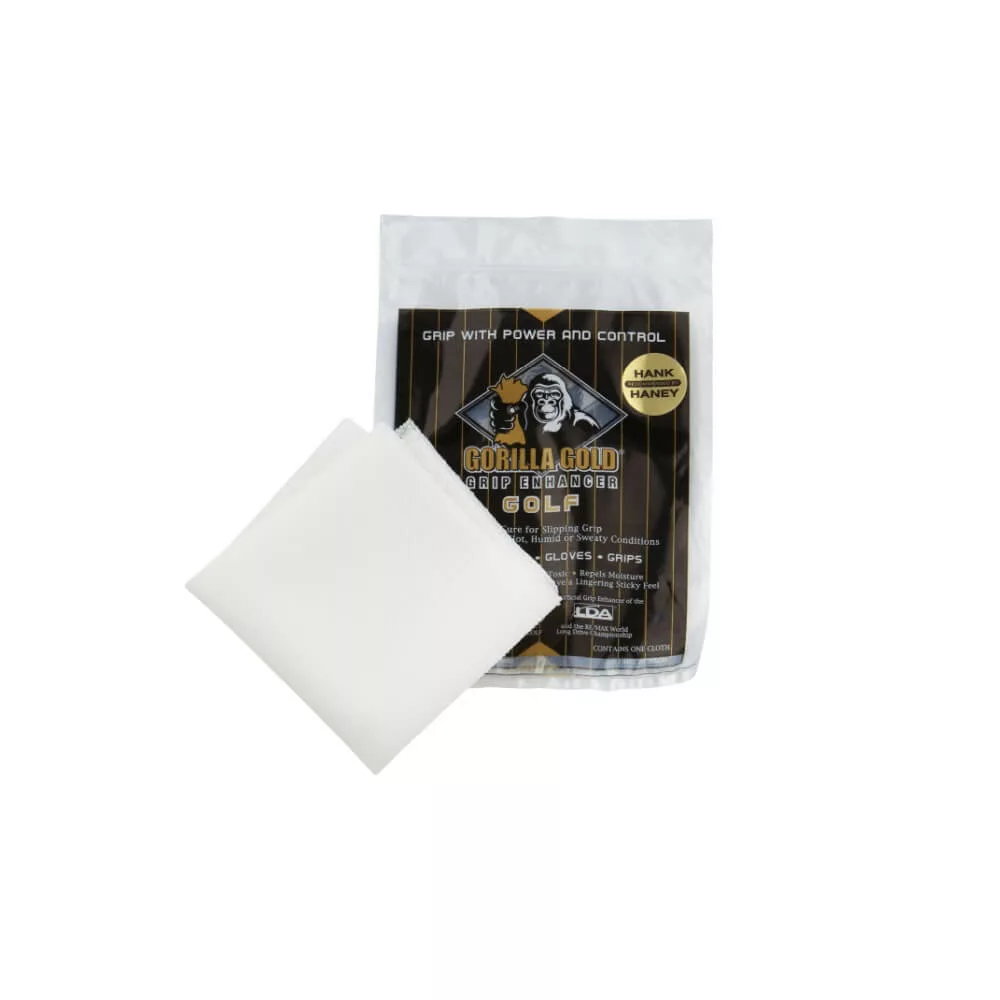
Grip Enhancing, Resin Towels: Easy To Apply In A Blink
When the object refuses to stay in your hand,
friction becomes a performance tool.
#3 LIFTING STRAPS
Lifting straps allow athletes to continue training when grip becomes the limiting factor.
Rather than replacing grip strength, they help manage fatigue and extend productive training volume.
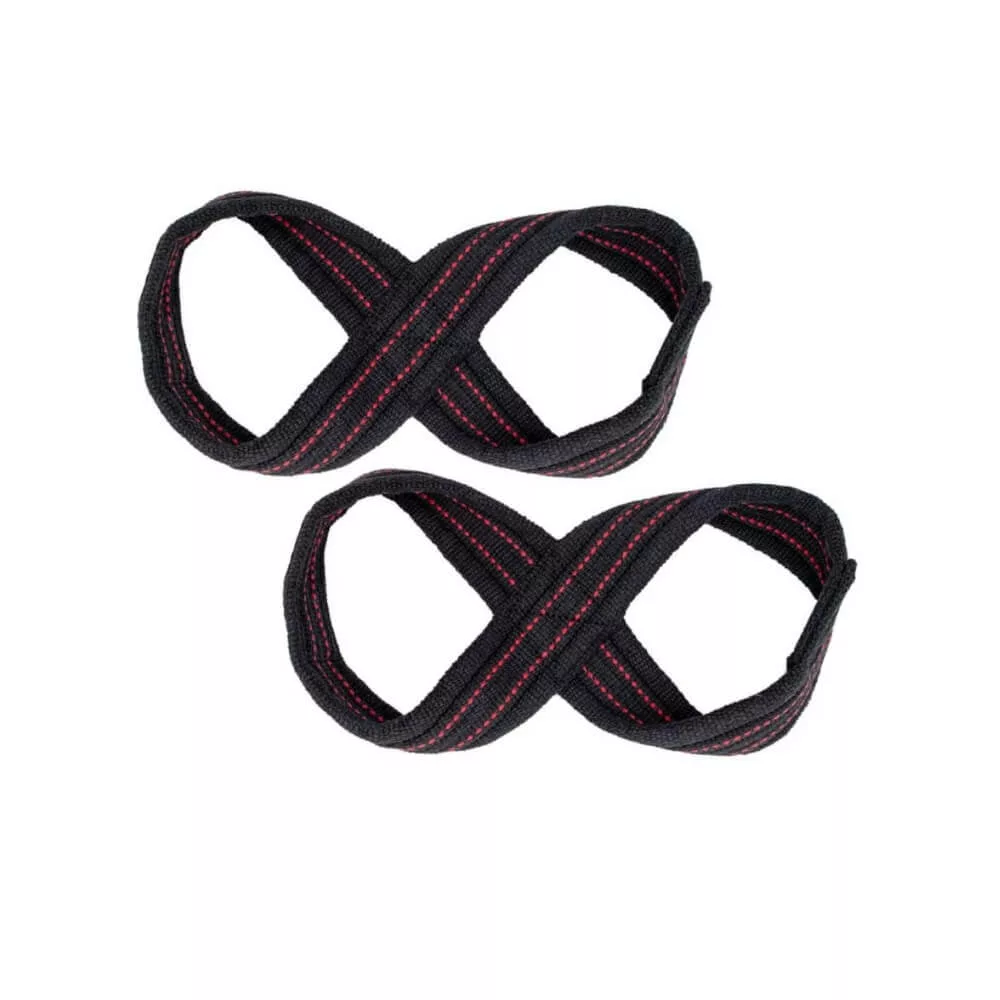
Figure 8 Lifting Straps: Excellent to Lock Your Grip on Barbell
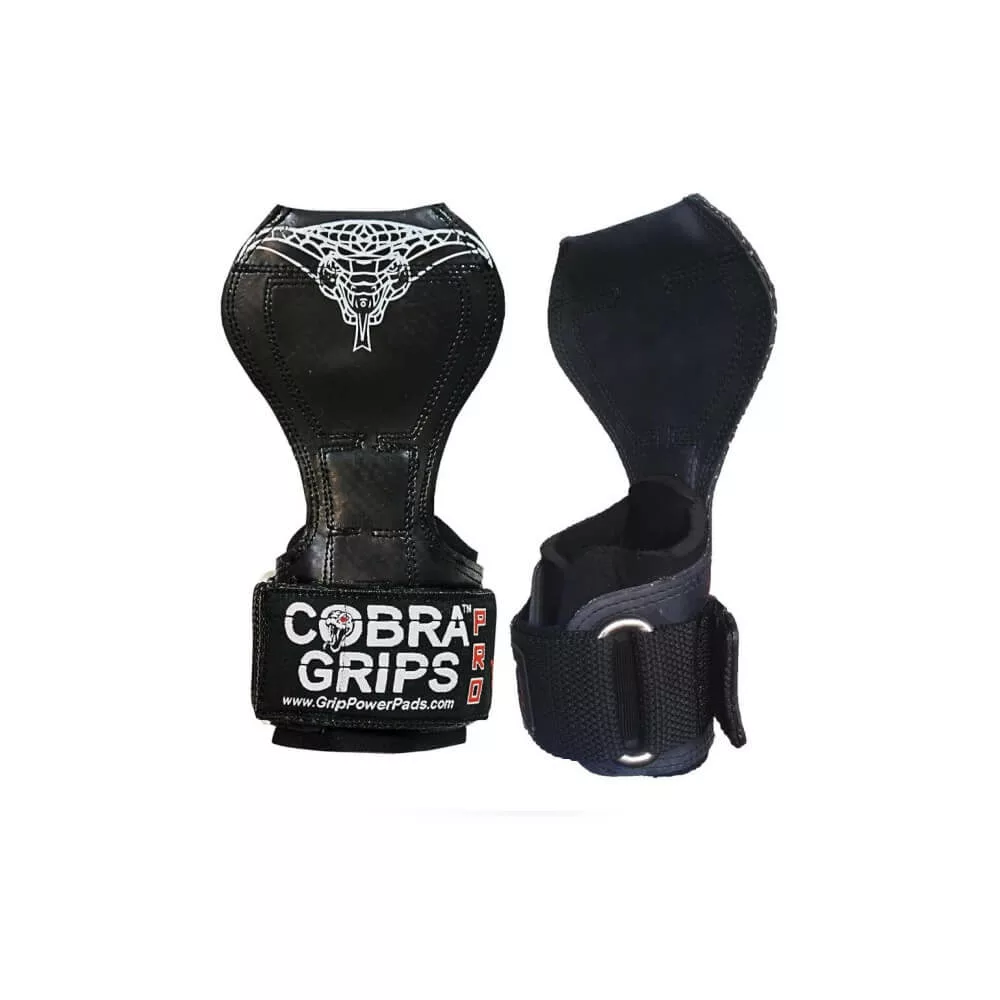
Can One Pair of Lifting Grips Replace Four Tools?
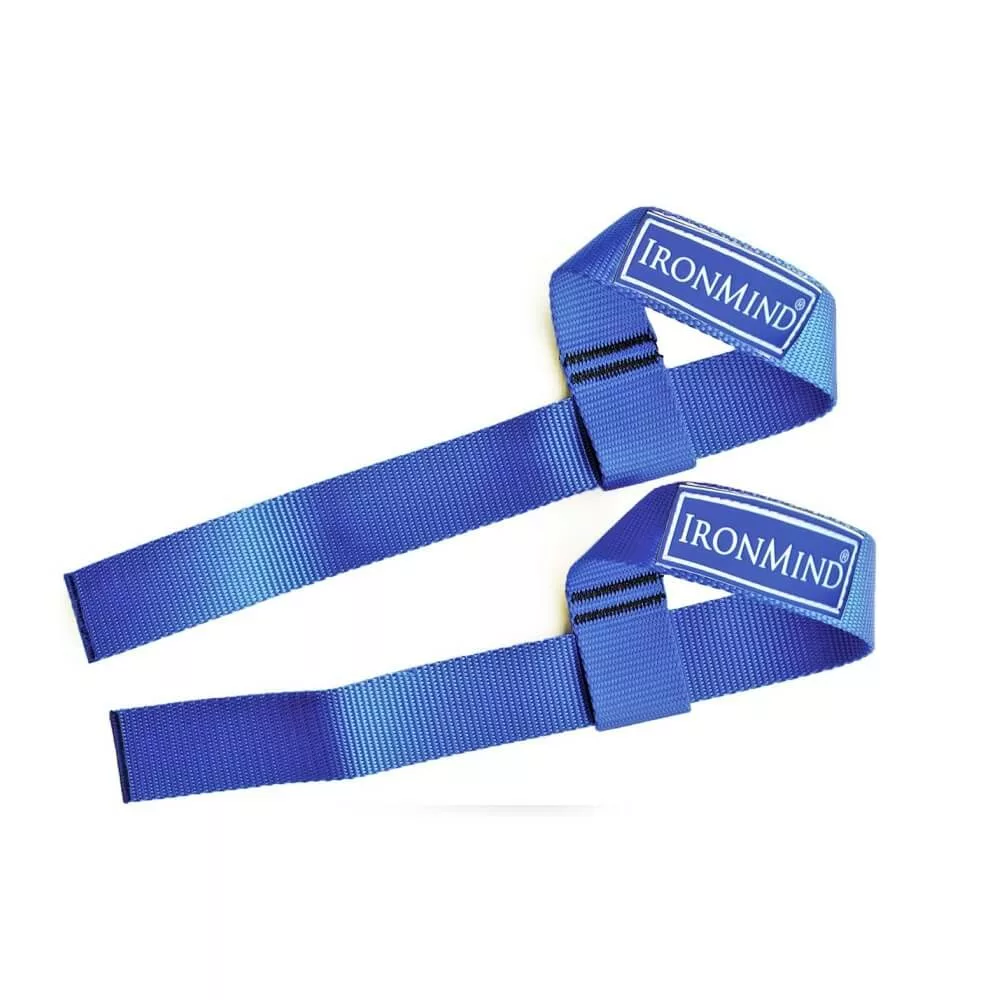
Fantastic General-Purpose Lifting Straps with Proven Results
Sometimes the smartest way to train your grip
is knowing when not to rely on it.
Why Grip Reliability Matters
- Strongman →
Atlas stones, frame carries, max events. - Weightlifters →
Deadlifts, rows, & pulling movements. - Climbers →
Chalked hands & reliable contact. - Grapplers →
Maintaining grips under fatigue. - Tradespeople →
Better control over tools & equipment. - Everyday Life →
- Confidence when carrying awkward loads.
Strength means little if you can’t trust your hands when it matters most.
Grip reliability is the often-overlooked side of performance.
Two athletes may possess similar levels of strength, yet the one with better friction, endurance, and confidence in their hands will frequently come out ahead.
Whether it’s a heavy deadlift, a difficult climbing route, or an atlas stone covered in tacky, maintaining control under pressure is a skill worth developing.
Go Deeper Into Grip Performance
Sometimes the goal isn’t simply to build a stronger grip. It’s to get more out of the grip you already have when the demands of training start pushing your hands toward their limits.
Whether you’re learning what grip aids actually do, trying to choose the right assistance for your training, wondering whether you’re improving your grip or simply making the task easier, or dealing with a grip that keeps failing, these guides can help you take the next step.
Want to Understand Grip Aids Better?
Learn what grip aids are designed to do, how they work, and how different forms of assistance can change the demands placed on your hands.
- What Are Grip Aids & How Do They Work?
Not Sure Which Grip Aid You Need?
Explore the different types of grip assistance and learn how to choose the right option for your training, sport, and specific grip demands.
- How to Choose the Right Grip Aid for Your Training
Getting More Help or Getting Stronger?
Understand the difference between using assistance to improve performance and actually developing the grip strength needed to handle the task yourself.
- Grip Aids vs Grip Strength: What’s Improving?
Grip Giving Out Before the Workout Is Done?
Find out why grip can fail, what may be contributing to the problem, and what practical changes can help you keep performing when your hands become the limiting factor.
- Why Does My Grip Fail? Problems & Solutions
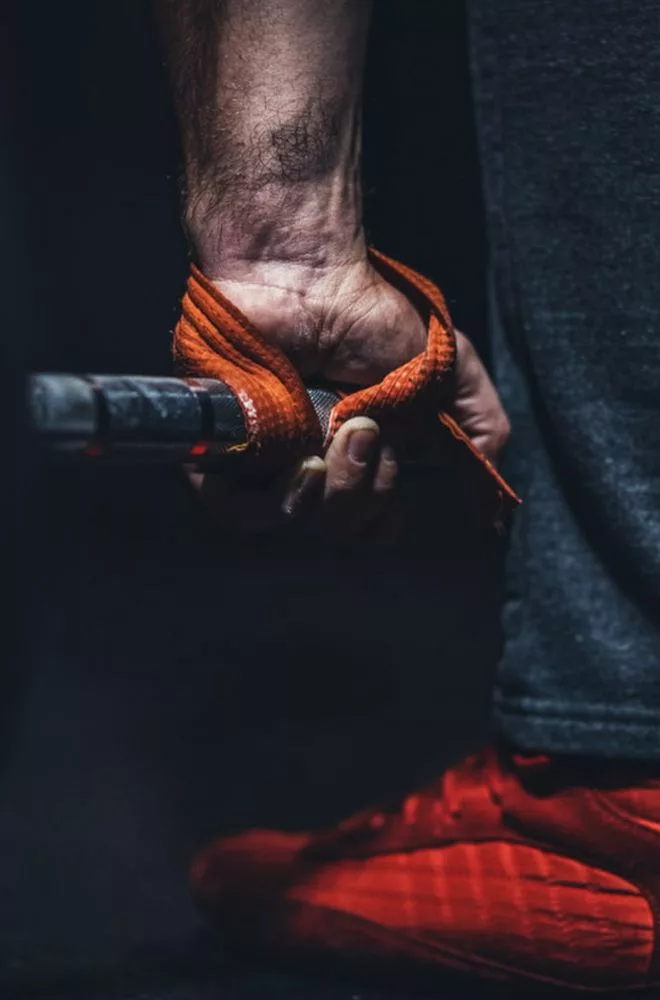
Want To Make Every Rep More Reliable?
Performance isn’t always about becoming stronger; sometimes it’s about making the strength you already possess more dependable.
Whether you’re pulling a heavy barbell from the floor, reaching for the next climbing hold, or loading an atlas stone onto a platform, reliable hands can make all the difference.
Explore our identity hubs below to discover training strategies, equipment recommendations, and practical guides designed specifically for Strongman athletes, Weightlifters, and Climbers.
- Strongman says: “Never lose the implement.“
- Weightlifter says: “Finish the pull.“
- Climber says: “Trust your fingertips.“
Although they train differently, all three share a common goal: ensuring their grip remains reliable when performance matters.
Because sometimes, success isn’t determined by how strong you are but by whether your hands can hold on for one more second.
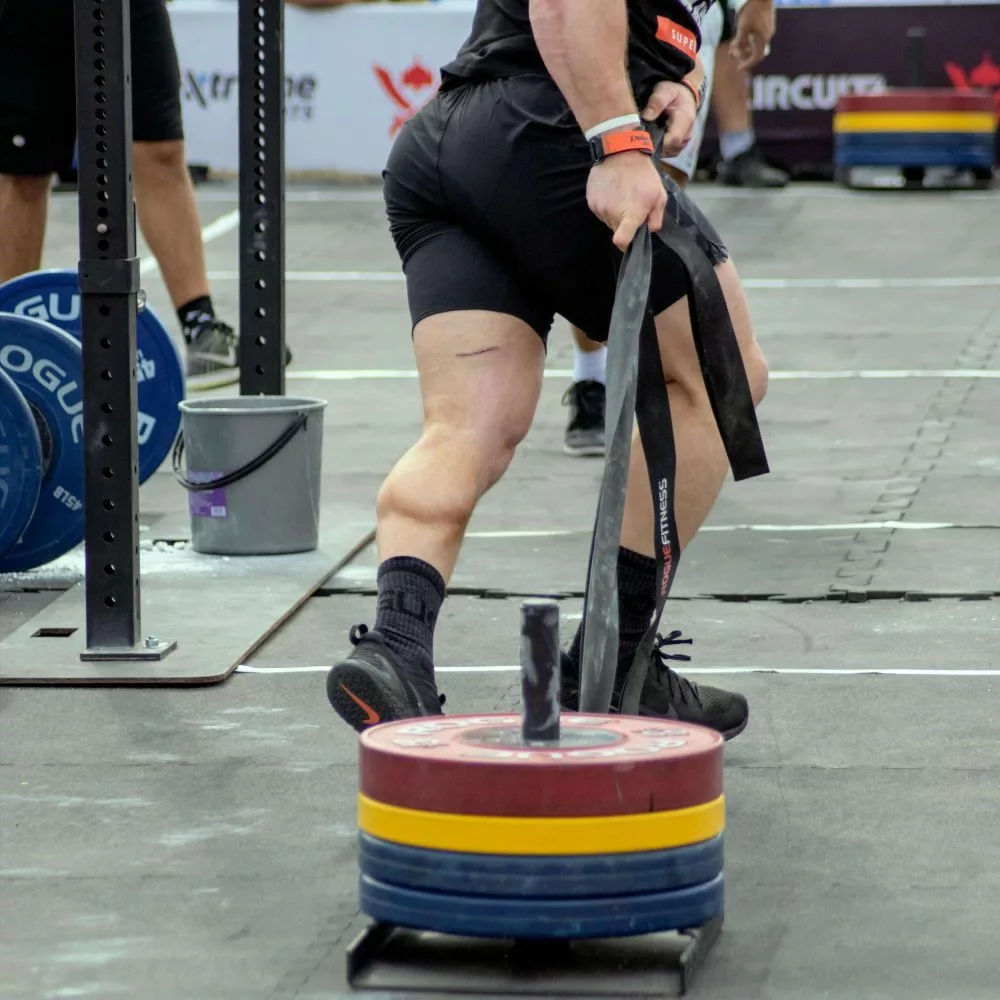
Grip Strength for Strongman: Grip Power for Heavy Events
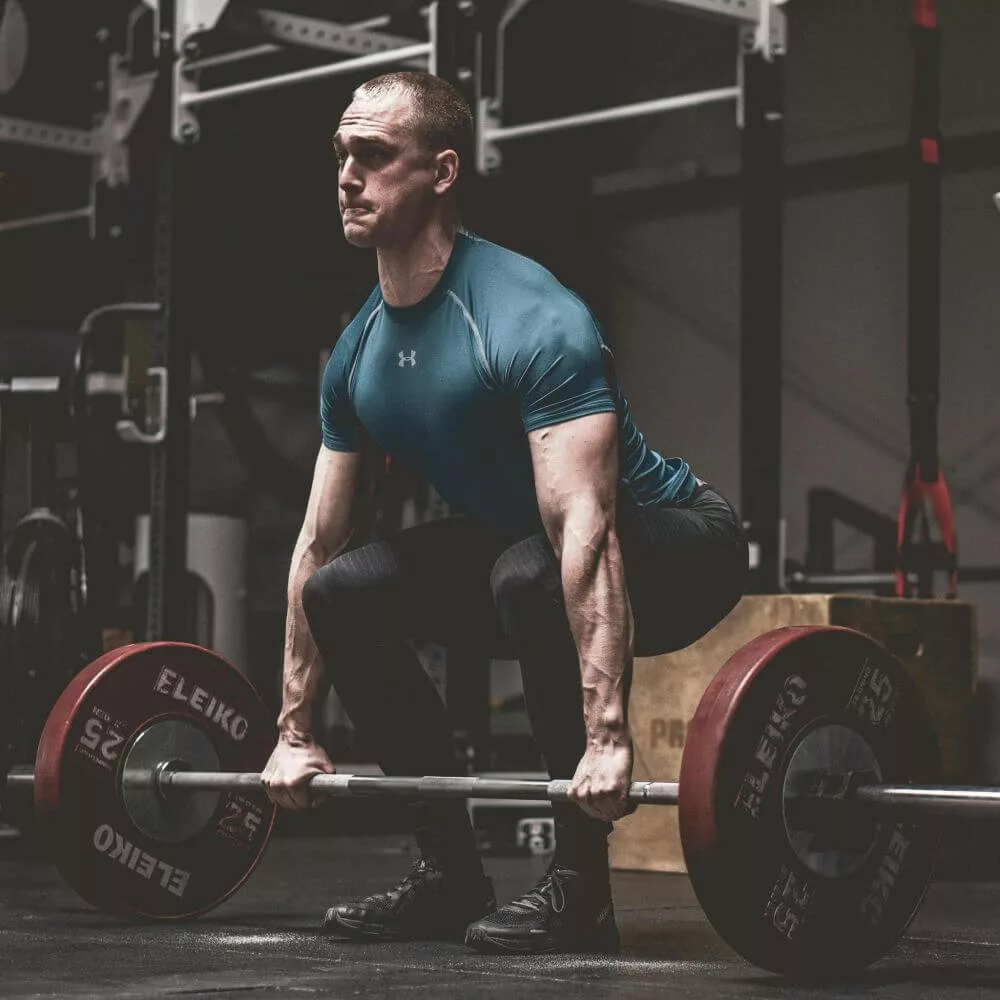
Grip Strength for Weightlifters: Better Grip for Bigger Lifts