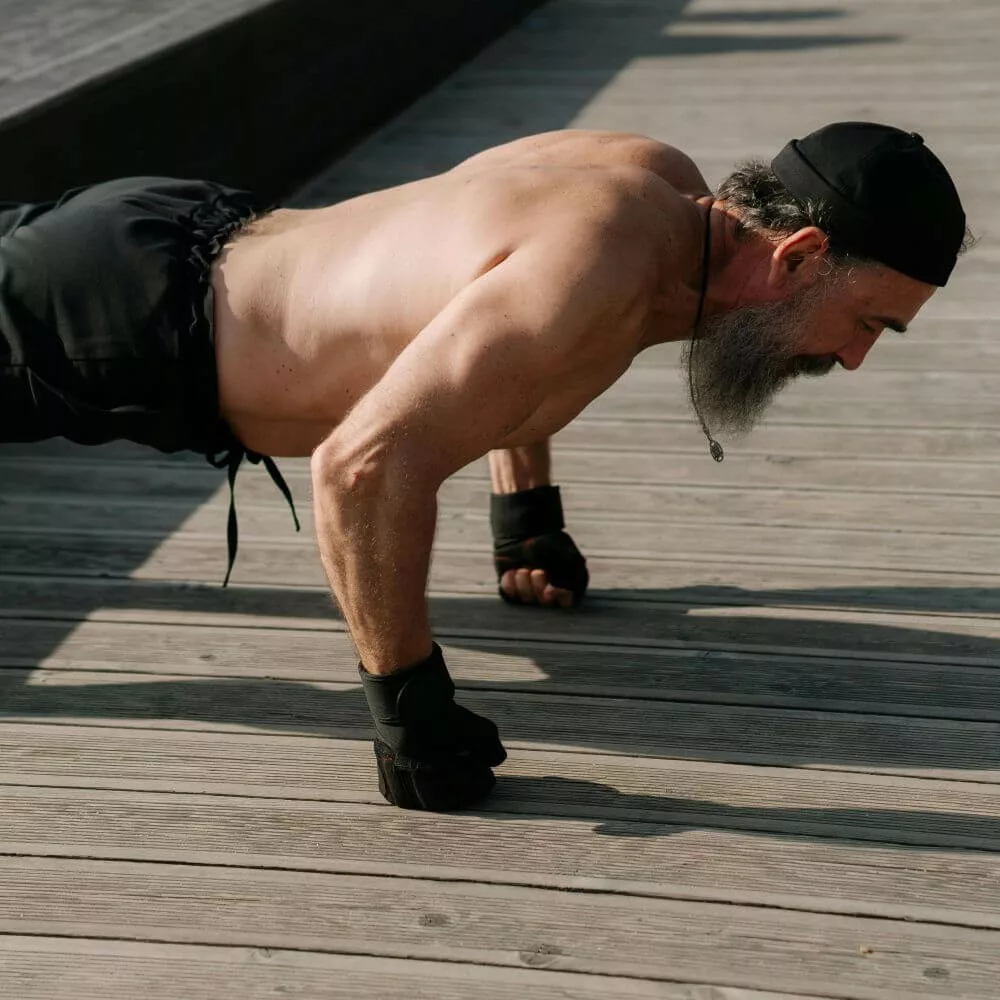
Explore Finger Extension Bands & Hand Balance Tools to Build Stronger, Healthier, and More Resilient Hands.
Here You’ll Find:
-
- Finger Extension Bands
- Hand Extensor Trainers
- Finger Strengtheners
- Hand Balance Tools
- Long-Term Hand Health
- Grip Training Complements
Why These Tools Matter for Hand Muscle Balance:
Most grip training focuses on closing the hand.
Extension training takes the opposite approach by strengthening the muscles responsible for opening the fingers and maintaining balanced hand function.
While often overlooked, these movements can play an important role in building resilient hands capable of performing well over the long term.
#1 FINGER EXTENSION BANDS
Finger extension bands are among the simplest and most accessible hand training tools available.
By training the muscles responsible for opening the hand, they provide an effective counterbalance to the constant gripping and squeezing performed throughout daily life and traditional strength training.
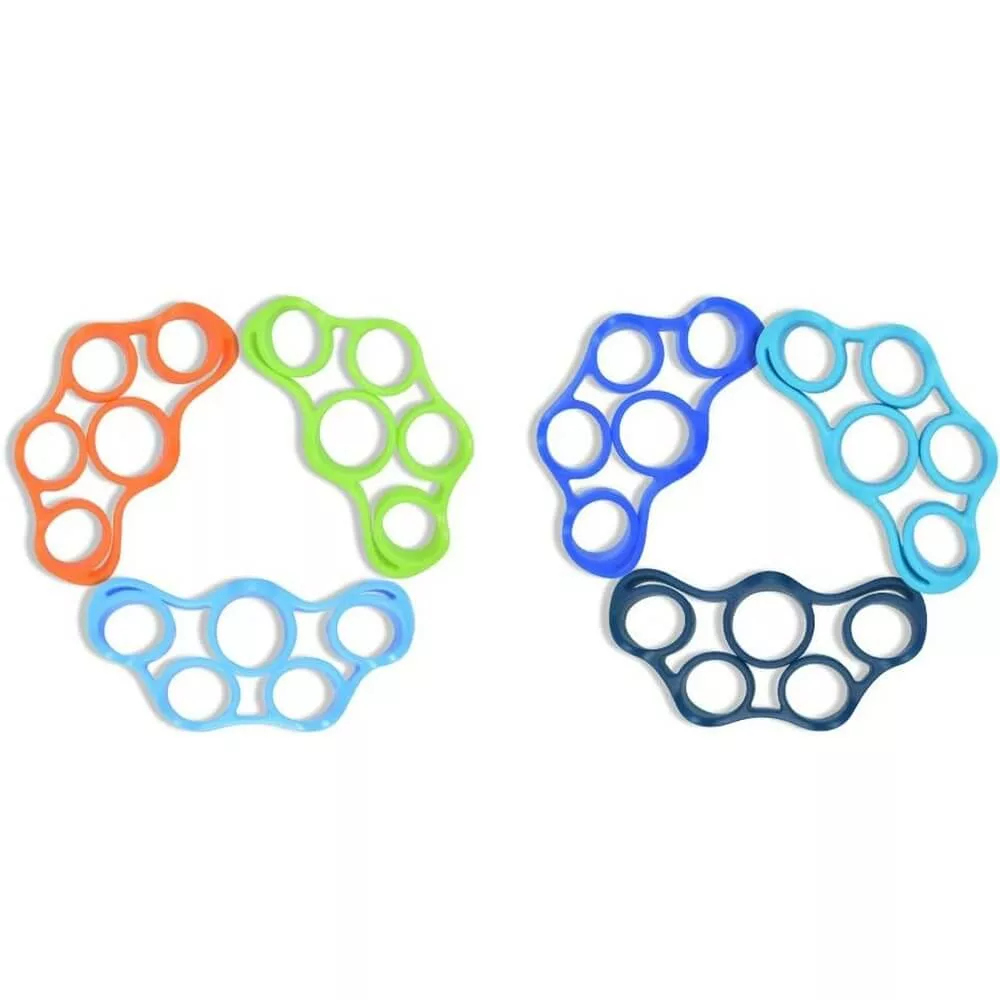
Avoid Elbow Pain with Simple Finger Exerciser
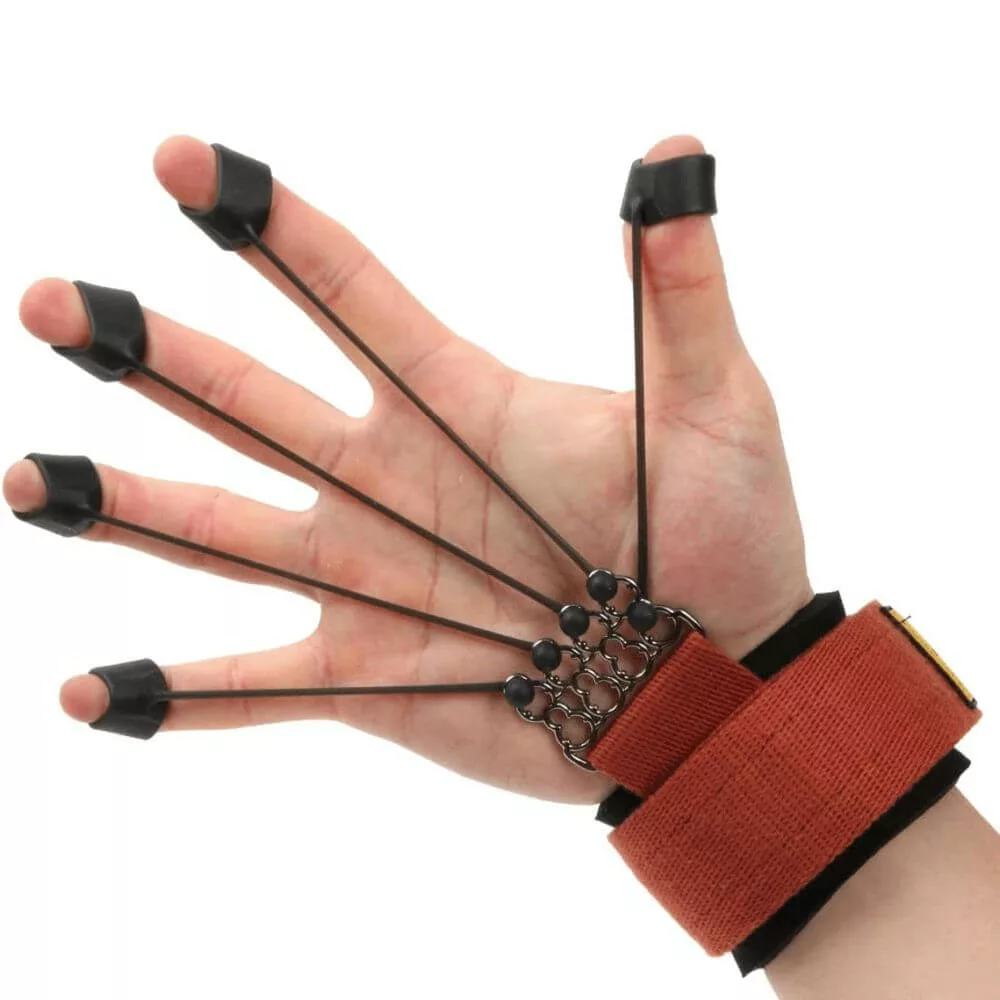
Fancy Finger Exerciser to Build Functional Grip Strength
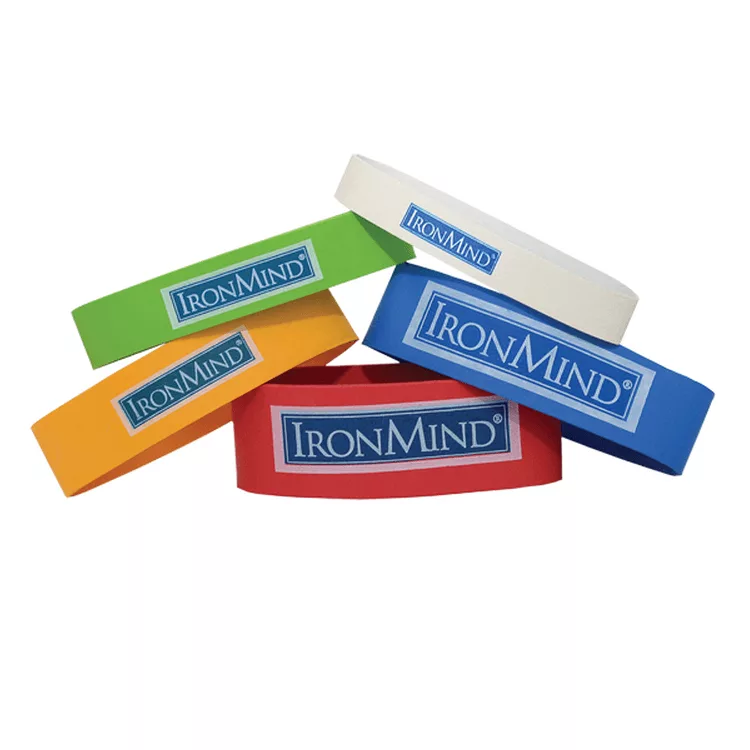
Why are Handbands Staple to Build Hand Muscle Balance?
Strong hands aren’t defined solely by how hard they can close.
Their true strength often lies in their ability to move freely, remain balanced, & continue performing after decades.
#2 HAND BALANCE & GRIP COMPLEMENTS
Finger extension isn’t meant to replace traditional grip training; it’s meant to complement it.
These tools introduce different movement patterns and help create a more balanced approach to hand development.
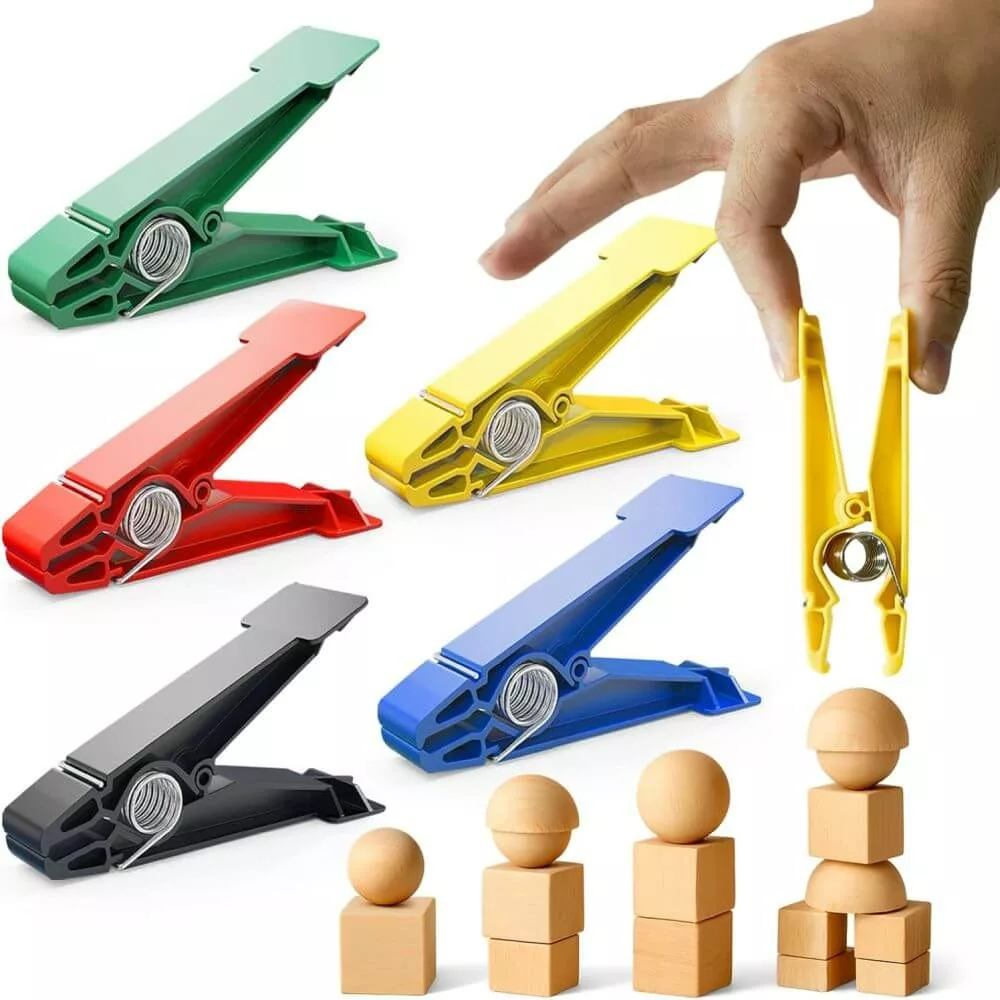
Therapy Clips for Rehab, Dexterity & Pinch Grip Recovery
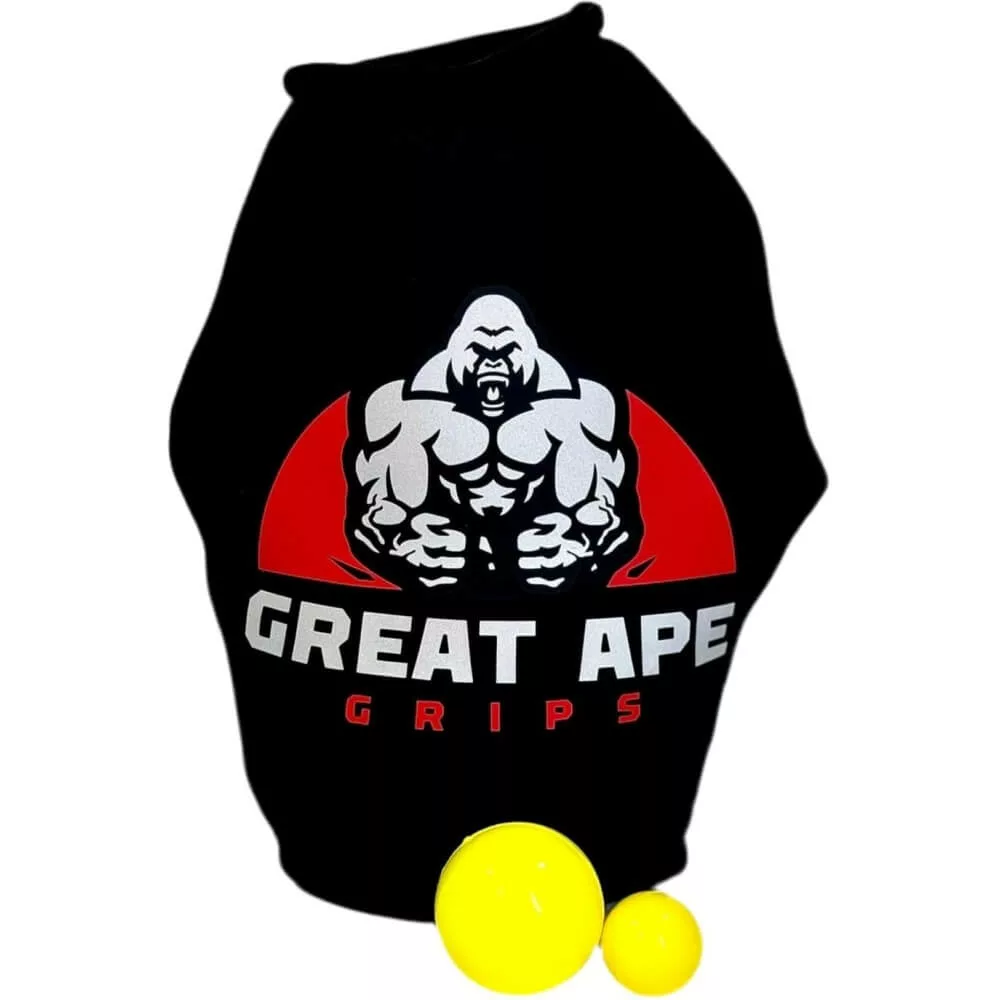
Modern Rice Bucket Gadget for Grip & Forearm Training?
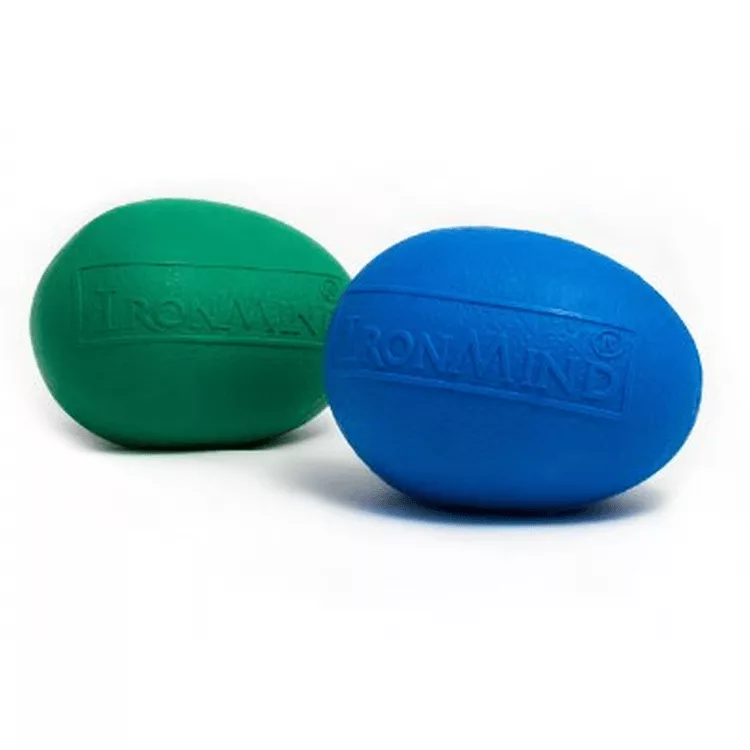
Fantastic Hand & Finger Strength Trainer to Keep Grip in Shape
Balanced hands tend to remain useful far longer
than exceptionally strong hands trained in only one direction.
Why Long-Term Hand Health Matters?
Strong hands are built through years of consistent use, training, and recovery. While grip strength may fluctuate over time, maintaining healthy movement patterns can help support hand function throughout every stage of life. Whether you’re lifting weights, climbing, gaming, working with tools, or simply carrying groceries, your hands remain one of your most valuable assets.
- Beginners →
Build balanced training habits. - Seniors →
Support dexterity and coordination. - Gamers →
Counter long hours of repetitive hand use. - Musicians →
Improve finger awareness. - Office Workers →
Keep hands moving throughout the day. - Athletes →
Add variety to hand training.
Finger extension training is unique because its benefits often extend far beyond traditional performance goals.
Many people spend years training their grip without ever training the muscles responsible for opening the hand.
Finger extension helps create balance, encourages full-range movement, and introduces an often-overlooked dimension of hand training.
While extension work won’t replace heavy grip training, it can complement it by promoting healthier movement patterns and improving overall hand function.
The goal isn’t simply to have the strongest hands in the room; It’s to still be using them confidently decades from now.
Go Deeper Into Finger Extension Training
Grip strength isn’t just about closing your hand. Your fingers also need to open, extend, and balance the forces created by repeated gripping and hand use.
Whether you’re learning why finger extension matters, trying to understand how extension training supports healthier hand function, putting your grip strength into perspective, or dealing with repetitive strain, these guides can help you take the next step.
Ready to Start Training Your Finger Extensors?
Learn why finger extension matters and how targeted extension work can help balance the demands placed on your hands by gripping and everyday use.
Want to Understand Extension Training Better?
Explore how finger extension training can support muscle balance, hand function, and a more complete approach to grip training.
Wondering How Strong Your Grip Should Be?
Put your grip strength into perspective and learn what grip strength can look like at different levels of training and experience.
Hands & Elbows Taking a Beating?
Learn about repetitive strain, why it can develop from repeated hand use, and how smarter training can help you manage the demands placed on your hands.
Even small amounts of regular hand training can contribute to better awareness, coordination, and long-term resilience. Hand health is a lifelong pursuit rather than a short-term goal. Building stronger hands is important, but preserving their ability to move comfortably and perform reliably over the years is equally valuable.
Want To Build Stronger Hands For Life?
Finger extension and hand balance training aren’t reserved for athletes or rehabilitation settings. They can benefit anyone looking to maintain healthy, capable hands over the long term.
Whether you’re taking your first steps into grip training, looking to stay active and independent as you age, or spending countless hours at a keyboard and mouse, developing balanced hand strength can help support comfort, coordination, and confidence in everyday life.
Explore our identity hubs below to discover practical training advice, equipment recommendations, and long-term strategies designed specifically for beginners, seniors, and gamers. Strong hands are valuable, but hands that remain strong, adaptable, and reliable throughout life are even better
- Gamer says: “Stay ready for the next session.“
- Beginner says: “Start building a foundation.“
- Senior says: “Keep your hands moving.“
Extension training may not be the most glamorous part of a routine, but it remains one of the simplest ways to introduce balance. Building stronger hands is important, but building hands that continue serving you for decades is even better.
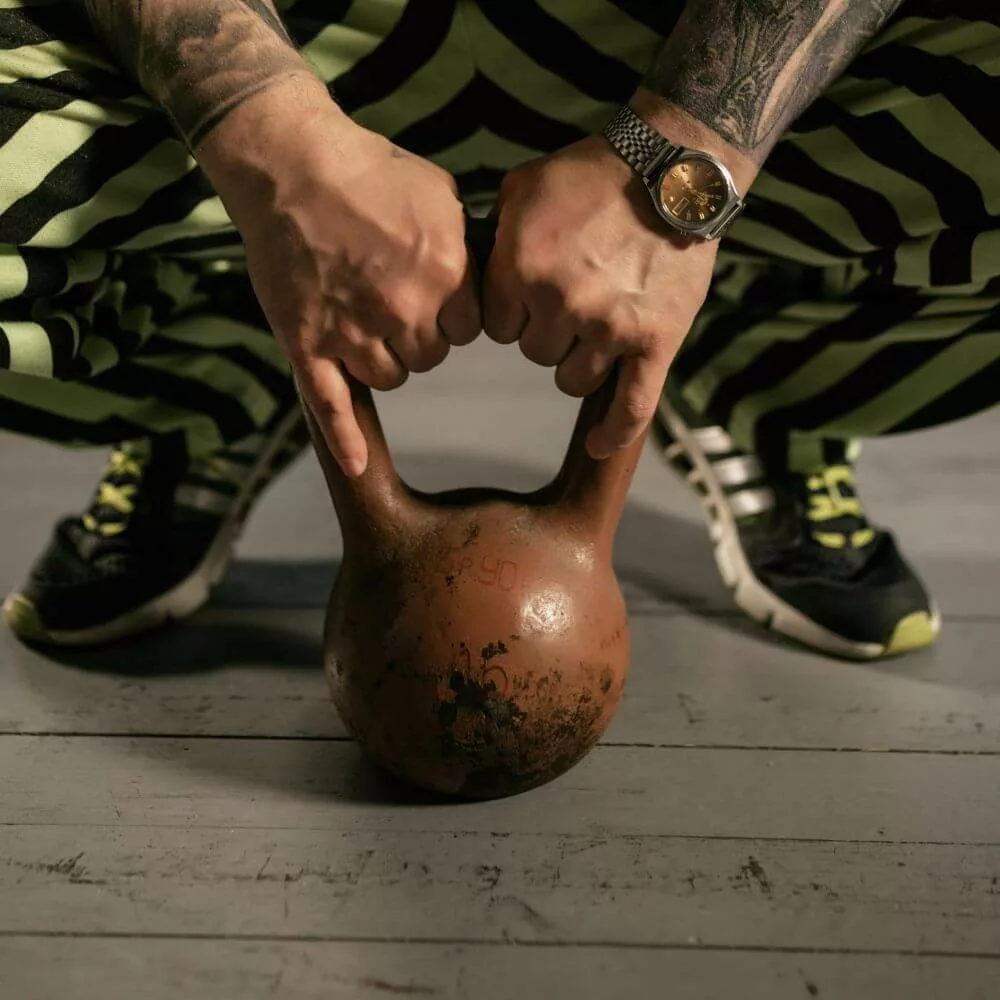
Beginner’s Guide to Grip Strength & Hand Training
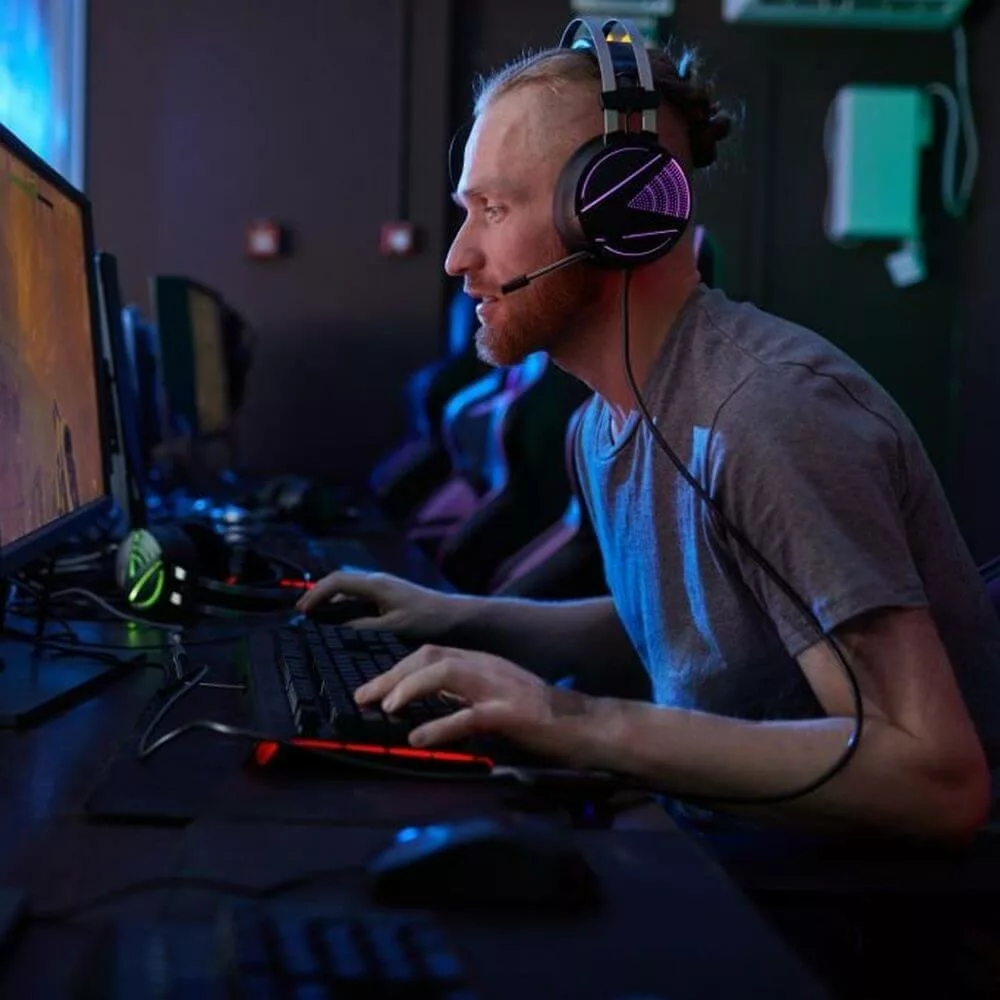
Grip Strength for Gamers: Better Performance, Less Fatigue