
Discover Practical Grip Training Techniques to Build Strength, Choose the Right Equipment, & Make Progress.
Here You’ll Find:
-
- Grip Strength Exercises
- Equipment Guides & Techniques
- Goal Setting & Progression
- Motivation & Consistency
- Performance Strategies
- Training Tips for Specific Lifts
Train With Purpose, Not Just Effort
Getting a stronger grip takes more than squeezing harder.
The right exercises build specific abilities. Good technique helps you get more from every session. Smart progression keeps you moving forward, while the right equipment can help you train more effectively.
Our Training Techniques hub brings these elements together, helping you find practical guidance for your current level, training goals, and the challenges you want to overcome.
Train smarter, build steadily, and make every rep count.
#1 NOT SURE WHERE TO BEGIN?
Start with the fundamentals, explore the guides that match your current needs, and use the topic collections to dig deeper.
Exercises: Build Stronger Hands and Forearms
Start with the movements that develop grip strength, finger control, and forearm strength.
Learn about essential exercises, beginner-friendly options, and ways to target different aspects of hand function.
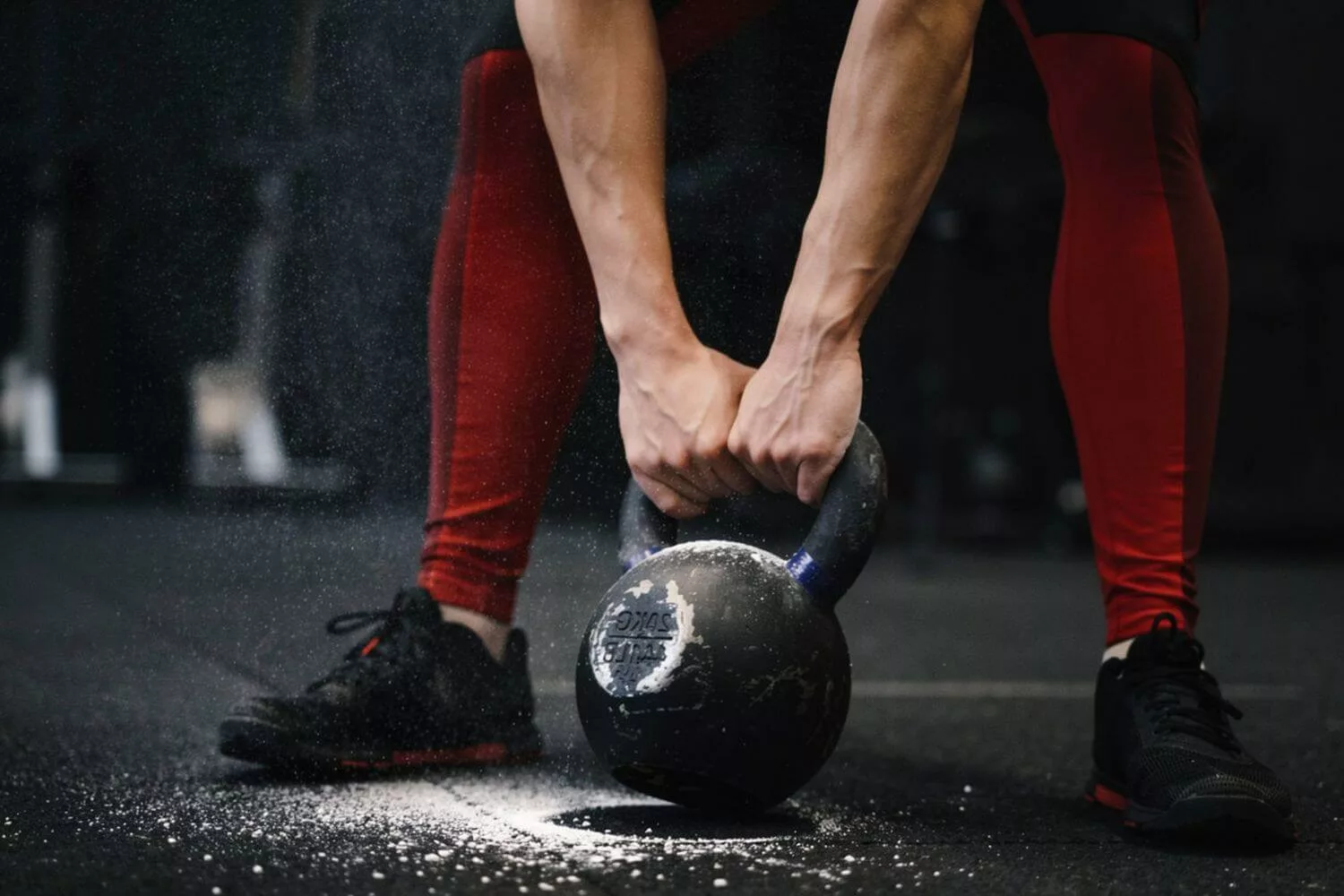
A well-rounded exercise selection helps you train the capabilities you need instead of relying on one movement for everything.
A stronger grip isn’t built by doing more of the same.
It’s built by choosing the right movements, training with purpose, & developing the abilities your hands actually need.
#2 CHOOSE & USE THE RIGHT GRIP TRAINING GEAR
The right equipment can make grip training more effective, but knowing what to use and how to use it matters just as much.
Gear Guides: Get More From Your Equipment
Learn what different grip aids & training tools do. How to choose the right options, & how to use them without losing sight of your goals.
Discover practical equipment choices, correct technique, & common questions about training with grip aids.
- What Are Grip Aids & How Do They Work?
- How To Choose The Right Grip Aid For Your Training
- How to Use Grip Strengtheners Correctly (Beginner’s Guide)
- How to Use Hand Grippers: Best Techniques & Training Tips
- How to Use Weight Lifting Straps Effectively (Beginner’s Guide)
- Chalk How-To: Small Upgrade, but Complete Game-Changer
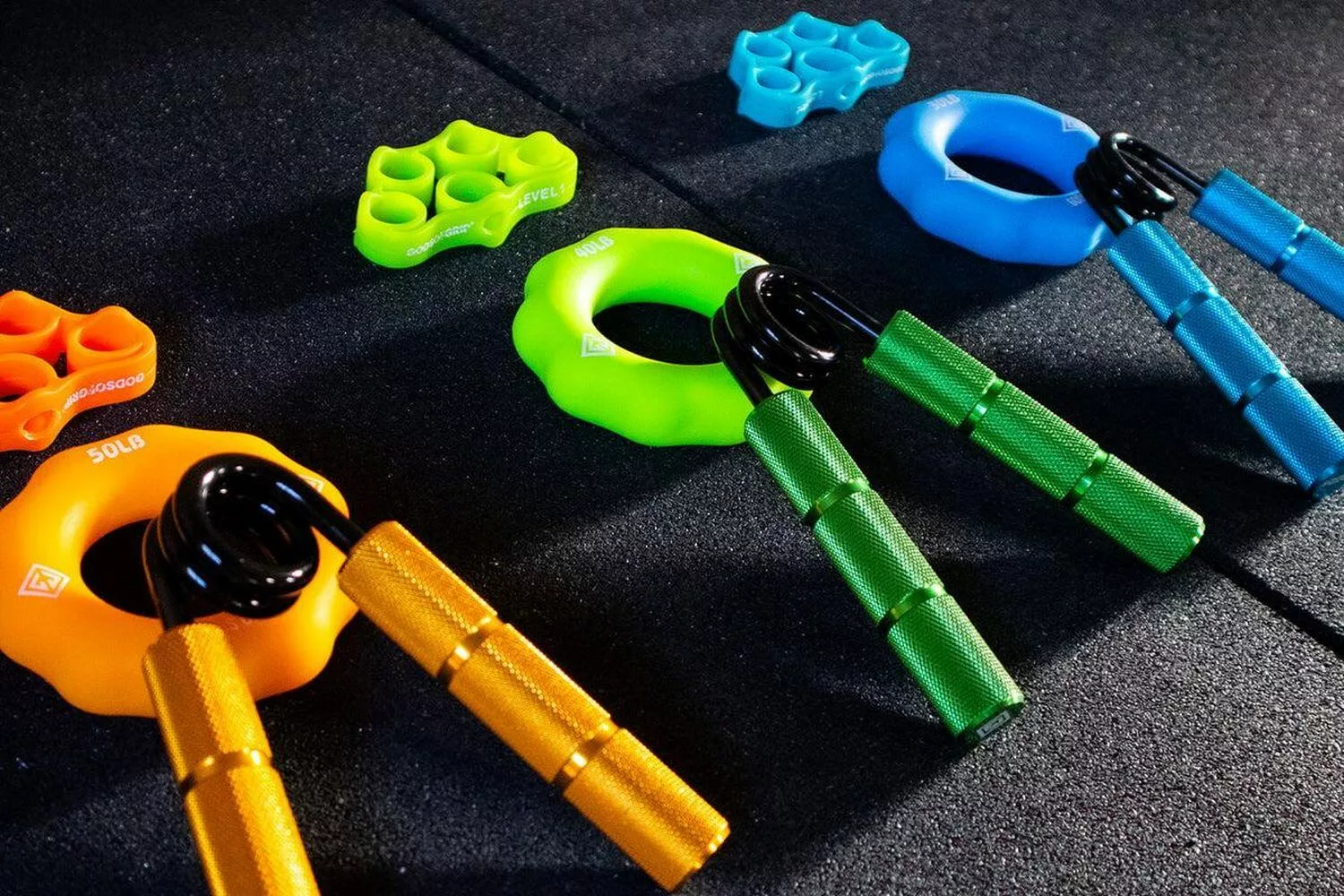
Equipment should support your training goals, not dictate them. Understanding how and when to use each tool helps you get the benefits without becoming unnecessarily dependent on assistance.
The best tool isn’t necessarily the most advanced one.
It’s the one that helps you train for the result you actually want.
#3 SET GOALS & KEEP MAKING PROGRESS
Building a stronger grip is a process.
Clear goals and a sensible approach to progression help you recognize improvement and work through setbacks.
Goals & Progress: Turn Effort Into Results
Learn how to set realistic grip strength goals, track your development, and respond when your progress slows down.
Move beyond random workouts and build a more deliberate approach to long-term improvement.
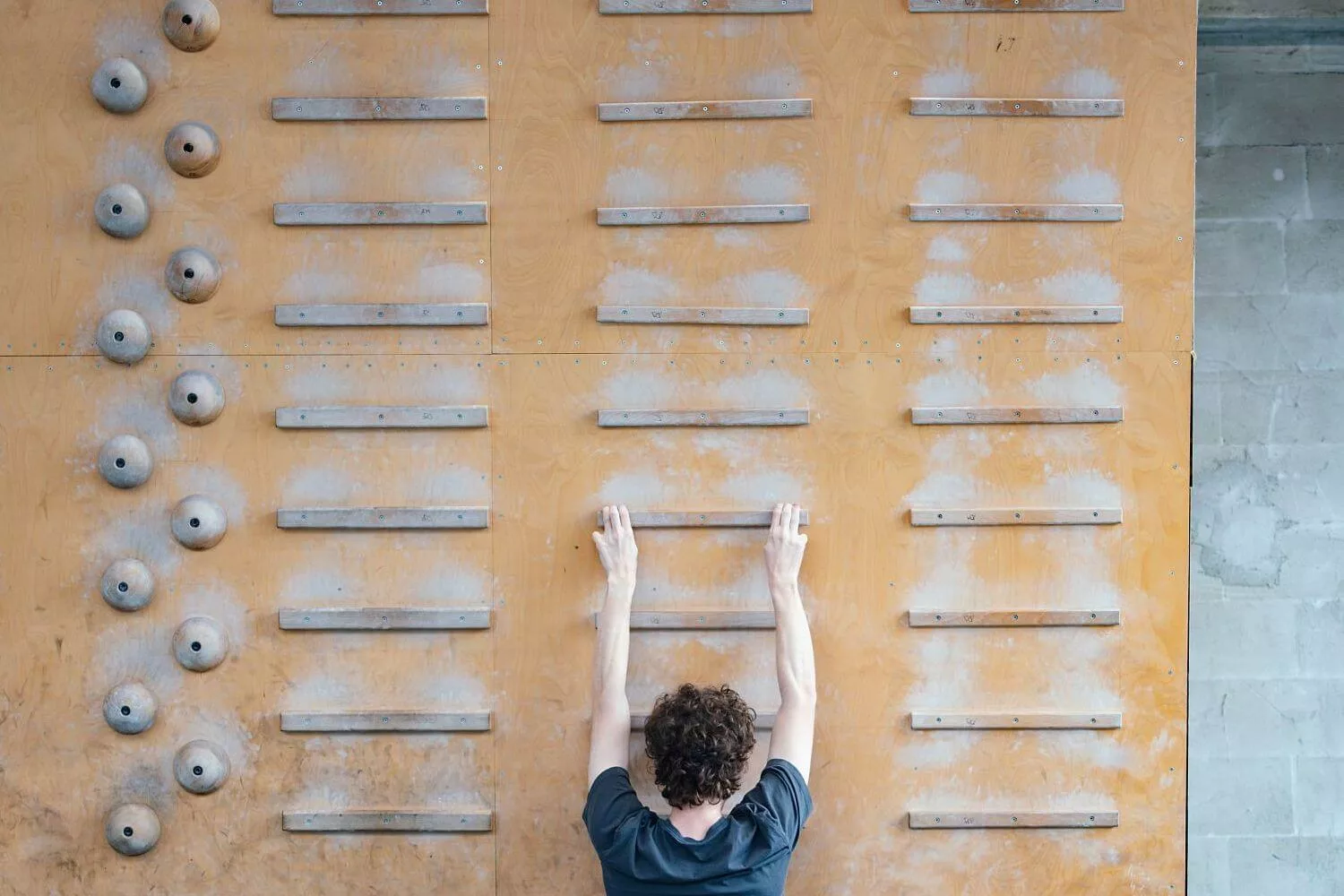
Progress isn’t always a straight line. Tracking meaningful changes & adjusting your approach can help you distinguish a temporary plateau from a plan that needs improvement.
Don’t measure progress only by how much stronger you are today.
Pay attention to what you can do now that you couldn’t do before.
#4 BUILD THE MINDSET TO STAY CONSISTENT
Motivation can get you started, but sustainable habits help you keep going when the routine hits & progress feels slow.
Mindset: Make Grip Training a Lasting Habit
Discover ways to stay motivated, find your personal reasons for training, and build the confidence to keep challenging yourself.
Explore the mental side of grip development, from workout consistency and enjoyment to resilience when things get difficult.
The most effective routine is one you can maintain.
Finding a reason to train that matters to you makes consistency easier to build over time.
You don’t need to feel motivated every day.
You need a training approach you can return to, even when motivation is low.
#5 IMPROVE YOUR GRIP PERFORMANCE
Stronger hands are only part of the equation.
Technique, training choices, and knowing why your grip fails can all influence performance.
Performance: Put Your Grip Strength to Work
Explore practical ways to understand grip limitations, make informed training decisions, and improve how you use your hands during demanding lifts and other activities.
Learn how to connect grip strength with technique, equipment choices, and real-world performance.
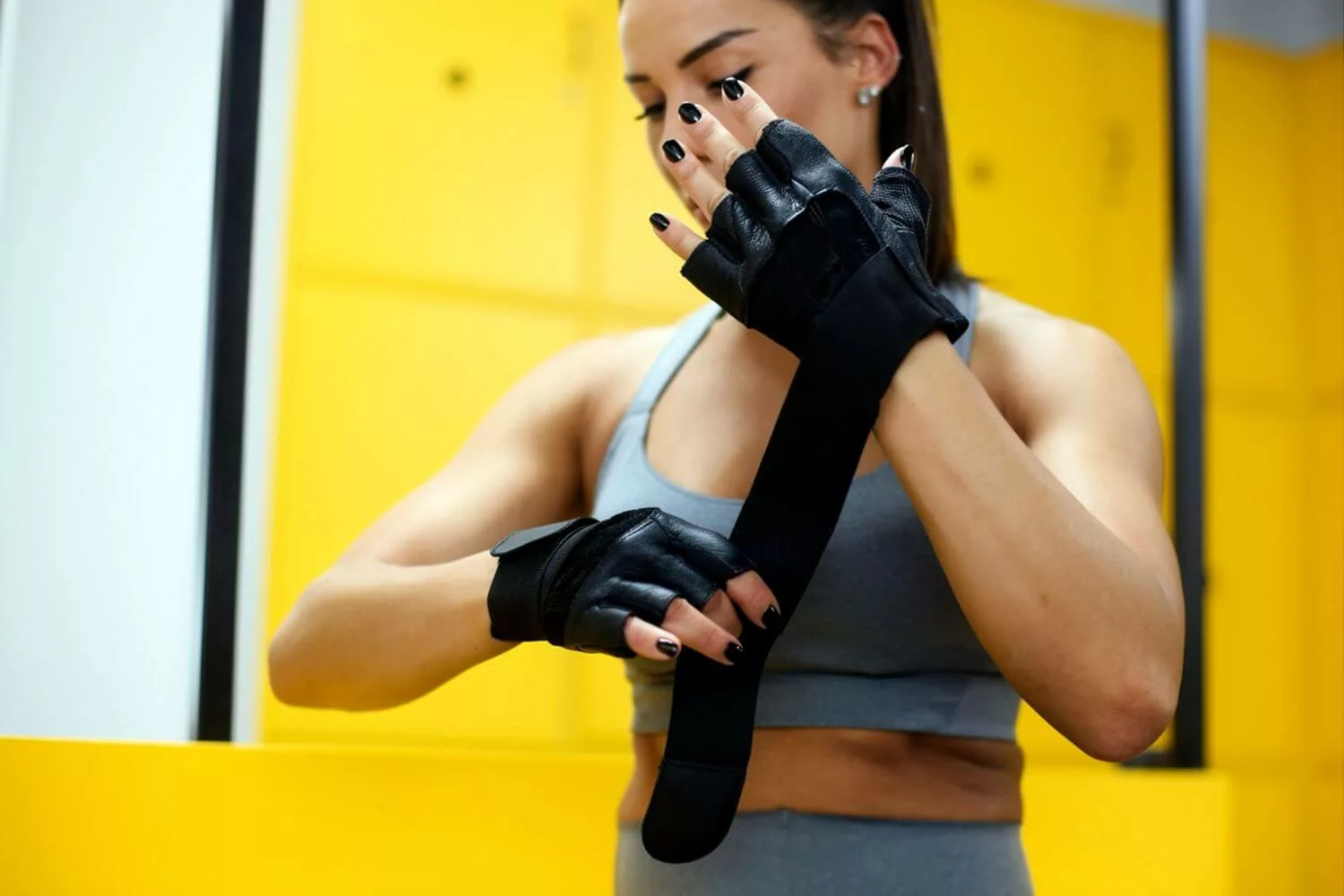
Better performance comes from understanding what limits you and choosing the right response.
Whether that means improving technique, building a specific grip quality, or changing how you use training aids.
A grip that fails isn’t always a grip that lacks strength.
Sometimes the answer lies in technique, fatigue management, or the demands of the task.
Having Specific Questions About Grip Training?
Building a stronger grip starts with understanding the basics.
Whether you’re choosing your first exercises, figuring out which equipment you need, or wondering how often to train, the right guidance can help you avoid common mistakes and make steady progress.
- New to grip training? Start with the fundamentals
- Unsure about technique or equipment? Find a quick answer in the FAQ
You don’t need to know everything before you begin. Learn the basics, start where you are, and build from there.
Explore our Grip Training FAQ for quick answers to common questions, then visit our Beginner Grip hub for a more structured introduction to grip strength, training fundamentals, and building a routine that works for you.
Beginner’s Guide to Grip Strength & Hand Training