(Last Updated on May 30, 2026 by Henry)
Grip strength might not get as much attention as other parts of fitness, but it plays a crucial role in everyday life and athletic performance. From carrying groceries to lifting weights, strong hands can make these tasks more manageable and less taxing on the rest of the body.

If your goal is to improve your grip strength, consistency, not intensity, is what drives real progress over time.
Strong hands support everything you do.
A solid grip positively impacts overall safety, ensuring you can handle objects securely without fear of dropping them or injuring yourself.
This can be especially important in sports, where losing grip might mean the difference between a successful lift or score and a costly mistake.
Better grip control means better performance and fewer risks, both in training and in daily life.
Consistent grip workouts not only improve hand strength but also contribute to better endurance and precision in numerous activities. An improved grip can lead to enhancements in sports like climbing, Olympic lifting, or tennis, where hand strength can boost performance significantly.
Regular training builds not just strength, but reliability in your grip when it matters most.
Consistency builds dependable strength.
Building grip strength isn’t just about having a firm handshake; it ties into broader strength goals. By making grip exercises a regular part of your regimen, you set a solid foundation for other fitness pursuits. In the long run, this consistency pays off as it leads to noticeable gains in performance, making daily tasks smoother and less effortful.
Small, consistent efforts are what truly improve your grip over time.
Setting Clear and Achievable Grip Strength Goals
When you’re ready to step up your grip game, the first task is to get clear on your aspirations. Knowing your ‘what and why’ lays a strong groundwork. Maybe you’re aiming to lift more weight at the gym, climb tougher routes, or simply want a firmer handshake.
Clarity is what turns effort into direction, especially when you’re working to improve your grip strength.
Know your goal. Strength follows.
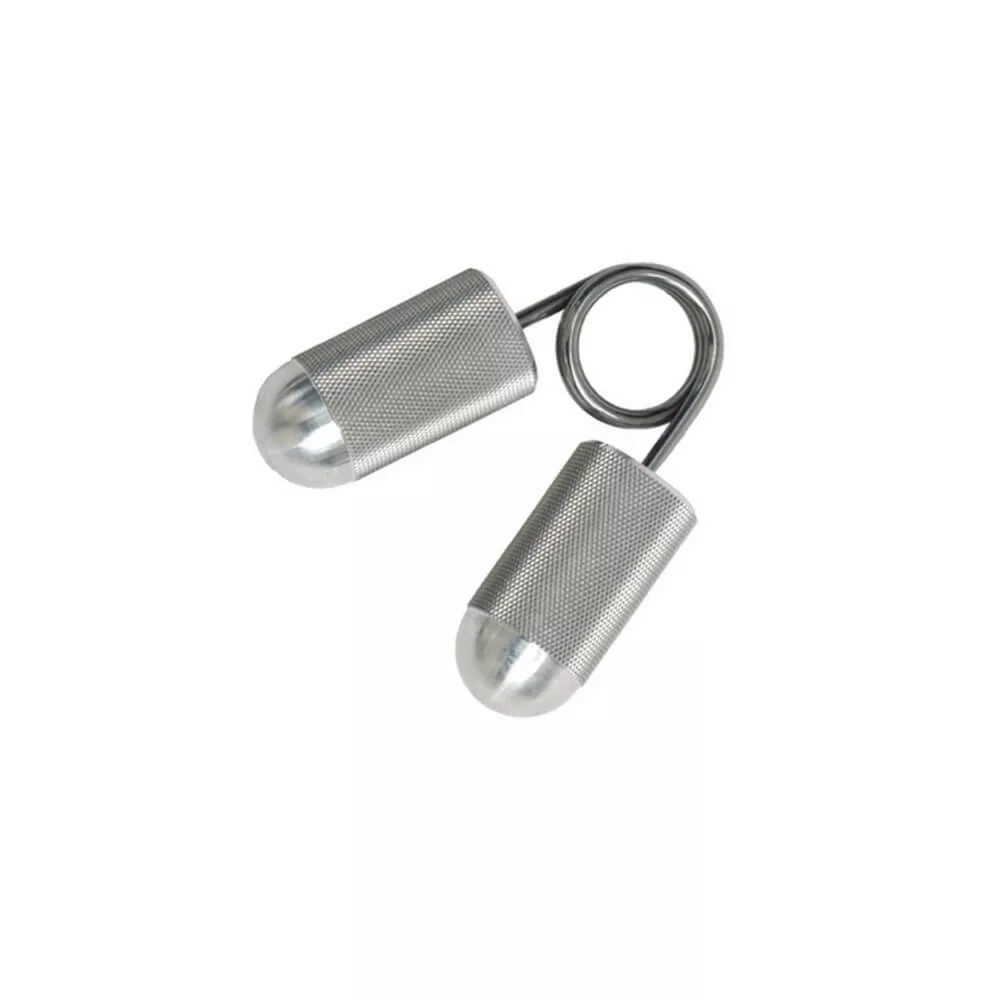
Specialized Spring Gripper to Skyrocket Your Thumb Strength
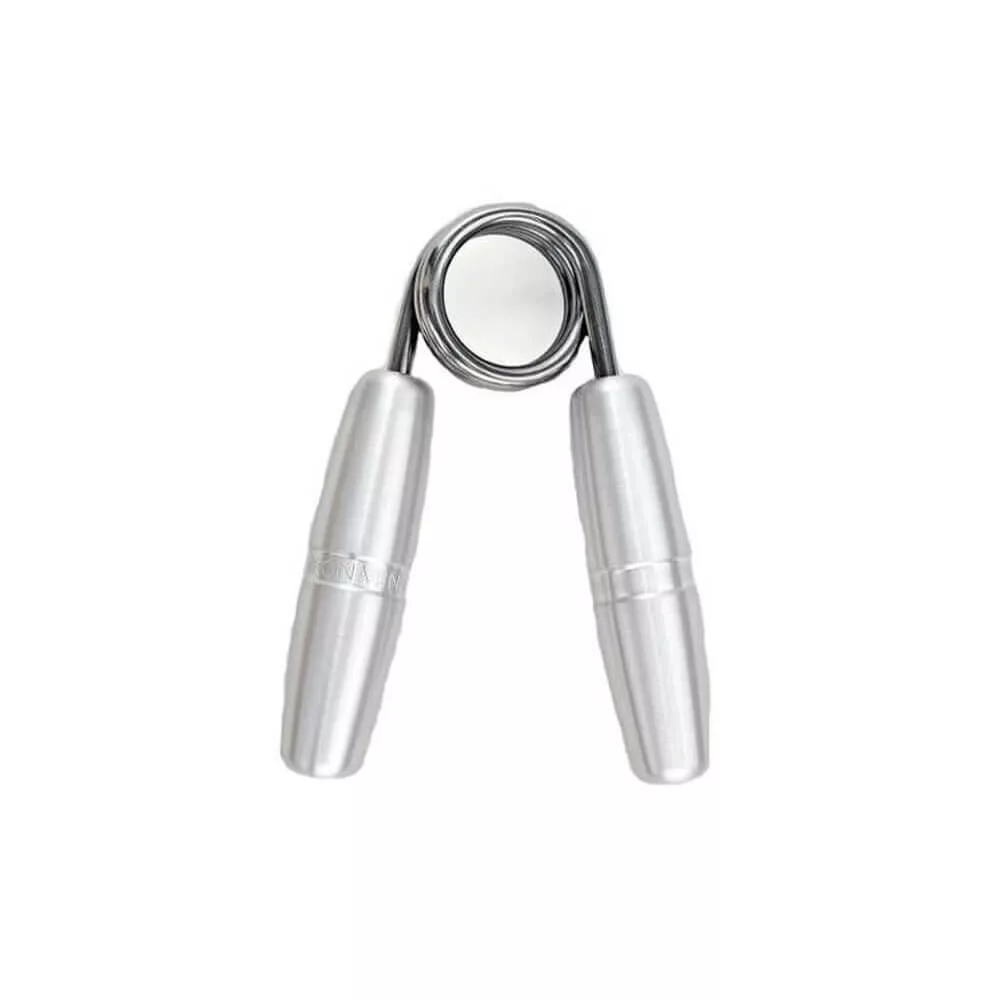
Smooth-Handle Gripper: Ideal For Rehab & Gentle Training

The Iconic Grip Workhorse for Serious Strength?
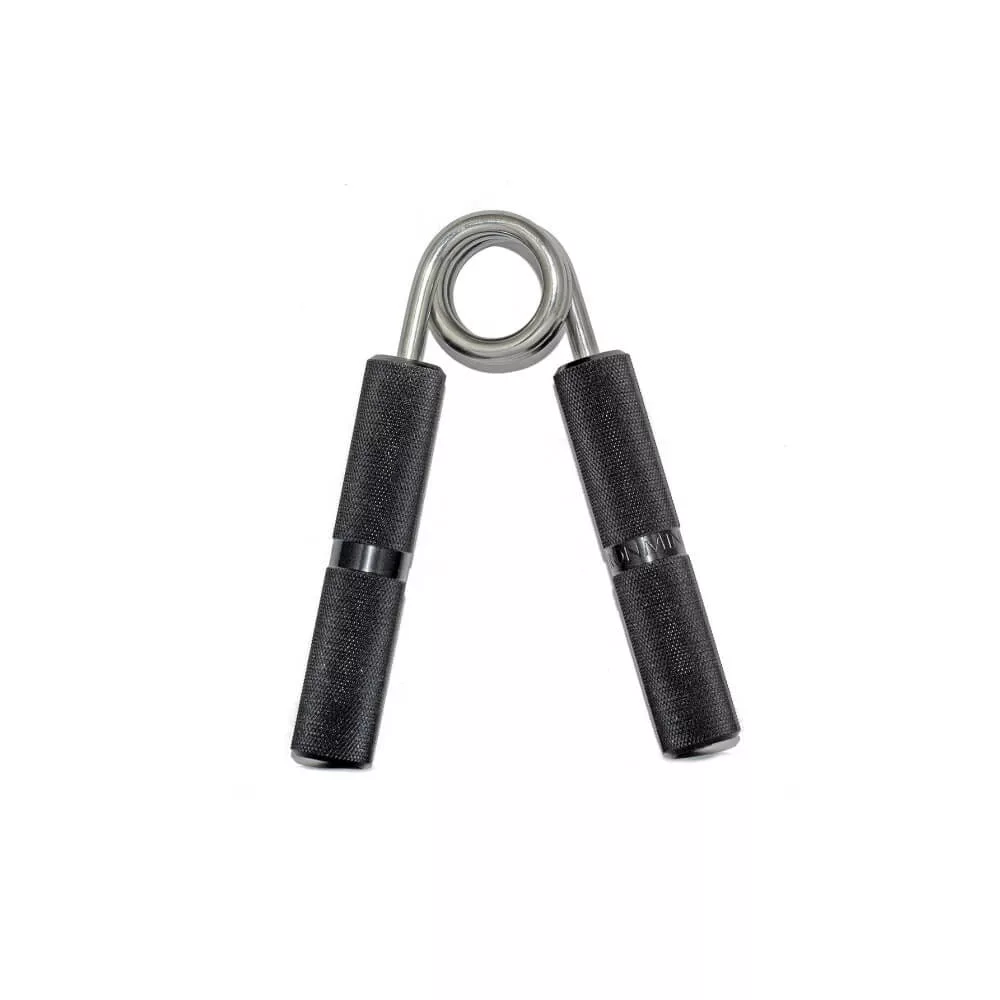
Left-Wing Springs: Crush Grip Trainer for Left-Handed Users?
Defining your goals helps in tailoring a program that genuinely meets your needs. Start by laying out what you want to achieve in the short term, like increasing the number of reps you can perform, and look at your long-term vision as well: perhaps a goal could be performing a set of deadlifts without slipping.
Clear goals make your grip workouts more focused, measurable, and easier to stay consistent with over time. Direction creates consistency.
Embrace the SMART goal-setting criteria to keep yourself in check: Specific, Measurable, Attainable, Relevant, and Timely. Let’s say you want to increase your crushing grip. A specific goal would be to up your weight by ‘x’ pounds within the next three months, rather than a vague aim of just getting stronger.
The more specific your goal, the easier it becomes to track real progress in your grip training routine.
Specific goals drive real grip gains. Keeping goals realistic yet challenging ensures you stay motivated and don’t burn out. It’s about making progress, not racing to the finish line. Write these goals down, maybe even share them with a workout buddy, so you’ve got accountability and support on your side.
Sustainable progress is what truly helps you build stronger hands for the long run.
Creating a Balanced Grip Training Routine for Consistent Progress
Crafting a grip workout routine that’s comprehensive and effective starts with understanding your current fitness level and identifying your needs. It’s not just about repeating the same exercise over and over, but finding the right mix of movements that covers all aspects of your grip strength.
A well-structured routine is what allows you to consistently improve your grip without hitting plateaus. Train smarter, not just harder.
Begin by incorporating a variety of grip-specific exercises into your regular fitness routine. Think dead hangs, farmer’s carries, and grip crushers to start, each targeting different areas of grip strength. Balance these exercises with your usual training sessions for a holistic approach.
Variety keeps your grip muscles adapting and progressing over time. More variation, better grip development.
Pay attention to the intensity and volume of your workouts. Overdoing it can lead to fatigue and even injuries, so it’s crucial to set a reasonable pace. Ensure you balance heavy, intense sessions with lighter, recovery-focused sets to give your muscles the chance to adapt and grow stronger.
Progress happens when effort and recovery stay in balance.
Make sure to integrate rest days; they’re just as important as the workouts. Muscle growth and strength gains happen during rest, not when you’re actually breaking down muscle fibers. Listen to your body and adjust your routine as needed based on how you feel after each session.
Recovery is where a stronger grip is actually built.
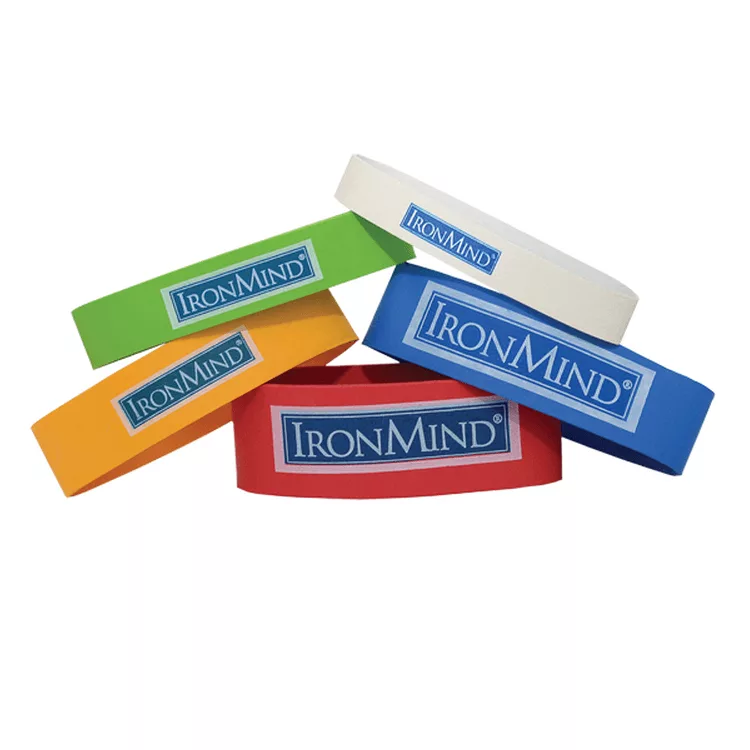
Why are Handbands Staple to Build Hand Muscle Balance?
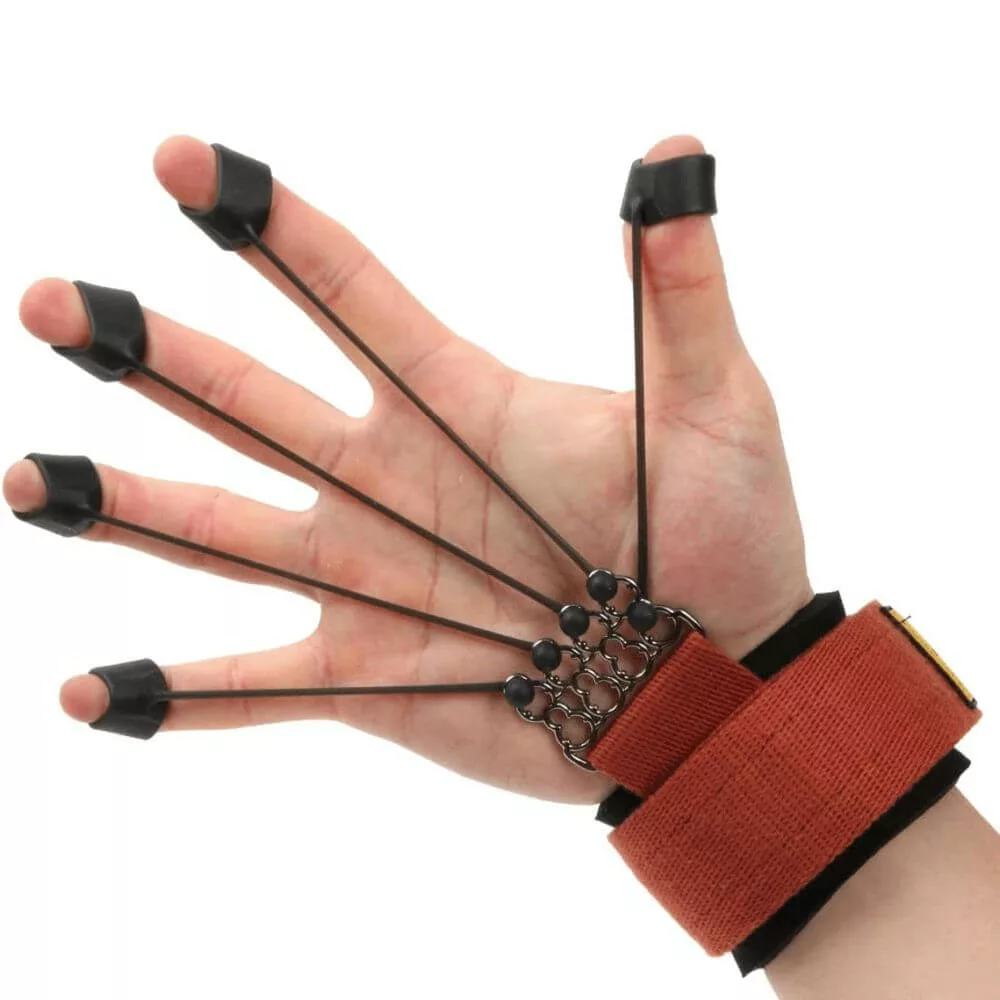
Fancy Finger Exerciser to Build Functional Grip Strength
Don’t forget to keep things flexible. Life happens, and some days you might not hit all the exercises you planned. That’s okay. The key is to maintain consistency over time, rather than perfection in every single session.
Consistency beats perfection when it comes to building grip strength.
Incorporating Exercise Variety to Improve Grip Strength Faster
Mixing things up in your grip workouts keeps them fresh and engaging, stopping both boredom and plateaus in their tracks. Different exercises challenge your muscles in new ways, promoting growth and strength.
If you want to consistently improve your grip, variety isn’t optional; it’s essential.
Adaptation drives progress.

Spinning Burn Rotator Machine: Build Your Wrists Endurance

Burn Machine Arm Rotation Trainer: Shockingly Effective?
Consider working across various grip styles, like pinch, crush, and support. Pinch grip involves holding objects between your thumb and fingers, while crush grip focuses on closing your hand around objects. Support grip is all about holding onto objects for extended periods. Each type caters to different muscles and strength aspects, giving you a well-rounded grip.
- Train pinch grip for finger and thumb strength
- Develop a crush grip for maximum squeezing power
- Build support grip for endurance and holding capacity
- Rotate between grip styles to avoid plateaus and improve overall hand strength
A complete grip is a strong grip. Try incorporating tools like grip rollers, finger bands, or even a set of grippers to add new challenges. Challenge yourself to lift odd objects or tackle a session with a sandbag for added variety and functionality.
New tools create new stimuli and new results.

Transform Every Barbell into Axel with Fat Bar Handles?
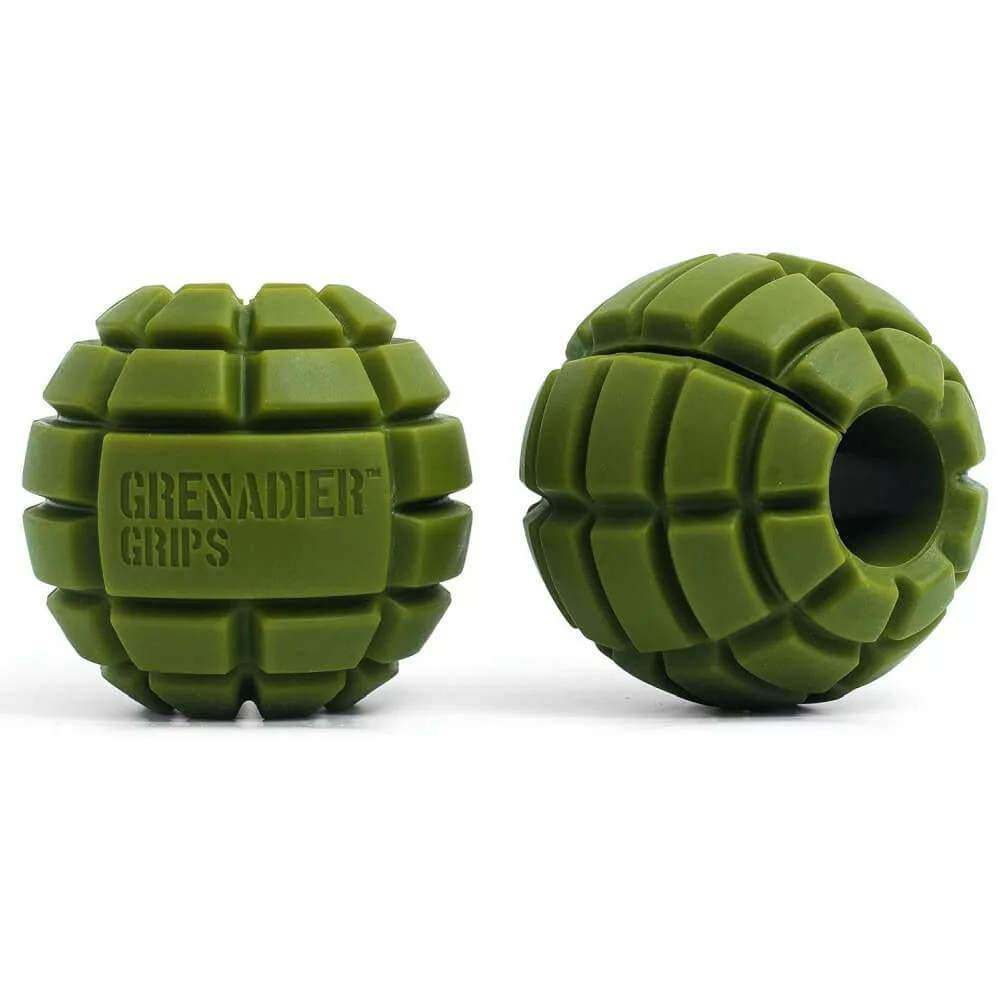
Unique Fat Bar Adaptors to Target Your Pinch Grip?
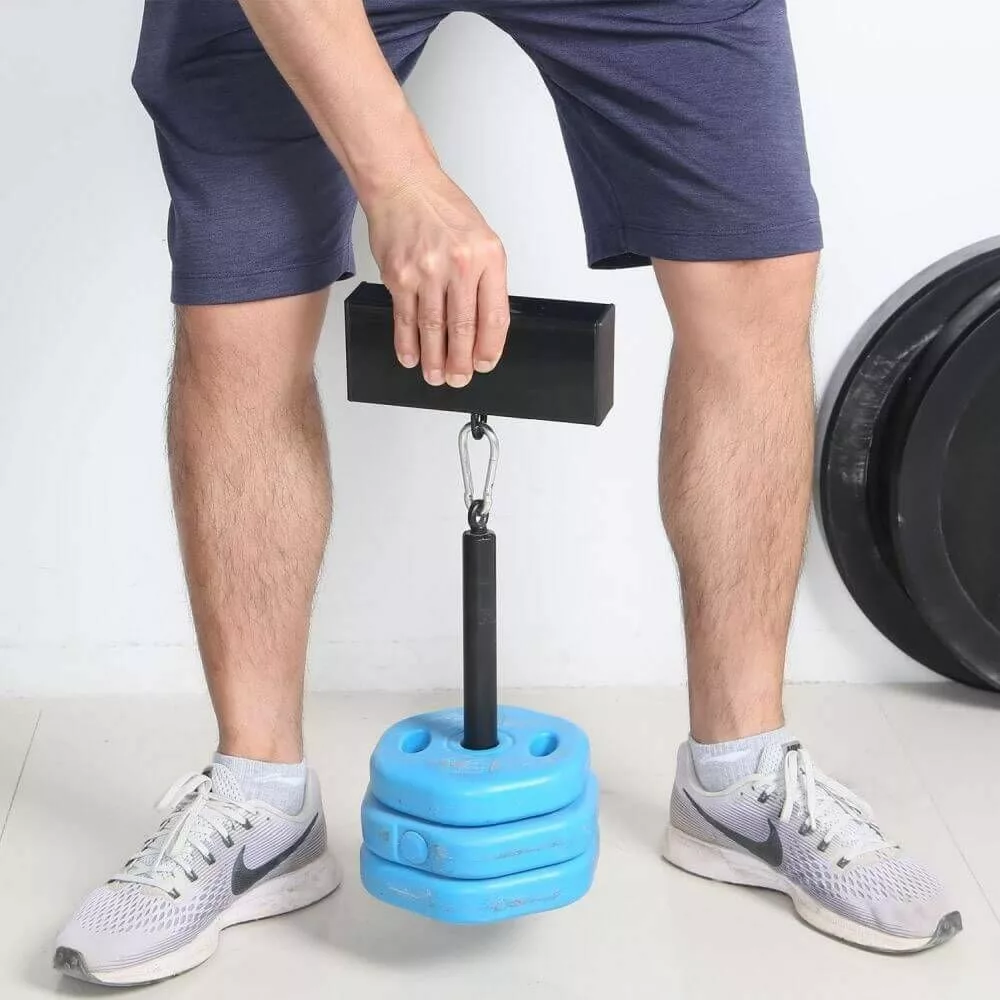
Pinch Grip Training Made Effective in a Simple Way?
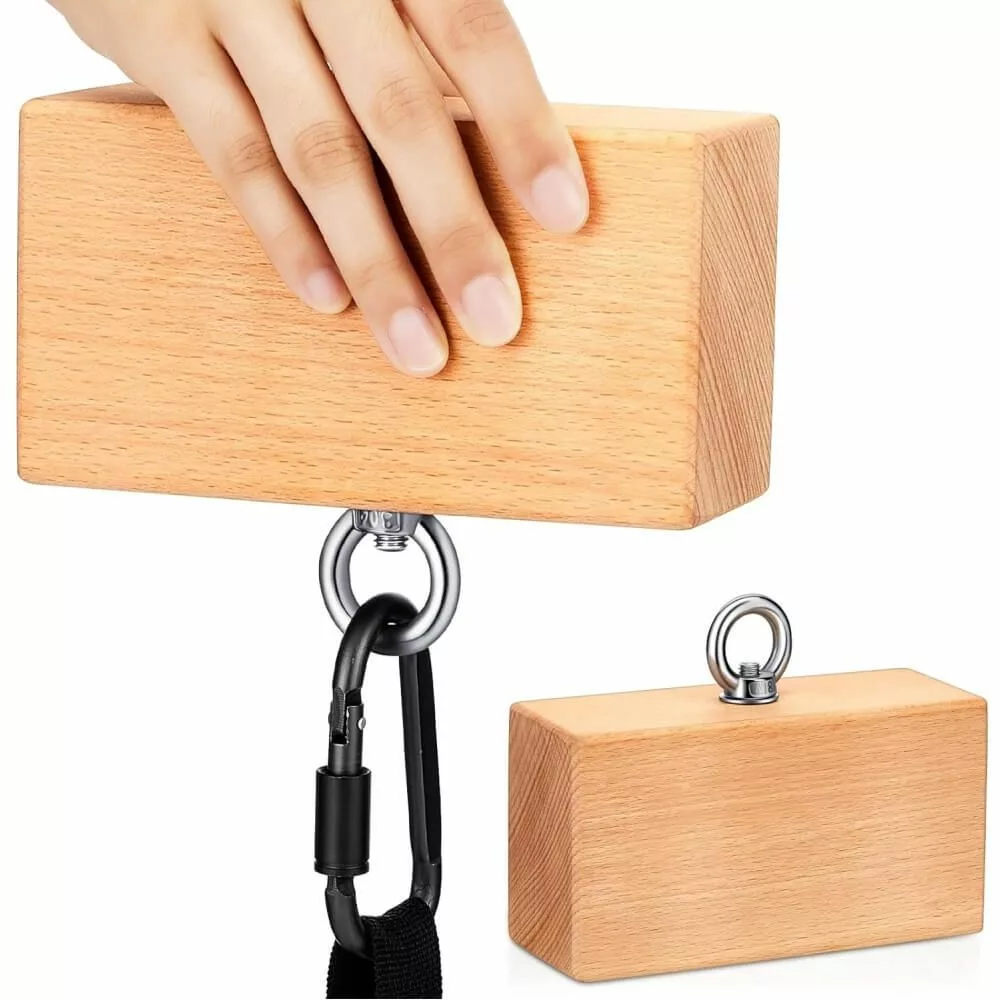
Train Your Thumbs with a Simple Pinch Block
Interval training and changing up the weight or reps every few weeks can keep your muscles guessing, leading to continued improvement. Say goodbye to stale routines and hello to a program that keeps your body responsive and ready.
Small changes lead to steady grip gains. Track it, tweak it, improve it.
Switching your regimen also means stronger mental engagement. Monitoring and adjusting your workouts based on how your body responds is crucial. Keeping a log can help track what works best, ensuring you’re always on the path to improvement.
Tracking Grip Strength Progress and Staying Motivated Long-Term
To stay on track with grip strength goals, keeping a record of your achievements is invaluable. Logging workouts isn’t just about seeing numbers go up; it’s about understanding what’s working and what needs tweaking.
Tracking is one of the fastest ways to consistently improve your grip strength.
Measure progress. Build stronger hands. Use a notebook or an app to write down the exercises you do, the weight or resistance levels, and how many reps you manage. This data provides insight into your progress over weeks and months.
Clear data removes guesswork from your grip training routine.
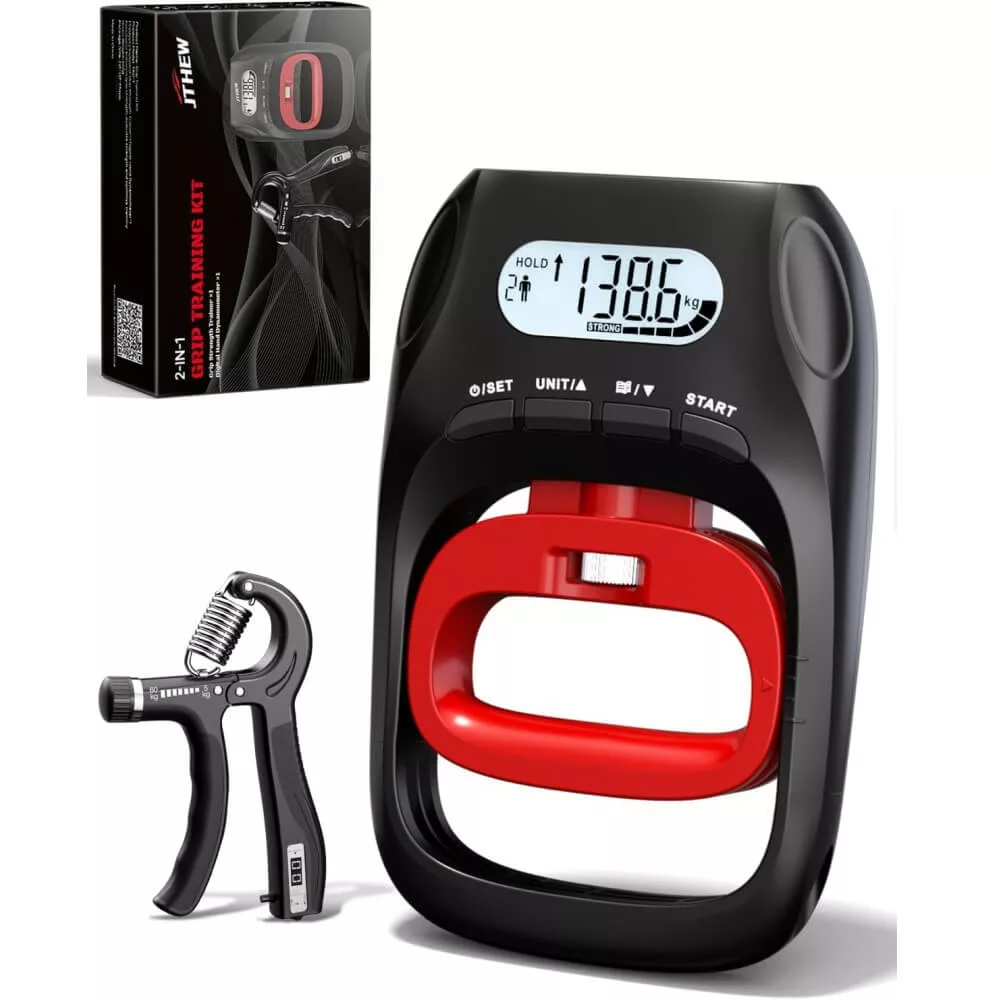
Don’t Guess: Use Grip Dynamometer for Accurate Progress Tracking
Setting mini-milestones along the way boosts motivation. Celebrating small victories can keep you engaged and eager to push further. It’s not about waiting for the final result; each step forward is a win. Small wins create long-term consistency in grip workouts.
Taking photos or videos of your form can also offer visual proof of improvement. Sometimes, seeing is believing, and tracking your physical changes over time can be incredibly encouraging.
Progress you can see is progress you’ll stick with. Explore grip strength tracking apps or fitness communities to share experiences or gain different perspectives. Engaging with others can offer new ideas and approaches that enrich your routine.
Support and insight can accelerate how quickly you improve your grip.
Consider rewards for meeting certain objectives. Whether it’s a new piece of gym gear or treating yourself to a rest day, having something to look forward to can provide extra motivation for staying consistent. Reward the habit, not just the outcome.
Prioritizing Recovery to Prevent Grip Overtraining and Injury
Recovery might not be the most exciting part of a workout routine, but it’s a crucial one, especially when it comes to grip training. Your hands and wrists can take a beating, so giving them time to rest and heal ensures you’re not sidelined with an injury.
If you want to consistently improve your grip, recovery has to be part of the plan, not an afterthought.

Modern Rice Bucket Gadget for Grip & Forearm Training?
Recognizing the signs of overtraining is key. If you’re feeling persistent fatigue, discomfort in your joints, or diminished performance over time, it’s time to step back and reassess. Letting these signals go unchecked can lead to serious injury, keeping you out of action longer than a few skipped sessions.
- Watch for persistent hand or wrist pain during grip exercises
- Notice drops in grip strength or endurance over time
- Pay attention to joint stiffness or reduced mobility
- Adjust intensity early to prevent long-term setbacks
Your body always gives signals; listen early.
Make sure to incorporate ample stretching and warming up in each session. Simple movements, like wrist circles or finger stretches, prepare your muscles and joints for the work ahead.
Preparation protects performance. Consider incorporating specific wrist and hand recovery strategies like using a soft ball to massage tender areas or placing your hands in a warm water soak. These can aid in reducing tension and boosting circulation, fostering quicker recovery.
Better circulation speeds up how fast you recover between grip workouts.

Gyro Ball is Amazing For Grip Training Warm-Up & Hand Rehab
Develop a habit of caring for the smaller muscles and joints. This includes maintaining proper technique during exercises and avoiding ego lifting, which can strain unprepared muscles. Proper recovery isn’t about just doing less; it’s about ensuring what you do helps promote overall readiness for your next workout.
Smart recovery is what keeps your grip training consistent and injury-free.
Seeking Expert Guidance and Community Support for Grip Training
Sometimes, getting a fresh perspective can make a huge difference in your grip training journey. Enlisting a personal trainer or a physical therapist with experience in grip strength can provide valuable insights and corrections to your form.
The right guidance can fast-track how quickly you improve your grip strength.
Learn faster. Grip stronger. Having a pro look at your techniques ensures that you’re getting the most out of every movement, reducing the likelihood of injury and maximizing gains. Their expert advice can tailor your routine, making sure it’s aligned with your specific goals and physical needs.
Expert feedback turns effort into efficient progress.
Don’t overlook the power of community support. Joining a fitness group in person or online fosters a sense of camaraderie and accountability. Sharing experiences, tips, and challenges with others can boost your motivation and provide new ideas to enhance your training.
- Join fitness communities focused on improving grip strength
- Share progress and challenges to stay accountable
- Learn new grip exercises and techniques from others
- Stay motivated through group support and shared goals
Stronger together means more consistent training. Online platforms and tutorials offer a treasure trove of advice and demonstrations. From engaging with video lessons to participating in forums, utilizing these resources can answer questions you didn’t even know you had.
Access to knowledge helps refine your grip training approach. Being part of a community or seeking one-on-one guidance is like having a built-in cheerleading squad. These interactions not only make workouts more enjoyable but also keep the pressure off going it alone.
Support keeps your grip workouts consistent and sustainable.
Nutrition and Supplementation to Support Grip Strength Gains
The right fuel can make a big difference in pushing grip strength to new heights. Nutrition is a cornerstone of fitness, and paying attention to what you eat supports muscle growth and recovery.
If you want to consistently improve your grip strength, what you eat matters just as much as how you train.
Fuel your body. Strengthen your grip. Focusing on a diet that includes plenty of protein helps with muscle repair and development, which is crucial for strength gains. Whether it’s plant-based or animal sources, ensure you’re getting enough to match your activity level.
Strong muscles start with proper nutrition. Supplements can also play a role in supporting your grip workout. Consider joint-friendly options like glucosamine or collagen, which can aid tendon and joint health, particularly important for hands and wrists.
Supporting your joints helps you train harder and longer without setbacks.
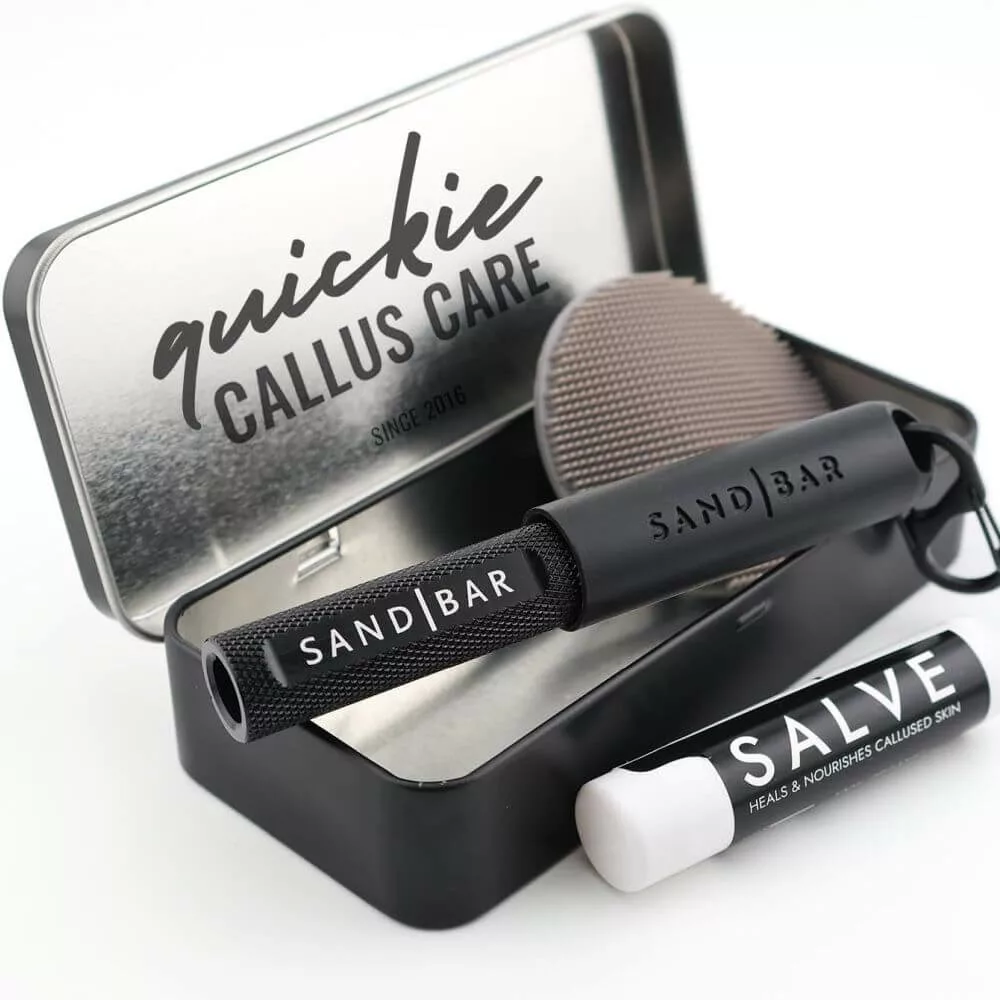
SandBar Callus Remover: Grip-Friendly Hand Care for Lifters

Razor Sharp Callus Shaver to Maintain Grip Health?

60% Urea Cream: An Aggressive Solution for Serious Skin Damage?
Don’t underestimate the importance of staying well-hydrated. Dehydration can lead to decreased performance and increased risk of injury. Keep water intake consistent, especially during and after workouts.
Hydration directly impacts grip endurance and performance.
Eating a balanced diet rich in vitamins and minerals ensures that your body functions optimally. Essential nutrients like magnesium and potassium contribute to muscle function and recovery, so including these in your meals can aid your training sessions. Better nutrition leads to better grip results.
Paying close attention to how your body responds to different foods and supplements will help tailor a nutrition plan that’s perfect for your specific needs and goals. Personalized nutrition supports long-term grip strength progress.
Embracing Consistency and Patience for Long-Term Grip Strength
Consistency and patience in grip workouts bring long-term rewards that extend beyond the gym. Every session contributes to building not just physical strength, but also resilience and determination. If your goal is to truly improve your grip, showing up consistently will always outperform short bursts of motivation.
Consistency builds unshakable grip strength. It’s important to celebrate your progress along the way, recognizing each small improvement as a stepping stone toward larger goals. Remember, real growth is a marathon, not a sprint.
Small wins compound into serious grip gains over time.
To sustain your grip strength journey, integrate variety and recovery strategies that fit your lifestyle and physical needs. This adaptable approach helps in maintaining an effective routine that supports continuous improvement.
Adaptability keeps your grip training effective and sustainable. Stay motivated by tracking your progress and seeking inspiration and support from those around you. Each interaction and new goal achieved reinforces your commitment to not just fitness, but personal growth as well.
Motivation grows when progress is visible and shared. Stronger grip. Stronger mindset. Better results.
Embrace the process, enjoy the victories, and learn from the challenges. Grip strength isn’t just about lifting heavier things; it’s about lifting your limits and realizing your potential.
Thanks for Stopping By!
How Do You Stay Consistent in Grip Training?
Share Your Experience Below!