(Last Updated on October 21, 2026 by Henry)
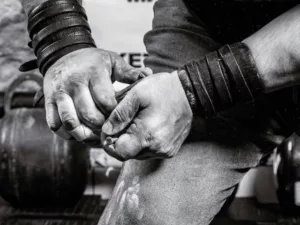
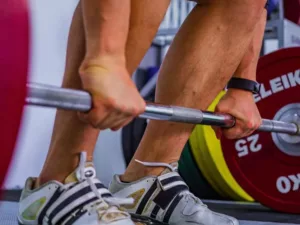
Grip training is all about improving the strength and endurance of the muscles in the hands and forearms. This type of training is crucial not just for athletes but for anyone who relies on strong hands and wrists for daily tasks, whether it’s lifting weights or twisting jars in the kitchen.
Grip strength supports daily life.
It’s one of those foundational abilities that quietly supports almost everything you do, both in and out of the gym.
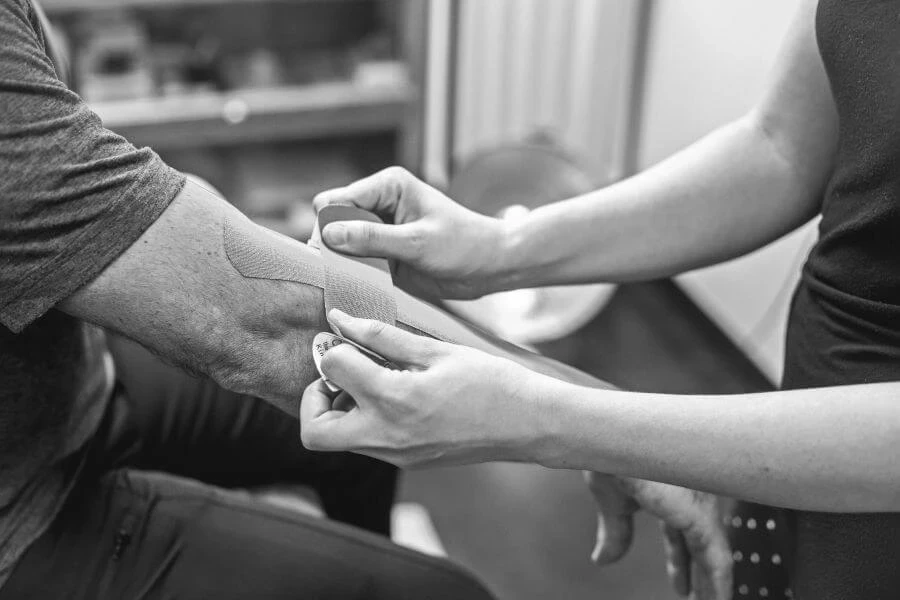
Several key muscles play a role in grip strength, including the flexor digitorum profundus, the flexor pollicis longus, and the flexor digitorum superficialis, among others.
These muscles are responsible for the movement and strength needed to grip objects tightly and maintain that grip over time.
Because these muscles are constantly used throughout the day, they require smart recovery strategies to keep performing at their best.
High use demands smart recovery.
Good grip strength isn’t just about having a firm handshake. It’s incredibly relevant for a host of everyday activities and sports: from climbing and lifting to tennis and even golf. Enhanced grip capability can significantly improve performance and reduce the risk of injuries, making it an essential part of a well-rounded fitness routine.
The stronger and more resilient your grip is, the more confidently you can perform under pressure.
Strength builds confidence.
Building a solid grip starts with understanding its role in your broader fitness goals. It’s not just about brute strength; it’s also about precision and control. Tailor your training to suit the specific needs of your lifestyle or sport, whether that’s aiming for more endurance or better finger strength.
Train with purpose.: A targeted approach ensures that your efforts translate directly into real-world performance.
Remember, grip training isn’t just for the seasoned athlete; it’s for anyone looking to boost their overall functionality. Whether you’re a musician, a writer, or even a fitness newbie, integrating grip exercises can enhance your everyday performance.
Strong hands improve how you interact with the world around you. Function drives strength.
What Is Active Recovery? Understanding the Concept in Grip Training
Active recovery is an approach that keeps you moving, even as your body recovers from intense workouts. It differs from simply resting because you engage in light, low-impact activities rather than just taking time off. This method encourages quicker recovery by gently promoting blood circulation and helping muscles eliminate waste products like lactic acid.
It bridges the gap between training and rest, allowing your body to recover without becoming inactive.
Movement accelerates recovery.
One key benefit of active recovery is its ability to enhance overall fitness without adding unnecessary strain. It helps maintain cardiovascular health and flexibility while your muscles recuperate. This balance aids in reducing feelings of fatigue and soreness, helping you remain consistent with your training efforts.
- Improves blood circulation for faster muscle repair
- Reduces soreness and stiffness after intense grip sessions
- Maintains flexibility and joint mobility
- Supports consistency by keeping you active without overloading muscles
Aim for recovery without losing momentum.
There’s often a misunderstanding that active recovery means slacking off or taking it too easy. On the contrary, it’s a strategic approach that requires careful planning to ensure the activities you choose support your recovery goals. It’s about doing more with less effort, helping the body to heal better and faster without losing momentum.
Smart recovery beats complete rest: Done correctly, it becomes a powerful tool rather than a passive break.
Active recovery might involve activities like walking, swimming, or even yoga, depending on your personal preferences and fitness goals. What’s crucial is to keep the intensity low, focusing on gentle movements that promote healing and flexibility.
The goal isn’t intensity: it’s circulation and movement quality.

Gyro Ball is Amazing For Grip Training Warm-Up & Hand Rehab
Keep it light, keep it effective. Incorporating active recovery in grip training isn’t just smart: it’s essential for preventing overuse injuries. By understanding and applying active recovery, you create a training environment that’s sustainable and beneficial for long-term progress.
Recover well, progress longer: Longevity in training comes from how well you recover between sessions.
Safety First: Why Active Recovery Matters in Grip Training
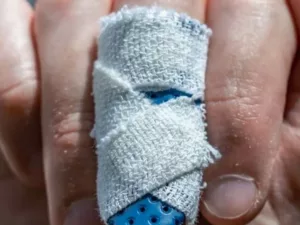
Pushing through intense grip training without allowing for proper recovery can lead to overuse injuries. These occur when the same set of muscles is strained repeatedly without adequate time to repair, which can result in conditions like tendonitis or carpal tunnel syndrome.
Grip training places repeated stress on small, highly active structures, making them especially vulnerable if recovery is ignored.
Too much repetition, not enough recovery: that’s where problems begin.
Active recovery plays a critical role in preventing these injuries. By incorporating low-intensity exercises into your routine, you’re allowing the grip muscles to recover while staying engaged, thus strengthening them over time without additional damage.
This approach keeps tissues healthy while still supporting gradual strength development.
Stay active, but ease the load.
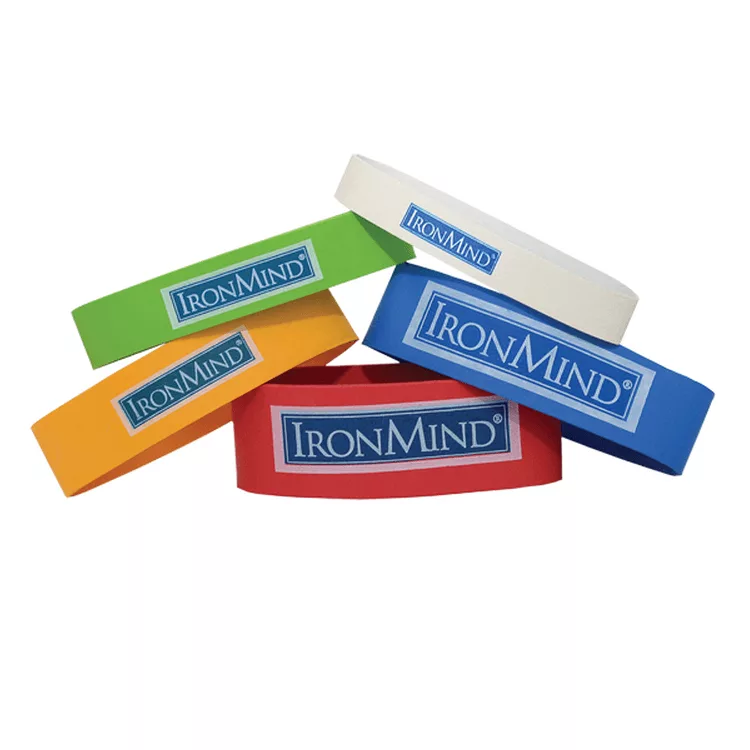
Why are Handbands Staple to Build Hand Muscle Balance?
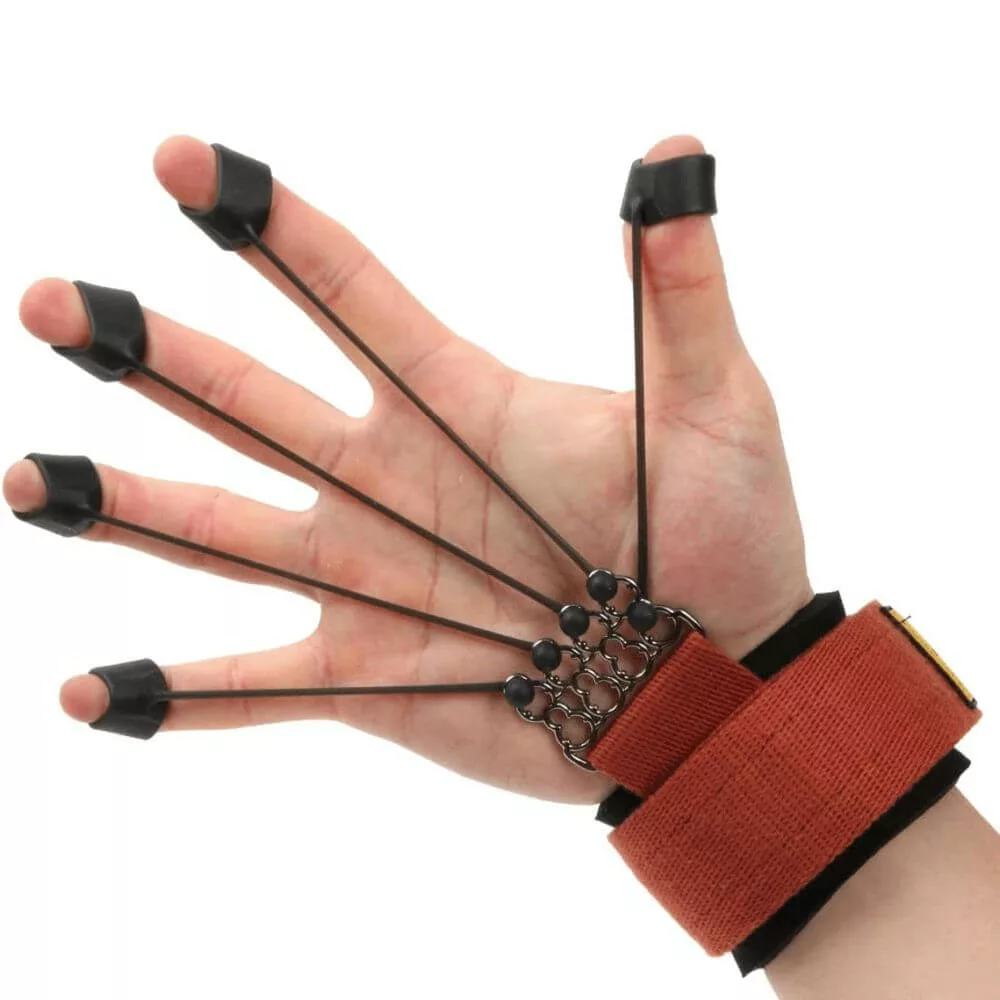
Fancy Finger Exerciser to Build Functional Grip Strength
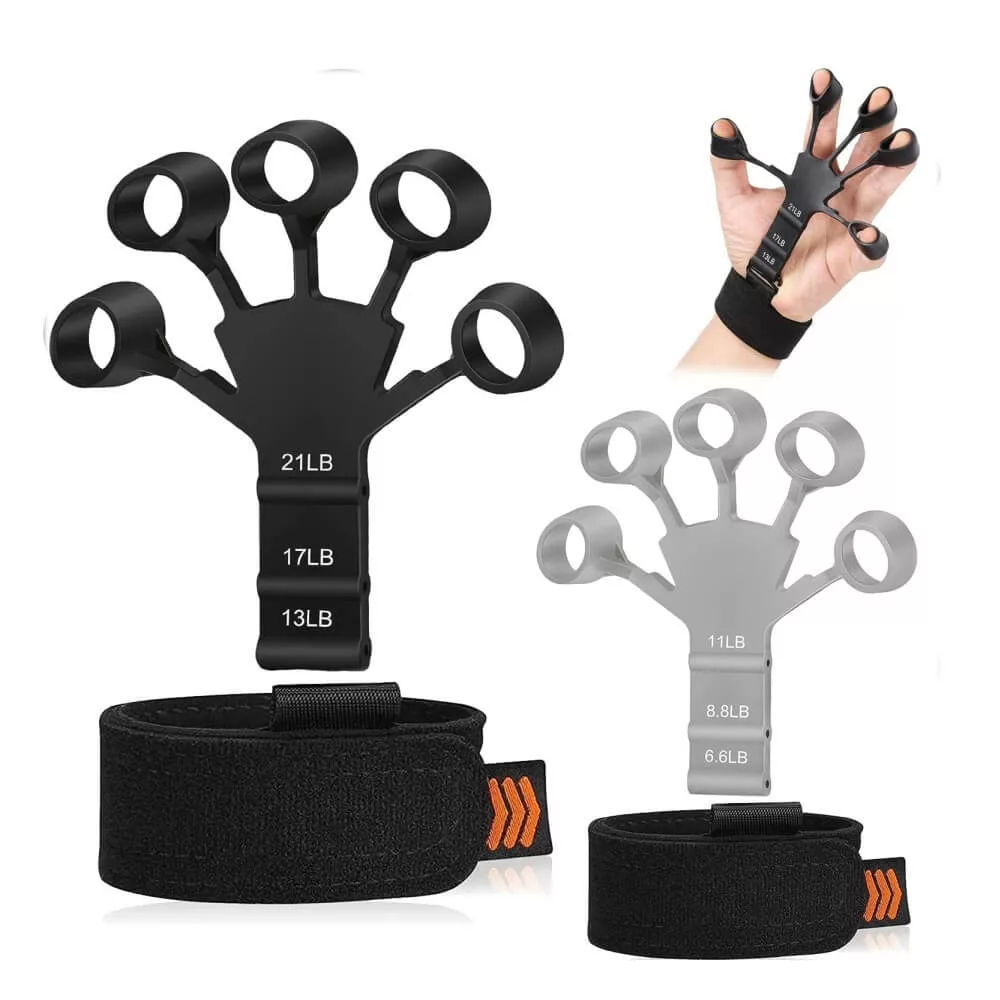
Fun & Affordable Way to Rehab Weak Hands
Recognizing early signs of strain is key to avoiding more serious injuries. If you start to feel persistent pain or discomfort in your hands or wrists, it’s a cue to adjust your training intensity and focus more on recovery strategies.
Pain is information: Ignoring these early warning signs often turns minor issues into long-term setbacks.
Understanding your limits doesn’t mean pulling back from your goals. It’s about creating a balanced regimen that includes sufficient rest and healing time so you can push forward with less risk. Regularly evaluating your grip training approach to include active recovery ensures safety and longevity in your fitness journey.
Sustainable progress always outperforms short-term intensity.
How Active Recovery Supports Muscle Repair and Grip Strength Growth
Active recovery is about more than just taking it easy. It gears up the body’s own repair systems, engaging biological processes that focus on muscle repair and growth. This gentle activity promotes circulation, helping deliver essential nutrients and oxygen to recovering muscles.
It’s an active role in recovery, not a passive one. Movement becomes part of the healing process.
Circulation is vital for muscle recovery. Active recovery methods, such as slow cycling or leisurely swimming, keep blood moving through those sore areas, aiding in the removal of waste products that build up during intense workouts.
Better circulation means faster delivery of what your muscles need, and quicker removal of what they don’t.
Recovery thrives on blood flow.
In grip training, paying attention to how you recover is crucial. Simple techniques like light forearm exercises or hand stretches during recovery periods can specifically target the muscles engaged in grip work, aiding in quicker and more effective recovery.
Targeted recovery brings targeted results.
Implementing specific active recovery techniques for grip muscles prevents stiffness and helps maintain flexibility. This can be as straightforward as using stress balls or performing wrist rotations, actions that ensure the targeted areas are moving without exertion.
Small movements can make a big difference over time. Consistency in recovery builds resilience.

Spinning Burn Rotator Machine: Build Your Wrists Endurance

Burn Machine Arm Rotation Trainer: Shockingly Effective?
Keeping recovery active encourages the body to heal more quickly and strengthens muscles over time. Rather than just resting idle, you’re helping build a resilient framework that will support future workouts, ensuring you’re always ready to put your best hand forward in grip training.
Train, recover, repeat: this is where real progress happens.
Best Active Recovery Techniques for Grip and Forearm Training
Active recovery doesn’t mean you stop moving; it just shifts the focus to gentle, beneficial activities. Stretching routines specifically designed for grip strength can make a significant difference. Simple stretches like finger extensions and wrist bends can keep the muscles supple and prevent stiffness.
Gentle movement keeps your hands ready for the next session.
Loosen, don’t load.
Incorporating low-intensity exercises, such as squeezing a stress ball or using a light resistance band, is a practical way to engage your grip muscles without the added strain of full-intensity workouts. These exercises keep your muscles active in a low-pressure way, enhancing flexibility and range of motion.
This is where recovery and progress quietly overlap.
Massage techniques and self-myofascial release (SMR) are excellent for easing tension in the hands and forearms. Using a small massage ball or foam roller on the forearms can release tight spots and promote better blood flow. This hands-on approach allows you to specifically target areas that might be feeling the strain after intense sessions.
Relief, recovery, and readiness: all in one step.
Consistency with these recovery techniques is key. Make them a regular part of your training regimen rather than an occasional afterthought. By regularly engaging in active recovery activities, you build endurance and reduce the likelihood of injury, paving the way for more effective grip training.
What you do between workouts matters just as much as the workouts themselves.
Exploring a variety of these techniques ensures you’re not relying on just one method. Mix it up between different recovery exercises to find which ones work best for your needs. Adaptability in your recovery routine can lead to better results in your grip training journey.
Keep it varied. Keep it effective.
The Psychological Benefits of Active Recovery for Athletes
Active recovery isn’t just good for the body; it provides a welcome break for the mind too. When you embrace these gentle recovery methods, you’re giving yourself a chance to decompress and relieve stress, which is crucial for maintaining mental well-being.
Recovery isn’t only physical, it’s a mental reset, too.
Sometimes slowing down is what keeps you moving forward.
In a world that’s always on, taking time to engage in active recovery helps prevent burnout. Rather than getting stuck in a cycle of constant high-intensity workouts, incorporating periods of lower-intensity activities allows your mind to reset. This balanced approach can enhance focus and motivation when returning to more demanding sessions.
A refreshed mind performs better under pressure.
Active recovery also plays a significant role in boosting consistency. When you incorporate these activities regularly, you’re fostering a routine that our brains crave, thus helping maintain training discipline even in the face of potential setbacks.
Consistency thrives when intensity is balanced with recovery.
Psychologically, knowing that you’re taking proactive steps toward recovery can bolster your confidence. It reminds you that training isn’t just about pushing harder but also about respecting your body’s need for recovery. This mindset shift can lead to a more fulfilling and sustainable fitness journey.
Smart training builds long-term confidence.
Using active recovery as a tool for mental relaxation gives you an opportunity to connect with your body in a stress-free setting. Whether it’s a slow-paced yoga session or a calm walk in the park, these activities promote mental clarity, keeping you mentally engaged and ready for what’s next in your grip training regimen. Clear mind. Stronger performance.
How Elite Athletes Use Active Recovery in Grip Training
Active recovery is a tried and tested technique among athletes who perform at the highest levels. These elite performers often attribute part of their success to the structured inclusion of active recovery within their training regimens, providing a useful model for anyone looking to optimize their own grip training routines.
What works at the top often works everywhere else. High performers recover with intention.
Professional athletes from various sports, like rock climbers and tennis players, utilize active recovery to maintain a fine balance between performance and recovery. For them, the stakes are high, and avoiding injury is crucial, something active recovery methods help ensure by keeping muscles engaged without overexertion.
Performance and recovery are never separate: they’re part of the same system.
Case studies showing these athletes’ performance improvements through recovery strategies underscore the value of active recovery practices. By observing these examples, one can see how incorporating similar techniques into personal training can lead to tangible improvements in grip strength and endurance.
Results leave clues: follow them.
Testimonials from trainers and sports scientists reinforce the benefits of active recovery. These professionals frequently highlight how this approach aids athletes in maintaining peak physical condition, facilitating the seamless transition between rigorous training and necessary downtime.
The best programs always prioritize recovery alongside performance.
Drawing lessons from these athletes can guide you in crafting a more informed grip training plan. Whether it’s the use of simple exercises post-workout or the application of recovery modalities like massage and stretching, embedding these strategies in your regimen could lead to more effective and rewarding grip training results. Train hard, but recover smart.
Building a Balanced Grip Training and Active Recovery Plan
Creating a balanced training and recovery schedule involves understanding your personal fitness level and tailoring your approach to suit it. This balance ensures you’re pushing yourself during workouts but also giving your muscles sufficient time to heal and grow.
Balance isn’t accidental, it’s built.
In grip training, incorporating active recovery isn’t a one-size-fits-all solution. It’s crucial to customize your recovery activities to align with your specific goals and the demands of your lifestyle or the sport you’re focusing on. Whether you’re aiming for increased endurance or targeting specific muscle groups, your recovery plan needs to reflect these objectives.
- Match recovery intensity to your training intensity
- Adjust recovery methods based on grip goals (strength vs endurance)
- Consider lifestyle factors like work, stress, and daily hand usage
- Rotate recovery techniques to avoid stagnation
Personalization is what makes recovery effective.
Integrating active recovery into weekly or monthly training routines helps maintain this balance. Instead of working the grip muscles to exhaustion, intersperse higher intensity sessions with lower intensity recovery days. This approach not only aids in muscle recovery but also helps sustain energy levels, keeping you motivated and less prone to fatigue.
Recovery days are part of progress, not a break from it.
Monitoring your progress is an integral part of building a successful training plan. Keep track of how your body feels after workouts and adjust your recovery techniques as needed. Regular assessments of your grip strength and endurance can offer insights into how effective your current strategies are and where adjustments might be necessary.
What gets tracked gets improved.
Adjusting your approach based on these assessments enables continuous improvement and personalization of your training schedule. By being attentive to your recovery needs, you create a foundation for sustainable progress in grip training, reducing the risk of overtraining and fostering long-term success.
Sustainable training always wins in the long run.
Tools, Equipment, and Resources for Active Recovery
Having the right tools and resources can make active recovery in grip training far more effective. Equipment like gloves, therapy balls, and resistance bands is an excellent investment for anyone serious about enhancing their recovery routines. These items are relatively inexpensive and can significantly boost the quality and effectiveness of your recovery efforts.
Better tools, better recovery: Small tools can create big improvements in how you recover.
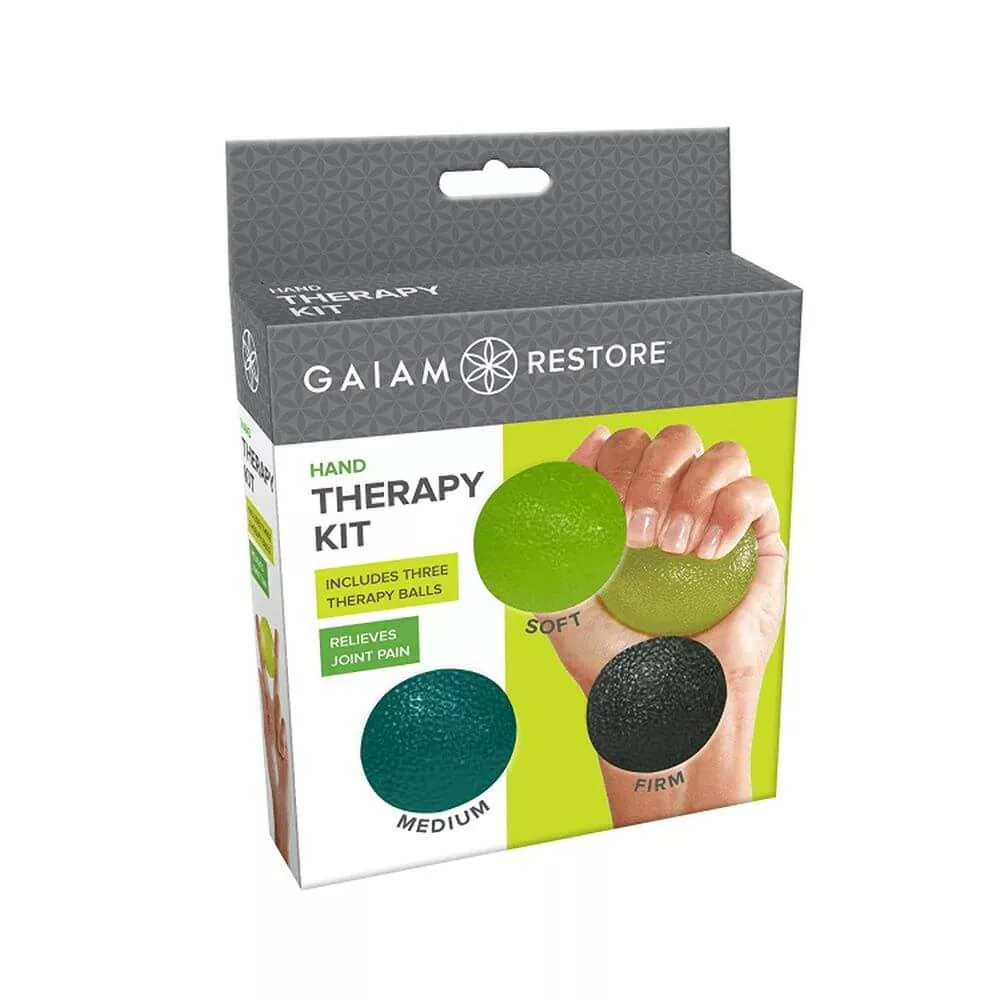
Hand Exercise Balls: Simple Relief & Strength for Tired Hands
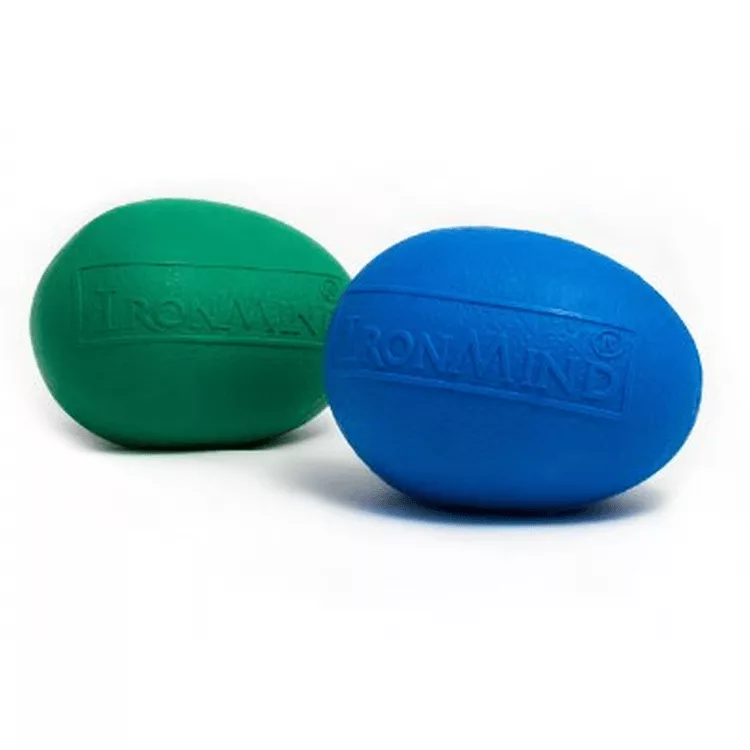
Fantastic Hand & Finger Strength Trainer to Keep Grip in Shape
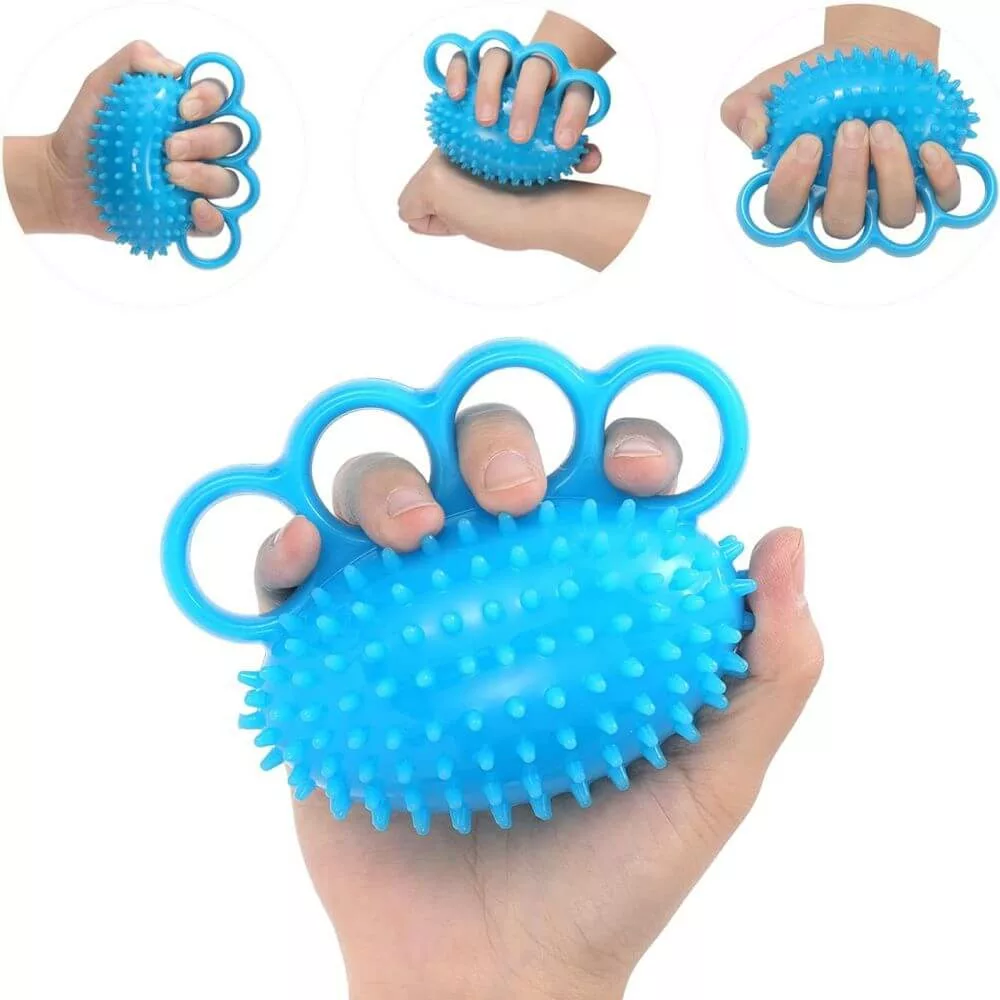
Therapy-Grade Stress Relief & Rehab Crush Grip Trainer
Beyond physical tools, technology can be a significant ally in your active recovery strategy. Numerous apps and online platforms offer guided sessions that focus specifically on recovery techniques, including stretching and mobility exercises. These resources provide structured guidance, making it easier to integrate recovery practices into your daily routine.
Guidance removes guesswork, and consistency follows.
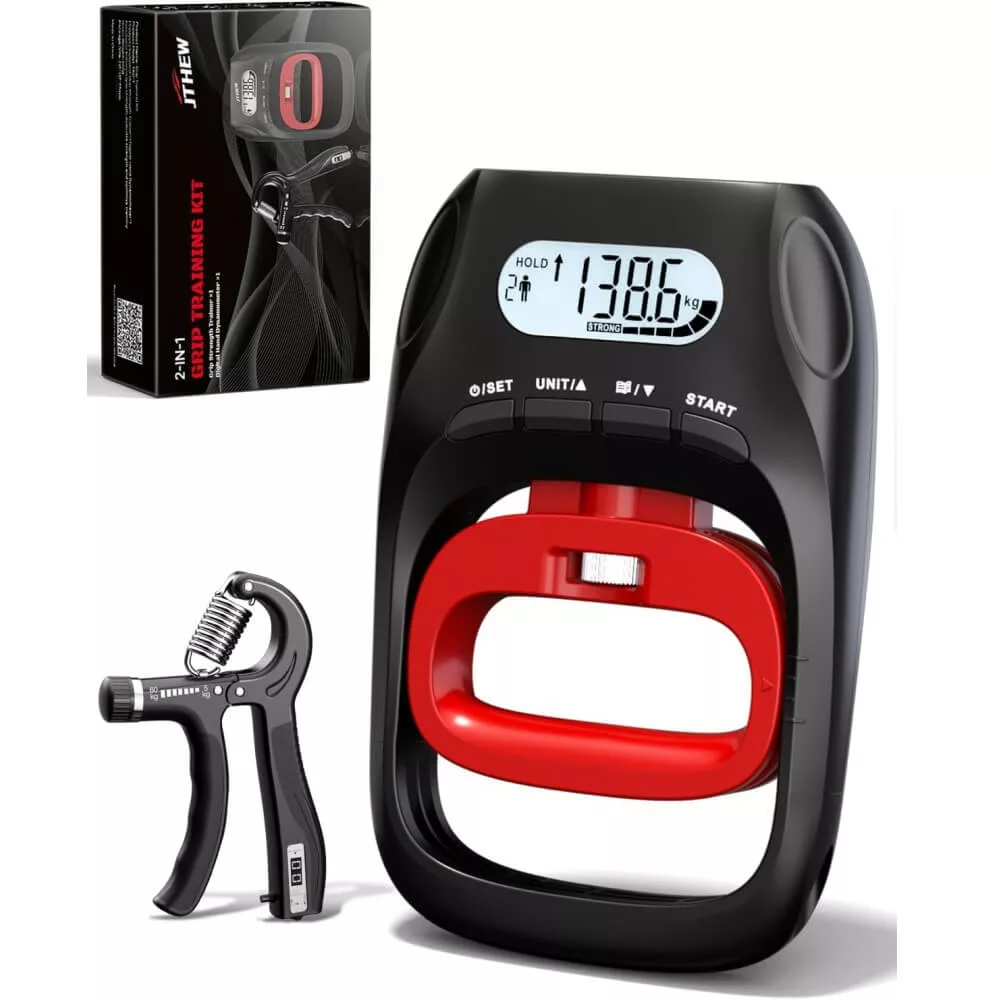
Don’t Guess: Use Grip Dynamometer for Accurate Progress Tracking
For those keen to dive deeper, there are books and courses that delve into the science behind training and recovery. These can offer a rich understanding of how active recovery benefits your grip training efforts and overall health. Learning from experts through these materials ensures you’re applying techniques rooted in scientific evidence.
Knowledge sharpens your approach. Train with intent. Recover with purpose.
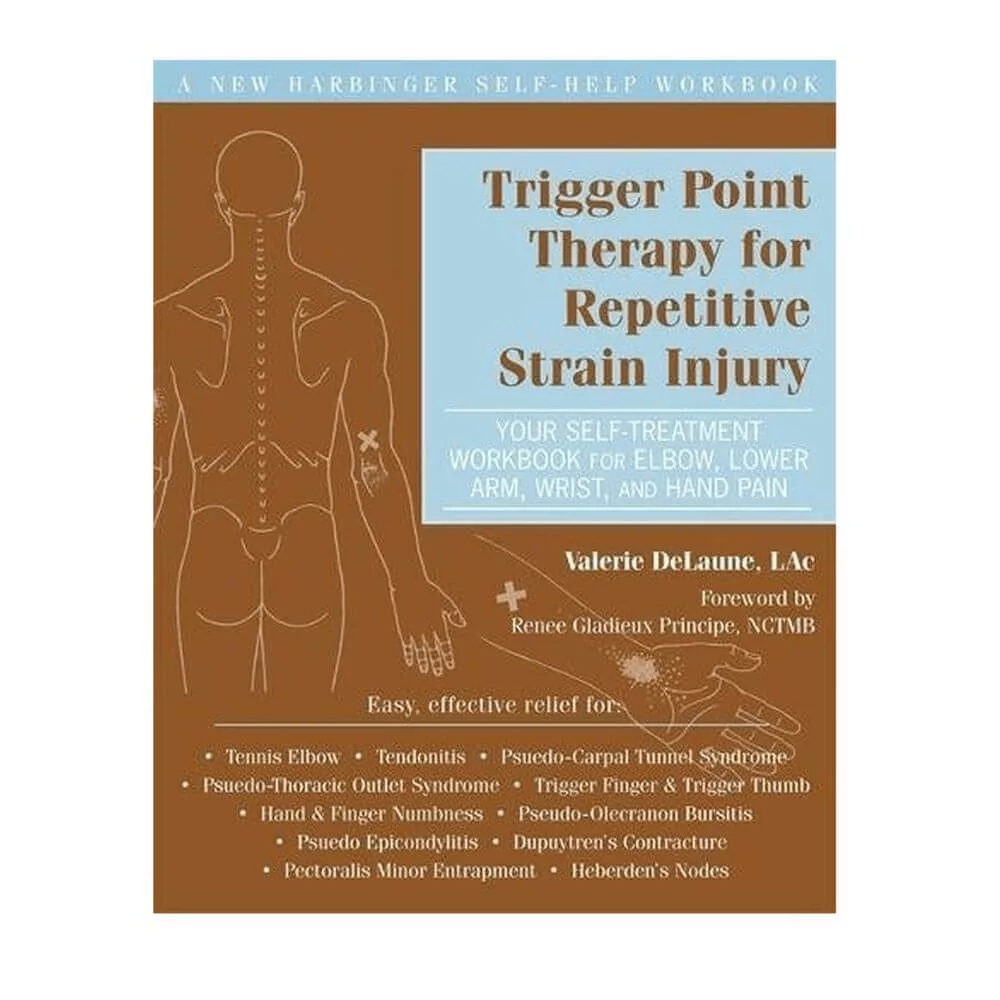
Identify & Manage Repetitive Strain Injury Symptoms Quickly
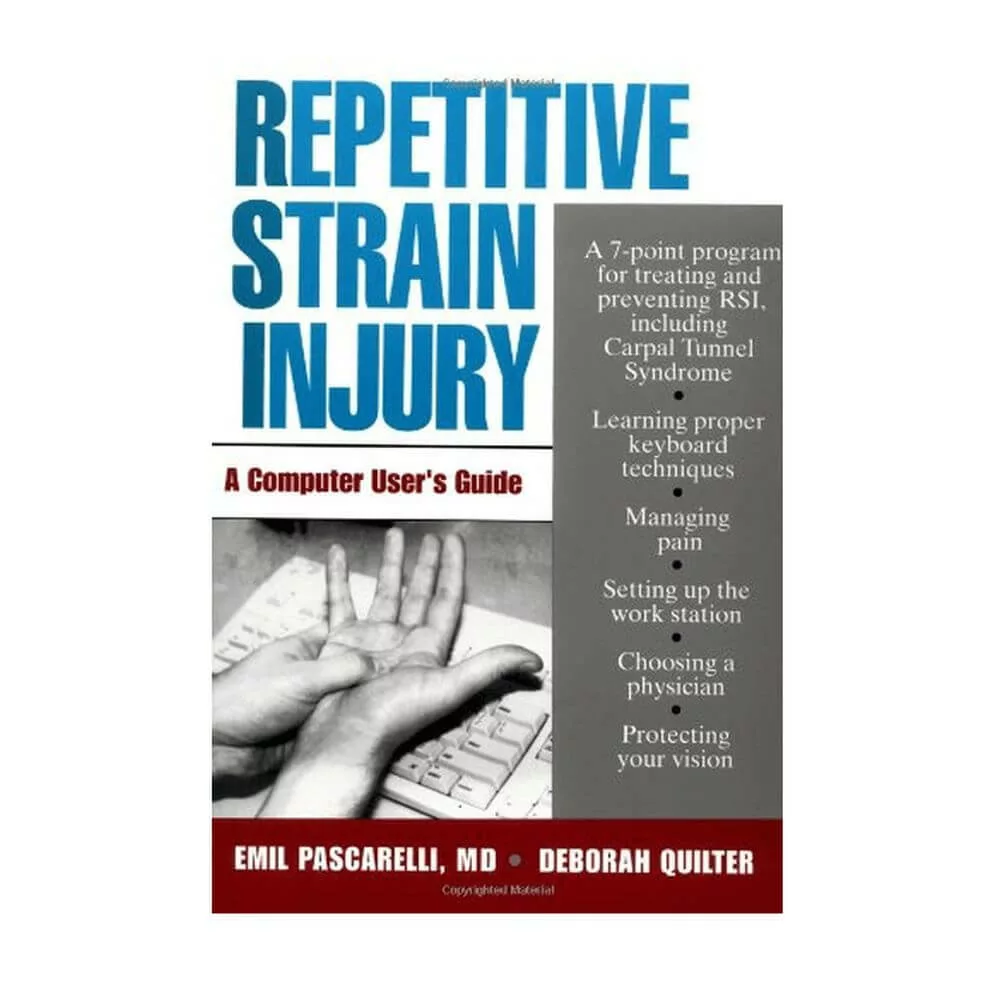
A Wealth of Information to Overcome Repetitive Strain Injury

Practical Methods to Treat Repetitive Strain Injury Effectively

Relieve Carpal Tunnel Syndrome and Avoid RSI Traps
Utilizing these tools and resources not only enhances your active recovery practices but also empowers you to customize a routine that’s most effective for your needs. By staying informed and equipped, you make smart decisions that safeguard against injury and promote long-term benefits in your grip training journey.
Thanks for Stopping By!
What Recovery Methods Do You Prefer for Grip Training?
Share Your Experience Below!