(Last Updated on May 30, 2026 by Henry)
When talking about health and fitness, grip strength can easily get overlooked, yet it’s a crucial component. It’s all about how firmly you can hold or seize something. Think of it as the powerhouse of your hands, combining everything from your fingers right up to your forearms.
Despite its importance, grip strength is often treated as an afterthought in training routines. Yet it plays a central role in both performance and everyday functionality.
Grip strength supports everything.
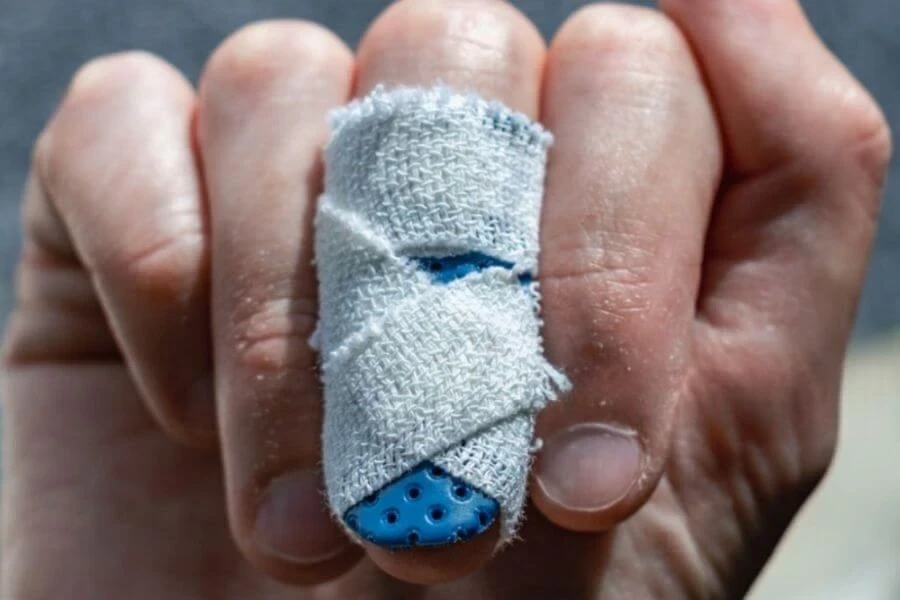
Grip strength shows up mostly in three types: crush, pinch, and support. Crush refers to the type of grip you need when shaking hands firmly or when squeezing a stress ball. Pinch, on the other hand, involves holding something like a weight plate between your thumb and fingers. Support is all about holding onto something heavy for as long as possible, like when you’re hanging from a pull-up bar.
Each type places different demands on your muscles and tendons, meaning they also require different recovery strategies to improve effectively. Different grips, different demands.
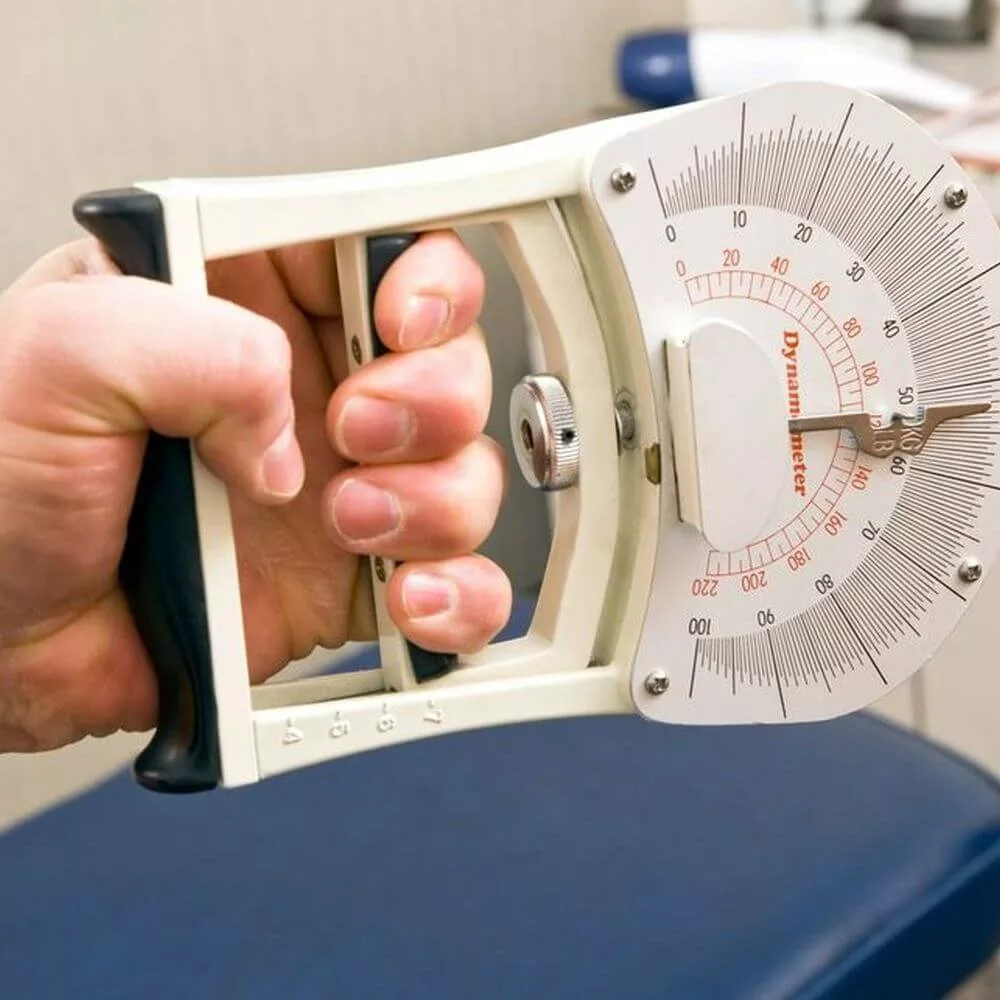
Crush Grip Training: Best Exercises & Tools for Stronger Hands

Pinch Grip Training: Proven Exercises & Tools to Boost Thumb Strength

Support Grip Training: Build Endurance & Lift Heavier Safely
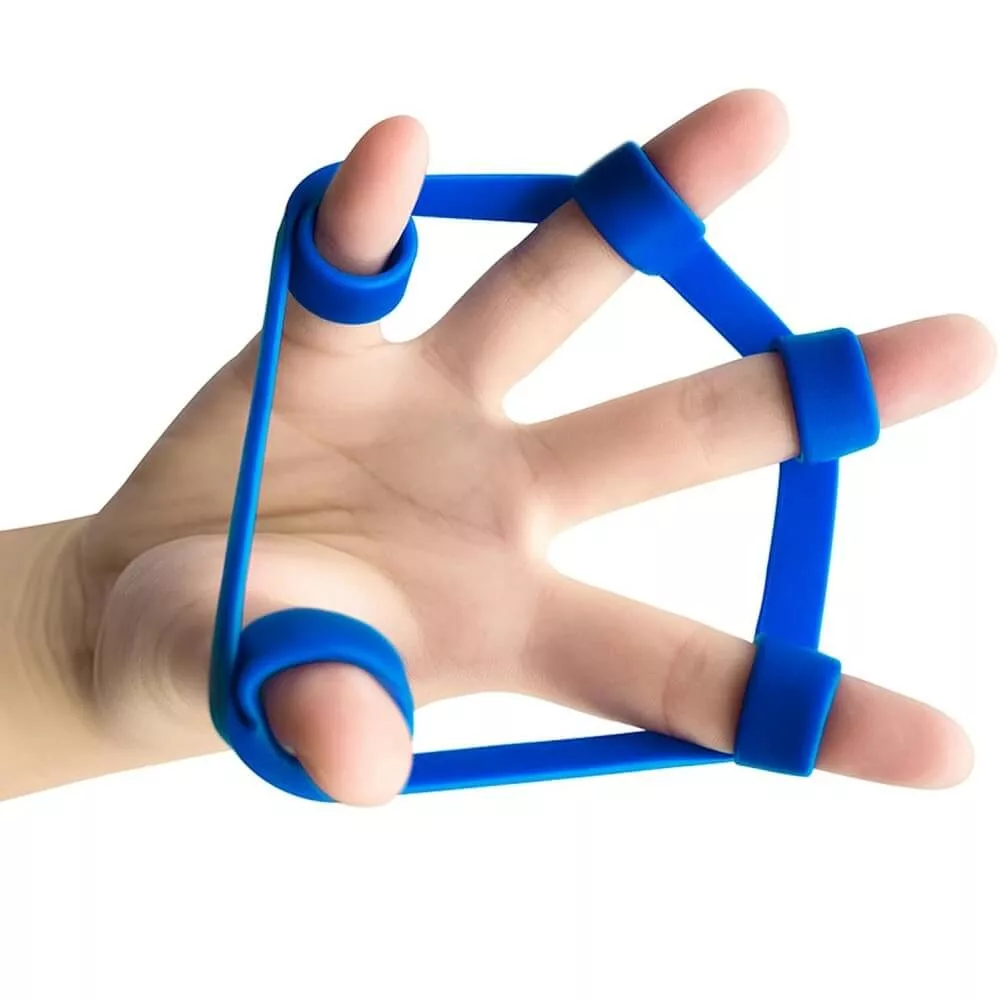
Finger Extensor Training: Prevent Hand Pain & Build Balance
There are loads of factors that can influence your grip strength, too. It’s not just about how much you work out. Your hand size, arm and hand muscle development, and even your age and gender play a role. Even stuff like hydration, sleep, and stress can affect how well you grip on any given day!
These variables highlight why recovery is so important; your body’s readiness directly impacts your ability to perform.
Recovery affects readiness, and recovery is where growth happens.
Understanding what makes grip strength tick can help tailor a fitness routine that works efficiently for you. This kind of specific knowledge ensures that you’re training smart and giving your body the time it needs to recover. Research shows that rest is as vital in the process as the actual workout. It’s not just about pushing hard in the gym; it’s also about taking the right steps to rest and recover, leading to better performance and endurance over time.
True progress happens during recovery, not just during training sessions. Balancing effort with proper rest is what drives long-term improvement.
Understanding Rest and Recovery in Grip Training
Rest and recovery might sound like just taking a break, but there’s a lot more to it, especially in the world of fitness. It’s about allowing your body and mind the time they need to repair and rebuild. When it comes to improving strength, particularly grip strength, recovery is a major player.
In grip training, especially, where tendons and smaller muscle groups are heavily involved, recovery becomes even more critical for long-term progress.
Recovery drives adaptation.
There’s a thin line between active recovery and just kicking back. Active recovery means engaging in low-intensity exercises that help muscles recover faster, like light jogging or yoga. On the flip side, passive rest is when you’re tuning out completely, like having a lazy day on the couch. Both are important, but serve different purposes in the grand scheme of recovery.
Knowing when to move and when to fully rest is what separates effective training from burnout.
Balance effort with recovery.
Getting the balance right between rest and activity aids in muscle recuperation and overall grip strength. Proper rest ensures that your muscles can repair themselves. It reduces the risk of fatigue setting in and allows your body’s energy stores to replenish. This translates into not just maintaining but enhancing your grip strength over time.
Without this balance, progress slows, and in many cases, completely stalls.
Recovery prevents regression. Incorporating these ideas into your routine is easier than you might think. Say, after a particularly challenging session focusing on hand strength, you could follow up the next day with a session of light stretching or an easy bike ride. This keeps your muscles moving without putting undue stress on them, allowing them to recover and grow stronger.
Small adjustments like this can significantly improve how your hands and forearms feel from session to session.
Train hard, recover smarter. Remember, it’s tempting to think that more workout time equals better results. But the truth is, without adequate rest and recovery, you’re setting yourself up for quicker fatigue and even potential injury. So rest isn’t just a luxury or an afterthought; it’s an essential part of your training routine.
More isn’t always better: better recovery is.
The Science Behind Muscle Recovery and Strength Growth
Muscle recovery might seem like a natural process, but there’s some serious biology at play. Every time you lift weights or engage in grip-intensive exercises, tiny tears form in your muscle fibers. It’s not as scary as it sounds: these microtears are necessary for muscle growth.
This process is the foundation of strength development: without it, muscles wouldn’t adapt or become stronger over time.
Break down to build up.

Modern Rice Bucket Gadget for Grip & Forearm Training?
So, how do muscles actually rebuild? It all comes down to protein synthesis, a biological process where your cells make proteins to repair and build new muscles. Your body needs amino acids, the building blocks of protein, to step into this regenerative role. That’s why many folks swear by protein shakes or meals rich in protein post-workout.
When your body has the right nutrients available, recovery becomes faster and more efficient, directly supporting grip strength gains.
Fuel recovery to grow stronger.
But here’s the kicker: pushing yourself too hard without enough rest can lead to overtraining. Overtraining not only stalls your gains but can also weaken your grip and overall muscle function. Overused muscles might become fatigued more easily or even lead to injury: something no one wants.
In grip training, this risk is even higher due to constant use of the hands in daily life, leaving less room for passive recovery.
Overuse leads to setbacks.
Aiming for balance is key. Incorporating short breaks within your workouts, like a day off or an easy day after a heavy lifting session, helps. Even simple actions like rotating between different muscle groups during workouts provide a specific area of your body time to bounce back.
Strategic rest isn’t downtime: it’s part of the training process itself. Recovery is programmed, not optional.
Understanding how your body recovers helps create more effective training programs that enhance grip strength while reducing the risk of strain. Keep your workouts challenging but leave room for your body’s natural recovery mechanisms to do their thing.
When you respect recovery, your strength becomes more sustainable and consistent over time. Train hard, recover right.
The Role of Sleep in Muscle Repair and Performance
Sleep plays a pivotal role in how well our bodies recover, especially after intense workouts. It’s not just about the hours you clock; the quality of sleep matters just as much. Without enough restful sleep, your muscles miss out on crucial repair time.
Sleep is where recovery is accelerated and optimized: cut it short, and progress slows down. Sleep fuels recovery.
Each stage of sleep, from light sleep to deep sleep, has its job. Deep sleep, in particular, is where a lot of the magic happens for muscle recovery. During this phase, blood flow to your muscles increases, and hormones like growth hormone are released, which spurs muscle growth and recovery.
- Deep sleep increases blood flow to muscles for repair
- Growth hormone release supports muscle rebuilding
- Nervous system recovery improves strength output
- Energy stores are replenished for future workouts
Deep sleep drives growth.
Poor sleep isn’t just tiring; it can seriously impact your body’s ability to recover and build strength, setting back your grip strength goals. That’s why it’s vital to aim for a solid sleep schedule, ensuring your body’s nighttime routine is just as effective as your gym routine.
Lack of sleep doesn’t just reduce energy: it limits your ability to get stronger. Recovery suffers without sleep.
Establishing a consistent sleep pattern can be a game-changer. Whether it’s turning off screens an hour before bed, keeping a cool bedroom environment, or using blackout curtains, these tweaks can help optimize your sleep quality.
Small improvements in sleep habits can lead to noticeable gains in recovery and performance.
Better sleep, better results. In short, a good night’s sleep is as important as any workout. It helps your muscles heal better, refuels your energy levels, and improves your grip strength over time. Treat sleep as a key part of your fitness regimen, and you’ll be setting up your body for better recovery and more gains.
Train hard during the day, recover fully at night.
Nutrition for Optimal Recovery and Grip Strength
What you eat has a huge say in how well your body recovers, impacting your grip strength directly. The right nutrients can make all the difference, giving your muscles what they need to bounce back.
Recovery doesn’t just happen in the gym: it happens on your plate.
Fuel determines recovery. Proteins are at the top of the list, as they’re essential for muscle repair. Incorporating lean proteins like chicken, fish, tofu, or legumes into your diet can support muscle recovery and growth. They’re the building blocks your body relies on post-exercise.
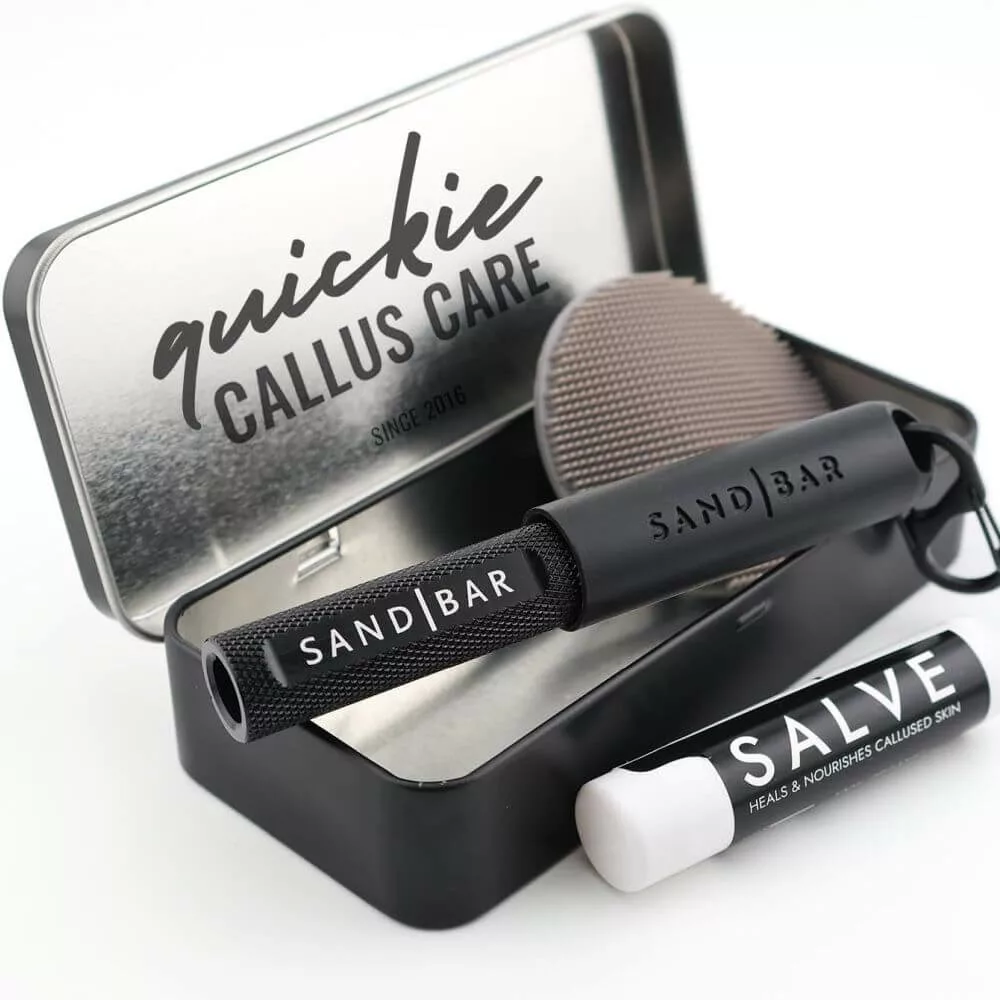
SandBar Callus Remover: Grip-Friendly Hand Care for Lifters

Razor Sharp Callus Shaver to Maintain Grip Health?

60% Urea Cream: An Aggressive Solution for Serious Skin Damage?
Without enough protein, your body simply can’t rebuild efficiently, limiting your progress over time.
Protein builds strength. But it’s not just about loading up on protein. Fats and carbohydrates play their parts too. Healthy fats, like those found in avocados and nuts, support energy and hormone production, while carbs help refuel your muscles, providing them with glycogen needed for your next workout.
A balanced intake ensures your body has both the fuel and the support systems needed for optimal recovery.
Balance fuels performance.
Don’t underestimate the power of staying hydrated. Water is crucial in transporting nutrients to cells and removing waste products. Muscles work better when well-hydrated, helping improve grip strength and overall performance.
Even mild dehydration can reduce strength output and endurance.
Hydration impacts strength. Supplements might offer extra help, especially if you’re struggling to meet your dietary needs through food alone. Creatine and BCAAs (branched-chain amino acids) are popular choices for enhancing recovery and promoting muscle growth. However, it’s wise to consult with a nutritionist or a doctor before adding them to your routine.
Used correctly, supplements can support recovery, but they should never replace a solid nutritional foundation.
Food first, supplements second. Consistency drives recovery.
Optimizing your diet isn’t about complex plans or expensive foods. It’s about balance and providing your body with what it needs to repair and strengthen, ultimately supporting better recovery and stronger grips. Simple, consistent nutrition habits lead to the best long-term results.
Active Recovery Techniques to Improve Grip Strength
Active recovery is a valuable tool for enhancing grip strength and maintaining overall fitness. It involves low-intensity activities that keep the blood flowing, help clear out lactic acid, and promote muscle repair without adding undue stress. Instead of doing nothing, you’re doing just enough to support recovery without slowing it down.
Movement supports recovery.
Activities like yoga or tai chi are fantastic for active recovery. They gently stretch your muscles and increase flexibility while keeping your body in motion. Even a relaxed walk or a leisurely bike ride can do wonders for muscle recovery while allowing your grip to rest without feeling stagnant.
These activities keep your body engaged while giving your grip muscles a much-needed break from heavy strain. Recover without stopping.
These recovery methods offer a contrast to complete rest, where the body is entirely at ease. Though passive rest has its benefits, staying mildly active can better sustain your fitness momentum. By engaging in these activities, you’re helping your muscles stay limber and strong. This balance helps prevent stiffness and keeps your body ready for your next training session.
Stay active, stay ready.
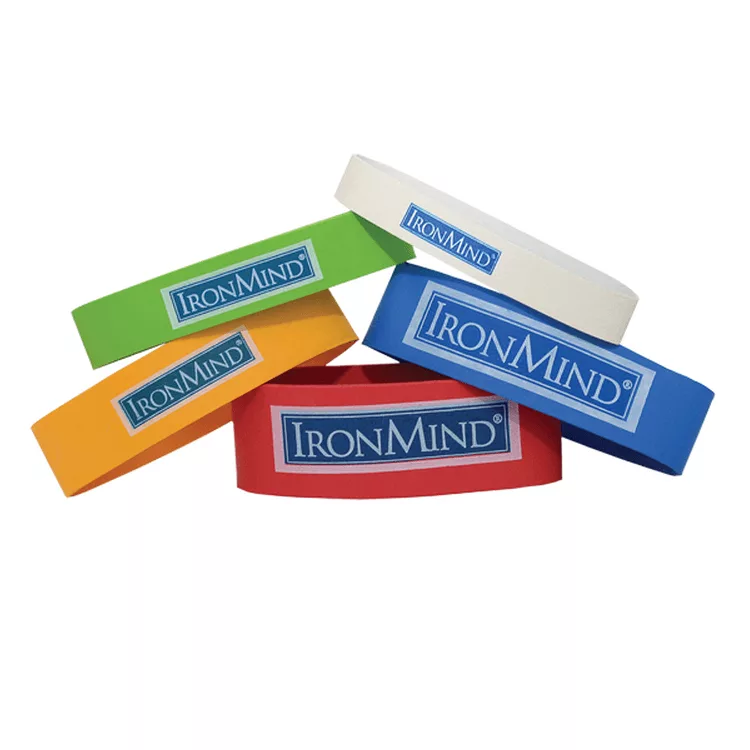
Why are Handbands Staple to Build Hand Muscle Balance?
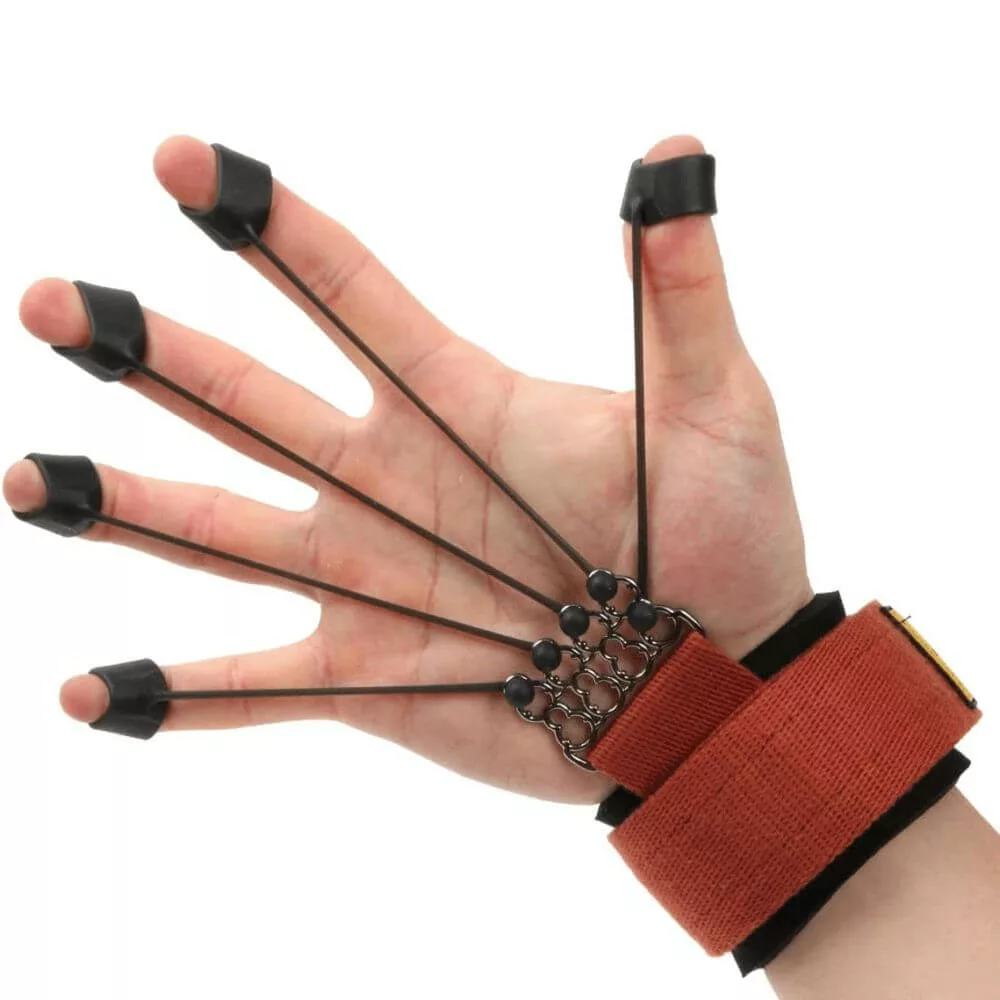
Fancy Finger Exerciser to Build Functional Grip Strength
Beyond physical benefits, active recovery can boost psychological well-being too. It provides a way to decompress and relieve stress, which indirectly aids in muscle recovery and boosts overall performance.
A relaxed mind supports a more efficient recovery process and better training consistency.
Relax to recover better. Recovery is part of the plan.
Incorporating active recovery into your routine requires planning. Schedule days where you engage in light activities instead of pushing heavy weights. It’s about listening to your body and understanding when to dial it back to allow recovery and growth.
Knowing when to ease off is what keeps progress moving forward long-term.
Preventing and Managing Overuse Injuries in Grip Training
Overuse injuries can sneak up on anyone, especially if you’re pushing hard to improve your grip strength. These injuries result from repetitive stress on muscles and tendons, often without giving them a chance to properly recover.
Grip training puts constant demand on small muscles and tendons, making proper recovery even more critical.
Overuse builds silently.
Common grip-related issues include tendonitis or strains in your hands, wrists, and even elbows. These can lead to pain and a decrease in strength, which is the last thing anyone wants when they’re aiming to improve.
- Tendonitis in fingers, wrists, or elbows from repetitive strain
- Reduced grip strength due to inflammation and fatigue
- Persistent soreness that limits training intensity
- Higher risk of long-term injury if ignored
Pain is a warning, not a challenge.
Preventing these kinds of injuries starts with listening to your body. If you’re feeling persistent soreness or pain, it’s time to ease off and allow your body to heal. Remember, pushing through pain is rarely productive and can lead to longer-term issues.
Recognizing early signs can save weeks or even months of recovery time. Listen early, recover faster.
Incorporating varied workouts can also help. Mixing in exercises that focus on different muscle groups relieves constant pressure on your grip. This gives those hard-working muscles time to rest while still maintaining overall fitness.
Variation reduces repetitive strain while keeping your progress on track.
Train smarter, not just harder. Pay attention to your technique, too. Proper form ensures even muscle engagement and reduces the strain on specific areas, cutting the risk of injury.
Good technique protects your progress and keeps training sustainable.
Form protects function. Make recovery a non-negotiable part of your routine. Schedule regular rest days and consider employing techniques like foam rolling or stretching to aid recovery. This proactive approach keeps your grip strong and injury-free in the long run.
Consistency in recovery is what allows consistency in training. Recover well, stay strong.
How to Incorporate Rest and Recovery Into Your Training Plan
Creating a balanced workout routine that respects the need for both activity and rest is crucial for making the most of your grip strength training. It’s all about finding that sweet spot where your body can work hard but also has time to recover and grow.
Progress doesn’t come from constant effort: it comes from well-timed effort and recovery.
Balance builds strength. Start by designing a training schedule that incorporates rest days as a crucial component: not just an afterthought. This means alternating between intense workout days and those specifically set aside for recovery or lighter activities.
Planning rest ahead of time ensures you don’t fall into the trap of overtraining without realizing it.
Plan recovery like training.
Pay close attention to how your body feels. Signs of insufficient recovery, like persistent fatigue, mood swings, or stalling progress, are indicators that more rest might be needed. Adjust your routine based on these cues to maintain steady progress without overstraining your muscles.
Your body gives feedback: listening to it is what keeps progress sustainable. Feedback guides progress.
Make rest periods an active part of your plan. For instance, if your goals emphasize grip strength, consider a cycle where, after two or three days of intensive grip training, a rest day follows, allowing those muscles time to recuperate fully.
Structured recovery cycles help prevent plateaus and keep your performance consistent.
Structure prevents burnout.
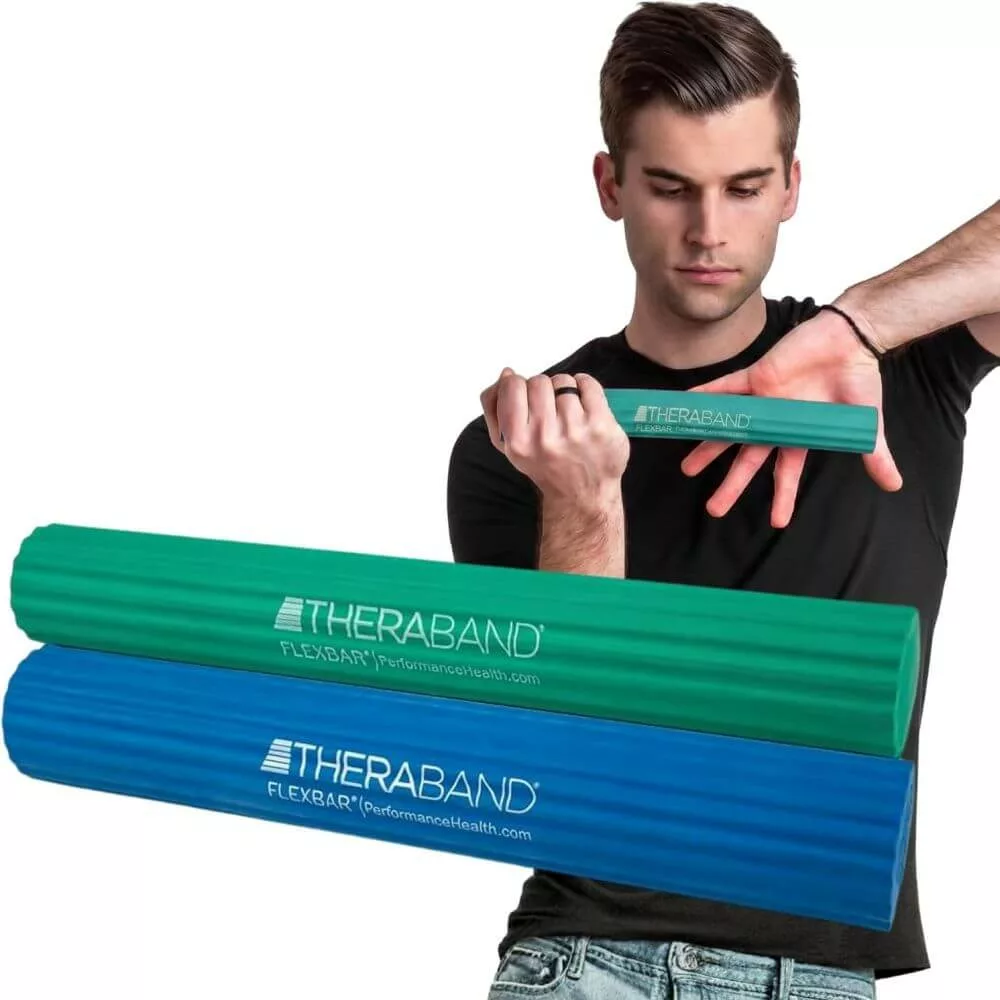
Resistance Bar: Simplest Tool to Rehab Injured Hands?
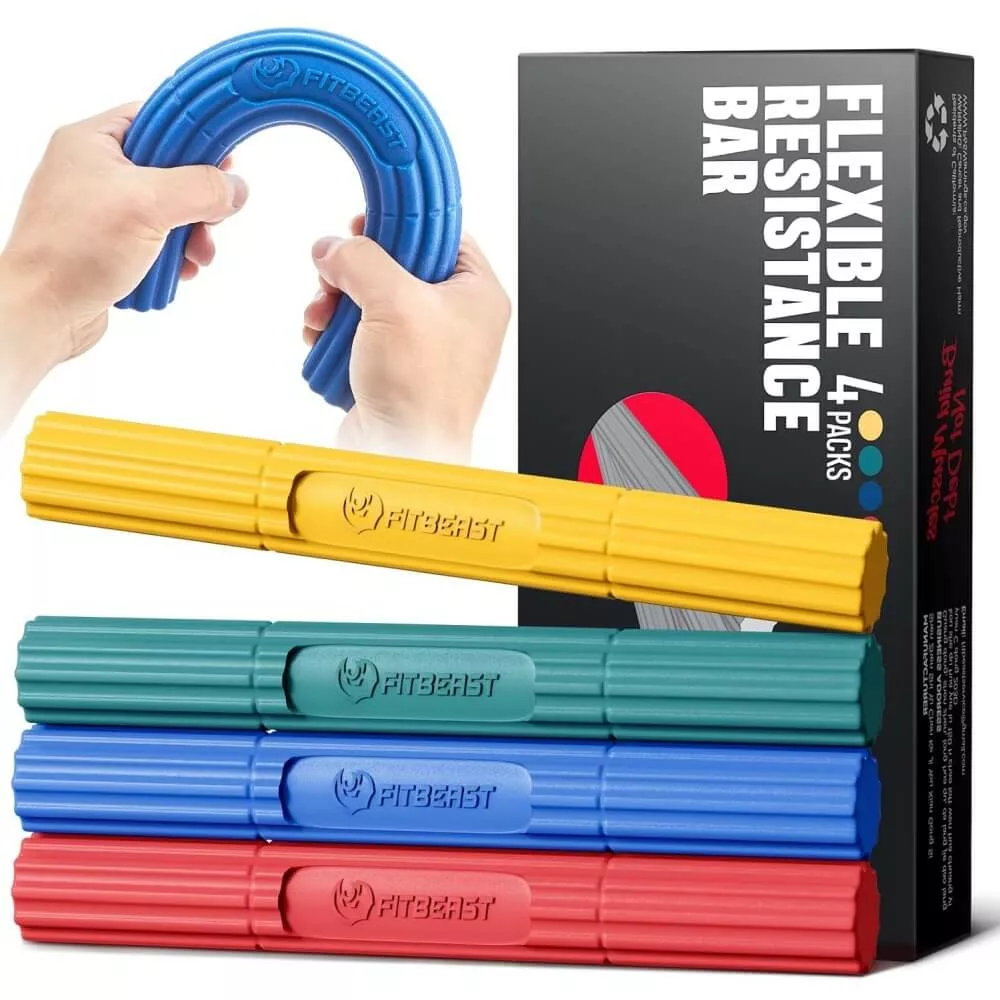
The Best Twist Bar for Hand, Wrist & Elbow Rehabilitation?
Everyone’s body responds differently to training and recovery. Customizing your schedule based on your specific fitness levels and goals is vital. Some might find a day of complete rest works best, while others might benefit more from an active recovery day with low-intensity activities.
There’s no one-size-fits-all; your optimal routine is the one your body responds to best.
Personalization drives results: Train hard, recover smart, repeat consistently.
Remember, the objective of including rest is to avoid the diminishing returns that come from overtraining, leading to a cycle of strength without burnout. This strategic balance promotes better grip strength and overall physical health.
Balancing Training and Recovery for Maximum Grip Strength
Achieving the perfect balance between training and recovery can be a game-changer for your grip strength. It’s not just about how many reps you do or how long you hold that weight: it’s also about respecting your body’s need to recuperate.
Strength isn’t built in effort alone; it’s built in recovery.
Recovery completes the work. Solid progress comes from a cycle of breaking down muscle fibers and then letting them rebuild stronger than before. This makes rest and recuperation as vital as the actual exercises you perform.
Without this rebuilding phase, your efforts don’t fully translate into strength gains.
Growth happens after training.
Prioritizing recovery doesn’t mean you take it easy forever. It means you’re giving your body the tools it needs to improve. Over time, this balance helps you lift more, hold longer, and feel better doing it.
Smart recovery allows you to train harder when it matters most.
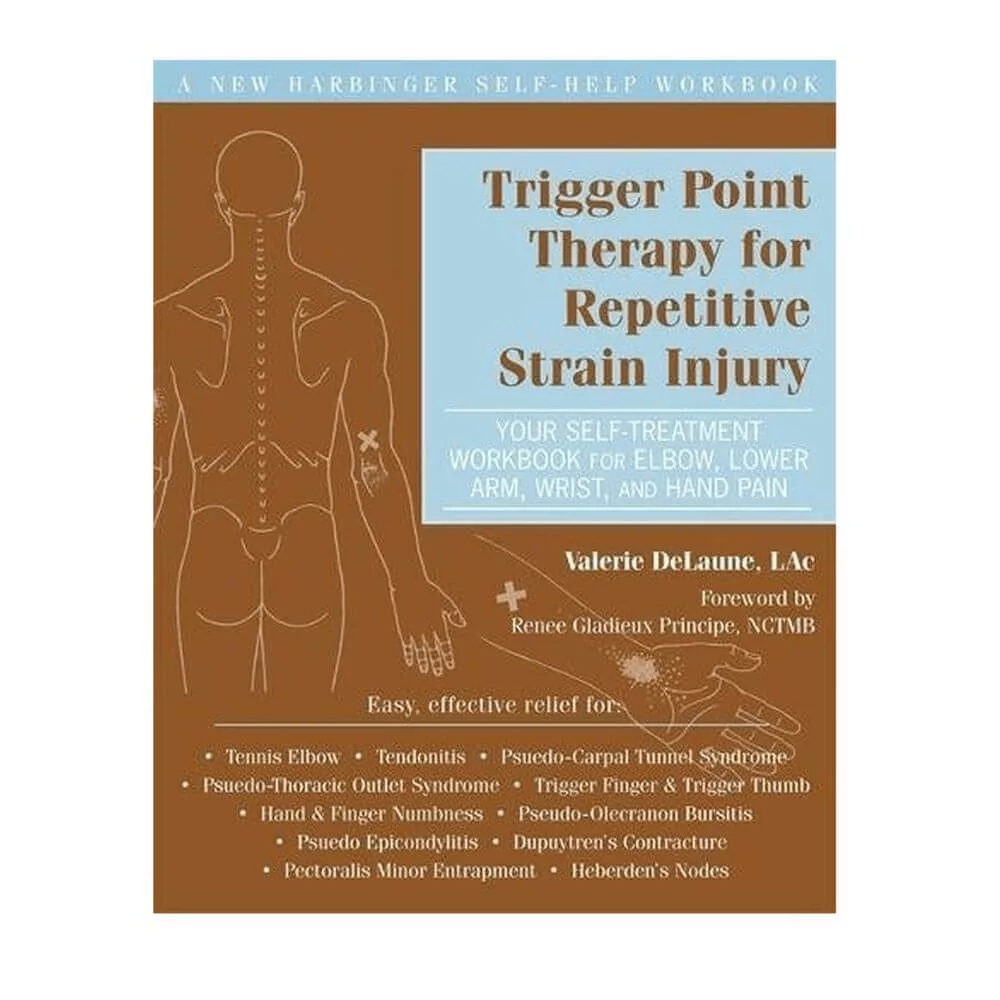
Identify & Manage Repetitive Strain Injury Symptoms Quickly
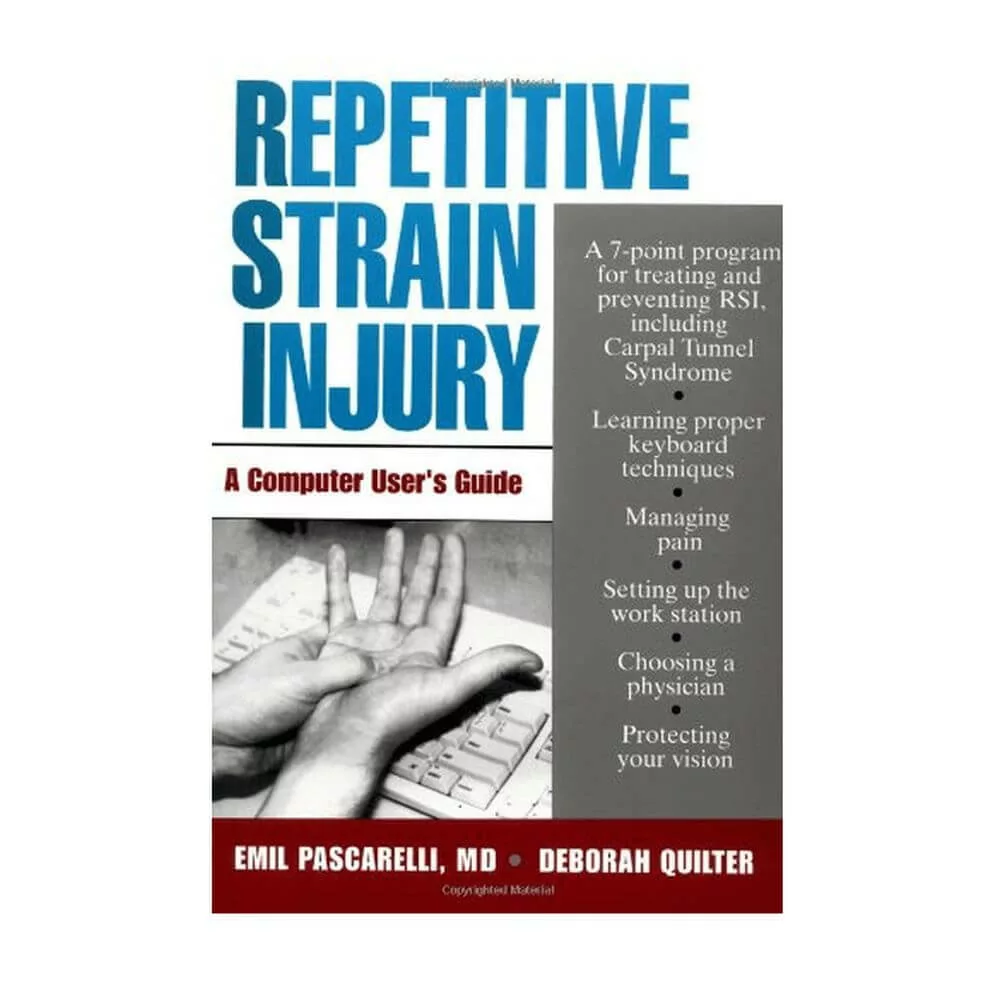
A Wealth of Information to Overcome Repetitive Strain Injury

Practical Methods to Treat Repetitive Strain Injury Effectively

Relieve Carpal Tunnel Syndrome and Avoid RSI Traps
Recover to perform. Whether it’s through strategic rest days, incorporating active recovery activities, or ensuring you get enough sleep, each piece plays a crucial role in developing your grip strength. Consistency across all these areas is what creates long-term, sustainable progress.
Consistency builds strength. Train with intention, recover with purpose.
Embrace this approach and watch as you enjoy not just gains in your grip, but also in your overall fitness and well-being. It really boils down to working smart and resting smart, setting you on the path to better results and fewer injuries.
Thanks for Stopping By!
What Methods Do You Prefer for Grip Rehab?
Share Your Experience Below!