(Last Updated on October 21, 2026 by Henry)
In sports where grip strength is king, fingers endure the brunt of the abuse, often pushed to their limits through repetitive strain and heavy loads. From rock climbing to powerlifting, these little joints work tirelessly, making them susceptible to injuries if not properly managed. This is where finger taping steps in as a vital player in performance and injury prevention.
The fingers are responsible for transmitting force during nearly every gripping task, yet they are supported by relatively small joints, tendons, and ligaments.
Repeated loading without adequate recovery can overwhelm these structures, especially in sports that demand sustained or maximal grip.
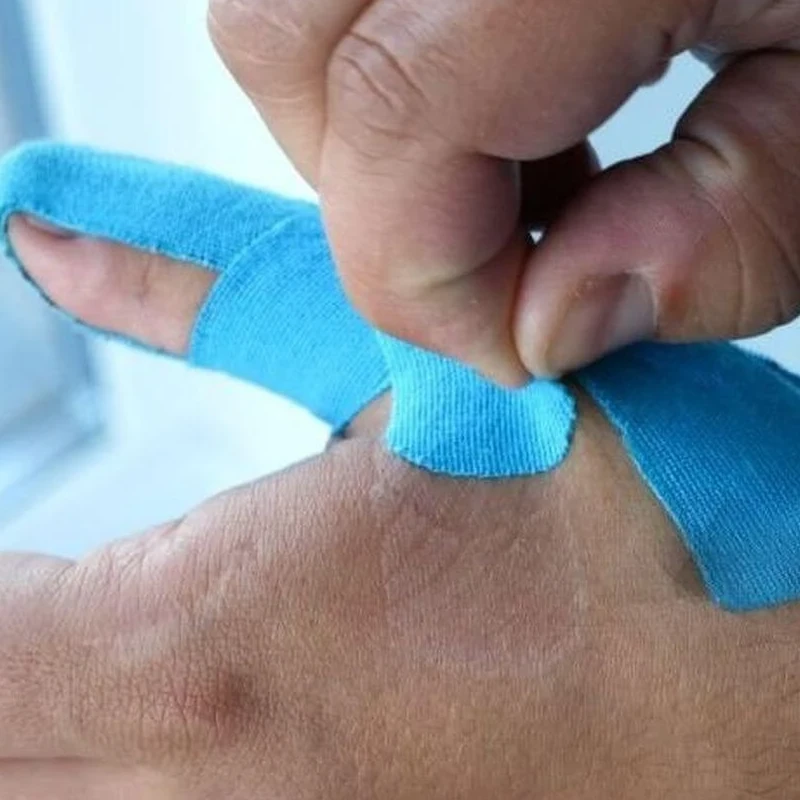
When finger tissues become irritated or fatigued, performance often declines long before a clear injury occurs, making early support strategies particularly valuable.
Taping isn’t just about wrapping a few pieces of tape around your fingers and calling it a day.
It’s about understanding when, how, and why to use tape.
It can be a lifesaver for athletes dealing with minor strains or who want to prevent them from happening in the first place.
There are different taping techniques for different needs: preventative to keep trouble at bay or injury-based to help manage an existing issue without giving up on training.
Effective finger taping requires matching the technique to the goal.
Preventative taping is often used during high-volume or high-intensity sessions to reduce excessive joint motion and tissue strain. Injury-focused taping, on the other hand, is typically applied to limit stress on a specific joint or tendon while still allowing enough movement to maintain grip mechanics and coordination.
By integrating strategic taping into your routine, you extend your training life significantly.
It can turn a potentially career-halting injury into just another day of training. Taping acts as a safeguard, allowing you to push boundaries safely but also sensibly. The goal isn’t to mask weaknesses, but to give your fingers the support they need to withstand stress while fostering a strong, resilient grip over time.

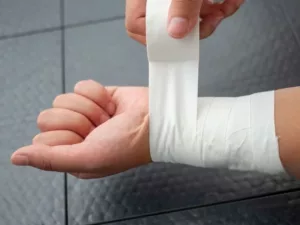
Latex-Free Pre-Wrap Tape for Grip & Wrist Training
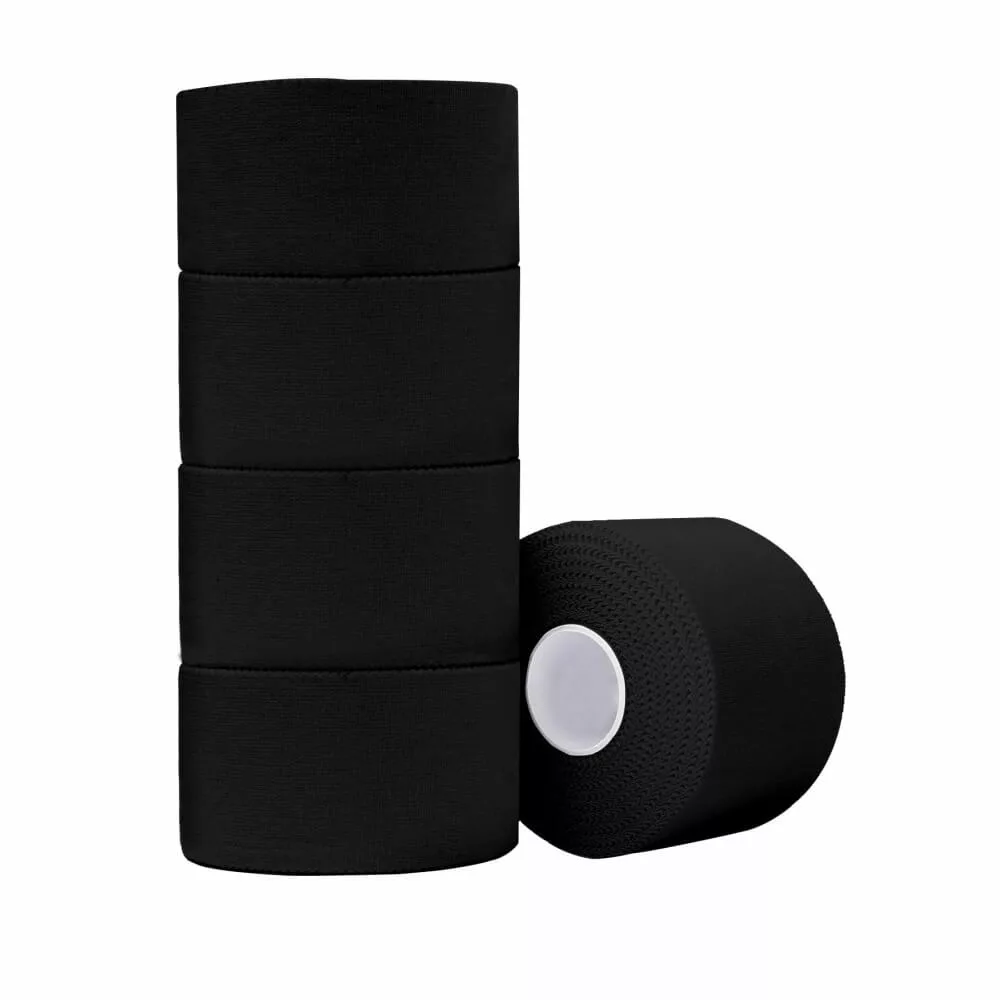
Simple & Practical: Number 1 Athletic Tape in the World?
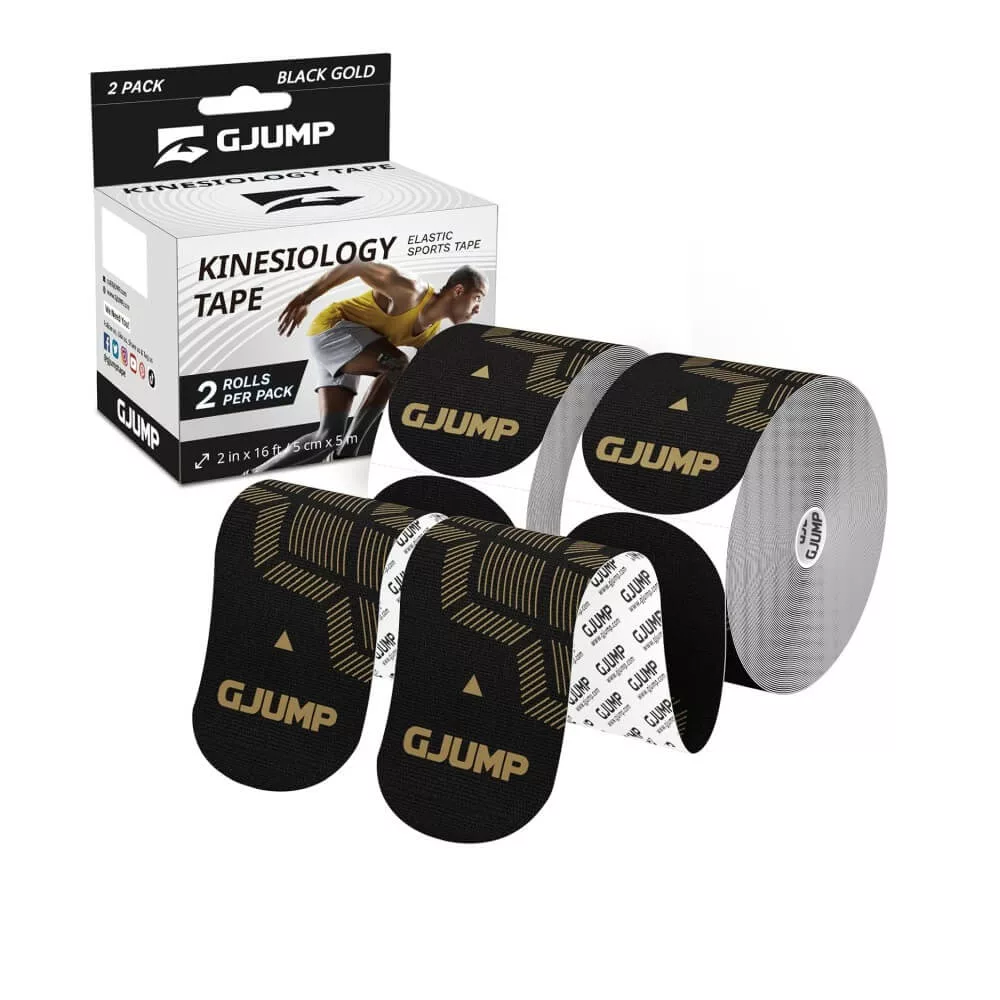
Precut Kinesiology Tape: No Measuring, Just Peel & Apply
When used appropriately, taping can reduce cumulative wear and tear without encouraging reckless overload. It works best alongside progressive training, adequate recovery, and targeted strengthening for the fingers and forearms.
Rather than replacing proper conditioning, finger taping complements it by helping manage stress exposure as grip demands increase over time.
Understanding Finger Anatomy Under Load
When you’re deeply involved in grip sports, having a basic grasp of finger anatomy can really make all the difference.
We’re talking about small but critical structures, like the three main joints known as the DIP (Distal Interphalangeal), PIP (Proximal Interphalangeal), and MCP (Metacarpophalangeal), that take a significant beating during heavy use.
Each of these joints contributes differently to grip mechanics. The DIP and PIP joints are heavily involved in finger flexion and precision control, while the MCP joint helps stabilize force transfer from the hand into the fingers. During high-load gripping, stress is distributed across all three joints, making them vulnerable when force exceeds tissue tolerance or when fatigue alters movement patterns.
Tendons and pulleys are the unsung heroes in this setup.
They work tirelessly to facilitate effective gripping and bear much of the pressure exerted during strenuous activities. They can weaken over time, particularly if misused or strained repeatedly without giving them enough time to recover.
Flexor tendons and their associated pulley systems guide finger movement and maintain efficient force transmission. When these structures are overloaded, microtrauma can accumulate, leading to irritation, reduced glide, or pain during gripping. Without adequate recovery or load management, this gradual breakdown increases the likelihood of more significant injury.
Finger injuries are common among athletes involved in grip-heavy pursuits.
The fingers are naturally small and composed of delicate bones and connective tissues, which can suffer from excessive load and repetitive movement. This is where informed taping can play a crucial role in mitigating these risks.
Informed taping can help limit excessive joint movement and reduce stress on overworked tissues without fully restricting function. By offering targeted support, taping may decrease peak strain during demanding activities, allowing the fingers to tolerate higher workloads with reduced injury risk.
Understanding how these parts function under load helps in making smart decisions about when and how to tape, ensuring you’re not just taping blindly, but with purpose. With this knowledge, you can support the natural biomechanics of your fingers, protecting them during high-stress situations and keeping you in the game longer.
Purpose-driven taping aligns with the goal of preserving normal finger mechanics.
When tape is applied with anatomical awareness, it can enhance stability while still allowing the fingers to move through functional ranges, supporting performance and long-term hand health.
Types of Finger Taping Techniques
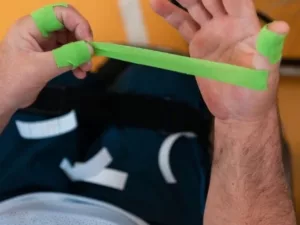
The variety of finger taping techniques offers specific benefits tailored to support and protect. The “ring” and “spiral” methods, for instance, are perfect when you need sturdy joint support. Such techniques help maintain stability while allowing natural movement, which can be crucial during high-intensity sessions.
Ring and spiral taping are commonly used to limit excessive joint motion without fully immobilizing the finger.
By reinforcing joint alignment, these techniques can help reduce lateral stress and uncontrolled movement that often occur during heavy gripping or dynamic hand positions. This balance between support and mobility is particularly useful in sports that demand both strength and dexterity.
Pulley taping focuses on climbers or those relying heavily on open-hand grips.
This technique fixes the tape in a way to support tendons and pulleys, easing strain when you’re scaling a wall or holding your weight on rugged surfaces. It helps distribute the load more effectively across your fingers, reducing wear and tear.
Pulley systems are under constant tension during open-hand gripping, making them vulnerable to overuse and strain. Taping can help reinforce these structures by sharing some of the load during high-stress moments. While it does not replace proper conditioning, pulley taping may reduce peak stress during demanding holds and prolonged sessions.
Skin protection taping becomes a lifesaver if you’re dealing with calluses and blisters.
This form of taping is designed to create a protective barrier between your skin and the harsh elements it interacts with, minimizing irritation and enhancing comfort during intense activities.
Skin damage can quickly limit training volume by making gripping painful, even when deeper tissues are capable of more work.
Protective taping helps preserve skin integrity, allowing athletes to maintain consistency while avoiding secondary issues like infection or compensatory grip patterns caused by pain.
Choosing the right tape width and material can also make or break your taping success.
Athletic tapes come in varying widths and are made from different materials, each offering unique levels of support and flexibility. It’s essential to understand when a thick versus thin tape comes into play and how the tape’s material can affect your grip and comfort.
Wider tapes typically offer more structural support, while narrower tapes allow for greater precision and flexibility.
Material choice also matters, as stiffer tapes provide stronger reinforcement but may reduce tactile feedback, whereas more flexible options preserve feel at the expense of rigidity. Matching tape characteristics to the task at hand helps optimize both protection and performance.
How Finger Taping Can Protect Grip Strength
Finger taping can be a game-changer when it comes to preserving your grip strength. It acts like a buffer, reducing joint stress that comes from holding onto heavy loads or performing repetitive tasks. By minimizing the wear on your joints, you have a better chance of avoiding unnecessary downtime from injuries.
Reducing joint stress is especially important in grip-heavy sports where cumulative load builds quickly. Even small reductions in peak strain can make a meaningful difference over time, helping preserve joint health and maintain consistent training volume without frequent flare-ups.
When you’re dealing with minor irritations, taping allows you to keep training rather than sitting it out. It’s a reliable way to push through discomfort while still keeping your focus on the task at hand. Imagine having the security to continue with your routine, knowing you’re reducing further damage.
Being able to continue training at a controlled level helps maintain neuromuscular coordination and grip endurance. Complete rest is not always practical or beneficial, particularly for low-grade issues. Taping can help manage symptoms while allowing light to moderate workloads that support ongoing adaptation.
Confidence and accuracy in grip are crucial, especially under pressure.
Proper taping can boost both by providing a sense of security and stability. It supports your fingers, letting you hold onto your equipment firmly, so your grip doesn’t falter when it matters most.
Perceived stability plays a significant role in performance. When the fingers feel supported, athletes are less likely to hesitate or alter their grip mid-movement. This can improve consistency and precision, particularly during complex or high-stakes actions that demand full trust in hand placement.
And if you’re worried about small issues like tears or skin damage, taping serves as a preventive measure. It shields the skin from the usual hazards, ensuring small setbacks don’t turn into major issues. Keeping these disruptions at bay means a smoother path for your training progression.
Preventing skin breakdown helps avoid compensatory grip patterns that often arise when pain is present. By maintaining skin integrity, taping supports uninterrupted training and allows focus to remain on technique and progression rather than managing avoidable discomfort.
When Finger Taping Hurts Grip Performance
While finger taping can be beneficial, there’s a risk of reducing your performance if done improperly. One common mistake is wrapping the tape too tightly, which can limit finger flexion and hinder your natural range of motion. Instead of aiding your grip, this can actually impede it, making it harder to hold onto your equipment effectively.
Excessive compression can restrict blood flow and alter normal joint mechanics. When finger movement is constrained, force production often drops because the hand cannot assume optimal gripping positions. Proper taping should feel supportive but not restrictive, allowing full, pain-free motion through the finger joints.
Over-reliance on taping may also lead to a loss of tactile feedback.
When your fingers are bundled up, they struggle to pick up subtle sensations and textures, crucial for adjusting grip pressure and preventing slips.
Tactile feedback is essential for fine motor control and load modulation. Reduced sensation can cause overgripping or delayed adjustments, increasing fatigue and strain. This is particularly relevant in sports that demand precise finger placement, where sensation plays a key role in maintaining control.
Another issue can arise when the tape becomes slippery or starts to bunch up, especially under load. This can turn into a significant distraction and even a hazard during intense activities, so ensuring the tape is applied correctly and securely is essential.
Poorly applied tape may shift during movement, creating uneven pressure or interfering with grip surfaces. This not only disrupts performance but can also increase injury risk if attention is diverted mid-task. Proper preparation, including clean skin and appropriate tension, helps maintain tape integrity throughout training.
Lastly, it’s important not to use taping as a crutch or substitute for proper grip conditioning.
Building finger strength and endurance should be the primary focus of your training, with taping playing a supporting role. It’s not about avoiding the hard work but rather ensuring safety and effectiveness while doing it.
Finger taping is most effective when paired with structured strength and endurance work. Progressive loading of the fingers encourages tissue adaptation and resilience, while taping helps manage stress during demanding sessions. This balanced approach supports both performance and long-term hand health.
Sport-Specific Finger Taping Applications
Finger taping varies significantly across different sports, each requiring a tailored approach to maximize performance and protection. In weightlifting and powerlifting, athletes often tape fingers to handle enormous loads, providing joint support while enhancing grip stability during heavy lifts.
Heavy barbell work places substantial compressive and shear forces on the finger joints, especially during high-repetition or maximal-effort sets. Taping in these sports often focuses on reinforcing joint alignment and reducing excessive movement that can occur as fatigue sets in, helping maintain a consistent grip under load.
Rock climbing and bouldering demand exceptional finger strength and flexibility. Taping here often emphasizes pulley and joint support, helping to mitigate the strain on tendons and pulleys when holding onto tiny holds or while navigating prolonged climbs. The tape offers a balance, enabling climbers to maintain grip without excessive strain.
Climbing places sustained tension on finger flexor tendons and pulleys, particularly during open-hand and crimp grips. Strategic taping may help manage peak stress during intense sessions or long routes, supporting tissue tolerance while preserving the flexibility needed for precise finger placement.
Strongman competitions and thick-handle events have their own set of challenges. The focus here is on maintaining grip strength against awkwardly shaped objects. Taping can play a role in ensuring the fingers don’t give out under the unique stresses these events present.
Irregular implements increase torque and uneven loading across the fingers. Taping can provide additional joint support and reduce discomfort during prolonged holds, helping athletes maintain grip integrity when objects resist natural hand positioning.
Combat sports such as grappling introduce another dimension where finger taping is key. It prevents fingers from painful twisting and hyperextension while you’re locking grips or making holds. Taping can serve as a preventive measure against injuries in these high-contact scenarios, giving fighters the confidence to engage more freely.
In grappling-based sports, sudden directional changes and opponent resistance place unpredictable forces on the fingers. Preventive taping can limit extreme joint ranges and reduce injury risk while still allowing sufficient dexterity to secure and maintain holds.
Step-by-Step Finger Taping Guidelines
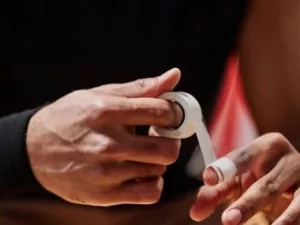
Knowing how to tape your fingers correctly is as important as knowing when to use it. It’s crucial to find the right balance in tightness. Tape should be snug, offering support without cutting off circulation. Too tight, and you risk causing numbness or reducing mobility. A good rule of thumb is that if your fingertips turn purple, the tape’s too tight.
Proper tension allows the tape to support joints while still permitting natural movement and blood flow. Excessive compression can quickly turn supportive taping into a liability, increasing discomfort and reducing performance. Regularly checking finger color, temperature, and sensation during use helps ensure the tape remains within a safe and effective range.
Deciding when to tape single fingers or multiple joints can depend on the activity and the specific area of vulnerability.
Taping individual joints can offer flexibility, whereas combining fingers might provide more overall support during heavy lifts or sustained activities.
Single-finger taping is often useful for isolated joint issues or minor irritations, while multi-finger taping can help distribute load across a wider area. Choosing the right approach depends on grip demands, movement complexity, and whether precision or maximal support is the priority during the activity.
How long you keep the tape on during your sessions also matters.
Aim to remove tape shortly after completing a workout to allow your skin and joints to breathe. This practice helps prevent irritation and ensures your fingers maintain natural flexibility and strength.
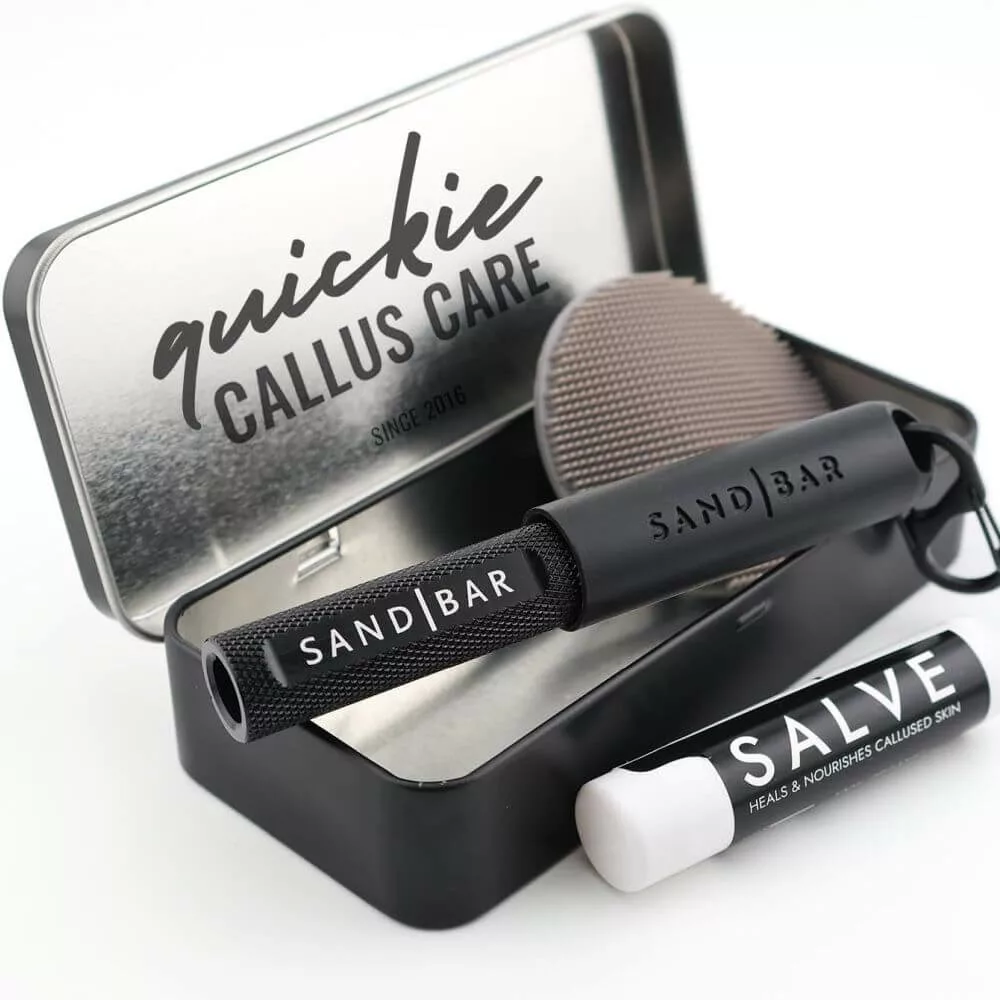
SandBar Callus Remover: Grip-Friendly Hand Care for Lifters

Razor Sharp Callus Shaver to Maintain Grip Health?

60% Urea Cream: An Aggressive Solution for Serious Skin Damage?
Prolonged taping outside of training can reduce sensory input and increase the likelihood of skin breakdown. Allowing periods without tape supports normal movement patterns and helps the fingers maintain adaptive capacity between sessions.
After your session, remove the tape carefully to avoid damaging the skin.
Start at one end and slowly peel it off, ensuring you don’t rip or tear any underlying tissue. If the tape is particularly stubborn, wetting it slightly can help ease its removal safely. This method maintains skin health and prepares you for your next workout.
Gentle removal reduces the risk of skin irritation and microtears, which can accumulate over time. Maintaining healthy skin ensures that taping remains an effective option for future sessions rather than becoming a limiting factor.
Finger Taping vs Other Grip Aids
Finger taping often gets lumped together with other grip aids, but its purpose and function are fundamentally different.
While tools like chalk, gloves, and straps all play roles in grip-intensive sports, finger tape stands out as a support and protection tool, not a performance shortcut. Understanding these differences helps ensure each aid is used intentionally rather than interchangeably.
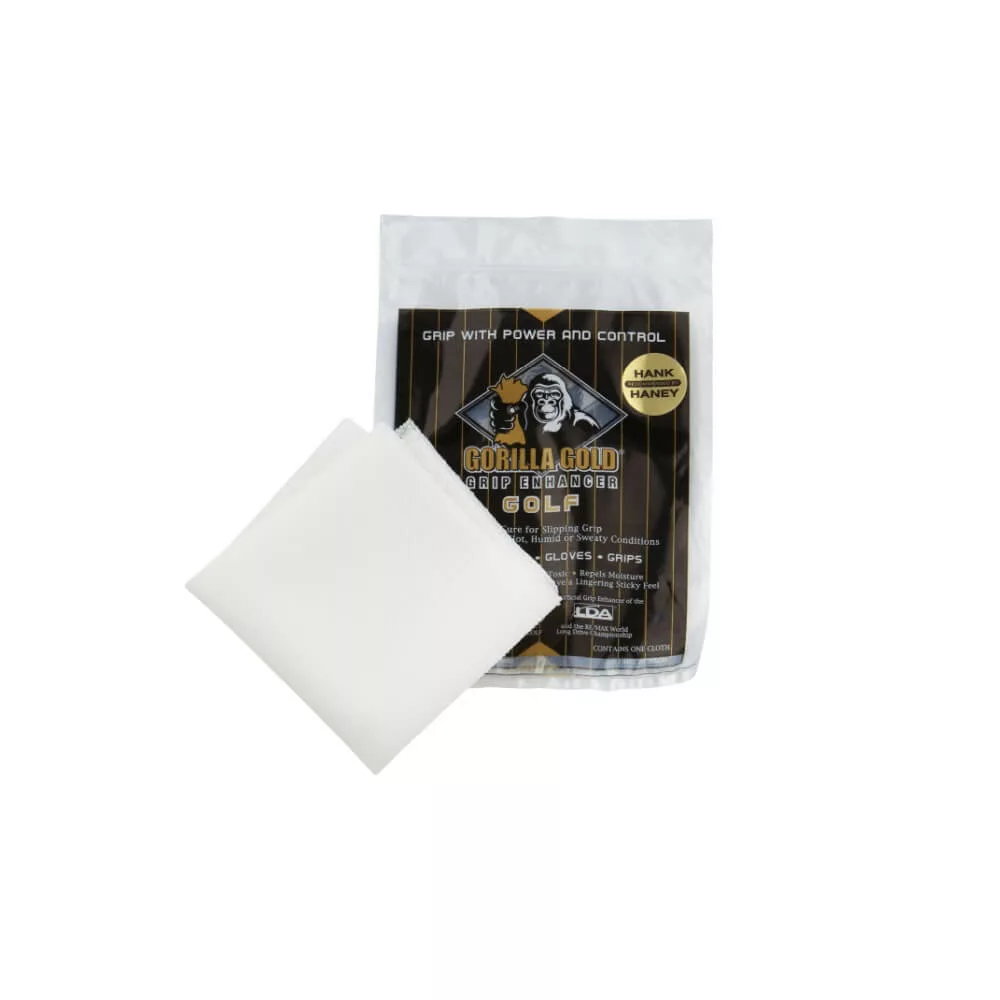
Grip Enhancing, Resin Towels: Easy To Apply In A Blink
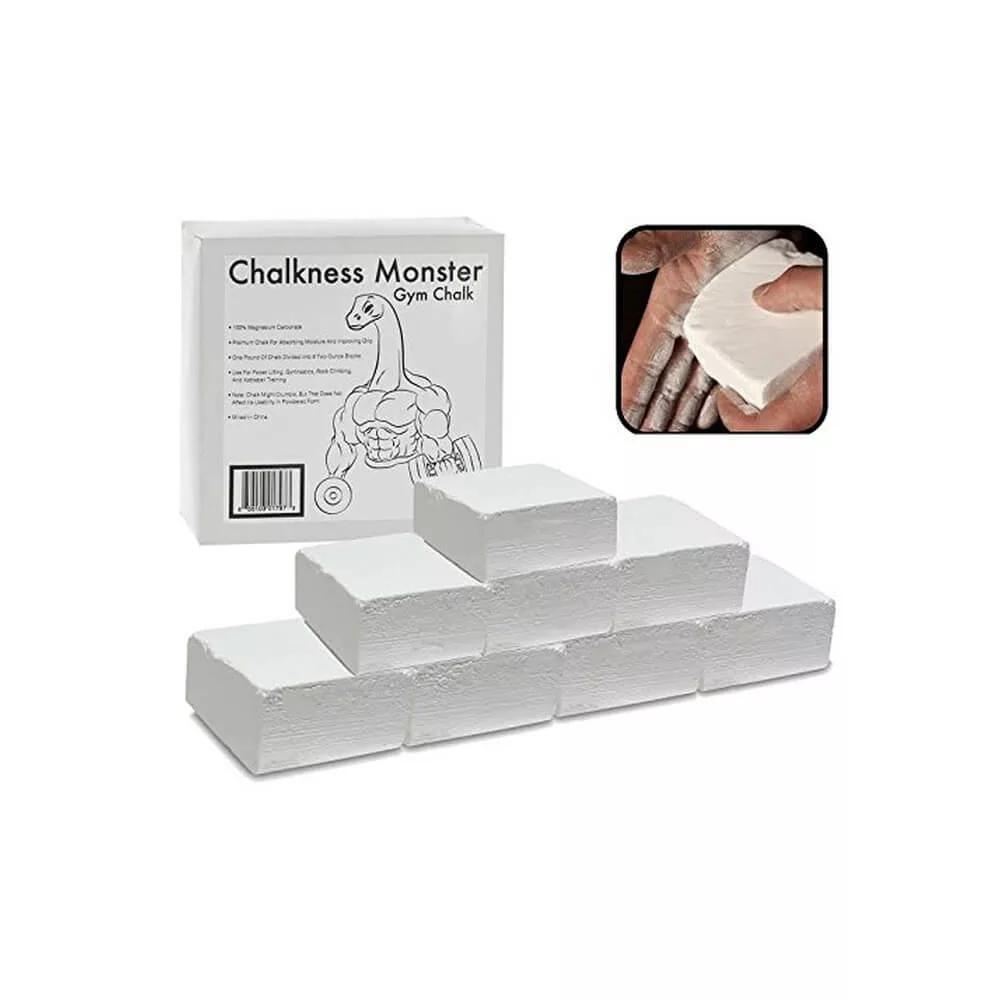
Budget Gym Chalk, Inexpensive and Quick to Crumble
When comparing finger taping to chalk, the distinction is clear. Chalk primarily enhances friction by absorbing moisture, allowing for a more secure hold on bars, rocks, or handles.
Finger tape, on the other hand, does not significantly improve friction and can sometimes slightly reduce surface feel. Its value lies in joint support and skin preservation rather than grip enhancement.
Chalk improves how you hold; tape helps protect what is doing the holding.
Tape versus gloves presents another contrast. Gloves offer broad skin protection, shielding the hands from abrasions, calluses, and environmental factors.
However, they often reduce tactile feedback and can interfere with precise grip control.
Finger taping provides targeted protection exactly where it’s needed, over vulnerable joints, pulleys, or damaged skin, without fully insulating the hand. This makes tape a more precise option when maintaining direct contact and sensory feedback is essential.
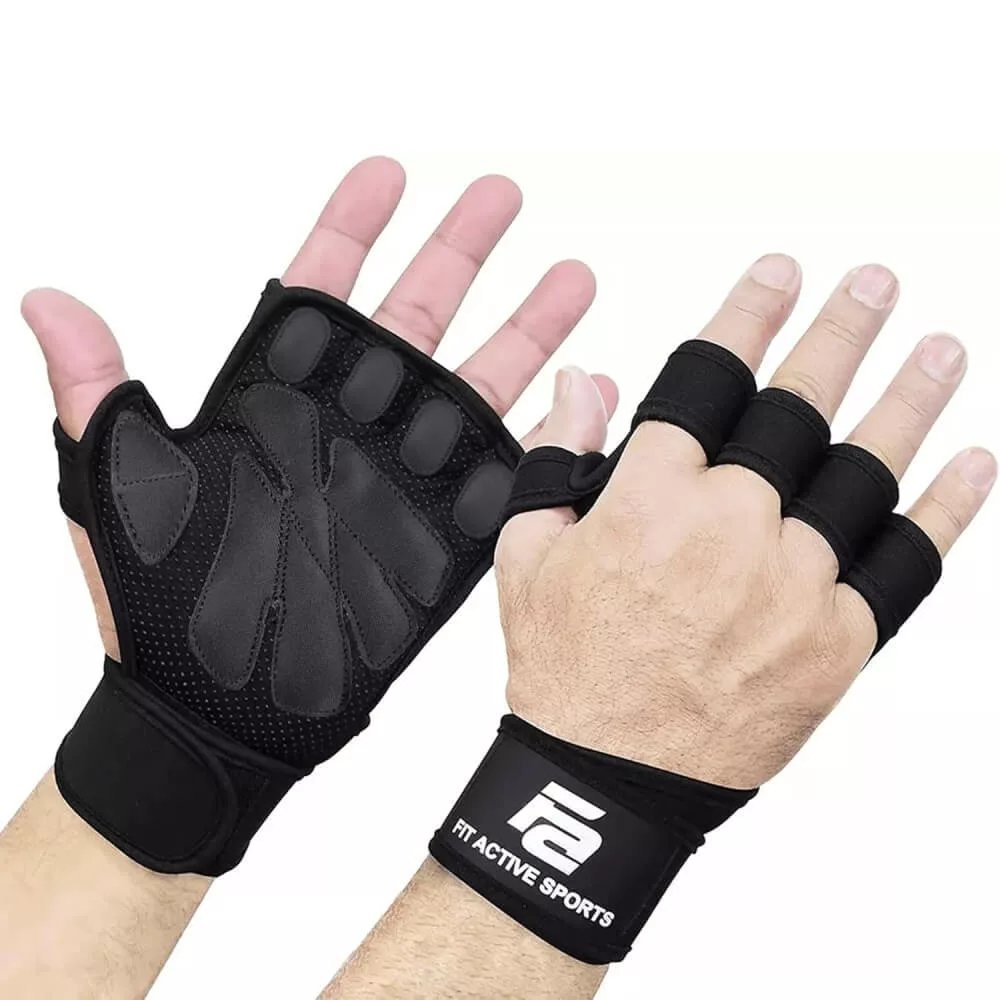
Ventilated Fitness Gloves: No More Heavily Sweating Hands?

Breathable Wristwrap Gloves with Durable Leather Palm
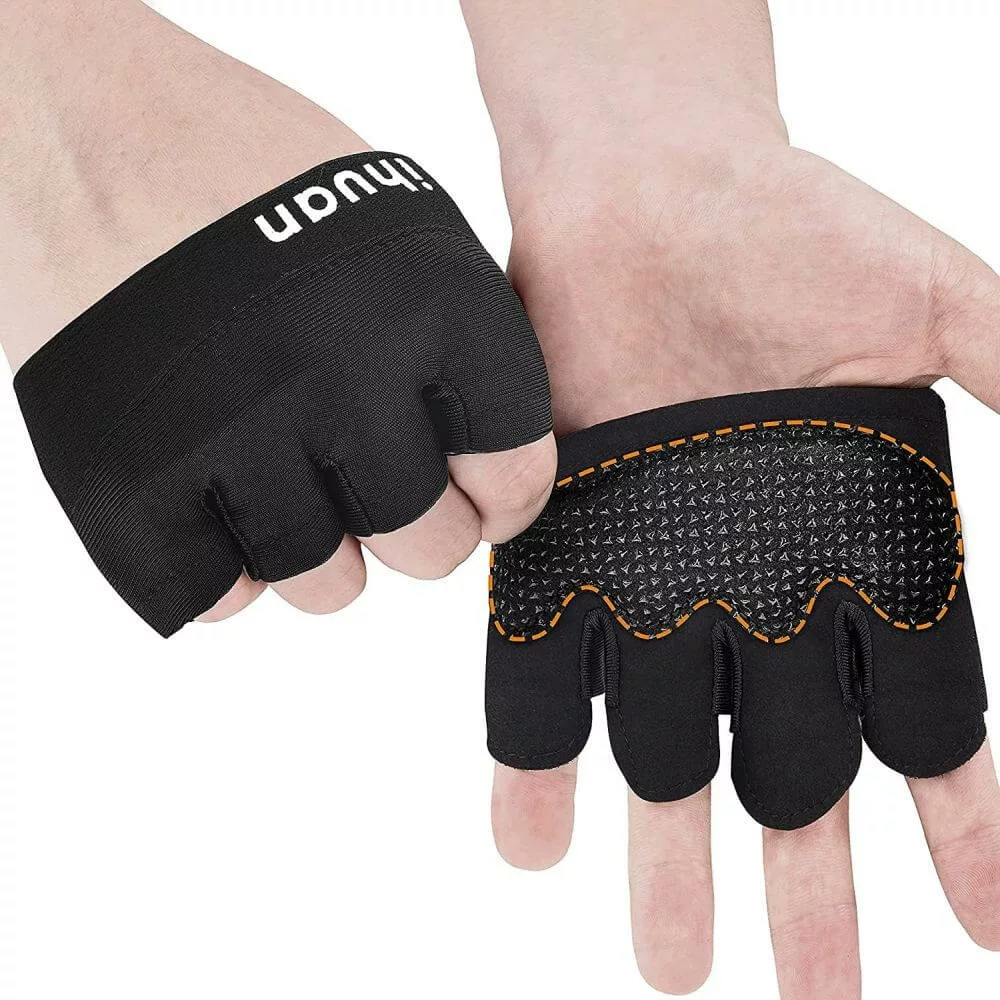
Minimal Grip Protection with Partial Fitness Gloves?
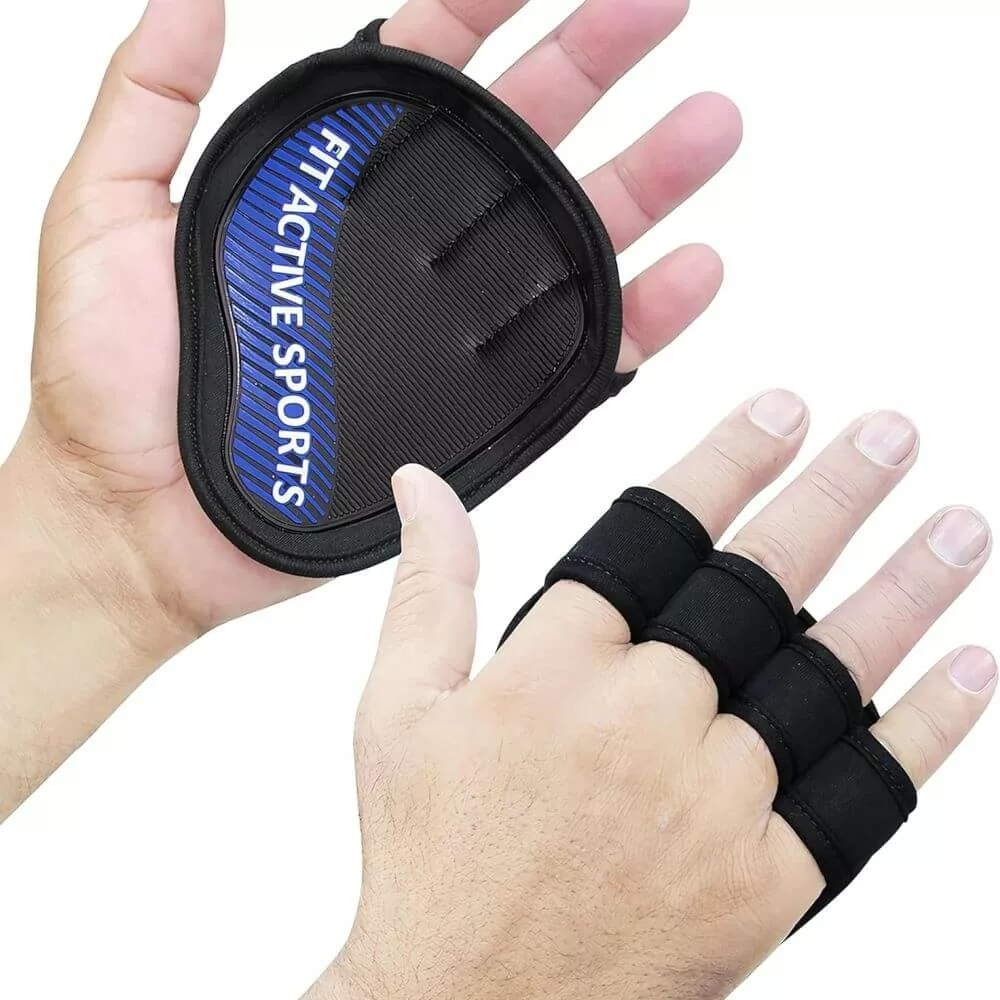
Simple Grip Pads, are They Worth it for Regular Workouts?
Straps introduce a different conversation altogether.
Unlike tape, straps actively assist with load management by offloading grip demands entirely.
While they can be useful for specific training goals, straps reduce finger and hand involvement, which can slow grip development if overused. Finger taping does not replace grip strength; it simply supports the structures responsible for producing it.
This makes taping compatible with long-term grip progression rather than a substitute for it.
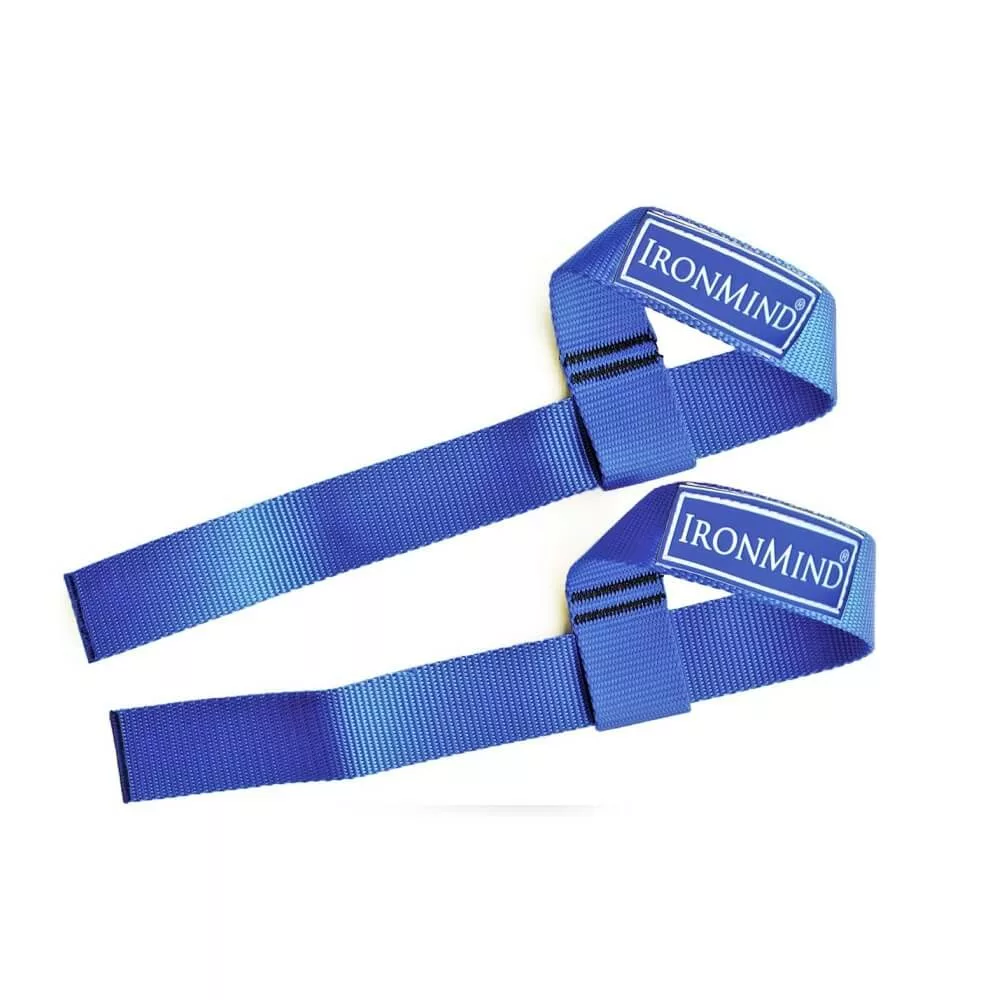
Fantastic General-Purpose Lifting Straps with Proven Results
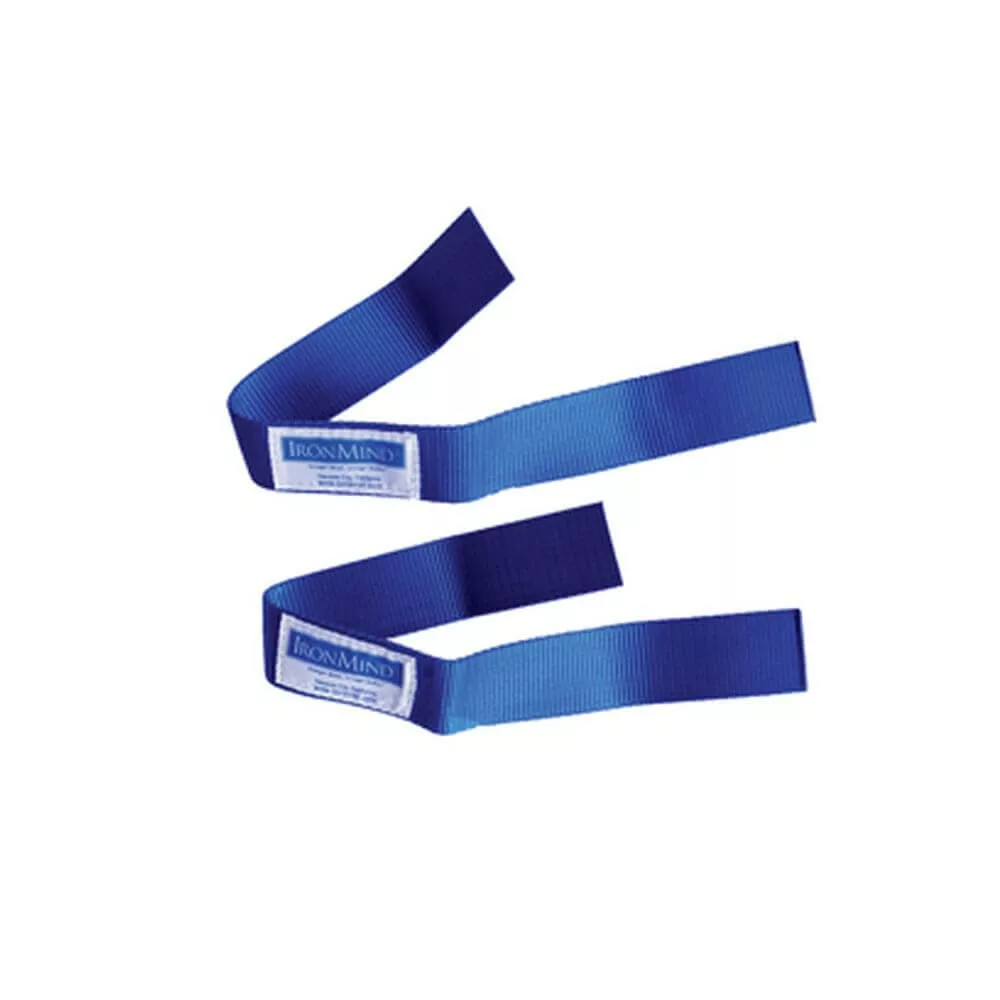
Olympic-Style Lifting Straps: Hard to Use, Epic for Bail Out

The Easiest Lifting Straps To Use: Perfect for Casual Training
Ultimately, finger tape works best as a minimal, purposeful tool.
It’s not meant to compensate for a weak grip, bypass discomfort entirely, or artificially boost performance. Instead, it serves as a protective measure that allows consistent training while respecting the limits of delicate finger structures.
Used thoughtfully, tape complements grip development rather than competing with it, making it a valuable, but restrained, part of any serious grip athlete’s toolkit.
Conclusion: Smart Finger Taping Builds Resilient Hands
Finger taping works best when it’s used with intention rather than habit.
When applied selectively, during high-risk sessions, heavy loading, or while managing minor irritation, it serves as a smart safeguard instead of a dependency.
The goal is never to tape everything “just in case,” but to recognize when your fingers genuinely need support and respond accordingly.
True grip resilience is built over time through consistent loading, proper recovery, and progressive training. Taping doesn’t replace this process, nor should it. Instead, it helps you stay in the game long enough for adaptation to occur. Strong fingers come from tissue strengthening, coordination, and repeated exposure to stress, not from permanently reinforced joints.
It’s also important to view taping as feedback.
If you find yourself needing tape constantly on the same joints or fingers, that’s a signal worth paying attention to. Weak links, mobility limitations, or poor load tolerance should be addressed directly through targeted grip work, not hidden under layers of tape. Smart athletes use taping to protect progress, not to avoid the work required to make it.
When positioned correctly, finger taping becomes one piece of a larger grip strategy.
Combined with intelligent programming, recovery, and technique, it allows you to train harder and longer without compromising hand health.
Used this way, taping isn’t a crutch; it’s a practical tool that supports long-term strength, durability, and confidence in every grip-demanding pursuit.
Thanks for Stopping By!
How Do You Tape Your Fingers for Grip Training?
Share Your Experience Below!