
Who Am I
Welcome to Improve Your Grip
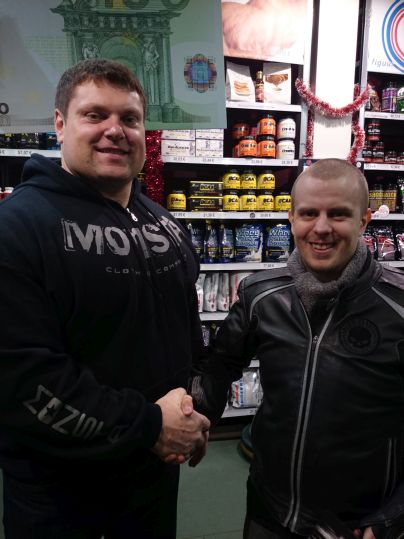
Hello! I’m Henry. It’s great to have you here.
I created Improve Your Grip to share my passion for grip strength, hand training, functional strength, and the many ways our hands and forearms contribute to what we do every day.
Whether you’re interested in building strength, improving performance, supporting your recovery, preventing avoidable problems, or simply finding more enjoyable ways to train, my goal is to give you useful information and practical ideas you can actually put to work.
I want this to be a place where you can learn, experiment, and find your own direction; regardless of whether you’re completely new to grip training or already have years of experience.
I’m also interested in the bigger picture. Strength isn’t just about how much you can lift. Mental toughness, consistency, resilience, mobility, recovery, and having a body that can reliably do what you ask of it all matter.
And the hands are an important part of that equation.
I’d love to hear from you, too. The questions you ask and the experiences you share can help shape future articles and may even provide useful insights for someone else who comes across them later.
I’d also like to be upfront about how Improve Your Grip works.
Much of what you’ll find here is presented in an easy-to-follow, review-style format. I spend a lot of time researching products, training methods, and related topics, then organize the useful information so you don’t have to chase it down yourself.
In other words, I do the legwork.
My long-term goal is simple: to make Improve Your Grip a reliable place where you can quickly find useful training information, discover interesting equipment, and explore different directions for becoming stronger and more capable.
A Little Bit About Me
So, what am I doing right now? There’s a good chance I’m playing around with another grip-training tool. Hand grippers are still hard to resist; they’re simple, effective, and just plain fun.
I’m fascinated by strength sports, particularly the strongman scene, and that has strongly influenced the way I think about training. As a fitness enthusiast, I tend to value functional strength above the idea of simply looking strong. Being able to actually use your strength to lift, carry, hold, control, and perform has always been more interesting to me than chasing an idealized physique.
Of course, there’s nothing wrong with looking good while being strong. The two can absolutely go together.
But athleticism is about more than muscle. Mental toughness, resilience, and the ability to keep working when things get difficult are just as interesting to me as physical strength.
And when it comes to physical capability, I’ve always liked the idea that we’re only as strong as our weakest link.
Your hands and forearms may not be the biggest muscles in your body, but they can determine how effectively you use the strength you have everywhere else. That’s a big part of why I created this site.
About This Site
I’m also a veteran member of Wealthy Affiliate, and that journey is an important part of the Improve Your Grip story.
I’m not a large company or a team of editors. I’m an individual who started with virtually no knowledge of how to build a website, create content, or turn an idea into something that could actually reach other people.
I learned by doing it.
Over time, I built Improve Your Grip into a place where I could combine that experience with something I genuinely enjoy: learning about grip strength, hand training, equipment, and the broader world of functional fitness, and then sharing what I discover with you.

If you’re curious about how a website like this is built, or you’re thinking about starting something of your own, I’ve documented that side of the journey as well.
For me, that’s part of what makes this project so rewarding. Improve Your Grip isn’t just a website about grip strength. It’s also something I built from scratch around a subject I’m genuinely passionate about.
- Crushing Grip: Grabbing and squeezing an object with your fingers, bringing them toward your palm. This is one of the most familiar and fundamental grip movements.
- Pinching Grip: Using your thumb together with one or more fingers to pinch and hold an object. Your thumb plays the key role in creating this type of grip.
- Supporting Grip: Also called static grip, this focuses on holding onto something for as long as possible while maintaining your hand and wrist position. Think of carrying, hanging, or simply holding a heavy object without letting go.
- Extending Grip: Using the muscles that open and extend your fingers and wrist. Extension work moves in the opposite direction to gripping and helps give your hand a more balanced approach to training.
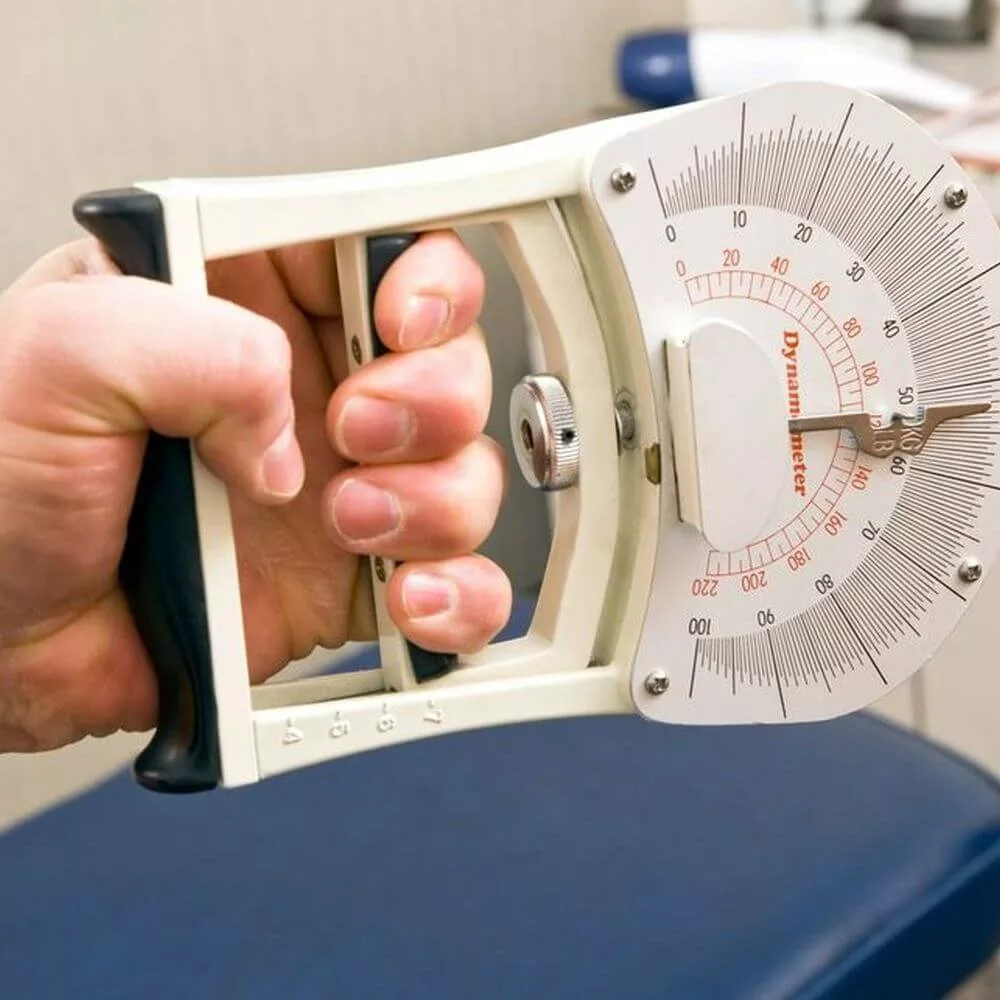
Crush Grip Training: Best Exercises & Tools for Stronger Hands

Pinch Grip Training: Proven Exercises & Tools to Boost Thumb Strength

Support Grip Training: Build Endurance & Lift Heavier Safely
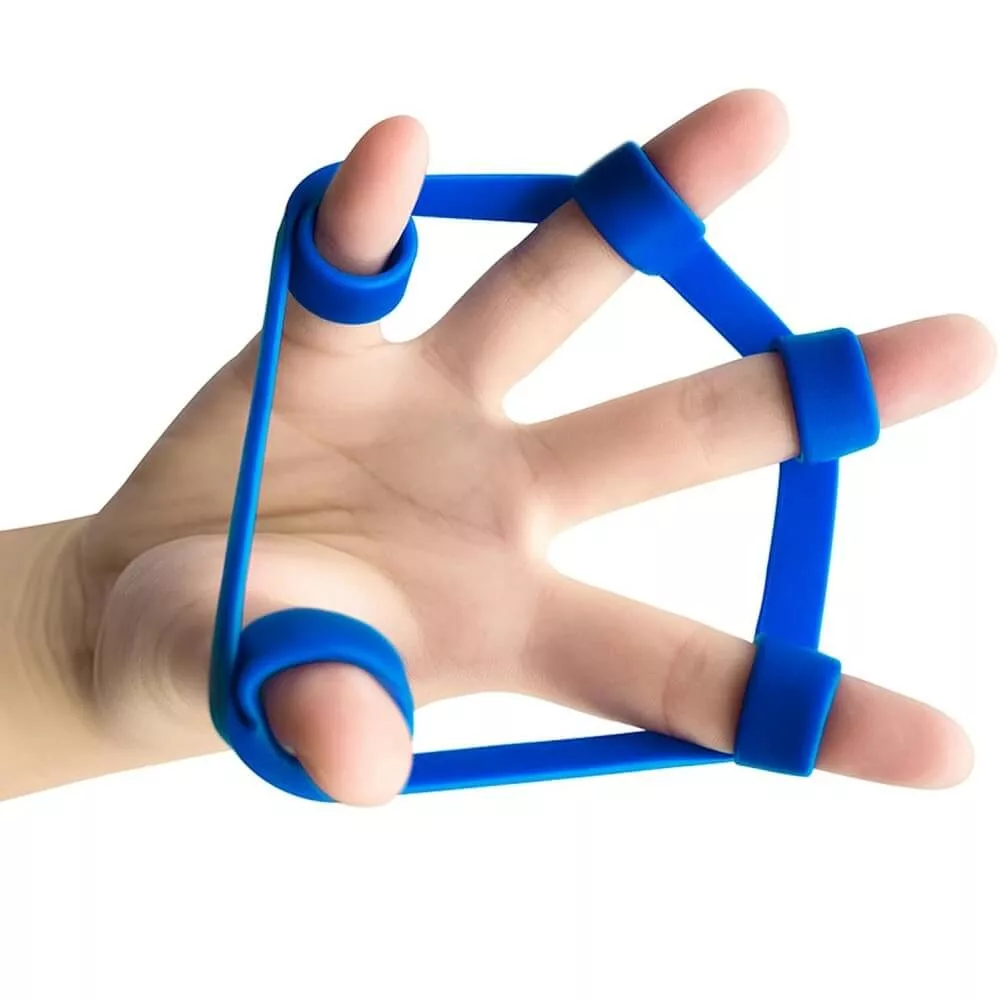
Finger Extensor Training: Prevent Hand Pain & Build Balance
The 4 Primary Grip Movements Aren’t the Whole Story
Wrist Torque & Rotation
Wrist Flexion & Extension
The four movements above give you a solid foundation, but your grip training doesn’t have to stop there. Your wrists and forearms can move in several other directions that are worth training as part of a more complete approach to hand and forearm strength.
One example is wrist flexion and extension. Working the muscles responsible for these movements adds another dimension to your grip and forearm training while giving you a simple way to train the wrist through resistance.
An easy place to start is with Wrist Rollers & Resistance Bars. These are genuinely fun training devices that can become brutally effective once you start increasing the resistance. Even light resistance can make your forearms burn surprisingly quickly.
They’re also beginner-friendly. Start with an easy resistance level, learn the movement, and gradually increase the challenge as your strength improves. Advanced athletes can take the same basic tools much further.
Many wrist rollers are compact and portable, making them easy to throw into your gym bag before your next workout. They’re simple to use, easy to scale, and capable of delivering a serious forearm workout.
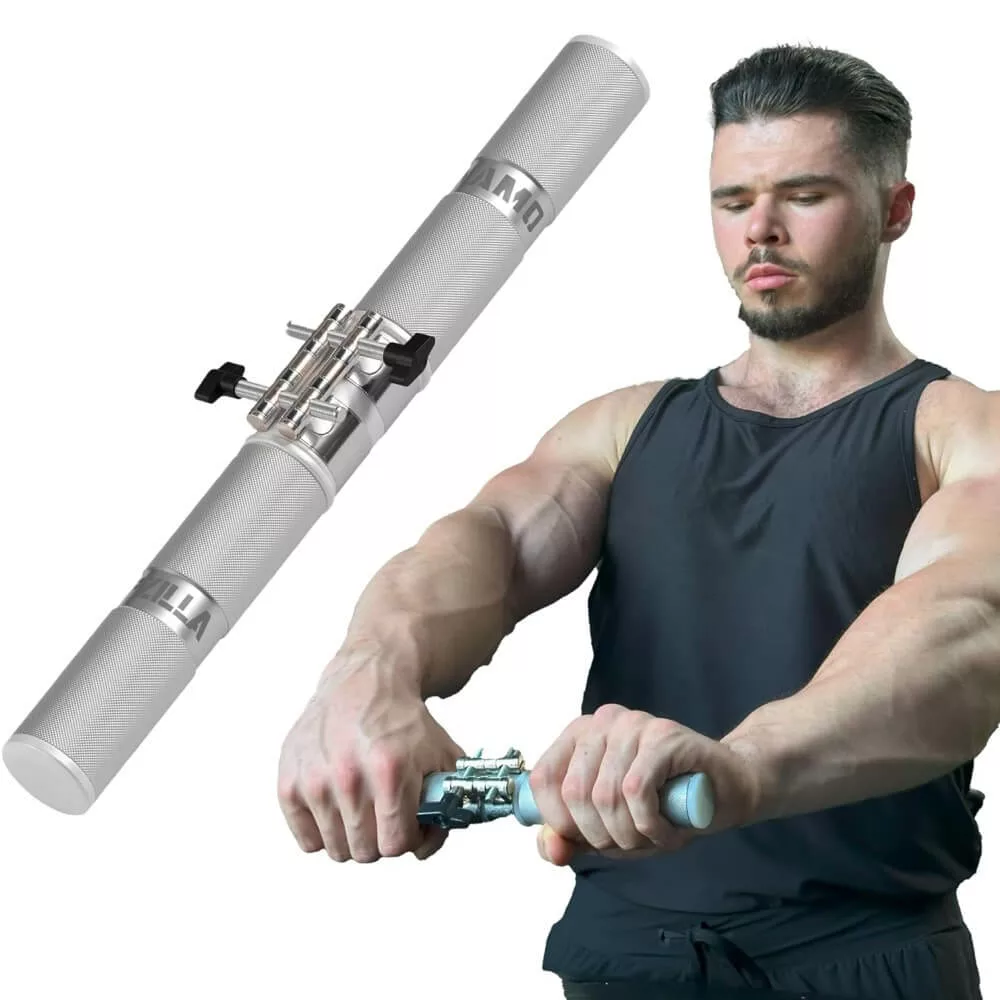
Reliable Budget Wrist Roller That Actually Lasts?
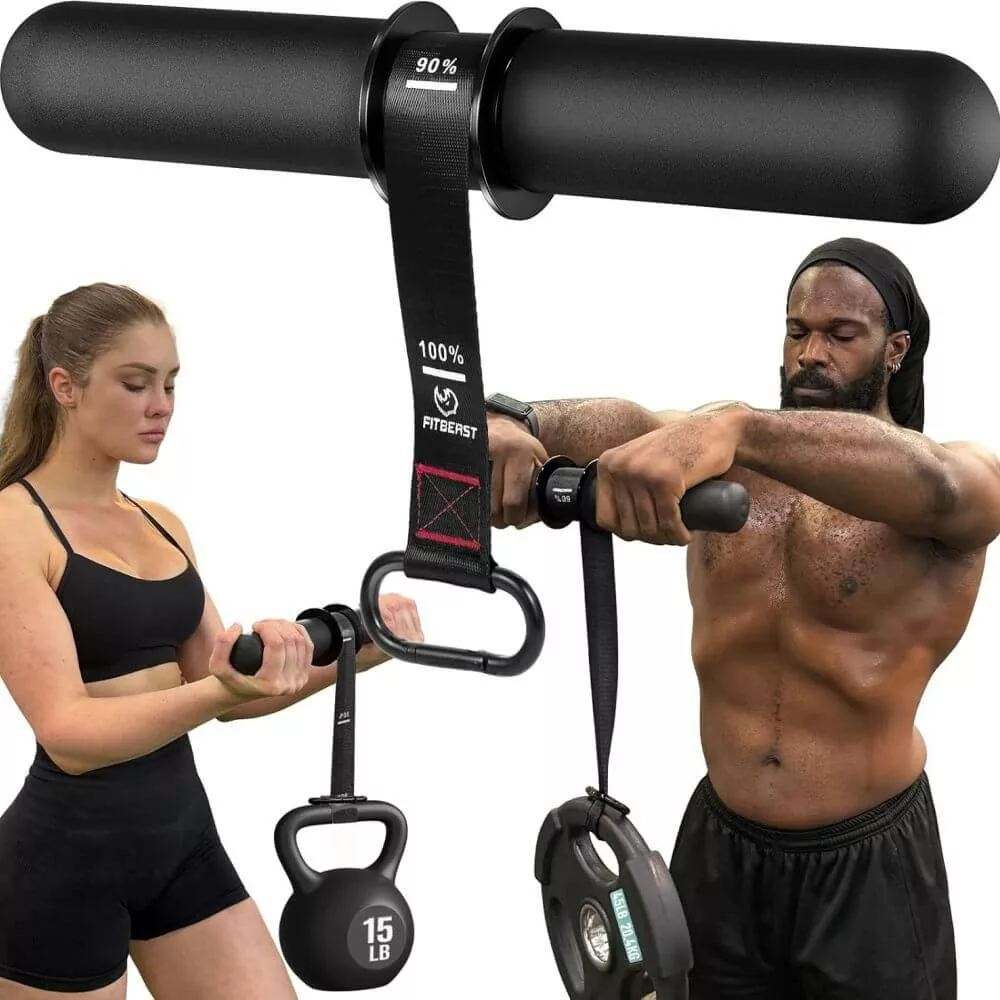
Simple Wrist Roller for Grip & Forearm Muscle Power
Pronation & Supination
The other major movement to add to the picture is pronation and supination, rotating your forearm so your palm turns downward or upward.
These movements are especially important when hand and forearm positioning matters. In arm wrestling, for example, pronation can play a major role in controlling your wrist and hand position and maintaining leverage against an opponent.
That’s why pronation isn’t simply another isolated forearm exercise.
It’s one of the fundamental movements behind hand control, wrist positioning, and arm-wrestling leverage.
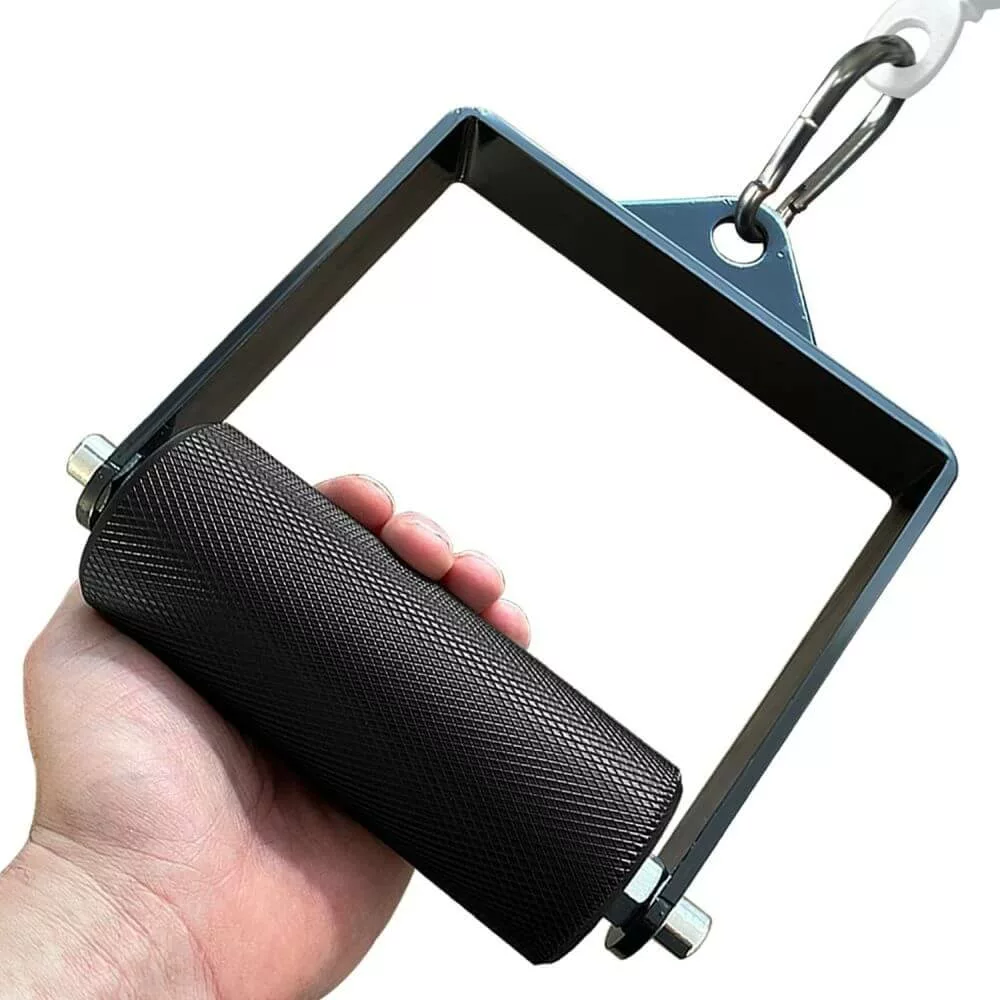
Thick Rotating Handle for Serious Forearm & Grip Development
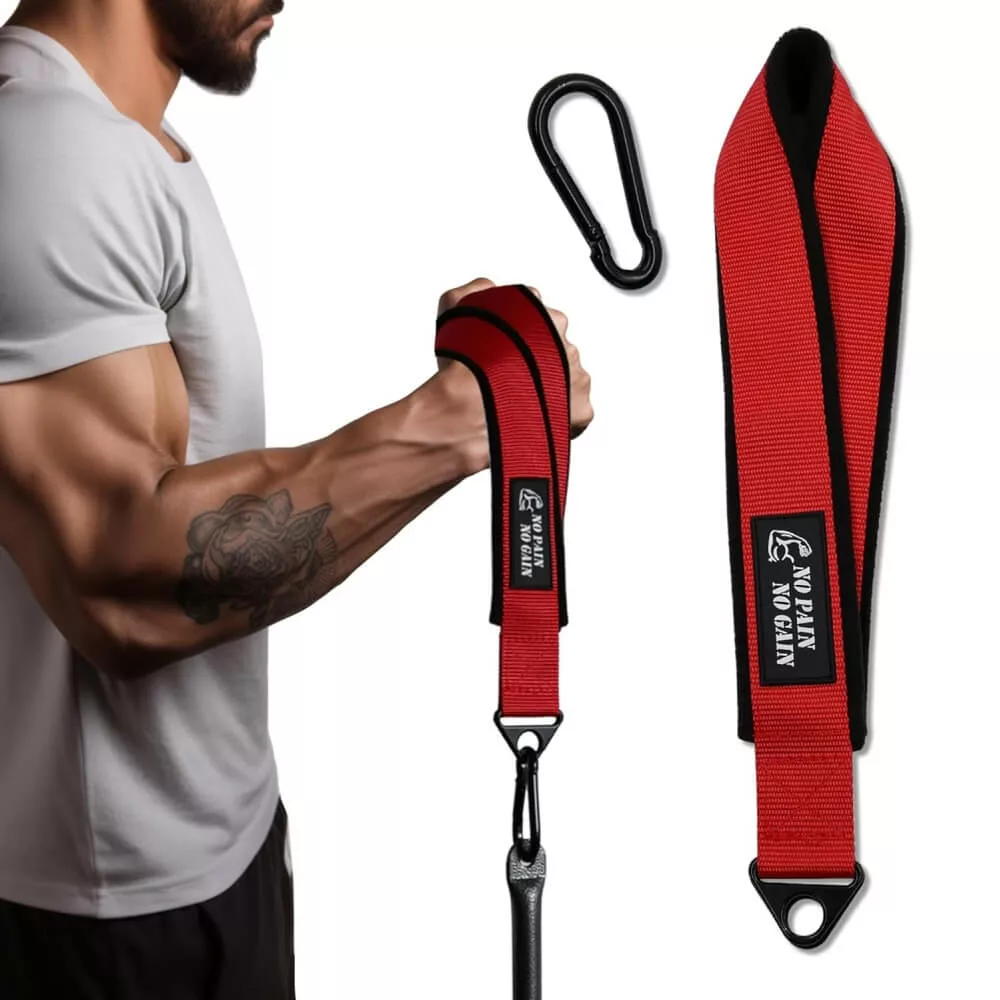
Twist Stronger, Control Harder: Padded Arm Wrestling Strap
Helping You to Get Started With Grip Training
Choosing the Right Equipment to Start Grip Training
Whether you wandered here by chance, became curious about grip training, or have a specific reason for wanting stronger, more capable hands, there’s a good chance you don’t need a complicated setup to get started.
Maybe you want to build stronger forearms and more functional strength. Maybe you want better grip endurance for your workouts, improve your performance in a particular sport, or simply give your hands and wrists some more attention.
Whatever brought you here, start with the basics before building a huge collection of equipment.
A classic spring gripper is one of the simplest, most portable, and accessible ways to begin training your crushing grip. It’s inexpensive, easy to carry, and straightforward to use.
For many beginners, a basic gripper can provide more than enough challenge to start building a training habit. You can keep things simple and focus on learning how your hands respond to resistance before worrying about specialized equipment.
As you progress, there’s an entire world of additional grip-training equipment to explore. Different tools can target different movements, resistance patterns, hand positions, and training goals.
There are also many types of grippers available, with different resistance levels and designs. That gives you plenty of room to find something appropriate for your current ability and gradually increase the challenge as you become stronger.

A gripper can also be useful when you’re looking for a more specific training experience. Alongside the traditional right-handed design, you’ll find options designed for different hand sizes, left-hand training, smoother handles, thumb-focused work, and other specialized approaches.
The important thing is not to buy everything at once.
Start with something simple, learn the movement, find an appropriate resistance, and build from there. Once you understand what your hands actually need, choosing more specialized equipment becomes much easier.
And if you’re dealing with persistent pain, a recent injury, or returning to training after an injury, equipment choice should be guided by the circumstances rather than assuming that a gripper is automatically the right solution.
#1 Classical Gripper
#2 Lefty Gripper
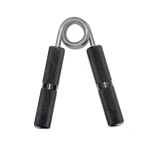
#3 Smooth Gripper
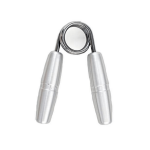
#4 Thumb Gripper
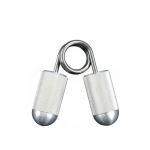
Build Your Bare-Hand Grip; Gloves Have Their Place
Avoid Fitness Gloves When You Don’t Actually Need Them
Fitness gloves aren’t inherently bad. They can provide useful protection, improve comfort, or make sense in situations where you’re deliberately trying to reduce friction between your hands and the equipment.
But if your goal is to develop bare-hand grip strength and hand conditioning, wearing gloves for every training session isn’t necessarily helping you achieve that goal.
There are some perfectly reasonable situations where gloves make sense:
- Your hands need protection: If you have an injury or your skin needs protection, covering your hands can be practical.
- You’re competing: If gloves are permitted and provide a legitimate competitive or comfort advantage, use them.
- Your work requires them: Tradespeople and other workers may need protective gloves for safety reasons.
- A particular training session calls for them: You’re deliberately trying to change the way an exercise feels or reduce friction.
Outside of those situations, there’s nothing wrong with occasionally putting the gloves away and letting your hands do the work directly.
Bare-hand training gives you direct contact with the equipment. That means your fingers, palms, and grip have to deal with the actual shape, texture, friction, and load of whatever you’re holding.
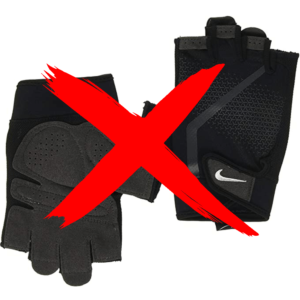
If you’re not accustomed to it, jumping straight into heavy bare-hand training can leave your palms sore or blistered. That’s not a sign that you need to wear gloves forever; it’s usually a sign that your hands need time to adapt.
This is where gradual exposure matters.
Rather than suddenly throwing yourself into hours of heavy lifting with bare hands, build your tolerance progressively. Grip trainers such as hand grippers can complement this process by giving you a convenient way to train your hands without needing a full gym session.
And yes, the knurled handles of many grip-training tools can also expose your palms to plenty of friction. Over time, regular training and sensible exposure can help your hands become better accustomed to the demands you’re placing on them.
Just don’t confuse tougher skin with stronger hands. Calluses may make your palms more comfortable with friction, but actual grip strength comes from training the muscles and movements responsible for controlling and holding things.
The goal isn’t to declare war on gloves.
The goal is to use them when they serve a purpose, and put them away when they don’t.
If you’re lifting an awkward object, working in an environment where hand protection is important, or simply have a good reason to protect your hands, wear the gloves. There’s no prize for getting injured unnecessarily.
But if you’re training specifically to develop functional, bare-hand grip strength, give your hands some opportunity to do what you came here to train them for.
What Grip Training Resources Can You Use?
Learn How to Train Your Grip
You can keep things simple and specialize in hand grippers, or expand your training by learning new exercises and techniques that go far beyond the basic squeeze.
If you want to take grip training seriously, don’t just collect equipment; learn how to use it.
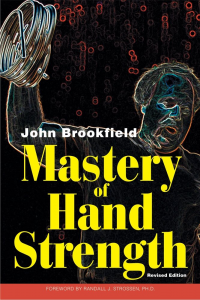
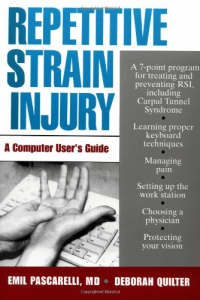
There are excellent books, manuals, training guides, and educational resources from experienced grip specialists covering everything from basic gripper training to advanced hand, wrist, and forearm work.
You don’t have to become a grip specialist overnight. Start with the basics, learn from people who have put the methods to the test, and gradually discover what works best for you.
A few good places to start:


Always Prioritize Muscle Balance
Rubber Hand Bands Can Work Wonders to Keep Your Hands Healthy
Balanced Muscles, Healthier Hands
As with any form of training, balance matters. If you spend most of your time squeezing, gripping, and holding things, it makes sense to also give some attention to the movements that work in the opposite direction.
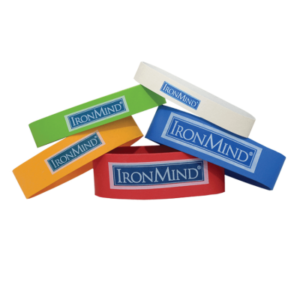
That’s why I recommend pairing your gripper training with extensor training. Rubber hand bands provide a simple way to train your fingers and hand through opening movements that complement all that squeezing.
They’re also incredibly easy to use. You can keep a band at your desk, in your gym bag, or alongside your other training equipment and get a few repetitions in whenever it makes sense.
Rubber Hand Bands can complement a wide range of grip-training equipment and regular gym exercises. You don’t need an elaborate routine; even a small amount of consistent extension work can add another dimension to your hand training. The bigger principle is simple:
Don’t train only what you can see.
Train the movements that balance what you’re already doing.
And if you’re dealing with persistent hand or wrist pain, recovering from an injury, or trying to return to training after a problem, don’t assume that more exercise is automatically the answer. That’s where individualized guidance from a qualified healthcare professional can be valuable.
Thanks for Stopping By!
Have a Question or Something You’d Like to Share?
Send Me a Message
I’d love to hear from you.