(Last Updated on October 6, 2026 by Henry)

Grip strength influences far more than athletic performance.
Whether you are lifting weights, climbing stairs with bags in hand, carrying groceries, working with tools, recovering from injuries, or simply trying to stay active as you age.
Your hands serve as the connection point between your body and the world around you.
Many people don’t realize their grip is limiting them until fatigue starts to set in, objects slip, wrist discomfort appears, or everyday tasks become harder than they should be.
Weak hands, poor endurance, limited finger strength, & neglected forearm training are surprisingly common problems.
This Beginner’s Guide to Grip Strength serves as your complete roadmap. Inside, you’ll discover training principles, recovery strategies, equipment guides, progression systems, injury prevention methods, and specialized pathways designed to help you build stronger and healthier hands.
Beginner’s Guide to Grip Strength
Grip strength is one of the most overlooked physical qualities, yet it influences nearly everything we do with our hands. From sports performance and manual work to injury prevention and healthy aging, stronger hands create a foundation for better movement, greater confidence, and improved physical capability.
The challenge is that many beginners immediately jump into random exercises or equipment without understanding how grip strength actually works. As a result, progress often stalls, recovery becomes inconsistent, and important areas of hand development get ignored entirely.
The purpose of this hub is to simplify the process. You’ll learn how grip strength develops, which movement patterns matter most, how to choose effective equipment, and how to progress safely over the long term.
Before exploring training methods, equipment, and specialized pathways, it helps to understand the six primary hand movements that form the foundation of grip training.
It doesn’t matter how strong you are if you can’t apply it in a tactical environment.
That’s where grip strength comes in.
The Primary Hand Movements Explained
Every grip exercise, training tool, sport, and rehabilitation method ultimately develops one or more fundamental hand movements.
Understanding these movements makes it much easier to choose the right equipment, build an effective program, and identify weaknesses that may be holding you back.
Think of these movements as the building blocks of grip strength. Together, they form a complete system for developing stronger hands, wrists, fingers, and forearms.

Understanding Crush Grip Strength: Dive Into Core Hand Movements

The 5 Primary Hand Movements: Gateways To Grip Strength
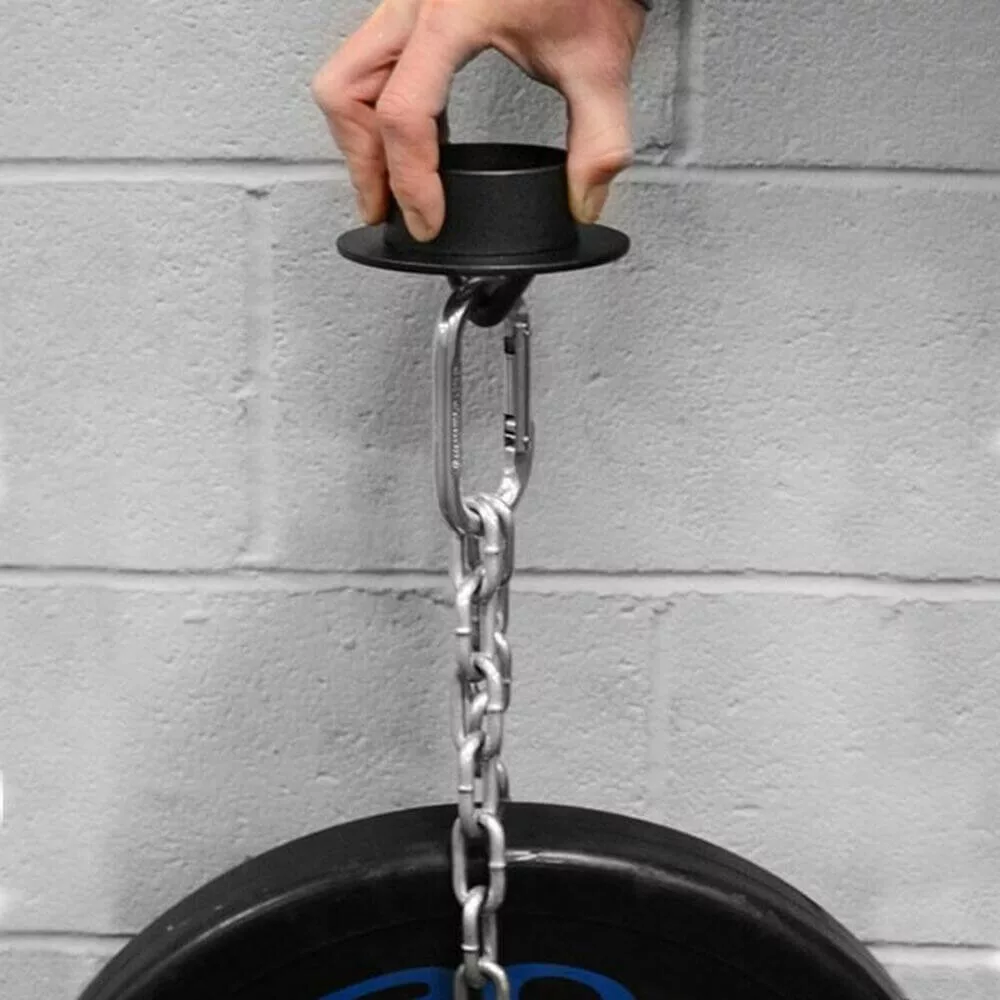
Pinch Grip Strength 101: Why This Key Hand Movement Matters

Master Support Grip To Scale Endurance & Don’t Let Your Hands Slip
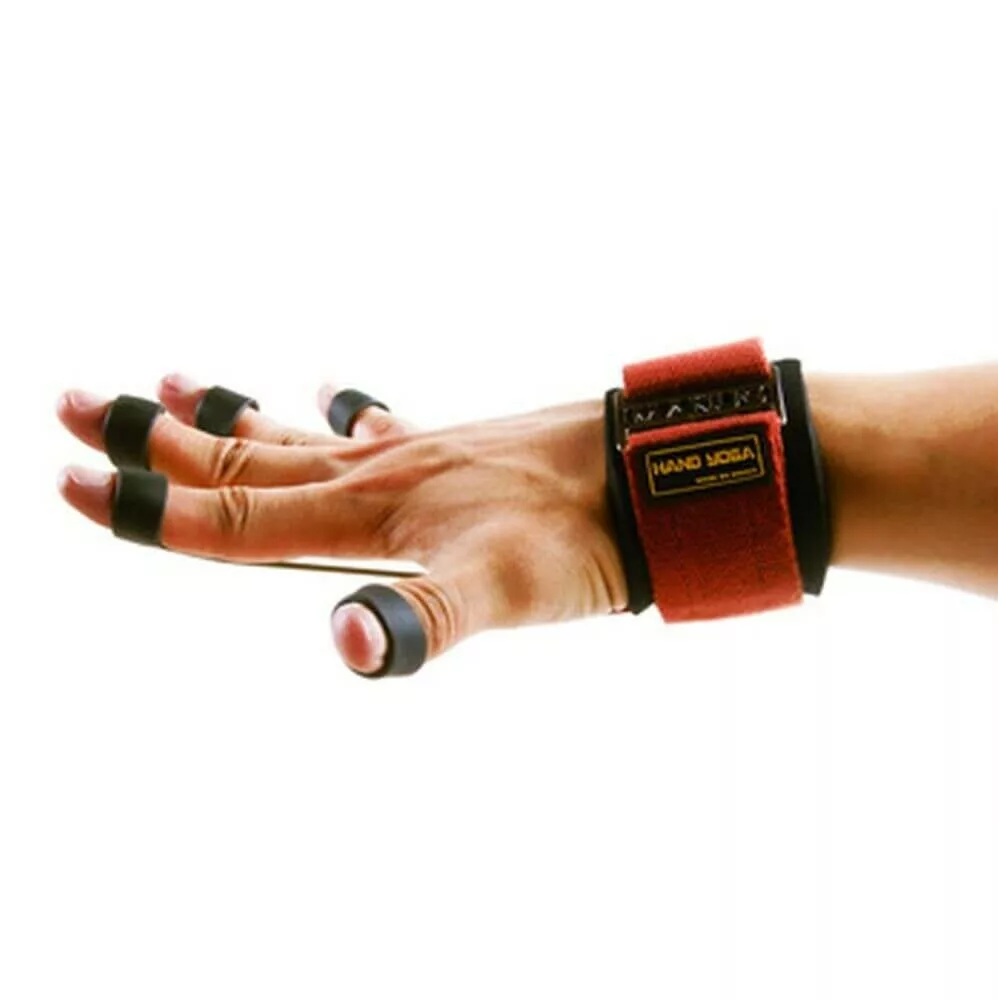
Focus on Finger Extension Training to Fight Imbalances & Pain

Train Your Wrists Like a Pro: Gain Strength, Mobility & Prevent Injury
Build Grip Strength Step by Step, Avoid Common Mistakes,
& Develop a Strong Foundation for Long-Term Success.
Grip strength isn’t built overnight.
Like any worthwhile skill, it develops through consistent effort, intelligent progression, and proper recovery.
Every stronger handshake, heavier carry, longer hang, and more resilient hand begins with the decision to start training today.
Start with the fundamentals, focus on mastering the primary hand movements,
and gradually build your strength over time.
Thanks for Stopping By!
Where Are You Starting Your Grip Strength Journey?
Share Your Goals, Challenges, or Progress Below.