(Last Updated on May 30, 2026 by Henry)
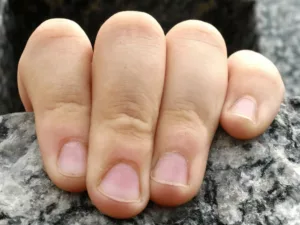
Crush grip strength is all about how forcefully you can squeeze or hold onto something with your fingers. When you think about gripping a barbell with both hands or squeezing a stress ball with all your might, that’s crush grip strength in action. It’s different from other hand movements like pinch grip, support grip, wrist extension, and wrist flexion because it relies on forceful finger flexion and the ability to apply continuous pressure.

From a biomechanical perspective, crush grip strength depends heavily on the coordinated action of the finger flexors, intrinsic hand muscles, and supporting wrist stabilizers. Unlike pinch or support grip, crush grip emphasizes maximal force output over sustained contact, making it a primary contributor to gripping power during high-effort tasks.
You might be surprised to know how much you rely on this type of grip in your daily life. Whether it’s opening stubborn jars, carrying grocery bags, or using various tools, crush grip strength is essential. In the world of sports, it’s a game-changer. Imagine rock climbers clinging to a hold or a weightlifter maintaining their grip on a heavy barbell; crush grip strength is what gets the job done.
In many of these situations, crush grip strength determines whether a task feels manageable or fatiguing. Insufficient grip force often leads to compensatory strategies, such as excessive wrist tension or altered movement patterns, which can reduce efficiency and increase strain on the hands and forearms.
From an injury prevention standpoint, having a strong crush grip can ward off hand and wrist injuries. It’s crucial for maintaining performance levels, especially as we grow older, by providing enhanced dexterity, joint stability, and overall hand endurance. It’s not just athletes who benefit: seniors and anyone looking to maintain hand health and strength can see significant advantages from focusing on their crush grip ability.
Maintaining crush grip strength supports load tolerance across the fingers, tendons, and wrist joints, helping the hands better withstand repetitive or forceful use. As grip strength naturally declines with age, preserving this capacity becomes increasingly important for independence, confidence in daily tasks, and long-term hand function.
Anatomy of Crush Grip Strength
Understanding the mechanics behind crush grip strength involves appreciating the complex coordination of several structures in your hand and forearm. The primary bones and joints in focus include the joints in your fingers and the wrist, all playing essential roles when you engage in a forceful grip. These joints must align efficiently to allow maximal force transfer while minimizing stress. Limited mobility or instability at the finger joints or wrist can significantly reduce crush grip output and increase the likelihood of compensatory strain during heavy gripping tasks.
At the forefront of this anatomical orchestra are key muscles such as the flexor digitorum profundus and flexor digitorum superficialis. These muscles are pivotal as they extend from the forearm and insert into your fingers, enabling powerful and sustained finger flexion when you grip an object tightly. Supporting these are the lumbricals and interossei, each contributing to the finesse and control needed for gripping. Together, these muscles allow the fingers to generate force while maintaining coordination and balance across the hand. Weakness or fatigue in any of these muscle groups can reduce grip endurance and compromise control, especially during prolonged or high-load gripping.
The tendons work like pulley systems that transfer the muscle force from the forearm to the fingers. This intricate pathway ensures that when you command your hands to squeeze, they execute with precision and strength. Healthy tendon glide is essential for efficient crush grip strength. Restrictions, inflammation, or overuse of these tendons can disrupt force transmission, leading to reduced grip power and increased discomfort during repetitive or heavy gripping activities.
The nervous system also plays a crucial role here, particularly in fine-tuning the force and dexterity required during activities that demand significant crush grip strength. Nerves communicate signals from the brain to the muscles, dictating the intensity and coordination of the grip. Efficient neural signaling allows you to modulate grip force based on task demands, preventing unnecessary overexertion. This control is especially important when transitioning between maximal effort grips and more delicate hand tasks throughout the day.
Visualizing this interaction might seem complex at first, but think of it as a teamwork of structures working under your skin, harmonizing to execute a simple task like holding onto a weight or turning a doorknob. An understanding of this anatomy not only deepens your appreciation of how the body works but also highlights the care we need to provide in training and using these anatomical components effectively and safely.
Recognizing how muscles, tendons, joints, and nerves cooperate reinforces the importance of balanced training, proper warm-ups, and adequate recovery. This awareness supports long-term hand health while allowing crush grip strength to develop safely and sustainably.
Crush Grip Training: Best Exercises & Tools for Stronger Hands

Pinch Grip Training: Proven Exercises & Tools to Boost Thumb Strength

Support Grip Training: Build Endurance & Lift Heavier Safely
Finger Extensor Training: Prevent Hand Pain & Build Balance
Everyday and Athletic Benefits of Crush Grip
Crush grip isn’t just about physical prowess; it’s integral to carrying out everyday tasks with ease and efficiency. From lugging around shopping bags to securely opening twist-off caps, the applications in daily routines are endless. When your grip is strong, these actions become second nature, often without a second thought. A well-developed crush grip allows force to be applied confidently without excessive strain through the wrist or forearm. This efficiency reduces fatigue during repetitive tasks and lowers the likelihood of dropping objects or compensating with awkward hand positions.
The athletic world holds crush grip strength in high regard, and for good reason. Sports like rock climbing, gymnastics, and wrestling demand a robust grip to ensure performance and safety. In weightlifting, a powerful crush grip can be the difference between setting a new personal best and returning to the drawing board. The ability to hold onto bars, apparatus, or weights securely can directly impact success and progression in these disciplines.
In high-intensity sports, grip failure often precedes muscular or cardiovascular fatigue. Developing crush grip strength improves confidence under load, enhances endurance during long sets, and supports consistent technique throughout training or competition.
In many professions, a strong grip is an unsung hero. Those in construction, mechanics, firefighting, and even musicians rely heavily on their hands. This grip strength helps them work effectively and reduces fatigue and injury risk over time. Occupational tasks often involve sustained or repetitive gripping, which places cumulative stress on the hands and forearms. A strong crush grip improves load tolerance and helps protect joints and tendons from overuse-related issues.
On a broader horizon, investing in developing your crush grip strength brings long-term dividends. It can lead to enhancements in joint stability and hand endurance, which are vital as we age. Not only does this strength contribute to avoiding common injuries, but also supports other types of grips. A strong crush grip serves as a foundation for overall hand function, assisting in maintaining autonomy and ease in daily actions.
As grip strength naturally declines with age, preserving crush grip capacity plays an important role in maintaining independence and quality of life. It reinforces overall hand resilience, supports pinch and support grip demands, and helps ensure that everyday movements remain smooth and pain-free over time.
Measuring and Evaluating Your Crush Grip
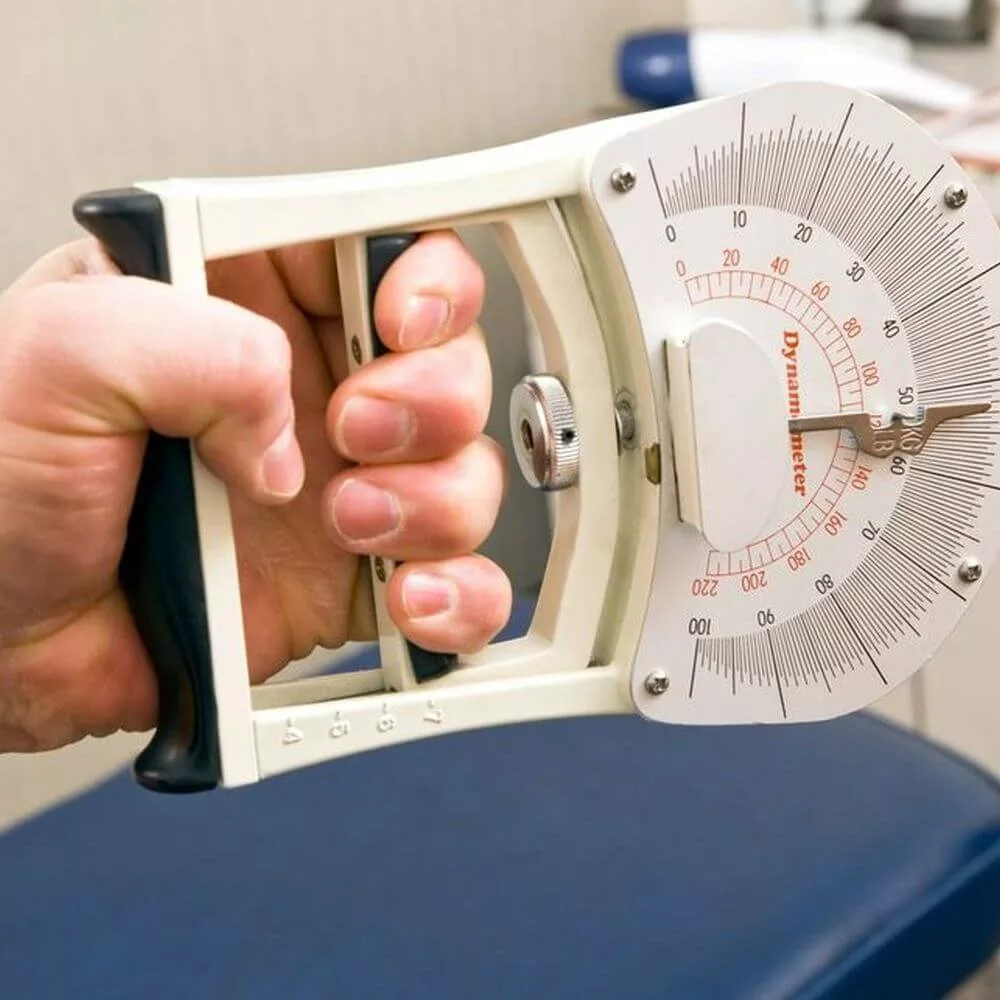
Assessing your crush grip strength at home is straightforward with a few simple methods. One popular tool is a dynamometer, which measures the force you can exert during a grip. While it’s an investment, it offers precise readings that let you track how your strength changes over time. Dynamometers are commonly used in clinical and sports settings because they provide consistent, repeatable data. Using the same hand position and testing conditions each time improves reliability and allows you to detect even small changes in grip strength.
Another easy way to test your grip strength is through the use of hand grippers. By counting your maximum repetitions or timing how long you can hold them closed, you get a solid idea of your hand endurance and power. These tests are a good baseline for identifying where you stand: a beginner, intermediate, or advanced level. Gripper-based assessments also reveal how well your grip holds up under fatigue. Declining repetitions or shortened hold times can highlight endurance limitations or recovery issues that may not appear in one-time maximal tests.

Don’t Guess: Use Grip Dynamometer for Accurate Progress Tracking
Tracking your progress is as important as the exercises themselves. Document your starting point, set realistic goals, and watch for improvements. Pay attention to potential weaknesses or imbalances, especially in your forearm and fingers, as they can affect overall performance. Noting differences between hands can be particularly informative, as asymmetries may increase injury risk or limit progress. Regular tracking supports smarter training decisions and helps ensure balanced grip development.
It’s not uncommon for grip limitations to impact other areas of exercise or sport. If you find your lifts or sports performance being compromised, it might be a sign to focus more on building your grip. As you monitor these changes, be open to adjusting your techniques to align with your evolving strength level. This not only optimizes your hand performance but also boosts confidence in various physical activities.
Addressing grip limitations early often leads to noticeable improvements across compound lifts and sport-specific skills. As crush grip strength improves, many athletes and active individuals experience better control, reduced fatigue, and greater confidence when handling challenging loads or equipment.
Top Exercises to Enhance Crush Grip
Building crush grip strength begins with mastering the basics. One fundamental exercise involves squeezing movements, using items like stress balls or rolled towels. Such exercises engage your finger flexors, promoting endurance and strength over time. These low-intensity tools are especially useful for beginners, rehabilitation phases, or warm-up routines. They allow you to build foundational grip capacity while reinforcing proper finger flexion patterns without excessive joint stress.
Hand grippers are a popular choice in grip training. They come in various resistance levels, making them suitable for all fitness stages. Consistency with these tools can yield impressive strength gains. Progressing gradually through gripper resistance helps ensure steady improvements while minimizing overuse injuries. Tracking repetitions or hold times provides clear feedback on progress and supports structured training.
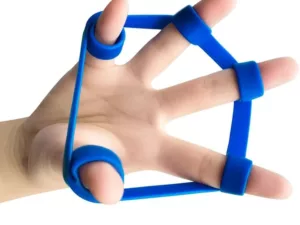
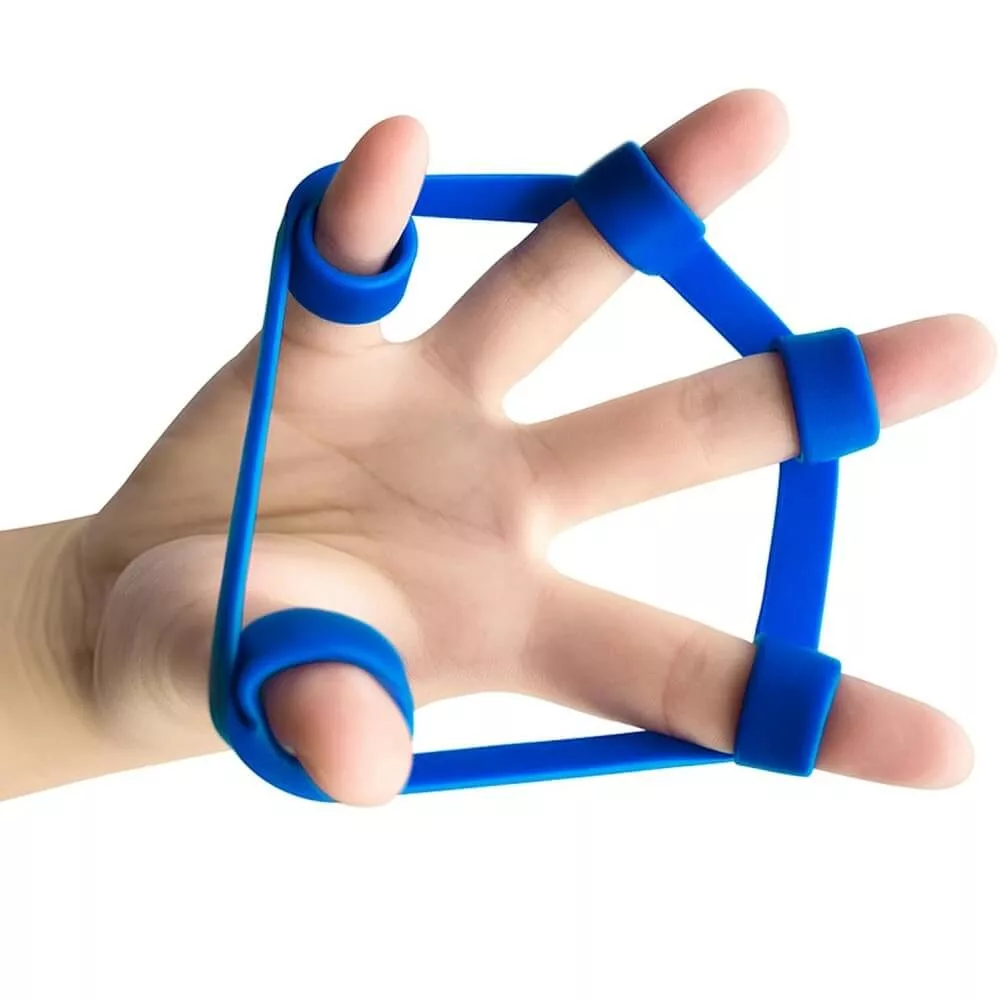
Consider incorporating exercises using forearm rollers and expand-your-hand devices. These tools target specific muscles in a way that enhances grip without bulky equipment. Forearm rollers build sustained grip tension and wrist stability, while hand expanders help balance flexor-dominant training by strengthening finger extensors. This balance supports joint health and improves overall grip durability.
Incorporating barbell and dumbbell variations like farmer’s carries or heavy dumbbell holds can effectively challenge your grip. They transfer directly to improved strength in everyday tasks and athletic endeavors.
Loaded carries demand continuous crush grip engagement under real-world conditions. They also train postural control and endurance, making them a highly functional addition to grip-focused programs.
Innovative training methods, such as using thick bar tools, like fat grips and axle bars, offer different diameter grips that force your hands to adapt, enhancing grip efficacy. Thicker handles increase activation of the finger flexors and reduce reliance on mechanical advantage. This leads to stronger, more resilient hands that perform better when returning to standard-sized implements.
Unconventional tools like sandbags, rope pulls, and training with a rice bucket provide unique challenges. They bring diversity to grip training and engage muscles differently, promoting balanced hand development. These tools introduce instability, varied resistance, and tactile feedback, all of which improve grip adaptability. This variety helps prepare the hands for unpredictable demands encountered in daily life or sport.
For structuring these exercises, consider varying the rep ranges and frequency. Beginners might start with moderate reps and sets, while advanced trainers could handle higher volumes. The key is to progressively overload your muscles safely for best results. Allowing adequate recovery between sessions is critical, as crush grip places significant stress on tendons and small joints. Gradual progression supports consistent gains while reducing the risk of overuse injuries.
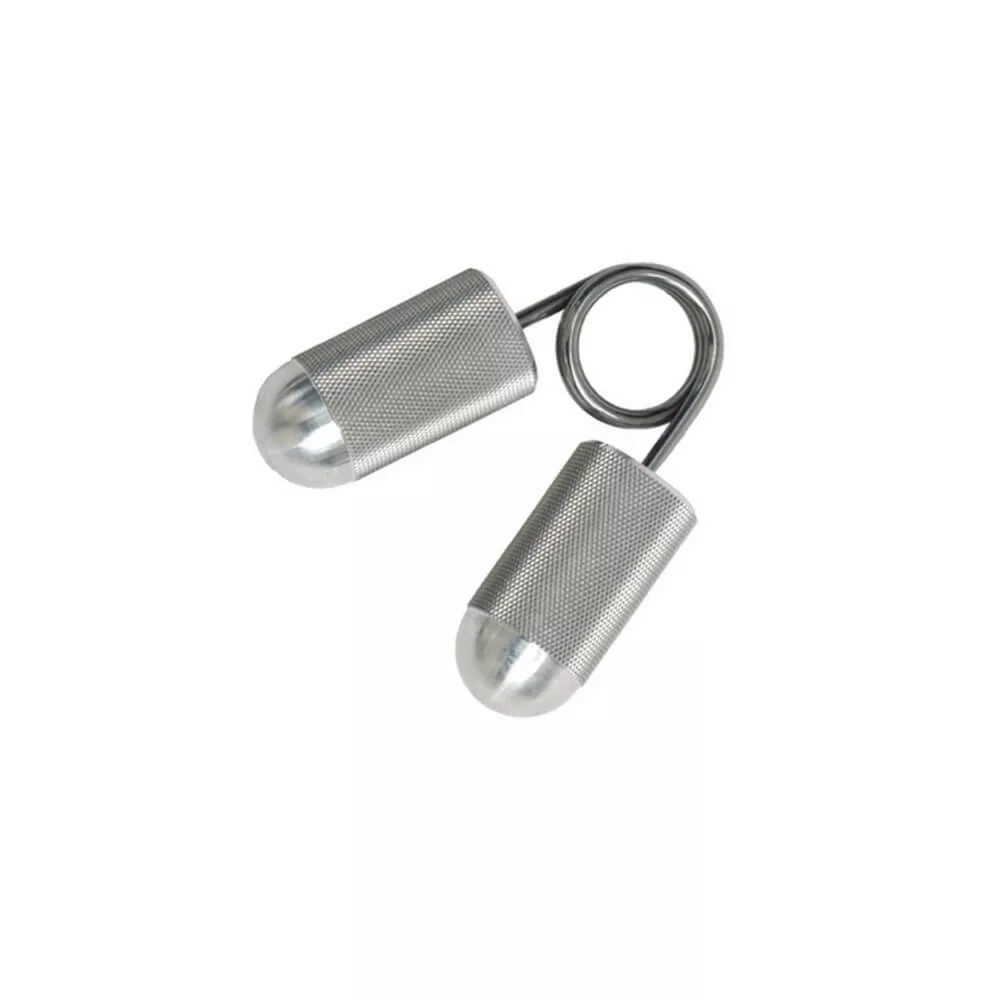
Specialized Spring Gripper to Skyrocket Your Thumb Strength
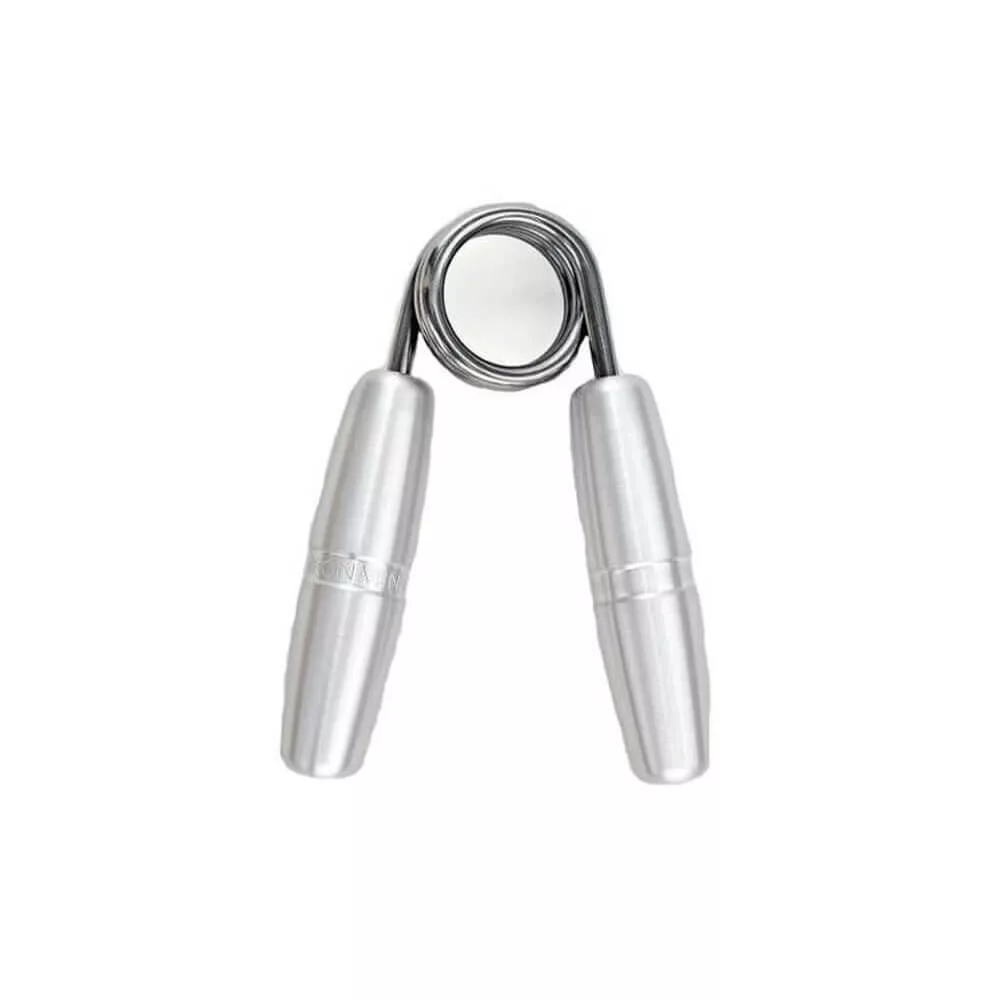
Smooth-Handle Gripper: Ideal For Rehab & Gentle Training
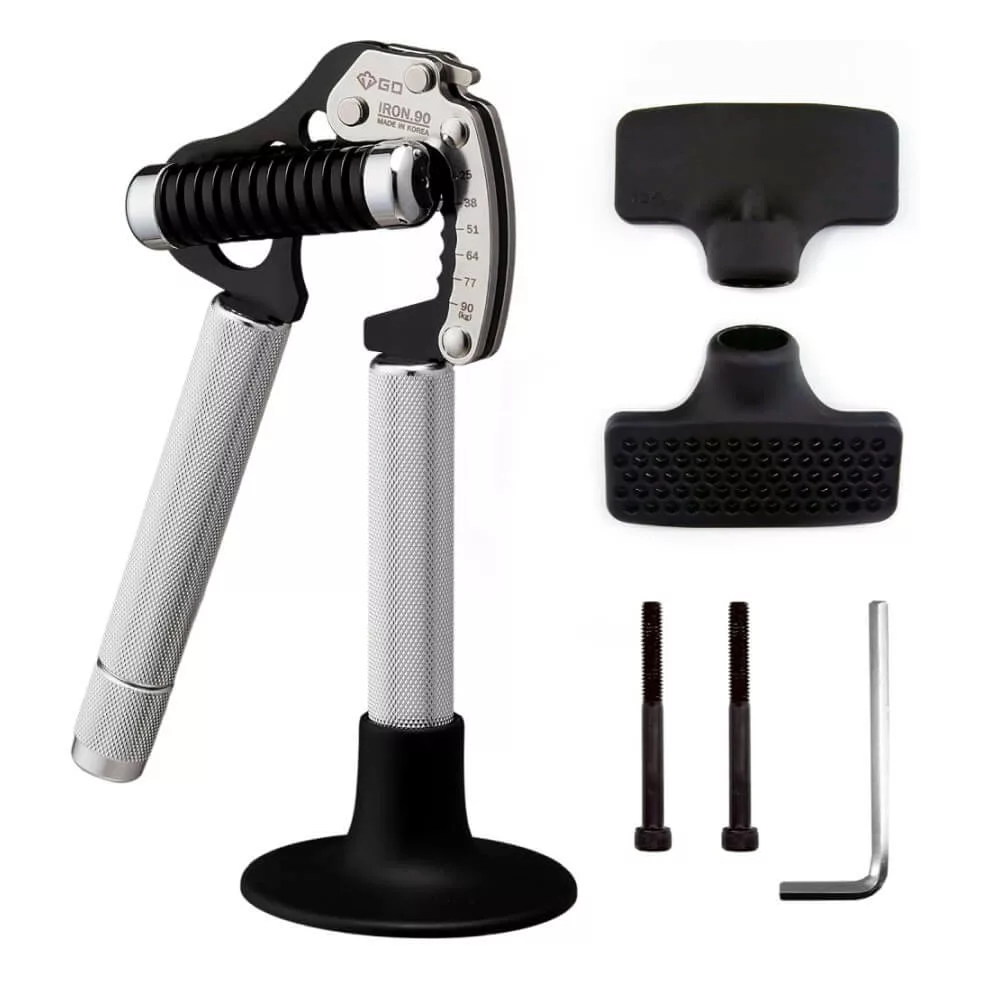
One of the Most Precise Grippers Ever Built?
Integrating Crush Grip into Your Training Regimens
Incorporating crush grip strength into your regular workout regimen depends on your specific goals. For general fitness enthusiasts, a couple of sessions a week focusing on grip exercises could suffice. If you’ve got more specialized goals, like competitive lifting or climbing, bumping up the frequency to three or four times a week might be beneficial. Adjusting frequency based on demand helps align grip training with the overall workload. Higher-frequency programs should emphasize smart volume management to avoid excessive strain on the hands, wrists, and forearms.
To maintain balance, it’s crucial to pair crush grip exercises with routines that enhance other types of grip, like pinch or support grips. This strategy ensures comprehensive hand development and avoids muscle imbalances. Training multiple grip types improves coordination between the fingers, thumb, and wrist, supporting stronger and more resilient hands. Balanced grip training also helps reduce overuse injuries linked to repetitive squeezing patterns.
Here’s a simple way to structure your training. Beginners could start with shorter, more manageable sessions focusing on basic grip exercises and gradually build up duration and intensity. Intermediate individuals might blend grip exercises into their existing routines, focusing on heavier tools or challenging resistance levels. Advanced trainers may experiment with innovative methods or increase the frequency of their crush grip workouts, integrating more complex tools or exercises. Progression should remain intentional at every level, with increases in load, duration, or complexity introduced gradually. This approach ensures continued adaptation while protecting connective tissues from excessive stress.
Recovery is as important as the exercises themselves. Overtraining can lead to underperformance or injury. Listen to your body, give it the necessary rest, and allow muscles to regenerate. Incorporating grip training into your warm-ups and workout finishers can also be advantageous. Quick squeezes or light holds post-workout can help sustain grip strength without leading to burnout. Light, low-intensity grip work during warm-ups improves blood flow and readiness, while controlled finishers can reinforce strength without overloading fatigued tissues. This strategic placement supports consistency and longevity in grip training.
In balancing your hand workout routine, consider dedicating specific days or sessions to crush grip exercises and alternating with recovery-focused activities to ensure optimal performance and progress. Including mobility work, light stretching, or isometric holds on recovery days helps maintain grip capacity while promoting tendon health. This balance ensures that crush grip strength continues to improve without compromising hand function or comfort.
Avoiding Common Mistakes in Crush Grip Training
Getting the most out of your crush grip training means steering clear of common pitfalls. One key mistake is overtraining the finger flexors while neglecting the extensors. Balance is crucial here, as equal attention ensures comprehensive hand development and prevents muscle imbalances. Neglecting the finger extensors can lead to joint irritation, reduced hand coordination, and increased injury risk over time. Including extension-based exercises supports tendon health and improves grip durability by maintaining muscular balance.
Selecting the right resistance level on hand grippers is another consideration. Grippers that are too heavy won’t allow for proper technique, while those too light won’t build the necessary strength. Aim for a challenging, but achievable resistance, and focus on progressing gradually. Using appropriate resistance allows you to maintain controlled movement throughout each repetition. Gradual progression supports consistent gains while reducing unnecessary stress on the fingers, tendons, and wrist joints.
Consistency is your ally when training for crush grip strength. Sporadic sessions without a clear progression plan often lead to plateauing or diminished results. Tracking your sessions and gradually increasing intensity or repetitions can provide noticeable improvements. Regular training reinforces neuromuscular coordination and allows connective tissues time to adapt. Even modest, well-planned increases in volume or resistance can produce steady, long-term progress.
Don’t skip the preparation stage. Properly warming up your wrists and forearms is essential to avoid strains and aches, enhancing not just performance but also safety. A structured warm-up increases blood flow, improves tissue elasticity, and prepares the hands for higher loads. This step is especially important before maximal or prolonged gripping efforts.
Beware of grip fatigue that can affect other areas of your workout. It’s essential to plan grip-strength activities around your other lifts or exercises, ensuring you maintain proper technique and form in all activities. Excessive grip fatigue can compromise lifting mechanics, especially during compound movements. Strategically placing grip training helps preserve performance while still allowing targeted grip development.
By addressing and correcting these missteps, you create a foundation for sustainable progress and superior grip strength. This not only enhances your workouts but also contributes positively to your general hand health. Refining technique, balancing muscle development, and respecting recovery support resilient hands that perform reliably across training, work, and daily life.
Injury Prevention and Rehabilitation for Grip
Preventing and managing injuries is an essential component of developing a strong crush grip. Common issues include tendonitis, forearm strains, and conditions like trigger finger or medial elbow pain. Recognizing the early signs, such as persistent tenderness or swelling, is key to preventing more severe injuries. Early awareness allows you to intervene before minor irritation progresses into chronic pain or functional limitation. Addressing symptoms promptly helps protect the tendons and joints most stressed during crush grip training.
Safe progression in training is crucial. Gradual increases in intensity or volume help your body adapt without overwhelming the muscles and tendons. If discomfort arises, scaling back and reevaluating your routine can mitigate the risk of more serious issues. Structured progression supports tendon remodeling and strength gains while minimizing overload. Temporary reductions in volume or load are often enough to restore comfort without halting overall progress.
Incorporate rehab exercises like gentle squeezing with tools such as stress balls or soft putty. These actions encourage blood flow and recovery while maintaining muscle engagement. Isometrics and mobility exercises further promote healing and strengthen without undue stress. Low-load rehabilitation work maintains neuromuscular coordination and helps preserve grip capacity during recovery phases. These methods are especially useful when returning from flare-ups or periods of reduced training.
Knowing when to rest is vital. Giving your hands and forearms time to recover prevents chronic injuries. Deloading, or temporarily reducing the intensity of your workouts, can offer significant benefits in maintaining long-term progress. Rest periods allow inflamed tissues to settle and adapt to previous training demands. Strategic deloading often leads to improved performance once full training resumes.
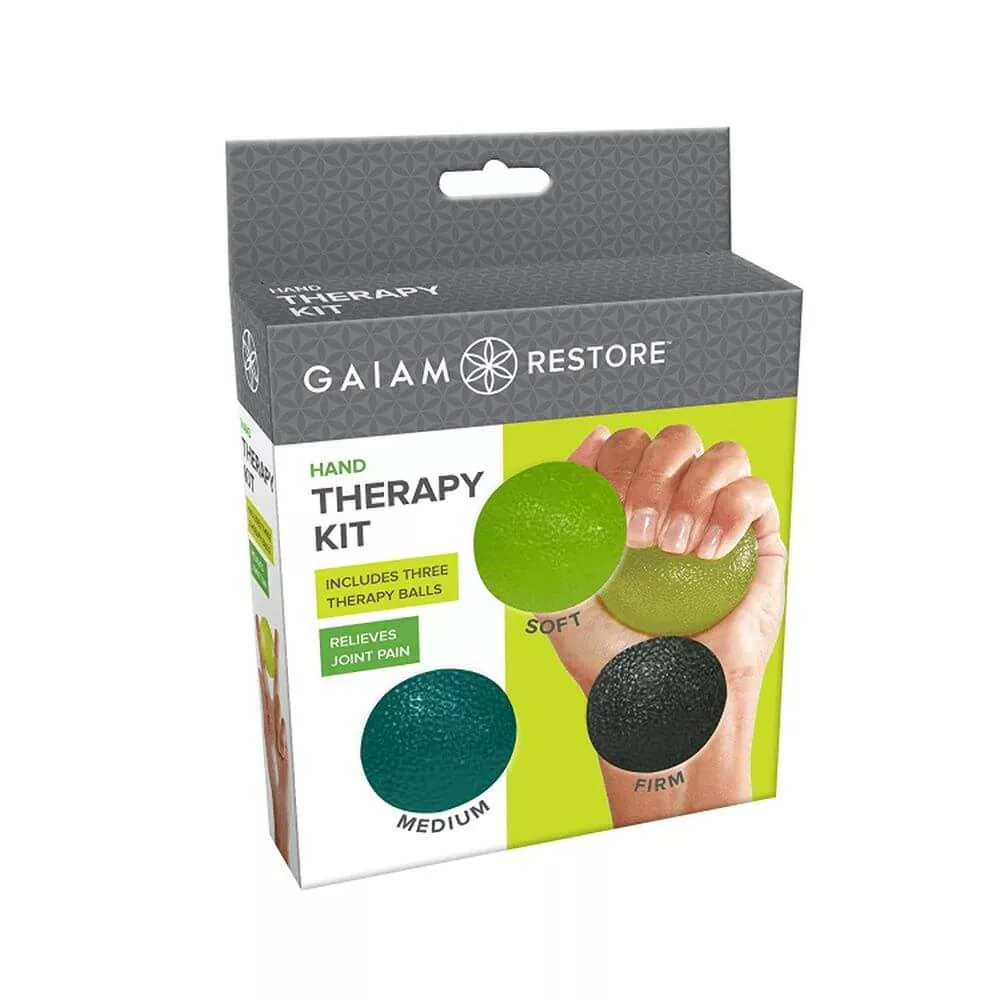
Hand Exercise Balls: Simple Relief & Strength for Tired Hands
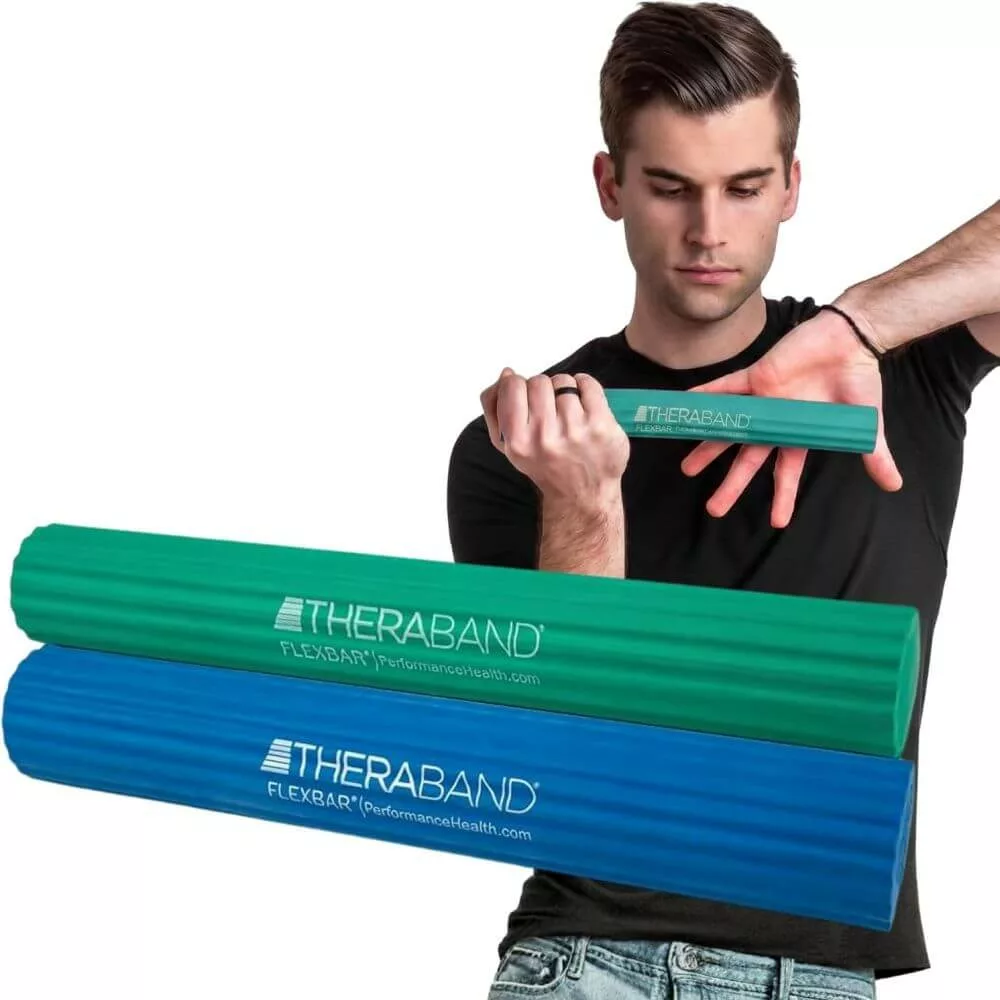
Resistance Bar: Simplest Tool to Rehab Injured Hands?

How Can Hand Warmers Help Relieve Hand Pain Effectively?
Consult a medical professional if pain persists despite modifications and rest. Getting expert guidance can assist in returning to form safely and efficiently. Professional assessment can identify underlying issues such as tendon pathology or nerve involvement that may require targeted intervention. Early consultation often shortens recovery time and prevents long-term complications.
Sustainable hand health isn’t just about recovery but also integrating preventative practices into your routine. Regularly assessing the balance of your training and making adjustments promotes enduring crush grip strength and overall hand function. By combining mindful training, proactive recovery, and ongoing self-assessment, you create a system that supports strong, pain-free hands well into the future.
Conclusion and Next Steps to Grip Mastery
Crush grip strength is more than just a handy skill; it’s vital to overall hand health and functionality. From everyday tasks to demanding athletic pursuits, a formidable grip is a game-changer. By now, you should appreciate why integrating crush-specific exercises into your fitness regimen is crucial. A strong crush grip underpins many movements we rely on daily, while also acting as a foundation for athletic performance and long-term hand resilience. Prioritizing this type of grip work helps protect joint integrity and supports consistent strength output over time.
Begin by refining the basics discussed. Consistently practice the exercises tailored to your strength level, and remember to balance your grip training with other hand movements for comprehensive development. Building strength methodically allows your muscles, tendons, and connective tissues to adapt safely. A balanced approach ensures that improvements in crush grip don’t come at the expense of mobility, coordination, or other grip types.
Incorporating these exercises ensures a well-rounded workout routine. As you focus on crush grip, be equally mindful of your body’s signals regarding recovery needs and potential overtraining concerns. Listening to early feedback from your hands and forearms helps prevent setbacks. Adequate rest, recovery days, and load management are just as important as the exercises themselves for sustainable progress.
Consider setting clear, measurable goals for your grip training. Whether through increasing reps on your favorite tool or working towards a heavier resistance, having a target keeps you motivated and on track. Defined goals provide structure and help you objectively measure improvement. Tracking progress over weeks or months also makes it easier to identify plateaus and adjust your training strategy accordingly.
Sharing your progress with a community, either online or in a local fitness group, can offer support and further motivation. Exchanging tips and experiences enriches your journey and helps maintain accountability. Community involvement often accelerates learning by exposing you to different training approaches and problem-solving strategies. It also reinforces consistency through shared commitment and encouragement.
Your grip strength journey doesn’t end here. Explore additional training resources, perhaps look into articles or books specific to grip strength, to continually refine your knowledge and approach. Ongoing education helps you train smarter, not just harder. As your understanding deepens, you’ll be better equipped to adjust volume, intensity, and exercise selection as your needs evolve.
Taking these steps not only enhances your grip but also contributes to your overall health and physical capability. Embrace each stage of development, celebrate your progress, and keep aspiring towards new heights in grip mastery. Long-term success comes from patience, consistency, and adaptability. By treating grip training as a skill to be cultivated rather than rushed, you support stronger hands, better performance, and lasting physical independence.
Thanks for Stopping By!
Which Grip Exercise Has Made a Difference for You?
Share Your Experience in the Comments