(Last Updated on May 30, 2026 by Henry)
In the world of weightlifting, there’s an ongoing debate about whether those trusty gloves could be holding back your grip strength. Many lifters worry that by relying on gloves, their hands won’t develop the strength they need. This concern stems from the belief that gloves might lessen the direct contact needed to build a solid grip.
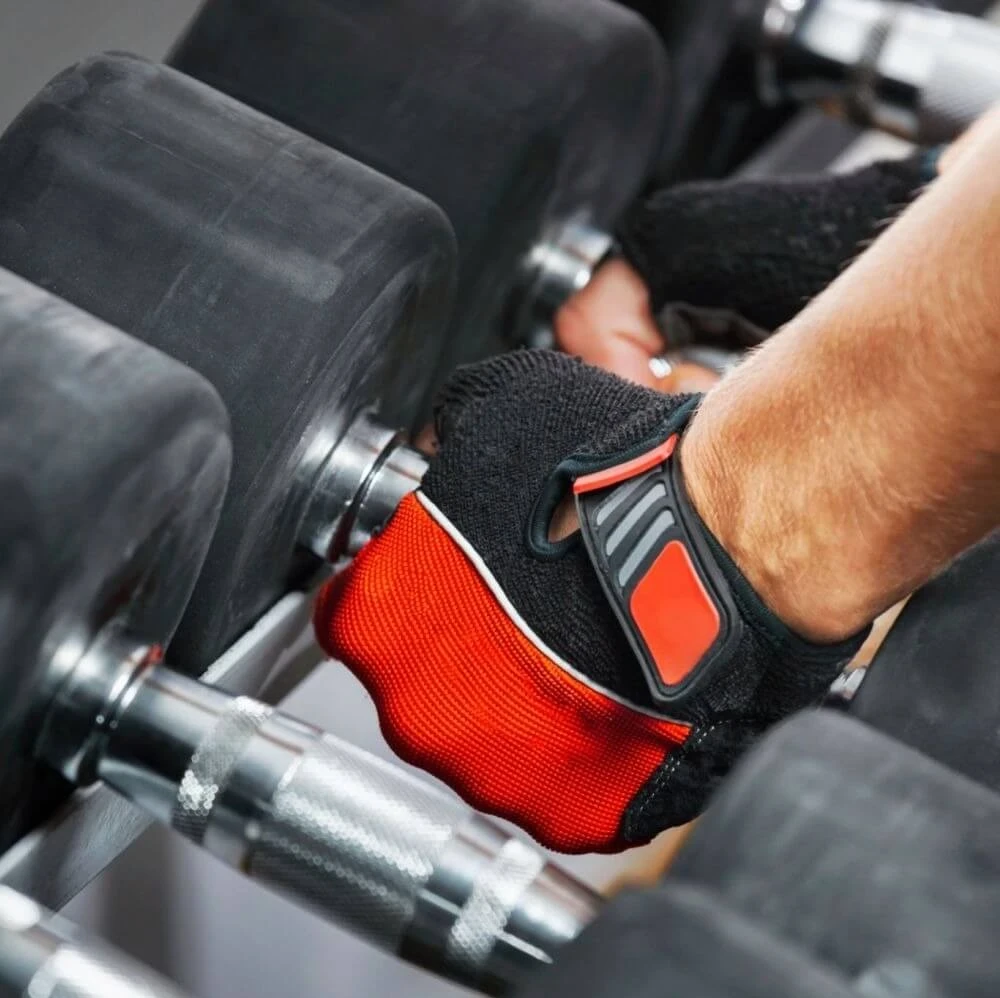
Gloves can provide padding and reduce friction, but they also change the tactile feedback your hands receive. This feedback is critical for adjusting grip force and maintaining hand health.
Tactile feedback governs grip modulation.
For lifters focused on building raw grip strength, understanding the trade-off between protection and sensory input is key to making intentional decisions about glove use.
If you’ve spent time in gyms or scrolling through fitness forums, you’ve likely noticed a mix of opinions. Some swear by gloves for protecting their hands during hefty lifts, while others argue that consistent glove use can make your grip weaker over time. So, what’s the truth about gloves and grip strength?
This ongoing debate highlights the importance of context. Factors like training volume, exercise type, hand conditioning, and personal comfort all play a role.
Training context determines adaptation.
Gloves may protect the skin and joints during heavy lifts, but over-reliance could reduce the opportunity for the hands to adapt to raw grip demands over time.
At the heart of the discussion is understanding how grip strength actually develops. It isn’t just about muscle strength; it involves skin, nerves, and a connection between your hands and the weight you’re lifting.
Grip strength is a system, not a single tissue.
To get to the bottom of it, you need a clear view of how these elements work together over time to build that essential grip.
Grip strength is a combination of forearm muscle power, tendon resilience, neural coordination, and even skin conditioning. Each rep sends feedback to the nervous system, improving motor control and fine-tuning force application.
Adaptation follows exposure. Gloves alter some of this feedback, which is why knowing how and when to use them matters for progressive strength gains. This article tackles these questions, aiming to shed light on the mix of science and practical insights involved.
Whether you’re a seasoned lifter or just getting started, understanding the nuances will help you make informed choices about when and how to use gloves, without compromising your grip strength.
Protection without awareness limits adaptation.
By approaching glove use with awareness rather than habit, lifters can strike a balance between hand protection and strength development. This perspective ensures that the hands remain strong, durable, and capable of handling heavier loads safely over the long term.
How Grip Strength and Hand Function Develop Over Time
Grip strength isn’t just about having big muscles; it’s a bit of a multitasker in the body. It involves not only muscles but also skin, nerves, and tendons working in harmony.
The fine-tuning of these parts helps build a stronger grip over time.
Grip strength is a coordinated system, not a single output.
Each component contributes differently: muscles generate force, tendons transmit it efficiently, nerves provide feedback, and skin ensures tactile connection with the object. Understanding this complex interplay highlights why grip development isn’t just a matter of lifting heavier weights; it’s about training the system as a whole.
The skin on your hands plays a big role. Direct contact with weights allows your skin to adapt, toughening up and becoming more resilient. This isn’t just about avoiding blisters; it’s crucial to grip strength development.
Skin adaptation enhances mechanical tolerance.
Repeated exposure to barbell or dumbbell surfaces helps the skin form calluses and develop resistance to friction. This adaptation not only protects against injury but also improves confidence and consistency during lifting, enabling lifters to maintain longer, more controlled holds without discomfort.
Nerves are another key player. They enhance your sense of touch, giving you better control and feedback when handling weights.
This makes a huge difference in your ability to hold onto something heavy without slipping.
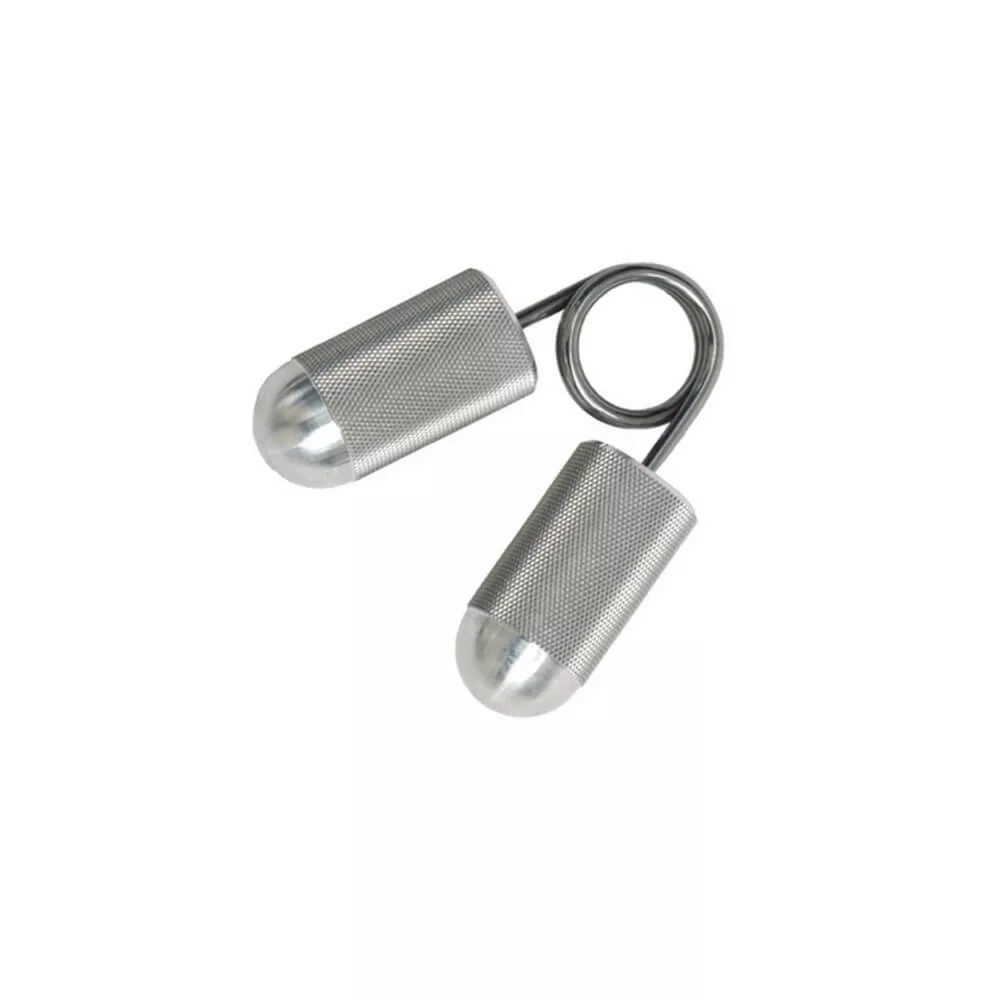
Specialized Spring Gripper to Skyrocket Your Thumb Strength
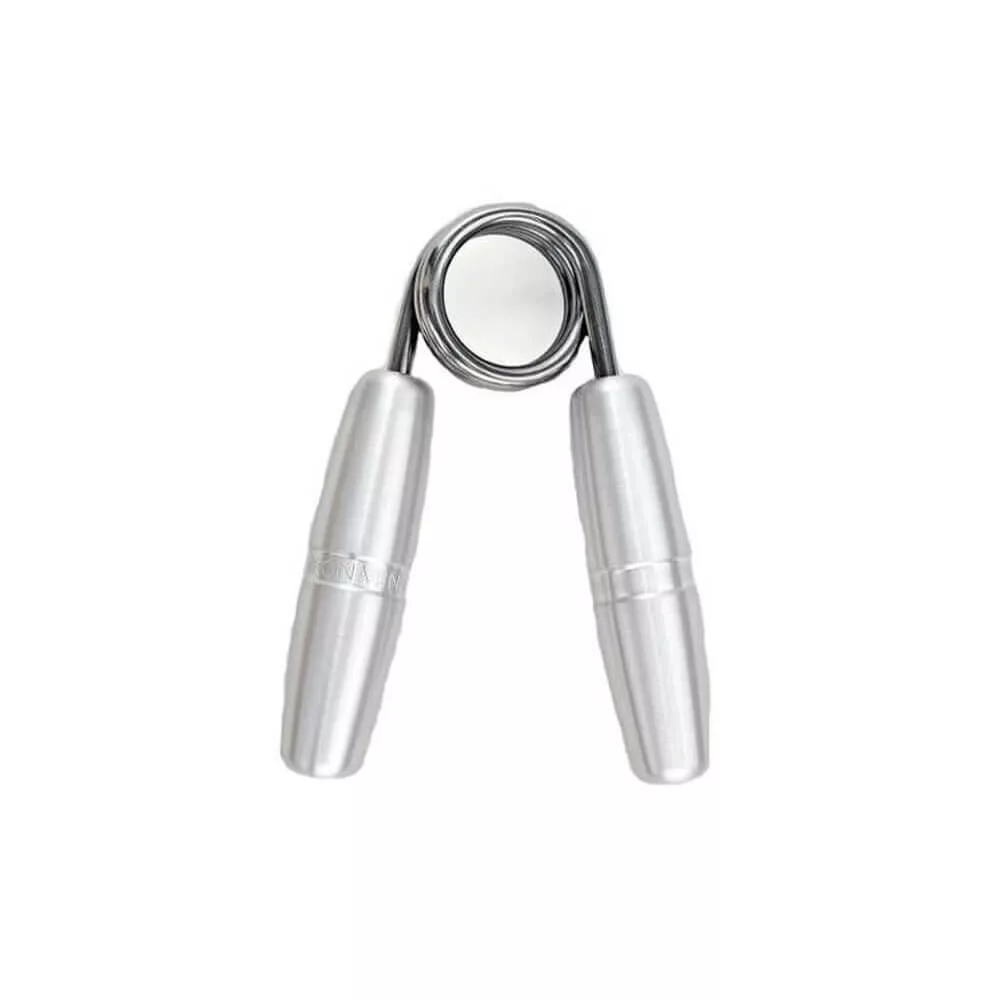
Smooth-Handle Gripper: Ideal For Rehab & Gentle Training

The Iconic Grip Workhorse for Serious Strength?
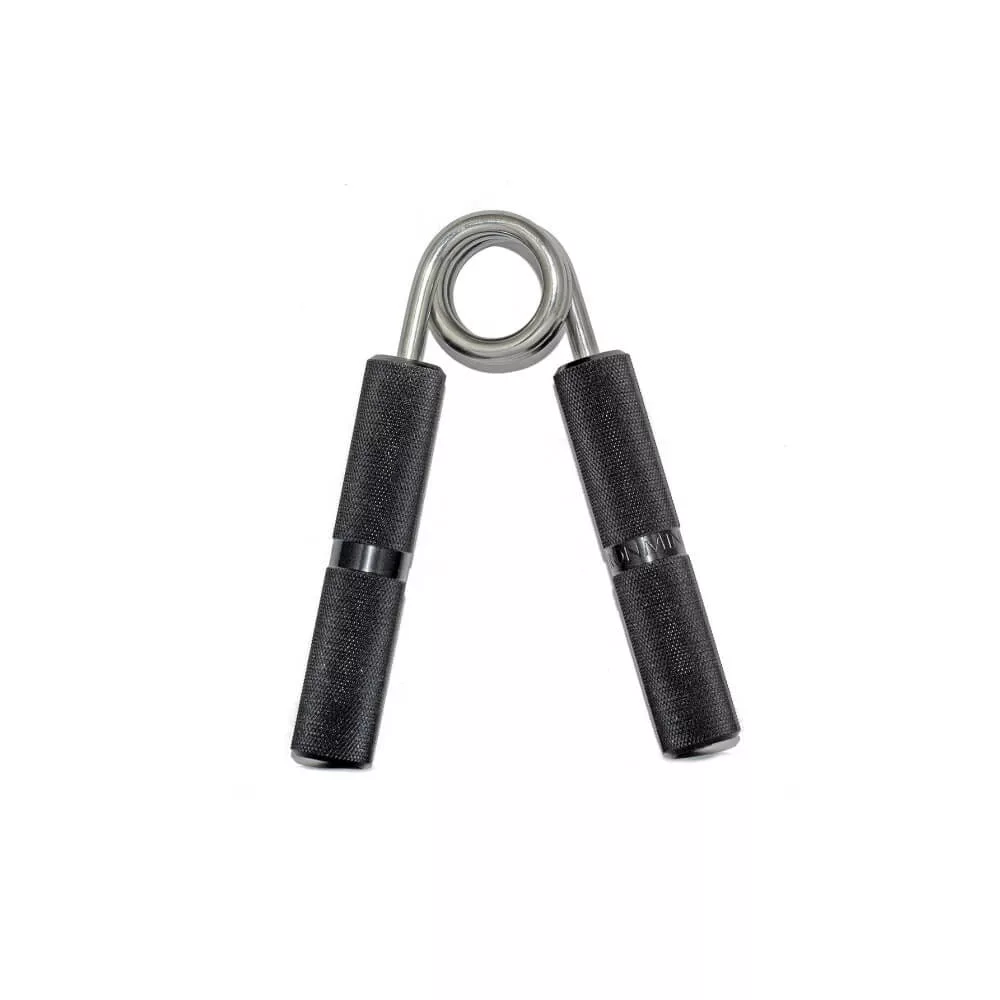
Left-Wing Springs: Crush Grip Trainer for Left-Handed Users?
Proprioceptive input from the nerves allows the hand to adjust grip force dynamically. When this feedback is reduced, such as when wearing thick gloves, lifters may overgrip or misjudge pressure, which can lead to early fatigue or inefficient lifting patterns.
Sensory acuity shapes effective grip control. Sensory acuity is therefore a critical yet often overlooked element of grip training. Muscles and tendons also adapt. When gripping a barbell or a dumbbell, your muscles and tendons get stronger over repeated sessions.
This isn’t like training your biceps where you can see immediate growth; it’s more about long-term development. Grip training focuses on cumulative adaptation. Tendons and forearm muscles require repeated tension over time to strengthen, and this process can take weeks or months.
Tendons strengthen under consistent mechanical load.
Unlike superficial muscle growth, tendon and neural adaptations develop gradually, improving endurance, coordination, and functional strength. Friction is essential here. The more you grip and lift, the more your hands get used to the pressure and friction.
This results in a stronger grip as your hands build a memory of sorts, adapting to the physical demands.
Friction also teaches the nervous system to anticipate resistance and adjust force output automatically. Over time, this “grip memory” allows smoother handling of heavier weights or complex implements, reinforcing the connection between physical adaptation and motor control.
The difference between hands and large muscles lies in their adaptive capacity. Hands need direct contact with challenges like weights for optimal adaptation. Using gloves changes the game by acting as an interference in this sensory process.
Direct load exposure governs hand adaptation.
While gloves provide comfort and protection, they reduce tactile feedback and limit the hands’ natural adaptive responses. Understanding when gloves are helpful and when they interfere can help lifters strike the right balance between protection and growth.
Being aware of how grip strength naturally develops gives you an edge in making smart decisions. Embrace direct contact with weights whenever possible to maximize those grip gains over time.
Capacity improves when the system is allowed to work uninterrupted.
By intentionally combining direct handling, progressive loading, and recovery, lifters can ensure that their grip strength develops alongside overall lifting performance rather than being unintentionally hindered by protective gear.
How Weightlifting Gloves Alter the Grip Training Stimulus
Weightlifting gloves are designed to provide comfort and protection, but they can also alter the natural grip training stimulus. One key change is the introduction of padding, which lessens the tactile feedback your hands receive.
This dampened feedback can affect your grip strength since it’s crucial for allowing your hands to feel and respond to the weight effectively.
Tactile feedback guides grip force regulation.
Padding reduces the subtle cues that the nervous system relies on to modulate grip force. When these cues are muted, lifters may inadvertently overcompensate or underutilize the muscles responsible for stabilizing the bar.
Over time, this can slow the adaptation process needed for both forearm and hand strength development. The way force is transferred through the hand is also different with gloves. Bare hands offer direct transmission of force between the skin and the weights, fostering a natural development of grip strength.
Force transfer influences tissue adaptation. Gloves can disrupt this, leading to an altered experience where some of that force gets absorbed, reducing direct muscle engagement.
Direct force transmission is essential for conditioning tendons, ligaments, and intrinsic hand muscles. Gloves act as a buffer, which can decrease the load on these structures.
While this may protect the hands temporarily, it also means that critical stabilizing muscles are receiving less stimulus, potentially slowing long-term strength gains.
Tissues strengthen when the load reaches them directly. Gloves also minimize friction and skin contact, which are vital for conditioning your hands. The skin needs to toughen up through exposure, and gloves can slow down this process, leading to less robust grip development over time.
Callus formation, skin resilience, and friction adaptation are all part of the hands’ response to repeated load-bearing activity.
Friction exposure builds skin tolerance.
Gloves reduce this microtrauma, which can be beneficial for comfort but may result in hands that are less conditioned for heavy or prolonged gripping over time.
While the primary goal of gloves might be comfort and protection, it’s important to remember how they impact long-term grip gains. By reducing the intensity of direct hand contact, gloves may alter the natural training effects that are needed for optimal grip strength.
Protection changes stimulus exposure.
Understanding these changes helps in making informed decisions about when and how to use gloves effectively during training sessions.
Making intentional choices about glove use, such as reserving them for very heavy lifts, long sets, or high-volume days, can help preserve hand conditioning while still providing the protection and comfort lifters sometimes need.
Can Fitness Gloves Actually Weaken Grip Strength?
It’s a common question among lifters: Do gloves actually weaken grip strength? The answer isn’t a straightforward yes or no. It’s about how and when you use them. Context determines training outcomes.
Grip strength development depends not only on raw muscle force but also on sensory feedback, tendon conditioning, and skin adaptation. Gloves modify these inputs, so their impact varies based on frequency, intensity, and context of use.
In the short term, wearing gloves seems pretty harmless; they offer protection for your hands while you focus on lifting. But if gloves are used too often or relied on too heavily, there’s a risk of creating a dependency.
Dependency alters exposure to training stress.
This can lead to underdeveloped grip strength because your hands don’t experience the full challenge of holding onto weights.
Short-term protection can prevent blisters, abrasions, or excessive callus formation, allowing consistent training.
However, if gloves replace bare-handed lifts entirely, the hands miss critical sensory and mechanical stimuli needed for progressive adaptation in the muscles, tendons, and skin.
Adaptation requires repeated exposure to load.
Occasional glove use is typically part of a balanced approach, especially when your hands are recovering from injury or when you’re handling heavier weights than usual. But if you find yourself rarely training bare-handed, your grip might not get the workout it needs.
Integrating gloves strategically, such as during particularly heavy sets, high-volume sessions, or when skin protection is necessary, allows for both safety and continued grip development.
Strategic use preserves both protection and stimulus.
This ensures the hands still receive the necessary tactile and loading experience to strengthen over time. There’s also a psychological component. When you get used to the comfort of gloves, it might make lifting with bare hands seem more daunting.
Habit influences training behavior.
This could lead to avoiding exercises that are critical for developing strong, resilient hands. Mental habituation to gloves can create subtle avoidance patterns.
Overcoming this requires intentional programming of bare-handed lifts to reinforce confidence and motor control. Gradual exposure helps lifters maintain grip endurance and coordination while still benefiting from glove use when needed.
Understanding these dynamics can help dispel myths about gloves weakening grip strength. It’s less about the gloves themselves and more about how they’re integrated into your overall training routine.
Integration determines long-term outcomes.
Moderation and strategic use of gloves can ensure you’re building your grip strength effectively. By balancing glove use with bare-handed practice and progressive loading, lifters can protect their hands while still promoting maximum grip development over time.
Situations Where Fitness Gloves Don’t Harm Grip
Gloves can be a helpful tool in your lifting routine, especially when used strategically. There are specific situations where gloves actually support your grip training without detrimental effects.
Tools influence training only through how they are used.
Strategic use is about balancing protection with adaptation. Gloves can act as a temporary aid in scenarios where risk of injury, skin irritation, or discomfort might otherwise limit training volume or consistency. This approach ensures hands are protected while still allowing for progressive grip development.
During a recovery phase, gloves can offer protection to healing skin or minor injuries, allowing you to continue training without causing further damage. This ensures you maintain your workout consistency while your hands recover.
Consistency preserves training momentum.
For lifters recovering from blisters, calluses, or minor cuts, gloves provide a safe buffer that prevents setbacks. Maintaining consistent lifting sessions during recovery supports overall training progress, ensuring that grip strength continues to develop without interruption.
When engaging in high-volume sessions, particularly those that involve a lot of repetitive gripping, gloves can prevent overuse injuries.
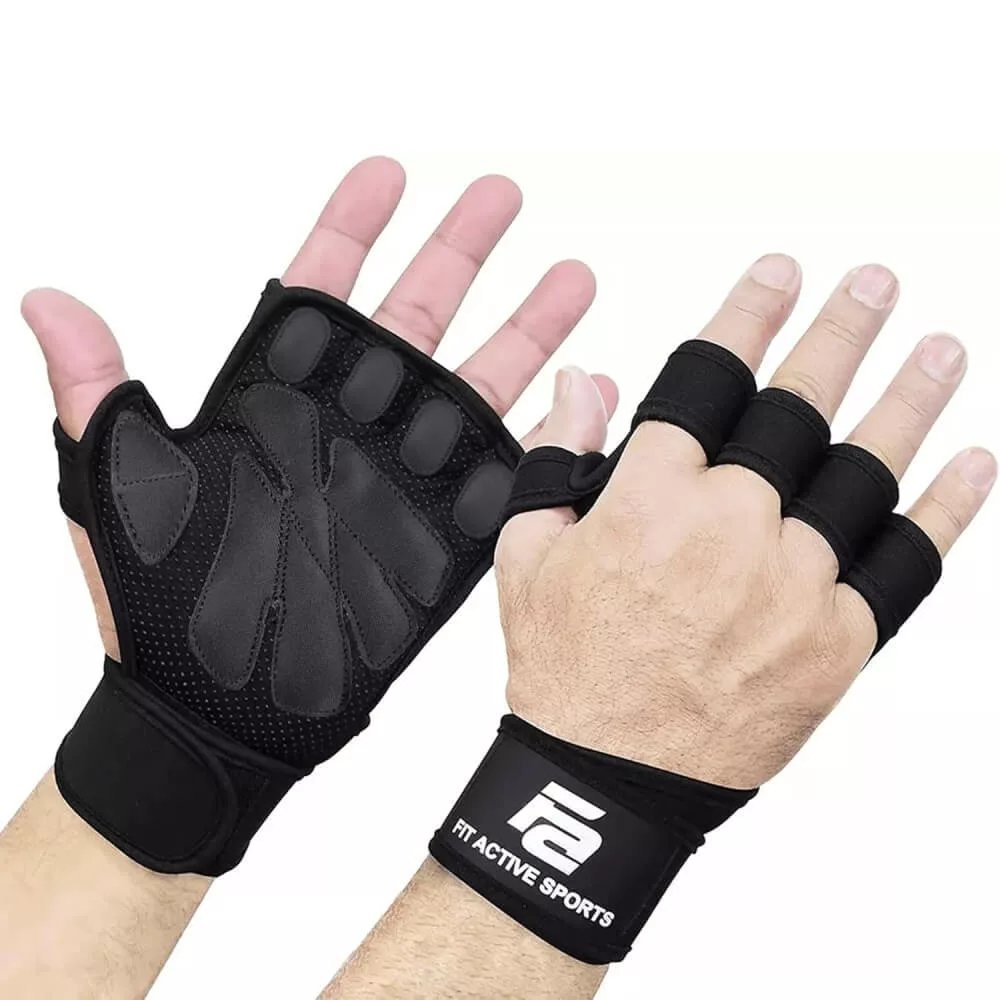
Ventilated Fitness Gloves: No More Heavily Sweating Hands?

Breathable Wristwrap Gloves with Durable Leather Palm
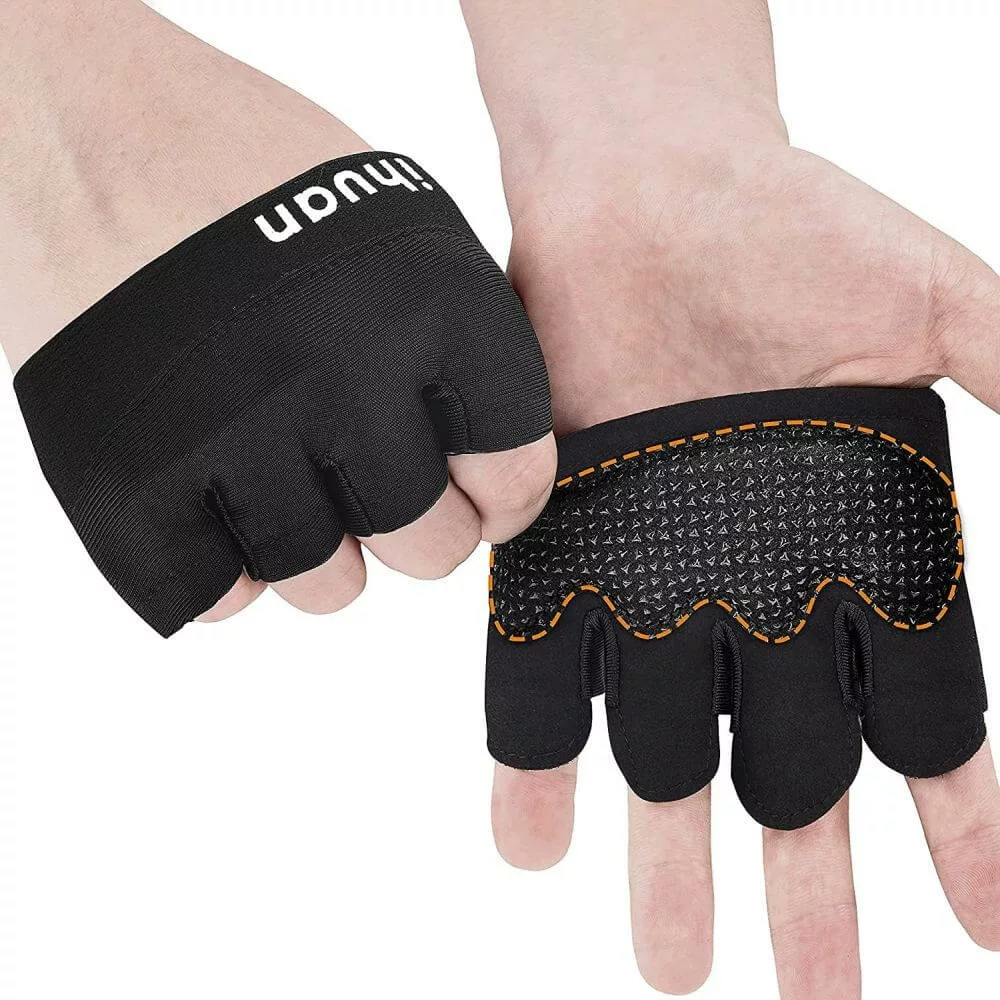
Minimal Grip Protection with Partial Fitness Gloves?
They serve as a buffer, protecting your skin when endurance is more important than maximal grip strength.
Training goals determine the role of protection.
High-repetition sets or long circuits place sustained stress on the hands. Gloves reduce friction and pressure, allowing lifters to complete endurance-focused sessions without compromising skin integrity.
This can preserve functional grip while minimizing unnecessary tissue irritation. Beginners often face difficulty adjusting to the demands of grip-heavy exercises. For those just starting out, gloves can facilitate a smoother transition into weightlifting by providing some comfort and reducing skin irritation. Early exposure shapes training habits.
As experience grows, gradually reducing glove use can then help in enhancing grip strength.
Early-stage lifters benefit from gloves as a tool to build confidence and tolerance. Over time, as hands toughen and forearm muscles adapt, reducing glove use helps ensure full sensory engagement and progressive strengthening of the grip apparatus.
Using gloves strategically means applying them in scenarios where you need their benefits without allowing them to be a crutch. They can be a part of a balanced approach, helping you safely navigate more intense or prolonged lifting sessions.
Strategy prevents dependency.
When used intentionally, gloves become a supplemental tool rather than a permanent substitute for bare-handed grip work. This ensures that protection does not come at the expense of long-term hand and grip development.
Signs Gloves Are Holding Your Grip Strength Back
One sign that gloves might be impacting your grip is if you notice your grip tiring out before your larger muscle groups do. If your hands give up while your back or chest still feels strong, it might be time to reassess your glove use.
Early fatigue in the hands indicates that the smaller muscles and tendons responsible for gripping aren’t being challenged enough. Over-reliance on gloves can mask this, allowing larger muscle groups to carry the load while grip-specific muscles remain underdeveloped.
Grip fatigue reveals hidden weakness.
You might also find yourself avoiding exercises that require bare-hand training. This avoidance could mean you’re missing out on important opportunities to develop your grip strength naturally.
Avoidance often happens unconsciously. The comfort of gloves can make bare-handed lifts feel daunting, which reduces exposure to critical tactile and mechanical stimuli needed for forearm and hand adaptation.
The most common indicators that gloves may be limiting grip development include the following signs:
- Grip fails before larger muscle groups during lifts
- Bare-hand lifting feels uncomfortable or unstable
- Grip-heavy exercises are avoided without gloves
- Grip strength plateaus despite overall strength gains
- Hands fatigue quickly during holding or carrying movements
Exposure drives adaptation.
Another indicator is increased discomfort during workouts as soon as you go glove-free. If you find it difficult to maintain a hold on weights without gloves, it could mean your hands have become too reliant on the extra padding and protection.
Discomfort signals that your hands and skin haven’t fully adapted to the forces and friction of lifting. Gradual reintroduction of bare-handed work is essential to retrain grip endurance and reinforce tendon and skin conditioning.
Adaptation requires progressive exposure.
Finally, if you notice your grip performance plateauing despite your overall strength gains progressing, it might be a clue that gloves are holding you back. When your hands aren’t acclimating to the stress of lifting, it can hinder your grip development.
Plateaus in grip performance often indicate insufficient load or sensory input. Strategic bare-handed training combined with progressive resistance ensures that grip-specific muscles, tendons, and neural pathways continue to strengthen alongside overall muscle gains.
Grip capacity improves only when the stimulus reaches the tissues.
Recognizing these signs early means you can adjust your training approach, reducing your dependency on gloves and gradually enhancing your grip prowess. Training barehanded more often or incorporating specific grip-strength exercises can help reverse these effects and boost your grip strength.
By monitoring hand fatigue, exercise patterns, and grip progression, lifters can make informed adjustments that maintain both protection and optimal development, ensuring long-term hand and forearm strength.
How to Use Weightlifting Gloves Without Compromising Grip Strength
Balancing glove use with grip training can keep your grip strength intact. One way to achieve this is by limiting glove use to specific exercises. Gloves might be used when handling particularly abrasive bars or during high-intensity workouts, but it’s key to save them for these special conditions rather than making them a default choice.
Targeted glove use allows your hands to adapt naturally during the majority of lifts while still protecting them when risk is higher. This approach ensures that grip-specific muscles, tendons, and skin are consistently challenged, promoting long-term strength and resilience.
Selective protection reinforces training efficiency.
Alternating between sessions with and without gloves is another effective strategy. By going glove-free regularly, you ensure that your hands continue to adapt to lifting demands naturally. Over time, your grip will grow stronger, which is beneficial for your overall performance.
Regular bare-handed sessions allow the hands to develop tactile sensitivity, friction tolerance, and neuromuscular coordination. Alternating between glove and no-glove sessions also helps prevent overuse injuries, as hands can recover while still receiving controlled stimulus for adaptation.
Adaptation relies on consistent exposure.
Pairing glove use with direct grip training is crucial. This involves including exercises like farmer’s walks, dead hangs, or using grip strengtheners as part of your routine. These targeted movements can help build grip muscles and reinforce the neural pathways that aid grip development, even when gloves are in use during other exercises.
Targeted grip work strengthens intrinsic hand muscles and forearm flexors while enhancing neural coordination. By combining this with selective glove use, lifters maintain both protective benefits and progressive functional adaptation, ensuring hands stay strong under load.
If you’ve been using gloves consistently, gradually transitioning to bare hands can ease this shift. Start with lighter weights or fewer reps, allowing your hands to adapt to the new sensation. This progression prevents the shock of a sudden change and builds your confidence in your grip strength without protection.
Gradual adaptation secures long-term resilience.
A gradual transition minimizes the risk of skin irritation, blisters, or tendon strain. Progressive exposure allows sensory and muscular systems to recalibrate, making the hands more resilient and capable of handling higher loads safely over time.
Effective Strategies to Protect Hands Without Fitness Gloves
Improving your grip technique can go a long way in hand protection without relying on gloves. Ensure your hands are gripping the bar correctly. This often means finding the right balance between firmness and flexibility to maintain control without excessive pressure.
Proper technique engages the right muscles and distributes load evenly across the fingers, palms, and forearms. This not only prevents premature fatigue but also reduces the risk of blisters or tendon strain, allowing hands to adapt safely to heavy lifting demands over time.
Technique anchors long-term safety.

SandBar Callus Remover: Grip-Friendly Hand Care for Lifters

Razor Sharp Callus Shaver to Maintain Grip Health?

60% Urea Cream: An Aggressive Solution for Serious Skin Damage?
Managing calluses properly is another key strategy. Regularly filing them down prevents them from becoming too prominent, which reduces the risk of rips and tears. Keeping your skin moisturized also helps in maintaining the right texture for effective gripping.
Healthy callus management maintains protective skin without compromising tactile sensitivity. Smooth, resilient skin improves friction contact with bars, enhancing grip stability while minimizing discomfort or interruptions in training.
Smart use of chalk can make a significant difference. Chalk enhances friction, helping you maintain a firm hold without the padding of gloves. It also keeps hands dry, essential for preventing slips during sweaty sessions.
Chalk use complements proper technique by improving both safety and performance. Reducing slips, it allows for more consistent lifts and better load transfer through the hands, which directly supports grip development and hand conditioning.
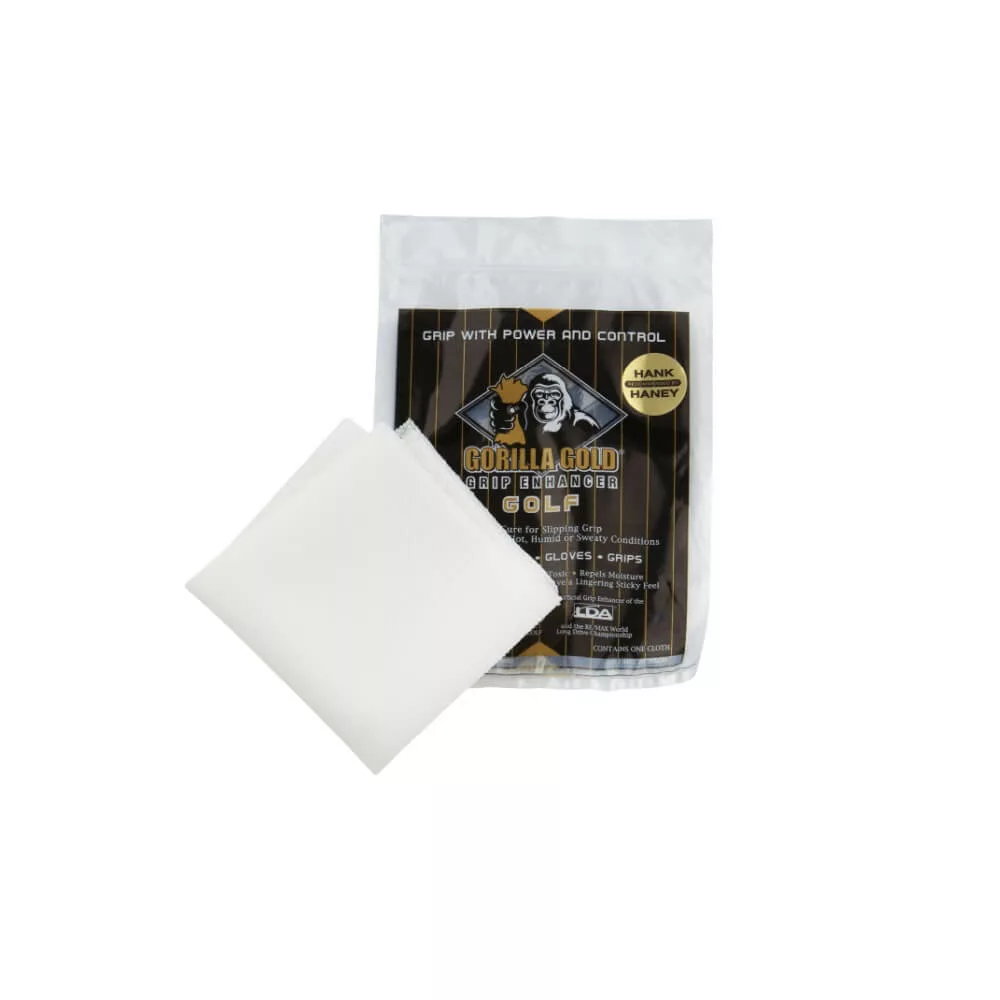
Grip Enhancing, Resin Towels: Easy To Apply In A Blink

Budget Gym Chalk, Inexpensive and Quick to Crumble

Brittle Gym Chalk, but is Easy Application Worth it?
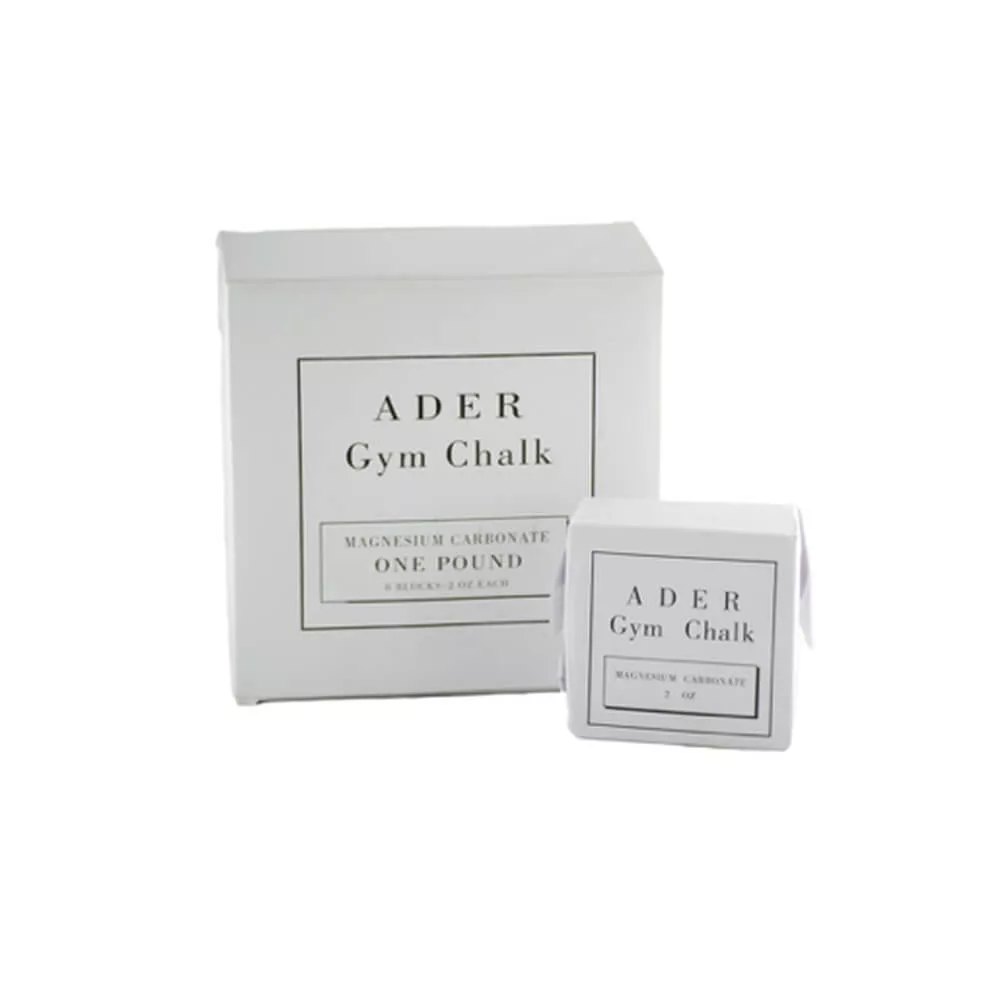
Cheap Gym Chalk: Does Simple & Affordable Do the Job?
Adjusting your training volume and allowing adequate recovery time are also vital. Overtraining can lead to sore and damaged hands, impeding long-term progression. By pacing your workouts and ensuring rest, your hands adapt naturally to the demands, building a stronger grip over time without needing glove dependency.
Strategically alternating intensity, incorporating rest days, and monitoring hand fatigue allow the tissues, skin, tendons, and muscles to strengthen gradually. This long-term approach ensures grip resilience develops alongside overall lifting capacity, making gloves less necessary for protection.
Recovery underpins adaptation.
Conclusion: Gloves Don’t Ruin Grip, Misuse Does
Wrapping up, the key takeaway is that gloves themselves aren’t the enemy of grip strength; it’s how they’re used that can make or break your progress. By incorporating them into your training mindfully, you can enjoy their protective benefits without sacrificing grip development.
Mindful use means planning when and why gloves are introduced, rather than using them by default. This intentional approach preserves tactile feedback, encourages hand adaptation, and prevents reliance on external padding.
Protection does not replace adaptation.
The most effective approach to glove use includes a few simple training principles:
- Use gloves selectively rather than during every lift
- Train bare-handed during core compound movements whenever possible
- Allow skin, tendons, and nerves to adapt through direct contact with weights
- Use gloves strategically for recovery phases or high-volume sessions
- Include dedicated grip-strength exercises in your routine
Intentional use of gloves in specific situations, like recovery or when easing into heavier weights, ensures they serve your routine without causing dependency. It’s about striking a balance, knowing when to go with or without them, and ensuring your hands face enough direct challenge to grow stronger over time.
Balancing protection with direct exposure teaches the hands to handle progressively heavier loads and varied training conditions. This ensures continuous adaptation in skin, tendons, and muscles while reducing the risk of injury during critical sessions.
Directly training your grip through varied exercises remains a cornerstone for enhancing hand strength. Regularly focusing on grip-specific workouts while moderating glove use provides the best pathway to robust and resilient hands.
Targeted exercises reinforce long-term neural and muscular adaptation.
Exercises like farmer’s carries, dead hangs, plate pinches, and wrist curls strengthen both intrinsic and extrinsic hand muscles. Combining these with bare-handed lifts allows the nervous system and connective tissues to adapt naturally, reinforcing grip development alongside overall strength.
Ultimately, cultivating a long-term development mindset around your grip ensures overarching gains in your fitness journey. Make conscious decisions, stay informed, and keep pushing those limits, not just with gloves, but in every aspect of your training.
By emphasizing progressive training, recovery, and thoughtful glove use, lifters can maximize both performance and hand resilience, ensuring grip strength grows consistently over time.
Thanks for Stopping By!
How Do Fitness Gloves Make a Difference for You?
Share Your Experience in the Comments!