(Last Updated on May 30, 2026 by Henry)
Grip performance might sound like a simple physical ability, but it’s actually the product of a complex mix of mental and physical factors. Whether it’s rock climbing, weightlifting, or even daily activities like opening a jar, the strength and endurance of our grip play a critical role. Ironically, it’s not all about brute force or muscle power; the mind has a significant part to play.

What feels like a physical limit is often influenced by mental factors working behind the scenes.
Focus, confidence, and control all shape how your grip performs under pressure.
Strength is never just physical.
Understanding this connection between mindset and grip performance can open up a world of possibilities for improvement.
A strong mindset gives you a mental edge, influencing how you approach challenges and how your body responds in those crucial moments.
When you’re mentally prepared and focused, your muscles can perform optimally, leading to improved grip strength.
This mental edge becomes especially noticeable during demanding sets or long holds, where concentration and belief directly impact how long you can sustain effort.
Focus unlocks performance.
This article aims to unpack how having a particular mindset can enhance those abilities. By looking into both psychological and physiological factors, this discussion will guide you through practical approaches to bolster your grip through mental training. It’s not just about what your muscles can do but how your mind can boost their performance.
By combining mental strategies with physical training, you create a more complete system for improving grip strength and endurance. This integrated approach leads to more consistent and sustainable progress.
Train smarter, perform stronger.
Understanding Mindset: Fixed vs Growth Mindset in Training
The mindset you carry into activities, whether physical or mental, profoundly shapes your performance outcomes. Essentially, there are two key types of mindsets: fixed and growth. A fixed mindset assumes that abilities and intelligence are static, while a growth mindset embraces the belief that skills can be developed through dedication and hard work.
This distinction plays a major role in how you approach challenges, effort, and long-term progress in grip training. Your beliefs about your ability directly influence how far you’re willing to push.
Your mindset defines your ceiling. Growth thrives on challenge.
Psychologically, these mindsets lead to starkly different paths. With a fixed mindset, any failure is seen as a limitation; you’re more likely to give up when things get tough. In contrast, a growth mindset thrives on challenges and views setbacks as opportunities to learn and improve. This perspective naturally leads to better and more consistent performance, because you’re not stalled by fear of failure.
A growth-oriented approach keeps you engaged even when progress slows, allowing you to stay consistent and continue building strength over time.
When it comes to grip performance, the type of mindset you embrace can dictate how you tackle training and face obstacles. If you’re always telling yourself that “this is all I’ve got,” you limit your ability to push further. On the other hand, nurturing a growth mindset means you might approach your grip training as a journey where every day is a chance to get better.
This shift in thinking transforms plateaus into opportunities and difficult sessions into stepping stones for improvement. Limits are often self-imposed.
So, how can one develop a growth mindset? Start by being mindful of your thoughts and self-talk. Consciously replacing negative thoughts with positive affirmations can slowly rewire your brain’s approach to challenges. Celebrating small victories and viewing failures as learning experiences also fosters a mindset ready for growth.
These small mental adjustments compound over time, gradually reshaping how you respond to difficulty and discomfort in training.
Small shifts create big changes. Train your mindset like your muscles.
Changing your mindset doesn’t happen overnight, but with intention and effort, you can reframe how you perceive challenges in grip training, leading to greater success and personal growth. A deliberate focus on developing this mindset serves well, not just in improving grip performance, but in any endeavor you take on.
Consistency in mindset development builds resilience that extends far beyond training, supporting long-term growth and performance.
The Science Behind Grip Performance and Neuromuscular Control
When we talk about grip performance, it’s more than just a measure of strength. The ability to hold on tightly involves a sophisticated interplay of muscles, tendons, and neural signals. The mechanics behind this make it a fascinating area of study.
Grip strength is a full-system effort, not just a function of your hands. Understanding how these elements work together gives you a clear advantage in improving performance.
Strength is coordination in action. Coordination amplifies strength.
Grip strength relies on several muscles within the hand, forearm, and even parts of the upper arm. These muscles must work together seamlessly to produce a strong grip that can be sustained under pressure. However, raw muscular strength isn’t the only player here; coordination and precise neural control fine-tune this process.

Why are Handbands Staple to Build Hand Muscle Balance?

Fancy Finger Exerciser to Build Functional Grip Strength
Efficient movement comes from how well these systems communicate, not just how strong they are individually.
One might wonder how mental concentration fits into the picture of physical grip. The brain sends signals through neural pathways to muscle fibers, instructing them when to contract and how hard to clinch. When focused, these signals are stronger and clearer, leading to more efficient muscle use and better grip performance.
- Mental focus strengthens neural signal efficiency
- Clear brain-to-muscle communication improves grip output
- Concentration enhances muscle coordination and timing
- Focused effort reduces wasted energy during holds
Focus sharpens execution.
Factors like age, physical conditioning, and even fatigue significantly influence grip strength. But by harnessing concentration and mental discipline, we can modulate some of these influences. For instance, a well-rested mind improves muscle recovery and enhances responsiveness, both of which contribute to a more powerful grip.
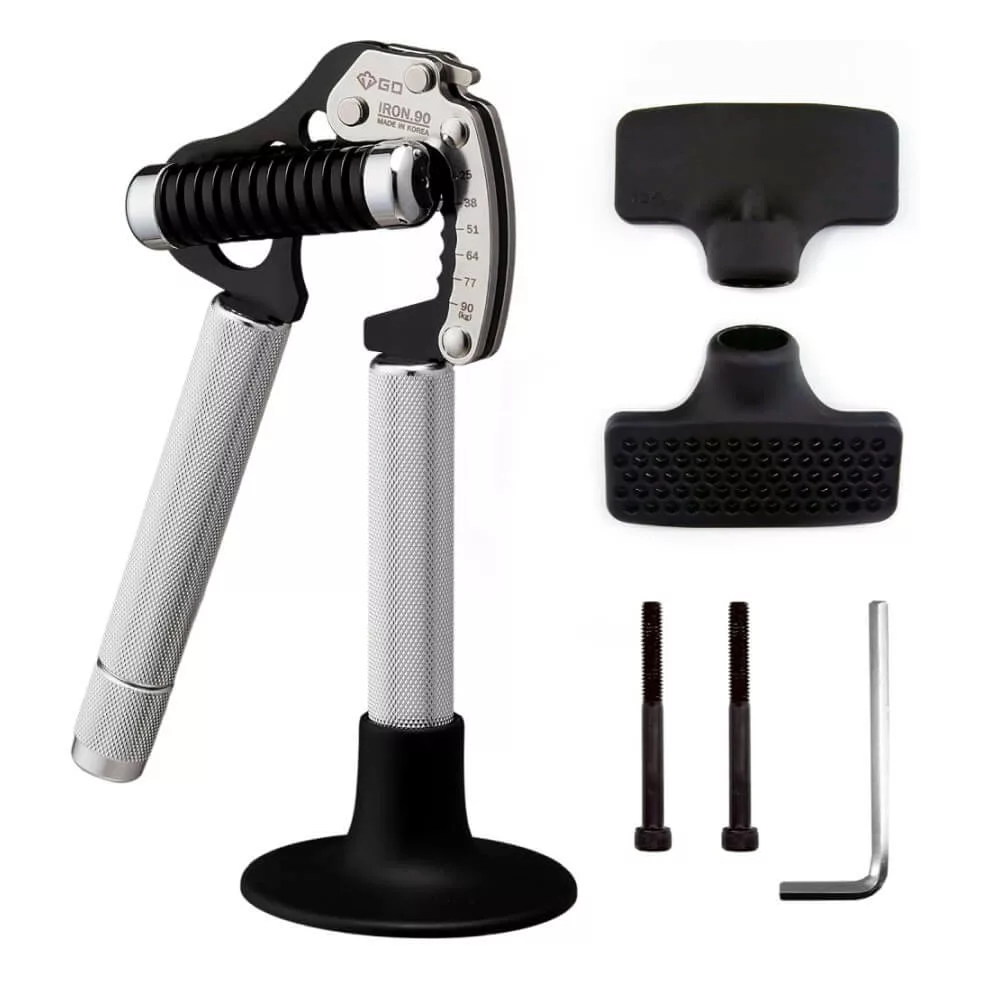
One of the Most Precise Grippers Ever Built?
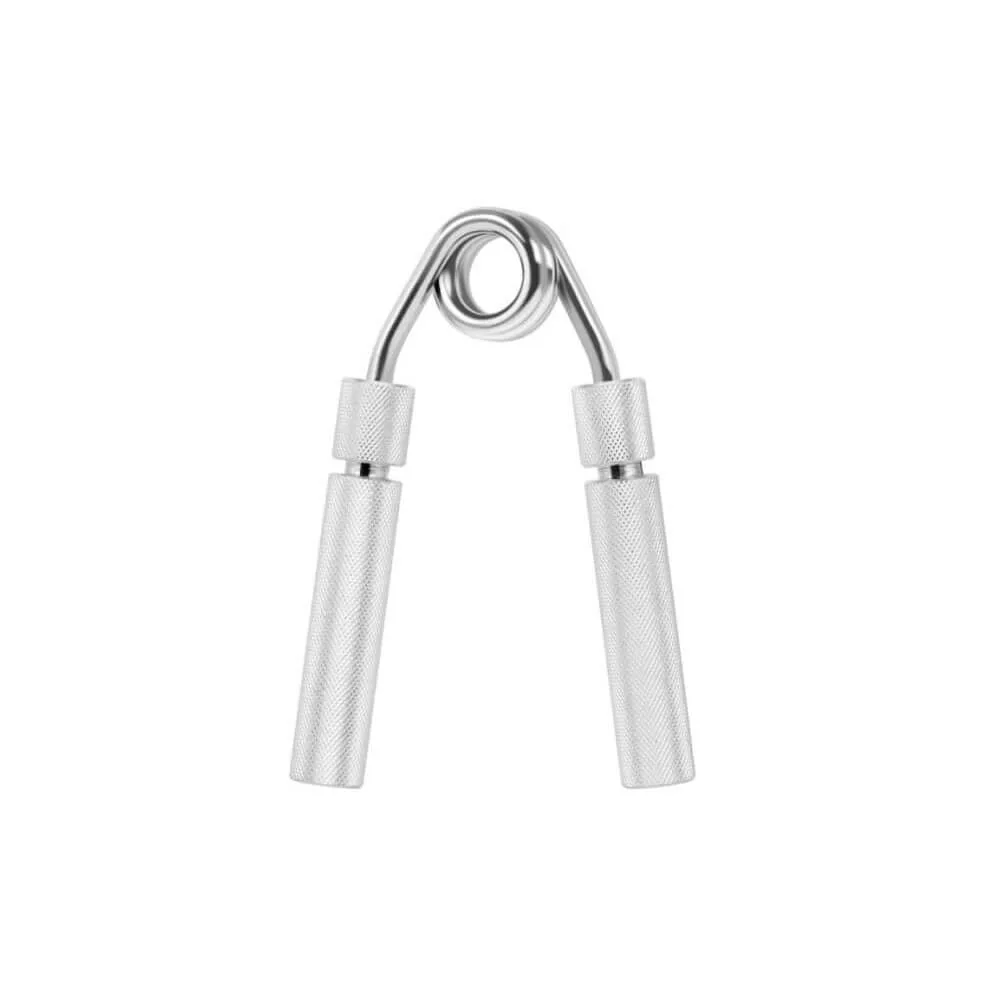
Budget Gripper: Do Cheap Options Still Work?
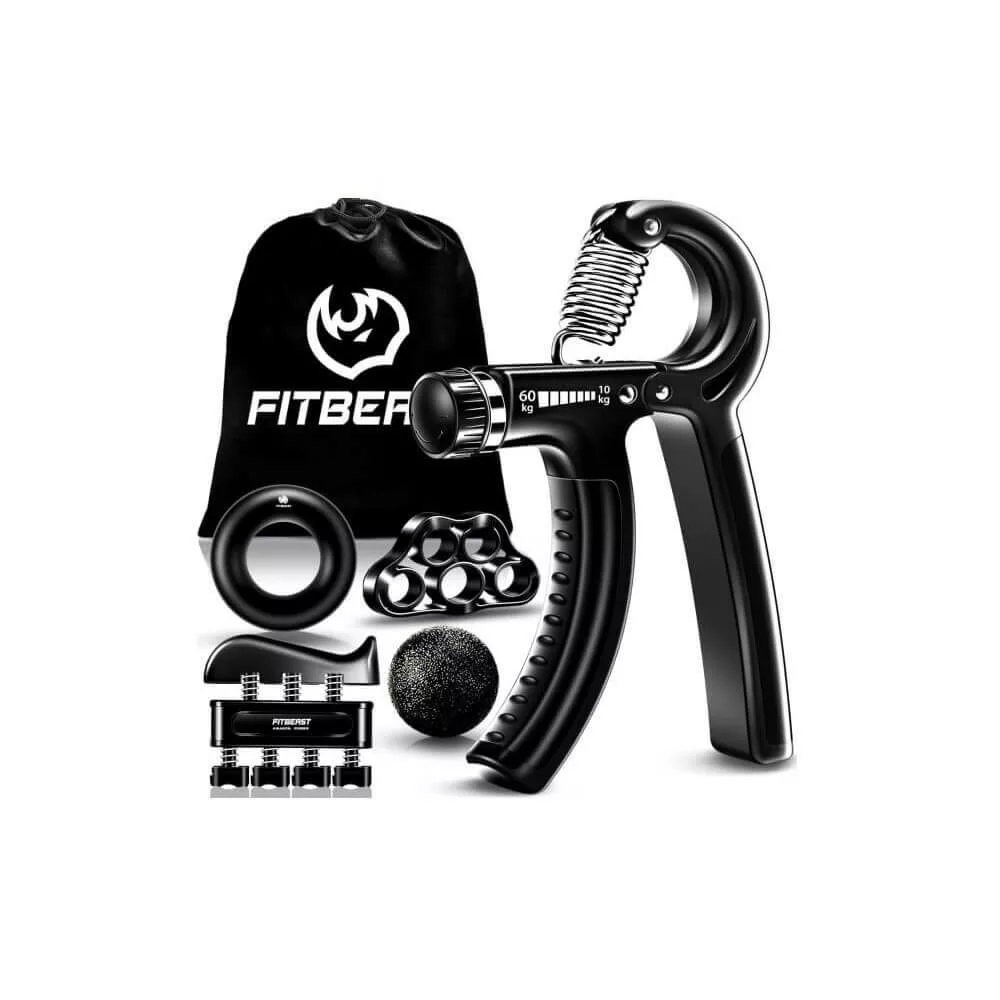
Budget Grip Strengthener Kit With 5 Trainers
Mental clarity helps you perform closer to your physical potential, even when external factors aren’t ideal. Control what you can control.
Though technique and physical training form the foundation of grip performance, mental practices cannot be overlooked. Techniques such as visualization and mental rehearsal are powerful tools. By regularly practicing these, one not only trains the mind to handle stress but also prepares it to direct strength effectively when needed. These methods bridge the gap between intention and execution, making your efforts more precise and effective.
Train the signal, not just the muscle. Mind and muscle must align.
Improving grip strength requires both physical and mental commitment. By understanding the science and leveraging mental focus, anyone can work towards achieving optimal grip performance, which benefits everything from everyday tasks to specialized athletic pursuits.
When both systems work in sync, performance becomes more consistent, controlled, and powerful.
How Stress and Anxiety Affect Grip Strength and Endurance
Stress and anxiety are feelings we’re all acquainted with, particularly in high-pressure situations. Their impact on grip strength is both immediate and profound. When stress levels peak, they trigger physiological responses, often affecting our body’s ability to perform physical tasks efficiently.
In grip training, where control and endurance are critical, even small spikes in stress can noticeably affect performance. What you feel mentally quickly translates into physical output.
Stress changes performance instantly.
Whenever you’re anxious, your body’s fight-or-flight response kicks in, and this can either hinder or occasionally heighten physical abilities. But, more often than not, the quickened heart rate, muscle tension, and inadvertently altered breathing patterns disrupt optimal grip strength.
These reactions reduce coordination and efficiency, making it harder to sustain a strong and controlled grip when it matters most.
Tension weakens control. Manage stress, unlock strength.

Hand Exercise Balls: Simple Relief & Strength for Tired Hands

Fantastic Hand & Finger Strength Trainer to Keep Grip in Shape
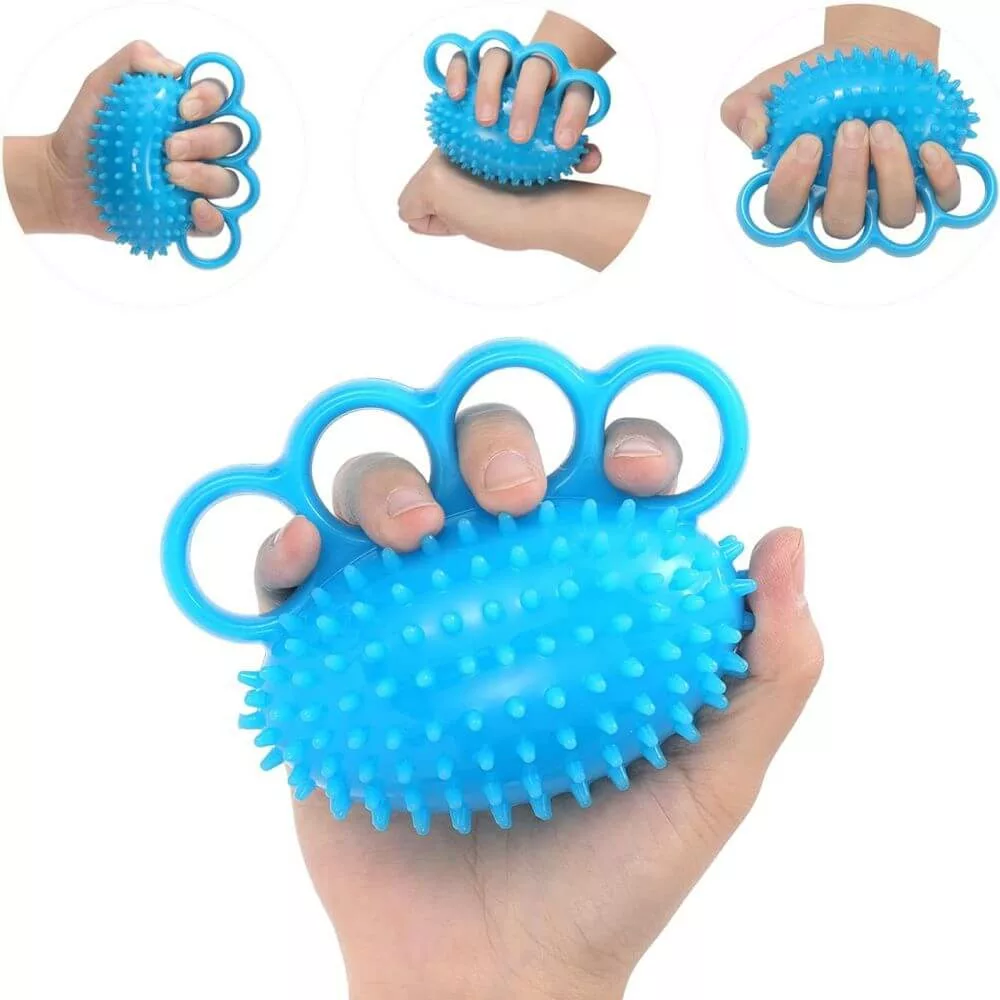
Therapy-Grade Stress Relief & Rehab Crush Grip Trainer

The Best 3-Level Therapy Egg Set for Hand Rehab & Stress Relief?
Understanding these effects is a crucial step toward mitigating their impact. Stress, for instance, can lead to muscle fatigue quicker than normal, not to mention interfere with the precision and control you require for effective gripping. Thus, there’s a direct link between how we manage stress and the performance of our physical tasks, including those requiring grip strength.
When stress is managed effectively, your body can perform closer to its true capacity without unnecessary interference.
To better handle stress and anxiety, especially in scenarios where grip performance is essential, developing relaxation techniques is key. Practices like deep-breathing exercises or short mindfulness moments before performance tasks can calm the mind and ease bodily tension. This promotes clearer signals between the brain and muscles, facilitating better performance.
Simple techniques practiced consistently can make a noticeable difference in how steady and controlled your grip feels under pressure.

Modern Rice Bucket Gadget for Grip & Forearm Training?
Calm mind, steady grip. Control the environment, improve the outcome.
Even small changes, such as adjusting your environment to minimize distractions or adopting a regular relaxation routine, can make significant strides in how stress affects your physical abilities. Thus, embracing these strategies can be essential for maintaining not only consistent grip performance but also overall well-being.
Creating a calm and focused training environment supports both mental clarity and physical execution over the long term.
Building a Positive Mindset for Better Grip Strength and Consistency
A positive mindset stands as a cornerstone for improving grip performance. It affects not only how you perceive challenges but also how you push past limitations. Adopting this mindset involves training your thoughts much like you would your muscles.
Your mindset shapes how far you’re willing to go when things get difficult. The stronger it is, the more consistently you can perform under pressure.
Positivity fuels progress, & your thoughts guide your effort.
Start by incorporating techniques that help in fostering a growth mindset, which is pivotal for progress. Engage in positive self-talk, pushing yourself to reframe setbacks as learning opportunities rather than failures. This helps in maintaining motivation and resilience when faced with challenges in grip training.
Reframing your thoughts keeps you moving forward instead of getting stuck in frustration or doubt. It turns obstacles into opportunities for growth.
Visualization is another powerful tool. By visualizing successful grip performances, you can program your mind to remain calm and focused during actual tasks. This aligns your mental state with your physical efforts, enhancing your grip capacity naturally.
Mental rehearsal prepares you to execute with confidence, reducing hesitation and improving control during demanding exercises.
See success before it happens: Small wins build big strength.
Goal setting plays an equally important role. Small, achievable goals can set the pace for continual improvement, allowing you to see tangible progress in grip strength. Each goal met is a step forward in building self-confidence and reinforcing a positive outlook.
Clear goals give your training direction and make progress easier to recognize and build upon.
Recognizing and celebrating these small victories ensures that your journey remains rewarding. They serve as reminders of your capability to grow and improve. This acknowledgment paves the way for a sustainable, long-term approach to enhancing grip performance that combines both mental and physical evolution.
Consistency becomes easier when progress feels meaningful and visible over time.
Celebrate progress, sustain growth.
Cognitive Behavioral Techniques (CBT) for Improving Grip Performance
Cognitive Behavioral Techniques (CBT) offer practical methods to alter negative thought patterns and, in turn, improve grip performance. Utilizing CBT principles, athletes can address the mental hurdles that often accompany physical challenges.
These techniques give you a structured way to take control of your mindset instead of reacting to it. Over time, this creates a more stable and performance-driven mental state.
Control your thoughts, control your performance. Awareness drives change.
CBT involves identifying and understanding the negative thoughts that may arise during performance, which often pave the way for self-doubt. By recognizing these, you can work to replace them with constructive thoughts that support rather than hinder your efforts.
Awareness is the first step; once you notice the pattern, you can begin to change it.

Don’t Guess: Use Grip Dynamometer for Accurate Progress Tracking
Creating and maintaining a thought diary can be an effective CBT strategy. Document any negative thoughts linked with your performance and actively challenge them with positive counter-statements. This exercise strengthens the mental muscle of optimism, fostering resilience.
- Identify negative thoughts during or after training sessions
- Write them down to recognize recurring patterns
- Challenge them with realistic, positive counter-statements
- Reinforce constructive thinking through consistent journaling
Rewrite the narrative.
Another CBT aspect crucial for grip improvement is visualization, which involves mentally rehearsing successful grip tasks. This preparation decreases anxiety and improves the focus needed for actual performance, promoting more confident and controlled movements. This mental rehearsal builds familiarity, making challenging movements feel more manageable and controlled.
Prepare mentally, perform physically.
Case studies have shown that athletes who integrate CBT techniques into their routines tend to experience measurable improvements not only in grip strength but also in their overall performance mindset. By recalibrating thoughts towards more positive and productive pathways, gripping challenges become more approachable and achievable.
When your mindset supports your effort, progress becomes more consistent and sustainable.
Integrating CBT into your training not only aids in grip performance but also enhances mental well-being, creating a holistic approach to tackling both physical and psychological challenges. This balanced approach strengthens both your performance and your long-term relationship with training.
Thoughts shape results. Strong mind, strong results.
Mindfulness and Meditation for Grip Strength and Mental Focus
Mindfulness and meditation might seem far removed from physical tasks like grip strength, but they’re incredibly effective in enhancing overall performance. By training the mind to stay present and focused, these practices contribute to improved physical outcomes.
What seems like a mental practice quickly becomes a physical advantage when applied consistently. Focus and awareness directly influence how your body performs.
Presence improves performance. Focus sharpens execution. Calm creates control.
Mindfulness involves paying attention to the present moment without judgment. When it comes to grip performance, this means being fully aware of how your body is feeling and performing right now, not getting distracted by past failures or future worries. This awareness can result in better technique and efficient energy use during gripping tasks.
Being present allows you to make small adjustments in real time, improving control and reducing wasted effort during demanding holds.
Meditation, on the other hand, helps cultivate a baseline level of calm and focused attention. Consistent meditation practice can enhance your ability to concentrate, reduce stress, and improve the mind-body connection essential for strong performance.
A calm baseline makes it easier to handle high-intensity situations without losing control or focus.
Integrating simple mindfulness exercises such as deep breathing or body scanning before grip training sessions can prepare your mind and body, aligning them for maximum effectiveness. These techniques ensure a calm, collected approach, reducing the anxiety that may interfere with performance. Preparation doesn’t just happen physically: it starts mentally before you even touch a weight or bar.
Prepare your mind to perform. Recover faster, perform better. Train the mind, elevate everything.
Moreover, research suggests that a mind trained in mindfulness can recover more quickly from physical exertion. Faster recovery means you’re ready to engage in activities requiring grip strength sooner and with better results.
Efficient recovery keeps your training consistent, which is key for long-term improvement.
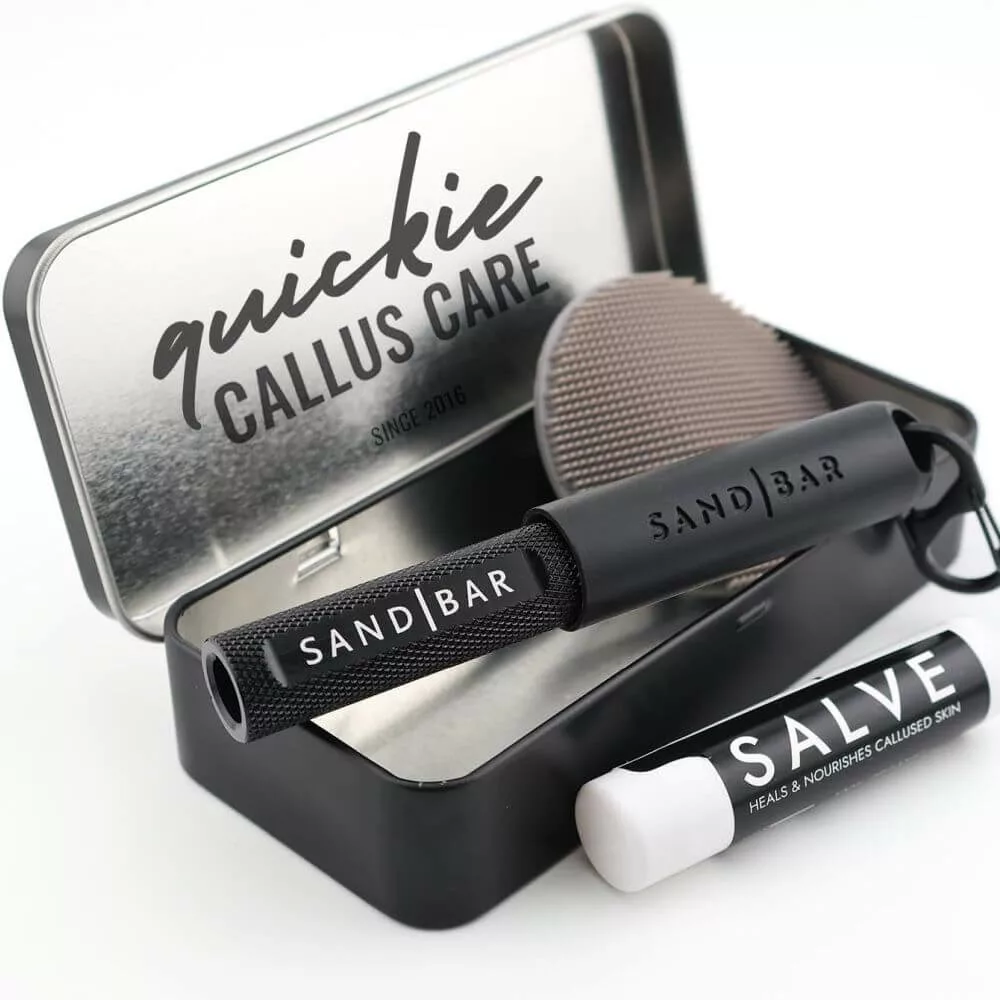
SandBar Callus Remover: Grip-Friendly Hand Care for Lifters

Razor Sharp Callus Shaver to Maintain Grip Health?

60% Urea Cream: An Aggressive Solution for Serious Skin Damage?
Practicing mindfulness and meditation regularly not only supports grip performance but also promotes overall mental clarity and well-being. It’s about creating a healthier mind-body relationship that can translate into all areas of life. This connection strengthens not just your grip, but your ability to handle challenges both in and out of training.
Real-Life Athlete Mindset Strategies and Performance Lessons
Hearing about elite athletes’ journeys can be inspiring, especially when understanding how mindset has played a pivotal role in their success. These stories not only highlight their physical training regimens but also their mental discipline, providing insights that anyone can apply to improve grip performance and beyond.
Real-world examples make the connection between mindset and performance tangible. They show what’s possible when mental training is taken seriously.
Success leaves patterns to follow: Every setback is data.
Take the story of a climber who faced numerous setbacks but steadily overcame them by fostering a growth mindset. They focused on learning from each fall and refining their techniques, which ultimately led to achieving personal bests and conquering more challenging terrains.
This approach turns failure into feedback, allowing continuous improvement instead of stagnation.
A renowned powerlifter speaks about the importance of positive self-talk, a tool that has helped them push past mental barriers during competitions. By mentally rehearsing successful lifts and maintaining focus, they have set new records while cultivating a resilient approach to training.
Controlling internal dialogue allows athletes to stay composed and execute under pressure, even in high-stakes moments.
Your mind leads your performance.
Athletes from different sports often emphasize the combined use of visualization and goal setting. A professional tennis player attributes their improved grip strength and overall performance to these practices, having visualized each match in detail before stepping onto the court.
This mental preparation builds confidence and clarity, making physical execution more precise and controlled.
Preparation builds confidence.
The mindset of these athletes demonstrates the tangible effects of mental training techniques. These approaches not only enhance performance but also fortify the determination needed to tackle challenges head-on, offering valuable lessons applicable to various aspects of life.
Mental strength creates consistency, especially when facing pressure, fatigue, or uncertainty.
Consistency is built mentally: Train the mind, elevate performance.
These real-life examples illustrate that integrating mental strategies with physical training doesn’t just improve grip strength; it enhances overall athletic prowess and extends benefits to everyday situations requiring mental and physical balance.
When mindset and training align, performance becomes more reliable, repeatable, and sustainable over time.
Conclusion: Integrating Mindset Training With Grip Development
Integrating a focused mindset with grip training offers a comprehensive approach to achieving and sustaining peak performance. As explored, the unity of mental strength and physical ability creates a foundation for improved outcomes in various tasks and sports.
When these two elements work together, performance becomes more consistent and efficient. You’re no longer relying on strength alone; you’re maximizing how that strength is applied.
Alignment creates performance.
Consider treating mindset and physical training as two sides of the same coin. Developing mental resilience through mindfulness, meditation, and cognitive techniques complements the physical demands of grip exercises, ensuring a balanced approach to performance.
This balance allows you to handle both the physical strain and the mental pressure that come with demanding grip work.
Balance builds durability: Small habits, lasting strength.
Starting small by incorporating these mental strategies into regular workout routines can lead to profound and lasting impacts. Aim to create a consistent practice routine that combines both physical grip drills and mental preparation techniques, reinforcing both sides regularly.
Consistency is what transforms these small additions into long-term advantages. Over time, they become second nature.
By doing this, you’re likely to notice an improvement not just in grip strength but in overall confidence and capacity to tackle new challenges. The journey to enhancing grip performance through mindset is not a destination, but rather a continuous process of growth and adaptation.
Progress becomes more than numbers; it becomes a shift in how you approach effort, discomfort, and challenges.
As the boundaries of what the mind and body can achieve together become clearer, future developments in mindset-focused training can continue to offer new insights, benefitting grip performance and broadening its potential possibilities.

Spinning Burn Rotator Machine: Build Your Wrists Endurance

Burn Machine Arm Rotation Trainer: Shockingly Effective?
Staying open to new strategies keeps your training evolving and effective over the long term.
Growth is ongoing. Evolve to keep improving.
Thanks for Stopping By!
How Do You Build Confidence in Your Grip?
Share Your Experience in the Comments!