(Last Updated on May 30, 2026 by Henry)
Grip confidence is more critical than many think. It’s not just about holding things securely; it’s about the assurance it brings to everyday tasks, sports, and even in the gym. Whether you’re climbing a rock wall or carrying groceries, a confident grip makes a huge difference.

Confidence in your grip changes how you approach movement. When you trust your hands, you move with more control, less hesitation, and greater efficiency.
Confidence changes performance.
Many often underestimate the role of grip strength in their daily lives. Some might believe it only matters for athletes or those lifting weights, but in reality, everyone benefits when they know their grip won’t falter.
From shaking hands firmly to unscrewing tight lids, grip strength plays a part in many facets of life.
When your grip feels reliable, everyday tasks become easier and less mentally taxing. You stop second-guessing your ability to hold on or complete simple actions.
Trust in your grip removes doubt. Confidence is built through action.
In this journey to build confidence in your grip, we’ll uncover practical methods and bust a few myths along the way.
With the right approach and techniques, you’ll feel more assured and capable as your grip strengthens. Throughout this article, you’ll discover scientific insights, helpful techniques, and tools that can aid in building up this often-overlooked skill.
This isn’t just about getting stronger; it’s about feeling stronger every time you use your hands.
Understanding Grip Mechanics and Hand Strength Anatomy
The human hand is a marvel of biology, designed for precision and strength. Understanding how it works can really boost your confidence in everyday tasks. The muscles and tendons responsible for grip strength are primarily located in the forearm, working like a complex system of pulleys and levers to manipulate the fingers.
When you understand what’s happening beneath the surface, your training becomes more intentional and effective. Knowledge removes uncertainty and replaces it with control.
Understanding builds confidence. Train every type, trust every task.
Grips can vary a lot. There are crushing grips that you use when shaking hands or lifting weights, pinching grips like when holding a pencil, and supporting grips needed for carrying bags. Knowing these types helps in targeting the right muscles during any strength training.
Each grip type serves a different purpose, and developing all of them ensures balanced strength and better overall performance. This variety also helps you feel more capable in different real-world situations.
Wrist stability is often an overlooked aspect of a good grip. A stable wrist prevents injury and enhances overall hand strength. Simple wrist exercises and consistent stretching can maintain strong, flexible wrists, complementing grip training. Investing time in understanding these mechanics can help guide you in making informed decisions about developing your grip strength.
Strong wrists act as the foundation for a confident grip. Without stability, even strong hands can feel unreliable under pressure.
Stability creates strength.
Assessing Your Grip Strength: Knowing Your Starting Point
Before diving into grip training, it’s smart to know where you’re starting from. Assessing your grip strength helps set realistic benchmarks and track progress. There are simple ways to measure how strong your grip is, and figuring out these numbers can be eye-opening.
When you have a clear starting point, your training gains direction and purpose instead of guesswork.
Know your baseline, and everything improves from there.
One straightforward method is the dynamometer test, which provides an accurate measure of grip strength in kilograms or pounds. If you don’t have access to this tool, try a hanging test to see how long you can hang from a bar without letting go. Then, there are everyday tasks like tightly squeezing a rubber ball or unscrewing a jar lid to give a practical sense of your strength.
These simple assessments give you real, measurable feedback that you can build on over time.
Measure it. Understand it. Improve it.
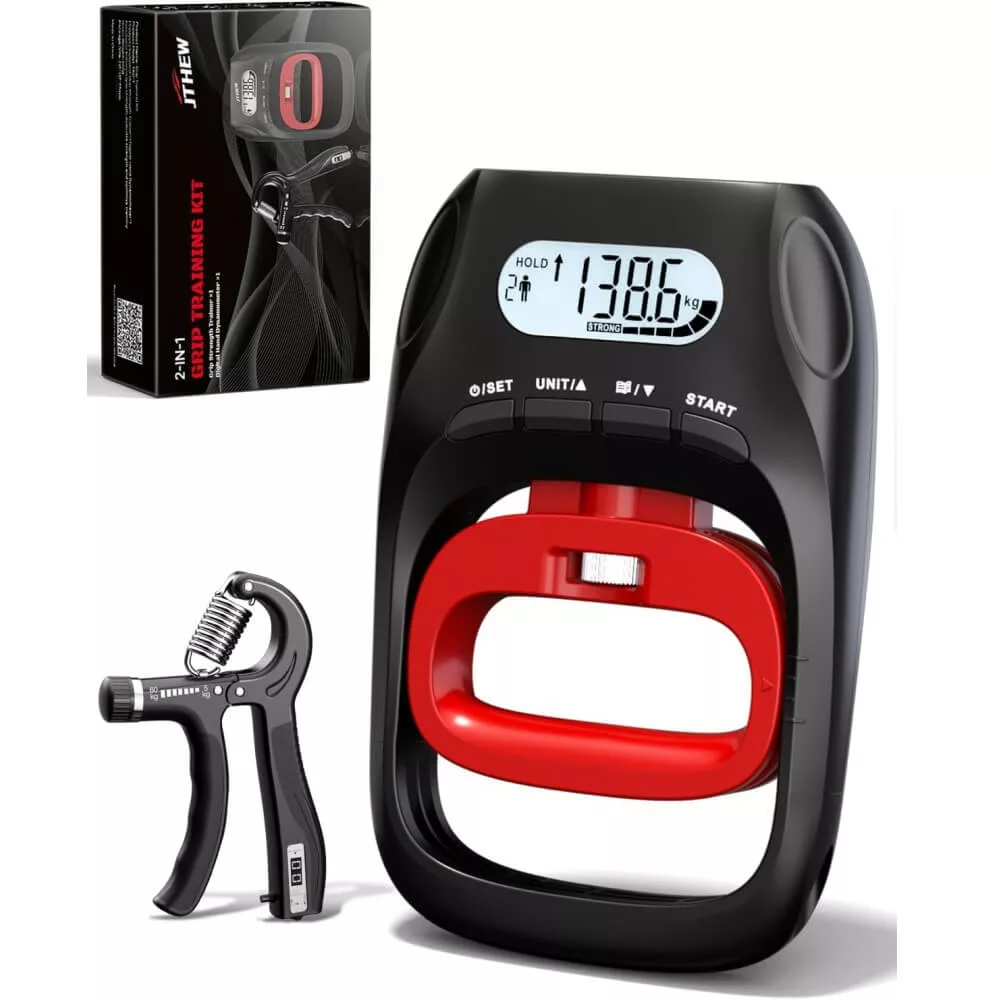
Don’t Guess: Use Grip Dynamometer for Accurate Progress Tracking
Identifying your weak points is also key. Sometimes, one hand is stronger than the other, or you might struggle with specific grip types. Knowing these details helps focus your efforts and create a targeted approach.
Pinpointing weaknesses allows you to train smarter, not just harder, which leads to faster and more balanced progress.
Weakness reveals where strength is built.
Setting goals is where the journey truly begins. With a clear understanding of your current grip strength, you can map out achievable milestones. Aim for progressive improvements, whether it’s holding a certain weight or enduring longer hang times. Keeping goals specific and attainable ensures steady progress and sustained motivation.
Clear goals turn small improvements into long-term confidence you can rely on. Step by step, strength becomes certainty.
Proven Techniques to Improve Grip Strength and Performance
Once you know where you stand, it’s time to roll up your sleeves and start working on those grips. Targeting different grip types in your exercises maximizes benefits by engaging various muscle groups. Simple tools like dumbbells and barbells work wonders. Incorporate exercises like the farmer’s walk, where you carry weights over a distance, or deadlifts that require a strong grip to lift loaded bars. These exercises help enhance crushing grips and build overall hand strength.
Action builds confidence faster than anything else. Do the work, build the trust.
Pinch grips need their moment, too. Pinching weight plates together or using pinch grip trainers can sharpen your ability to hold on tight with your fingertips. These activities build up muscles that come in handy in countless real-world scenarios, from opening jars to handling small objects with precision.
- Farmer’s walks and deadlifts for crushing grip strength
- Pinch holds with weight plates or grip trainers for finger strength
- Balanced training across all grip types for real-world performance
- Functional carryover to daily tasks and sports activities
Train with purpose, not just effort.
Consistency is key, but be mindful not to overdo it. Adding grip exercises to your regular workout routines makes it easier to stick with them without overworking those muscles. Whether it’s at the beginning, in between sets, or at the end of a session, planning where grip work fits best can keep you on track.
Smart consistency beats random intensity every time. Stay consistent, stay progressing.
Progressive overload is a fancy term for gradually increasing the load or resistance as you get stronger. So, as your grip strengthens, up the ante by increasing weights, durations, or repetitions. This principle ensures continuous improvement by nudging your muscles to consistently adapt.
Progress doesn’t come from comfort; it comes from challenge applied over time. Push a little further each time.
Essential Tools and Equipment to Enhance Grip Training
A solid grip isn’t just about exercises; the right tools can take your training up a notch. Grip strengtheners, like squeeze balls and adjustable grippers, are perfect for targeting grip effectively without needing a full gym setup. They’re easy to use at home or even while sitting at your desk.
The right tools remove friction from your routine and make consistency easier to maintain.
Make training accessible, make progress inevitable. Resistance bands are another versatile addition to your toolkit. Using them for exercises like band pull-aparts or wrist curls can improve not only grip but also general arm strength, supporting those grip-specific muscles in a balanced way.
They allow for controlled resistance and help strengthen supporting muscles that often get overlooked in grip-focused routines. Support muscles support strength.
Don’t forget chalk. It might not seem obvious, but chalk helps reduce moisture on your hands, providing a more secure grip during intense workouts or when handling weights. This can be particularly useful during gym sessions where a secure hold is essential.
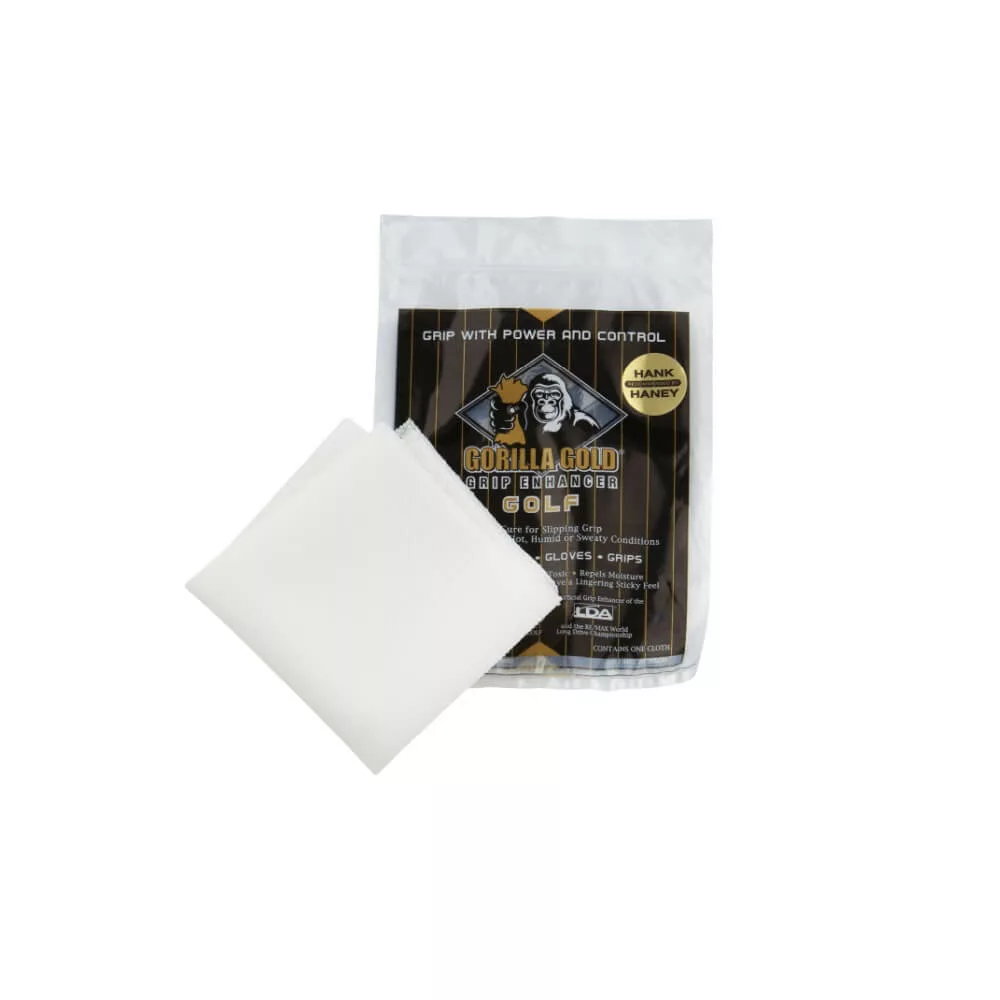
Grip Enhancing, Resin Towels: Easy To Apply In A Blink
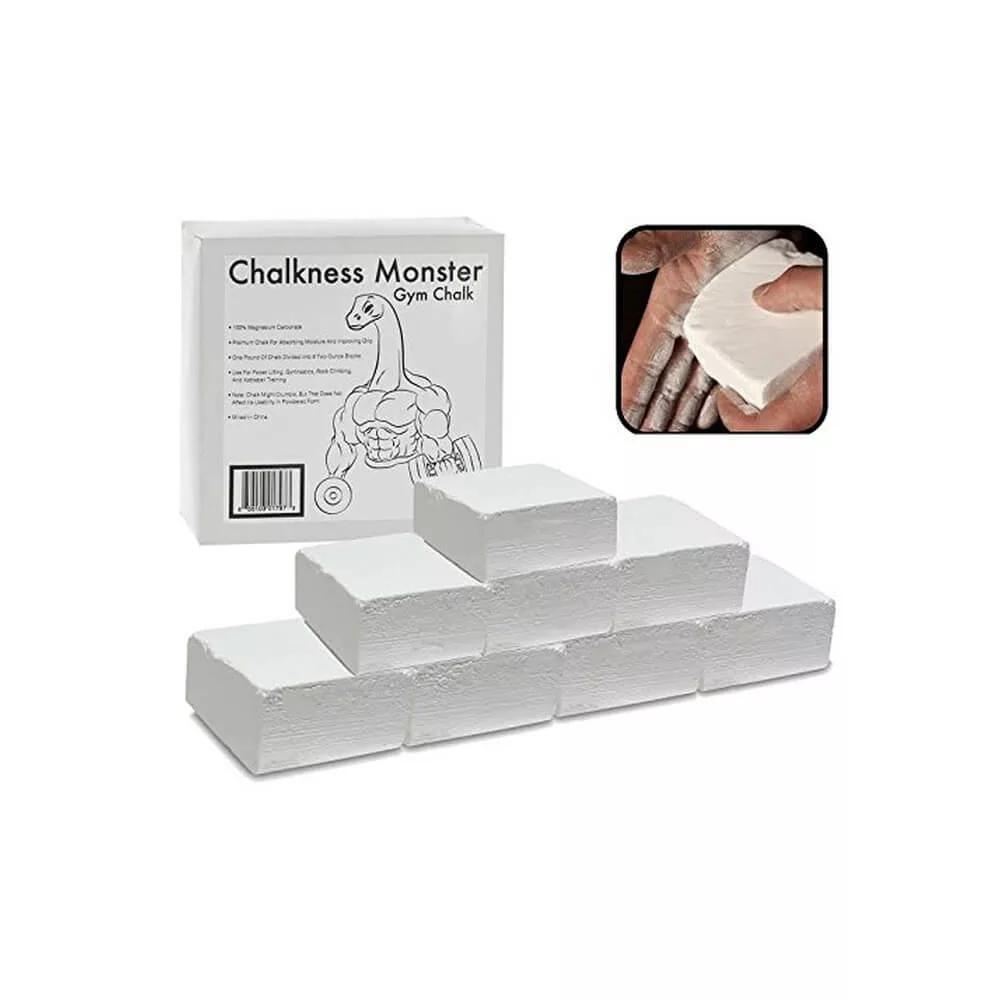
Budget Gym Chalk, Inexpensive and Quick to Crumble
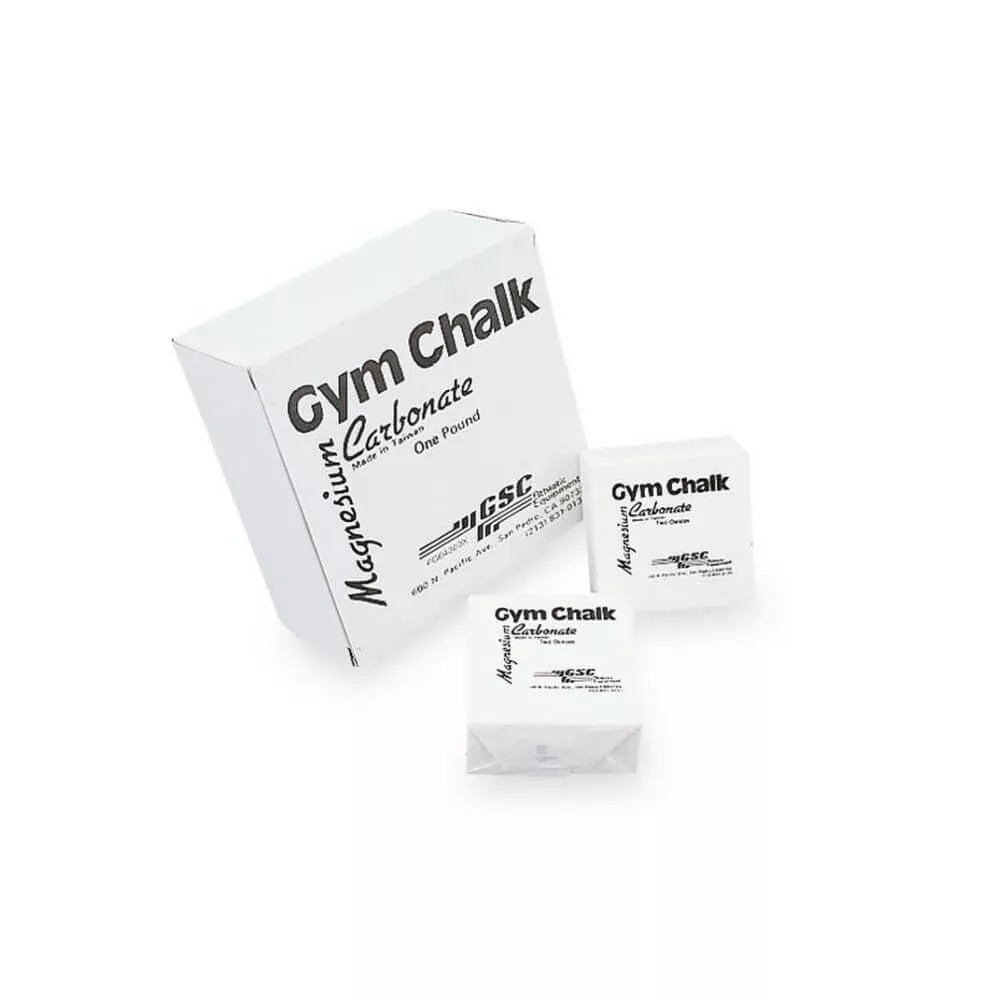
Brittle Gym Chalk, but is Easy Application Worth it?
A more secure hold builds confidence under load, especially during heavier lifts or longer holds.
Better grip, less slip. Wearing gloves isn’t just about comfort; they protect your hands and provide an extra layer between the skin and rough surfaces, which is crucial for long training sessions. They can also help in maintaining grip on slippery equipment.
Protection allows you to train longer and more consistently without setbacks from discomfort or skin damage.
Protect your hands, protect your progress.
Experimenting with these tools helps you find what works best for you. The aim is to make grip training effective and adaptable, allowing you to focus solely on gaining strength without unnecessary distractions.
When your setup works for you, your focus stays where it should, on performance and progress. Find your tools, build your system.
Building Mental Strength and Confidence for Better Grip Performance
Having the right mindset is crucial when building confidence in your grip. It’s often more mental than physical because doubt can creep in when you’re facing a challenging weight or trying a new exercise. A positive mindset helps steer through those tough moments.
Confidence is often decided before the lift even begins. Win the battle in your mind first.
Visualization can work wonders here. Picture yourself succeeding, lifting that heavy object or hanging from the bar with ease. It primes the mind to expect success, boosting confidence when it’s time to actually do it. This mental rehearsal reduces hesitation and helps you approach each attempt with more certainty and control.
See it clearly, perform it confidently.
Overcoming mental barriers involves acknowledging them first. Understand what holds you back, be it fear of failure or past experiences, and work deliberately to push through these hurdles.
Incremental victories build trust in your abilities, making each next step a bit easier. Each small win chips away at doubt and replaces it with proof of your capability.
Progress builds belief over time.
Remember, everyone faces some form of mental block. The trick lies in not letting it stop your progress. Developing resilience and reminding yourself of past successes reinforces your capability and drives motivation forward.
Looking back at how far you’ve come can be just as powerful as focusing on where you’re going. Your past wins fuel your future efforts. Alignment creates confidence. When you combine strong mental preparation with physical training, you set a solid foundation for grip strength improvement. It’s about marrying the mind and body for peak performance.
When both work together, confidence becomes automatic, not something you have to force.
Daily Habits That Naturally Strengthen Your Grip Over Time
Building grip strength isn’t only about sessions at the gym; daily habits play a big role, too. It’s about integrating small changes in everyday routines to keep those hands and forearms engaged.
What you do outside the gym quietly shapes your results inside it.
Small habits build big strength over time. Start with lifestyle tweaks, like choosing stairs over elevators and carrying groceries without a cart. These activities might seem trivial, but they require a decent amount of grip, subtly boosting strength over time.

Why are Handbands Staple to Build Hand Muscle Balance?
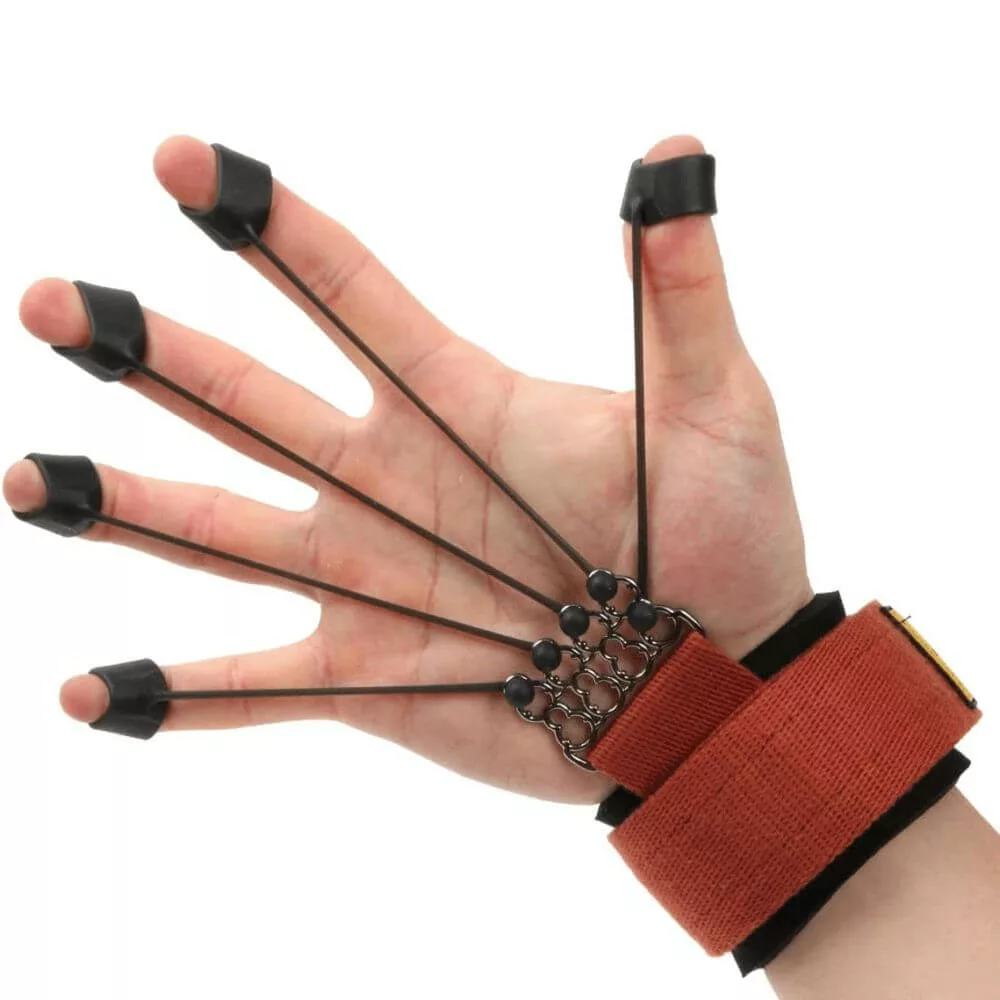
Fancy Finger Exerciser to Build Functional Grip Strength
These everyday opportunities add up, reinforcing strength without needing extra dedicated training time.
Use daily life as training. Nutrition is another cornerstone. A balanced diet supports muscle health, and ensuring adequate intake of protein, calcium, and vitamins helps repair and build the muscles engaged in grip work. Hydration matters too, as it keeps your muscles functioning optimally.
Proper fuel ensures your body can recover, adapt, and perform at its best consistently.
Fuel your strength from within. Setting aside time for rest and recovery is crucial. Overworking your hands can lead to fatigue or even injury, so listening to your body is key. Incorporate stretches and massages to enhance blood flow and ease tension in hand muscles.
Recovery is where strength is actually built, not just during training sessions.
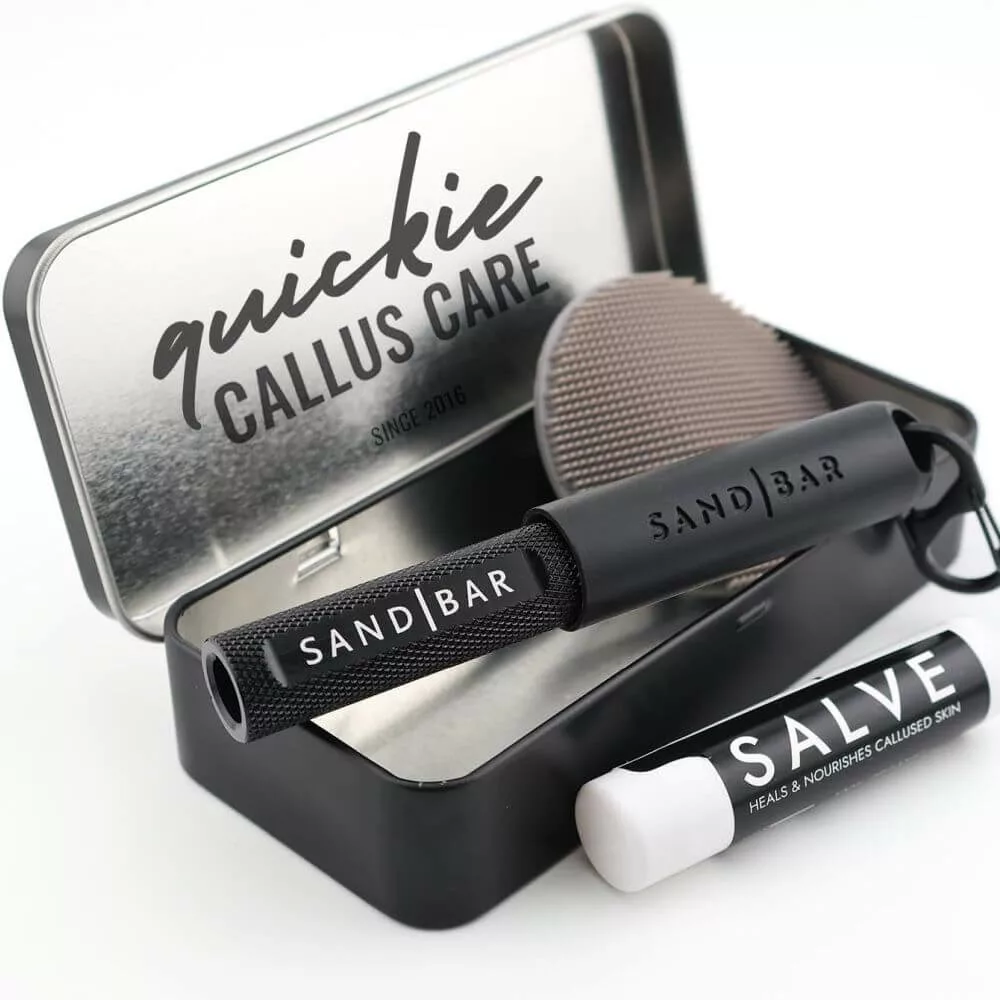
SandBar Callus Remover: Grip-Friendly Hand Care for Lifters

Razor Sharp Callus Shaver to Maintain Grip Health?

60% Urea Cream: An Aggressive Solution for Serious Skin Damage?
Rest is part of progress. Consistency in these daily practices complements your formal grip training, creating a sustainable approach to building and maintaining grip strength. Over time, these habits turn into natural behaviors, helping you achieve strong, capable hands without extra effort.
When consistency becomes routine, confidence follows naturally. Make it a habit, make it permanent.
Common Grip Training Mistakes and How to Avoid Them
Mistakes happen, especially when starting out in grip training, but knowing what to watch out for can save you from setbacks.
Avoiding mistakes is just as important as doing things right.
Progress comes from smart training, not just hard training. Overtraining is a common pitfall. Enthusiasm is great, but remember that muscles need time to recover. Give those hands and forearms a break between intense sessions to prevent strains or fatigue.
Ignoring recovery often leads to stalled progress and unnecessary setbacks.
Train hard, recover harder. Ignoring wrist health is another frequent error. The wrists support many grip actions, so neglecting their care can lead to injuries. Include specific exercises to strengthen wrists alongside your regular grip work. Strong wrists provide the stability needed for confident and safe grip performance. Don’t neglect your foundation.
Poor technique isn’t just ineffective; it can be risky.
Pay attention to form, whether you’re lifting, squeezing, or holding. Proper alignment and controlled movements prevent not only injuries but also help achieve better results from the workouts.
- Avoid overtraining by allowing proper recovery between sessions
- Include wrist strengthening exercises to support grip performance
- Maintain proper technique and controlled movements at all times
- Focus on long-term progress rather than short-term intensity
Technique protects progress. Being mindful of these potential missteps means you’re more likely to stay on course and continue making progress without unnecessary injuries or setbacks. Staying consistent without interruptions is what ultimately builds lasting strength and confidence.
Consistency compounds results over time.
Tracking Progress and Staying Motivated in Grip Training
Tracking improvements is essential to keep the momentum going. Set measurable milestones based on your initial assessments. Whether it’s increasing the duration of a hang test or lifting heavier weights, noting these achievements shows you’re moving forward.
What gets measured gets improved, and what improves builds confidence. Track it to trust it.
Celebrating milestones, no matter how small, keeps motivation high. Reward your grit and determination with a personal treat or an extra rest day. These celebrations validate your hard work and make the journey more enjoyable. Recognizing progress reinforces positive habits and keeps you engaged in the long run.
Small wins build big confidence over time.
Adjusting goals is part of the evolving process. As you achieve initial targets, set new challenges to keep pushing your boundaries. Revisiting and revising your goals ensures continuous growth and prevents plateauing in your progress.
Growth comes from constantly stepping just beyond your current limits.
Evolve your goals as you grow stronger. Staying motivated can sometimes require a little creativity. Involving friends or joining groups focused on fitness can add fun and accountability. Sharing progress with others can spark inspiration and provide support when motivation wanes.
A supportive environment makes consistency easier and the journey more enjoyable.
Motivation grows when it’s shared. In conclusion, measuring progress and staying engaged with your training path solidifies long-term success in building grip strength. It’s a dynamic process that thrives on regular updates, new challenges, and the joy of watching your efforts come to fruition.
When you stay engaged, progress becomes something you expect, not hope for. Consistency turns effort into confidence.
Thanks for Stopping By!
How Do You Build Confidence in Your Grip?
Share Your Experience in the Comments!