(Last Updated on May 30, 2026 by Henry)
Grip strength is more than just having a firm handshake. It plays a critical role in how we interact with the world around us. Whether it’s lifting groceries, opening jars, or enhancing performance in sports, grip strength can really make a difference.
If you’re looking to improve your grip, understanding its real-world impact is where true motivation begins.

Strong hands, stronger everyday performance.
The impact of grip training extends beyond physical tasks. Studies show that grip strength has a strong connection to overall health.
It’s sometimes used as an indicator of biological aging and even longevity.
Strong grip muscles can help protect against injuries, ensuring we’re able to maintain an active and healthy lifestyle as we age.
Grip strength isn’t just fitness; it’s a long-term investment in your health.
Mental benefits are also part of the package. As you train to improve grip strength, you might find a boost in mental focus and discipline.
There’s something about working for that solid grip that translates to everyday determination, helping tackle both small challenges and larger life goals.
Train your grip, strengthen your mindset.
In sports, from climbing to weightlifting, a strong grip is often the unsung hero that can be the deciding factor between success and injury. Athletes often target grip strength in their training because of its integral role in boosting overall performance.
Better grip means better control, power, and performance.
Grip training is a multifaceted approach to better physical and mental health. Its benefits are broad, touching various aspects of our daily lives and long-term well-being. Understanding why it’s important can be the motivation you need to start incorporating grip exercises into your routine.
Know your why, build your grip with purpose.
What Your Personal WHY Means in Grip Training Motivation
Finding your personal “WHY” in grip training can turn routine workouts into a driven and rewarding experience. At the heart of any sustained fitness journey lies a powerful reason that keeps motivation alive. To get started, ask yourself what you want to achieve. Is it about improving daily tasks effortlessly, enhancing sports performance, or perhaps boosting mental tenacity?
When your purpose is clear, your grip training stops feeling like a chore and starts feeling like a mission.
Purpose fuels consistent grip strength progress.
Hearing stories of transformation can be pretty inspiring, too. Take the example of a climber who overcame a fear of heights through focused grip training, or the office worker who relieved stress and improved productivity with just a few minutes of grip exercises each day.
These narratives aren’t just tales; they show the impact of having a unique motivator tied to physical training.
Real results often start with a strong personal reason to improve your grip.
Inspiration creates action. Action builds strength.
Connecting a deeper purpose to your grip regimen doesn’t just make the exercises more enjoyable. It also helps harness psychological benefits. Building this mental link can lead to better consistency as you’re training for more than just physical gains. It’s about tapping into a part of yourself that wants to see change, achieving more than just strength in your hands but strength in your resolve.
Train with purpose, and your grip will follow.
The Science Behind Grip Strength and Performance
Understanding what makes grip strength an essential measure involves diving into the anatomy and physiology of our hand muscles. The strength we exert involves not just the hands but also the forearms and intricate muscle groups, all working in harmony. Learning about these connections can help tailor more effective training.
When you understand how your grip works, you train with more intention and get better results.
Knowledge turns effort into smarter grip training.
Grip strength is often highlighted by researchers as a key indicator of overall physical fitness. Studies have linked grip power with heart health and even cognitive function in some cases. So it’s not just athletes who can benefit; this strength metric really tells a broader story about your body’s vitality.
Improving your grip isn’t just about strength: it’s about overall health and performance.
Statistics underline how grip strength can predict everything from metabolic rate to recovery rates after illness. For athletes, the science doesn’t lie; a stronger grip often leads to better performance and fewer injuries. Understanding these facts can give you a more substantial reason to train beyond aesthetics.
Stronger grip, stronger body resilience. Train with understanding. Build your grip with purpose.
Incorporating knowledge of the science behind grip into your routine can enhance how you approach your workouts. Knowledge is half the battle; once you understand what you’re building, it’s easier to appreciate the significance of each squeeze and hold.
Assessing Your Current Grip Strength Before You Start
Before jumping into a grip training regimen, it’s essential to get a handle on where you stand. Assessing your grip strength isn’t just a one-time thing; it’s about understanding your baseline so you can track progress over time.
If you want to truly improve your grip, you need to know your starting point first.
Measure first. Improve faster.
There are various techniques and gadgets that can help gauge grip strength. Tools like dynamometers give a numeric value to your grip effort, providing a straightforward snapshot of strength. But you don’t need fancy equipment to get a basic idea. Even simple tests, like how long you can hang from a bar, can offer great insights into your grip capability.
Simple tests can reveal a lot about your current grip strength level.
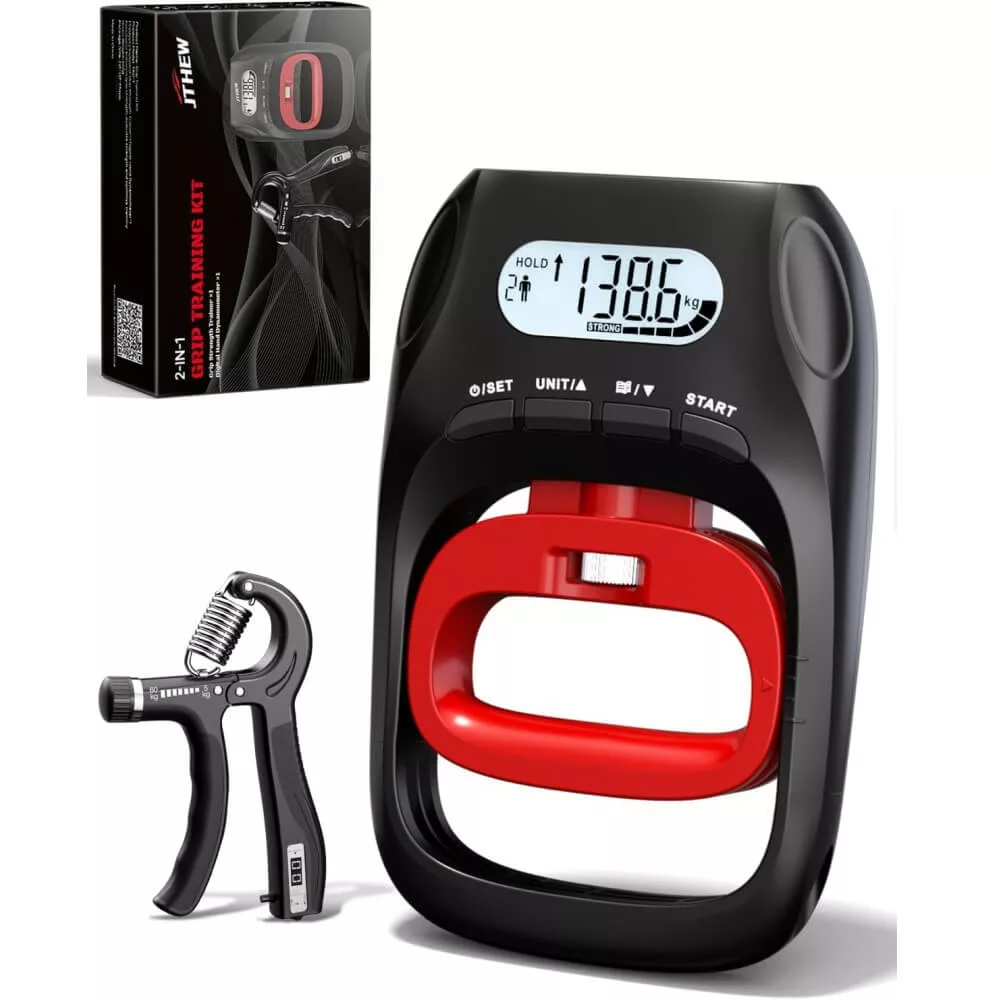
Don’t Guess: Use Grip Dynamometer for Accurate Progress Tracking
Knowing your starting point allows for setting realistic and achievable targets. It can guide your training regime and help you avoid plateaus by consistently challenging your muscles as they grow stronger.
Clear baselines lead to smarter grip strength goals.
Case studies from seasoned athletes often emphasize the importance of regular assessments. Not only do they offer a motivational boost as improvements are logged, but they also ensure that your training remains effective and aligned with your personal goals.
Know where you start to build your grip with direction. Track progress, stay consistent, keep improving.
Embarking on your grip training journey without a clear understanding of your current strength is a bit like heading out on a road trip without a map. By knowing your baseline, you’re ensuring that every step you take is purposeful and measured.
Setting SMART Goals for Your Grip Training Journey
Once you know your current grip strength, setting goals becomes the next crucial step. It’s about creating a roadmap that aligns with your personal motivations and the broader benefits grip strength can offer.
If your goal is to truly improve your grip, direction is what turns effort into measurable results.
Clear goals create stronger grip outcomes.
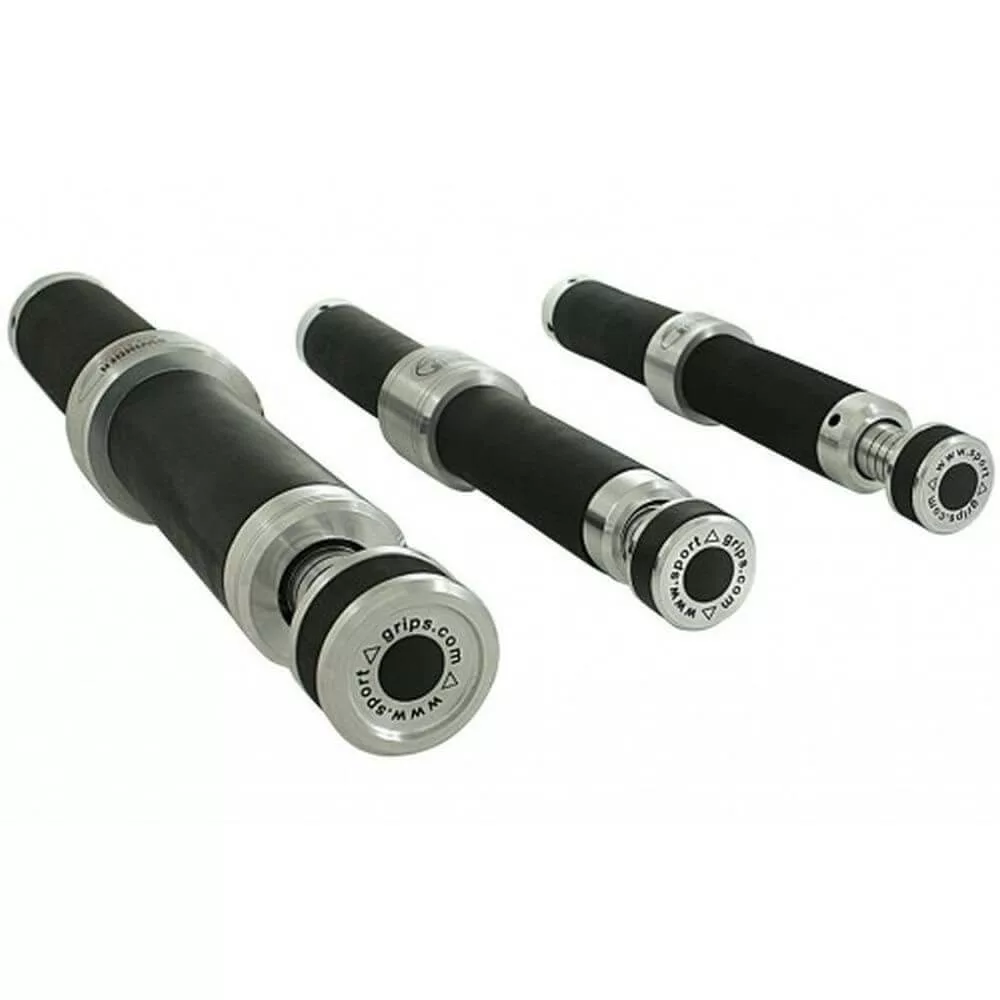
Blast Your Wrists with XL Wrist-Roller to Bulk Up Forearms
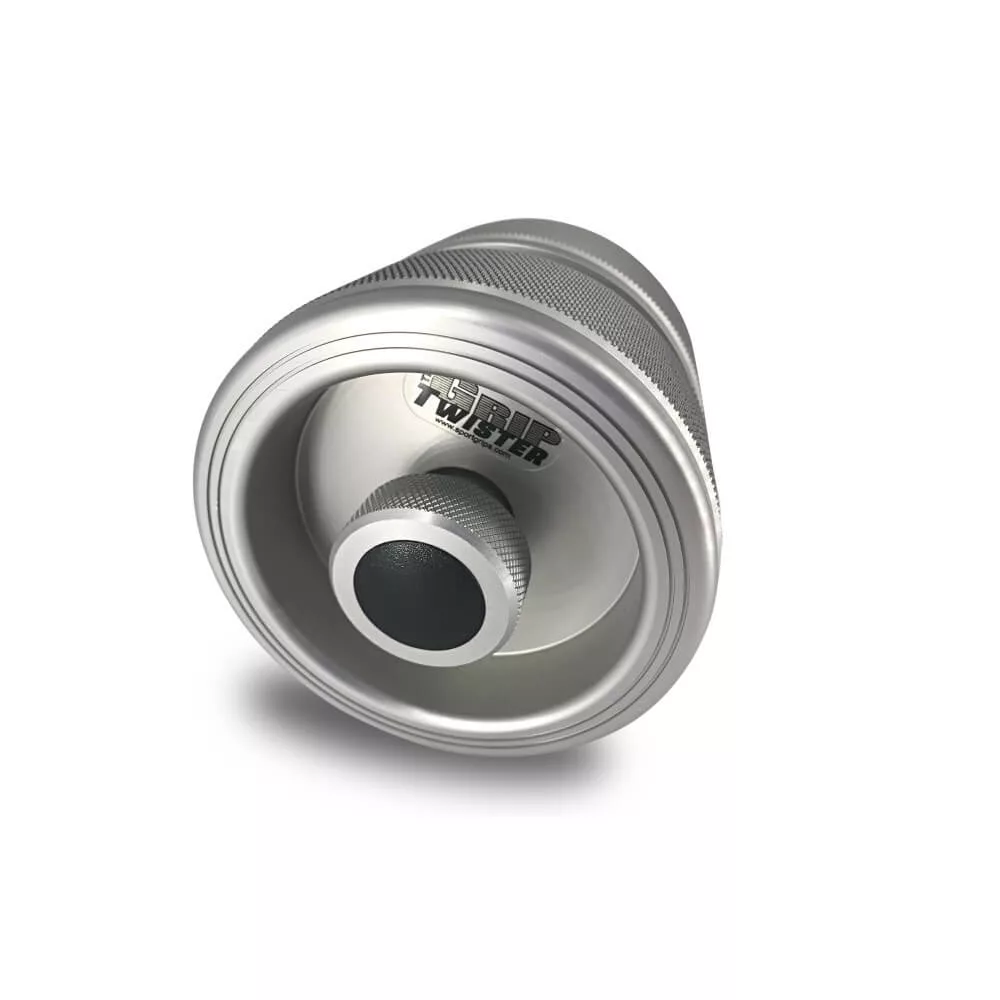
Ultimate Pinch Grip Trainer with Virtually Infinite Resistance?
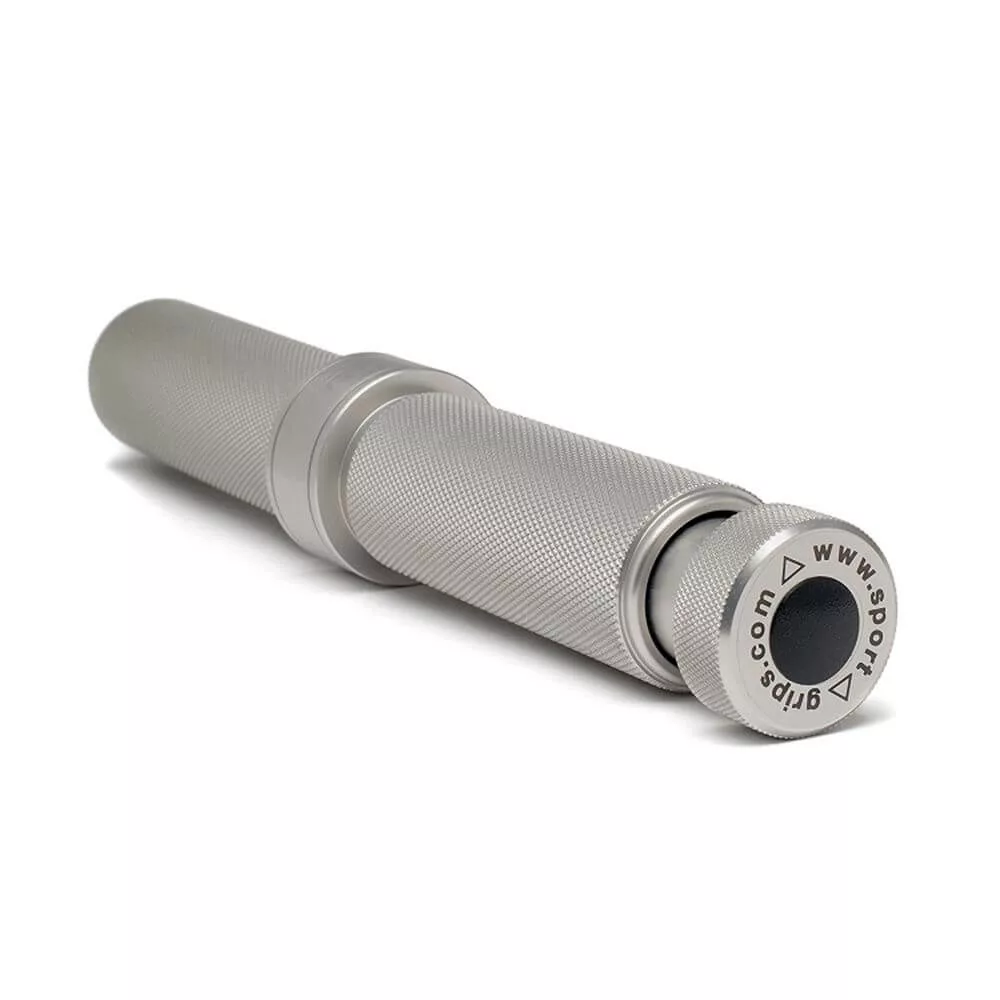
Modern, Rope-Less Wrist Roller: Sure Way to Get Strong Wrists
Start by defining what you want to achieve, whether it’s lifting heavier weights, improving in a particular sport, or even daily conveniences like opening jars with ease. These goals should resonate with your “WHY,” adding layers of motivation to your journey.
When your goals connect to your purpose, consistency becomes much easier to maintain.
Purpose-driven goals build lasting grip strength. It’s beneficial to break down these goals into short-term and long-term targets. Short-term goals might focus on increasing your grip endurance or mastering a specific exercise, while long-term goals could aim for substantial strength gains or reducing injury risks during sports.
Small targets lead to big grip strength improvements over time.
Consistency thrives on well-set goals. Knowing what you’re working towards helps maintain focus and drive. It’s like having a personal milestone you’re eager to reach, offering a sense of achievement at every step.
Focused training leads to steady grip progress.
Adapt, stay consistent, and keep improving your grip strength.
Don’t underestimate the power of flexibility in your goal setting. Life can be unpredictable, and sometimes goals need adjustments. Embracing this adaptability doesn’t mean veering off track; it ensures that your path to stronger grips remains feasible and enjoyable.
Creating a Personalized Grip Training Program That Fits You
Crafting a customized grip training program is about understanding your specific needs and goals. It starts with selecting exercises that are not only effective but also enjoyable. A variety of exercises, like squeezing hand grippers, dead hangs, or wrist curls, can keep the routine interesting and challenging.
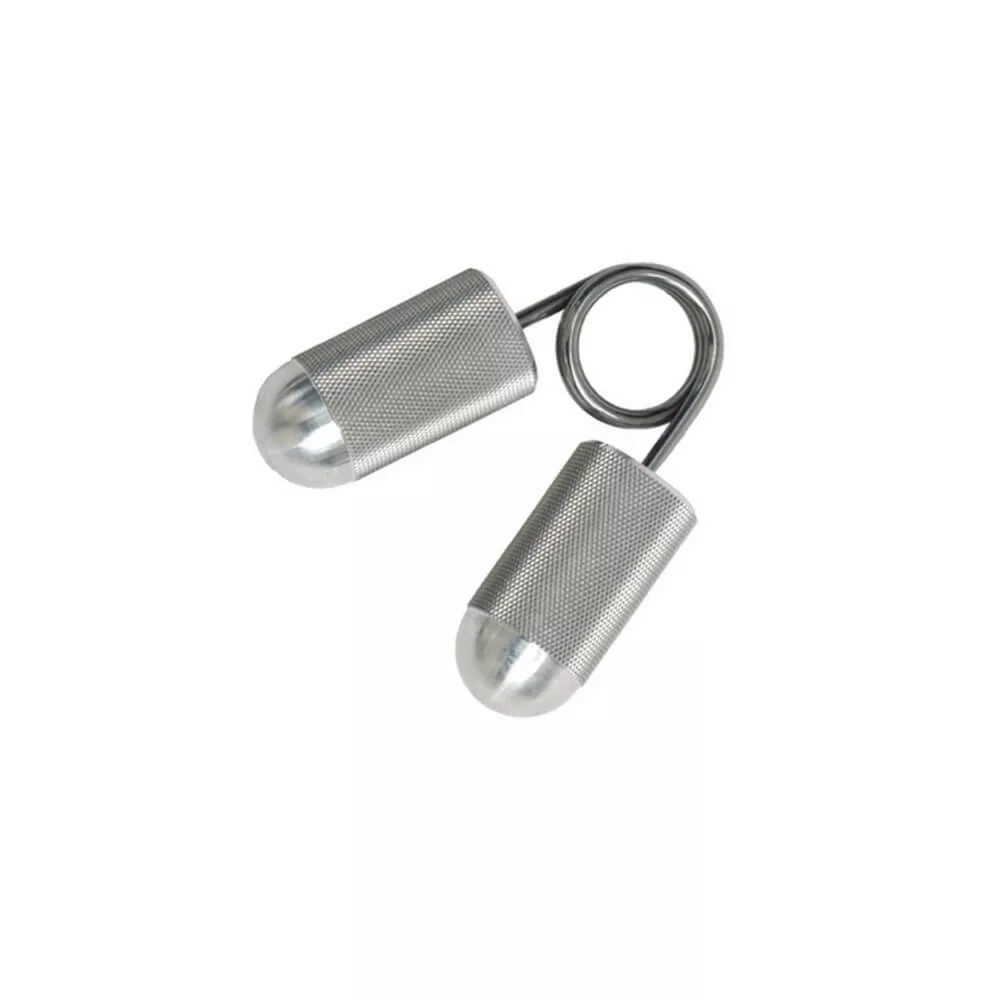
Specialized Spring Gripper to Skyrocket Your Thumb Strength
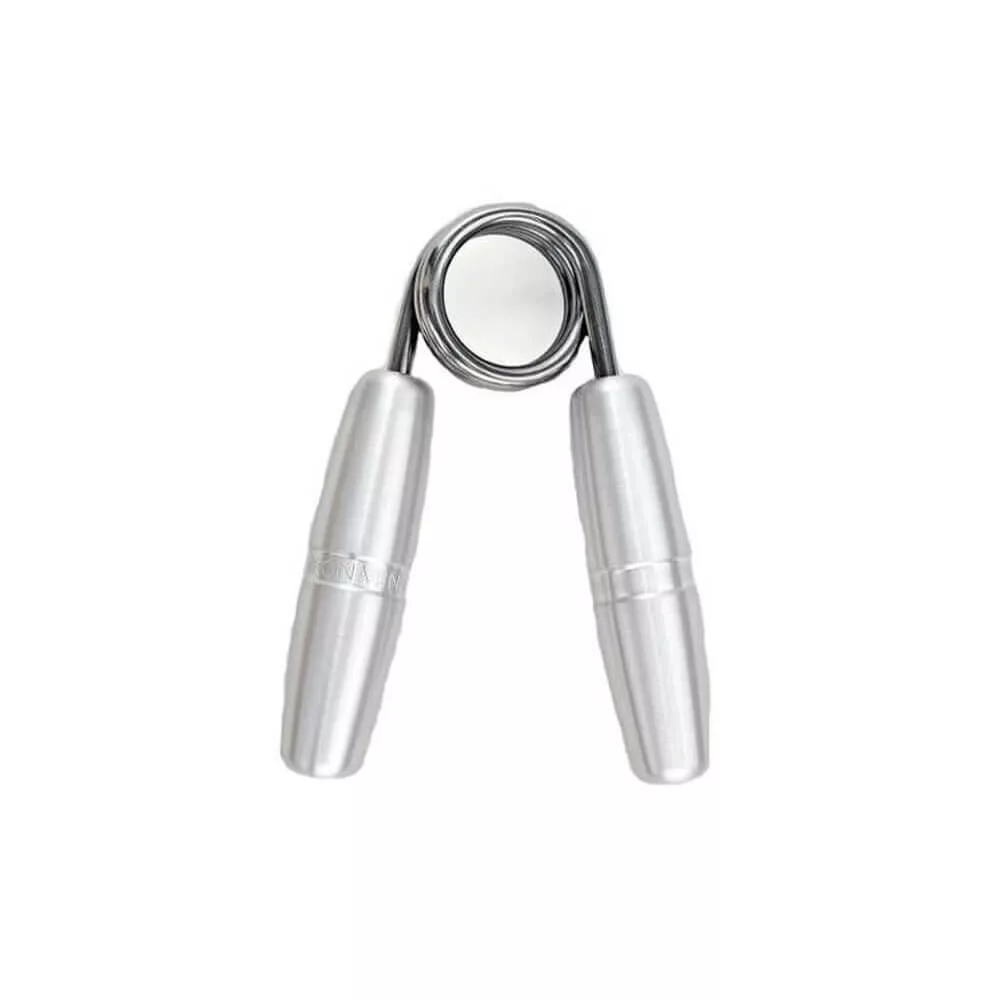
Smooth-Handle Gripper: Ideal For Rehab & Gentle Training

The Iconic Grip Workhorse for Serious Strength?
If you want to consistently improve your grip, your program needs to fit you, not the other way around.
Personalized training builds better grip strength. While variety is key, balance is just as important. Incorporate grip exercises into a broader fitness routine to ensure overall body strength and prevent overuse injuries. Keeping the whole body in shape supports grip training and ensures well-rounded progress.
A strong body supports a stronger grip.
Some might find value in seeking professional advice, whether it’s from a personal trainer or an online program. This guidance can offer new insights and keep the workouts fresh. However, if you’re more of a DIY person, self-designed workouts give you the freedom to explore exercises at your own pace.
The best grip routine is the one you’ll stick with. Enjoy the process, and your grip strength will follow.
Listening to your body is crucial. If something feels off, don’t push it. Adjust the movements, tweak the weights, or change the frequency to fit your comfort levels. Grip training should be a fulfilling aspect of your routine, not a source of stress.
Train hard, but train smart to protect your grip long-term.
Incorporating a mix of exercises, staying flexible, and focusing on personal comfort can make your grip training both effective and enjoyable. It brings a sense of accomplishment as each session builds towards greater strength and endurance.
Overcoming Challenges and Plateaus in Grip Training
Grip training, like any form of physical exercise, comes with its fair share of challenges. Hitting a plateau is common, where progress seems to stall despite consistent effort. This can be frustrating, but it’s important to see it as a natural part of the growth process. Experiment with different exercises, like alternating between static holds and dynamic movements, to push through these tough times.
If you want to improve your grip long-term, learning how to handle challenges is part of the process.
Challenges build a stronger grip and stronger discipline.
- Break through grip plateaus by changing exercises and training styles
- Alternate between static holds and dynamic movements for better adaptation
- Stay motivated by reconnecting with your “WHY” in grip training
- Use progress tracking or communities to maintain consistency
- Focus on proper technique to prevent hand, wrist, and forearm injuries
- Avoid overtraining by scheduling rest days for optimal recovery
- Adapt your routine when progress slows to keep improving grip strength
Staying motivated, especially when results aren’t immediate, can be challenging. Keep your WHY in mind and remember why you started. Creating a visual progress tracker or joining a community of like-minded individuals can provide the encouragement needed to keep going.
Your purpose is what keeps your grip training consistent when motivation fades.
Injury prevention is another key concern. It’s crucial to pay attention to proper form and technique to avoid unnecessary strain. Overtraining is a real risk, so listen to your body and give it the rest it needs. Implement rest days strategically to allow the muscles time to recover and grow.
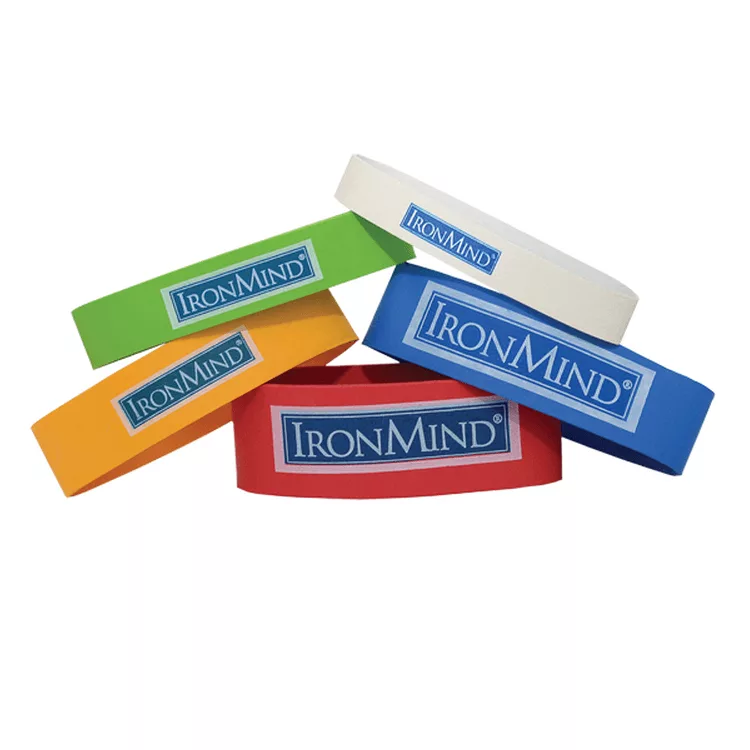
Why are Handbands Staple to Build Hand Muscle Balance?
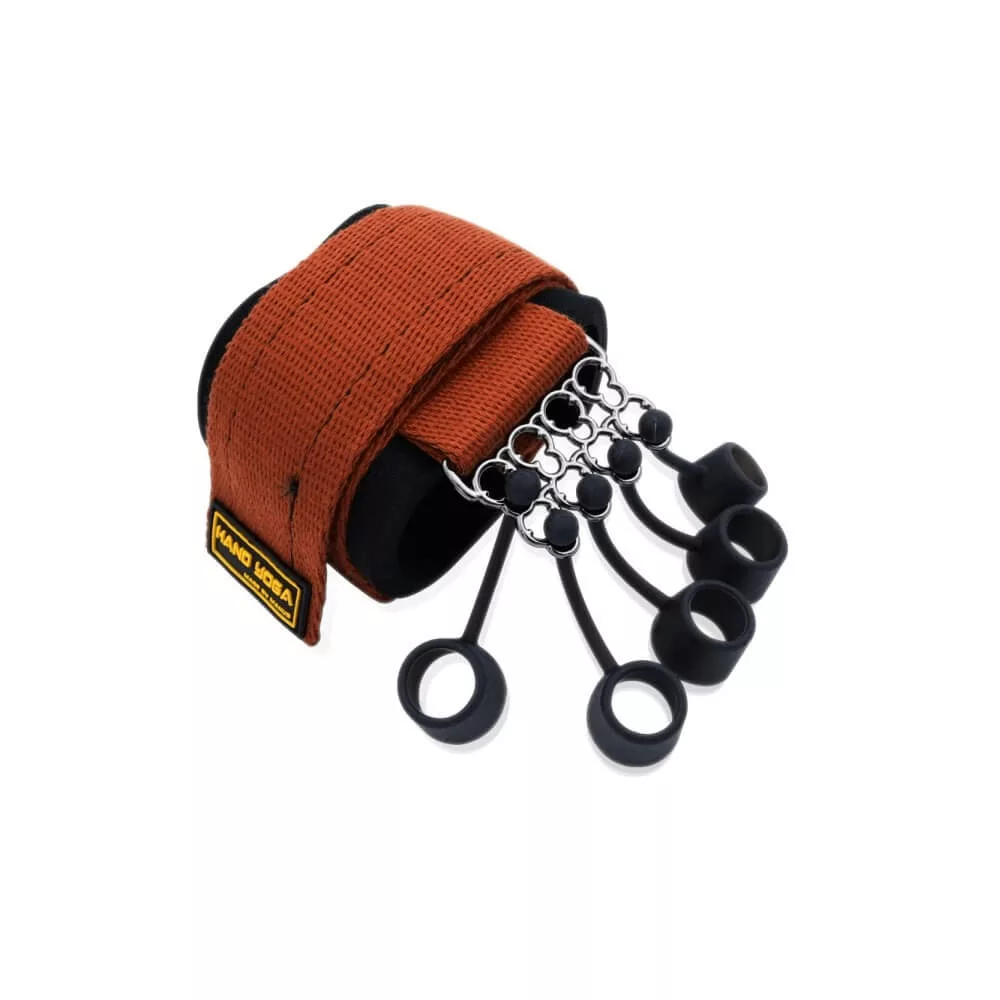
Fancy Finger Exerciser to Build Functional Grip Strength
Protect your hands today so you can train stronger tomorrow.
Challenges are an inherent part of any fitness journey. Anticipating these potential setbacks and strategizing on how to overcome them helps in maintaining commitment and achieving your goals in grip training. Overcome obstacles, and your grip strength will follow.
Integrating Grip Training into Your Daily Lifestyle
Making grip training a part of daily life doesn’t have to be complicated. Simple tweaks to everyday activities can make a big difference. Start by considering how you can incorporate grip exercises into tasks you’re already doing. For example, carrying groceries with a firm grip or opening jars with intent can turn mundane chores into mini workouts.
If you want to consistently improve your grip, the key is making it part of your daily routine.
Train your grip without changing your life.
- Turn daily tasks like carrying groceries into grip strength opportunities
- Practice intentional gripping during everyday activities
- Add micro grip workouts like stress ball squeezes or bar hangs
- Use short 5-minute sessions to build consistent grip strength habits
- Schedule grip training into natural breaks in your day
- Stay flexible and adapt training to fit your lifestyle
- Focus on consistency over intensity for long-term grip improvement
Five minutes a day could be all it takes to see improvements in grip strength. Use short, focused sessions, like squeezing a stress ball while watching TV or hanging from a pull-up bar for a few seconds each day. These micro-workouts fit easily into most routines without requiring a lot of time or space.
Make grip training fit your life, not fight it: Small efforts, repeated daily, build powerful grip strength.
Balancing grip training with life’s other commitments is essential to avoid burnout. Schedule your sessions during times that naturally fit into your day, like during a lunch break or waiting for dinner to cook. Flexibility is key, so be ready to adjust according to your daily schedule.
Consistency is what truly helps you improve your grip.
Remember, it’s about consistency rather than intensity. Small, steady efforts can lead to impressive gains over time without overwhelming your schedule. Integrating these exercises into your daily routine helps reinforce your goals and makes grip training an effortless part of your lifestyle.
Transformative Stories: How Finding Your WHY Changes Results
Understanding the transformative power of grip training goes beyond just muscles. Many have achieved remarkable results by aligning their grip training with a clear purpose. For instance, the story of a lifter who overcame personal doubt to break records shows how deeply personal motivation can drive success.
When your training is driven by purpose, your grip strength progress becomes far more meaningful.
Purpose transforms effort into real results.
Lessons from individuals who have linked their physical training to a greater purpose reveal important insights. They often talk about newfound confidence, not only in their athletic ability but also in everyday challenges they once found overwhelming.
A stronger grip often leads to stronger confidence, inside and outside the gym.
Encouragement comes from knowing that defining and pursuing your personal WHY can lead to unexpected benefits and personal growth. Seeing external and internal changes driven by physical training can serve as a powerful reminder of what determination and purpose can achieve.
Your WHY is what keeps your grip training going when motivation dips.
Build your grip, and build a stronger version of yourself.
Defining your WHY can be the key to persisting through tough times and finding joy in progress, no matter how small. It’s about understanding that physical strength gained through grip training can reflect broader strength in one’s life.
Thanks for Stopping By!
How Do You Stay Motivated in Grip Training?
Share Your Experience Below!