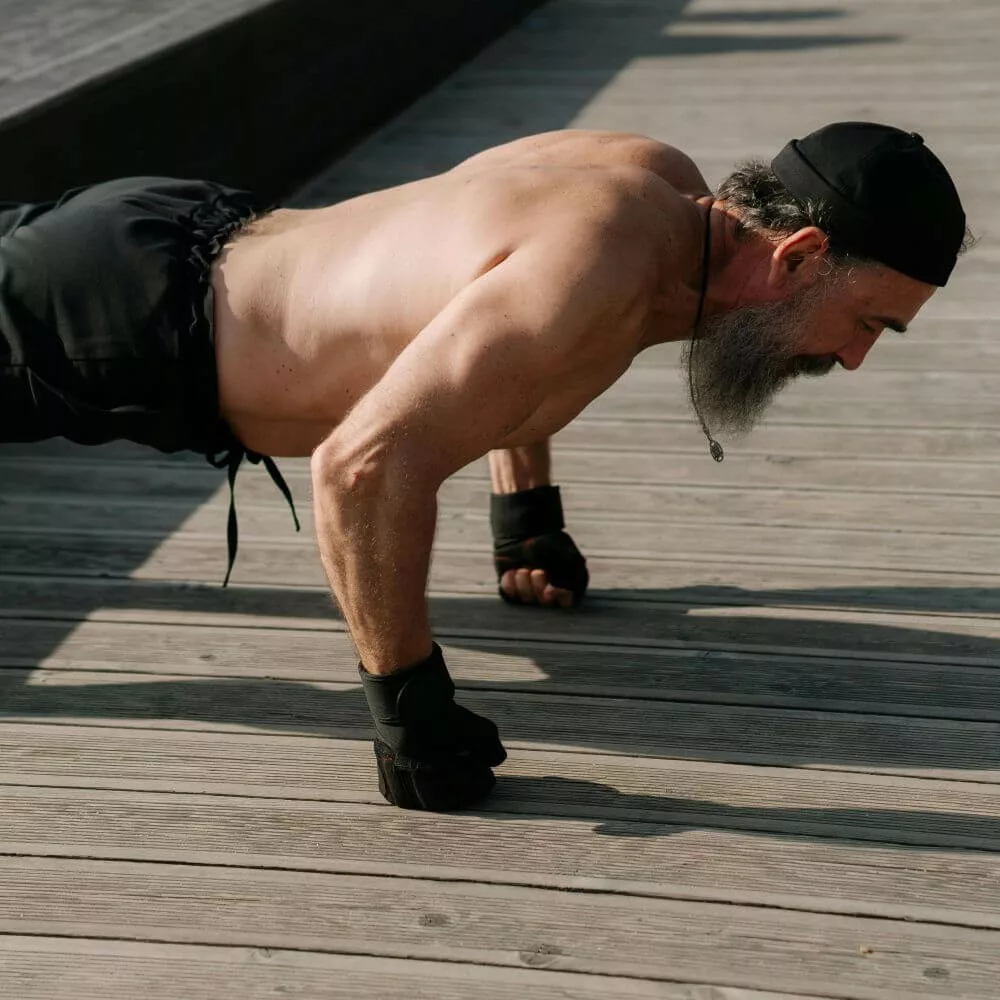
Explore Recovery Tools Designed to Support Mobility, Dexterity & Long-Term Hand Health.
Here You’ll Find:
-
- Therapy Bars
- Hand Exercise Balls
- Therapy Putty
- Finger Exercisers
- Dynamometers
- Mobility & Recovery Tools
- Heat & Recovery Accessories
Why This Equipment Matters for Hand Rehabilitation:
Strong hands aren’t built exclusively through hard training; they’re also maintained through consistent care.
Recovery tools can help support mobility, encourage movement, and provide a simple way to keep your hands active between demanding training sessions.
Whether you’re returning from time away from training or simply investing in long-term hand health, the tools below are designed to help keep your hands moving for years to come.
#1 THERAPY BARS & MOBILITY TOOLS
Mobility tools encourage controlled movement through the hands, wrists, and forearms.
They have become popular among athletes and active individuals seeking additional movement options as part of their recovery routines.
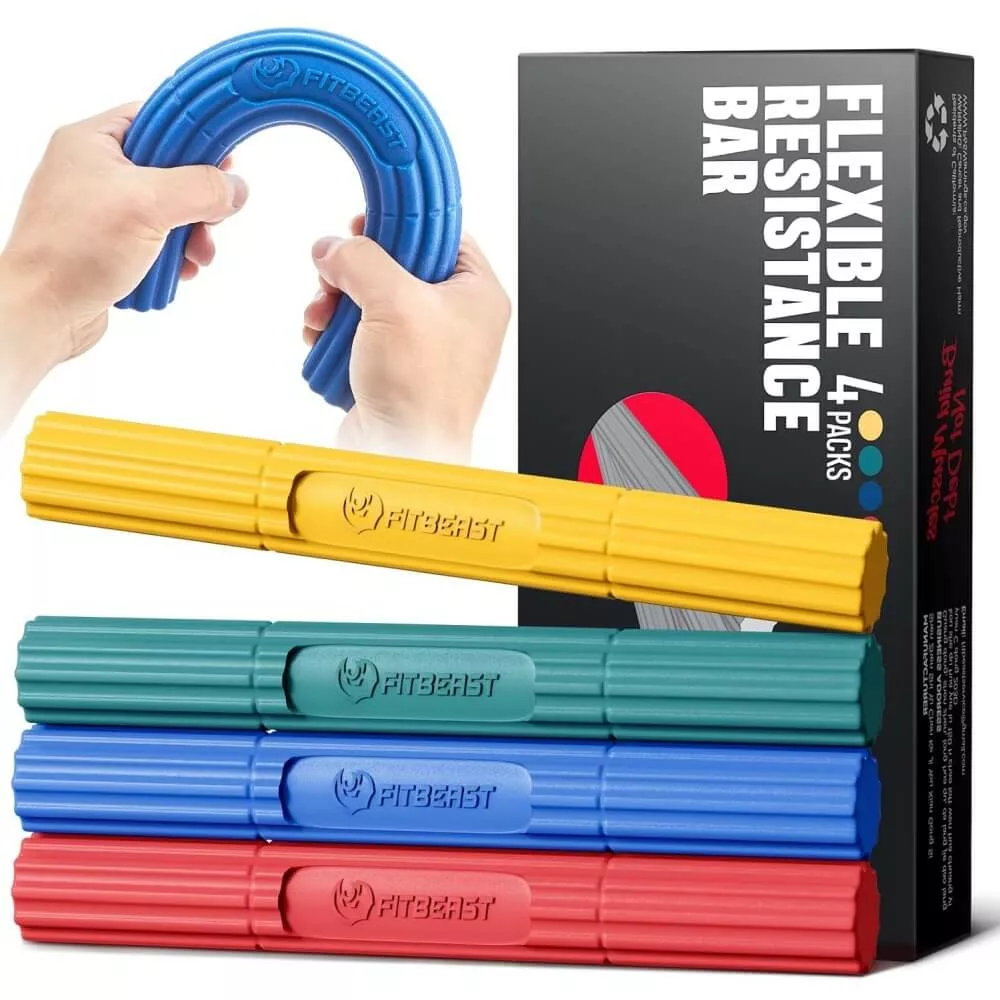
The Best Twist Bar for Hand, Wrist & Elbow Rehabilitation?

Can Muscle Floss Bands Speed Up Recovery & Improve Mobility?
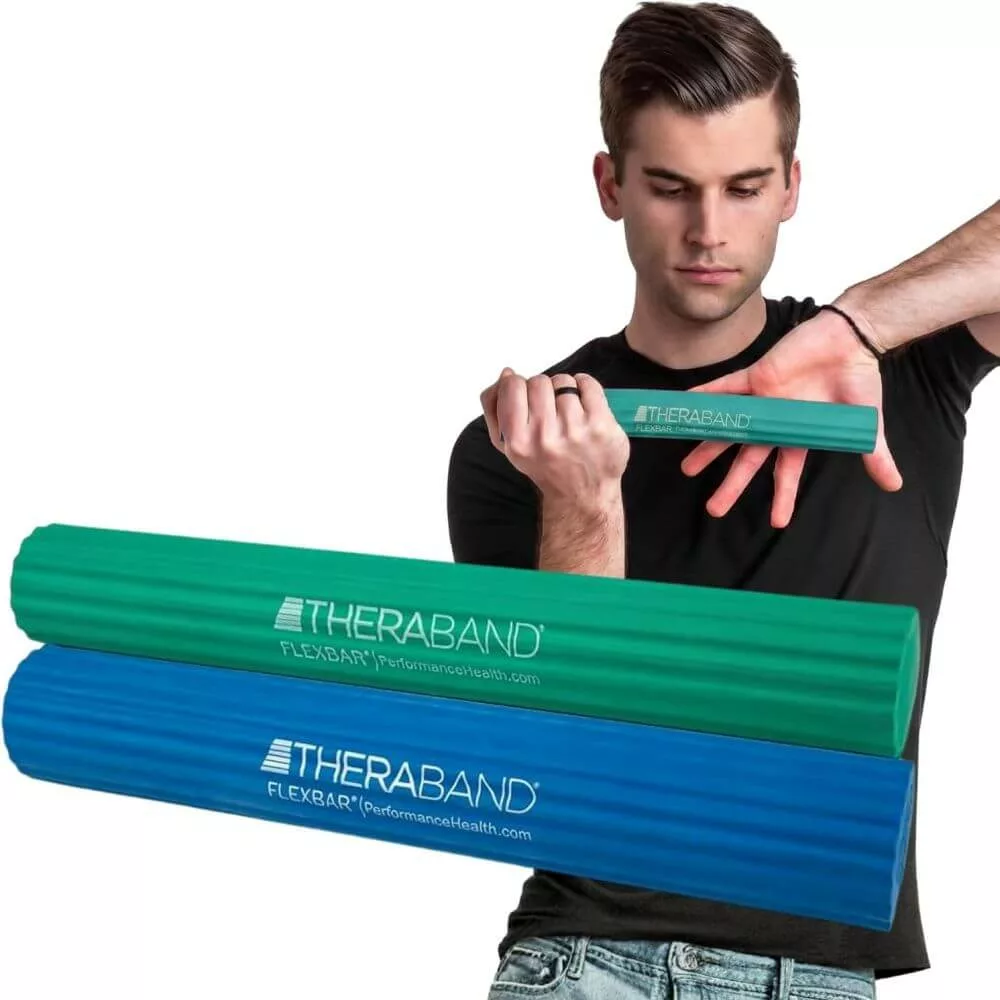
Resistance Bar: Simplest Tool to Rehab Injured Hands?
Movement is often the first step
toward feeling ready to train again.
#2 HAND EXERCISE BALLS & PUTTY
Simple tools often stand the test of time.
Exercise balls and therapy putty offer an approachable way to work on dexterity, coordination, and light resistance without requiring specialized equipment or significant space.

Best Therapy Balls for Stress Relief, Fidgeting & Rehab
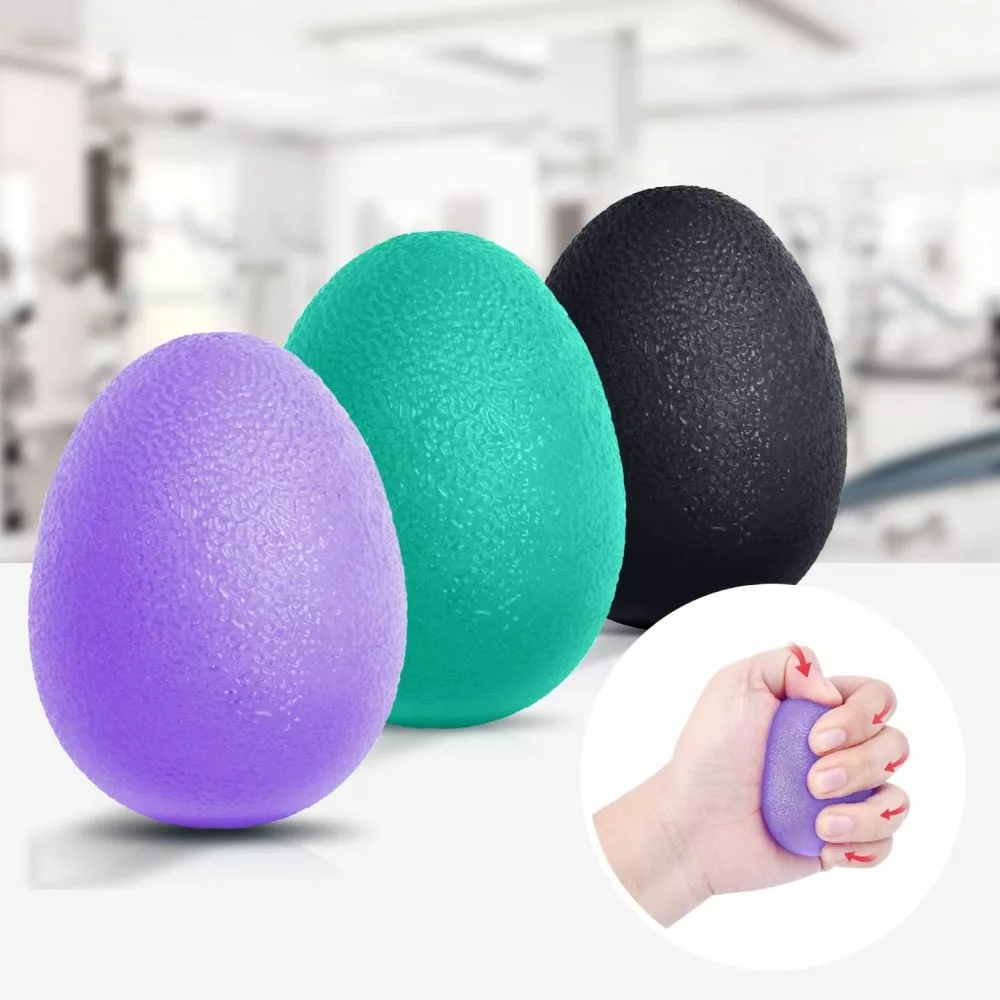
The Best 3-Level Therapy Egg Set for Hand Rehab & Stress Relief?
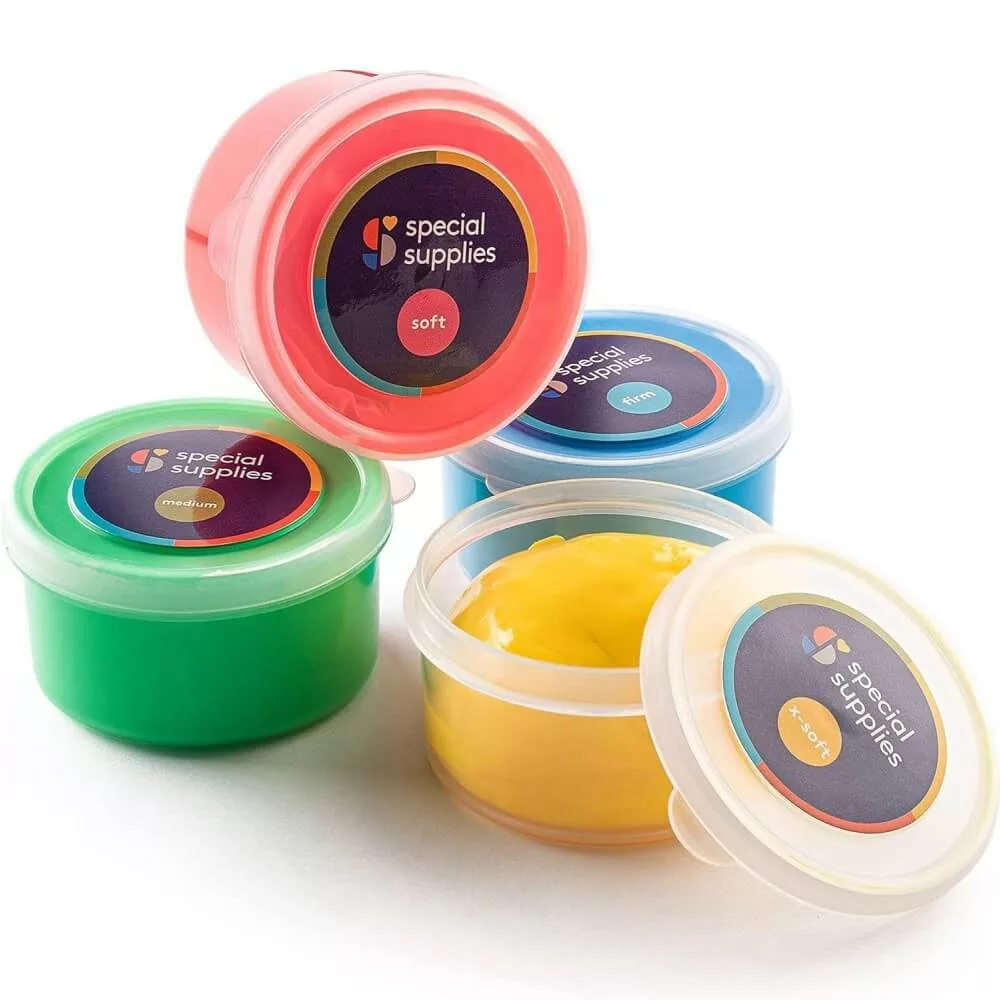
Therapy Putty: Rehab-Grade Hand Recovery & Grip Training?
Sometimes the most effective tools
fit comfortably in the palm of your hand.
#3 FINGER EXERCISERS & DEXTERITY TOOLS
Finger exercisers emphasize individual digit movement and coordination.
They are particularly useful for people interested in maintaining dexterity, improving finger awareness, and adding variety to their hand training routines.
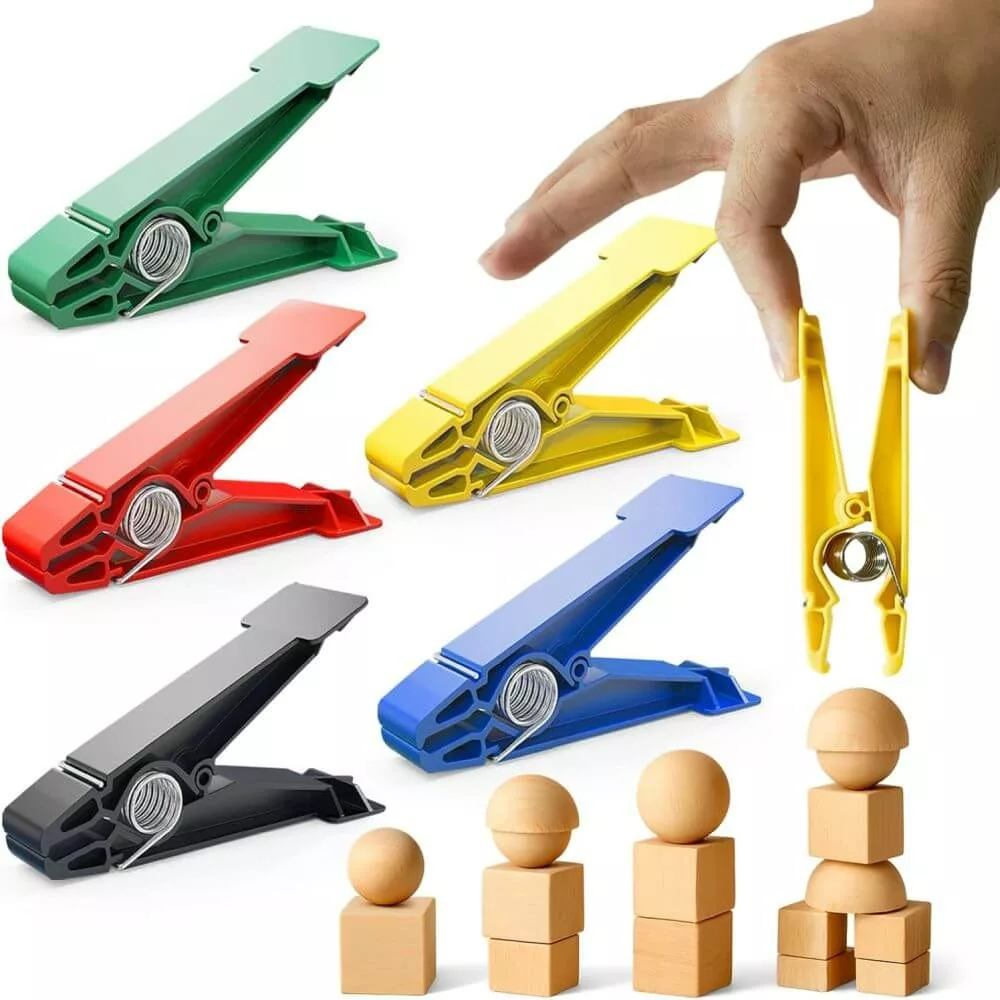
Therapy Clips for Rehab, Dexterity & Pinch Grip Recovery
Healthy hands aren’t just strong;
they’re capable, coordinated, and adaptable.
#4 MONITORING & MEASUREMENT
Progress becomes easier to appreciate when it can be measured.
Dynamometers provide a simple way to monitor grip strength over time, helping users establish baselines and track changes in performance.
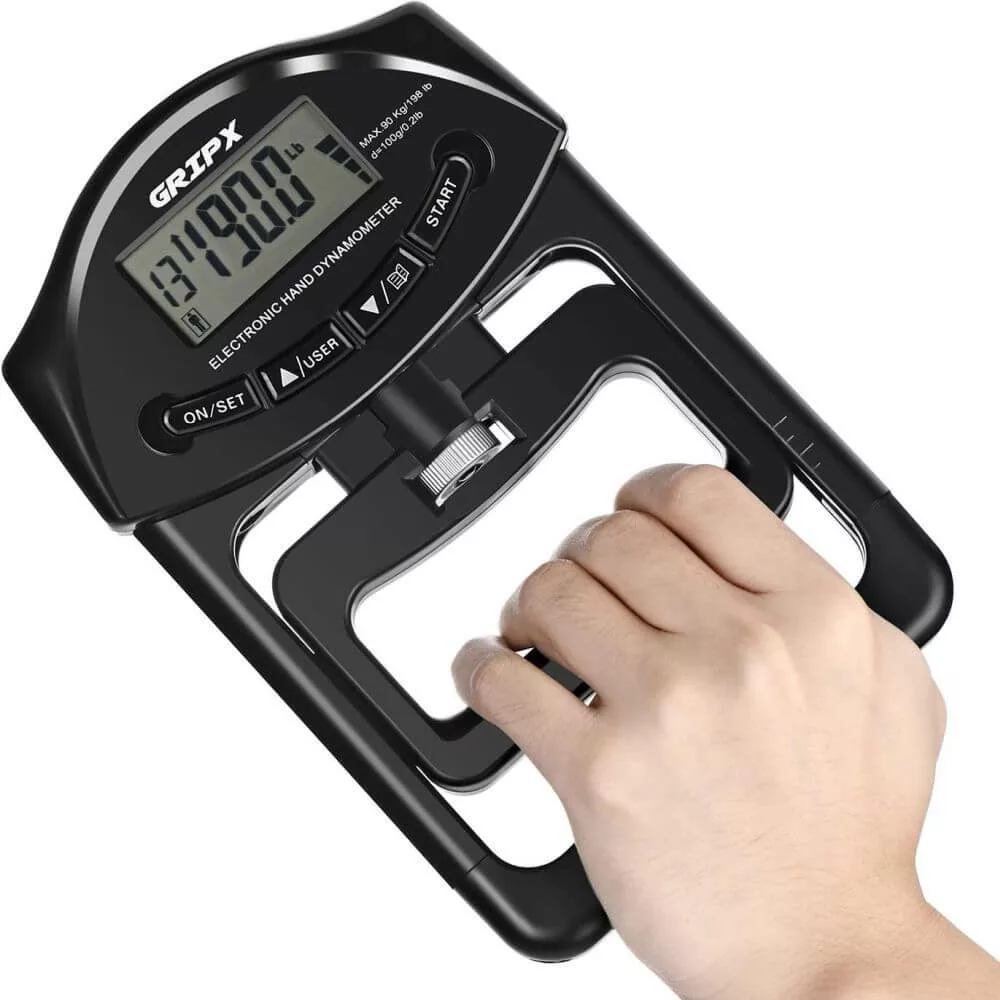
The Best Grip Dynamometer for Home, Sports, & Clinical Use?
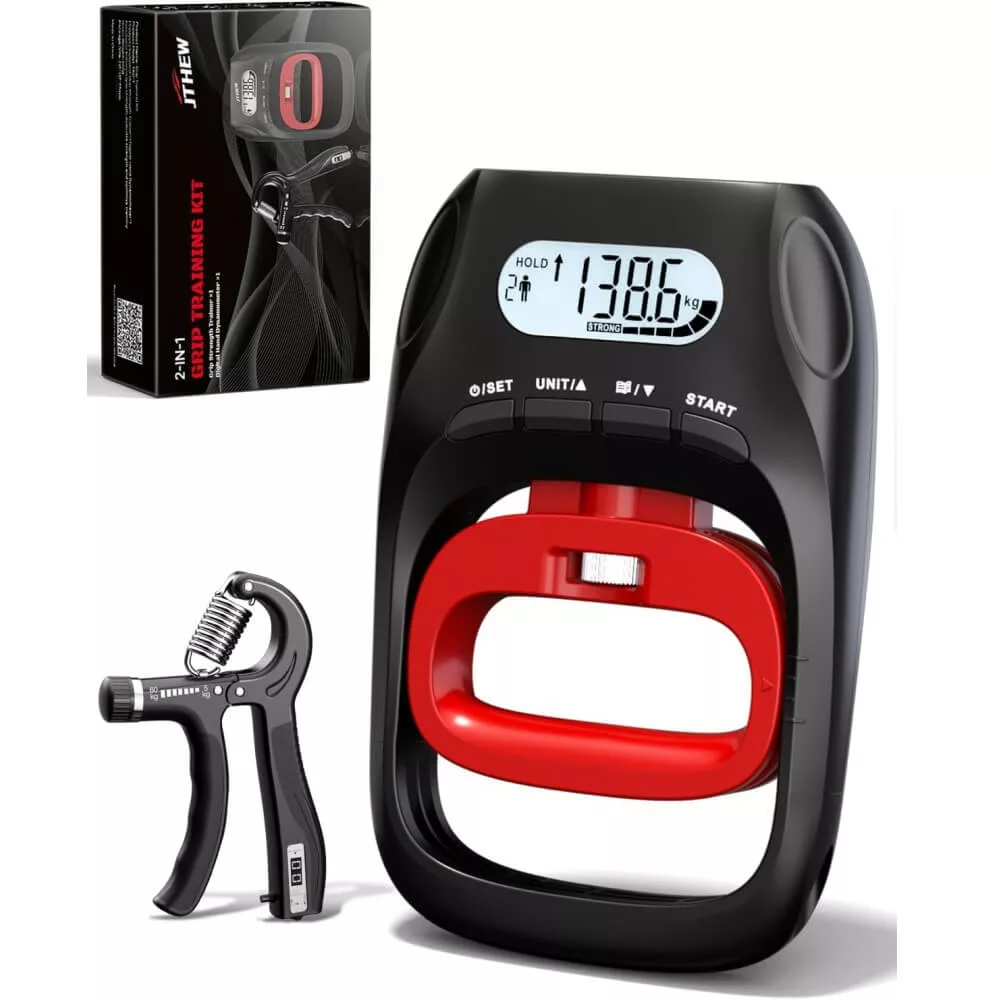
Don’t Guess: Use Grip Dynamometer for Accurate Progress Tracking
What gets measured
gets understood.
#5 LONG-TERM HAND HEALTH
Long-term hand health often comes down to small habits practiced consistently.
Warmth, skin care, and proper maintenance may not be the most exciting aspects of training, but they can play an important role in keeping active hands comfortable over time.
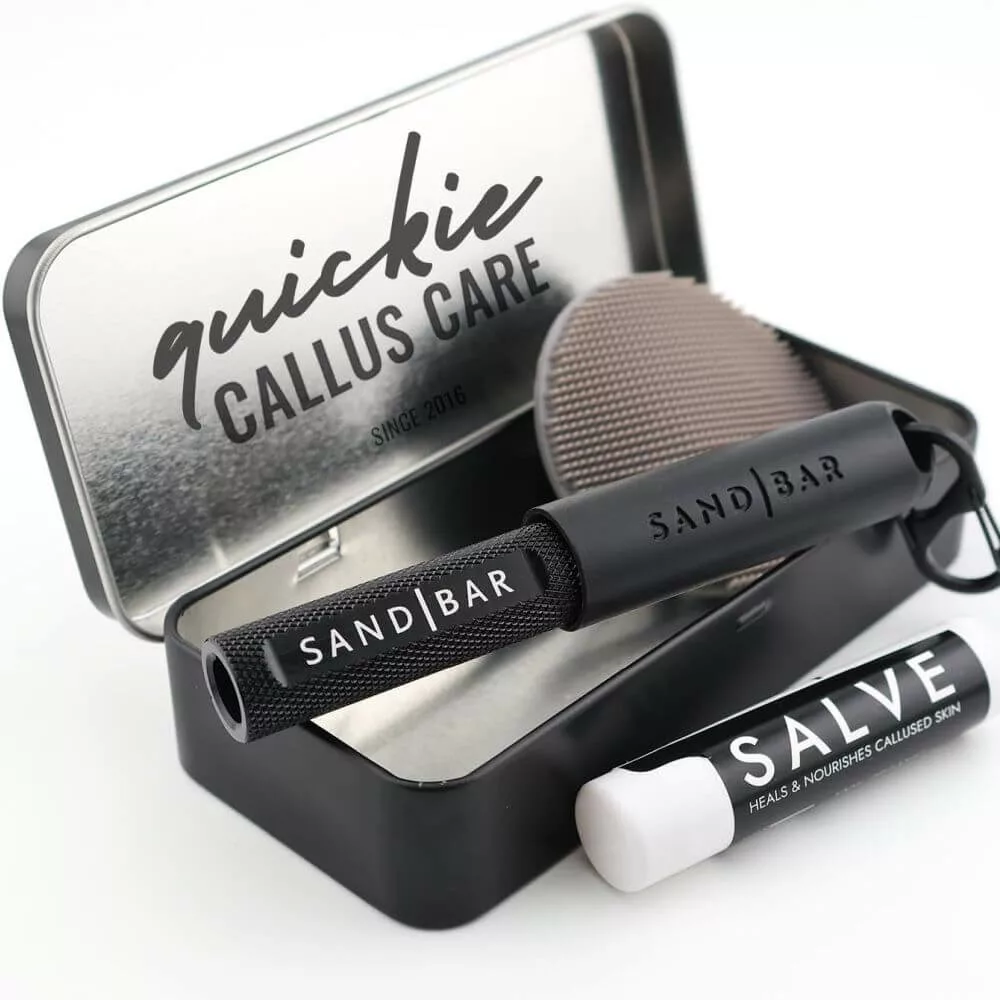
SandBar Callus Remover: Grip-Friendly Hand Care for Lifters

Can a Finger Splint Really Provide Quick Pain Relief & Recovery?

How Can Hand Warmers Help Relieve Hand Pain Effectively?
The hands you train today
are the same hands you’ll rely on tomorrow.
Why Hand Health Matters
- Seniors →
Maintain independence. - Gamers →
Support dexterity during long sessions. - Beginners →
Build healthy habits early. - Musicians →
Improve finger awareness. - Athletes →
Balance training and recovery. - Everyday Life →
Keep doing the things you enjoy.
Hand health isn’t a destination; it’s a lifelong investment.
Hands connect us to nearly everything we do, from lifting weights and playing instruments to typing emails and opening doors.
Maintaining strength is important, but maintaining function is equally valuable.
The goal isn’t simply stronger hands. It’s preserving the ability to continue using them confidently throughout every stage of life.
Go Deeper Into Hand Rehabilitation
Getting your hand stronger after an injury is only part of the picture. Rehabilitation is about gradually rebuilding useful movement, strength, control, and confidence as your hand works toward normal function.
Whether you’re learning what hand rehabilitation actually involves, trying to choose the right rehabilitation tool, wondering what is really getting stronger during recovery, or frustrated because your hand still feels weak after an injury, these guides can help you take the next step.
What Is Hand Rehabilitation Really About?
Learn what hand rehabilitation involves, why it matters, and how a structured approach can help restore useful hand function after injury or limitation.
- What Is Hand Rehabilitation & Why Does It Matter?
Not Sure Which Rehab Tool You Need?
Explore the different types of hand rehabilitation tools and learn how to choose an option that matches your current needs and stage of recovery.
- How to Choose the Right Hand Rehabilitation Tool
What’s Actually Getting Stronger?
Understand what can change during hand rehabilitation, from muscles and tendons to movement control, and why recovery is about more than simply building muscle.
- What Actually Gets Stronger During Rehab?
Still Weak After an Injury?
Explore why weakness can persist during recovery and what factors can influence your progress as your hand works its way back toward useful function.
- Why Is Your Hand Still Weak After an Injury?
Want To Keep Your Hands Ready For Whatever Comes Next?
Your hands accompany you through every workout, every hobby, and every challenge life presents.
Investing in their long-term health today can help ensure they’re still ready for tomorrow.
Explore our identity hubs below to discover practical guides, equipment recommendations, and training strategies designed specifically for Seniors, Gamers, and Beginners.
- Senior says: “Keep doing what you love.“
- Gamer says: “Stay sharp for one more match.“
- Beginner says: “Build a foundation that lasts.“
Because grip strength may begin in the hands, but a lifetime of capability begins with taking care of them.
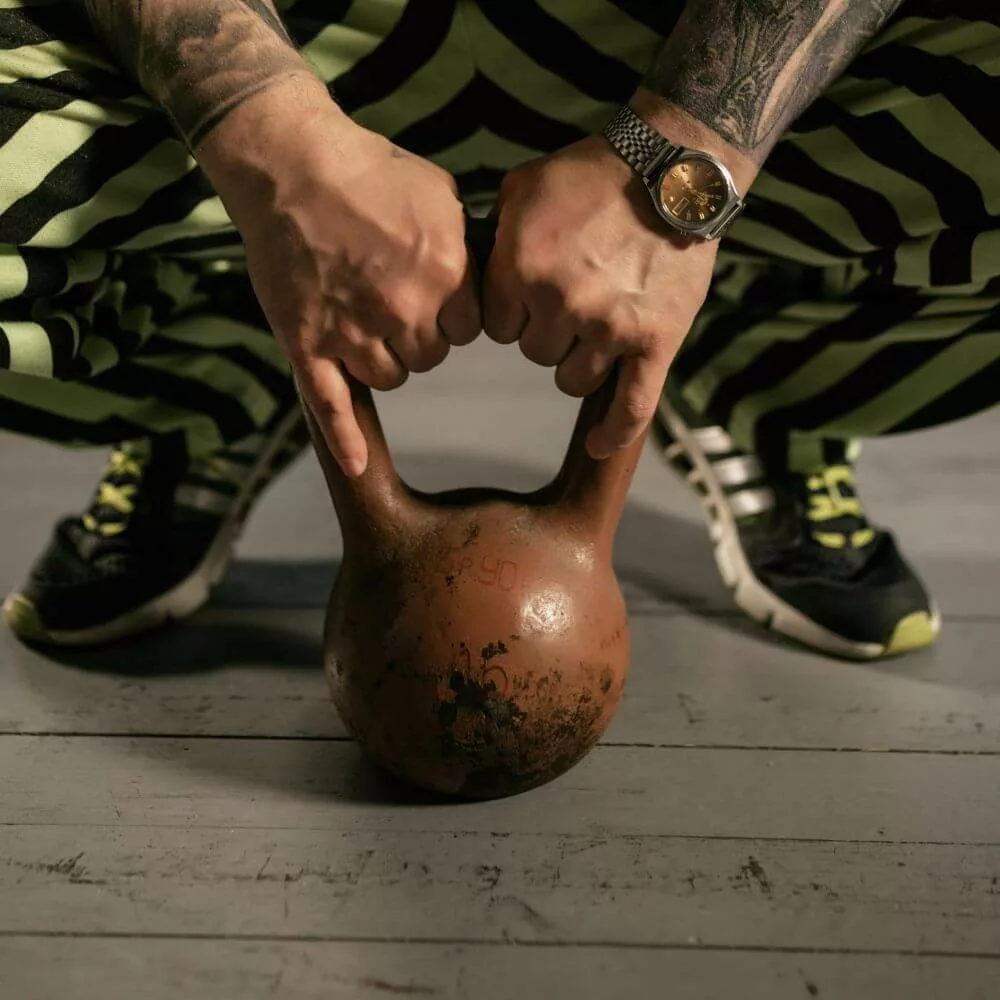
Beginner’s Guide to Grip Strength & Hand Training
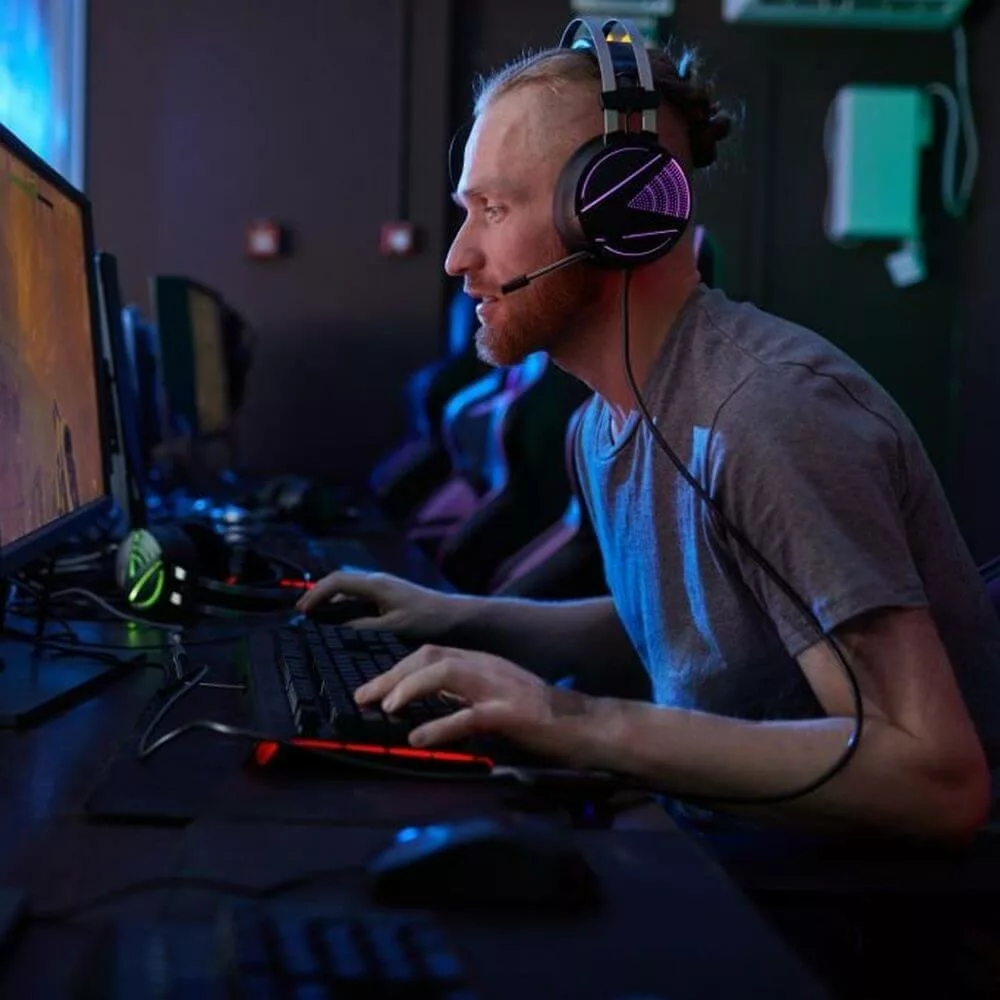
Grip Strength for Gamers: Better Performance, Less Fatigue