(Last Updated on October 20, 2026 by Henry)

Which Hand Rehabilitation Tool is Right for Your Recovery?

Choosing a hand rehabilitation tool starts with understanding what you need to recover.
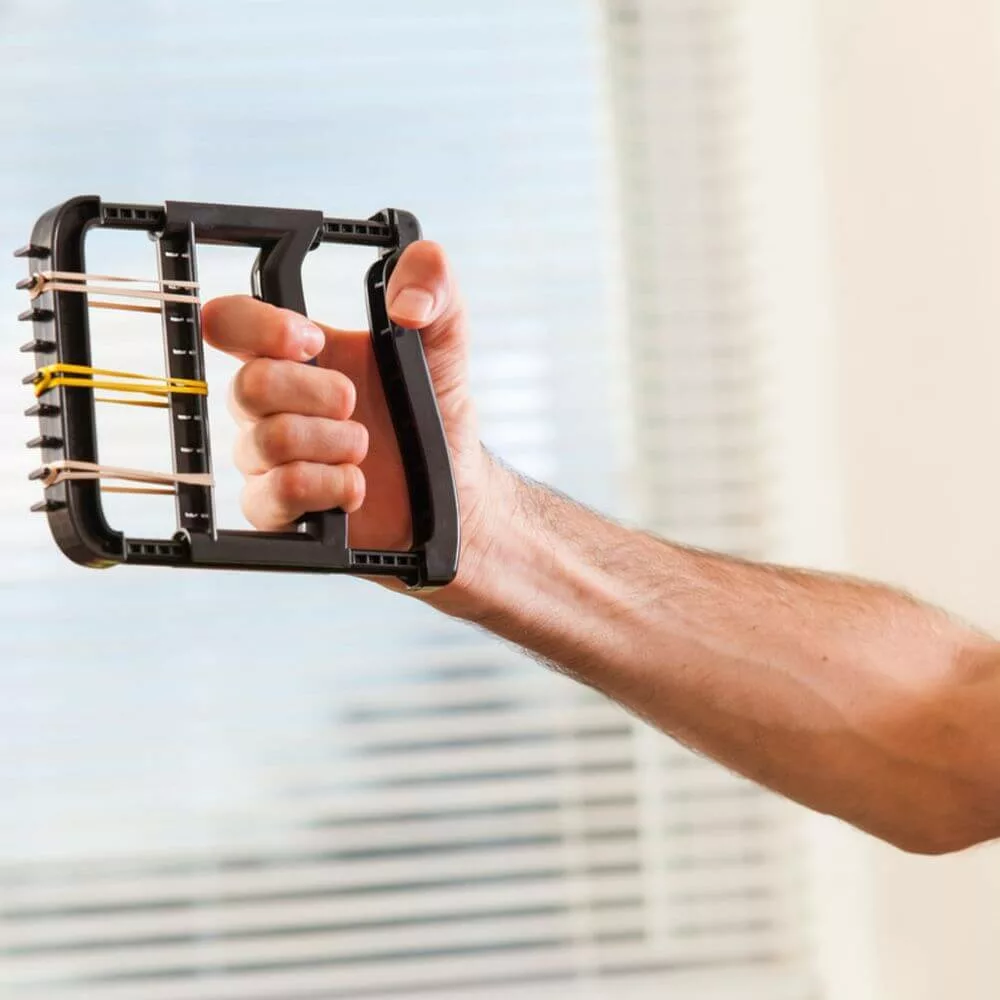
A tool that helps you practice finger coordination may serve a very different purpose from one designed to provide resistance during strengthening exercises.

That distinction matters because hand rehabilitation is not simply grip training with lighter equipment.

Depending on your situation, you may need to restore movement, improve dexterity, rebuild strength, or gradually return to everyday activities.

Some injuries also require specific restrictions that make certain tools or exercises inappropriate until a later stage of healing.

Choose the tool for the task, not the other way around.

Start with your rehabilitation goal, understand what your hand is ready to do, and then look for equipment that supports that specific need.

If you are recovering from surgery, a fracture, a tendon injury, or another significant hand or wrist condition, follow the recommendations of your healthcare professional or hand therapist before selecting exercises or resistance equipment. A tool marketed for rehabilitation is not automatically suitable for every injury or stage of recovery.

Identify the function you need to improve, confirm which activities are appropriate for
your recovery, and select equipment that matches those requirements. More resistance,
more features, and more exercises do not automatically mean better rehabilitation.

1. What Do You Actually Need to Improve?

Before comparing products, identify the limitation you are trying to address. Several rehabilitation goals can overlap, but each may require a different approach.

Do you need to restore movement?

Stiffness or restricted movement can make it difficult to bend or straighten your fingers, move your thumb, or use your wrist comfortably. Depending on the condition, rehabilitation may involve guided movement, mobility exercises, or other techniques prescribed by a clinician.

A resistance tool is not necessarily the right starting point. If movement is restricted or a joint must be protected, adding squeezing exercises may fail to address the problem or could conflict with your recovery plan.

Do you need to rebuild strength?

If weakness is the main limitation and your injury is ready for strengthening, suitable resistance equipment may help you progressively develop the force needed for everyday tasks.

Therapy putty, for example, can be used for specific finger and thumb strengthening exercises. However, the appropriate resistance and exercise selection depend on your condition and the recommendations you have received.

Do you need better coordination or dexterity?

Some tasks require precise control rather than high force. Handling small objects, manipulating fasteners, and performing fine motor tasks all depend on coordinated finger movements.

Equipment or activities that allow controlled, task-specific practice may be more appropriate than a heavy hand gripper when dexterity is the main goal.

Do you need to tolerate everyday activity again?

You may have regained basic movement but still struggle with repeated tasks, prolonged typing, cooking, or handling work equipment. In these situations, rehabilitation may include graded functional practice, activity modification, and gradually increasing workload.

The key distinction: movement, strength, coordination, and activity tolerance are different goals. First identify which one matters most, then consider the equipment that can help address it.

2. Which Types of Hand Rehabilitation Tools Serve Different Purposes?

Rehabilitation equipment ranges from simple materials to specialized devices. Understanding the differences can help you ask better questions when discussing equipment with a hand therapist.

Therapy putty for targeted hand exercises

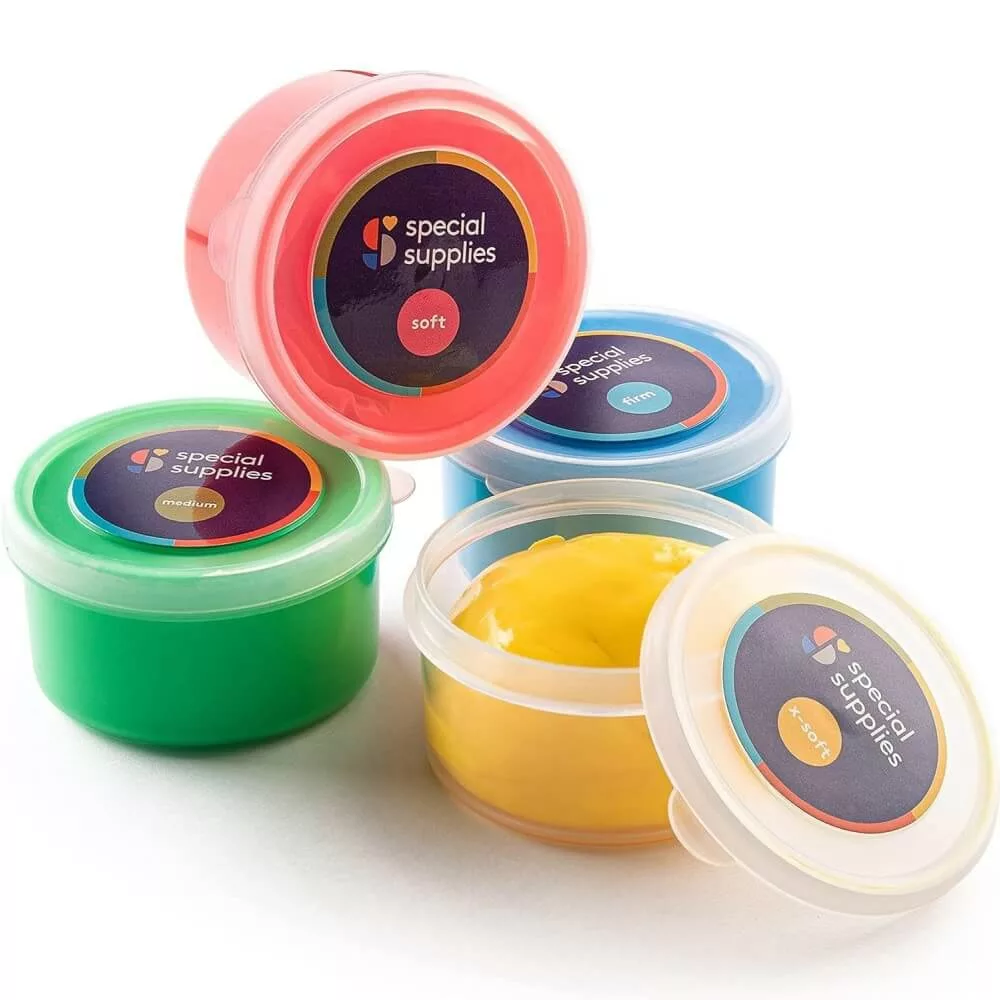
Therapy putty is a moldable resistance material that can be squeezed, pinched, rolled, or manipulated in prescribed ways. Depending on the exercise, it can help target particular finger and thumb movements or support strengthening when appropriate.

Different firmness levels are available, but color coding is not standardized across every manufacturer. Choose resistance according to the relevant clinical recommendation rather than assuming a particular color is universally suitable.

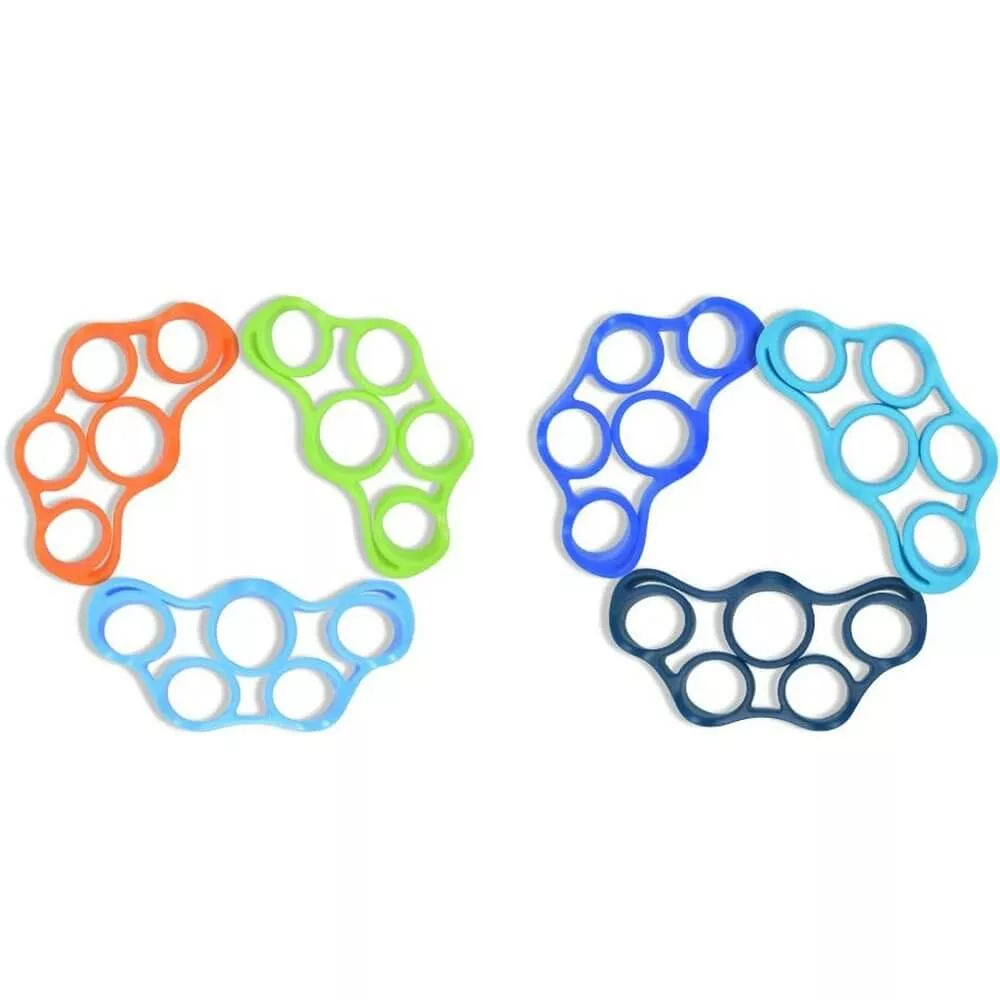
Finger and thumb exercisers for specific movements

Some devices provide resistance for finger extension, finger flexion, thumb movement, or other isolated actions. Their usefulness depends on which movement needs attention and whether that movement is appropriate for your recovery stage.

A device that trains finger flexion does not automatically address finger extension. Likewise, equipment designed for one finger or thumb movement may not be useful for a different limitation.

Soft hand exercisers for basic gripping practice

Soft resistance balls and similar devices can provide a simple way to practice squeezing when gripping exercises are appropriate. They may be convenient and easy to store, but many primarily emphasize general squeezing rather than addressing every aspect of hand function.

Their apparent simplicity should not be confused with universal suitability. Even a soft ball may provide inappropriate resistance for a particular injury.

Dexterity tools for coordination practice

Small-object manipulation tools, therapeutic activity kits, and task-specific equipment may help people practice controlled finger movements. These tools can be useful when precision and coordination matter more than maximum force.

The best option depends on the task you need to relearn. A simple, relevant activity may be more useful than a complex device with numerous attachments.

Splints and orthoses for protection or positioning

Splints and orthoses serve a different purpose from resistance tools. They may protect injured structures, support a joint, or position the hand according to a treatment plan.

These devices often need professional selection, fitting, or adjustment. Do not substitute a strengthening tool for prescribed support, or change how you use a splint without appropriate guidance.

No single category is best for everyone. The right tool is the one that matches the rehabilitation goal and the limitations of your particular condition.

3. How Should You Match a Tool to Your Stage of Recovery?

A tool that is useful later in recovery may be unsuitable early on.

This is especially important after surgery, fractures, tendon injuries, or other conditions where loading and movement need to be controlled.

Early recovery: follow the restrictions first

Depending on the injury, early recovery may prioritize protection, swelling management, prescribed movement, or maintaining mobility without stressing healing tissues.

At this stage, your clinician may recommend a particular splint, specific movements, or exercises with strict limits. Do not assume that a low-resistance tool is safe simply because it feels easy to use.

Developing function: match the exercise to the limitation

Once particular movements or activities are permitted, rehabilitation may focus on restoring range of motion, coordination, or other specific abilities. The equipment should support the prescribed exercise rather than introduce unnecessary resistance or complexity.

Some people may be ready for carefully selected strengthening, while others still need to prioritize movement or protection. Recovery does not follow an identical timeline for every injury.

Later recovery: progress only when appropriate

When strengthening and more demanding activities are permitted, suitable equipment may help build capacity for daily tasks, work, hobbies, or sport.

Progression should still be guided by the condition, symptoms, and treatment plan. Being further along in recovery does not automatically mean that unrestricted gripping or heavy resistance is appropriate.

A useful rule: choose equipment based on what you have been cleared to do now, not on what you hope to do several weeks from now. If you are unsure whether a particular movement or resistance level is appropriate, check with your healthcare professional before proceeding.

4. What Should You Look for When Comparing Rehabilitation Tools?

Once you know the goal and the type of tool you need, practical features can help narrow your options.

Appropriate resistance and adjustability

A tool should offer a level of resistance suitable for the prescribed exercise. Adjustable resistance can be useful when progression is appropriate, but the lowest setting is not automatically safe for every injury.

For putty and other fixed-resistance products, check the available firmness levels and make sure you understand how the manufacturer identifies them.

Comfort and a manageable grip

Consider whether the device is easy to hold, whether its shape suits your hand, and whether you can use it without unnecessary strain. Bulky handles, awkward controls, or excessive gripping demands may make some products unsuitable for your needs.

Comfort is important, but it does not prove that an exercise is medically appropriate.

Clear instructions and appropriate use

Look for clear information about how the equipment works, what movements it is designed to support, and how its resistance is measured. If a product makes broad promises about recovery without explaining its intended use, be cautious.

Manufacturer instructions can help you understand the device, but they do not replace an individualized rehabilitation plan.

Simple construction and easy maintenance

Equipment used regularly should be practical to store, clean, and handle. Therapy putty, for example, should be maintained according to its instructions, while devices with moving parts should be checked for wear or damage.

A reasonable price for the function you need

You do not necessarily need a large rehabilitation kit. If one simple tool supports the exercise you have been prescribed, additional attachments may add cost without improving the outcome that matters to you.

Compare tools according to their intended function, resistance options, usability, and suitability, not the number of features listed on the packaging.

5. Which Mistakes Should You Avoid When Choosing a Tool?

Several common mistakes can lead to wasted money, mismatched equipment, or exercises that do not address the real problem.

Choosing the strongest tool you can manage

Rehabilitation is not a contest. Higher resistance may be useful for an appropriate strengthening goal later in recovery, but it does not automatically improve movement, coordination, or healing.

Start with the requirements of your prescribed plan rather than trying to progress as quickly as possible.

Treating every hand problem as a grip-strength problem

Weakness is only one possible limitation. Stiffness, reduced coordination, sensitivity, restricted movement, or the need to protect a healing structure may require a different approach.

If the underlying problem has not been identified, buying a squeezing device may not solve it.

Buying a large kit before knowing what you need

Multi-piece sets can look versatile, but unused attachments do not provide extra value. Identify the relevant rehabilitation goals first, then decide whether a kit offers a useful advantage over a simpler option.

Assuming pain means the exercise is working

Rehabilitation should not rely on forcing the hand through sharp or worsening pain. Follow the symptom guidance provided by your clinician, and stop or modify an exercise as instructed if symptoms become concerning.

If you develop new symptoms or experience a persistent worsening, seek appropriate professional advice rather than switching to a different device and continuing without assessment.

Replacing professional guidance with online routines

An exercise demonstrated online may be intended for a specific injury, recovery stage, or patient group. The same movement can be inappropriate for another condition.

Use general resources to understand the options available, but follow your own treatment plan when one has been prescribed.

6. How Can You Make a Practical Choice?

A four-question decision framework

You can simplify the decision by working through a few questions.

What function am I trying to improve?

1

Identify whether your main goal involves movement, strength, coordination, or returning to everyday activities. If the limitation is unclear, start with professional assessment rather than guessing.

What am I allowed to do at this stage?

2

Check whether you have restrictions on movement, resistance, gripping, or weight-bearing through the hand. If you are recovering from a significant injury or surgery, confirm that the intended exercise is appropriate.

Which type of tool directly supports that goal?

3

Consider whether you need therapy putty, a specific finger exerciser, a dexterity tool, a prescribed splint, or no purchased equipment at all. Choose the simplest suitable option.

Can I use it appropriately and progress as advised?

4

Look for suitable resistance, manageable handling, clear instructions, and a way to follow your treatment plan. If the device makes the exercise difficult to control, it may not be the right choice.

These questions help prevent a common purchasing mistake: selecting equipment first and then trying to find a rehabilitation purpose for it.

Sometimes the best option is an inexpensive, straightforward tool. In other situations, specialized equipment or a custom-fitted orthosis may be more appropriate. The decision should follow the rehabilitation need, not the product category or price.

The next article explores what actually gets stronger during hand rehabilitation, including why improvements in strength, movement, and function do not always happen at the same pace.

Explore Hand Rehabilitation Tools

Different tools support different rehabilitation goals.

Once you know which type of exercise is appropriate for your recovery, comparing a few relevant options can help you understand the available designs.
Key Takeaway

The best rehabilitation tool is the one that matches your recovery needs.
Identify the function you need to improve.

Follow the movement and loading guidance appropriate to your condition.
Choose equipment that supports the goal, not equipment that simply looks more advanced.

Better choices begin with the right question, not the biggest grip.

Thanks for Reading!

Have You Ever Used a Hand Rehabilitation Tool?
Share Your Thoughts in the Comments?

Recommended Next Reads

Further Reading: Professional Hand Therapy Resources

  • Cambridge University Hospitals NHS Foundation Trust: Hand Therapy: Theraputty Finger Strengthening Exercises
    Learn how therapy putty may be used for prescribed finger-strengthening exercises, and why timing and therapist guidance matter.
  • Ida-Tallinna Keskhaigla: Occupational Therapy
    Explore how occupational therapy supports everyday function and how specialists can advise on hand therapy and orthoses.
Need to Improve Your Grip? I'm Here to Help. As a fitness enthusiast, I explore grip strength, hand training, performance, injury prevention, & recovery to help you train smarter. Whether you're chasing a competitive edge, getting back from an injury, or simply looking for better ways to use & strengthen your hands, you'll find practical ideas & useful tools right here.

Leave a Reply

Your email address will not be published. Required fields are marked *