(Last Updated on October 20, 2026 by Henry)

When your hand improves, what is actually changing?

When your hand starts working better after an injury, it is tempting to measure recovery by one thing: grip strength.
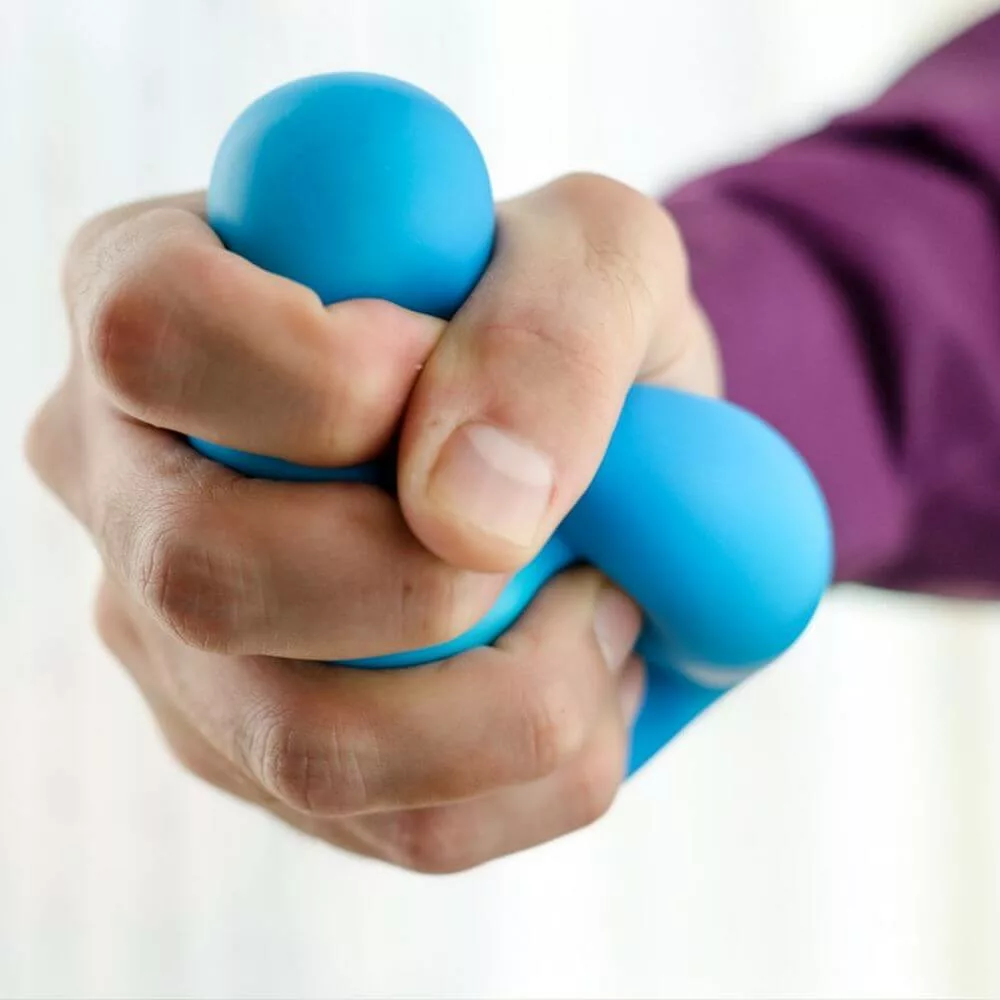
You squeeze harder, lift a heavier object, or notice that everyday tasks feel easier, and it seems obvious that your hand is getting stronger.

But recovery is more complicated than that.

Your hand may improve in movement, coordination, sensation, strength, endurance, or the ability to perform specific tasks.

These changes can happen at different rates, and progress in one area does not automatically mean every other area has recovered.

Recovery is more than a stronger grip.

A hand can move better without producing more force, become stronger without regaining full coordination, or perform daily tasks more easily before reaching its previous strength.

Understanding these differences helps you recognize meaningful progress without expecting every ability to return at the same time.

It also explains why a rehabilitation plan may include several types of activity instead of focusing exclusively on squeezing or resistance exercises.

Recovery depends on the injury, the structures affected, & the stage of healing.
If you are following a rehabilitation plan, use your clinician’s instructions
to determine which movements & loading activities are appropriate.

1. Does Hand Rehabilitation Actually Make Your Muscles Stronger?

Yes, strengthening can be an important part of hand rehabilitation, but only when it is appropriate for the injury and recovery stage.

What happens when muscles become stronger?

Muscle strength is the ability to produce force. In the hand and forearm, that force helps you grip objects, pinch between your fingers and thumb, manipulate tools, and perform many other tasks.

After an injury, surgery, or a prolonged period of reduced use, you may have less strength than before. Depending on the underlying problem, appropriate strengthening can help rebuild the capacity needed for those activities.

Improvements can reflect several changes, including adaptations within the muscles and nervous system. As you practice an appropriate movement, your body may become better at recruiting and coordinating the muscles involved.

However, not every loss of hand strength comes from weak muscles alone. Pain, swelling, restricted movement, nerve problems, or an injury that has not fully recovered can also limit how much force you can produce.

Why stronger muscles are not the whole story

Imagine someone who has regained enough movement to close their hand but still struggles to hold a shopping bag. Their ability to produce force may be reduced, but so might their endurance, comfort, or confidence in using the affected hand.

Strengthening may help address one part of the problem, but it may not resolve every limitation.

This is why rehabilitation should match the actual cause of the difficulty. A stronger squeeze is a useful outcome when strength is the target, but it is not a complete measure of hand recovery.

2. Can Your Hand Move Better Without Getting Stronger?

Absolutely.
Movement and strength are related, but they measure different abilities.

Mobility determines how far you can move

Joint mobility and range of motion affect how far your fingers, thumb, and wrist can move. Stiffness, swelling, scar tissue, and other consequences of injury can restrict that movement.

Appropriate rehabilitation may help restore movement within the limits of healing and any prescribed restrictions. This can make everyday activities easier even if your maximum grip force has not changed much.

For example, someone may regain enough finger movement to button a shirt or hold a utensil more comfortably. Those are meaningful improvements even if a grip-strength test shows little change.

Movement quality matters too

Being able to move a finger through a certain range does not necessarily mean you can control it accurately or comfortably during a task.

Rehabilitation may also address the quality and coordination of movement, depending on the condition. The aim is not simply to move farther, but to regain useful movement that supports the activities you need to perform.

The important distinction: greater mobility can improve function without producing a measurable increase in strength. Conversely, gaining strength does not guarantee that a stiff joint will regain its full range of motion.

3. What Role Do Coordination and Sensation Play in Recovery?

Your hand is a precision tool as well as a source of force. It needs to position the fingers, coordinate their movements, and respond to information from touch.

Coordination helps your fingers work together

Many daily tasks require controlled movements rather than maximum effort. Picking up a coin, fastening a button, turning a key, or handling a small component depends on timing and coordination between the fingers and thumb.

After an injury or neurological problem, these movements may feel awkward or less reliable. Rehabilitation can include appropriate practice aimed at restoring coordination and task performance.

A person may therefore become noticeably more capable at everyday activities even when their grip strength has changed only slightly.

Sensation helps you control what you hold

Touch and sensory feedback help you judge an object’s position, texture, and the amount of force needed to handle it. If sensation is affected by nerve injury or another condition, tasks that once felt automatic may become more difficult.

Some rehabilitation programs include sensory retraining or strategies to help people adapt to altered sensation. The appropriate approach depends on the cause and severity of the problem.

Reduced sensation deserves particular attention because it can affect safety. If you cannot reliably feel heat, pressure, or an injury to your hand, you may need specific precautions recommended by your healthcare professional.

Why coordination can improve before maximum strength

Think about learning to handle a small object again after an injury. You may become more accurate, make fewer mistakes, and complete the task more smoothly without being able to squeeze any harder.

That is genuine progress. It reflects an improvement in how you use the hand rather than necessarily an increase in its maximum force output.

4. Can Your Hand Become More Enduring Without Becoming Much Stronger?

Yes.
Endurance is another distinct part of hand function.

Strength and endurance answer different questions

Strength concerns how much force you can produce. Endurance concerns how well you can sustain or repeat an activity over time.

You might be able to grip an object firmly once but struggle when the same task needs to be repeated. Alternatively, you may manage light activities for longer periods but still lack the force required for a demanding lift.

These are different limitations and may require different approaches.

Everyday tasks reveal endurance problems

Consider someone returning to work after a hand injury. They may be able to hold a tool briefly but find that repeated use becomes difficult. Another person may manage short periods of typing or household activity but experience increasing fatigue as the day progresses.

Depending on the condition, rehabilitation may gradually build tolerance for relevant activities, with appropriate adjustments to workload and rest.

This does not mean pushing through worsening symptoms. The amount and type of activity must remain appropriate for the recovery plan, particularly when healing tissues still need protection.

Endurance is about repeatability. If a task becomes easier to sustain, that can be meaningful progress even when maximum grip strength remains unchanged.

5. Why Can Everyday Function Improve Before Your Test Results Do?

A strength test provides useful information, but it measures only part of what your hand can do.

Real tasks combine several abilities

Opening packaging, holding a cup, preparing food, using a keyboard, and operating a tool all involve different combinations of movement, coordination, force, sensation, and endurance.

A small improvement in one or more of these areas may make a task easier without causing a large change in a grip-strength measurement.

For example, someone may find it easier to hold a cup because their wrist position is more comfortable and their fingers move more freely. Their maximum grip force may be similar, but the task now requires less effort.

Measurements need context

Grip-strength measurements can be affected by the testing position, equipment, technique, pain, fatigue, and the condition being assessed. Comparisons are most useful when the measurements are taken consistently and interpreted in the context of your recovery.

A single result should not be treated as a complete verdict on your progress. Depending on your injury, a healthcare professional may also assess movement, sensation, dexterity, functional tasks, and your ability to tolerate activity.

Functional improvement still matters

The goal of rehabilitation is not necessarily to produce the highest possible grip-strength number. It is to restore as much useful function as possible for your particular needs.

That may mean returning to self-care, handling everyday objects, performing work tasks, or gradually resuming a hobby. The relevant milestones depend on your starting point, condition, and recovery goals.

6. How Can You Recognize Meaningful Progress During Rehabilitation?

Track the abilities that matter to your recovery

Instead of asking only whether your hand is stronger, look at the specific abilities your rehabilitation plan is intended to restore.

Depending on your condition and the goals agreed with your healthcare professional, useful indicators may include:

  • Movement: You can perform the permitted movements with improved range or less stiffness.
  • Strength: You can produce more force when strengthening is appropriate, and this is a relevant goal.
  • Coordination: You can handle objects or perform fine motor tasks more accurately.
  • Endurance: You can complete suitable activities for longer or repeat them more comfortably.
  • Everyday function: Tasks that were previously difficult become more manageable.
  • Tolerance: Your hand responds appropriately to the activity level allowed by your recovery plan.

Not every measure will apply to every injury.

A person recovering from tendon surgery may have specific movement restrictions, while someone with a different condition may be working toward other functional milestones.

Look at the trend, not just one day

Recovery can fluctuate. Fatigue, activity levels, and symptoms may vary, so one difficult day does not necessarily mean you have lost progress.

At the same time, a persistent worsening of symptoms, new numbness, increasing swelling, or a loss of previously regained function should not be dismissed as an ordinary setback. Contact your healthcare professional for advice, particularly if you are recovering from surgery or a significant injury.

If progress seems to have stalled, the answer is not automatically to increase resistance or add more repetitions. The next step may be to reassess the goal, exercise selection, recovery stage, or underlying limitation with your clinician or hand therapist.

Key Takeaway

Hand rehabilitation can improve several abilities, not just strength.

Muscle strength helps you produce force.
Mobility helps you move.
Coordination and sensation help you control your hand.

Endurance helps you repeat tasks, while functional practice helps you use these abilities in everyday life.

Measure progress by the function you are rebuilding, not only by how hard you can squeeze.

Thanks for Reading!

Which Ability Matters Most: Strength, Mobility, or Endurance?
Share Your Thoughts in the Comments!

Recommended Next Reads

Further Reading: Professional Hand Therapy Resources

  • American Society for Surgery of the Hand: Hand Therapy: What Is Right for Me?
    Explore how hand therapy can address movement, strength, coordination, sensation, and everyday function.
  • American Academy of Physical Medicine and Rehabilitation: Functional Rehabilitation
    Learn how rehabilitation can progress from restoring movement to rebuilding strength, power, endurance, and activity-specific function.
Need to Improve Your Grip? I'm Here to Help. As a fitness enthusiast, I explore grip strength, hand training, performance, injury prevention, & recovery to help you train smarter. Whether you're chasing a competitive edge, getting back from an injury, or simply looking for better ways to use & strengthen your hands, you'll find practical ideas & useful tools right here.

Leave a Reply

Your email address will not be published. Required fields are marked *