
Discover Practical Guidance for Managing Common Wrist & Hand Problems, Preventing Injuries, & Supporting Recovery.
Here You’ll Find:
-
- Hand Rehabilitation
- Injury Prevention & Exercises
- Taping Techniques
- Supports & Braces
- Callus & Skin Care
- Hand Pain & Conditions
- Recovery & Nutrition
Healthy Hands Are the Foundation of a Strong Grip
Your grip depends on more than muscle strength.
Healthy hands, functioning joints, resilient tendons, and the ability to recover all play important roles in how well you use your hands.
Whether you’re dealing with discomfort, recovering from an injury, or simply trying to prevent problems before they start, understanding hand health can help you make better decisions.
Our Hand Health hub brings together practical guides on prevention, rehabilitation, protective equipment, common conditions, and recovery, helping you find relevant information for your needs.
Protect your hands today so they can keep working for you tomorrow.
#1 RESTORE HAND FUNCTION AND REBUILD STRENGTH
Recovering hand strength after an injury takes more than waiting for pain to disappear. Understanding the recovery process, choosing appropriate exercises, and knowing when rehabilitation tools may help can all play a role in restoring hand function.
Rehabilitation: Support Your Hands Through Recovery
Learn what hand rehabilitation involves, why weakness can persist after an injury, and how different approaches can support your return to everyday activities.
These guides cover rehabilitation fundamentals, choosing suitable tools, and practical techniques for supporting hand and wrist function as you recover.
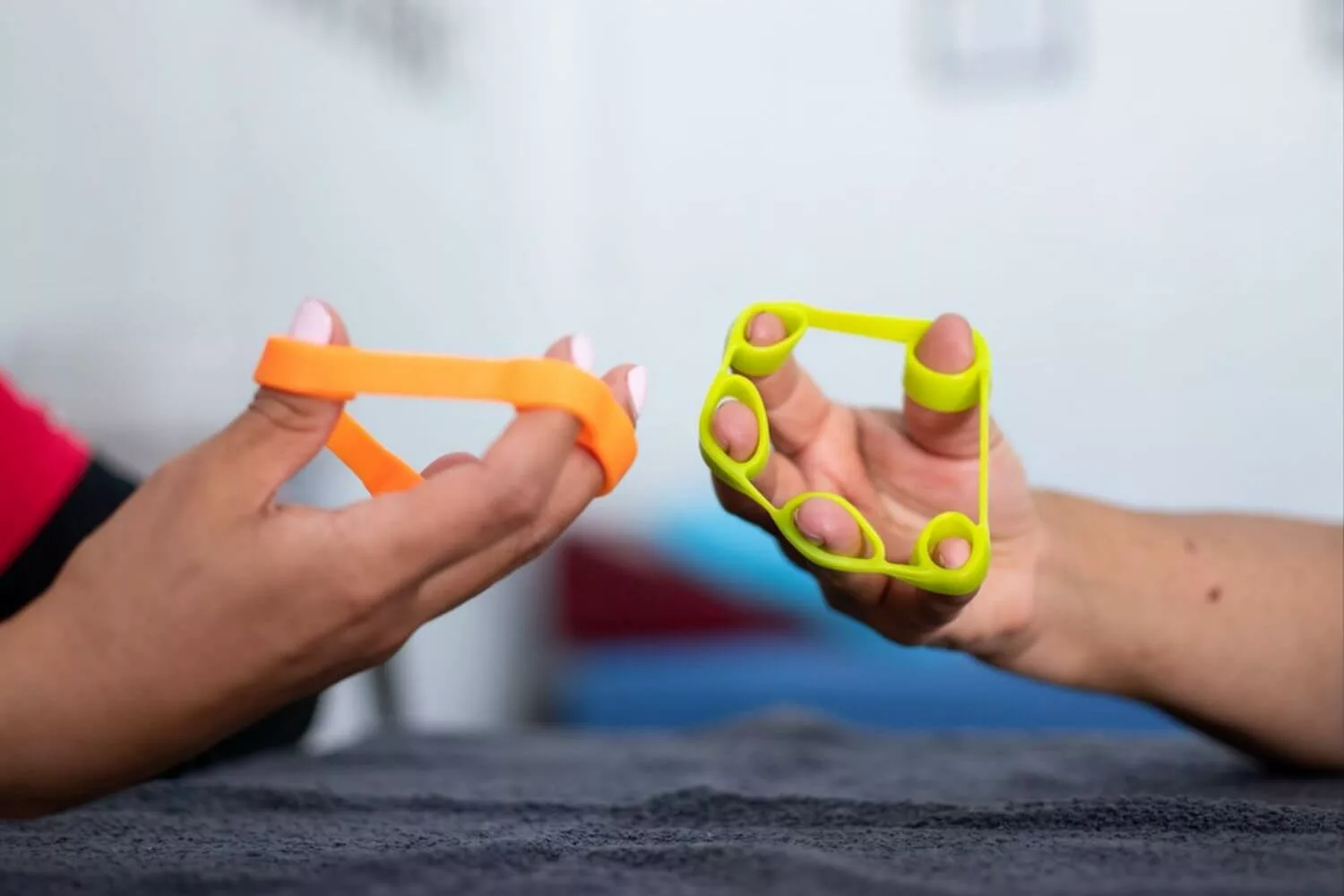
Recovery isn’t always a straight line. The right approach depends on the injury, your current function, and the stage of healing. When recovering from a significant injury or persistent symptoms, follow guidance from a qualified healthcare professional rather than pushing through pain.
Recovery isn’t just about getting your strength back.
It’s about restoring the ability to use your hands confidently, comfortably, and effectively.
#2 PREVENT HAND INJURIES BEFORE THEY START
Healthy hands need more than strength. Appropriate movement, sensible training loads, and attention to early warning signs can help reduce unnecessary strain during grip training and everyday activities.
Prevention & Exercises: Keep Your Hands Moving Well
Explore practical ways to improve hand and wrist mobility, prepare for demanding activities, and recognize common risks before they become bigger problems.
These guides focus on preventive exercises, stretching, and understanding how grip-related injuries can occur.
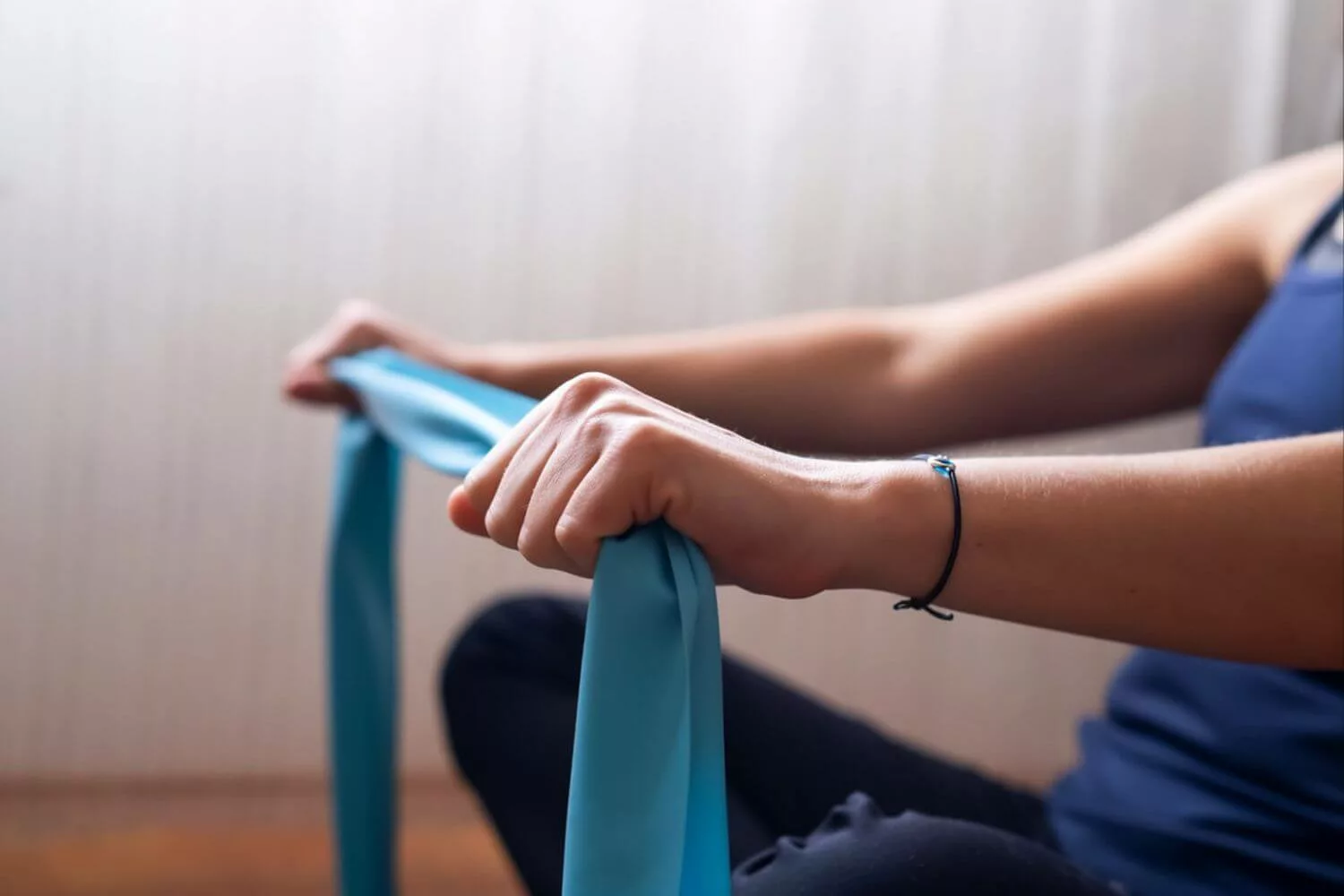
Prevention starts with understanding your limits and building habits that support healthy movement. Increase training demands gradually, allow time for recovery, and don’t ignore persistent pain or changes in hand function.
The goal isn’t to avoid every challenge.
It’s to prepare your hands for the demands you place on them & recognize when they need a break.
#3 UNDERSTAND HAND TAPING AND WHEN TO USE IT
Taping can provide a practical way to protect vulnerable skin or offer targeted support during certain activities. The right method depends on your goal, the area being taped, and the demands of your sport or work.
Taping: Practical Techniques for Hands and Fingers
Learn how different tapes are used, how to tape fingers and hands for specific activities, and what taping can and cannot do for comfort and support.
These guides cover technique comparisons, practical applications, and common questions about using tape during training and recovery.
- Athletic Tape Vs Kinesio Tape: Which Is Better For Grip Rehab?
- How To Tape Fingers For Lifting, Climbing, And Grip Training
- How Kinesio Tape Supports Tendons In The Hand And Wrist
- KT For Hand, Wrist & Finger Rehab: Does It Really Help Grip?
- How to Tape Hands for Callus Protection and Injury Prevention
- How to Tape Your Hands for Weightlifting Without Killing Grip
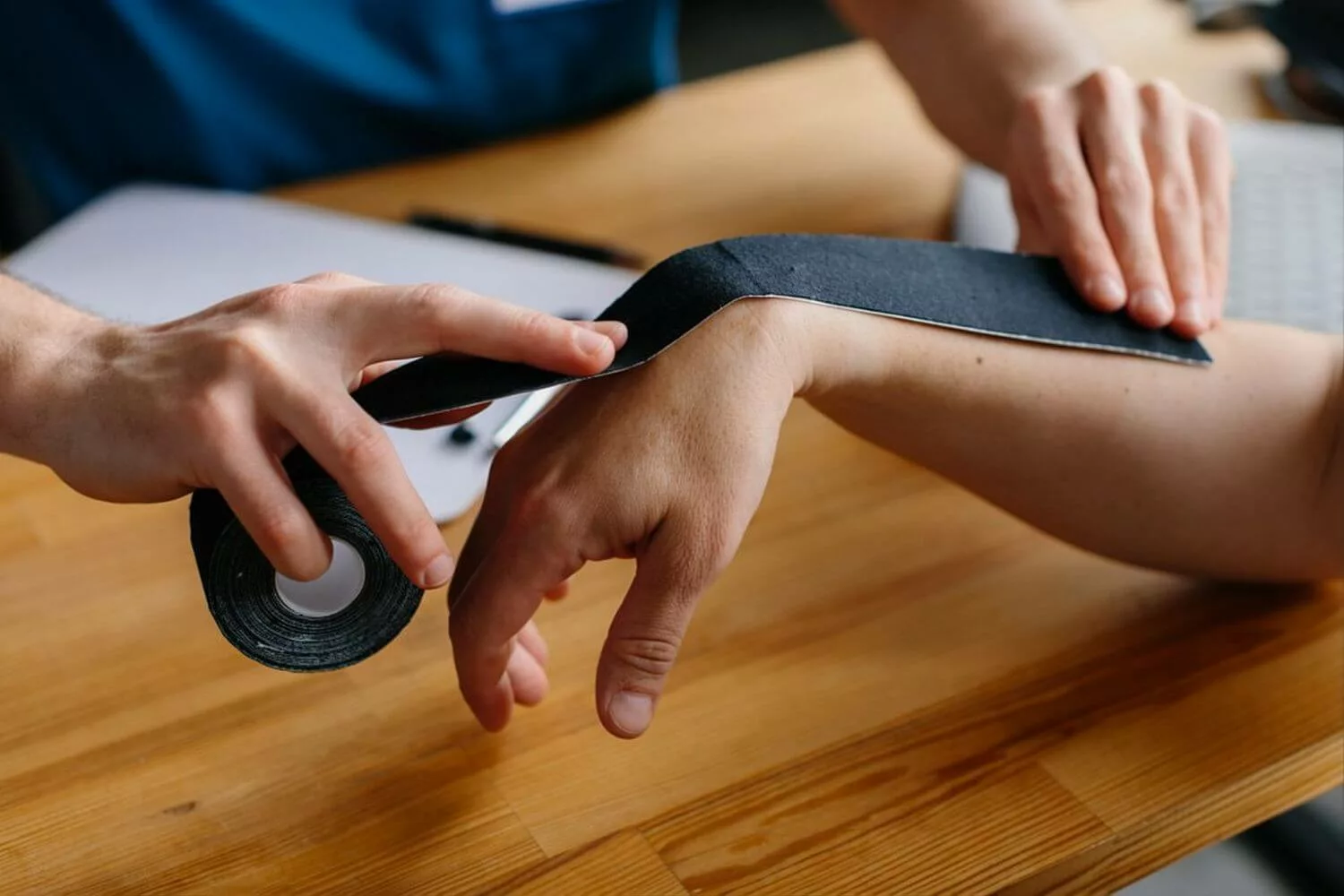
Taping is not a substitute for diagnosing or treating an injury. Use an appropriate technique for your purpose, avoid wrapping so tightly that circulation is affected, and stop if you notice numbness, tingling, discoloration, or worsening discomfort.
Tape can be useful when you understand what it’s meant to do.
The key is choosing the right method for the right purpose, not expecting tape to solve every problem.
#4 FIND THE RIGHT SUPPORT FOR YOUR HANDS AND WRISTS
Braces, wraps, and other protective supports can serve different purposes, from limiting certain movements to providing stability during specific activities. Understanding those differences helps you make more informed choices.
Supports & Braces: Understand Your Options
Explore how hand and wrist supports work, what to consider when choosing one, and how protective equipment differs from building strength through exercise.
These guides help you understand the purpose and limitations of different support options before deciding what may suit your needs.
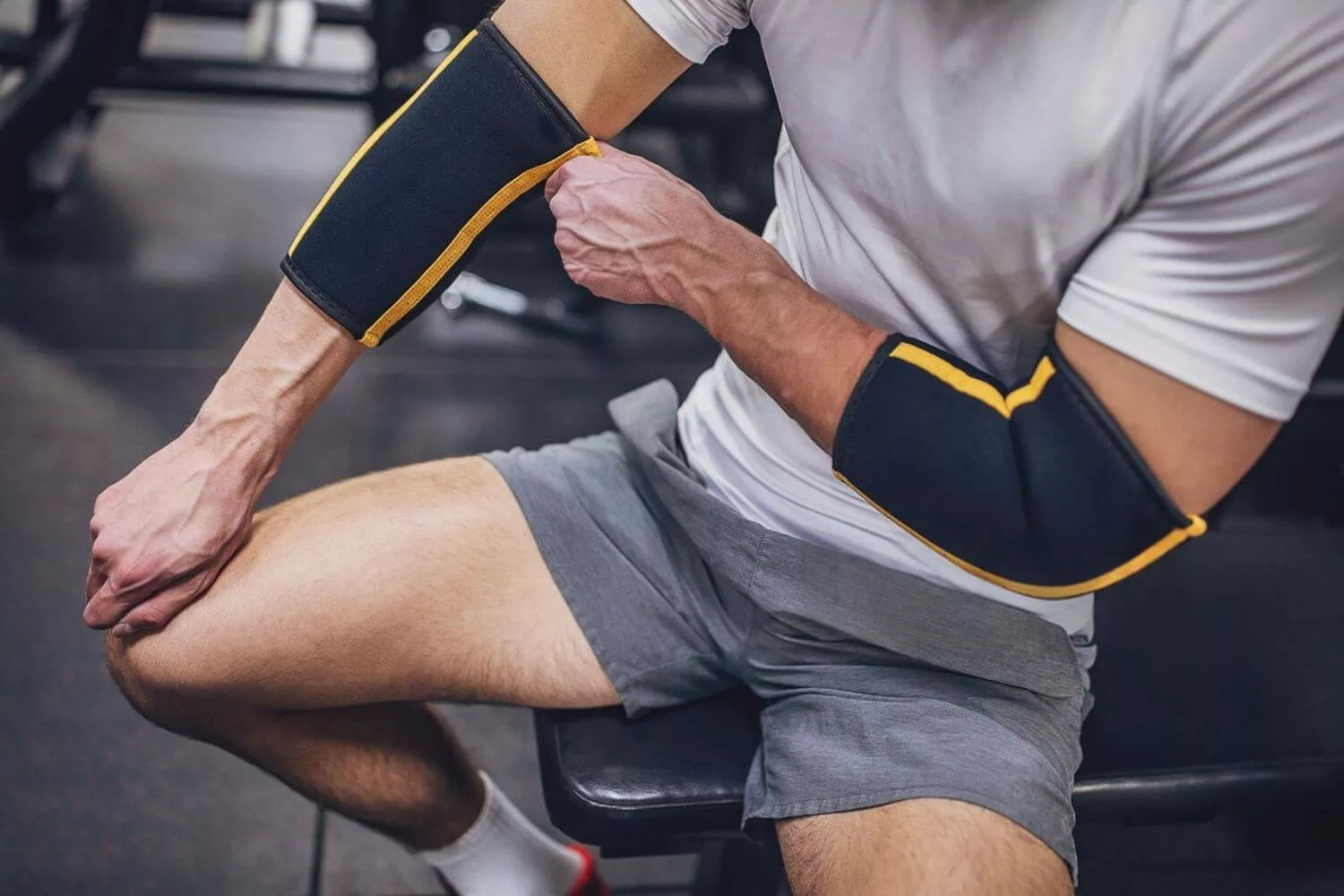
The best support depends on the problem you’re trying to address. A brace intended to restrict movement serves a different purpose from a lifting wrap, and neither automatically replaces appropriate rehabilitation or strength development.
Support and strength are not the same thing.
Knowing which one you need & why is the first step toward making a better choice.
#5 PROTECT YOUR SKIN AND KEEP YOUR HANDS TRAINING-READY
Calluses can help protect your hands, but excessive buildup, blisters, and torn skin can make gripping uncomfortable and interrupt your training. A little preventative care can make a meaningful difference.
Skin Care: Manage Calluses, Blisters, and Tears
Learn how calluses develop, when they become a problem, and how to care for your hands before and after demanding grip sessions.
These guides cover callus management, prevention strategies, and practical ways to respond when skin becomes damaged.
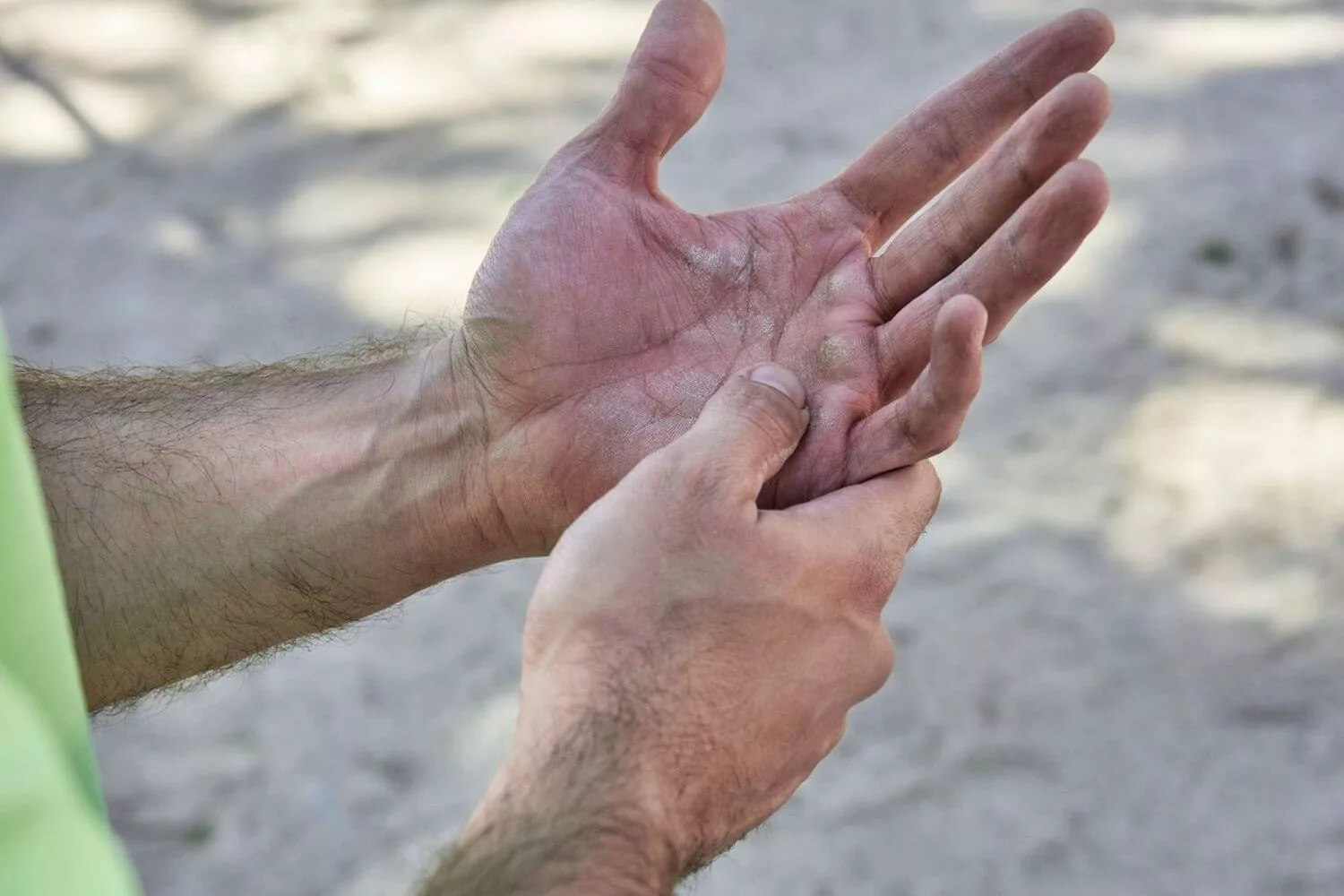
The aim isn’t necessarily to eliminate calluses. It’s to keep skin manageable, reduce avoidable friction, and allow damaged areas to heal before returning to activities that could reopen them.
Your skin is part of your grip system.
Look after it, & don’t let a preventable tear turn a good training block into an unnecessary setback.
#6 UNDERSTAND HAND PAIN AND COMMON CONDITIONS
Hand and wrist pain can have many causes, from repetitive strain and joint conditions to tendon irritation and acute injuries. Understanding possible causes is an important first step toward finding appropriate care.
Pain & Conditions: Understand the Problem Before You Act
Explore common hand, wrist, and elbow problems, learn about available management approaches, and discover when professional assessment may be important.
These guides cover arthritis, repetitive strain, tennis elbow, carpal tunnel syndrome, and other concerns that can affect grip and everyday hand function.
- Why Do Your Hands & Wrists Hurt During Training?
- What Is the Best Pain Relief for Arthritis in the Hands?
- Repetitive Strain Injury: Practical Ways to Relieve & Prevent It
- How to Treat Tennis Elbow Safely & Effectively
- Carpal Tunnel Syndrome Exercises You Can Do in Minutes
- How to Treat a Sprained Thumb Effectively at Home & Beyond

Pain is a signal to pay attention, not something you should automatically push through. These guides provide general educational information, but persistent, severe, worsening, or unexplained symptoms deserve assessment by a qualified healthcare professional.
Before deciding how to manage hand pain, take time to understand what might be causing it.
The right response starts with the right question.
#7 SUPPORT HAND HEALTH THROUGH RECOVERY AND NUTRITION
Your hands depend on more than the work you put into training. Everyday habits, adequate nutrition, hydration, and time to recover all contribute to the body’s ability to maintain and repair its tissues.
Recovery & Nutrition: Support Your Body From Within
Learn how hydration and nutrition relate to hand function, explore nutrients important for normal muscle and tissue function, and understand practical ways to support recovery.
These guides cover everyday habits and nutritional topics that can complement a balanced approach to hand health.

No single food, supplement, or recovery method guarantees stronger hands or faster healing. Focus on consistent fundamentals, and seek individualized medical or nutritional advice when a condition or deficiency may be affecting your recovery.
Training challenges your body. Recovery gives it the opportunity to adapt.
Don’t overlook the everyday habits that help you take care of both.
Looking for Answers About Your Hand Health?
When your hands or wrists hurt, feel weak, or simply aren’t working as they should, knowing where to turn can be difficult. Understanding what’s happening is an important first step toward making informed decisions about your health and recovery.
Start with the Grip Training FAQ for answers to common questions, then explore the curated Grip Manuals library for deeper educational resources on hand health, rehabilitation, common conditions, injury prevention, & recovery.
- Have a specific question? Start with the FAQ
- Want to understand a problem in more depth? Explore the Grip Manuals library
Better decisions begin with better information.
Take the time to understand your hands, explore reliable guidance, & seek professional assessment when symptoms warrant it.
Beginner’s Guide to Grip Strength & Hand Training