(Last Updated on October 17, 2026 by Henry)

Which Type of Hand or Wrist Support Actually Fits Your Needs?

Choosing support for your hands and wrists can be surprisingly confusing.

Wrist wraps, compression sleeves, braces, splints, and thumb supports may all look similar at first glance, but they can serve very different purposes.

Some are designed to provide light compression or warmth during activity.

Others help limit movement, maintain a particular joint position, or protect an injured area while it recovers.

Choosing the wrong type can leave you with something uncomfortable, unnecessarily restrictive, or poorly suited to the problem you want to solve.

The goal isn’t to find the strongest support available.

It’s to find the right level of support for the joint, activity, and reason you need it.

The right support should address a specific need without unnecessarily limiting the movement and function you want to preserve.

Before comparing products, start with the problem you’re trying to solve. Are you looking for extra wrist support during pressing exercises? More comfort during repetitive work? A way to manage symptoms while an injury heals? Or support recommended by a healthcare professional?

Those situations call for different approaches. Understanding the differences will help you narrow your options before you spend money on equipment you may not need.

What’s the most optimal way to use a thumb loop when wrapping your wrists?
Predominantly, most people use it in a way that isn’t optimal.

1. What Problem Are You Trying to Solve?

What Problem Are You Trying to Solve?

The most useful first step is to identify what you want the support to accomplish. Shopping by appearance, brand, or advertised support level is less helpful than understanding the need behind the purchase.

For example, someone whose wrists feel uncomfortable during heavy pressing may be looking for a different kind of support from someone who experiences recurring symptoms during computer work. Neither situation automatically calls for a rigid brace, and neither should be treated as the same problem.

Start With Your Main Goal

  • Extra support during exercise: You may be looking for a wrist wrap or flexible support that offers a more secure feeling while still allowing you to grip equipment and move your hand.
  • Light compression and comfort: A soft sleeve or elastic support may suit some everyday activities when gentle compression or warmth feels helpful.
  • Reduced wrist movement: A more structured brace or splint may be appropriate when limiting a particular movement is part of managing a diagnosed condition or recovering from an injury.
  • Support around the thumb: A thumb-specific support may be more relevant when the thumb joint or its base is involved. A wrist-only support may not address that need.
  • Support during recovery: The appropriate design and wearing schedule depend on the injury or condition. A clinician may recommend a specific brace, splint, or rehabilitation plan.

These categories overlap, and product names are not always consistent. One manufacturer’s “wrist support” might be a simple elastic sleeve, while another product with a similar name might contain a rigid stay that restricts movement.

Look at what the support is designed to do, not just what the package calls it.

Don’t Choose a Support Before Identifying the Need

A product can feel reassuring without addressing the underlying cause of discomfort. For example, adding compression doesn’t necessarily stabilize a joint, and restricting movement isn’t automatically beneficial for every sore wrist.

If you don’t know why your wrist hurts, buying a stronger brace isn’t a reliable way to find out. Persistent symptoms, pain following a fall, significant swelling, or numbness deserve appropriate assessment rather than trial-and-error product selection.

2. What Are the Differences Between Sleeves, Wraps, Braces, and Splints?

What Are the Differences Between Sleeves, Wraps, Braces, and Splints?

Once you know your main goal, you can compare the common types of support. Their construction provides a useful starting point, although the exact level of restriction varies between models.

Compression Sleeves and Soft Supports

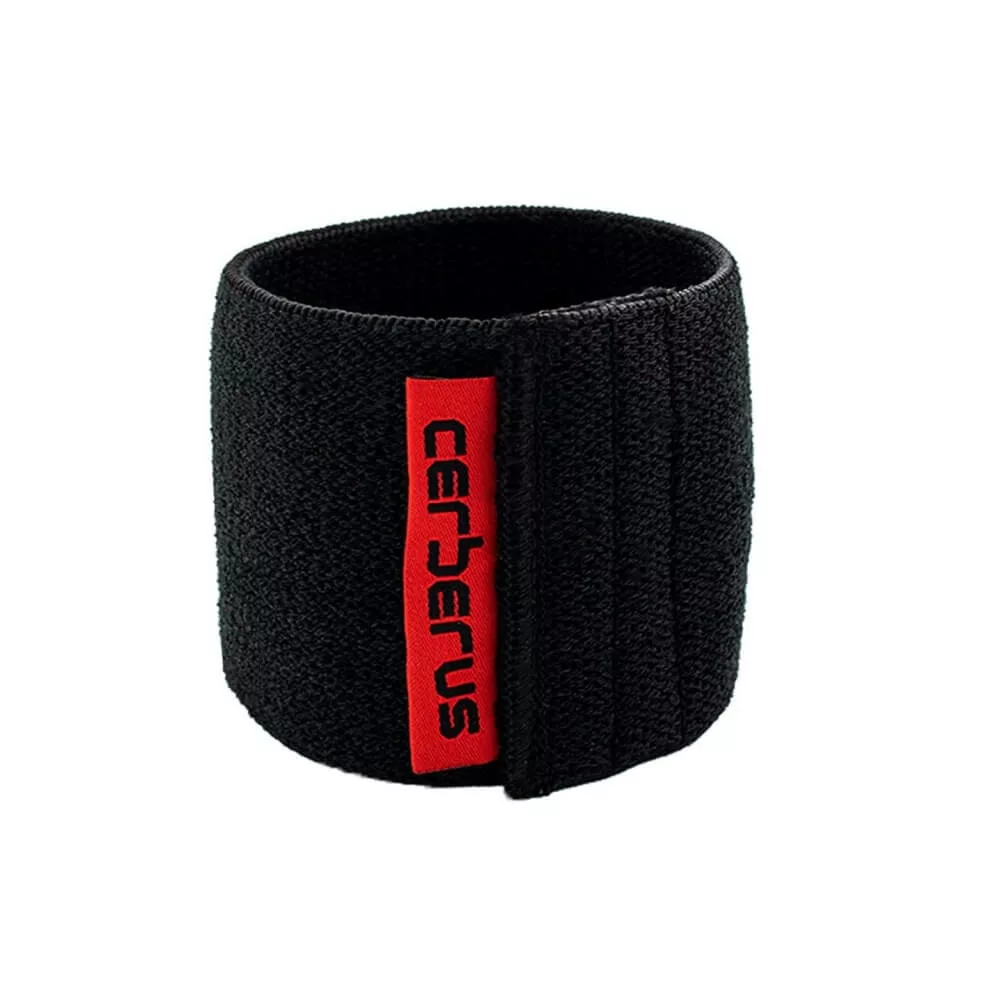
These are usually made from elastic fabric, knitted material, or neoprene. They fit around the wrist or hand and provide varying degrees of compression and warmth.

A sleeve may feel comfortable during everyday activities or light exercise. Some people also like the extra awareness of the joint that a close-fitting support provides.

However, a soft sleeve generally allows substantial movement. Compression should not be confused with strong mechanical stabilization. A sleeve may be comfortable, but it isn’t a substitute for a brace designed to restrict movement when that restriction is actually needed.

Wrist Wraps for Training

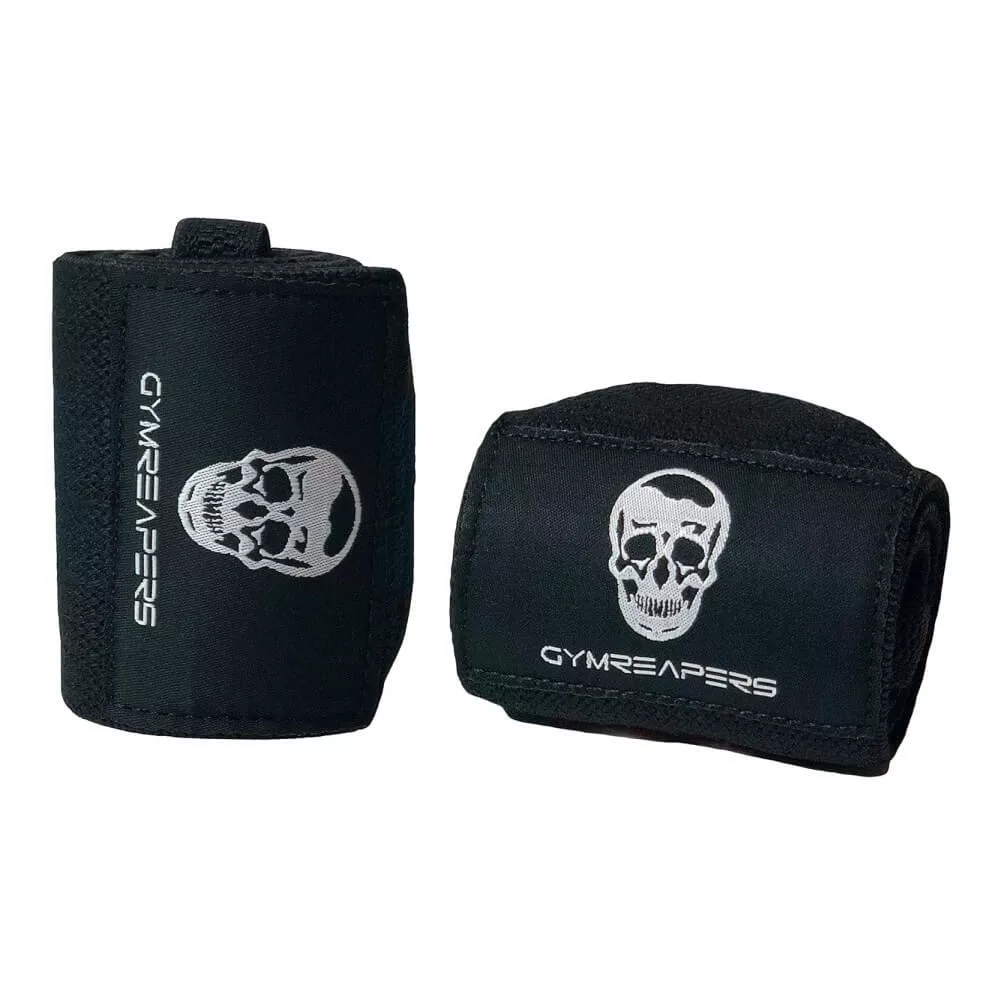
Wrist wraps are commonly used during weightlifting and other activities that place substantial demands on the wrist. They wrap around the joint and can be tightened to provide a firmer feel during selected exercises.

Their main appeal is adjustability. You can often choose how snugly they fit and remove them when you no longer need them.

The trade-off is that tight wraps can restrict movement, interfere with comfort, or create excessive pressure. They should not cause tingling, numbness, changes in hand color, or other signs of impaired circulation.

Wrist wraps are also different from lifting straps. Wrist wraps support the wrist area; lifting straps help connect the hand to a bar or handle when grip is the limiting factor.

Structured Wrist Braces

Braces vary considerably in design. Some use firmer fabric and adjustable straps, while others include stays or rigid elements intended to limit particular movements.

A structured brace may be appropriate when greater control of wrist movement is required. However, more structure can also mean more bulk, less flexibility, and greater interference with gripping or other hand tasks.

A brace intended for an injury or diagnosed condition should be chosen according to that need, rather than simply because it feels more substantial.

Splints and Wrist-and-Thumb Supports

Splints are designed to hold a joint in a particular position or restrict movement more substantially. Some wrist splints help maintain a relatively neutral wrist position, while thumb spica supports extend around the thumb as well as the wrist.

These options can be useful in specific clinical situations, but they aren’t interchangeable with general-purpose gym wraps. The correct position, amount of restriction, and wearing schedule may depend on the condition being treated.

A Quick Comparison

Support type General purpose Main trade-off
Compression sleeve Light compression and warmth Usually provides limited restriction
Training wrist wrap Adjustable support during selected exercises May restrict movement or become too tight
Structured brace More controlled movement, depending on design Bulkier and potentially more restrictive
Splint Holds a joint in a particular position Requires careful matching to the condition
Thumb support Supports the thumb, sometimes alongside the wrist Can limit thumb movement and dexterity

The practical rule is simple: start with the least restrictive option that genuinely fits your needs, but don’t substitute a light support for a medically indicated brace or splint.

3. How Should Your Activity Influence Your Choice?

How Should Your Activity Influence Your Choice?

The same support can feel suitable for one activity and awkward for another. Your hands and wrists need different combinations of mobility, control, and comfort depending on what you’re doing.

Weightlifting and Strength Training

During pressing exercises, some lifters use wrist wraps to create a more secure feeling around the wrist under load. Whether they are appropriate depends on the exercise, your technique, your comfort, and your reason for using them.

If you need to bend your wrist freely, perform movements requiring precise hand positioning, or maintain a natural grip, a bulky or overly tight support may get in the way.

A support should not become an excuse to ignore excessive loading or a painful technique. If a particular exercise repeatedly causes discomfort, examine the load, range of motion, wrist position, and recovery demands instead of simply tightening the wrap.

Repetitive Work and Everyday Tasks

Typing, using tools, handling equipment, and performing repetitive manual work can place different demands on the hand and wrist.

A soft support may feel comfortable for some people, but the best solution may instead involve adjusting the task, changing hand position, improving tool ergonomics, or taking appropriate breaks.

If symptoms keep returning, don’t assume that wearing a support throughout the day is the answer. Persistent discomfort can have several causes, and the appropriate intervention depends on what is actually happening.

Sports and Activities Requiring Dexterity

Activities that depend on precise gripping, finger control, rapid adjustments, or wrist movement may be poorly suited to bulky or highly restrictive supports.

Consider whether the support interferes with your ability to hold equipment, manipulate objects, or respond naturally during the activity. A support that feels secure while standing still may behave differently once you begin moving.

For activities involving falls, impact, or high forces, don’t assume that a general-purpose wrist wrap offers protection against every possible injury.

Recovery After an Injury

Recovery changes the decision considerably. The right support may need to protect a particular structure, limit a specific movement, or hold the wrist or thumb in a prescribed position.

This is where professional guidance matters most. The appropriate support for one injury may be unsuitable for another, even when both produce pain in the same area.

Match the support to the demands of the activity and the reason for using it, not simply to the activity’s name.

4. How Do You Choose the Right Fit and Level of Support?

How Do You Choose the Right Fit and Level of Support?

Even the right type of support can be uncomfortable or unsuitable if it doesn’t fit properly. Before buying, check the design, sizing instructions, intended use, and any restrictions on how the product should be worn.

Check These Five Things

  • Correct sizing: Measure your wrist or hand according to the manufacturer’s instructions. Sizing methods vary, so don’t assume that your usual clothing or glove size will translate directly.
  • Left- or right-hand design: Some structured braces and splints are side-specific. Confirm that you’re buying the correct version.
  • Freedom of movement: Decide which movements you need to retain. A training support should not interfere unnecessarily with gripping, finger control, or the movement required for your activity.
  • Comfort and material: Consider heat, sweat, skin sensitivity, seams, straps, and how long you expect to wear the support.
  • Adjustability and ease of use: Closures should be manageable and should hold the support in place without requiring excessive tightening.

What Should a Proper Fit Feel Like?

A support should feel secure and appropriate for its intended function, not painfully tight. Your fingers should remain their normal color and temperature, and you should not develop new tingling, numbness, throbbing, or increasing discomfort.

If any of those symptoms develop, remove or loosen the support if safe to do so. Seek medical advice if symptoms persist, are severe, or suggest a circulation or nerve problem.

Also check whether the support slips, bunches up, presses against a sensitive area, or shifts away from the joint it is supposed to support. A product that repeatedly moves out of position may not be suitable for your activity or body shape.

Don’t Equate Tightness With Effectiveness

Tightening a support may make it feel more secure, but it does not automatically improve protection. Excessive pressure can create its own problems, and a poorly positioned brace may fail to control the movement it was designed to restrict.

Follow the manufacturer’s fitting instructions and any professional guidance you have received. If a support needs to be tightened uncomfortably to stay in place, reconsider its size or design rather than forcing the fit.

5. When Is Professional Guidance More Important Than Shopping?

When Is Professional Guidance More Important Than Shopping?

General-purpose supports can be useful in the right circumstances, but they cannot tell you what is causing your symptoms.

Some conditions benefit from a particular position or level of restriction, while others require changes to activity, rehabilitation, or a different form of treatment.

Choosing a product without understanding the problem can delay appropriate care.

Seek Assessment Rather Than Guessing When:

  • Pain persists or repeatedly returns: Ongoing symptoms deserve attention, especially when they interfere with training, work, sleep, or ordinary hand use.
  • You experience numbness or tingling: These symptoms may indicate nerve involvement and should not simply be covered up with a tighter support.
  • The joint feels unstable: A feeling that the wrist gives way or cannot tolerate ordinary demands may require assessment before you resume challenging activity.
  • There is significant swelling or loss of function: Marked swelling, substantial weakness, or difficulty using the hand warrants prompt medical advice.
  • Symptoms follow a fall or other injury: A fracture or more significant injury can sometimes resemble a sprain. Severe pain, deformity, or inability to use the hand requires urgent assessment.

The same principle applies when a clinician has already diagnosed a condition. Follow the recommended plan rather than choosing a different brace based solely on online descriptions.

A Support Is One Part of a Bigger Plan

Depending on the problem, appropriate care may involve temporary activity modification, changes to training load, targeted rehabilitation, ergonomic adjustments, or a prescribed period of support.

The aim is not necessarily to wear a brace indefinitely. It is to use the right intervention for the right reason and to reassess when circumstances change.

If a support makes an activity more comfortable but symptoms keep worsening, don’t treat that temporary improvement as proof that the underlying problem has been solved.

6. What Mistakes Should You Avoid When Buying Hand and Wrist Support?

What Mistakes Should You Avoid When Buying Hand and Wrist Support?

Once you’ve narrowed down the support types, a few common mistakes can still lead to a poor choice.

Choosing the Most Restrictive Option by Default

A rigid brace can look more protective than a sleeve, but that doesn’t make it the right choice for every situation. Restricting movement unnecessarily may interfere with normal tasks and may not address the source of discomfort.

Choose based on the function required, not the apparent strength of the construction.

Buying Based on Pain Alone

Pain is a symptom, not a diagnosis. Two people can experience discomfort in a similar location for different reasons, and the same support may not be appropriate for both.

Use general product guidance for straightforward comparisons, but seek assessment when the cause is unclear, or symptoms persist.

Assuming a Support Prevents Every Injury

A support may help with a particular task or condition, but it does not make a joint invulnerable. Training load, technique, recovery, task demands, and the individual’s circumstances still matter.

Don’t use a wrap or brace as permission to ignore warning signs or suddenly increase the demands placed on your hands and wrists.

Ignoring the Intended Wearing Schedule

Some supports are intended for selected activities; others may be recommended for specific periods, including overnight use. These are not interchangeable instructions.

Follow the guidance provided for the particular product and condition. If a brace was prescribed, ask the relevant healthcare professional before changing how or when you wear it.

Expecting Support to Replace Strength and Capacity

A support may provide useful assistance, but it doesn’t automatically build stronger muscles, improve tendon capacity, or correct a movement problem.

When appropriate, gradual training and rehabilitation can help restore function. The right approach depends on the person’s condition and should not aggravate an injury.

The best choice is not necessarily the most expensive, strongest, or most heavily advertised option. It’s the one that serves a clear purpose and fits that purpose safely.

7. How Can You Make a Practical Final Decision?

How Can You Make a Practical Final Decision?

You don’t need to compare every support on the market. A short decision process can eliminate many unsuitable options before you reach the product details.

Use This Four-Step Checklist

  • 1. Define the problem: Are you looking for comfort, light compression, support during a particular exercise, reduced movement, or help managing a diagnosed injury?
  • 2. Choose the appropriate category: Compare sleeves, training wraps, structured braces, splints, or thumb supports according to their intended function.
  • 3. Check fit and compatibility: Confirm sizing, hand orientation, comfort, adjustability, and whether the support allows the movements your activity requires.
  • 4. Confirm that self-selection is appropriate: If symptoms are persistent, severe, unexplained, or related to a significant injury, get professional guidance instead of relying on product descriptions.

Think Beyond the Product

It’s easy to focus on the item you can buy, because the product is the most visible part of the decision. But the most effective solution may also involve changing how you train, adjusting a workstation, reducing a repetitive demand, or following a rehabilitation plan.

For example, someone who experiences discomfort during pressing may need to examine wrist position and loading as well as whether a wrap is appropriate. Someone whose symptoms develop during repetitive work may need to change the task or setup rather than simply adding a sleeve.

And someone recovering from an injury may need a specific support and a carefully managed return to activity, rather than a general-purpose product chosen by appearance.

The decision should always come back to the same question:
What problem is this support supposed to solve, and is it suitable for that job?

When you can answer that clearly, comparing products becomes much easier, and you’re less likely to buy something that offers the wrong kind of help.

Key Takeaway

Choose hand and wrist support by the problem you need to solve.

Light compression, adjustable training wraps, structured braces, and splints serve different purposes.

The right choice balances support, movement, comfort, and safety.

When symptoms are persistent or an injury is involved, professional guidance matters more than buying a stronger support.

Thanks for Reading!

Have You Tried Wraps That Worked Better Than You Expected?
Share Your Thoughts in the Comments!

Recommended Next Reads

  • Why Does Joint Protection Matter for Your Hands & Wrists?
  • Joint Support vs Joint Strength: What Are You Really Improving?
  • Why Do Your Hands & Wrists Hurt During Training? Common Causes & Solutions
Need to Improve Your Grip? I'm Here to Help. As a fitness enthusiast, I explore grip strength, hand training, performance, injury prevention, & recovery to help you train smarter. Whether you're chasing a competitive edge, getting back from an injury, or simply looking for better ways to use & strengthen your hands, you'll find practical ideas & useful tools right here.

Leave a Reply

Your email address will not be published. Required fields are marked *