
Explore Wrist Handles, Rotation Tools & Multi-Spinners to Build Forearm & Rotational Grip Power.
Here You’ll Find:
-
- Pronation & Rotation Tools
- Wrist Handles
- Multi-Spinners
- Containment Trainers
- Cupping Tools
- Top Roll Trainers
- Open-Hand Grip Stabilization
Why These Tools Matter for Armwrestling:
Armwrestling grip training differs from traditional grip strength training because the goal is not simply crushing force.
Success on the table often depends on wrist control, pronation, cupping strength, containment, and the ability to maintain hand position under pressure.
The tools below are organized by function to help you choose the right equipment for your training goals.
#1 PRONATION & ROTATION TOOLS
Rotation tools teach pronation and supination under load.
They are among the most fundamental pieces of arm wrestling equipment and help develop rotational strength through the hand, wrist, and forearm.
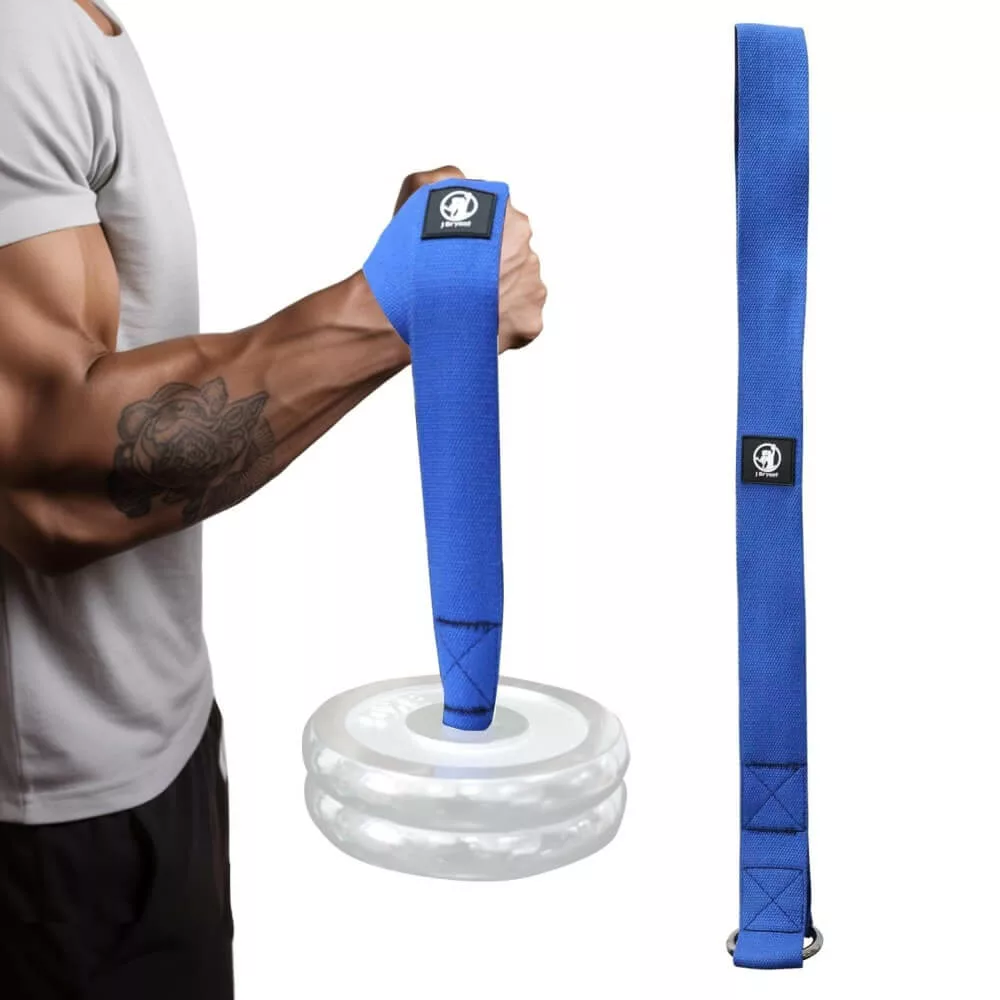
Minimalist & Effective: Pronation Strap Without Padding
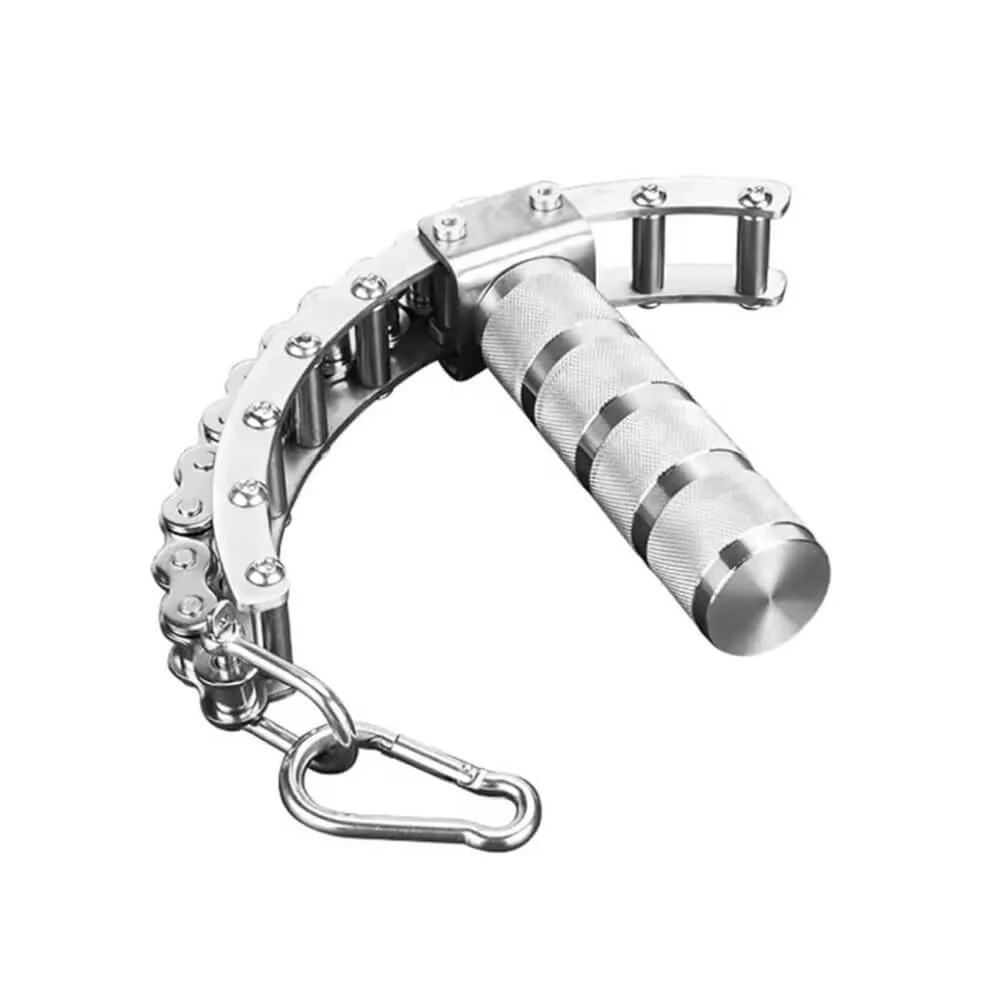
Elite Arm Wrestling Rotation & Pronation Grip Builder
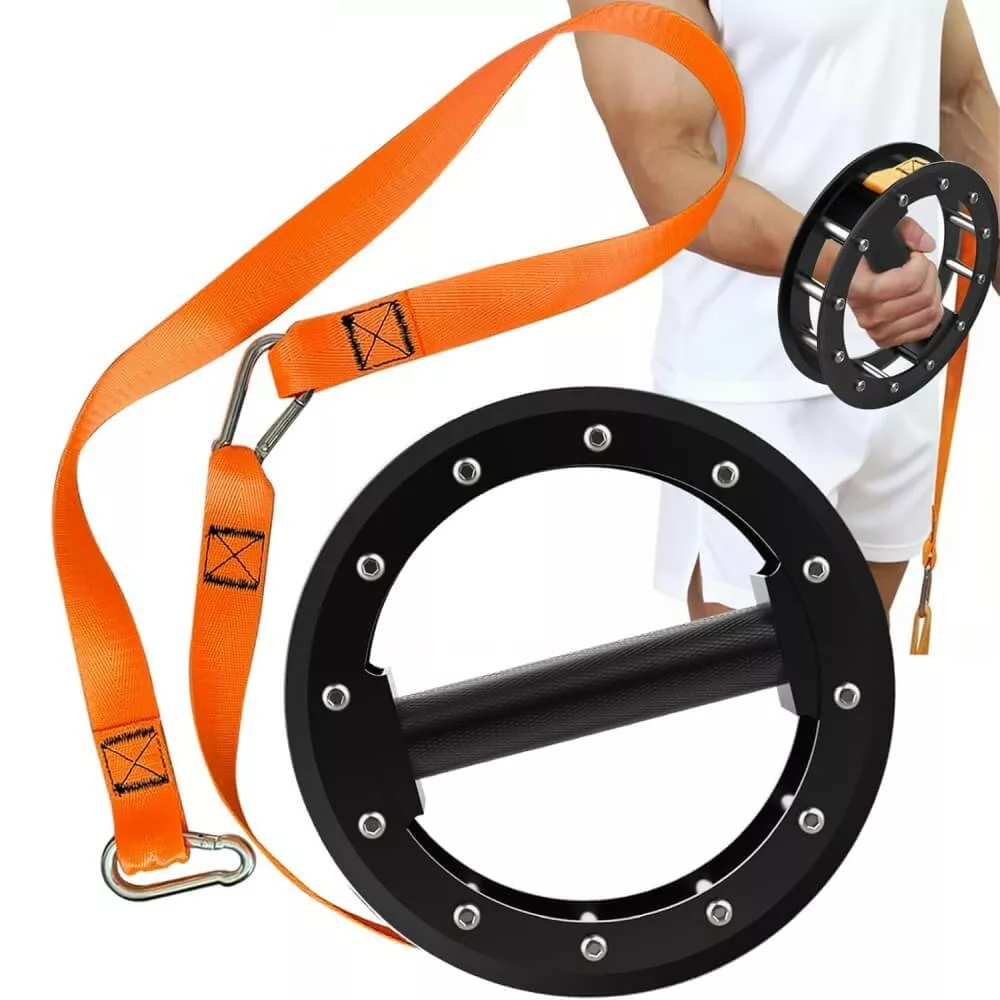
Compact Rotation Exerciser to Isolate Pronated & Supinated Grip
Most beginners should start with straps and simple pronation handles
before progressing to more specialized containment tools.
#2 WRIST HANDLES & CONTAINMENT
Wrist handles are among the most versatile tools in armwrestling training.
Allowing athletes to develop pronation, wrist control, finger containment, & rotational strength using cable machines or loading pins.
Whether you’re preparing for your first tournament or refining advanced techniques, wrist handles make it easier to target the positions that matter most on the table.
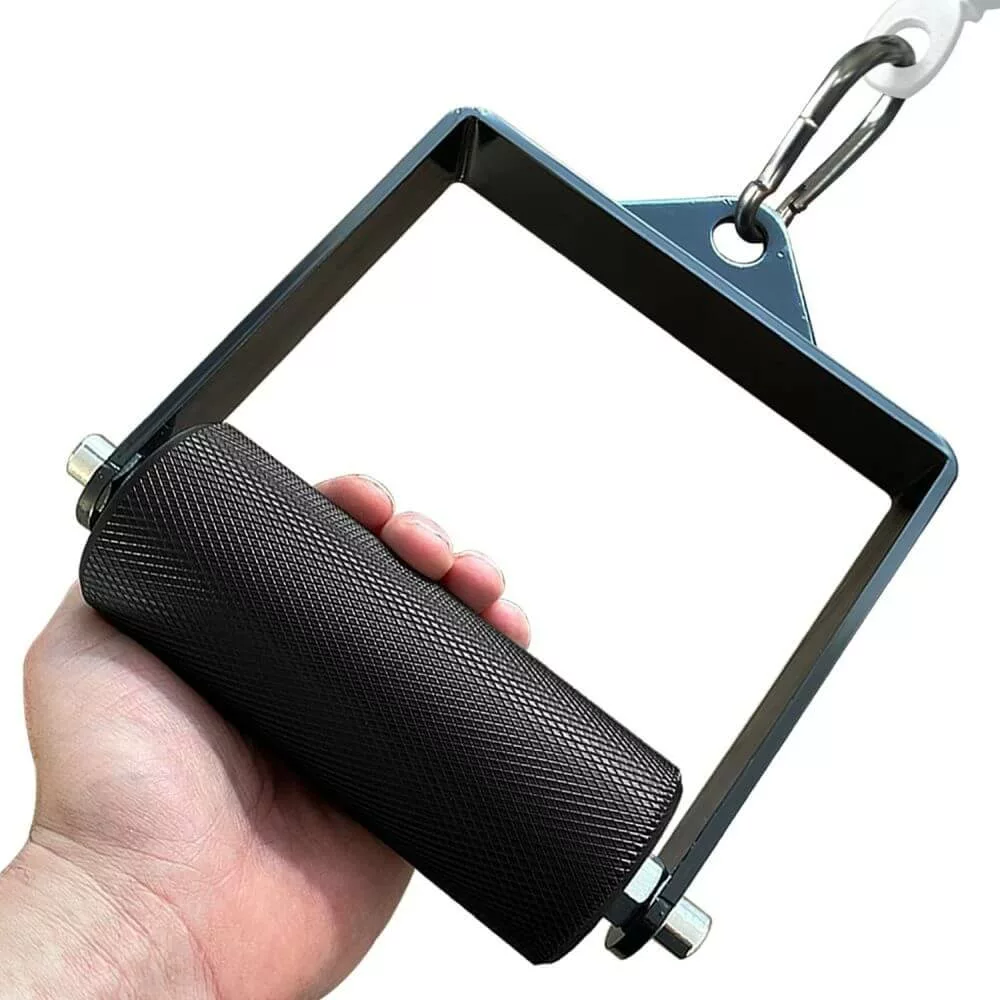
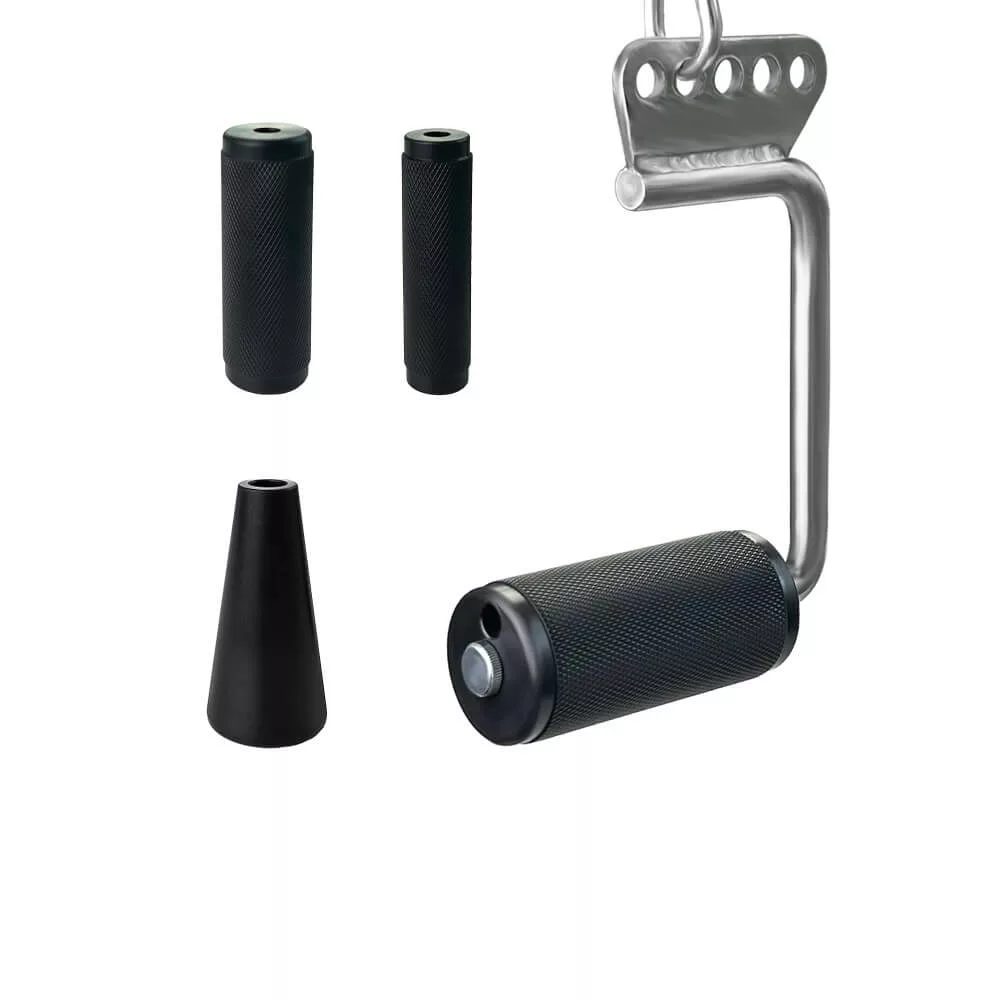
Thick Rotating Handle for Serious Forearm & Grip Development
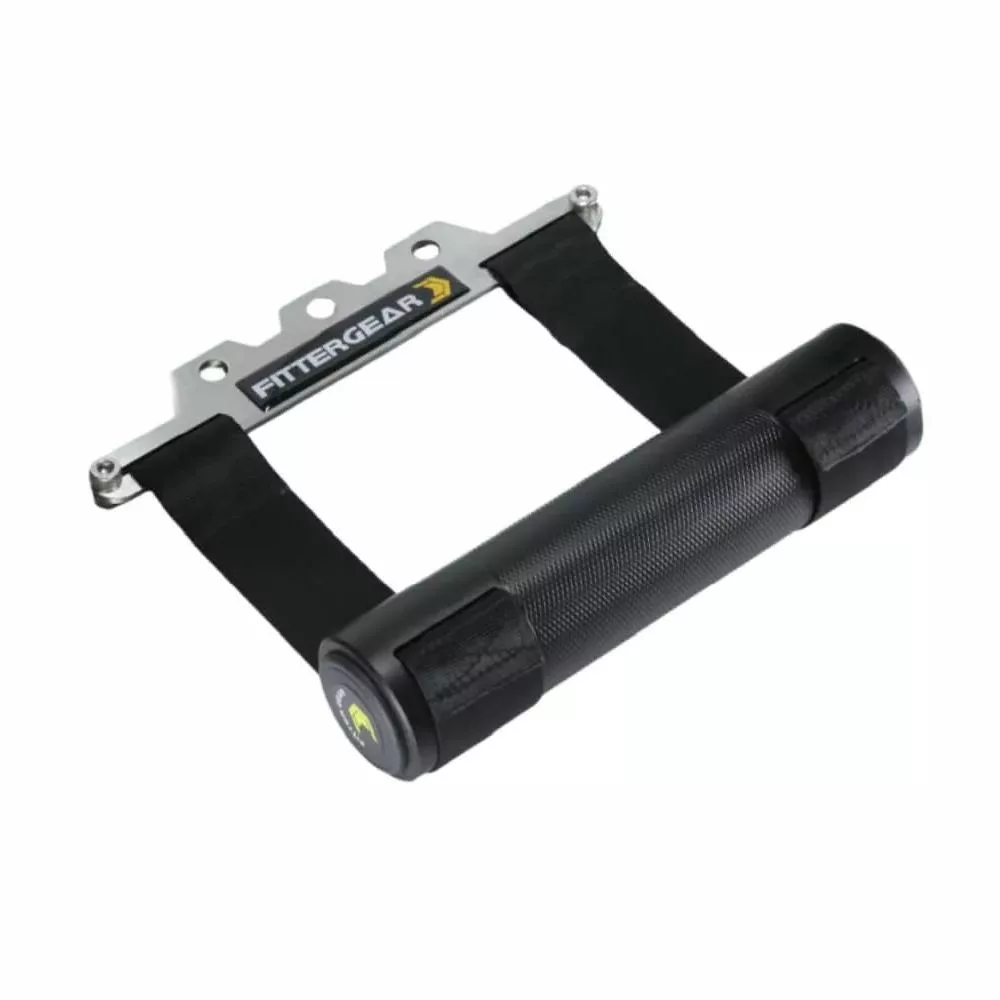
Versatile Multi-Grip Cable Attachment for Arm Wrestling Strength
Heavy-Duty Wrist-Wrench for Cupping Power & Forearm Endurance
No single wrist handle does everything equally well.
Some excel at pronation, while others emphasize containment, cupping, or open-hand control.
Exploring different handle styles can help you build a more complete and resilient armwrestling game over time.
#3 ROLLING GRIP & MULTI-SPINNERS
Multi-spinners introduce a unique challenge by forcing your hand and fingers to stabilize around a rotating surface.
Creating a demanding combination of grip endurance, rolling strength, and finger engagement that closely resembles many real-world armwrestling scenarios.
They’re particularly useful for athletes looking to improve hand control under dynamic tension.
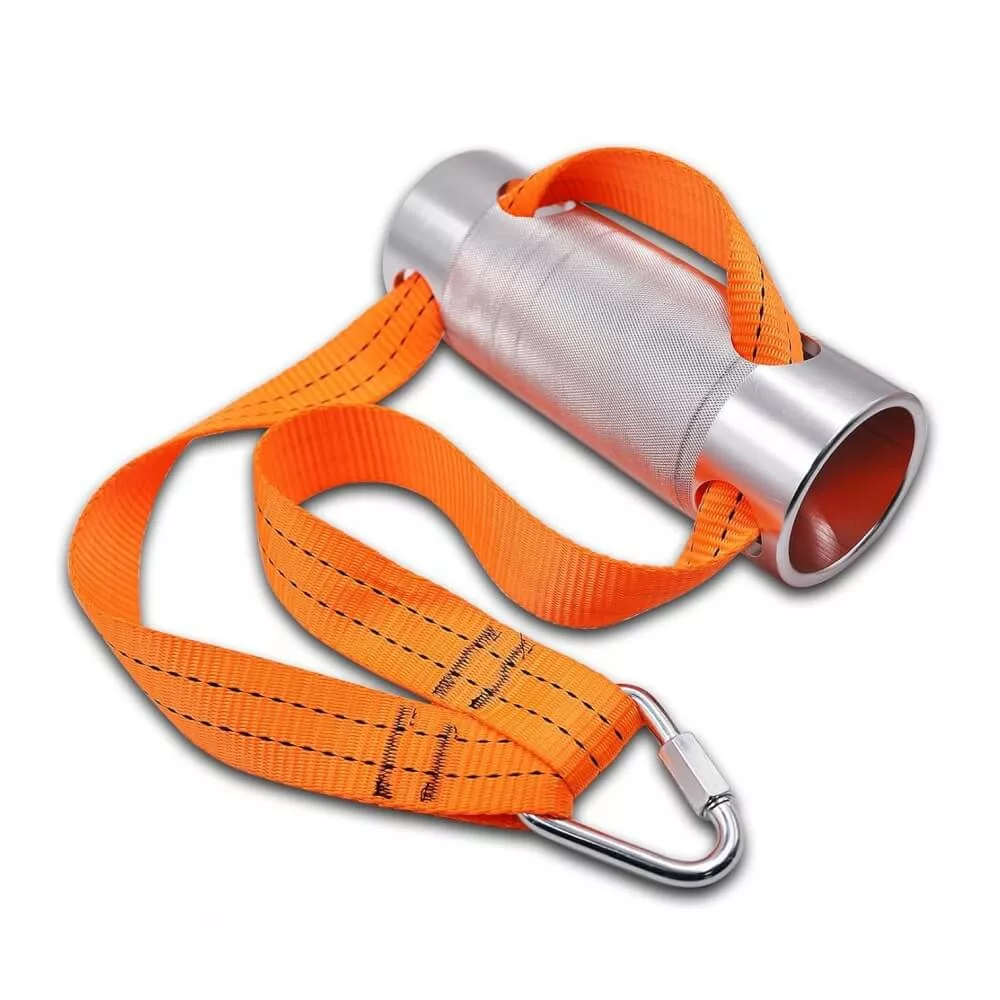
Thick Grip with Custom Strap Positions for Crushing Wrist Power
While multi-spinners may look simple, they offer tremendous progression potential.
By experimenting with different diameters, loading methods, and training volumes, athletes
can continue building stronger hands long after conventional grip tools stop providing a challenge.
Why Armwrestling Grip Matters
- Pronation →
Turn the opponent’s hand. - Containment →
Prevent escapes. - Cupping →
Maintain wrist position. - Top Roll →
Attack through leverage. - Open Hand →
Improve hand control. - Multi-Spinners →
Build rolling strength.
In armwrestling, the hand often wins the match before the arm ever gets involved.
Armwrestling is often misunderstood as a simple test of arm strength.
In reality, success on the table depends on leverage, positioning, wrist control, and the ability to apply force through the hand at precisely the right moment.
Training pronation, containment, cupping, and rotational strength helps athletes develop the tools needed to maintain advantageous positions against resisting opponents.
Go Deeper Into Armwrestling Grip & Wrist Control
Armwrestling isn’t won by arm strength alone. Your hand, wrist, and forearm have to work together to control your opponent’s hand and maintain position under pressure.
Whether you’re learning how to train wrist rotation, trying to understand the difference between pronation and supination, putting your grip strength into perspective, or dealing with the realities of tendon and muscle adaptation, these guides can help you take the next step.
Ready to Build Better Armwrestling Control?
Learn how to train the wrist rotation strength that helps you control hand position and apply force more effectively at the table.
Want to Understand Pronation & Supination Better?
Explore the difference between these two forearm rotations and why both can play an important role in armwrestling control.
Wondering How Strong Your Grip Should Be?
Put your grip strength into perspective and learn what grip strength can look like at different levels of training and experience.
Hands Giving Out Before Your Muscles?
Learn why getting stronger isn’t simply about building muscle, and how tendons and other tissues adapt as your training progresses.
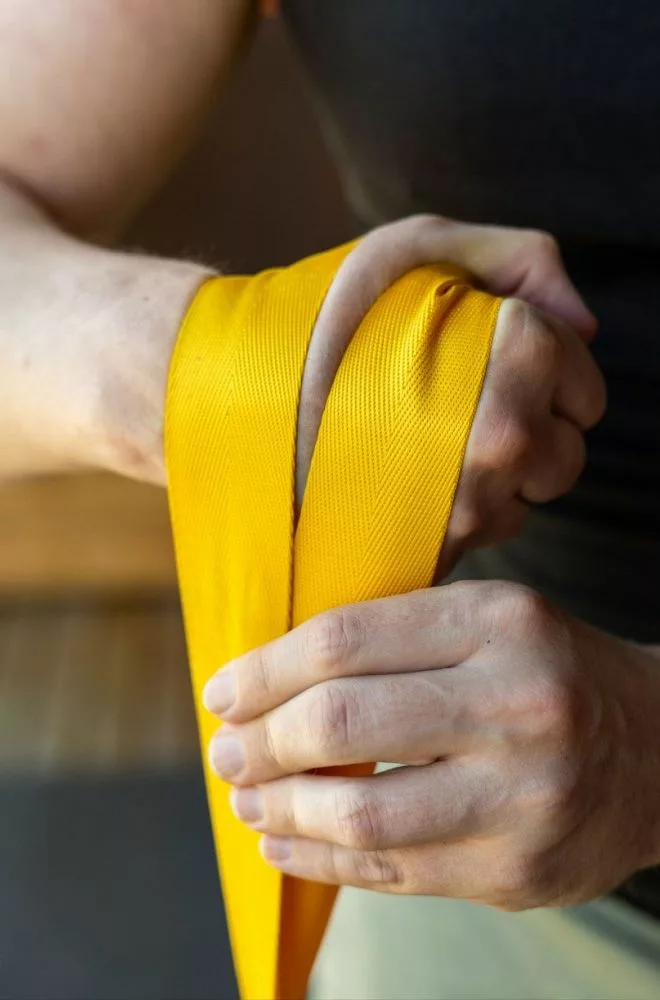
Want To Turn Strength Into Table Control?
Armwrestling equipment is only part of the equation.
Learning how to apply these tools effectively through proper programming, recovery, and long-term progression can make an even greater difference.
Explore our Arm Wrestlers hub below to discover practical guides, equipment recommendations, and strategies designed specifically for life on the table.
- “Own the fingers.“
- “Control the wrist.“
- “Finish the match.“
Powerful hands are only the beginning. Learning how to apply them through technique, leverage, and intelligent training is what ultimately separates recreational pullers from experienced competitors.
Because armwrestling isn’t simply about being stronger; it’s about applying strength exactly where it matters most.
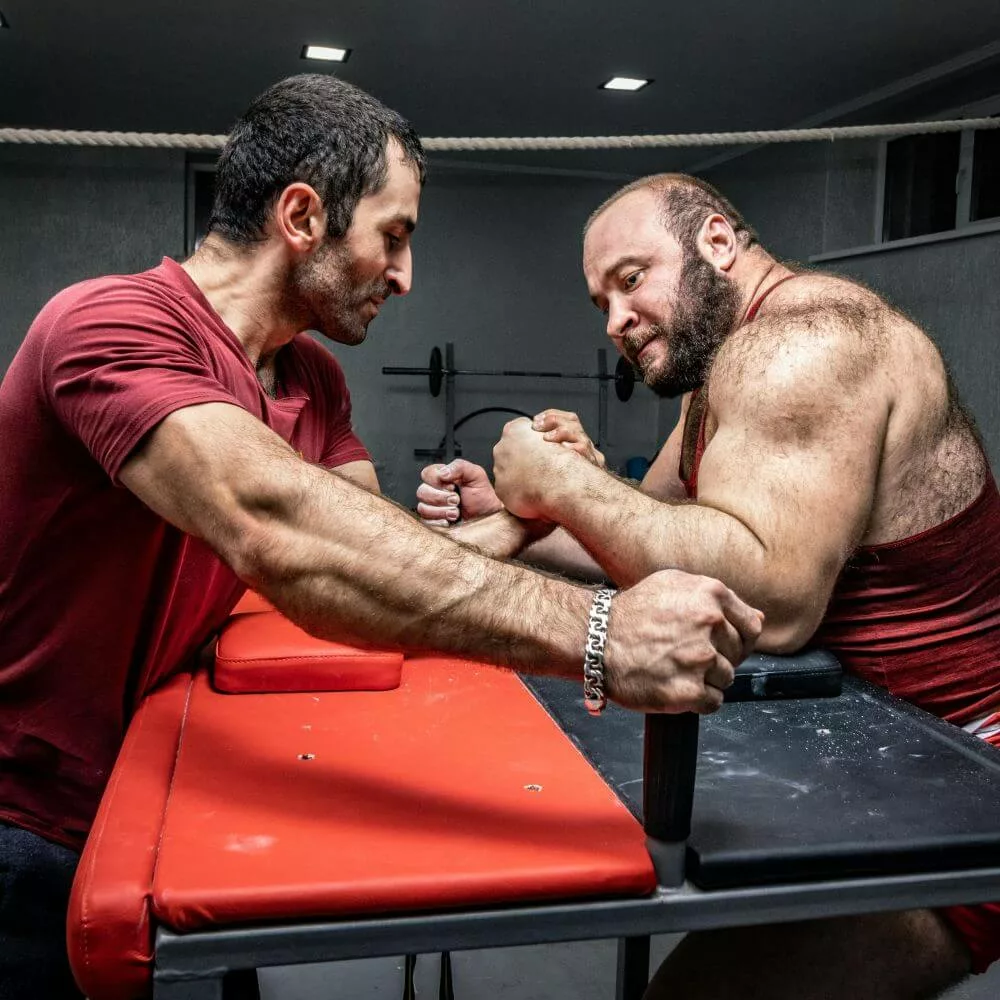
Grip Strength For Arm Wrestlers: Wrist Control & Table Power