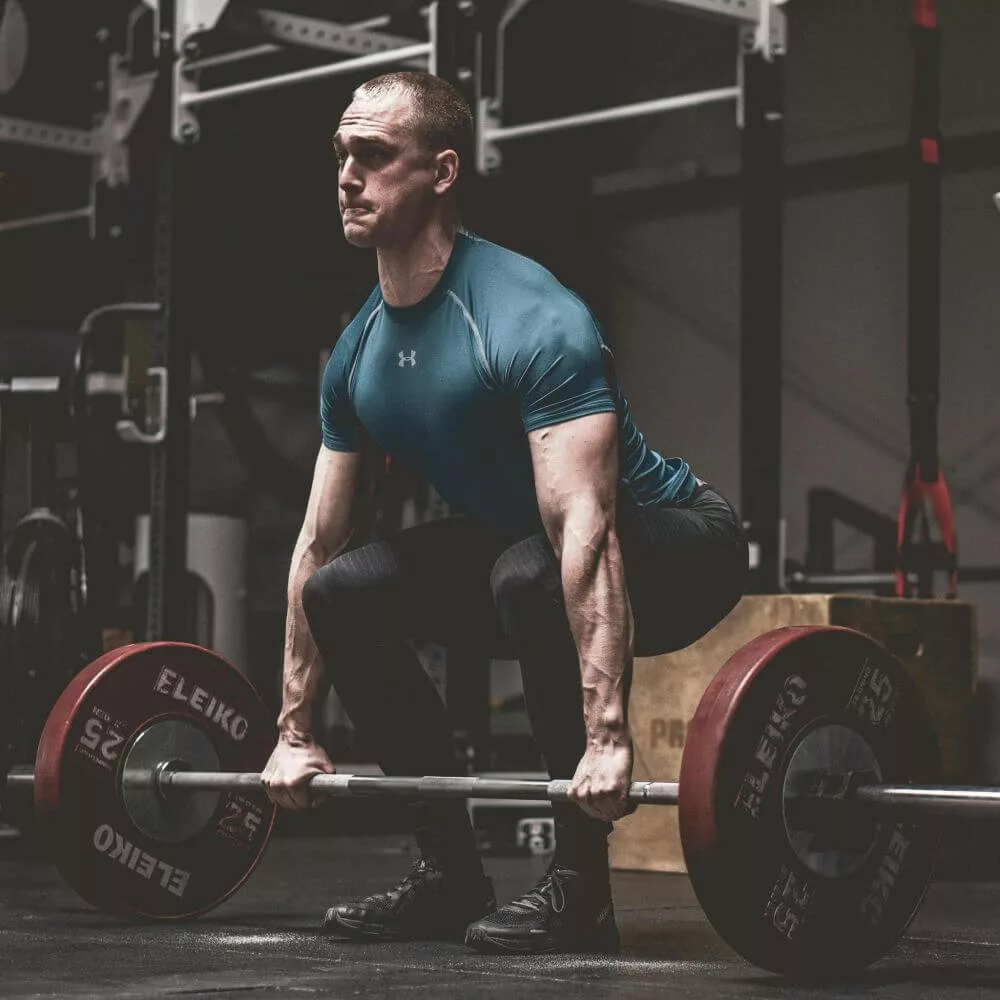
Explore Kettlebells, Dumbbells & Sandbags to Build Functional Strength, Grip Endurance & Carrying Power.
Here You’ll Find:
-
- Kettlebells
- Adjustable Dumbbells
- Fitness Sandbags
- Loaded Carry Equipment
- Functional Strength Tools
- Real-World Grip Development
Why These Tools Matter for Loaded Carry Grip:
Loaded carries occupy a unique position in strength training because they demand more than grip strength alone.
They challenge the hands, forearms, core, posture, and conditioning simultaneously, making them one of the most practical forms of training available.
Whether you’re carrying groceries, moving equipment at work, or competing in strength sports, loaded carries teach the body to remain stable while under load.
The tools below are organized by category to help you find the right equipment for your training goals.
#1 Sandbags & Odd Objects
Sandbags introduce an element of unpredictability that traditional weights often cannot replicate.
Their shifting center of mass challenges grip, stability, & body awareness, making them particularly valuable for athletes seeking functional strength.
Sandbags are practically a grip specialty item disguised as a conditioning tool. They give you: Crushing grip, Support grip,
Pinch (depending on handles), Wrist stability, Core stability, Loaded carries, Awkward object handling.
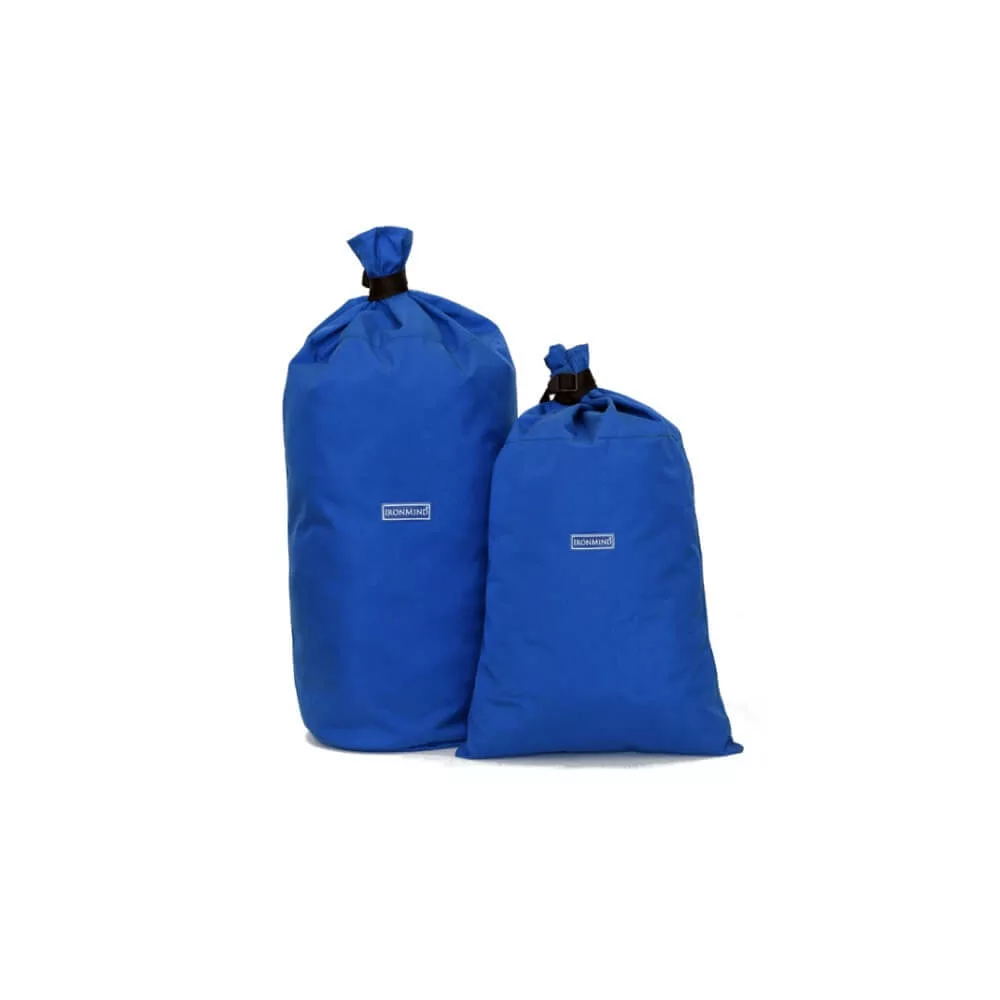
World Strongest Man, Competition-Grade Fitness Sandbags
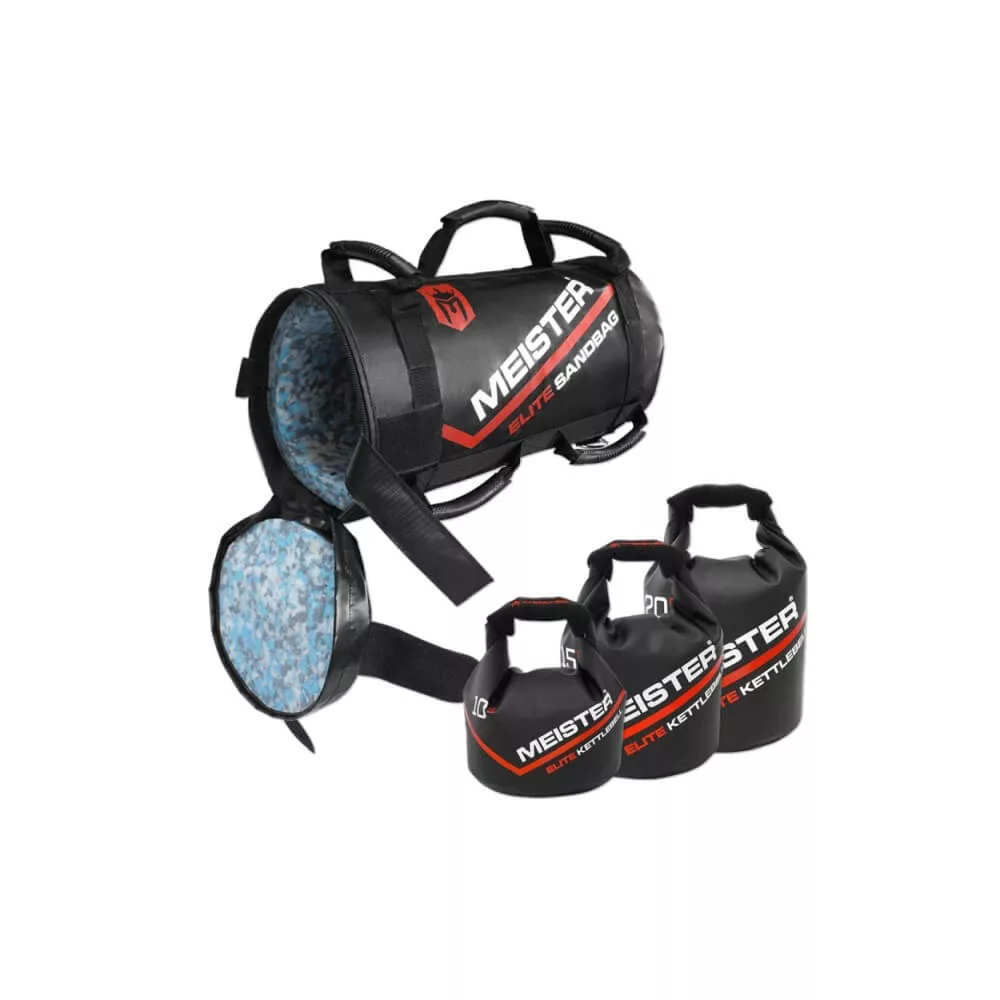
4-in-1! The Most Versatile Fitness Sandbag?
Life rarely gives us perfectly balanced objects, so
perhaps our training shouldn’t either.
#2 Adjustable Dumbbells
Adjustable dumbbells provide exceptional flexibility for home training.
They allow users to perform a wide variety of exercises while progressively increasing resistance, making them an excellent option for building strength without sacrificing space.
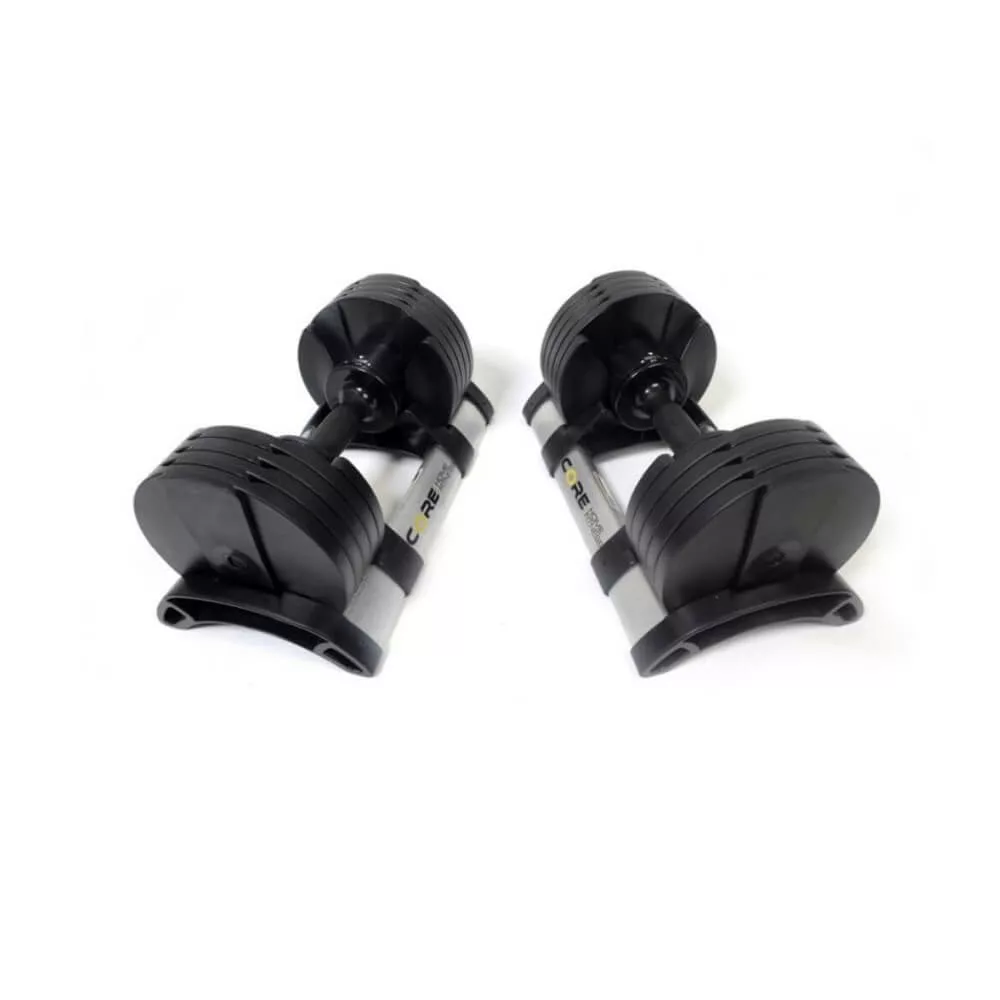
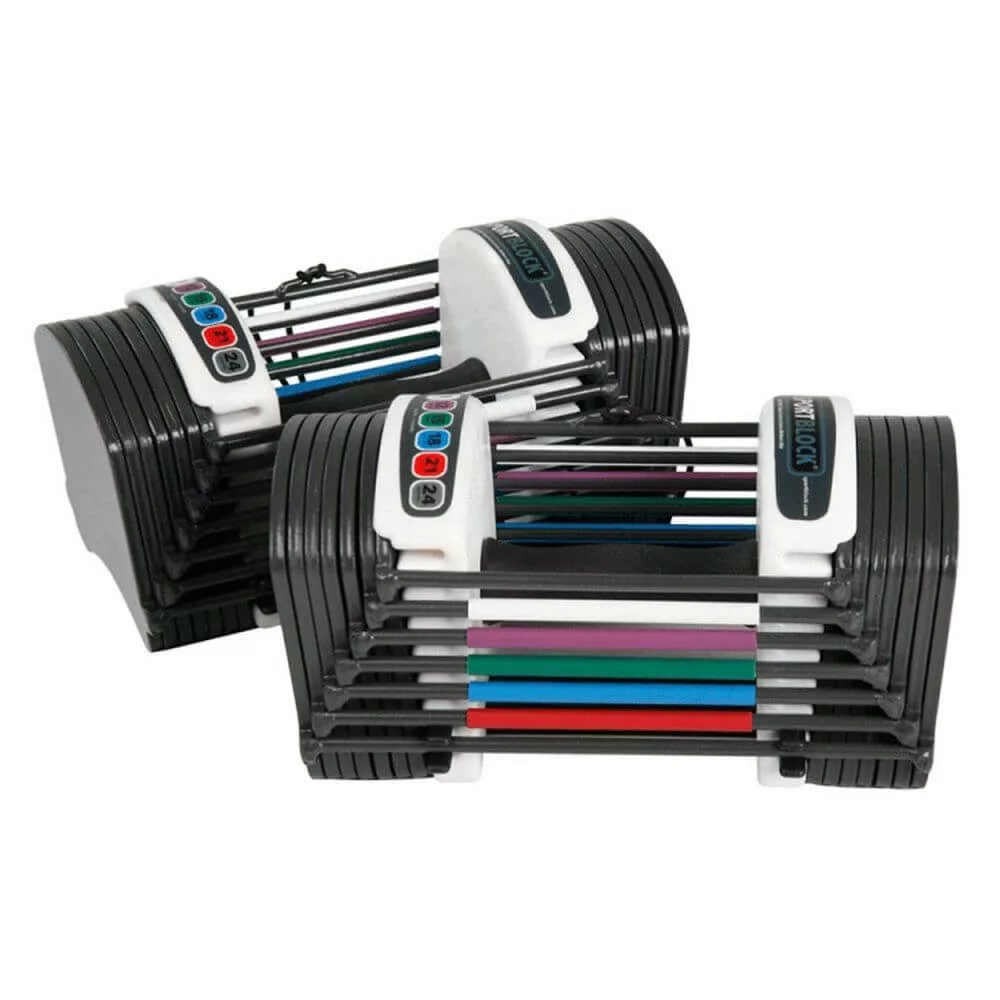
Compact Dumbbells, Flat on Ends to Rest on Lap
Ultra-Compact Dumbbells, Smaller than Traditional Set
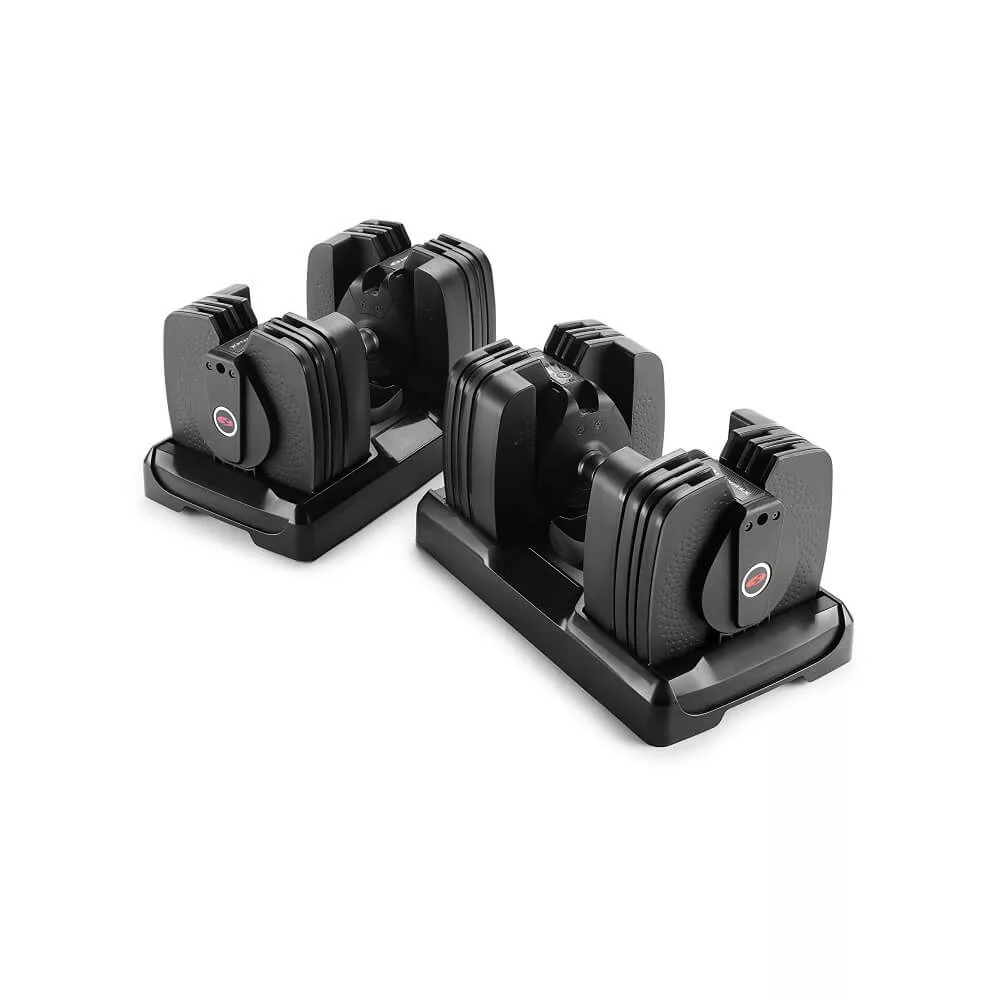
Smart Dumbbells that Can Count Your Repetitions?
Sometimes the strongest hands are built
one rep, one set, and one dumbbell at a time.
#3 Kettlebells
Kettlebells are among the most versatile training tools available.
From swings and cleans to carries and presses, they develop grip endurance while simultaneously building strength, power, and coordination throughout the body.
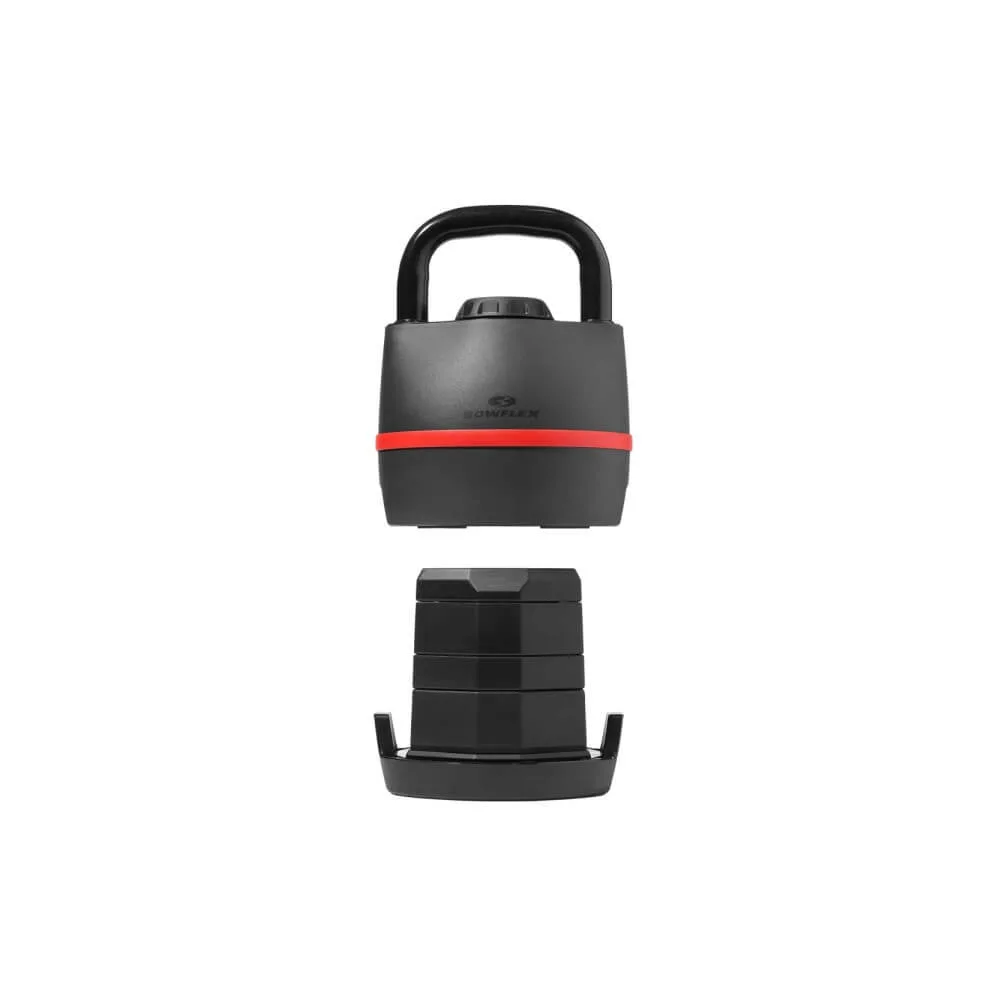
Train Smarter & Save Space with Adjustable Kettlebell
A kettlebell rarely asks for maximum strength,
it asks whether you can stay in control while the weight keeps moving.
Why Loaded Carries Matter
- Weightlifters →
Building work capacity and grip endurance. - Tradespeople →
Carrying tools, materials, and equipment. - Athletes →
Developing total-body stability under load. - Everyday Life →
Groceries, luggage, and moving furniture. - Strongman →
Farmer’s carries, sandbags, and awkward implements.
Loaded carry training isn’t about moving weight from Point A to Point B but proving you can do it repeatedly without breaking down.
Loaded carries are often described as one of the most practical forms of strength training because they closely resemble real-world demands.
They don’t simply ask, “How much can you lift?” They ask,
“Can you keep moving once you’ve lifted it?”
From strength sports to everyday tasks, loaded carries reward resilience, posture, grip endurance, and the ability to maintain control under fatigue.
Go Deeper Into Loaded Carry Grip Training
Being able to lift something is one thing. Being able to keep holding it while you carry it is where grip endurance really gets tested.
Whether you’re learning how to train loaded carry grip, trying to understand what keeps your hands holding on, putting your grip strength into perspective, or dealing with the practical limitations of training with gloves, these guides can help you take the next step.
Ready to Start Training Your Loaded Carry Grip?
Learn how to build the grip endurance needed to keep your hands working while carrying heavy loads over distance.
Want to Understand Loaded Carry Grip Better?
Explore the support-grip demands behind loaded carries and learn what actually keeps your hands holding on when the load gets heavy.
Wondering How Strong Your Grip Should Be?
Put your grip strength into perspective and learn what grip strength can look like at different levels of training and experience.
Do Gloves Help or Hurt Your Grip?
Find out how fitness gloves can change the way your hands interact with the load, and whether they help or hinder your grip training.
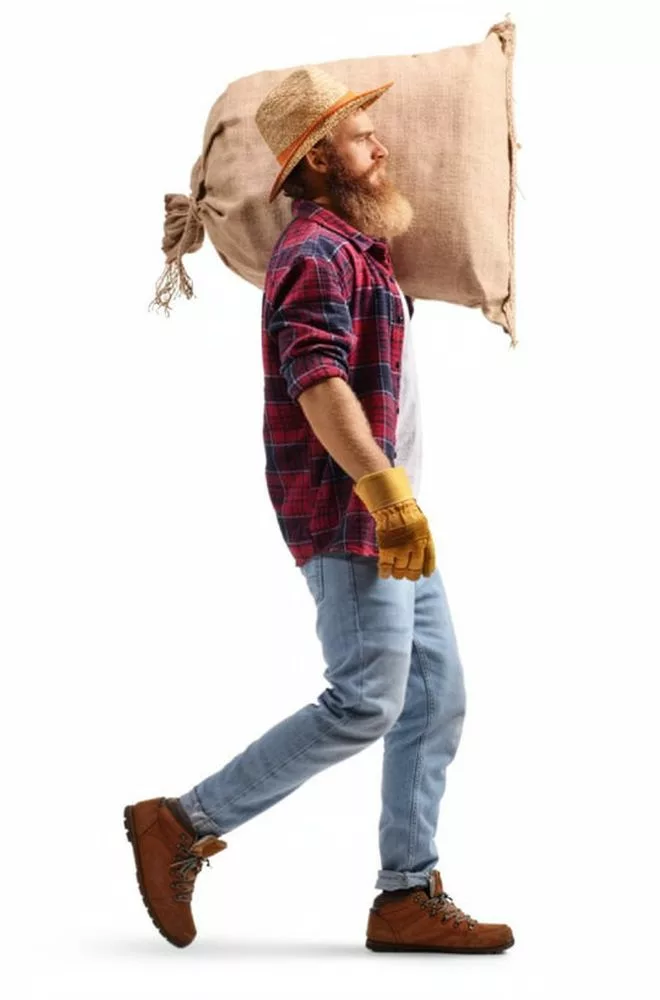
Want To Carry More Than Just Weight?
Loaded carries teach a simple lesson: strength is only useful if you can apply it when it matters.
Whether you’re carrying atlas stones, hauling equipment across a job site, or pushing through the final steps of a heavy farmer’s walk, stronger hands and better endurance can make all the difference.
- Strongman says: “Carry the impossible.“
- Weightlifter says: “Never lose the lift.“
- Tradesperson says: “Get the job done.“
Although their goals may differ, they’re all asking the same question: Can your body and grip continue performing when the load becomes uncomfortable?
Explore our identity hubs below to discover training strategies, equipment recommendations, and practical guides designed specifically for Strongman athletes, Weightlifters, and Tradespeople.
Because in the end, strength isn’t measured by what you can pick up; it’s measured by how far you can carry it.
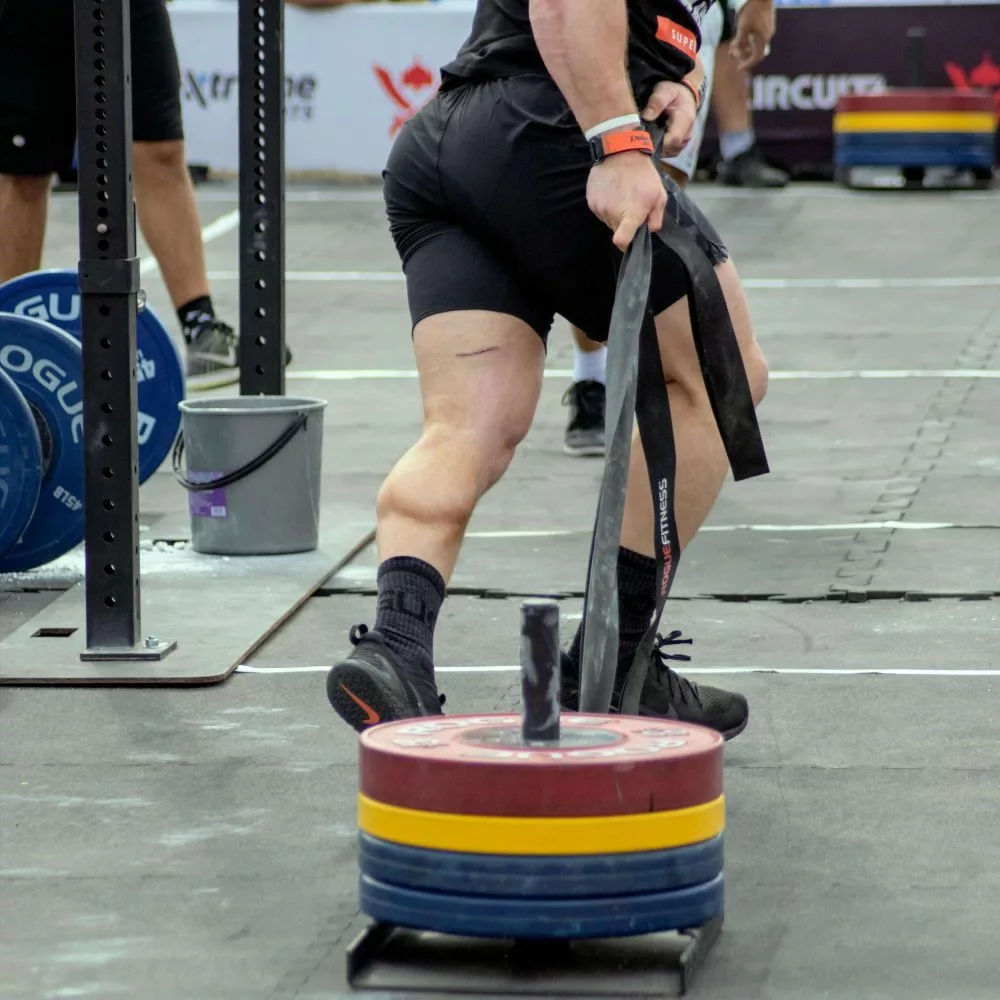
Grip Strength for Strongman: Grip Power for Heavy Events
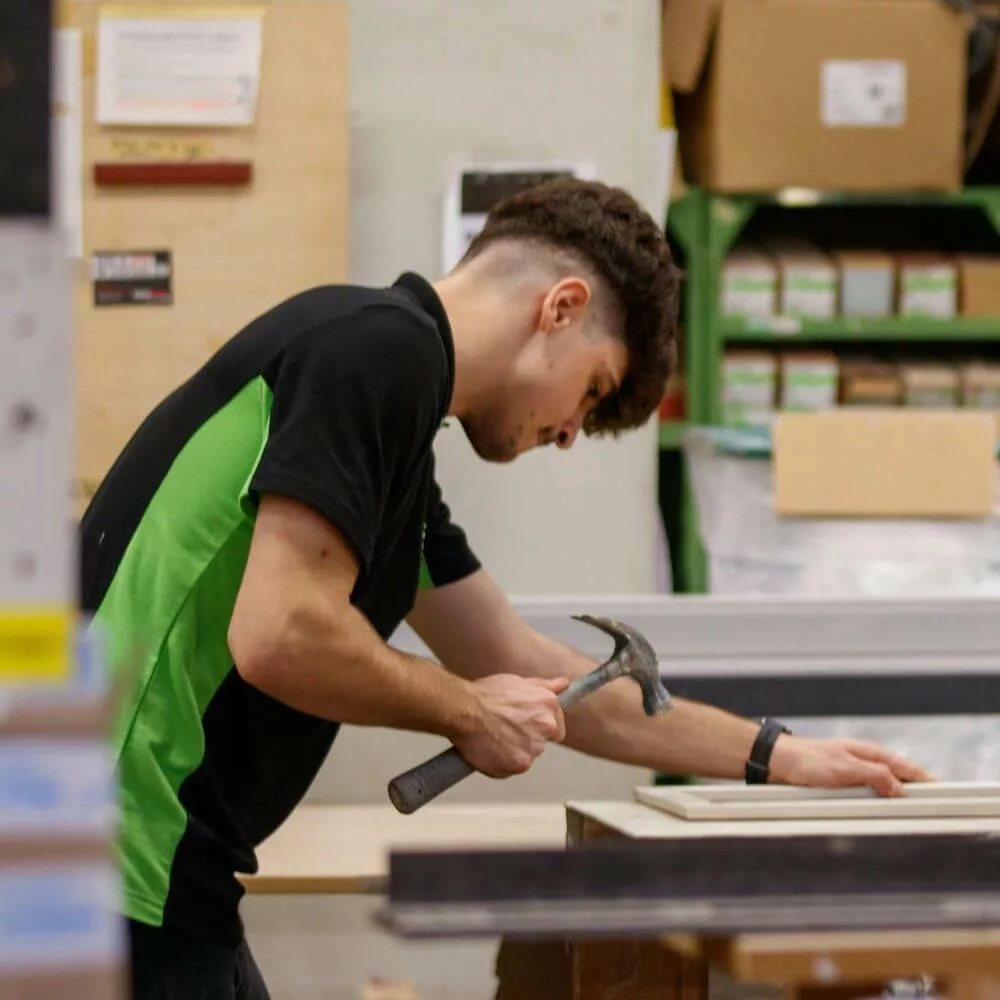
Grip Strength for Tradespeople: Endurance for Demanding Work