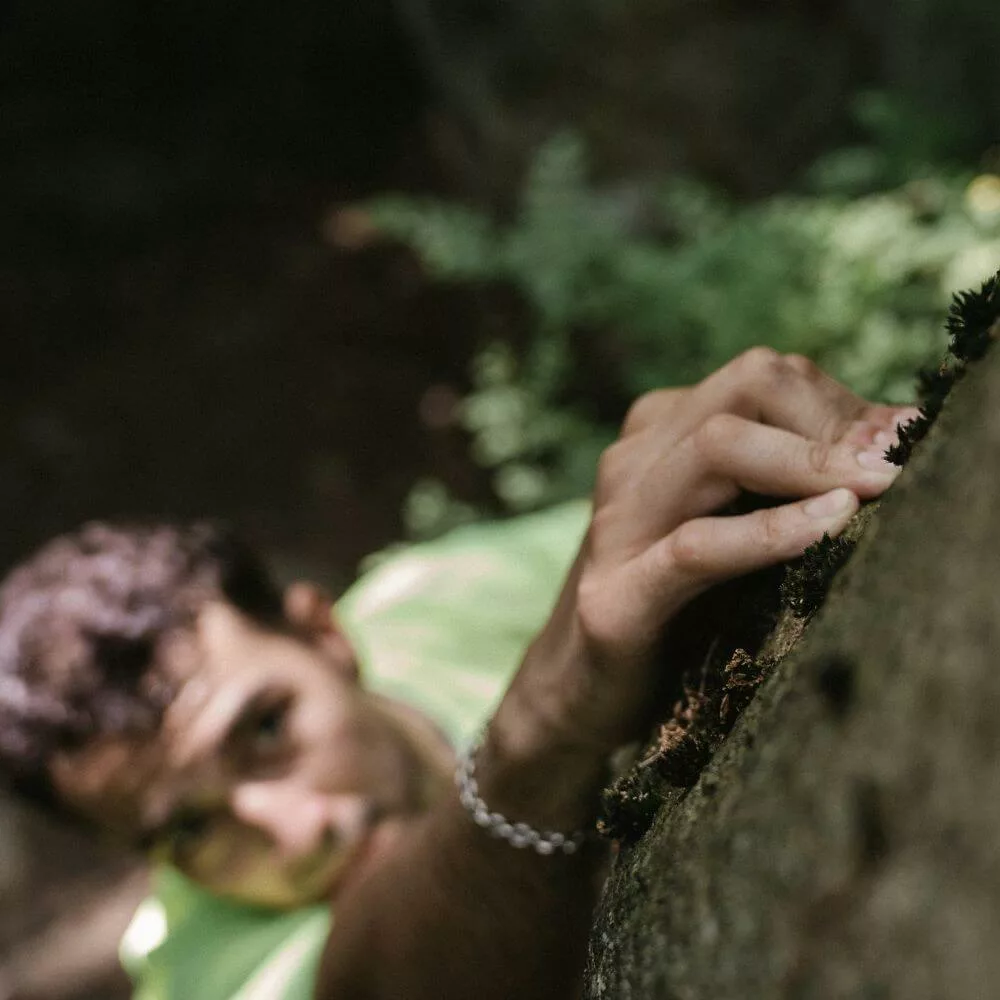
Explore Hangboards, Pull-Up Tools & Finger Loops to Build Support Grip Endurance, Finger Strength & Pulling Confidence.
Here You’ll Find:
-
- Hangboards
- Portable Fingerboards
- Pull-Up Bars
- Rotating Pull-Up Handles
- Finger Loops
- Static Grip Trainers
- Climbing Grip Tools
Why These Tools Matter for Grip Endurance:
Support grip is your ability to maintain tension over time.
Whether you’re climbing, hanging from a pull-up bar, carrying heavy loads, or simply trying to improve your pulling endurance, support grip becomes the limiting factor before larger muscle groups fatigue.
The tools below are organized by function to help you develop stronger hands, better endurance, and greater confidence during pulling activities.
#1 HANGBOARDS & FINGERBOARDS
Hangboards are among the most effective tools for developing finger strength and support grip endurance.
By exposing the fingers and forearms to sustained tension, they help athletes build the foundation required for rock climbing, calisthenics, and many pulling-based activities.
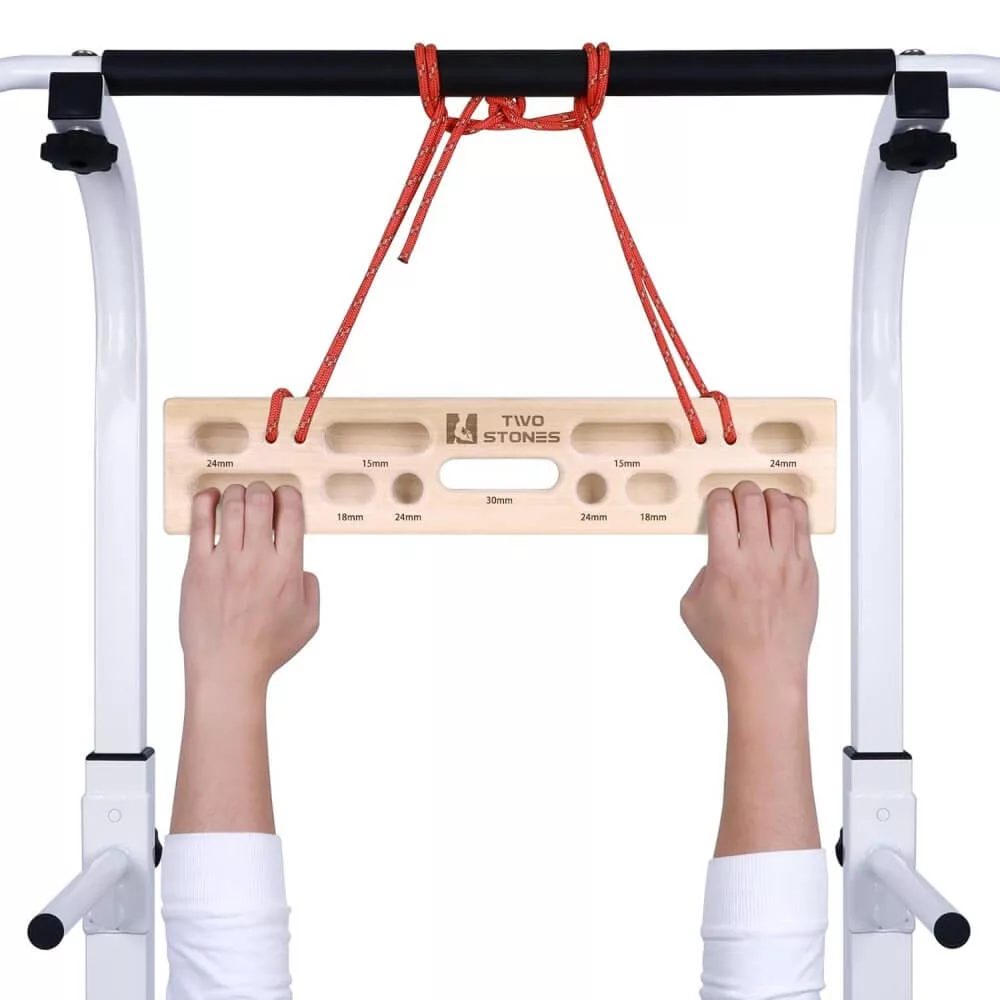
Portable Finger Strength Hangboard for Travel Climbing & Grip Training
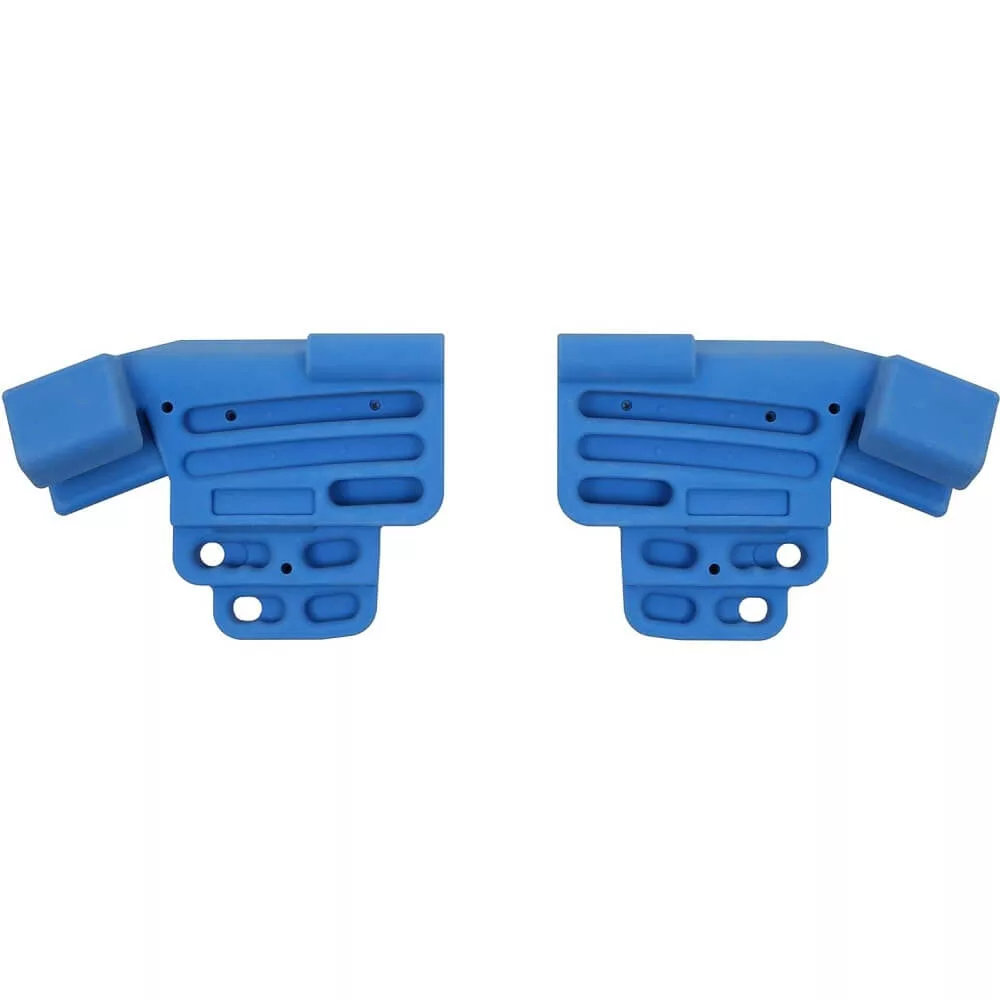
Precision Hangboard for Advanced Finger Strength Training
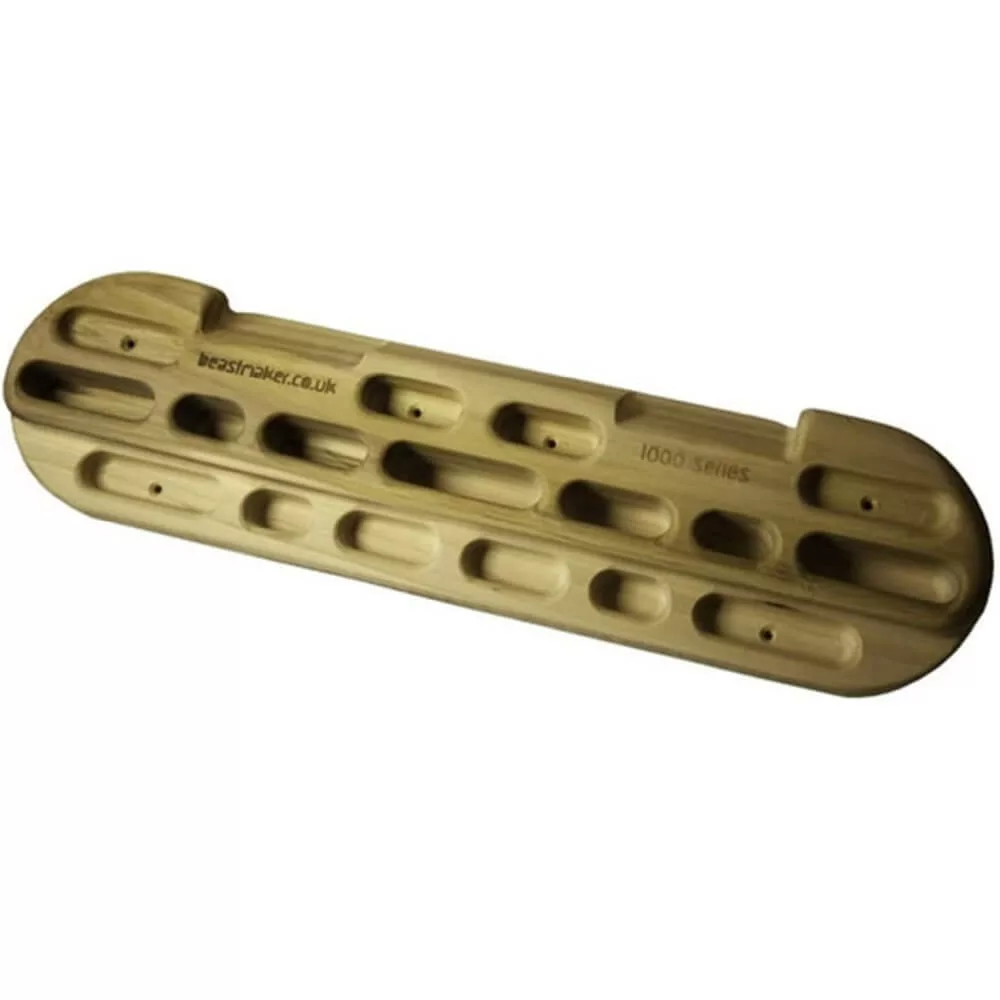
Beginner-Friendly Hangboard for Safe Finger Strength Progression
Strong support grip is built one hold at a time.
Consistency on the wall often begins with consistency on the hangboard.
#2 PULL-UP BARS
Pull-up tools combine upper-body strength with support grip endurance.
That makes them an excellent choice for athletes looking to improve both pulling performance and time under tension.
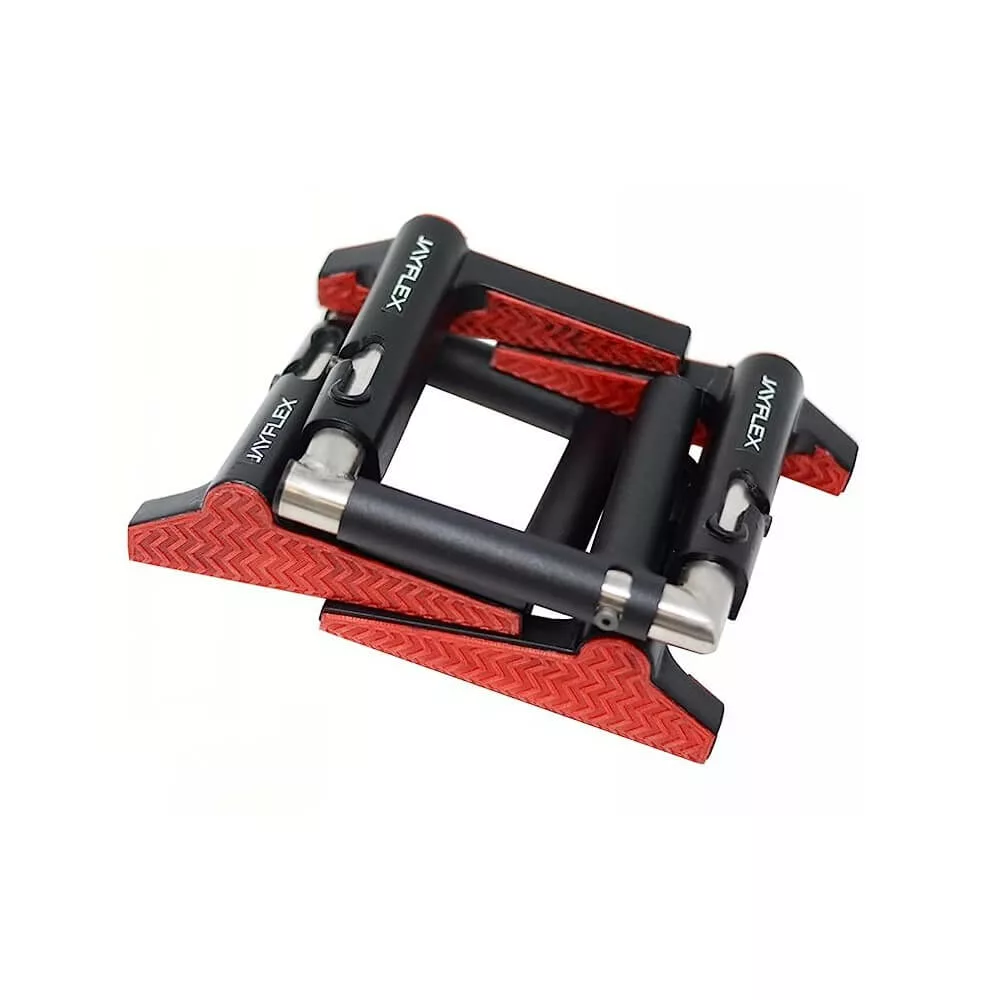
Why Portable Pull-Up Grips Are Perfect for Home & Travel
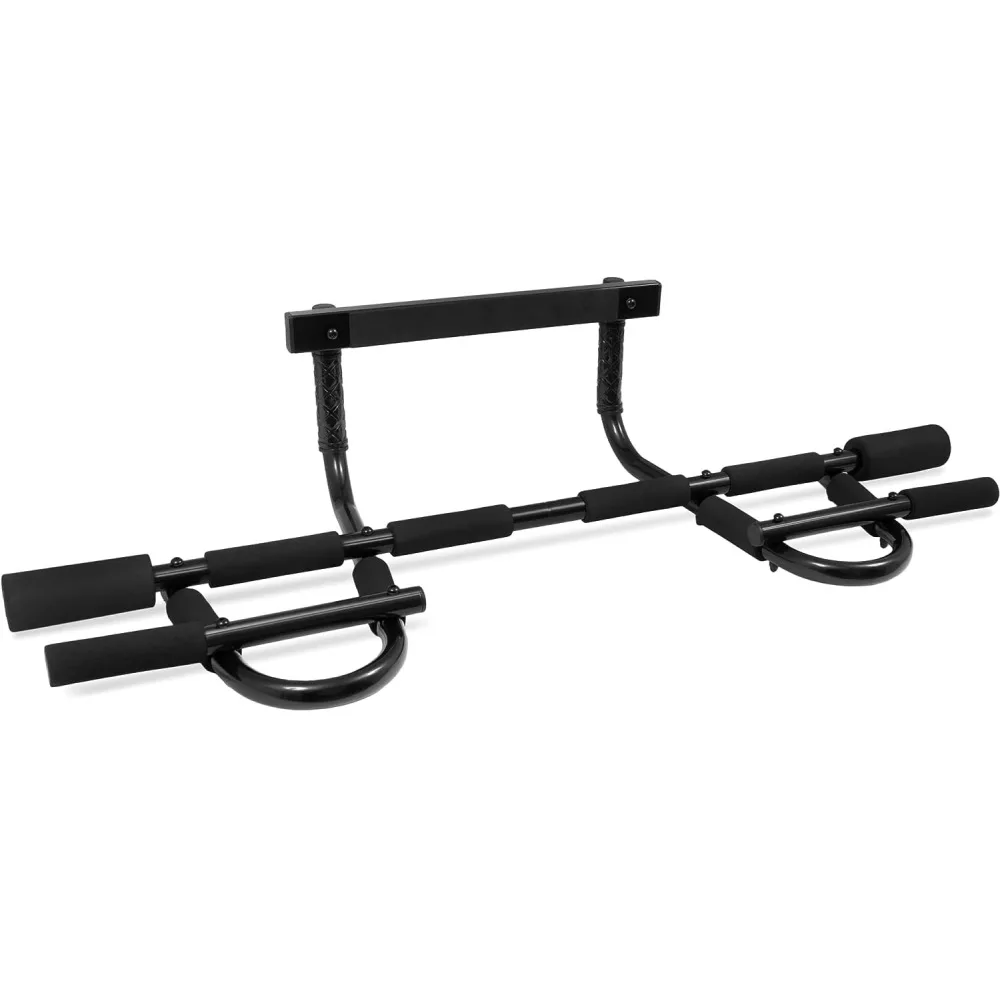
Door Pull-Up Bar with 12 Foam Grips: Max Comfort & Versatility
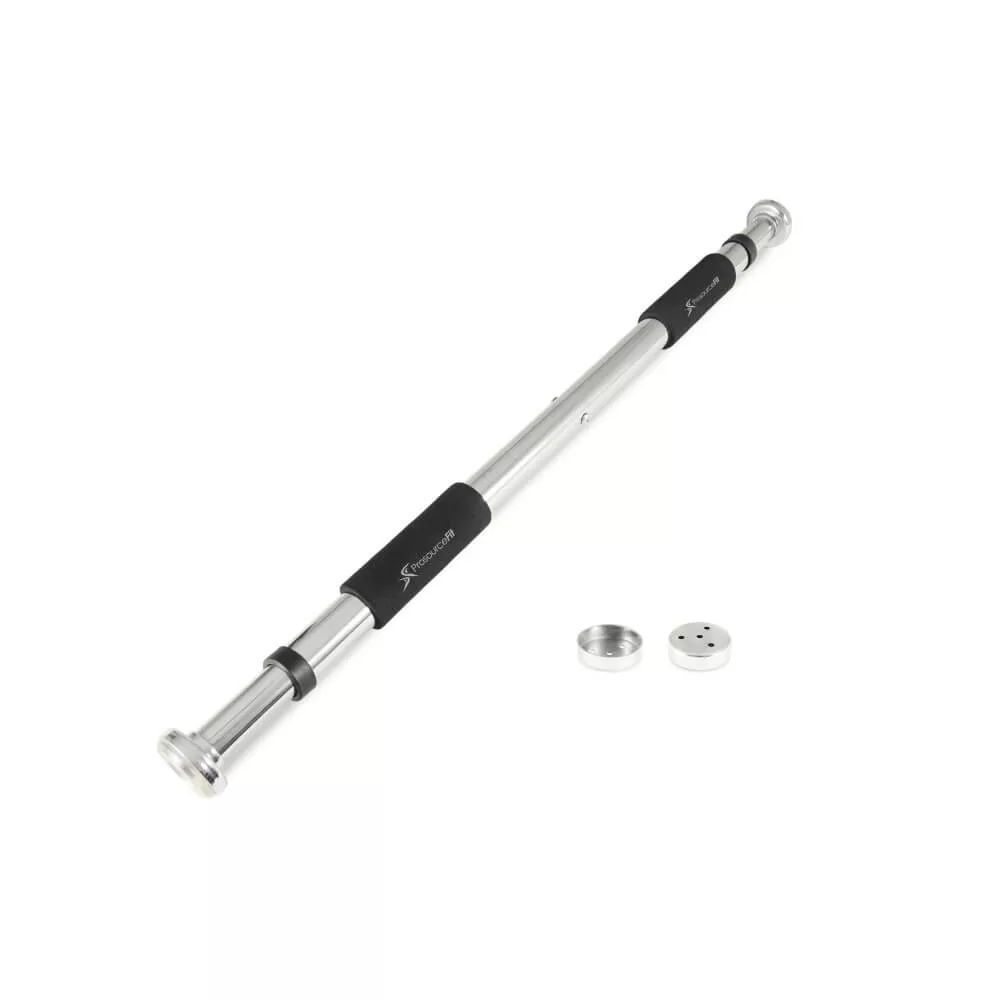
Basic Doorway Pull-Up Bar: Simple, Easy to Assemble
Your back may initiate the movement,
but your hands are often responsible for finishing it.
#3 FINGER LOOPS & STATIC GRIP TRAINERS
Finger loops isolate support grip in a simple and highly scalable way.
Their compact design makes them ideal for targeting finger endurance, static holds, and open-hand grip development without requiring large amounts of equipment.

Rugged Finger Loops: Simple Solution to Train Static Grip
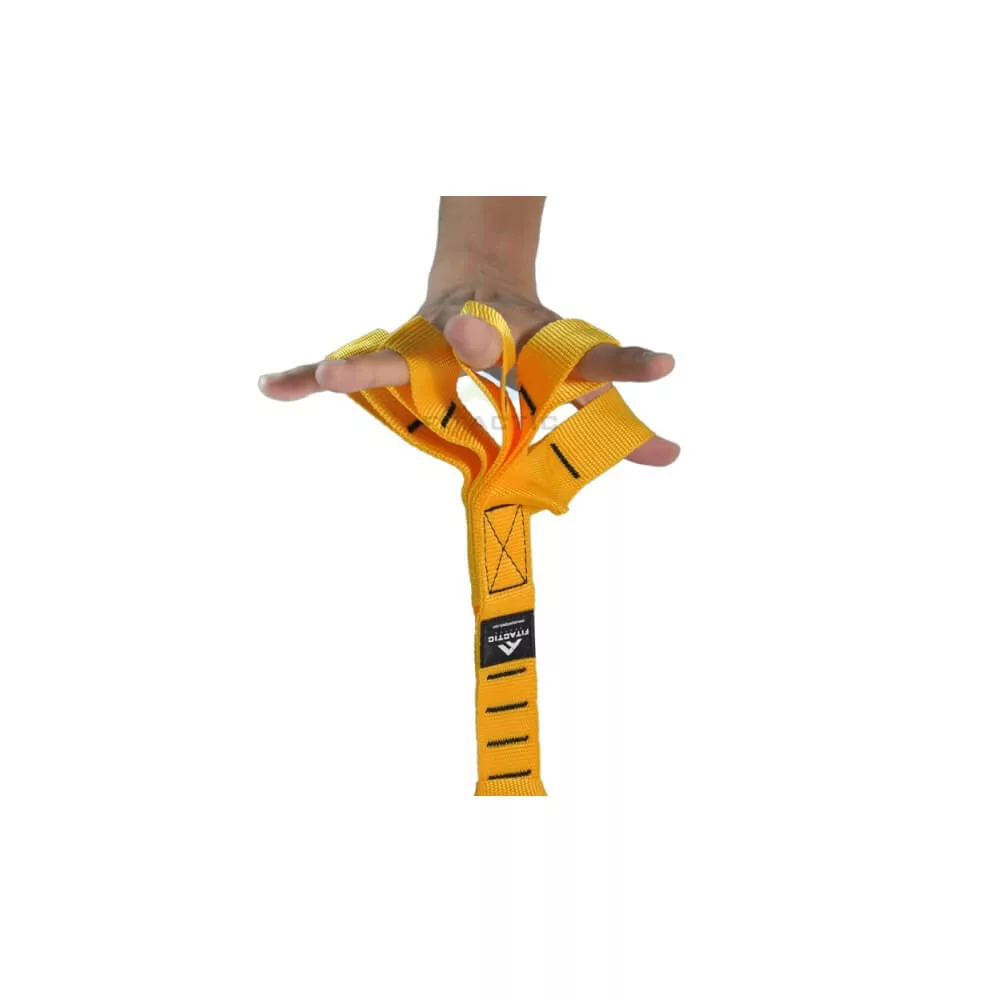
Seize the New Angle to Train Fingers with Finger Loops
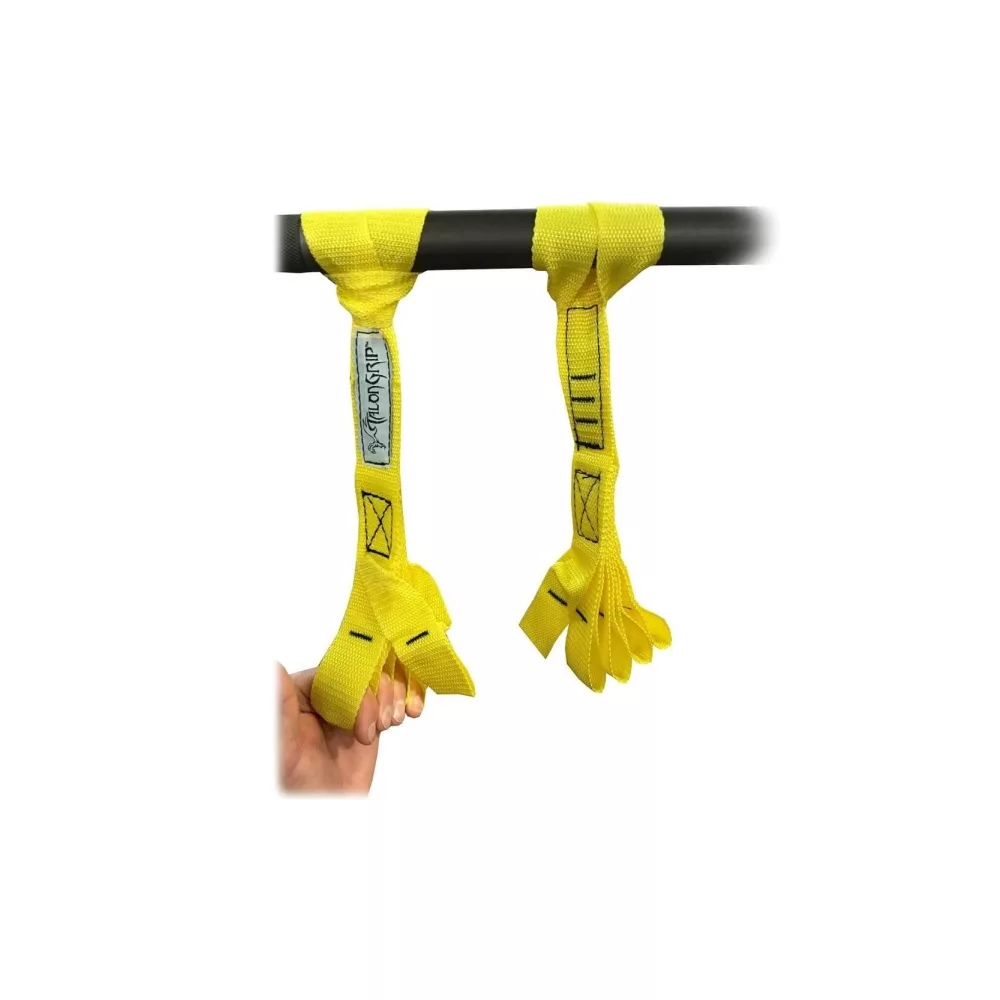
Finger Loops with Thumb Loop To Train Static Grip
Small tools can produce significant results
when used consistently over time.
Why Support Grip Matters
- Climbers →
Hang on to smaller holds longer. - Calisthenics →
Improve hangs, pull-ups, and bar control. - Strongman →
Carry heavy implements farther. - Grapplers →
Maintain grips throughout longer matches. - Everyday Life →
Carry groceries, luggage, and awkward loads.
Support grip isn’t about how hard you can squeeze; it’s about how long you can refuse to let go.
Support grip is the ability to maintain a hold over time. Unlike crushing grip, which focuses on maximum force, support grip emphasizes endurance, stability, and the ability to keep holding on when fatigue begins to set in.
Whether you’re hanging from a pull-up bar, navigating a climbing wall, or carrying your own bodyweight through space, support grip often becomes the limiting factor long before larger muscle groups give up.
Want To Build Unshakeable Grip Endurance?
Support grip serves as the foundation for countless activities, from climbing and calisthenics to obstacle races and everyday life. Building endurance through progressive training can help you stay stronger, longer, whenever your hands are called upon.
Explore our identity hubs below to discover training systems, equipment recommendations, and practical guides tailored to climbers and calisthenics athletes. Because when your hands can keep holding on, everything else becomes possible.
- Climber says: “Stay on the wall.“
- Calisthenics athlete says: “Master your body.“
Because sometimes success isn’t determined by how much strength you have but by whether you can hold on just a little longer.
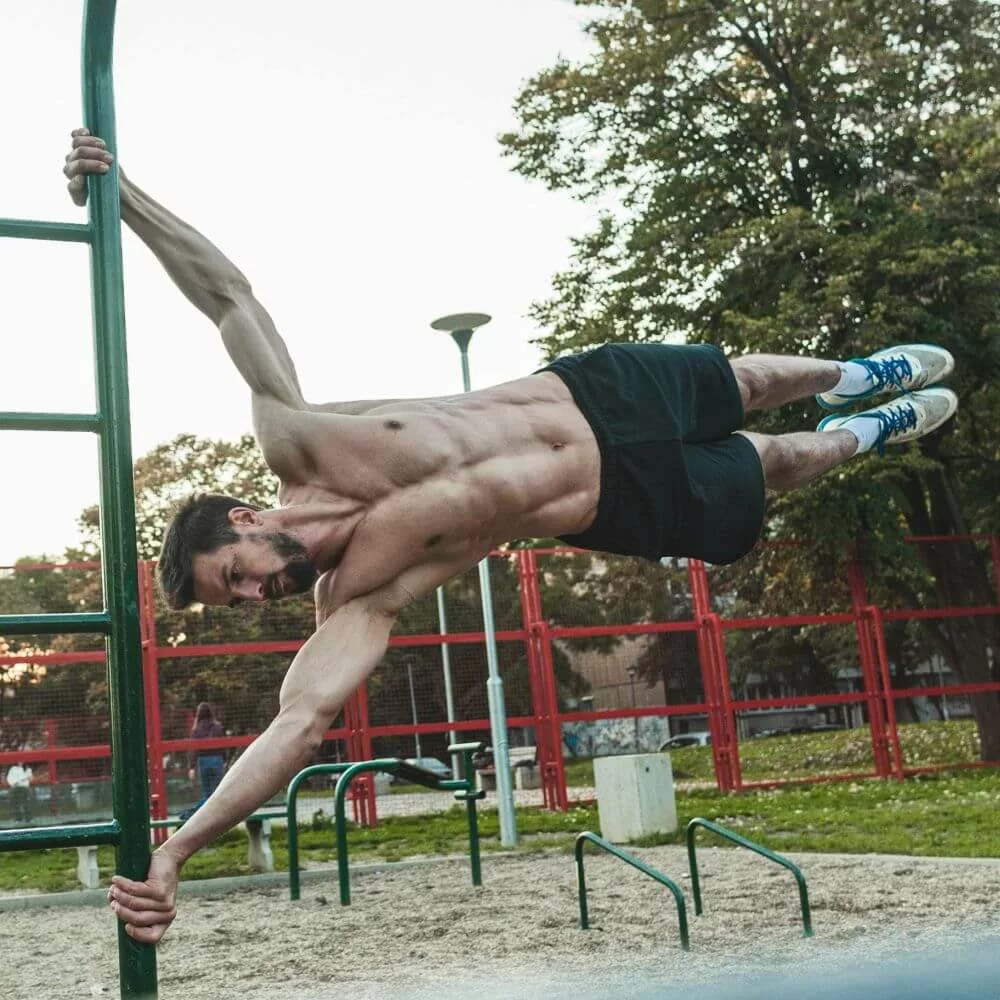
Grip Strength For Calisthenics: Better Pulling Power & Control