(Last Updated on September 11, 2026 by Henry)
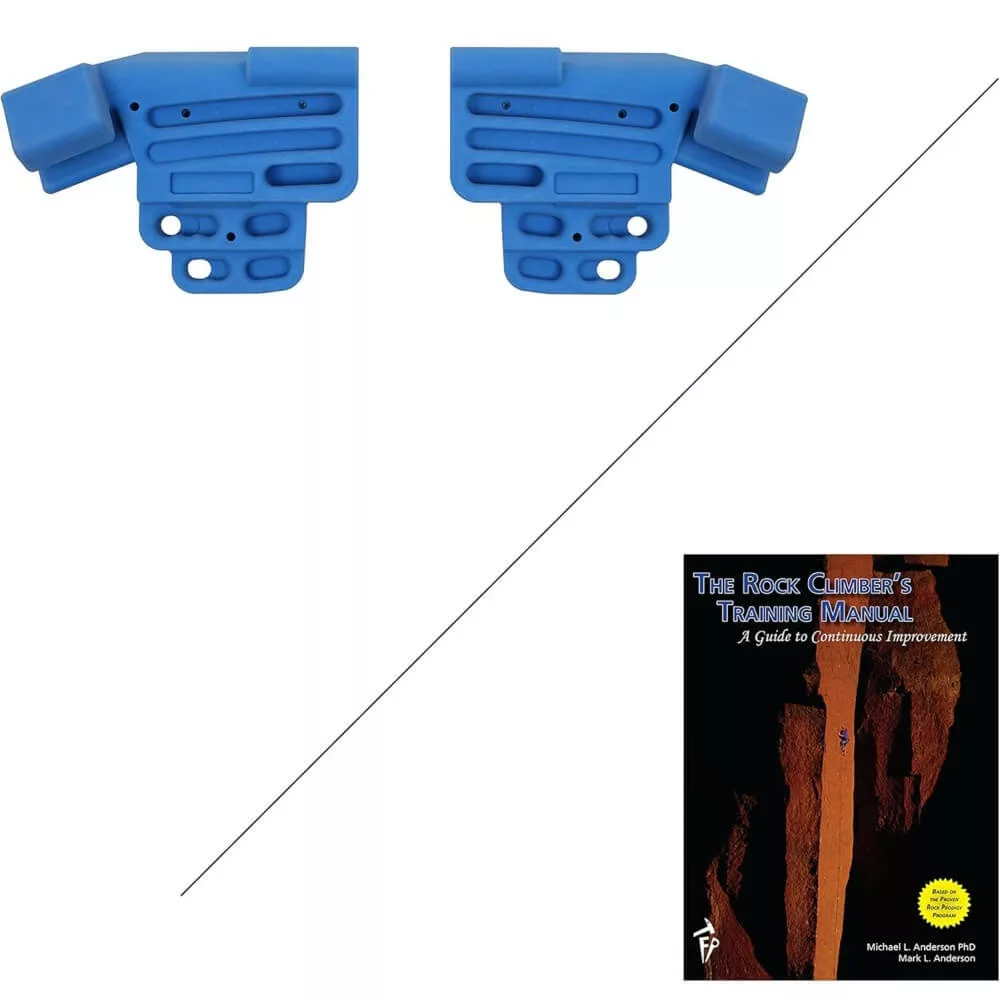
- Name: Trango Rock Prodigy Training Center
- Category: Grip Strength Equipment / Forearm Training
- Purpose: Precision Finger Strength, Grip Endurance, & Climbing Progression
- Rating: 4.8 / 5
- Availability: Amazon (Prime Delivery)
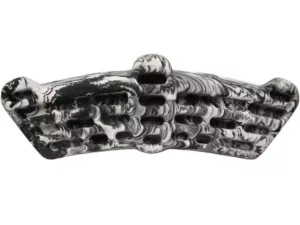
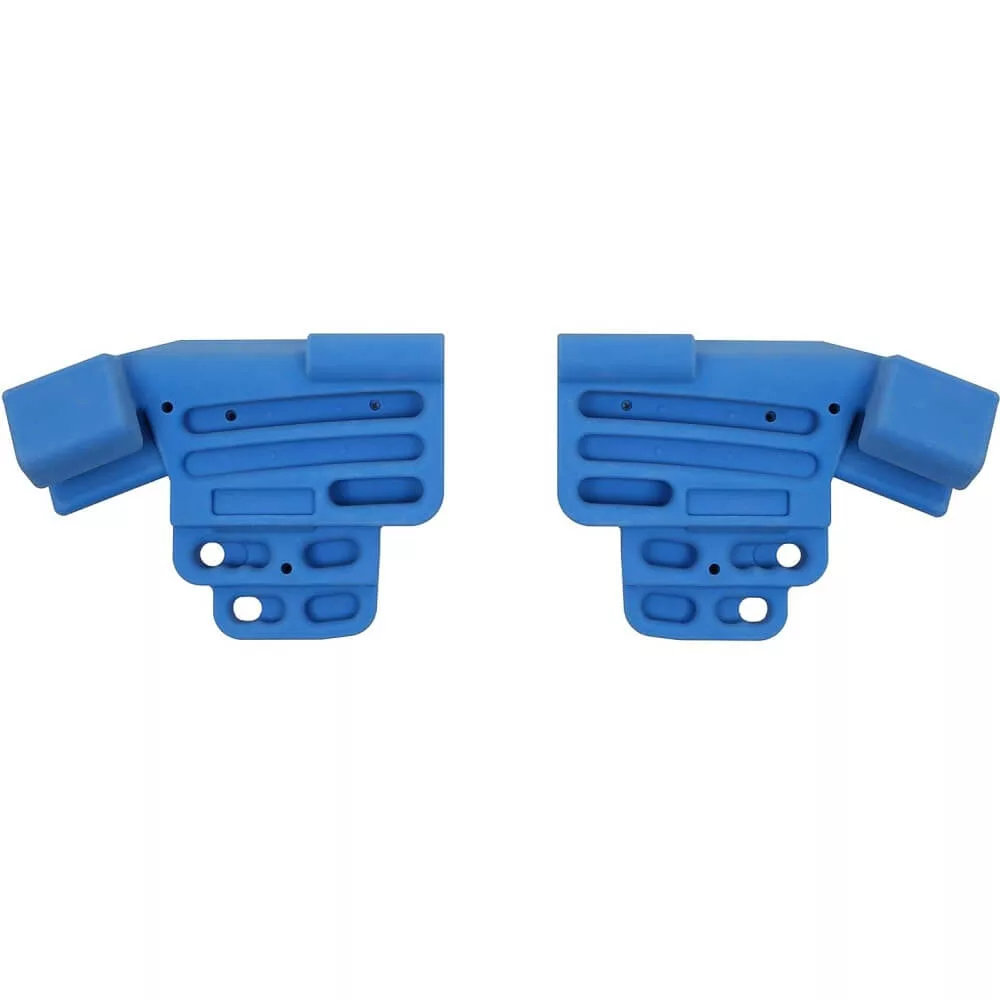
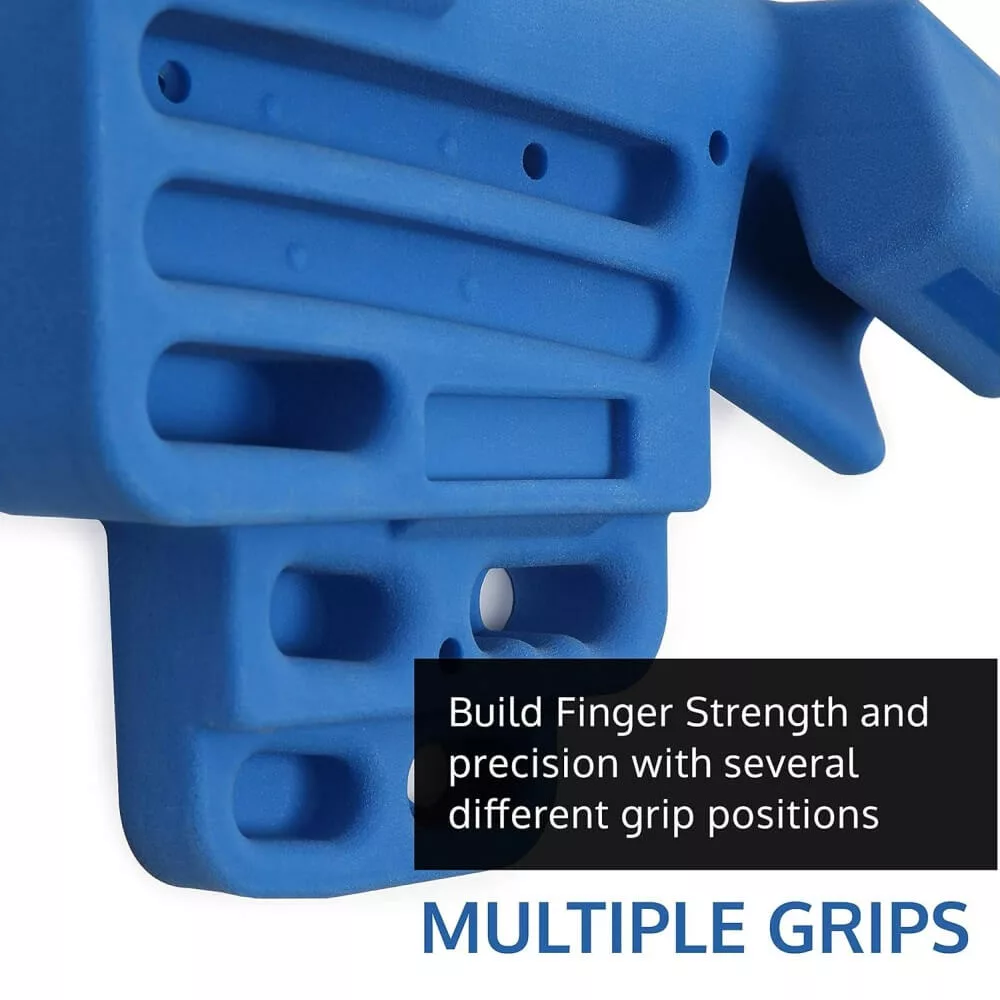
- Precision Hold Layout: Multi-depth rails, pinches, pockets, and crimps
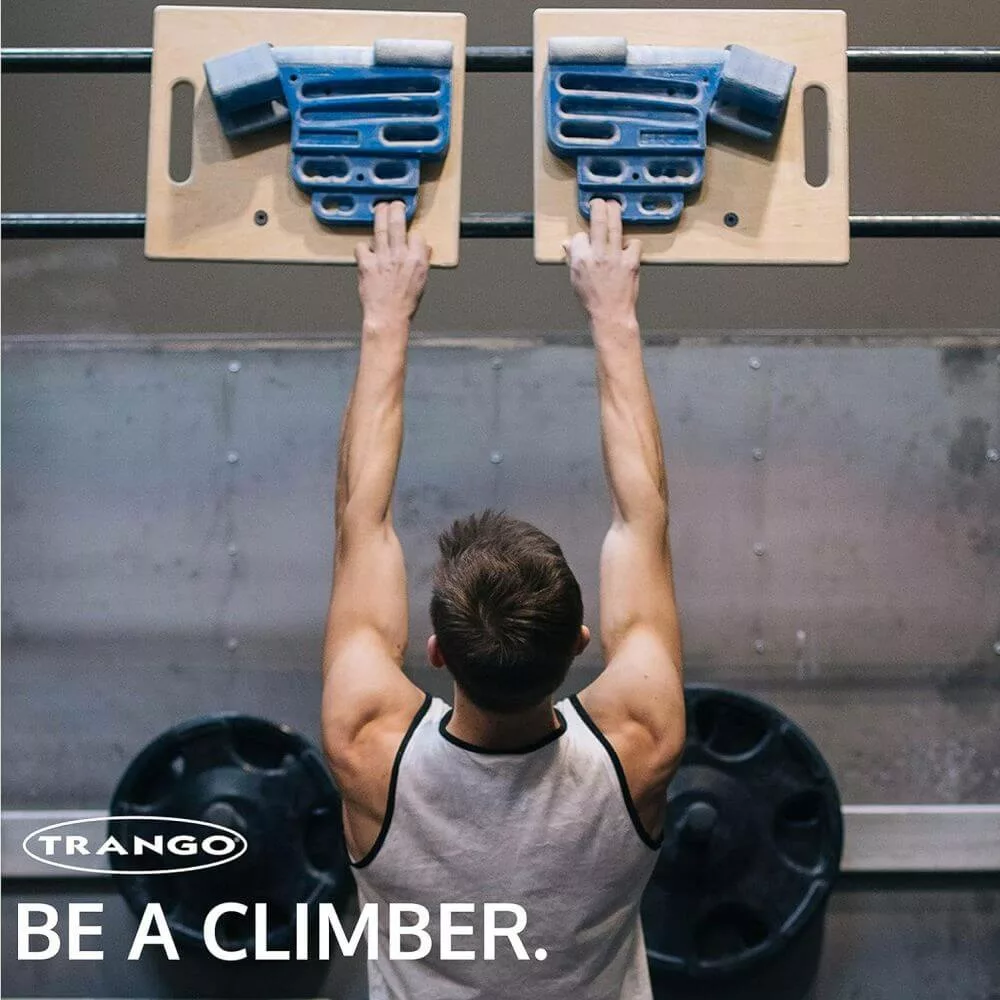
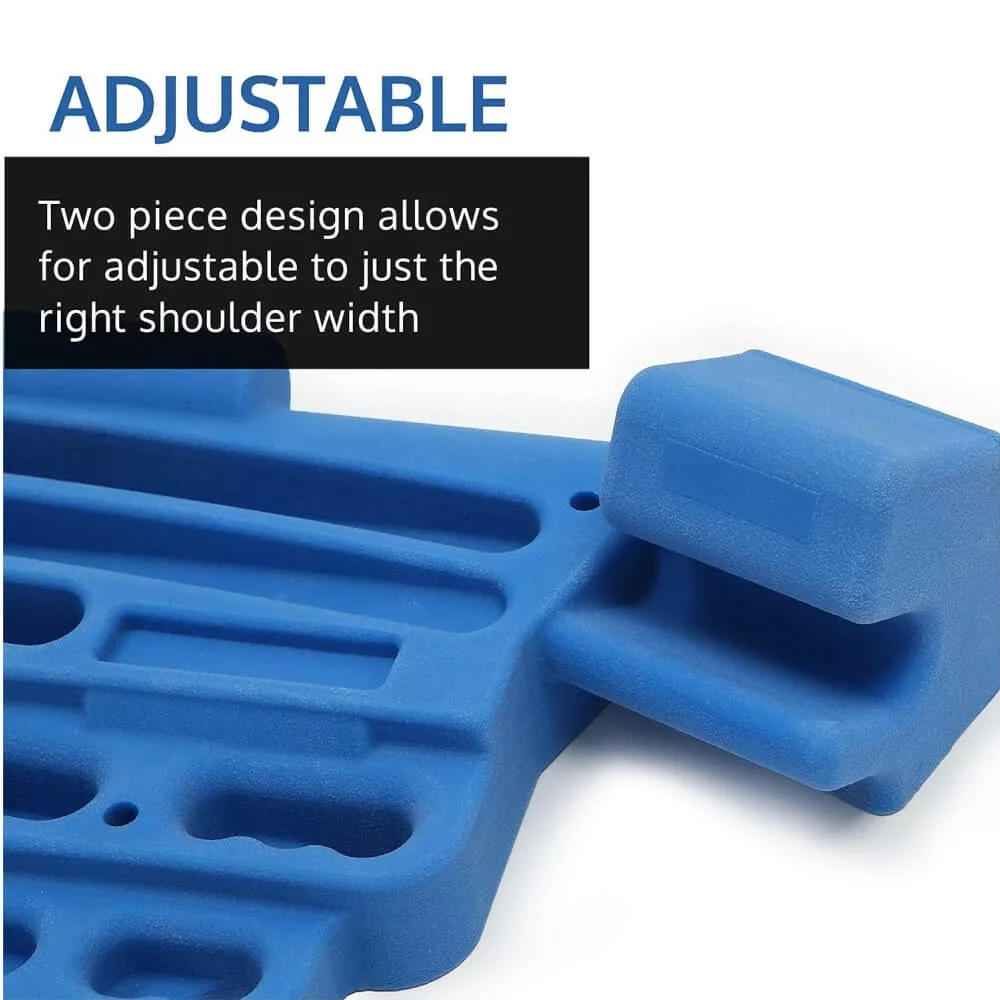
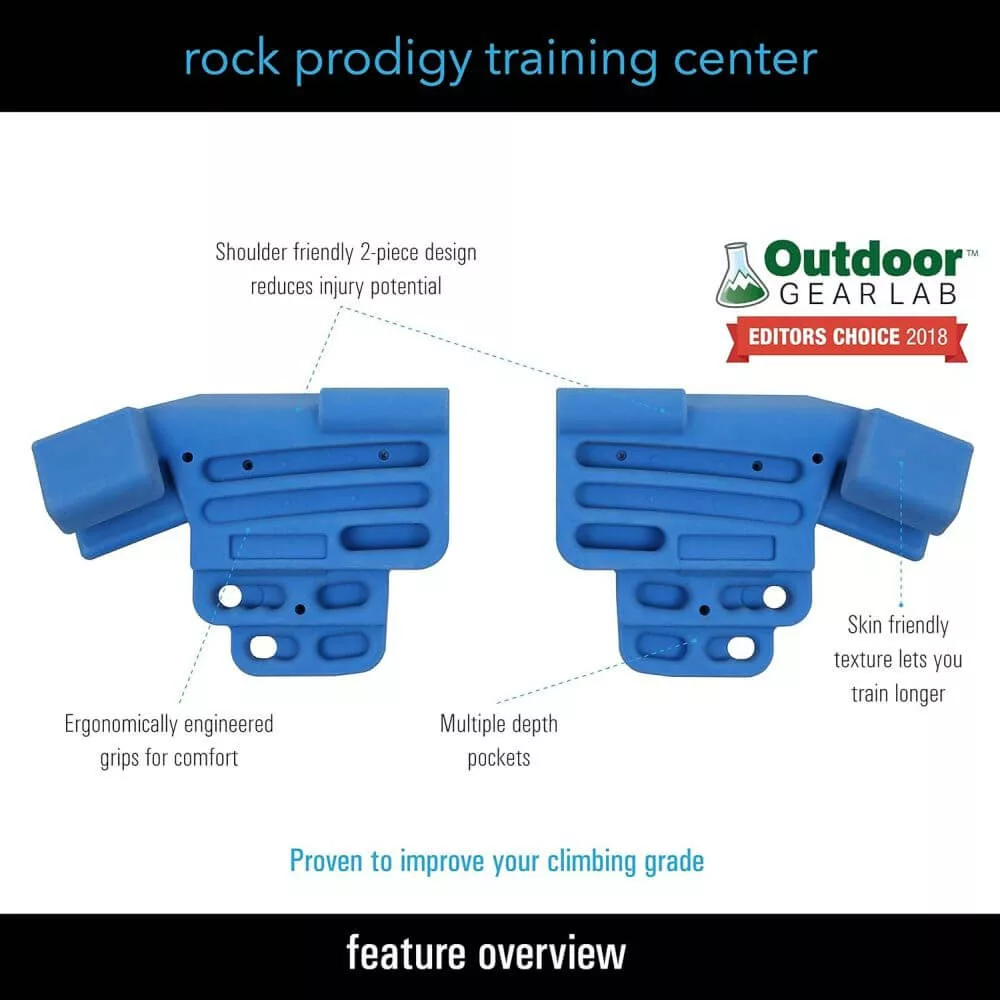
- Adjustable Two-Piece Design: Custom shoulder-width spacing improves ergonomics
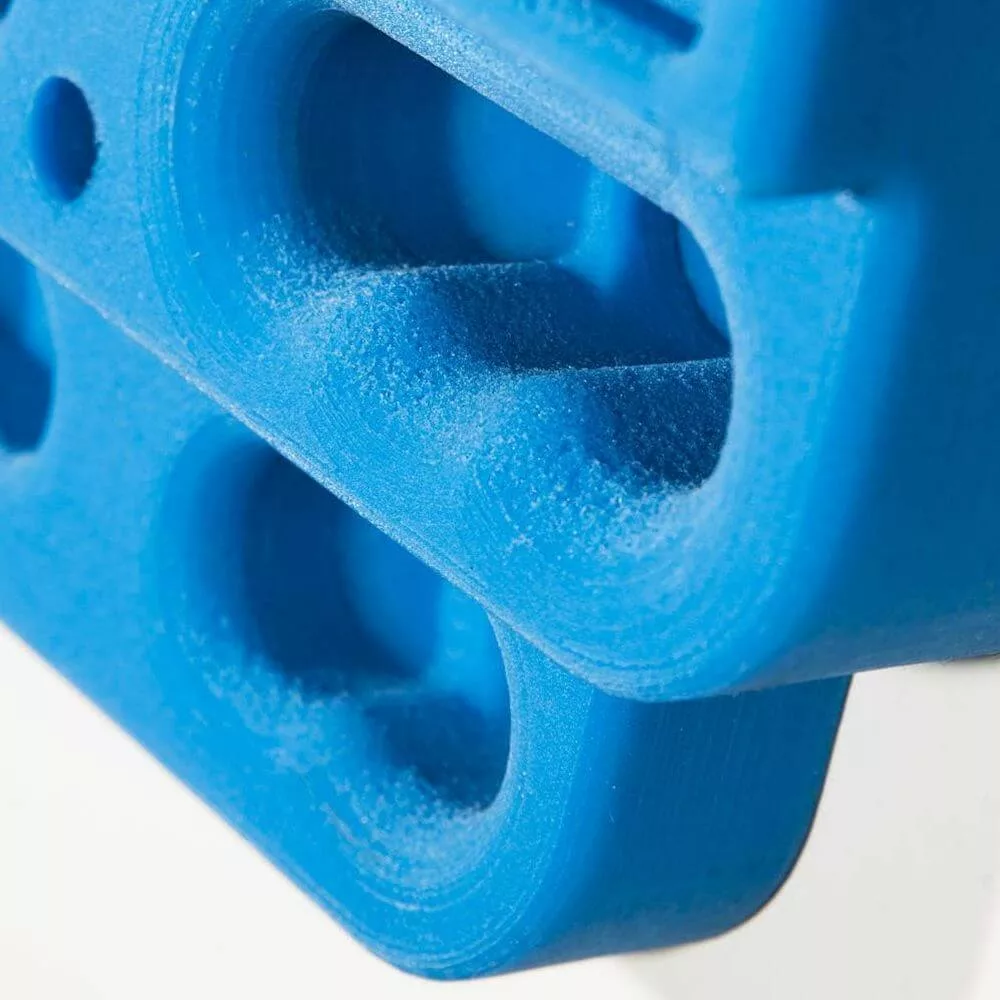
- Triple-Textured Surface: Balances grip security and skin comfort
Can Your Hands Hold On When Everything Else Says Let Go?
Learn How to Build a Stronger Support Grip
✋ Overview: What Problem Does Trango Rock Prodigy Training Center Solve?
Training Feel, Finger Loading, & Ergonomic Control
The first thing I noticed about the Rock Prodigy Training Center was how intentional everything felt. This isn’t a random collection of holds thrown onto a board. Every edge, pocket, pinch, and rail seems designed with structured progression in mind.
The two-piece layout immediately stood out to me as well. Being able to fine-tune the spacing for shoulder width made the entire setup feel more natural compared to fixed-position hangboards. During longer hangs and repeaters, that adjustment helped reduce awkward shoulder positioning and wrist tension.
The texture also surprised me. A lot of aggressive resin boards can shred skin during high-volume sessions, especially when training several days per week. The Rock Prodigy feels much more refined. The positive surfaces provide enough friction to stay secure, but the inactive areas remain smoother, which helps reduce unnecessary abrasion.
What really makes this board feel different is the precision. The variable-depth rails with finger placement markers create an extremely controlled training experience. Small adjustments in finger position noticeably change the difficulty, making progressive overload feel very measurable.
It quickly became clear to me that this is not just a casual climbing accessory. It feels like a structured strength-development tool built for long-term climbing progression, finger resilience, and controlled performance gains.
⚖️ Pros & Cons: Trango Rock Prodigy Training Center
Versatility, Ergonomics, & Training Functionality
The Rock Prodigy Training Center delivers an extremely structured and progression-focused training experience for climbers serious about long-term finger strength development. Its adjustable two-piece layout improves shoulder positioning and overall ergonomics, while the wide range of rails, pinches, pockets, and crimps creates excellent progression potential across multiple grip styles.
The triple-textured surface balances grip confidence with skin friendliness surprisingly well during high-volume sessions. Although the installation process takes more planning than simpler one-piece boards, the overall training precision and scalability easily justify the extra setup effort. For climbers wanting measurable progression and highly specific finger loading, this board stands out as one of the more refined systems available.
- Adjustable Layout: Improves shoulder alignment and joint comfort
- Hold Variety: Excellent range of rails, pinches, pockets, and crimps
- Skin-Friendly Texture: Supports higher-frequency training sessions
- Precision Progression: Variable-depth rails improve overload control
- Durable Construction: Strong structural feel with long-term reliability
- Complex Installation: Requires more setup planning than simple boards
- Steeper Learning Curve: Can overwhelm complete beginners initially
- Hardware Variability: Mounting hardware may not always be included
Still Looking for the Right Tool?
Explore Similar Support Grip Trainers
Trango Rock Prodigy Training Center: Ranking 95 out of 100
One Of The Most Precise And Progression-Focused Hangboards Available
🎯 Who Should Use Trango Rock Prodigy Training Center?
Climber Level, Training Goals, & Performance Application
This hangboard is best suited for climbers who want a more systematic approach to finger strength development rather than simple casual hangboarding.
- Intermediate Climbers: Excellent for structured finger strength progression
- Advanced Athletes: Supports max hangs, repeaters, and pinch work
- Performance Climbers: Useful for endurance, lock-offs, and contact strength
- Home Gym Users: Ideal for dedicated climbing-specific training setups
Intermediate climbers will likely benefit the most from the board’s structure. The wide variety of hold depths allows gradual progression without immediately forcing users onto extremely small edges. This makes it easier to build confidence while improving tendon conditioning and grip control.
Advanced climbers will appreciate the precision-focused layout. The variable-depth rails, pinches, and shallow edges create plenty of room for progressive overload, max hangs, repeaters, offset hangs, and sport-specific grip training.
It also works extremely well for climbers building finger strength for harder grades, boulderers targeting crimp power and contact strength, sport climbers improving endurance and lock-off stability, home gym users wanting structured climbing training, and athletes recovering finger capacity after climbing breaks.
Complete beginners can still use it, but they should approach hangboarding conservatively and prioritize proper loading protocols. The board rewards controlled progression much more than ego-driven training.
My Rating Summary
- Build Quality: 9.6 / 10
- Ease of Use: 8.9 / 10
- Comfort: 9.4 / 10
- Resistance Quality: 9.5 / 10
- Progression Potential: 9.8 / 10
- Value for Money: 9.2 / 10
Technical Details
- Weight: 12.5 lbs
- Dimensions: 17 x 11 x 10 inches
- Material: Urethane with triple-textured surface
- Resistance Range / Load Capacity: Variable bodyweight and weighted hang training using multi-depth holds and rails
- Use Case: Grip, wrist, and forearm strength training
- Manufacturer: Trango
📈 Where Trango Rock Prodigy Training Center Fits In Grip Strength Progression
Scalability, Skill Ceiling, & Long-Term Training Value
The Rock Prodigy Training Center sits in an interesting position within grip strength progression because it scales exceptionally well over time.
Unlike ultra-aggressive elite boards that quickly overwhelm newer climbers, this setup provides enough supportive holds to allow gradual adaptation. Deep pockets, jugs, and larger rails make it approachable during early finger-strength phases while still leaving enormous room for progression later.
As users become stronger, the board continues to evolve with them. The smaller edges, precision rails, pinches, and varied grip positions introduce more demanding loading patterns without requiring an entirely new system.
That long-term scalability is one of the board’s biggest strengths.
The adjustable two-piece configuration also improves sustainability during high-volume training. Better shoulder alignment and more natural arm positioning can help reduce unnecessary joint stress during repeat sessions.
For climbers focused on measurable progression, this board integrates very well into structured programming:
- Repeaters: Excellent for endurance and density work
- Max Hangs: Supports precise overload progression
- Density Sessions: Useful for volume-focused finger training
- Lock-Off Training: Improves pulling control and stability
- Recruitment Pulls: Enhances finger recruitment efficiency
- Pinch Work: Develops thumb strength and forearm coordination
- Offset Loading: Supports unilateral progression work
Most climbers are unlikely to outgrow it anytime soon. Instead, the difficulty evolves through bodyweight manipulation, added weight, reduced assistance, and increasingly demanding edge selections.
💪 Training Benefits & Strength Transfer Potential
Sport-Specific Strength Carryover & Forearm Adaptation
The biggest benefit of the Rock Prodigy Training Center is how specifically it targets climbing-relevant grip patterns. This is not general grip training. The board is engineered around precise finger recruitment, tendon loading, and pulling strength development.
The variable-depth rails are especially effective for improving open-hand strength and controlled edge loading. Small depth changes force the fingers and forearms to adapt gradually, which creates smoother progression than abruptly switching between dramatically different hold sizes.
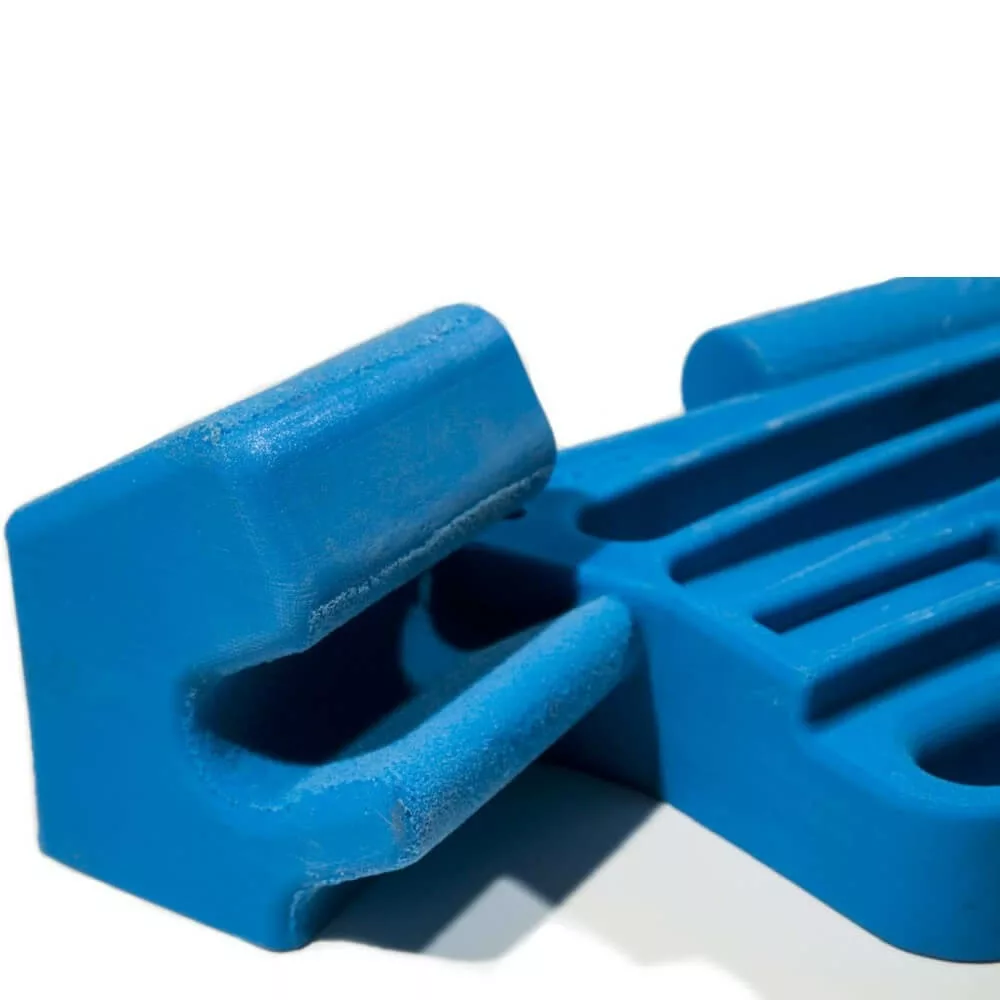
The pinch sections also add a major training advantage. Many hangboards overlook thumb engagement, but these pinches place significant demand on thumb flexors, wrist stabilization, and forearm coordination. I noticed forearm fatigue building differently during pinch-focused sessions compared to standard edge hangs.
The board also supports multiple strength qualities simultaneously:
- Finger Strength: Improves controlled edge loading capacity
- Contact Strength: Enhances explosive finger recruitment
- Lock-Off Control: Develops upper-body pulling stability
- Forearm Endurance: Supports sustained climbing performance
- Pulling Stability: Improves body tension and scapular engagement
- Shoulder Engagement: Reinforces stable hanging mechanics
- Core Tension: Strengthens full-body control during hangs
Because the texture is relatively skin-friendly, higher-frequency sessions become more manageable as well. That matters for climbers running structured training blocks where consistency is critical.
Another advantage is precision repeatability. The finger-placement markers make it easier to reproduce exact positions across sessions, helping users track progression more accurately over time.
For serious climbers trying to build stronger fingers without constantly destroying their skin or joints, the training transfer here feels extremely purposeful.
Good at Squeezing, But Can You Hang On?
Learn How Support Grip Builds Holding Strength
🧠 Performance & Feel During Training
Edge Feedback, Forearm Recruitment, & Hand Positioning
Training on the Rock Prodigy feels extremely controlled once you settle into the board’s layout. The finger-placement markers seem minor at first, but they make a huge difference during repeat sessions because positioning stays consistent from workout to workout.
The rails also create a very smooth progression experience. Instead of abruptly jumping from comfortable holds to impossible micro edges, the gradual depth changes let me scale difficulty with much more precision.
I particularly liked how stable the pinches felt. Some hangboard pinches can force awkward wrist positions, but these felt surprisingly natural while still heavily loading the thumb flexors and forearms. After several sets, the forearm pump becomes very noticeable.
The texture strikes a nice balance, too. It feels grippy enough to inspire confidence without having the harsh sandpaper feel that destroys skin after high-volume sessions. During longer repeater workouts, my fingertips stayed in much better condition compared to more aggressive resin boards.
Another thing I noticed was how much shoulder positioning improved with the adjustable spacing. Wider setups felt better for lock-offs and weighted hangs, while narrower spacing worked well for controlled warmups and easier recruitment sessions.
Overall, the board feels technical, precise, and highly progression-oriented. Every hold seems intentionally designed to train a specific strength quality rather than simply adding variety for the sake of it.
🏗 Build Quality & Long-Term Durability
Structural Reliability, Texture Quality, & Longevity
The Rock Prodigy Training Center feels exceptionally solid once mounted correctly. The urethane construction has a dense, durable feel that inspires confidence during high-force hangs and weighted sessions.
The texture quality is also very well executed. Instead of aggressively abrasive surfaces that quickly wear down skin, the board uses strategically varied textures to balance grip security and comfort. This approach helps preserve skin condition during repeated weekly use.
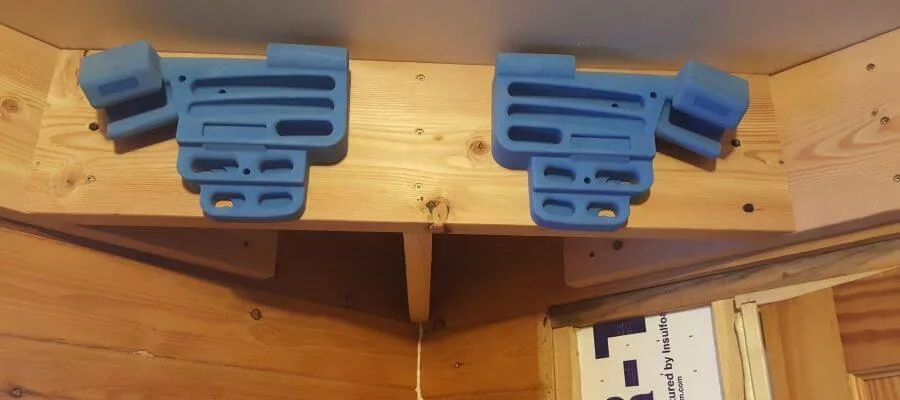
The two-piece design adds another layer of practicality. Beyond ergonomics, it also distributes stress effectively and allows flexible installation setups depending on available wall space or training station design.
Long-term durability appears excellent based on both user feedback and overall construction quality. The holds resist chipping well, maintain consistent texture over time, and feel engineered for years of repeated loading.
Maintenance requirements are minimal outside of normal cleaning. Chalk buildup can be brushed away easily, and the surfaces remain consistent without requiring sanding or texture adjustments.
The only real downside is installation complexity. Users should plan their mounting carefully and ensure they use proper backing support and hardware for safe long-term use.
🏠 Everyday Usability & Practicality
Home Training Convenience & Daily Integration
Despite being a fairly advanced training board, the Rock Prodigy integrates surprisingly well into everyday training environments.
The adjustable layout gives users more flexibility when mounting above doorways, on training walls, or inside garage gym setups. Once installed, it becomes very easy to incorporate short finger sessions throughout the week without needing a full climbing gym visit.
I also like that the board supports multiple training intensities in one session. You can warm up on the larger holds, transition into repeaters or max hangs, then finish with pinch work or lock-offs without needing additional equipment.
The skin-friendly texture helps with practicality, too. Since the board is less abrasive than many resin hangboards, it feels easier to maintain consistent training frequency without constantly managing fingertip damage.
Storage obviously is not relevant once mounted, but the compact overall footprint helps it fit into smaller home gym environments more easily than oversized training systems.
The only practical challenge is installation planning. Because the board uses different mounting depths and adjustable spacing, setup requires a bit more attention than simpler one-piece hangboards. Still, once properly mounted, daily usability is excellent.
✅ Final Verdict: Is Trango Rock Prodigy Training Center Worth It?
Long-Term Climbing Development & Training Return
I think the Rock Prodigy Training Center stands out because it feels designed by people who genuinely understand long-term climbing progression. Everything about the board emphasizes controlled strength development rather than reckless finger punishment.
The adjustable shoulder-width configuration alone makes it feel more ergonomic than many traditional hangboards. Add in the variable-depth rails, pinches, crimps, and textured surfaces, and the result is a system that can grow with a climber for years.
What impressed me most was the balance between difficulty and usability. The board absolutely challenges finger strength, but it also encourages smarter progression through its thoughtful layout and gradual edge transitions.
I would especially recommend this to intermediate and advanced climbers who want structured finger training at home without relying entirely on commercial climbing gyms. It works extremely well for repeaters, max hangs, pinch development, and long-term tendon conditioning.
Complete beginners should still approach carefully, because any hangboard can become risky when progression is rushed. But for disciplined climbers willing to train intelligently, this is one of the more complete and progression-focused systems available.
For long-term climbing strength, precision finger development, and sustainable grip progression, I think this board absolutely earns its reputation.
Thanks for Checking it Out!
Have You Used an Advanced Hangboard Before?
Share Your Experience in the Comments!
Climbing With Finger Pain? Learn About Finger Pulley Injuries & How to Train Smarter
& Browse the Grip Training FAQ for Quick Answers