(Last Updated on October 10, 2026 by Henry)
- Name: YY Vertical Verticalboard First
- Category: Grip/ Forearm Strength Equipment
- Purpose: Endurance, Climbing Progression
- Rating: 4.7 / 5
- Availability: Amazon (Prime Delivery)
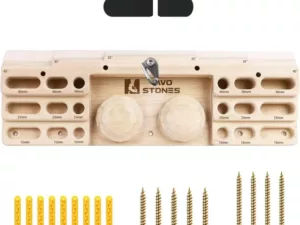
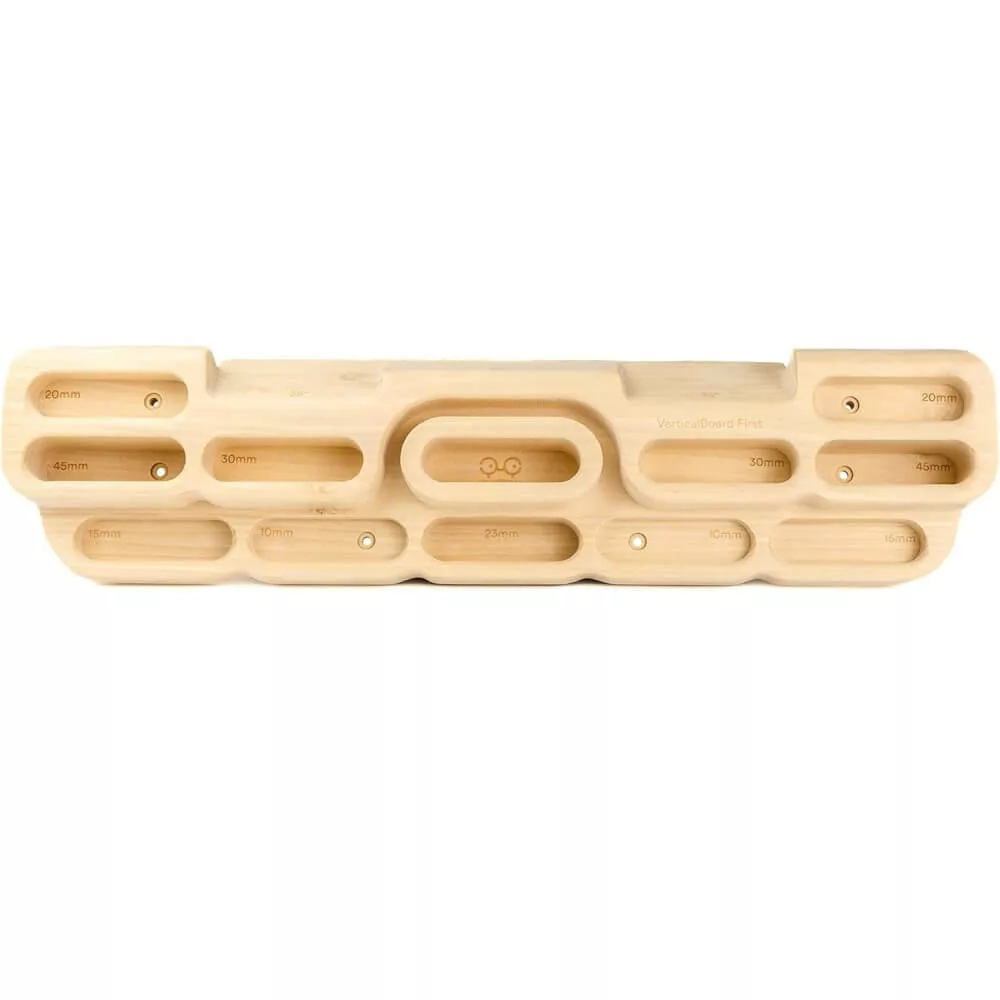
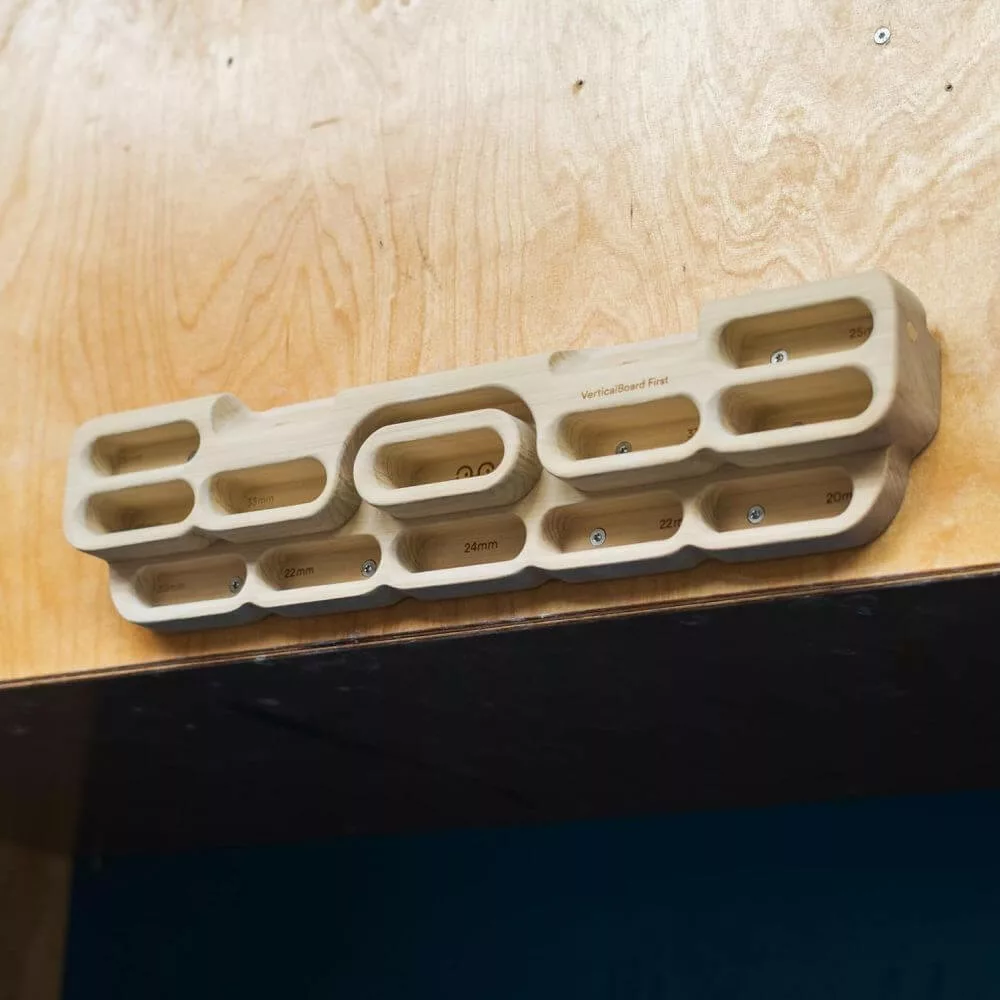
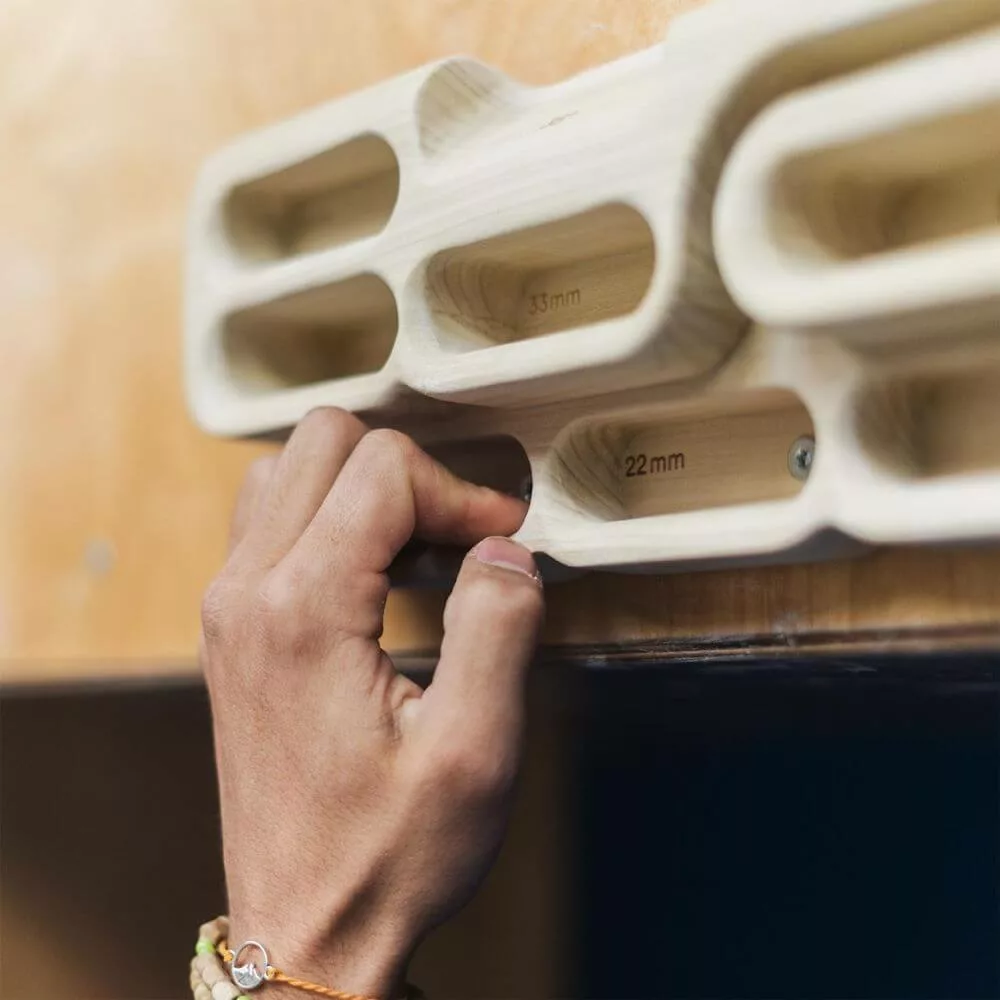
- Progressive Edge Depths: 45mm to 20mm holds support scalable progression
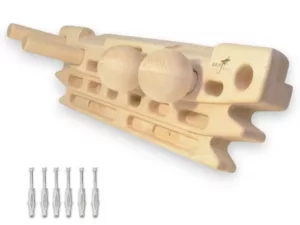
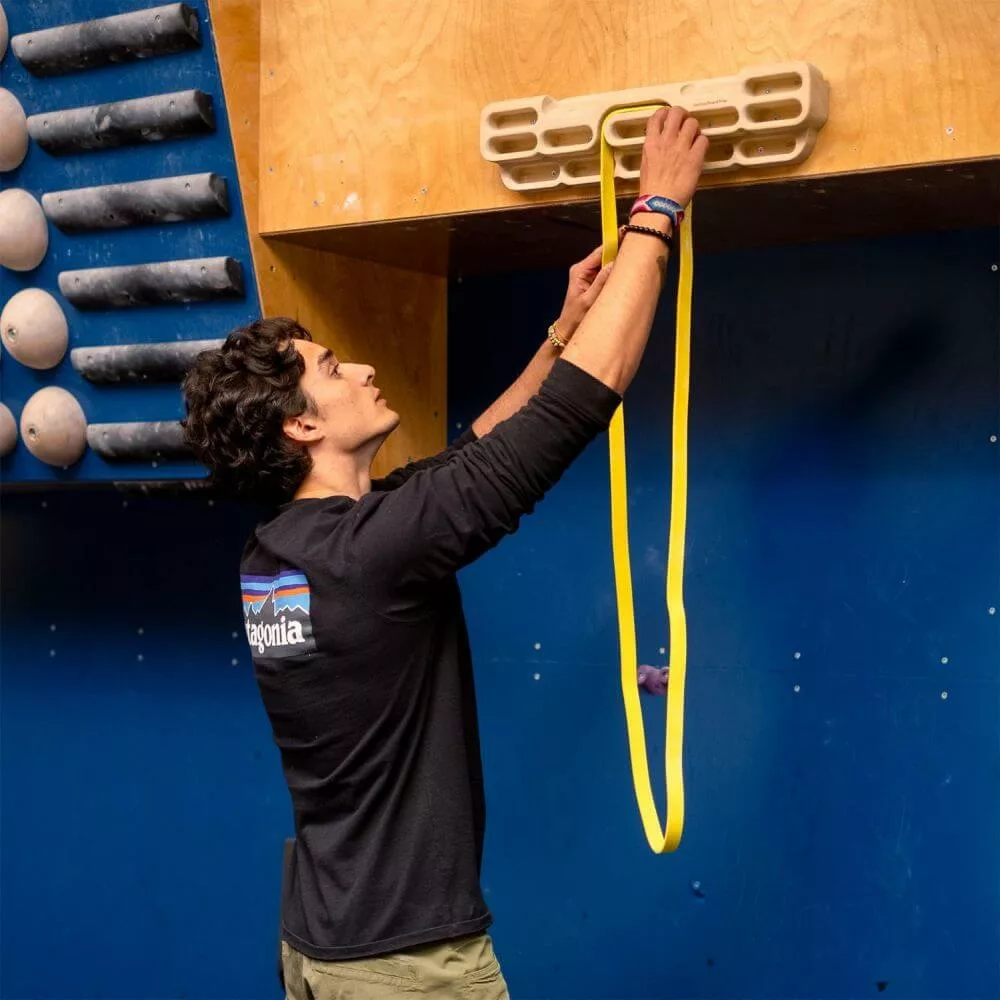
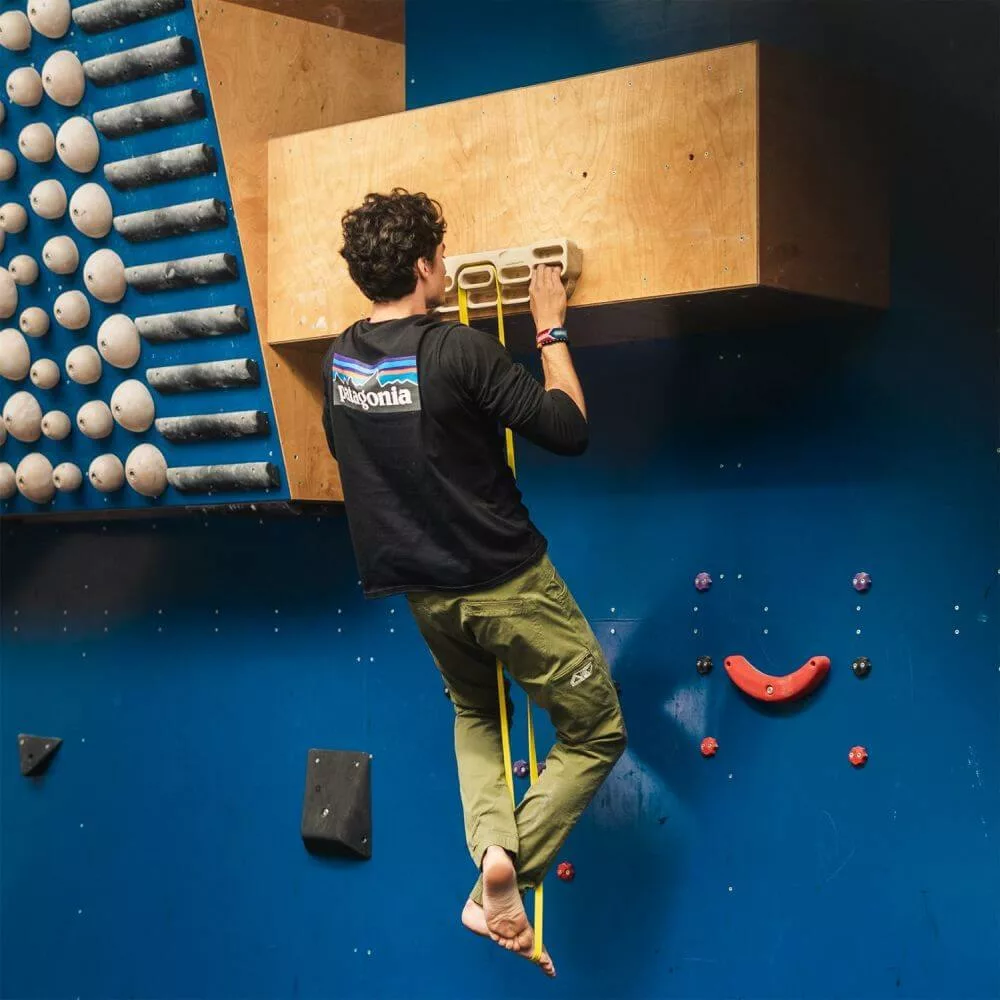
- Central Progression Handle: Assisted hangs and band integration made easier
- Poplar Wood Construction: Rounded edges improve long-session comfort
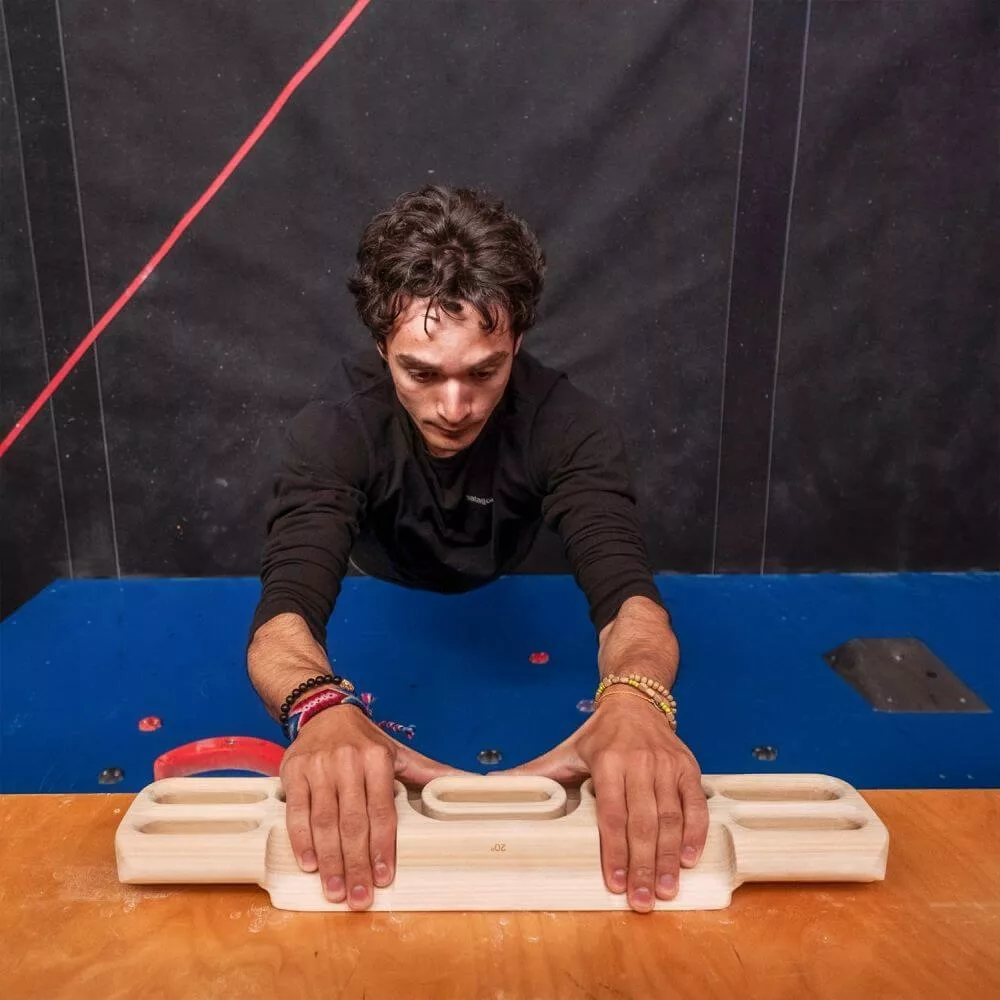
Can Your Hands Hold On When Everything Else Says Let Go?
Learn How to Build a Stronger Support Grip
✋ Overview: What Problem Does YY Vertical Verticalboard First Solve?
Initial Feel, Resistance, & Training Purpose
The first thing I noticed about the YY Vertical Verticalboard First was how approachable the layout feels compared to many aggressive hangboards. Instead of immediately looking intimidating, the board feels organized, progression-focused, and intentionally designed for climbers who want to build finger strength safely over time.
The poplar wood texture immediately stood out during the first session. The surface feels smooth and refined while still offering enough friction for secure hangs. Compared to rough resin boards, the wood is noticeably kinder to the skin, especially during longer repeaters or higher-volume sessions. I also appreciated how rounded the holds feel on the fingers. There are very few sharp pressure points, which helps reduce discomfort during sustained hangs.
What impressed me most was the progression flow between the holds. The larger edges and jugs feel beginner-friendly, while the smaller 20mm edges still provide enough challenge for serious training. The central handle is also a smart addition because it opens the door for assisted one-arm work, resistance band support, and more controlled progression for newer athletes.
The overall training experience feels very controlled and sustainable. Rather than encouraging reckless max-effort hanging, the board naturally supports gradual overload, technique-focused finger recruitment, and long-term consistency, which is exactly what most climbers actually need for safe progression.
⚖️ Pros & Cons: YY Vertical Verticalboard First
Usability, Resistance Quality, & Training Value
The YY Vertical Verticalboard First delivers a balanced training experience for climbers focused on safe, long-term finger strength progression. Its progression-friendly hold layout, rounded ergonomic shaping, and skin-friendly wood texture make training sessions feel controlled rather than excessively punishing.
The central handle adds meaningful versatility for assisted hangs and scalable progression work, which newer climbers will especially appreciate. While advanced climbers may eventually want smaller edge options for peak-strength training, the board remains highly useful for repeaters, endurance work, and maintenance sessions. Overall, it succeeds exceptionally well as a sustainable progression-focused hangboard for home finger training.
- Progressive Layout: Excellent hold progression for developing climbers
- Skin-Friendly Texture: Poplar wood reduces excessive fingertip wear
- Rounded Ergonomics: Comfortable edges improve sustained hangs
- Versatile Handle: Central grip supports assisted progression work
- Compact Design: Lightweight and practical for home setups
- Advanced Ceiling: Elite climbers may eventually need smaller edges
- Mounting Required: Installation needs careful spacing and support
- Lower Friction: Wood offers less grip than aggressive resin boards
Still Looking for the Right Tool?
Explore Similar Support Grip Trainers
YY Vertical Verticalboard First: Ranking 93 out of 100
One Of The Best Progression-Focused Hangboards For Safer Finger Training
🎯 Who Should Use YY Vertical Verticalboard First?
Training Level & Athlete Identities
The YY Vertical Verticalboard First is designed primarily for climbers who want to transition into structured finger training without immediately jumping into highly specialized or overly aggressive hangboards.
Beginners building foundational finger strength can use the larger edge depths and central handle to safely learn proper hanging mechanics and tendon loading.
Intermediate climbers progressing in resistance will benefit from the variety of edge sizes that support repeaters, max hangs, pull-up variations, and controlled overload.
- Beginners: Larger edges and assisted hangs support safer progression
- Intermediate Climbers: Multiple edge depths improve overload progression
- Advanced Athletes: Useful for endurance work and weighted maintenance hangs
- Grip Athletes: Great for climbers, calisthenics, and obstacle-course training
Advanced athletes can still use the board effectively for warm-ups, recovery sessions, endurance training, and weighted progression work.
Boulderers, sport climbers, calisthenics athletes, and obstacle-course competitors may all benefit from the improved finger endurance, grip control, and upper-body tension the board develops.
Home gym users looking for a compact and aesthetically clean training tool will appreciate the lightweight wooden construction and versatile hold layout. This board works especially well for climbers prioritizing safe progression, consistent training frequency, and sustainable connective tissue adaptation instead of extreme intensity right away.
My Rating Summary
- Build Quality: 9.4 / 10
- Ease of Use: 9.5 / 10
- Comfort: 9.6 / 10
- Resistance Quality: 9.1 / 10
- Progression Potential: 9.4 / 10
- Value for Money: 9.2 / 10
Technical Details
- Weight: Approximately 960g
- Dimensions: 58cm Width x 15cm Height x 5.8cm Depth
- Material: Poplar wood
- Resistance Range / Load Capacity: Progressive bodyweight resistance through 45mm to 20mm edge depths
- Use Case: Grip, wrist, finger, and forearm strength training
- Manufacturer: YY Vertical
📈 Where YY Vertical Verticalboard First Fits In Grip Strength Progression
Progression Scalability & Long-Term Use
The Verticalboard First occupies a very practical middle ground in grip strength progression. It is advanced enough to build meaningful finger strength, yet approachable enough to remain accessible for newer climbers learning how to hangboard correctly.
For beginners, the deeper 45mm and 33mm edges create a safer starting point for developing finger conditioning, scapular engagement, and proper hanging mechanics. The central handle also allows assisted hangs using resistance bands, making progression more manageable while reducing excessive finger strain.
Intermediate climbers will likely extract the most long-term value from the board.
The transition from larger edges down toward the 20mm holds creates a natural progression ladder that supports repeaters, max hangs, and endurance protocols without overwhelming the fingers too early.
Advanced climbers may eventually outgrow the smallest holds for peak-strength development, but the board still remains highly useful for maintenance work, weighted hangs, warm-ups, and higher-volume sessions. Because the wooden texture is less aggressive on the skin, it also supports more frequent training without excessive fingertip damage.
The overall design encourages patience and controlled overload rather than ego-driven intensity, which makes it particularly valuable for sustainable long-term development and injury prevention.
💪 Training Benefits & Strength Transfer Potential
Real-World Strength Carryover
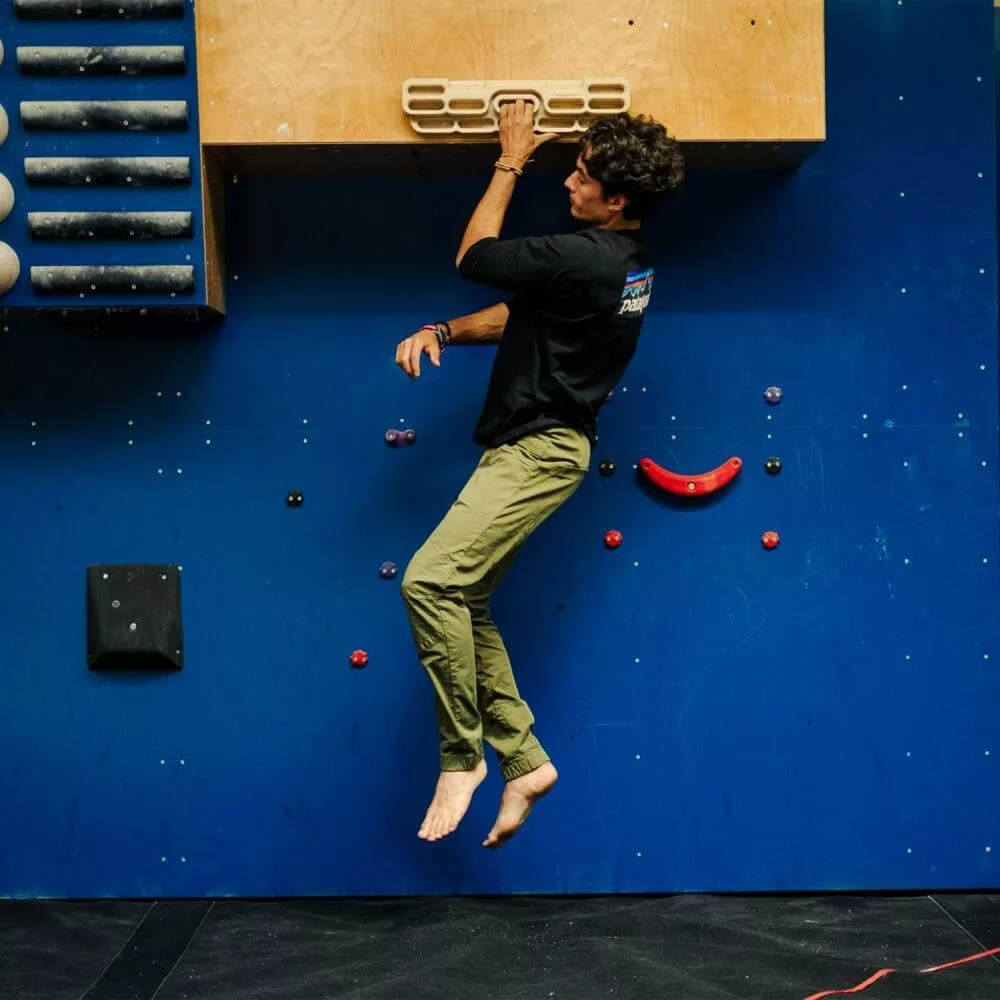
The Verticalboard First improves climbing performance by strengthening finger recruitment, forearm endurance, grip stability, and upper-body tension under controlled loading conditions. Unlike isolated grip trainers, hangboards force the fingers, shoulders, wrists, and core to stabilize together during hanging exercises.
One of the most noticeable training benefits comes from improved finger endurance and contact strength. Repeated hangs on progressively smaller edges force the fingers to produce force more efficiently while building connective tissue resilience over time. I also noticed that the smoother wood texture rewards cleaner technique because over-gripping becomes less effective than maintaining controlled body tension.
The central handle significantly expands the training possibilities. Assisted hangs, one-arm pull-up progressions, and resistance band integration make the board more scalable than many compact hangboards. This improves long-term usability across multiple strength levels.
The slopers and edge transitions also help improve open-hand strength and grip positioning. Because the holds are ergonomically rounded, training feels less harsh on the joints during high-frequency sessions. Beyond climbing, the board can also improve pulling endurance, wrist stabilization, and grip control for calisthenics, grappling, ninja training, and obstacle-course athletes.
The emphasis on controlled tension and progressive overload creates highly transferable upper-body strength qualities.
Good at Squeezing, But Can You Hang On?
Learn How Support Grip Builds Holding Strength
🧠 Performance & Feel During Training
Hand Engagement & Resistance Feedback
During training, the Verticalboard First feels smooth, stable, and surprisingly comfortable for a serious hangboard. The poplar wood texture creates a much softer skin experience than aggressive resin boards while still maintaining enough friction for controlled hangs and pull-up work.
What stood out most to me was how naturally the holds guide progression. The larger edges feel confidence-inspiring for warm-ups and volume work, while the smaller 20mm edges quickly increase finger recruitment and forearm fatigue.
The transition between hold depths feels very intentional, making progression sessions easier to structure logically.
The rounded sockets and ergonomic shaping also make a noticeable difference during longer workouts. Finger joints experience less sharp pressure, which helps maintain training quality during repeaters and lock-off sessions. Grip fatigue develops steadily rather than suddenly spiking from painful pressure points.
The central handle adds another layer of functionality that I genuinely appreciated. Assisted hangs, offset work, and resistance-band-supported progressions all felt more stable and easier to control than on simpler boards without a center anchor point.
Overall, the board encourages technical precision and controlled tension rather than reckless max-effort hanging. It feels like a training tool designed for sustainable progression rather than ego lifting for fingers.
🏗 Build Quality & Long-Term Durability
Material Quality & Longevity
The Verticalboard First has excellent overall construction quality, especially considering its relatively lightweight design. The poplar wood feels dense and well-finished, while the smooth sanding and rounded edges create a polished, premium feel during use.
One major strength is the ergonomic shaping of the holds. The rounded sockets reduce unnecessary stress concentrations on both the fingers and the board itself, helping improve long-term durability and user comfort simultaneously.
Despite weighing under one kilogram, the structure feels very solid once mounted correctly. The board is rated to support substantial bodyweight loads, and the one-piece design minimizes flex or instability during hangs and pull-ups.
The wood surface should also age well with consistent use. Unlike rough resin boards that may become overly abrasive or uncomfortable over time, the smoother wooden texture remains skin-friendly during repeated training cycles.
Maintenance requirements are minimal beyond occasional cleaning and routine mounting checks. As with most hangboards, installation quality matters far more than the board material itself when it comes to long-term reliability.
Overall, the Verticalboard First feels intentionally built for years of steady progression and frequent home training use.
🏠 Everyday Usability & Practicality
Portability, Storage, & Daily Training Use
The Verticalboard First is extremely practical for daily training because of its lightweight construction, compact dimensions, and approachable hold layout. Once installed, it becomes easy to incorporate quick hangs, warm-ups, or finger endurance sessions into everyday routines.
Setup is relatively straightforward, although users should still carefully plan mounting height and surrounding space for safe movement and full pull-up clearance. Its lighter weight makes installation easier than many heavier composite boards, which is especially helpful for home gyms or smaller training spaces.
I also found the board psychologically easier to use consistently. Some advanced hangboards feel intimidating or overly punishing, but the Verticalboard First encourages regular training without constantly feeling brutal on the fingers. That supports better long-term consistency and recovery management.
The central handle further improves usability by supporting assisted progressions and resistance-band integration. This allows climbers to adapt sessions based on fatigue levels or recovery needs rather than skipping training entirely.
For home climbers wanting a compact but highly functional progression tool, the Verticalboard First offers an excellent balance between serious performance training and everyday practicality.
✅ Final Verdict: Is YY Vertical Verticalboard First Worth It?
Long-Term Training Value & Ideal User
I think the YY Vertical Verticalboard First does an excellent job balancing progression, comfort, and long-term usability. Instead of trying to overwhelm climbers with extreme difficulty, the board focuses on helping users build sustainable finger strength through smart progression and controlled loading.
The biggest strength of the board is how approachable it feels without becoming ineffective. Beginners can safely learn proper hanging mechanics and connective tissue conditioning, while intermediate climbers still have enough progression room to build meaningful finger power and endurance over time.
I also genuinely like the overall training feel. The smooth poplar wood, rounded edges, and ergonomic shaping make sessions more comfortable and skin-friendly, which encourages better consistency and higher-quality training frequency. The central handle also adds useful versatility that many similarly sized boards lack.
Advanced climbers chasing ultra-small edge strength or highly specialized mono training may eventually want a more aggressive setup, but for most climbers, this board offers an excellent long-term foundation for finger training and climbing progression.
Overall, I would strongly recommend the Verticalboard First for climbers who want a safe, progression-oriented hangboard capable of building stronger fingers, better grip endurance, and more reliable climbing performance without destroying their skin or overloading their joints too quickly.
Thanks for Checking it Out!
What Type of Hangboard Do You Prefer for Grip Progression?
Share Your Experience in the Comments!
Climbing With Finger Pain? Learn About Finger Pulley Injuries & How to Train Smarter
& Browse the Grip Training FAQ for Quick Answers