
(Last Updated on May 30, 2026 by Henry)
A hangboard is a specialized piece of training equipment designed to enhance a climber’s grip strength and finger endurance. You might spot them mounted on walls in climbing gyms or home setups, loaded with various holds, pockets, edges, and slopers, meant to mimic the challenges of a rock face.
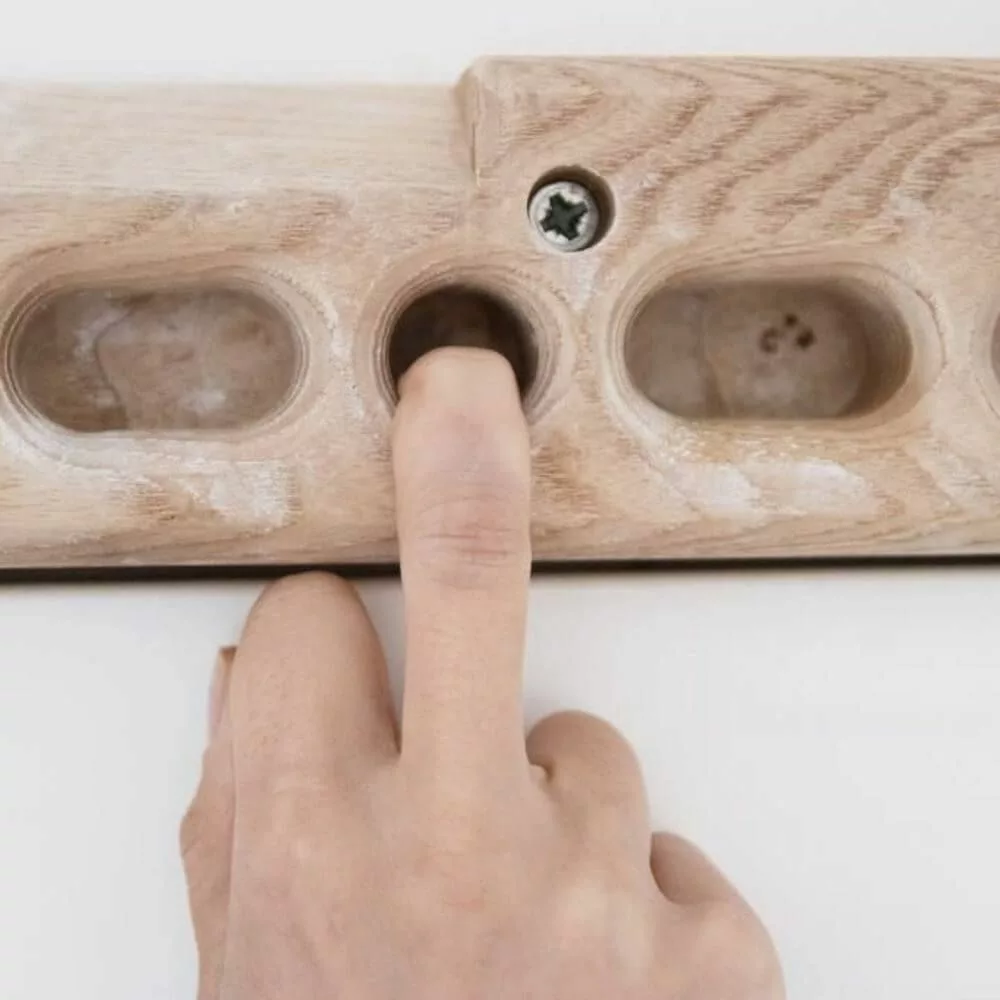
Hangboards are widely used by climbers looking to improve finger strength and grip endurance in a more targeted way.
Climbers love hangboards for focusing on finger-specific strength, which wider climbing or gym sessions might not address fully.
The targeted approach of hangboard training allows for significant gains in strength, necessary for those crux moves on steep overhangs.
Plus, it gives climbers an effective way to maintain finger fitness off the rock face.
The distinction between finger strength and endurance is crucial here. Finger strength deals with the maximum force your fingers can apply, useful in powerful dead points to tiny crimps. Endurance, on the other hand, is about sustaining a hold, crucial in long climbs where fatigue could force an early fall.
Strong fingers help with explosive movements, while endurance helps maintain grip during longer climbs and repeated efforts.
Hangboards aren’t for everyone, though. Beginners or those unfamiliar with climbing grips should steer clear initially. It’s recommended for seasoned climbers who’ve built a solid foundation in basic grip techniques. New climbers would be better off focusing on broader movement skills and climbing fitness first.
Developing climbing technique and general grip control first usually creates a safer base for future hangboard training.
Misusing a hangboard is one of the easiest ways to injure your fingers or tendons.
The combination of intense, static loading & the small surface area of grips means
there’s a significant risk of overloading the tendons if used improperly.
Injuries from poor hangboarding can derail your climbing journey, making careful and educated usage a priority. Proper progression and recovery are essential when trying to improve your grip safely through hangboard training.
Preparing the Body for Hangboard Training: Essential Pre-Workout Routines
A good warm-up is vital to any climbing activity, but it takes on an extra layer of importance with hangboard training. Climbing-specific warm-ups get your muscles fired up and your circulation going, making your body more pliable and responsive.
A proper warm-up helps prepare the fingers, wrists, and forearms for heavy gripping demands.
Engaging the fingers, wrists, and shoulders before you hit the hangboard helps activate the muscles and tendons. Finger curls, wrist rotations, and shoulder rolls are a few exercises that can prep these key areas. These exercises help reduce the risk of injury by ensuring these critical areas are ready for action.
Small mobility drills can improve circulation and help reduce unnecessary strain during hangboard sessions. Jumping on a hangboard with cold tendons is a recipe for disaster.
Cold tendons are much more susceptible to tears and strains. Investing time in your warm-up helps avoid possible injuries, keeping your tendons flexible and ready to handle the load of training. Tendon preparation is especially important when trying to improve finger strength safely.
Start with easy climbing or mobility exercises. This approach helps transition your body
gradually into the intensity of finger-specific training. Swinging from easier problems
on a bouldering wall or low-intensity stretches can serve as a great buffer
and help your body adapt to the style of a hangboard workout.
Gradually increasing intensity often helps climbers maintain healthier grip training habits over time. Sometimes your body sends signals when it’s not quite ready for heavy training. Fatigue, soreness, or a simple lack of excitement about your workout can be red flags. Listening to these cues is just as important as the physical preparation, ensuring you’re not setting yourself up for an injury by pushing too hard too soon.
Recognizing recovery limits can help prevent finger injuries and long-term setbacks in climbing progress.
Techniques for Beginners: Safe Hangboarding Practices
For those just starting with hangboard training, it’s important to begin with caution. Beginners should stick to larger holds that allow for comfortable, controlled hangs using body weight. This helps build familiarity with grip pressure without overstraining your fingers.
Starting with easier holds allows the fingers and tendons to adapt more gradually to hangboard stress. Learning the proper grip is crucial to avoiding injuries. Always aim for grip positions that do not overextend or strain the fingers. A half-crimp or open-hand grip often works well, minimizing risk compared to a full-crimp, which is more taxing on the joints.
Safer grip positions can help reduce unnecessary stress on finger pulleys and connective tissues.
Maintaining shoulder engagement during hangs is another safety measure to observe. Active shoulders help distribute the load and protect both your shoulders and fingers from undue stress. Think of slightly shrugging the shoulders and maintaining a slight bend in the elbows for controlled engagement.
Good body positioning often improves hang control while reducing excess strain on the upper body and hands. Avoiding advanced techniques such as max hangs and one-arm training is wise when starting out. These methods require more strength and skill, posing a greater risk of injury to those still developing their core grip strength.
Building a solid foundation first usually leads to safer long-term improvements in climbing grip strength.
Beginners should also pay attention to the rest periods between sets, ensuring adequate recovery time. Resting for about 2-3 minutes between hangs allows muscles and tendons to recuperate, providing a practical balance between practice and recovery.
Recovery between sets helps maintain training quality and reduces the risk of overloading the fingers too quickly.
Identifying and Avoiding Common Hangboard Mistakes
Getting into hangboard training can be exciting, but it’s easy to make errors that could lead to injuries. One common mistake is overtraining without adequate recovery. Giving muscles and tendons time to repair is crucial for progress and injury prevention.
Recovery plays a major role in helping the fingers adapt safely to hangboard training stress.
When starting, it’s tempting to jump to smaller holds quickly, thinking it speeds up improvement.
But small holds place enormous strain on your fingers. It’s smarter to gradually progress,
ensuring your tendons and muscles adapt safely to increased stress.
Smaller edges dramatically increase finger loading and can overwhelm unprepared connective tissues. Ignoring pain is a huge red flag. Pushing through discomfort, particularly in the fingers or pulleys, can lead to serious damage. Pain is a signal to pause and assess your technique or take a break if necessary.
Learning to recognize injury warning signs is an important part of long-term grip strength development. Proper form is another vital aspect that gets overlooked. Sudden movements or poorly executed hangs can increase the risk of strain or sprain. Practicing stable, controlled movements helps in building strength safely.
Controlled hangs usually place less unnecessary stress on the fingers, wrists, and shoulders.
Copying the advanced routines of seasoned climbers might seem inspirational, but without a strong foundational base, it’s risky. Tailoring your approach to your current ability level ensures that your training remains beneficial and injury-free.
Consistent, gradual progress is often the safest way to improve your grip and finger strength through hangboard training.
Recovering and Preventing Injuries: Key Strategies
Incorporating rest days into your hangboard routine is crucial for tendon adaptation and overall recovery. Rest allows your body time to repair and strengthen, preventing overuse injuries that could sideline your progress.
Consistent recovery habits are essential for safe long-term finger strength development.
Quality sleep, proper nutrition, and staying well-hydrated play significant roles in your recovery. When your body is well-nourished and rested, it’s better equipped to handle the stresses of intense hangboard training. Recovery quality can directly affect grip endurance, tendon resilience, and climbing performance over time.
Taking care of your skin is equally important, as worn-out or damaged skin can hamper your training sessions. Consider filing down calluses and using balm to maintain hand health, giving your grip a solid, comfortable base.

60% Urea Cream: An Aggressive Solution for Serious Skin Damage?

Razor Sharp Callus Shaver to Maintain Grip Health?
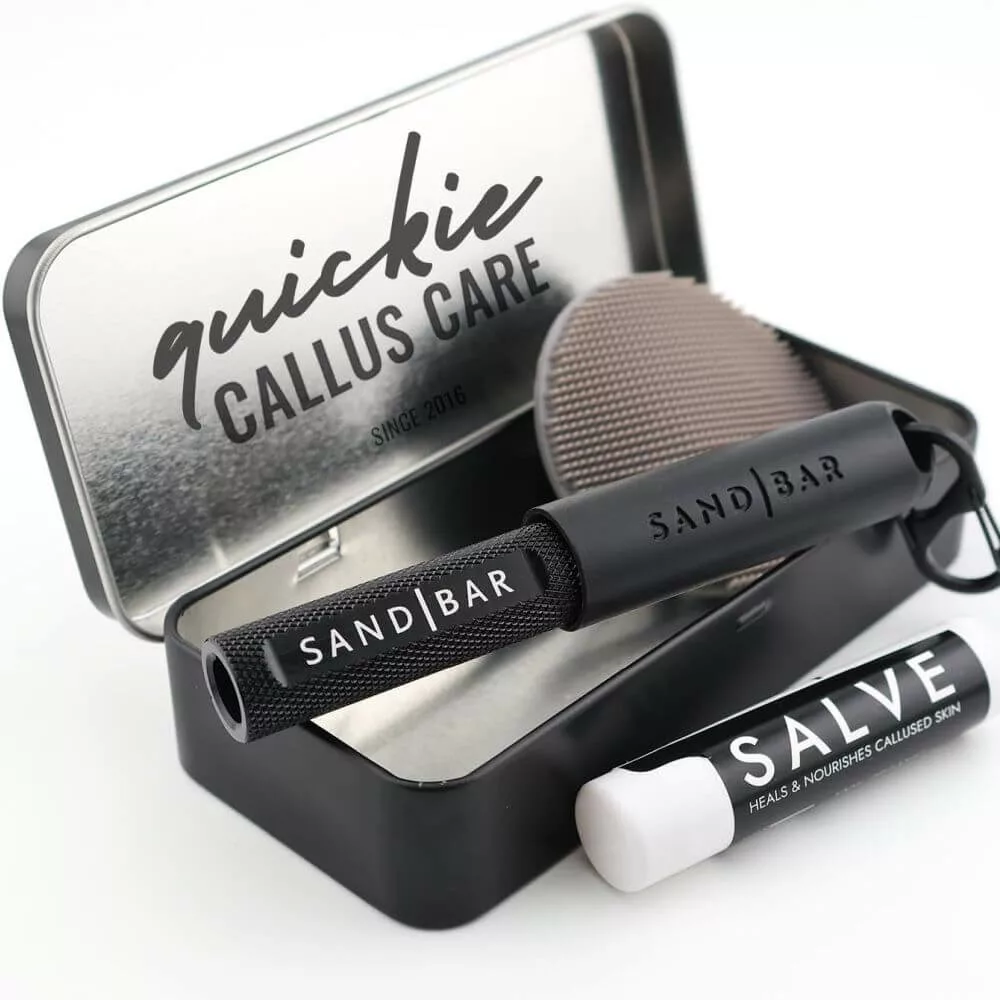
SandBar Callus Remover: Grip-Friendly Hand Care for Lifters
Healthy skin supports more consistent gripping and can make hangboard sessions more manageable. Incorporating finger stretches and mobility exercises into your routine helps maintain flexibility and prevent stiffness after sessions. Simple routines like finger extensions or tendon glides can be very effective. Mobility work can help offset the repetitive tension placed on the fingers and forearms during climbing training.
Pay attention to early warning signs of overtraining, such as lingering soreness or
decreased performance. Recognizing these signs early allows you to make
adjustments to your routine, protecting your long-term climbing health.
Listening to your body and adjusting training volume when needed can help prevent setbacks and improve your grip more sustainably.
Developing Long-Term Finger Strength Safely
Building finger strength is a slow and steady process, and it’s important to focus on gradual progression over chasing rapid gains. Ramping up intensity too quickly can lead to injuries that set back your training. Slow progression usually creates more sustainable improvements in grip strength and tendon resilience.
Balancing hangboard work with actual climbing will help ensure well-rounded development. The skills and techniques gained on the wall complement the raw strength built through hangboarding. Combining climbing movement with finger training often produces more balanced long-term performance gains.
Monitoring your progress is essential, but it’s key not to overstrain your fingers just to measure improvement. Keep track with a log or app, documenting personal bests and incremental achievements as you progress. Tracking smaller milestones can help maintain motivation without forcing unnecessary strain on the fingers.
Consistency, not extremity, is what creates lasting improvements in finger strength. Regular, balanced sessions provide a foundation for sustainable progress.
Well-structured routines generally support safer recovery, stronger grip endurance, and steadier climbing improvement over time. Safe and structured training leads to more effective outcomes, allowing you to enjoy climbing at your best for years to come while safeguarding your fingers’ health.
Thanks for Stopping By!
How’s Your Hangboard Progression So Far?
Share Your Experience Below!





)