(Last Updated on September 4, 2026 by Henry)
Finger pulleys are bands of fibrous tissue holding the tendons close to the bone in your fingers. They’re integral to hand function, particularly by stabilizing tendons when you curl your fingers. If you’ve ever tried hanging by your fingertips or pulling up with all your weight, that’s where these pulleys shine.
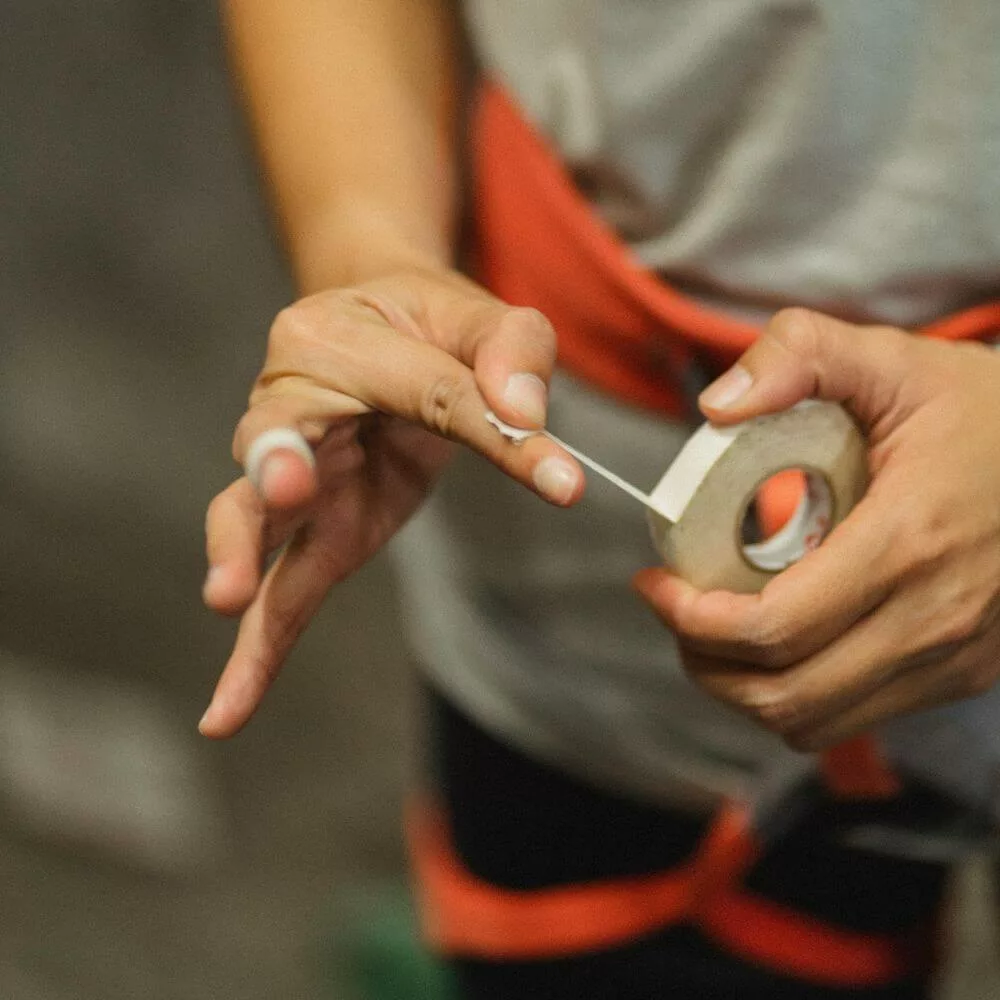
Healthy finger pulleys are essential for maintaining climbing grip strength and finger stability.
Climbers often deal with finger pulley injuries more than other athletes due to the unique stress climbing poses.
Each move that involves small holds or demanding grips places a lot of strain on the pulleys.
Imagine trying to hold onto tiny edges or aggressively crimping holds stone cold: these actions push the pulleys to their limits.
Crimp-heavy climbing styles can place especially high stress on the fingers and connective tissues.
When climbing, the tendons and surrounding tissue undergo massive stress. The mechanical loading from gripping intense holds not only demands strength but also a remarkable degree of resilience. This is what leads to injuries when the demands outpace what your pulleys can handle.
Finger strength gains need to be balanced with proper recovery and gradual adaptation.
Mild strains might not seem serious, but overlooking them can escalate risks. In contrast, serious pulley tears can cause sharp pain, making climbing nearly impossible without significant rehab. Understanding these differences is crucial to maintaining your climbing health.
Early awareness of finger strain can help reduce the risk of more severe climbing injuries.
Being mindful of the warning signs can be a game-changer. Feeling a pop sensation, immediate sharp pain, or lingering soreness after a climb should never be ignored. These signals mean your body is pushing back, asking for a break or some much-needed care.
Common Causes of Finger Pulley Injuries
Sudden loading on small holds and crimps is one of the main culprits behind finger pulley injuries. Climbers frequently encounter surprise challenges on rock faces, and the instinct to grip tightly can put intense pressure on the delicate pulley system. If you find yourself in such situations often, try to pace the pressure and allow your grip to adjust gradually.
Rapid force on small edges can overload finger pulleys before the tissues are ready to handle
the stress. Overtraining often sneaks up on climbers who are gunning for progress.
Repeatedly pushing beyond limits without allowing for proper recovery time makes injuries all too common. Incorporating rest days and actively managing your training load ensures your fingers get time to recuperate and strengthen safely.
Recovery time is essential for maintaining healthy tendons, grip strength, and long-term climbing progress. Skipping a thorough warm-up can be tempting during a climb, but it’s a recipe for disaster. Cold fingers are more susceptible to injury under stress. Developing a routine that warms up your fingers and hands is non-negotiable.
Whether it’s light climbing before moving on to tougher challenges or specific mobility exercises, get your body ready to go. Proper warm-ups help prepare the fingers, forearms, and connective tissues for heavy gripping demands.
Aggressive hangboard training is a fantastic tool for building strength, but starting this too soon or pushing too hard too fast can backfire. There’s risk involved if the fingers haven’t developed enough baseline strength and resilience. Begin with gentler exercises and slowly increase intensity over time to build solid pulleys.
Gradual progression is one of the safest ways to improve finger strength while reducing injury risk.
Toward the end of hard sessions, fatigue can set in, leading to poor technique and form. When tired, both the mind and body are prone to breakdowns that create a higher risk of injury, including finger injuries. Listening to your body and resting when needed helps prevent pushing past safe limits.
Safe Climbing Techniques That Reduce Finger Stress
Using open-hand grips more often during climbs can significantly cut down on finger stress. Compared to crimping, open-hand grips are less demanding on your finger pulleys, helping prevent injuries by distributing force across the fingers more evenly.
Open-hand gripping is often considered one of the safer ways to manage climbing finger stress.
It’s a slight change with big benefits. Avoid excessive crimping whenever you can. While crimping might feel more secure on certain holds, it puts a ton of pressure on your joints and pulleys. Training yourself to resist over-crimping, especially when it’s not necessary, can save you from undue strain and potential injuries.
Reducing unnecessary crimping can help protect connective tissues while preserving grip endurance.
Improving footwork goes a long way in reducing strain on the upper body, including your fingers. Proper foot placements can relieve the upper body and help you climb more efficiently by relying less heavily on your grip.
Efficient footwork often allows climbers to conserve finger strength during longer or more technical routes.
Efficient body positioning on routes doesn’t just make climbing easier; it also reduces injury risk. Using your core effectively and maintaining balance helps you maneuver more smoothly and places less burden on your hands and fingers.
Better body control can reduce sudden loading forces that commonly contribute to pulley injuries. Controlled movement is key in climbing. When each move is planned and deliberate, the risk of overloading your fingers during unpredictable slips or sudden weight shifts decreases.
By embracing controlled, steady movements, you’re giving your body time to react and adapt without unnecessary strain.
Proper Warm-Up and Finger Preparation
Gradually loading your fingers before hitting the climbs is vital. Warming up primes your fingers and tendons for the hard stuff, reducing the risk of injury. Take it slow, let your body come up to speed, and you’ll perform better and safer.
A gradual warm-up helps prepare the fingers, forearms, and connective tissues for intense gripping. Integrating wrist, forearm, and finger mobility exercises into your routine enhances your range of motion and readies your fingers for what’s coming.
A few minutes spent on these exercises can make a world of difference in preventing
strains and sprains. Mobility work can also help reduce stiffness caused by
repetitive climbing and hangboard training.
Start with easy climbing before going to those challenging routes.
This can act as an extended warm-up, giving your fingers time to adapt
without pushing them immediately into overdrive. It’s about easing into
high-intensity efforts rather than diving straight into them.
Progressive intensity usually creates safer training conditions for developing climbing grip strength.
Progressive warm-up strategies for hangboarding ensure you’re not overtaxing your hands too soon. Building up gradually with easier grips before progressing to harder holds lets your tendons adapt safely, minimizing strain and injury potential.
Controlled progression helps reduce sudden stress spikes on the finger pulleys and tendons.
Recognizing when your fingers aren’t up for heavy stress is crucial. If you’re feeling any warnings or discomfort during warm-up, it’s a sign to pause. Knowing when to step back protects not just your climbing day but also your long-term health.
Recovery Strategies for Healthy Finger Tendons
Tendons take their sweet time to recover compared to muscles after an intense session. They’re not as vascular as muscles, meaning blood flow, and thus recovery is slower. So, patience and self-care should take precedence when your tendons have been put to the test.
Tendon recovery is one of the most important parts of long-term climbing finger health.
Rest days aren’t just a break; they’re critical for recovery. Balancing your sessions with adequate rest allows tendons to rebuild stronger. Over-training can keep your fingers in a state of perpetual strain, raising the injury risk bar significantly.
Consistent recovery habits help support grip strength gains while lowering repetitive stress on the fingers.
Sleep, hydration, and nutrition play underrated but pivotal roles in tissue recovery. Getting enough shut-eye, staying well-hydrated, and fueling your body with balanced meals are essentials in supporting the recovery process and prepping for future climbs.
Recovery quality can directly affect climbing performance, finger resilience, and forearm endurance.
It’s crucial to understand the difference between everyday soreness and pain that
might hint at injury. Soreness usually fades, but persistent pain, especially sharp ones
that linger, should be a red flag urging you to take action. Learning to recognize early
warning signs can help prevent more serious pulley injuries later on.
Early intervention is where a little discomfort might prevent a larger issue down the road. Paying attention to what your body is telling you and acting on those signals, even if it means taking a step back, can safeguard against worsening conditions.
Building Long-Term Finger Strength Without Injury
Gradual progression forms the backbone of safe and sustainable training. Pushing too hard, too fast, can lead to injuries that halt progress altogether. Slowly increasing the intensity of your climbing sessions allows tendons to adapt and strengthen without being overworked.
Gradual overload is one of the most reliable ways to build finger strength while reducing pulley injury risk.
Balancing your climbing volume with adequate recovery is key to keeping your fingers healthy. It’s all about listening to your body and finding the sweet spot between challenging yourself and knowing when to take a break to facilitate repair.
Recovery balance plays a major role in maintaining long-term climbing performance and grip resilience.
Tracking your workload is a smart move to avoid overuse injuries. Monitoring how much stress you’re putting on your fingers through different climbing exercises and ensuring you’re not overdoing it helps maintain a healthy, sustainable climbing practice.
Workload tracking can help climbers identify patterns that lead to fatigue or plateauing.
Patience might not come naturally when eager to hit climbing goals, but it’s crucial for tendon adaptation. Allowing time for your fingers to build resilience translates to longevity in climbing without the setbacks caused by injury.
Tendon adaptation is slow, but consistent training builds stronger and more durable grip strength over time.
Developing durable fingers should be every climber’s aim for long-term progress. This involves reinforcing strength gradually and avoiding shortcuts. A strong foundation not only boosts performance but also ensures that your climbing journey is without disruptions.
Sustainable finger strength development is built through consistency, recovery, and controlled progression over time.
Thanks for Stopping By!
Which Methods Do You Prefer for Hand Rehab?
Share Your Thoughts Below!