(Last Updated on May 30, 2026 by Henry)
Training plateaus in climbing can feel like a daunting wall you’re unable to scale, no matter how hard you push. Recognizing what these plateaus look like is the first step in overcoming them. Often, it manifests as stalled progress despite consistent effort, leaving climbers frustrated and puzzled.
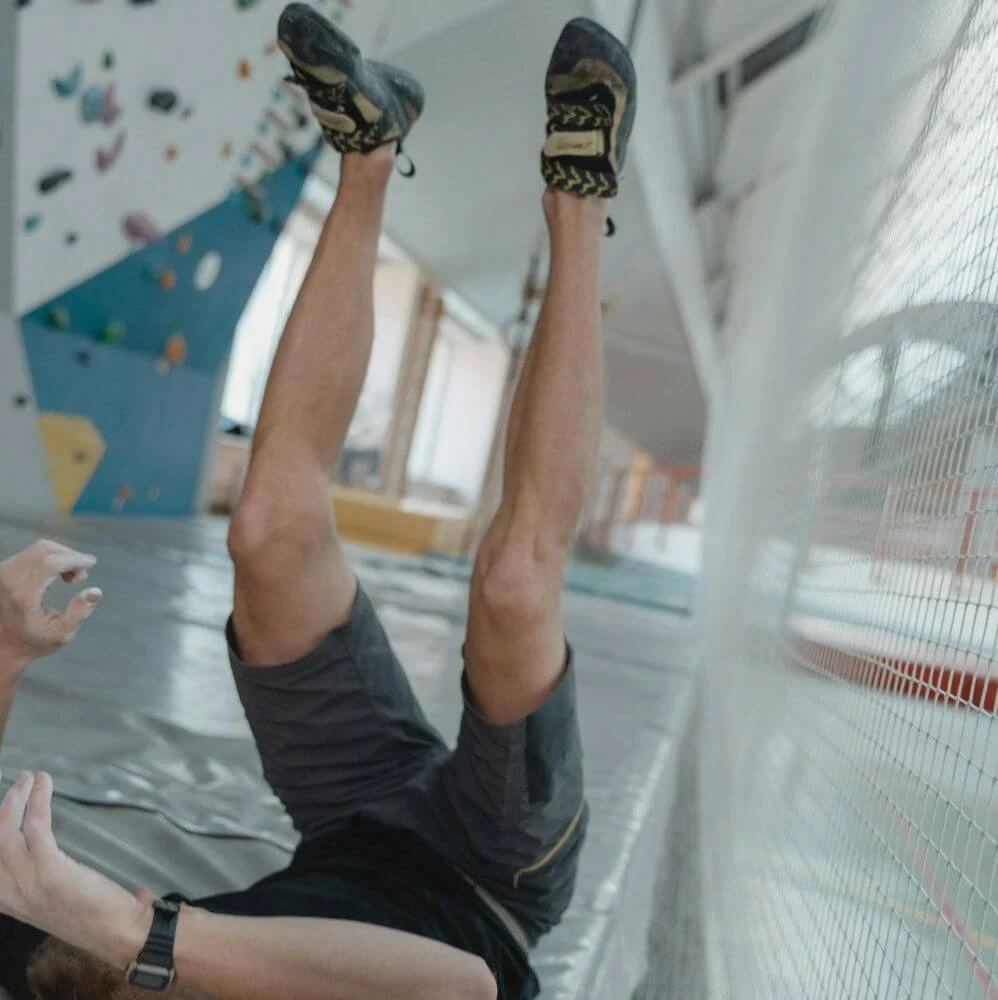
Finger strength plateaus are very common in climbing, especially as training experience increases.
Finger strength progress tends to slow with experience.
Early in your climbing journey, gains come quickly due to the body adapting to new stimuli, often referred to as ‘newbie gains.’
However, as you’re becoming more advanced, this rapid progress naturally decelerates. Your body gets used to your routines, and the same exercises yield diminishing returns.
As climbing ability improves, continued grip strength gains usually require more targeted and varied training approaches.
One common factor in reaching a plateau is repetitive training without variation. If you stick to identical routines for too long, your muscles and tendons won’t receive the stimulus they need to grow stronger. Just like any muscle, without the challenge of new demands, finger strength won’t improve beyond a certain point.
Changing grip types, climbing styles, or training intensity can often help reintroduce useful adaptation. Recovery, fatigue, and accumulated stress contribute significantly to these plateaus. Your fingers and muscles need time to recover after intense sessions. Ignoring this crucial aspect leads to overtraining, which not only stalls progress but also increases the risk of injuries.
Recovery quality can directly affect grip endurance, finger resilience, and long-term climbing progress.
While the challenges increase as you advance, the key lies in adapting your training strategies to your climbing level. By identifying what causes your progress to stall, you can tweak your approach, making adjustments to both your physical routines and recovery strategies.
Setbacks are a natural part of any athletic endeavor, but with the right mindset and tactics, they’re only temporary.
Common Mistakes Leading to Stalled Finger Strength
Many climbers unknowingly encounter barriers by sticking to the same hangboard routine excessively. While routines establish discipline, using the same set of exercises for too long can become counterproductive. Your body grows accustomed to this predictability, and progress plateaus.
Changing training variables periodically can help create new grip strength adaptations over time.
Training at maximum intensity too often is another common error. Pushing consistently at higher intensities without adequate rest can lead to fatigue, making your sessions less productive over time. Striking a balance between high and moderate intensity workouts helps in maintaining progressive gains. Balanced training intensity usually supports better recovery and steadier finger strength development.
Recovery often gets overlooked in the quest for stronger fingers. The health of your tendons is crucial for finger strength, and neglecting it can hinder progress significantly. Including exercises like eccentrics that specifically target tendon health can be beneficial.
Healthy tendons are essential for maintaining long-term climbing grip strength and resilience.
Another mistake is putting too much focus solely on finger strength, neglecting overall technique and movement skills. Strong fingers are vital, but without the right technique, climbing remains inefficient. Improving technique can sometimes lead to greater progress than pure strength training alone.
Efficient movement can reduce unnecessary strain on the fingers and improve climbing endurance.
Lastly, poor management of lifestyle factors like sleep, nutrition, and overall workload can add unnecessary stress. These elements are the foundation of any athletic endeavor and directly influence recovery and performance.
Keep an eye on these factors and aim for a balanced approach to maintain long-term progress. Recovery quality, nutrition, and overall stress management all play important roles in improving your grip sustainably.
Breaking Through Finger Strength Plateaus Effectively
One way climbers break out of stagnation is through the principle of progressive overload. This means gradually increasing the difficulty of your training.
It can be as simple as adding a few seconds to your hang time or incorporating new holds
every few weeks. Small training adjustments can help create new finger strength
and grip endurance adaptations.
Adjusting the intensity and volume of your workouts can also be key. For instance, if your current routine is not yielding the desired results, trying different hold types or varying your grip can challenge your fingers in new ways, promoting growth.
Varying grip positions and hold styles often helps prevent repetitive training plateaus.
Incorporating deload weeks and recovery cycles into your training schedule is another strategy. These periods of reduced intensity or rest allow your body to heal, preventing overtraining and fostering stronger fingers.
Planned recovery phases can improve long-term climbing performance while reducing accumulated fatigue.
Tracking your performance over time helps identify patterns or areas of stagnation. By monitoring your progress, you become more aware of what’s working and what isn’t, allowing for informed adjustments. Progress tracking can reveal subtle improvements in grip strength that might otherwise go unnoticed.
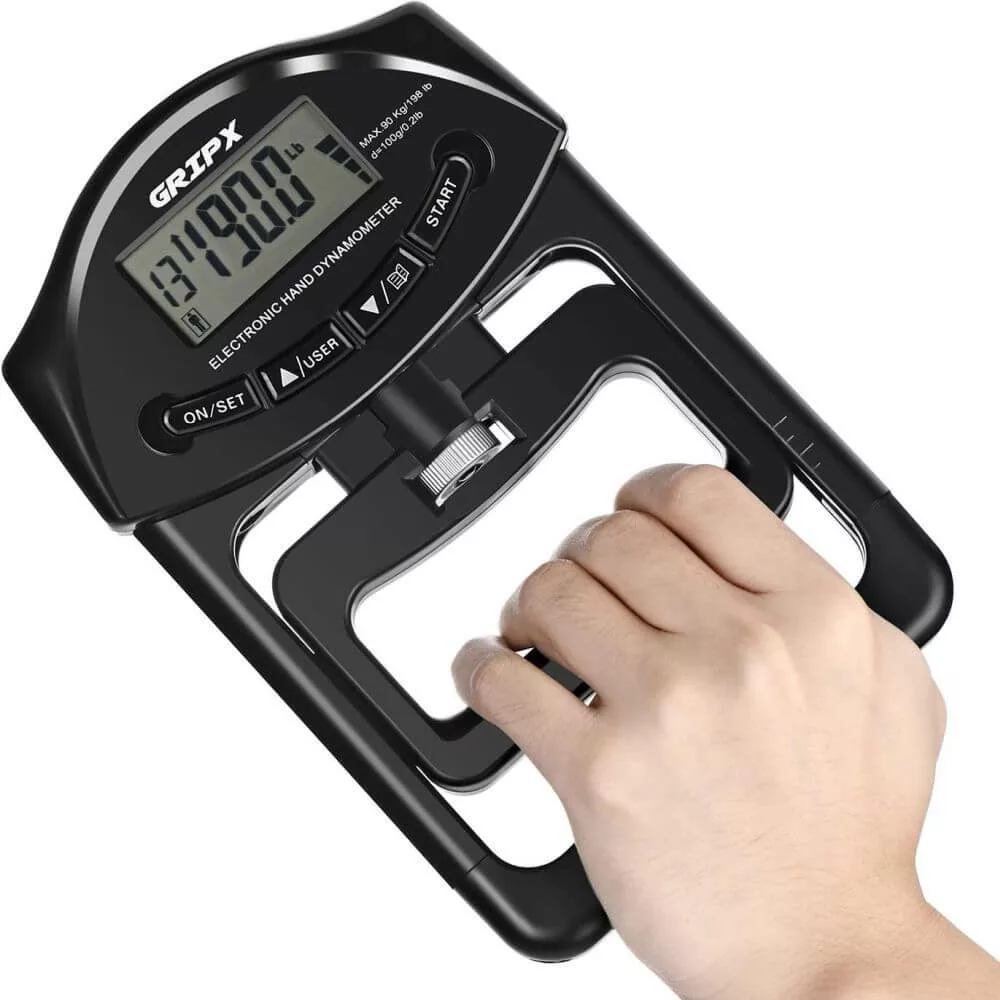
The Best Grip Dynamometer for Home, Sports, & Clinical Use?
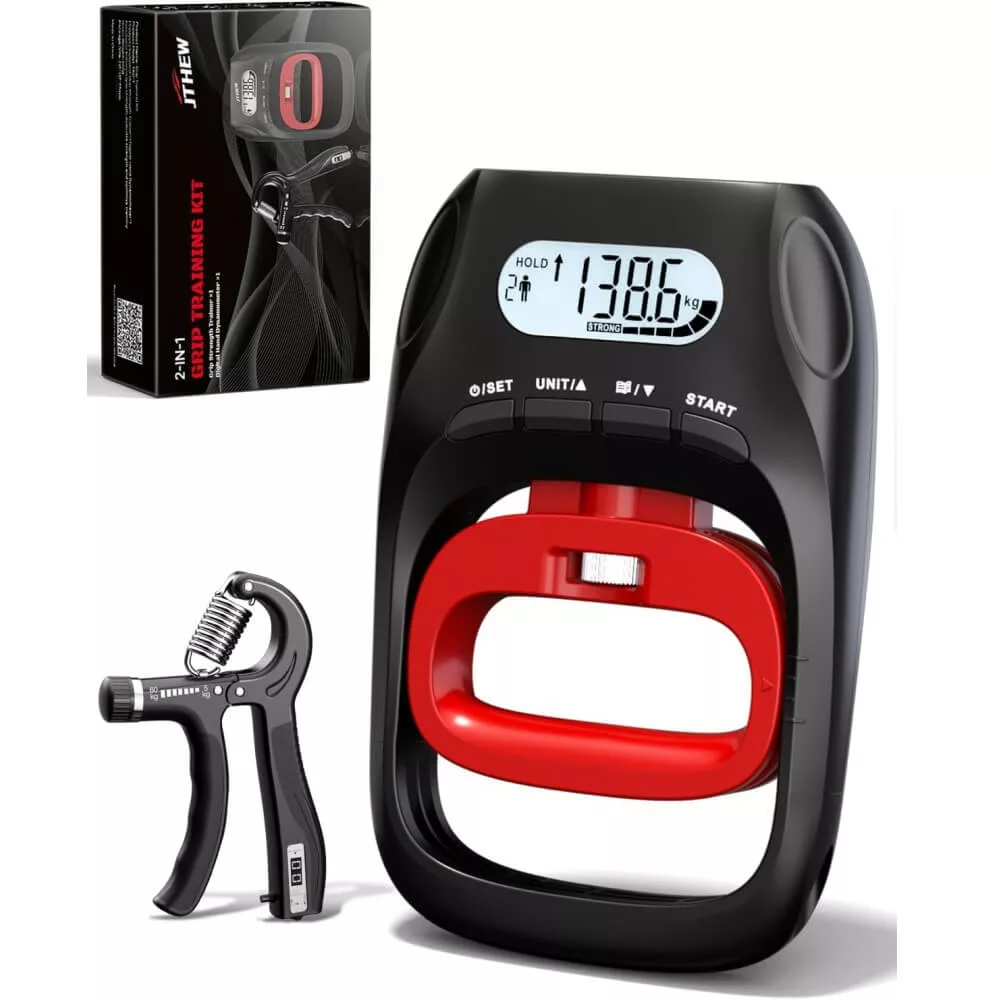
Don’t Guess: Use Grip Dynamometer for Accurate Progress Tracking
Lastly, embracing the idea that small, consistent improvements matter impacts your long-term success. Focusing on minor gains, rather than dramatic changes, builds a stronger foundation and helps maintain motivation.
Steady progress and consistent training habits usually produce more sustainable climbing improvements over time.
Why Climbing Technique is Crucial for Finger Strength
Improving your climbing technique can significantly ease the strain on your fingers. Efficient movement reduces reliance on brute finger strength alone, conserving energy during climbs. This approach helps in both endurance and skill development.
Better movement efficiency often reduces unnecessary grip fatigue and helps preserve finger strength on longer climbs.
Focusing on better footwork and body positioning can transform your climbing experience. By redistributing your weight more effectively, you can take some pressure off your fingers, allowing you to climb more smoothly and confidently.
Using the feet and core more effectively often means the hands do less unnecessary work.
Learning to grip holds more efficiently is another often overlooked aspect. Developing an understanding of when to relax your grip and when to hold firm prevents unnecessary muscle fatigue, contributing to longer and more productive climbing sessions.
Overgripping can accelerate fatigue and lead to poor performance. Climbers often subconsciously squeeze holds too tightly as a reaction to fear of slipping. Learning to use only the amount of grip pressure needed can improve endurance and reduce excess strain on the fingers.
Training yourself to grip only as hard as necessary can help conserve energy and lessen wear on your fingers. Combining technical climbing with structured strength training balances your development. While strength allows you to conquer challenging routes, technique ensures you’re doing it efficiently and safely, maximizing your potential.
Balanced progress usually comes from combining climbing skill, grip strength, and efficient movement rather than relying on finger power alone.
Optimizing Recovery for Continued Finger Strength Progress
Understanding the differences between tendon and muscle recovery is crucial for maintaining finger health. Tendons take longer to heal compared to muscles, so allowing them ample time to recover post-training session is essential for avoiding injuries.
Tendon recovery is a major part of long-term climbing grip strength development.
Getting proper sleep and ensuring good nutrition contribute significantly to the recovery
process, especially for connective tissue. Consuming a balanced diet rich in proteins
and other nutrients aids in tissue repair and strengthens your fingers over time.
Recovery quality can directly influence finger resilience, grip endurance, and climbing consistency.
Managing the health of your skin, addressing forearm fatigue, and recognizing early signs of overuse symptoms are important parts of a climber’s routine. Keeping an eye on these factors helps maintain long-term sustainability in training.
Healthy skin, balanced workload, and early injury awareness all support safer climbing progression.
Incorporating active recovery and mobility work into your routine aids in loosening tight muscles and improving overall flexibility. Light exercises, stretches, and yoga can be excellent ways to stay active while giving your body a chance to recover.
Recognizing when rest can be more productive than additional training is a
game-changer. Sometimes, taking a step back and allowing for complete
rest days can spark greater improvement than pushing through,
enabling you to return stronger and more focused.
Mobility work can help reduce stiffness caused by repetitive gripping and climbing stress. Strategic recovery periods often help climbers overcome plateaus more effectively than constantly increasing training intensity.
Developing Long-Term Finger Strength Sustainably
Setting realistic expectations is key for climbers aiming for sustained progress. Rather than seeking quick fixes, aim for gradual improvements that reflect your climbing level and personal goals.
Long-term grip strength development usually happens through steady and consistent training habits.
Avoiding injury while pursuing stronger fingers is crucial. This means listening to your body and adjusting your training intensity and frequency accordingly. Paying attention to warning signs like pain or discomfort can prevent setbacks.
Recognizing recovery limits early can help protect finger health and climbing longevity. Balancing climbing performance with structured training helps maintain overall health. Engaging in cross-training or complementary exercises can support climbing ability while fostering a well-rounded athletic profile.
Balanced training often improves overall endurance, movement quality, and recovery capacity. Consistency in training beats extreme approaches in the long run. Regular, planned sessions create a steady path to strength gains that are both achievable and sustainable.
Moderate, repeatable progress is often more effective than short bursts of excessive training intensity.
Adopting a long-term mindset for climbing improvement fosters continuous growth. Patience and perseverance will see you through challenging phases, resulting in lasting, rewarding progress. Strong fingers, healthy recovery habits, and efficient climbing technique all contribute to sustainable improvement over time.
Thanks for Stopping By!
How Do You Optimize Your Grip Recovery?
Share Your Experience Below!