(Last Updated on October 10, 2026 by Henry)
- Name: GRIPX Digital Dynamometer
- Category: Forearm Strength Training
- Purpose: Grip strength progress tracking
- Rating: 4.4 out of 5 stars (2,994 reviews)
- Availability: Amazon (Prime Delivery)
- High-Precision Digital Sensor: Measures up to 90kg accurately
- Adjustable Ergonomic Handle: Fits all hand sizes comfortably
- Memory & Progress Tracking: Stores results for comparison

Not Sure What Device to Choose for Grip Injury Rehab?
Here’s My Guide to Recovery Tools for Grip Training.
✋ Overview: GRIPX Digital Dynamometer
Lightweight Precision Tool With Instant Feedback
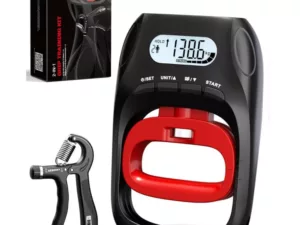
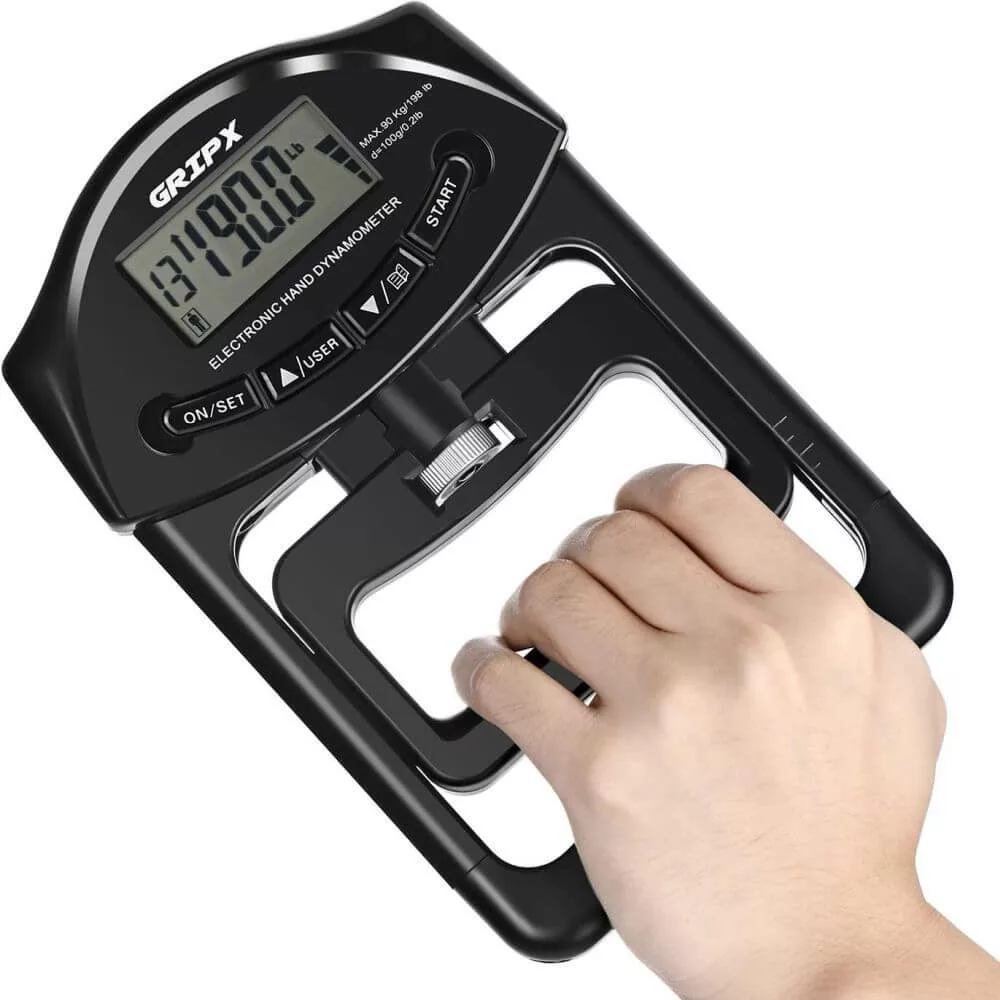
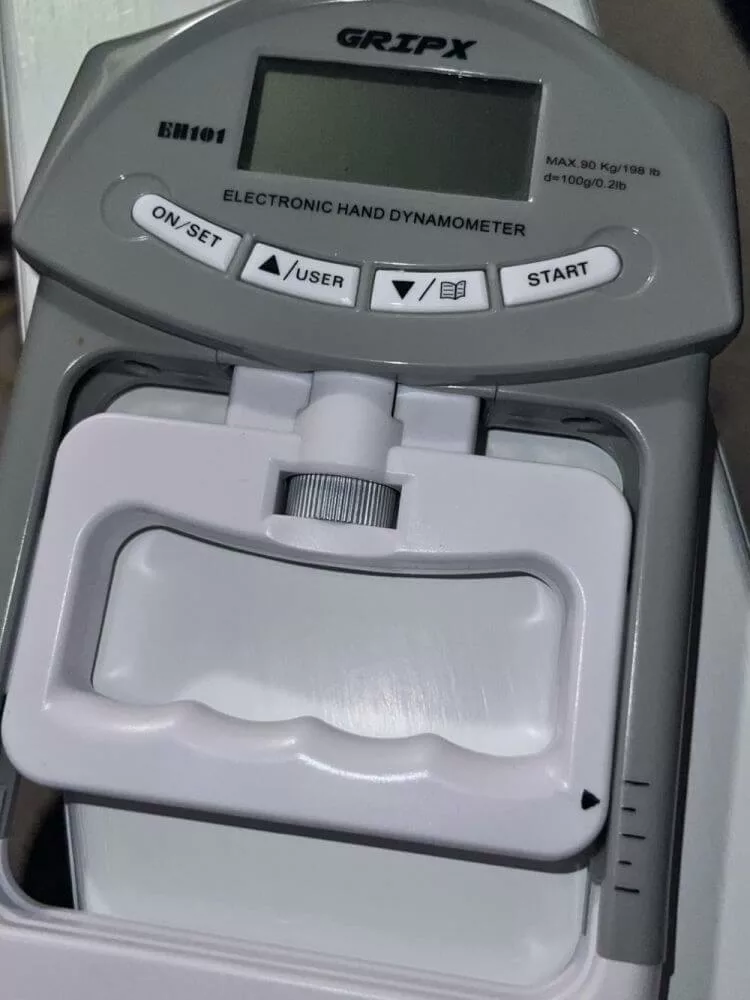
When I first picked up the GRIPX dynamometer, it felt surprisingly light, almost deceptively simple for something designed to measure grip strength so precisely. At just 0.1 kg, it’s not built to challenge your grip like a trainer would, but instead to reveal exactly how strong your grip actually is. And honestly, that’s where it becomes powerful.
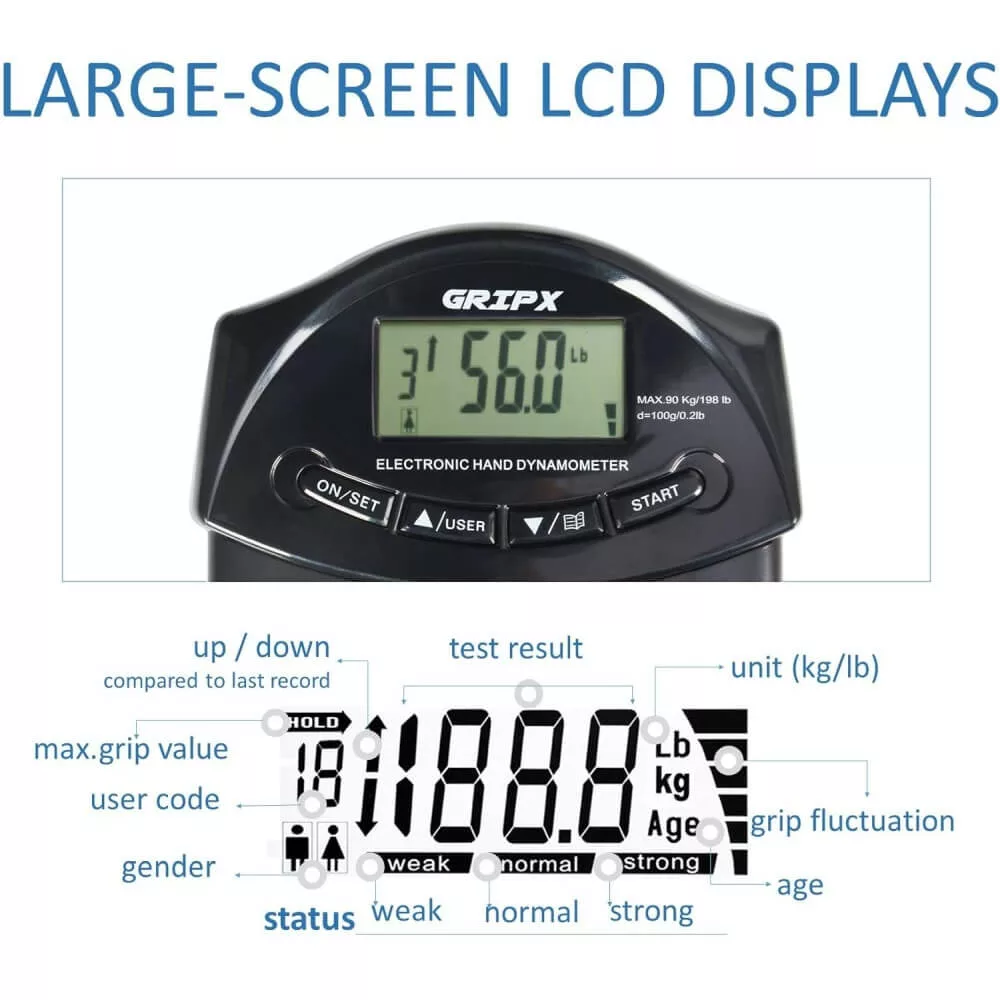
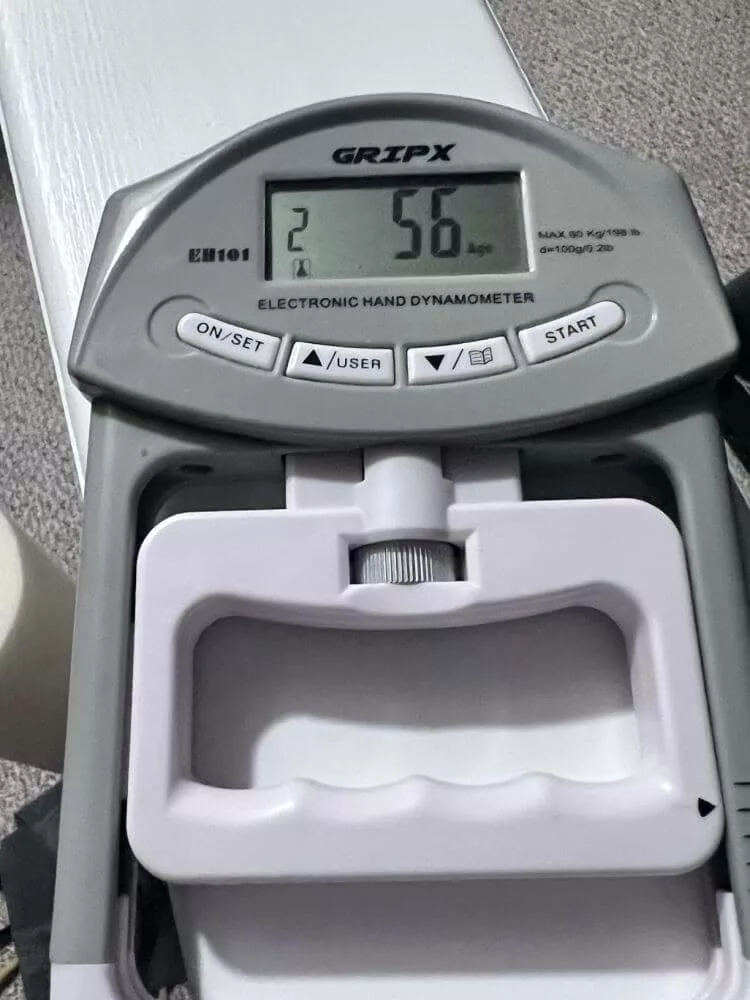
The first time I squeezed it, I immediately saw a number pop up on the screen, a clear, objective measurement of my grip strength. That alone changed how I approached training. Instead of guessing whether I was improving, I now had real data. If you’re serious about improving your grip, forearm strength, or wrist stability, having measurable feedback like this is a game-changer.
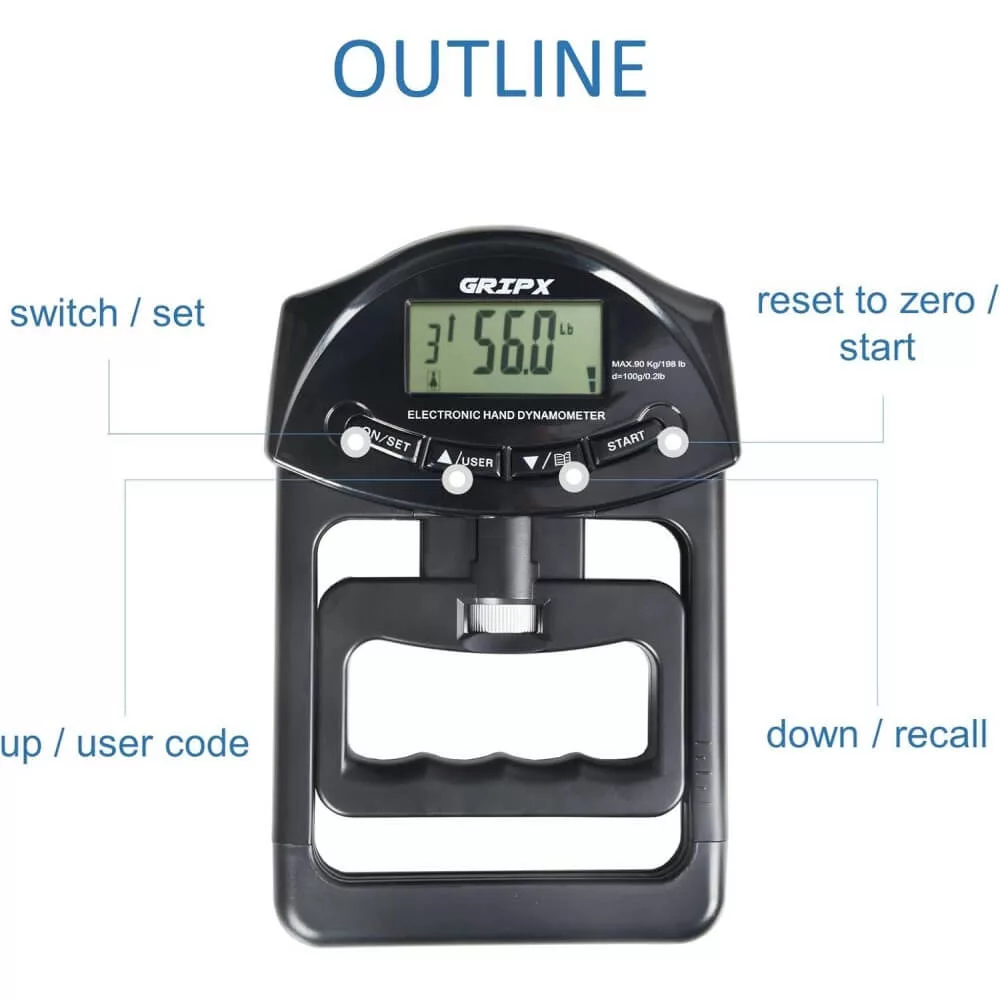
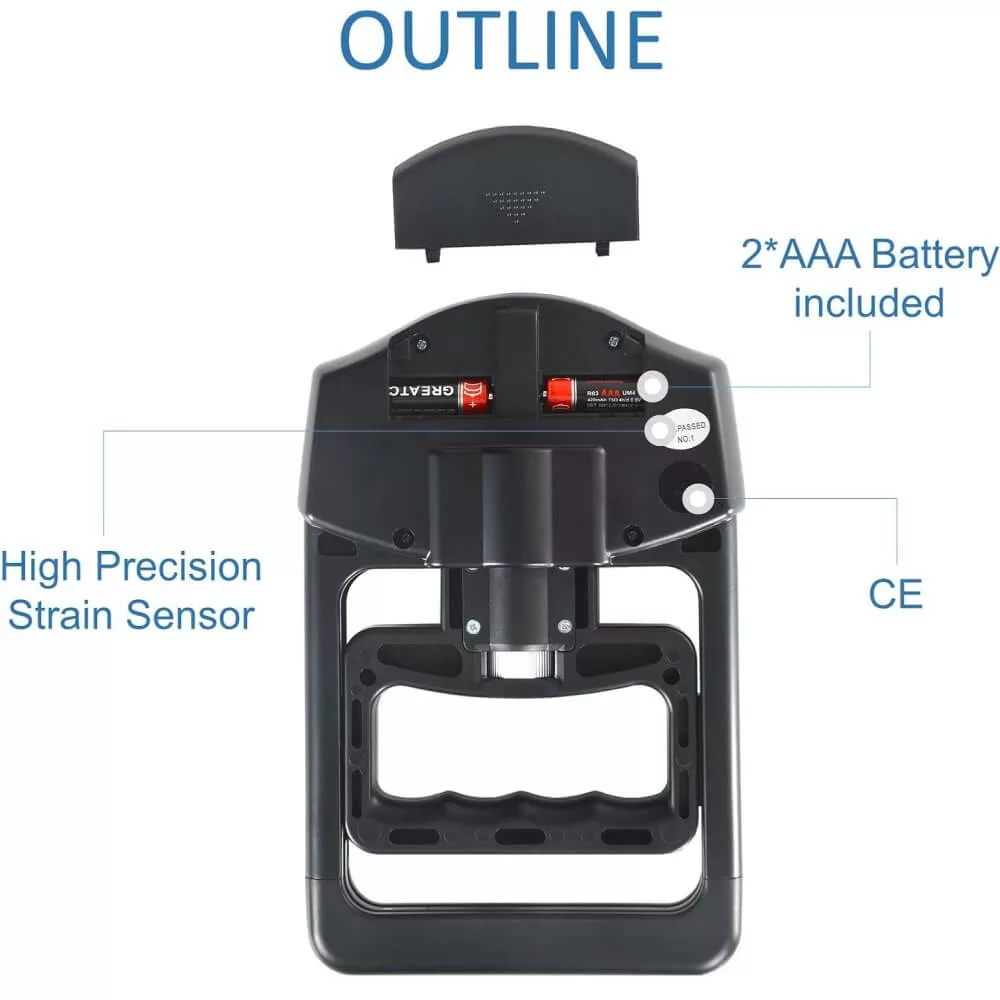
The adjustable handle fits comfortably in the hand, and setup takes seconds. It runs on simple AAA batteries, so there’s no complicated setup. I also liked the auto-capture feature, you can focus fully on squeezing without worrying about timing the result. It’s compact enough to keep on a desk, and I found myself testing my grip multiple times a day just out of curiosity.
⚖️ Pros & Cons: GRIPX Digital Dynamometer
Accurate Measurement With Simple Everyday Use
- Highly accurate grip strength readings with a strain gauge sensor: Highly accurate grip strength readings with a strain gauge sensor
- Tracks progress over time with memory function: Tracks progress over time with memory function
- Adjustable handle suits all hand sizes: Adjustable handle suits all hand sizes
- Lightweight and portable for daily use: Lightweight and portable for daily use
- Instant feedback encourages consistent training: Instant feedback encourages consistent training
- Plastic build feels less premium than metal tools: Plastic build feels less premium than metal tools
- Grip area could be slightly more comfortable: Grip area could be slightly more comfortable
- Occasional reports of auto shut-off issues: Occasional reports of auto shut-off issues
Still deciding?
Compare it With Other, Similar Grip Dynamometers.
GRIPX Digital Dynamometer: Ranking 90 out of 100
Data-driven tracking for consistent grip progress
🎯 Who Should Use GRIPX Digital Dynamometer?
Perfect For Tracking Strength And Recovery Progress
- Strength athletes tracking grip development: Strength athletes tracking grip development
- Rehabilitation users monitoring recovery progress: Rehabilitation users monitoring recovery progress
- Seniors maintaining hand strength and mobility: Seniors maintaining hand strength and mobility
- Office workers improving hand and wrist function: Office workers improving hand and wrist function
My Rating Summary
- Build Quality: 8.8 / 10
- Ease of Use: 9.6 / 10
- Comfort: 9.0 / 10
- Resistance Variety: 8.5 / 10
- Value for Money: 9.4 / 10
Technical Details
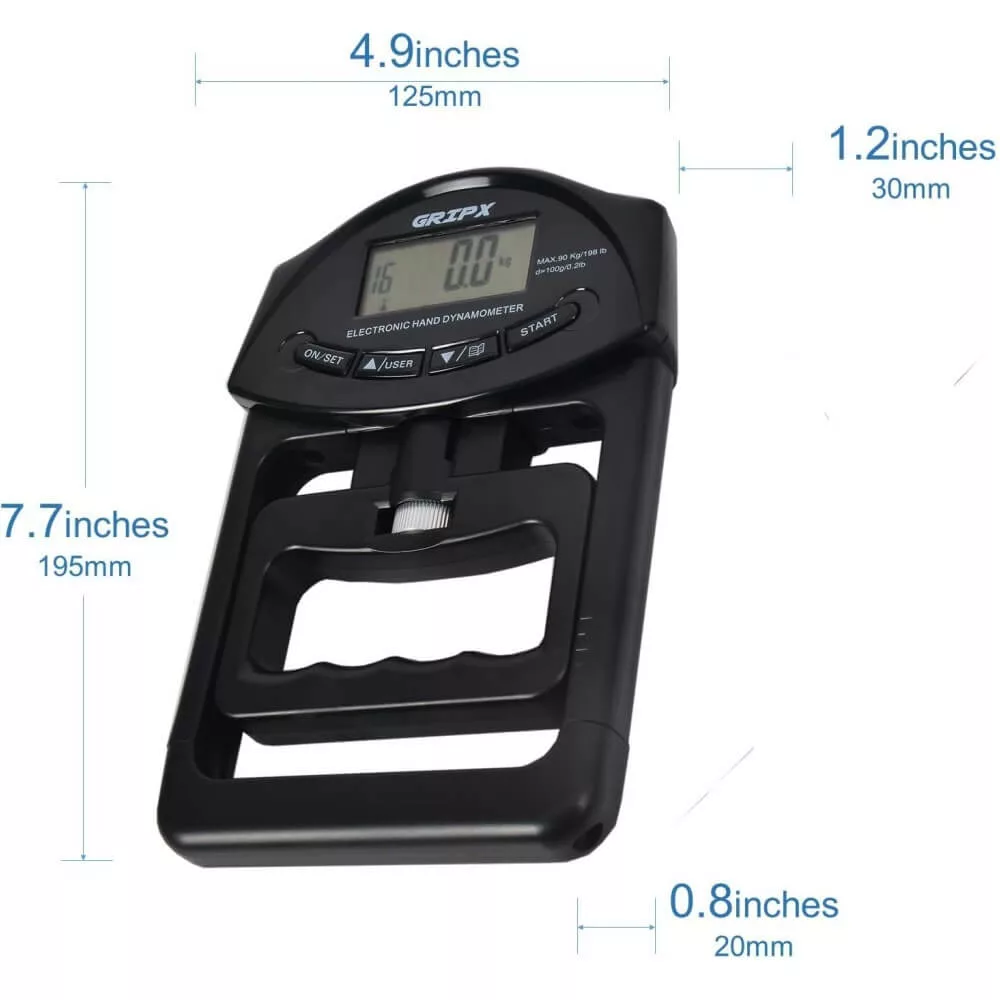
- Weight: 0.1 kg
- Dimensions: 19.6 cm × 12.4 cm
- Material: Plastic
- Use case: Grip strength measurement, rehab tracking, performance monitoring
- Resistance Range / Max Load: Up to 198 lbs / 90 kg
- Power: 2 × AAA batteries (included)
- Manufacturer: GRIPX
- Warranty: 5 Years
💪 Benefits: Why This Hand Dynamometer Stands Out
Objective Grip Strength Tracking And Motivation
What makes this device stand out is its ability to turn grip training into something measurable and structured. Instead of relying on feel, users can track exact strength levels and monitor improvement over time. That’s crucial for anyone serious about building forearm strength or recovering from injury.
The built-in classification system (weak, normal, strong) provides immediate context, which is especially useful for beginners or rehabilitation users. It also encourages consistency. When you can see your numbers improve, you’re far more likely to stick to your training routine.
From a scientific standpoint, grip strength is often used as an indicator of overall muscular health and even longevity. This device allows you to monitor that metric easily at home. Over time, it helps build awareness, consistency, and measurable progression in your grip training journey.
This Device Targets Crushing Grip:
One of the 5 Primary Hand Movements.
🧠 Performance & Feel During Training
Consistent Readings With Immediate Feedback Loop
Using this dynamometer during training sessions feels more like testing than exercising, but that’s exactly the point. Each squeeze delivers a precise reading, allowing you to assess your maximum grip output in real time. The strain gauge sensor responds quickly and consistently, which builds confidence in the numbers you see.
What stood out most to me was how repeatable the results felt. When I tested multiple times under the same conditions, the readings stayed consistent. That reliability is essential if you’re tracking progress over weeks or months. The auto-capture feature ensures you always get your peak effort without needing to watch the screen mid-squeeze.
Over time, this creates a feedback loop. You train, you test, and you adjust. That loop is what drives real improvement in grip strength and forearm performance.

🏥 Rehabilitation & Injury Prevention Potential
Essential Tool For Recovery And Strength Monitoring
This is where the GRIPX dynamometer really shines. For rehabilitation, having a measurable way to track grip strength is incredibly valuable. Whether recovering from surgery, tendonitis, or general weakness, being able to see small improvements provides both motivation and guidance.
It allows controlled testing without overexertion. Instead of pushing blindly, users can monitor progress and avoid setbacks. Physical therapists often use similar tools in clinical settings, and this brings that capability into the home.
It’s also useful for injury prevention. By tracking grip strength regularly, you can identify drops in performance that may signal fatigue or overtraining. That awareness helps reduce the risk of strain or long-term joint issues.
🏠 Everyday Usability & Practicality
Portable Daily Tool For Habit Building
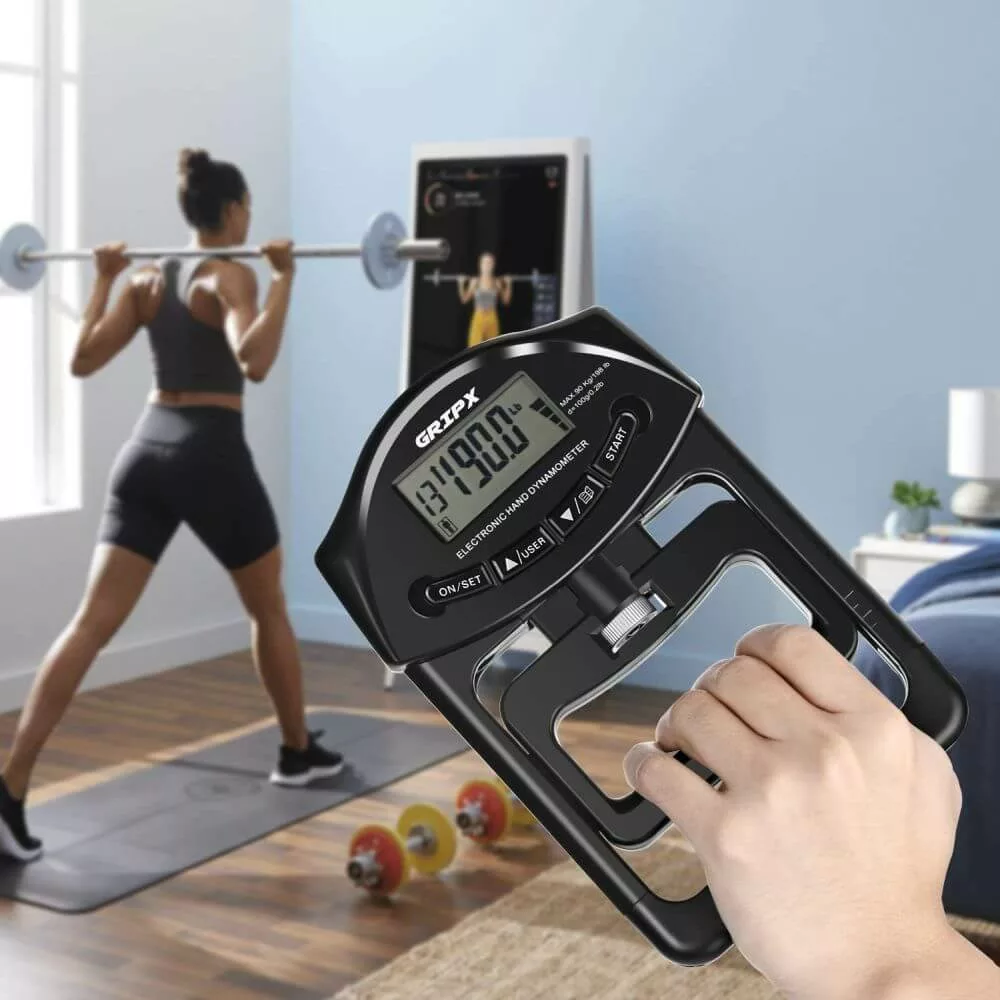
This is one of the easiest tools to integrate into daily life. It’s small enough to sit on your desk, and because it takes just seconds to use, it naturally becomes part of your routine. I found myself testing my grip in between work tasks, almost like a quick check-in on my progress.
There’s no noise, no setup, and no maintenance beyond changing batteries occasionally. The lightweight design makes it ideal for travel or office use. It’s also a surprisingly engaging tool; once you start tracking numbers, it becomes a habit.
For anyone trying to stay consistent with grip training, this kind of accessibility makes a big difference. It removes friction and keeps you focused on long-term improvement.
✅ Final Verdict: Is GRIPX Digital Dynamometer Worth It?
Data-Driven Tool For Serious Grip Progress
After using the GRIPX dynamometer regularly, I can say it completely changes how you approach grip training. It doesn’t build strength directly, but it gives you the data you need to build strength intelligently. And that’s arguably even more important.
If you’re serious about improving your grip, forearm endurance, or wrist stability, having measurable feedback is a huge advantage. It keeps you accountable, motivated, and consistent.
It’s not perfect; the plastic build could feel more premium, but in terms of functionality and value, it delivers exactly what you need. For athletes, rehab users, or anyone who wants to track real progress, I absolutely recommend it.
Thanks for Stopping By!
Have You Used a Digital Hand Dynamometer Before?
Share Your Thoughts Below!
Looking for Insights into Grip Rehab? Find a Solution in My Hand Recovery Guide.
Or, Check Out the Grip Training FAQ for Quick Answers.