(Last Updated on May 30, 2026 by Henry)
Strong forearms and a powerful grip aren’t just for athletes or gym enthusiasts: they’re essential for anyone who wants to improve grip strength and perform better in everyday life. From carrying groceries to opening stubborn jars, your grip plays a constant role in how efficiently you move and handle objects.
If your goal is to improve your grip, building forearm strength is where it all begins.
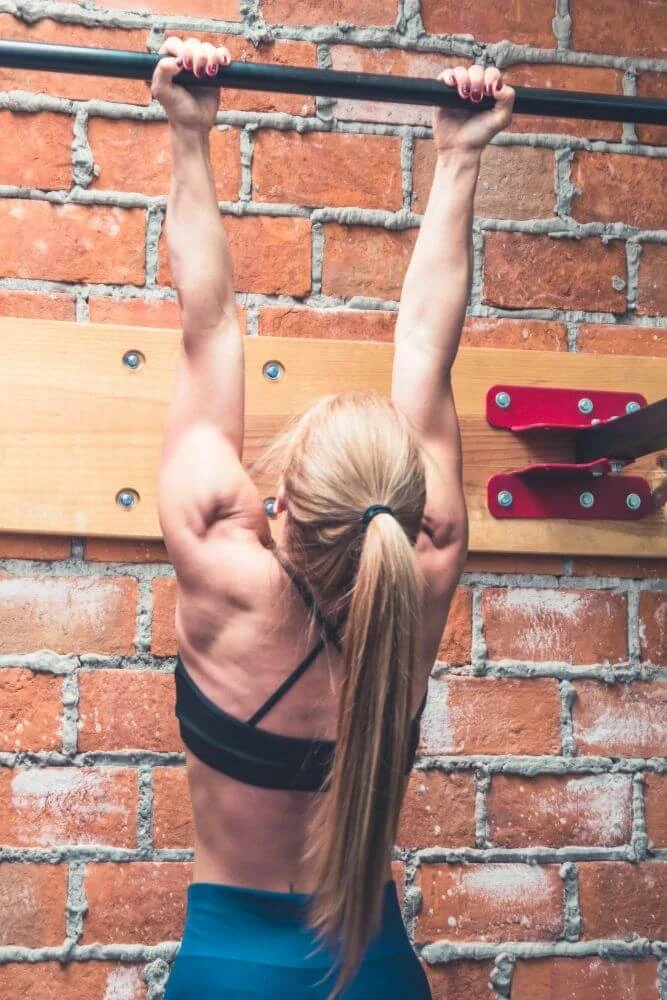
A stronger grip makes everyday tasks easier and training more effective.
In a fitness context, a firm grip can significantly enhance performance in exercises like deadlifts, pull-ups, and rows.
When your grip is the limiting factor, your larger muscles can’t reach their full potential.
Improving your grip removes that weak link, allowing you to lift more, train harder, and reduce the risk of injury.
Better grip strength often leads to better overall strength.
There are plenty of misconceptions around forearm and grip training.
One of the most common is that simply lifting heavier weights is the only way to build grip strength.
While resistance training helps, true grip development comes from targeted exercises, proper muscle engagement, and a balanced approach that includes endurance, control, and recovery.
Grip strength is built with strategy, not just heavier weights.
The benefits of strong forearms extend well beyond the gym. They help stabilize the wrists and elbows, reducing the risk of common overuse injuries. Whether you’re playing racket sports, climbing, or working with your hands daily, a well-developed grip improves both performance and durability.
Stronger forearms support stronger, safer movement.
Proper form is critical when performing beginner grip exercises. Poor technique can lead to unnecessary strain and slow down progress. Focusing on controlled movements, proper positioning, and gradual progression ensures you build strength safely and effectively from the start.
Good form is the foundation of long-term grip strength progress.
Understanding Forearm Anatomy to Improve Grip Strength
The forearm is a complex and highly functional part of the body, playing a central role in how you move, lift, and ultimately improve your grip. Understanding how it works gives you a major advantage when starting forearm and grip strength exercises as a beginner.
To build real grip strength, you need to understand the muscles behind it.
Grip strength starts with how your forearm muscles work together.
At the core of forearm function are two primary muscle groups: the flexors and the extensors. The flexors, located on the inner side of your forearm, are responsible for bending your wrist and fingers. These muscles are heavily involved in actions like squeezing a hand gripper, holding weights, or carrying objects.
Flexor strength is key for building a stronger, more powerful grip.
On the opposite side, the extensors sit along the outer forearm. These muscles allow you to extend your wrist and fingers, playing a crucial role in releasing grip and maintaining balance between muscle groups. While often overlooked, strengthening extensors is essential for preventing imbalances and reducing injury risk.
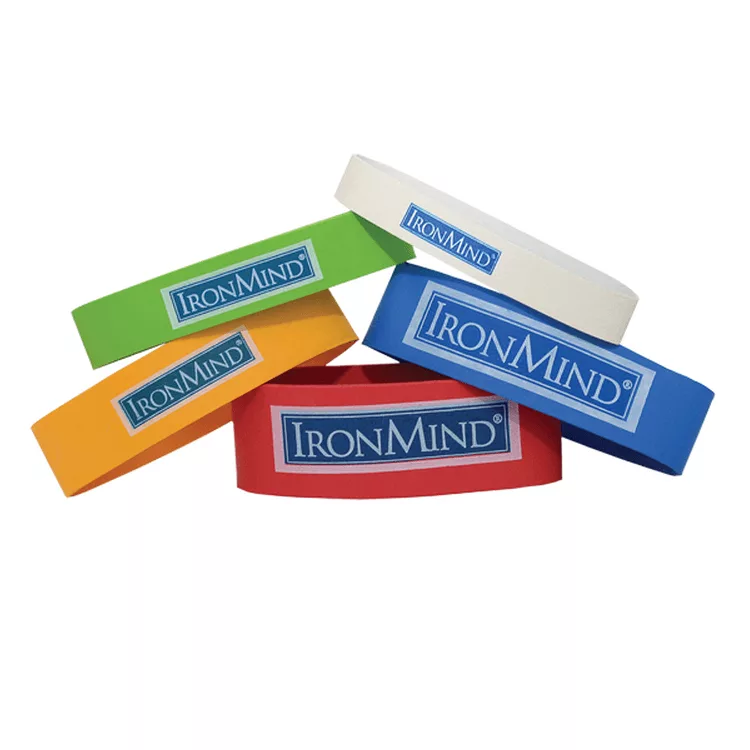
Why are Handbands Staple to Build Hand Muscle Balance?
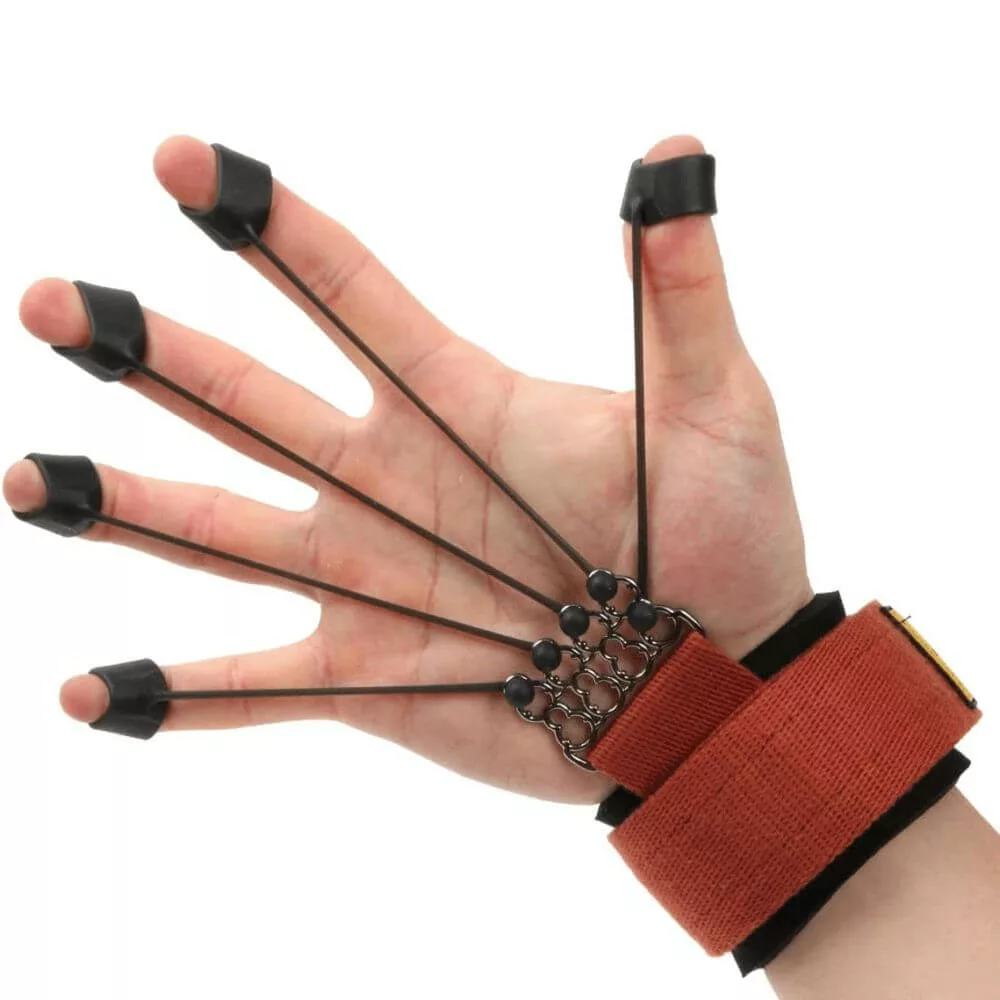
Fancy Finger Exerciser to Build Functional Grip Strength
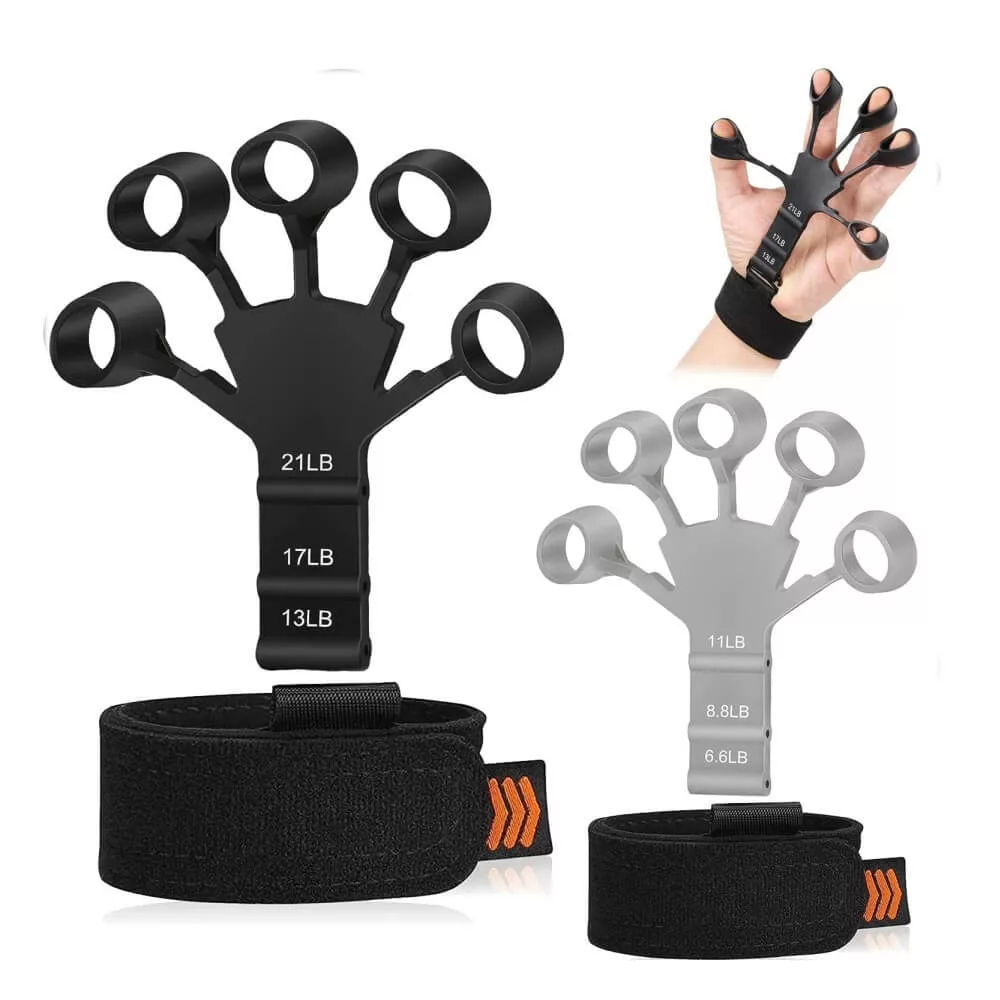
Fun & Affordable Way to Rehab Weak Hands
Balanced forearm training leads to safer and stronger grip development.
Beyond muscles, tendons and nerves are equally important. Tendons connect your forearm muscles to the bones in your hands and wrists, enabling movement and force transfer. Nerves act as communication pathways between your brain and muscles, controlling precision, coordination, and grip control.
Grip strength is not just about muscles; it’s also about coordination and control.
Understanding how these elements work together allows you to train smarter. Strengthening the flexors improves your ability to hold and carry, while training the extensors supports joint health and long-term progress. For beginners, this balanced approach is one of the most effective ways to improve your grip safely.
Training both sides of the forearm builds stronger, more resilient hands.
Using a visual reference, like a forearm anatomy diagram, can make this even clearer. It helps connect each grip exercise to the muscles it targets, making your training more intentional and effective from the start.
Beginner’s Guide to Building Grip Strength Safely and Effectively
Getting started with forearm strength training doesn’t have to feel complicated. With the right tools and a clear approach, beginners can quickly build a routine that helps improve grip strength safely and effectively.
The right setup makes improving your grip much easier from day one.
Start by choosing simple, beginner-friendly equipment. Dumbbells, resistance bands, and basic grip trainers are all excellent options for building forearm strength. These tools allow you to target different aspects of grip, strength, endurance, and control, without overwhelming your routine.
Simple tools can deliver powerful grip strength results.
A proper warm-up is essential before any grip workout. Preparing your wrists and forearms helps reduce injury risk and improves performance. Movements like wrist circles, light squeezes, and arm rotations increase blood flow and get your muscles ready for training.

Gyro Ball is Amazing For Grip Training Warm-Up & Hand Rehab
A good warm-up sets the foundation for stronger, safer grip training.
Maintaining correct posture and alignment is just as important. Keeping your wrists in a neutral position and avoiding unnecessary strain ensures that the right muscles are doing the work. This not only improves results but also protects your joints and tendons over time.
Proper form helps you improve your grip without setbacks.
Progressive overload is where real progress happens. Start with light resistance and gradually increase intensity as your strength improves. Even small increases in weight, resistance, or time under tension can lead to consistent gains in grip strength.
Slow, steady progression builds lasting grip strength.
By combining the right equipment, proper warm-ups, solid technique, and gradual progression, beginners can create a grip training routine that is both effective and sustainable.
Top 5 Dumbbell Exercises to Improve Grip and Forearm Strength
Dumbbells are one of the best tools for beginners looking to improve grip strength and build stronger forearms. They’re simple, accessible, and incredibly effective when used with proper technique and control.
If you’re starting out, dumbbells offer one of the most reliable ways to improve your grip.
Consistency with basic movements can deliver impressive forearm strength gains.
One of the most effective beginner exercises is the wrist curl, which directly targets the forearm flexors. By resting your forearms on your thighs and letting your wrists hang off the edge, you can isolate the movement and focus on controlled lifting. This exercise builds the foundation for a stronger grip by improving your ability to hold and squeeze objects.
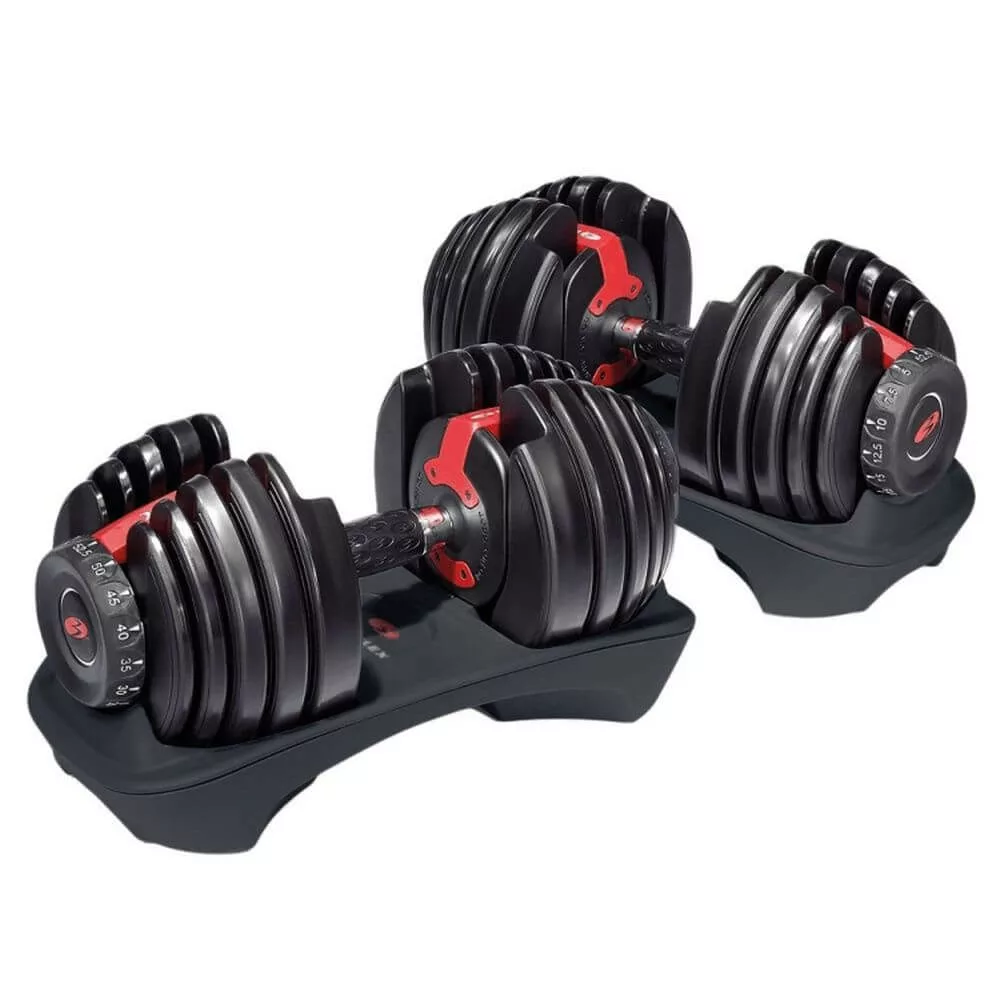
Compact Adjustable Dumbbells: Perfect for Your Home Gym
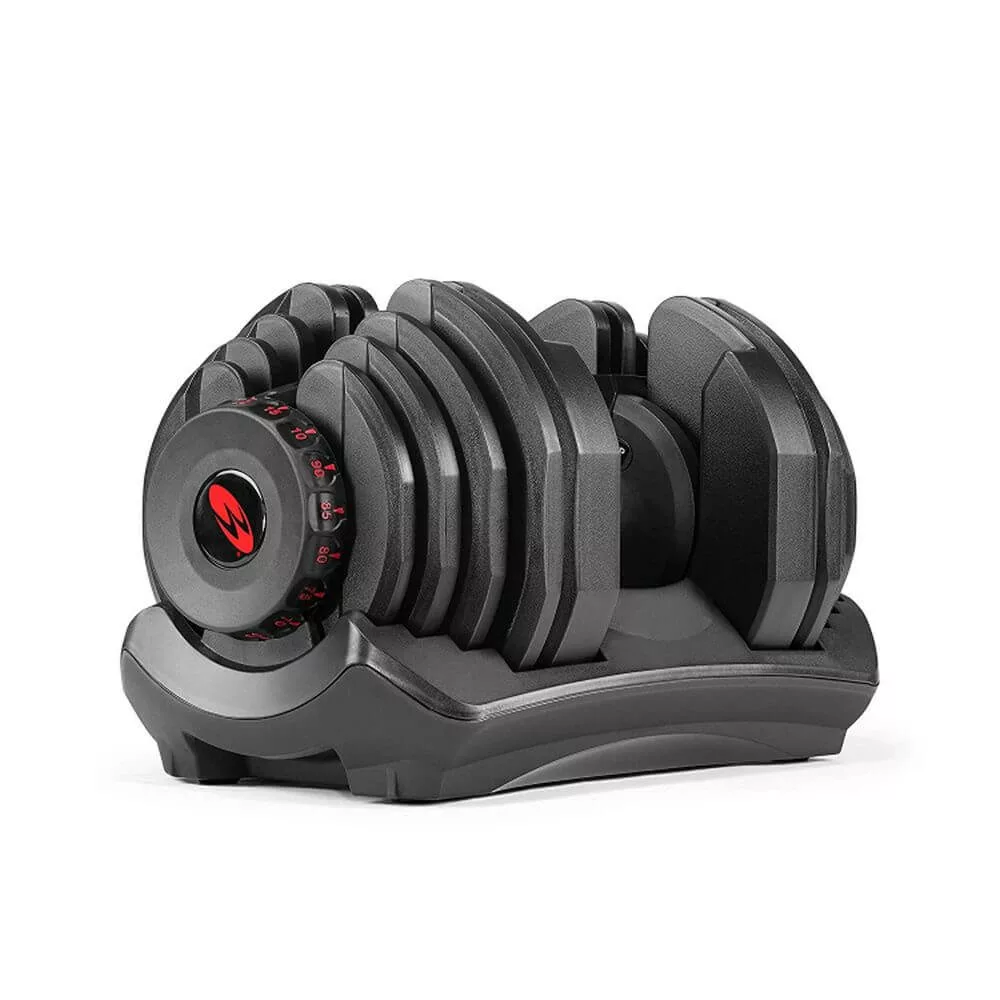
Heavy, Adjustable Dumbbells for Serious Strength Training
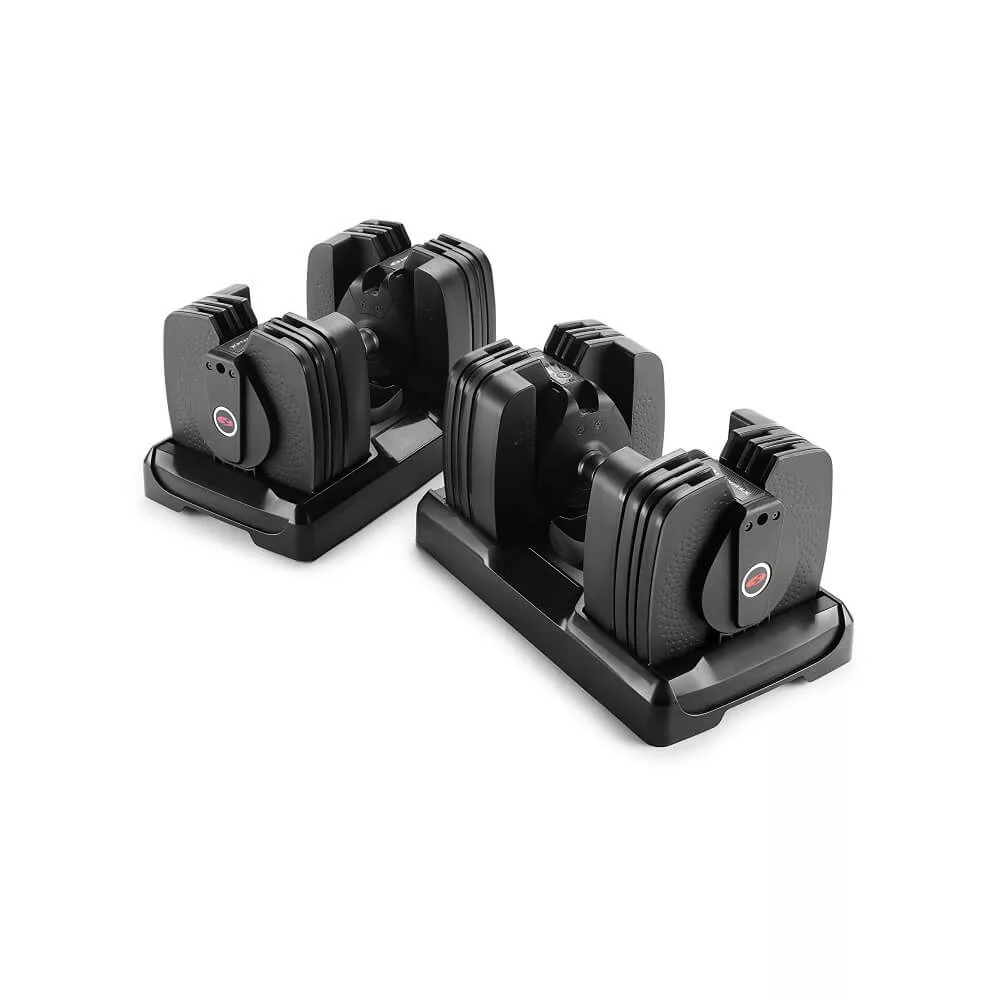
Smart Dumbbells that Can Count Your Repetitions?
Wrist curls are a core movement for building grip strength from the ground up.
Reverse curls are equally important, as they train the wrist extensors on the opposite side of the forearm. Using an overhand grip, this movement helps balance muscle development, which is essential for injury prevention and long-term grip progress.
Balanced forearm training leads to stronger, more durable grip performance.
Hammer curls bring an added benefit by engaging both the forearms and the brachialis. Holding the dumbbells with a neutral grip (palms facing inward) builds overall arm strength while reinforcing grip endurance and control.
Multi-purpose exercises like hammer curls make grip training more efficient.
Breathing and pacing play a bigger role than most beginners realize. Exhaling during the lift and inhaling on the way down helps maintain control and improves endurance during your sets.
Controlled breathing supports better grip training performance.
Avoiding common mistakes is key to progressing safely. Using weights that are too heavy or allowing your wrists to bend improperly can lead to strain or injury. Prioritizing proper form and steady movement ensures you’re building strength effectively.
Technique first, strength follows.
Best Grip Strengthening Tools for Beginners to Improve Your Grip
For beginners looking to improve grip strength, simple tools like hand grippers can make a noticeable difference. They’re portable, easy to use, and allow you to train almost anywhere—whether you’re at home, at work, or even watching TV.
Consistency becomes easier when grip training fits into your daily routine.
Small, frequent sessions can lead to meaningful grip strength gains.
Hand grippers are especially effective for building crushing grip strength. Regular use helps improve your ability to squeeze and hold objects firmly, which translates directly into better performance in both workouts and everyday tasks.
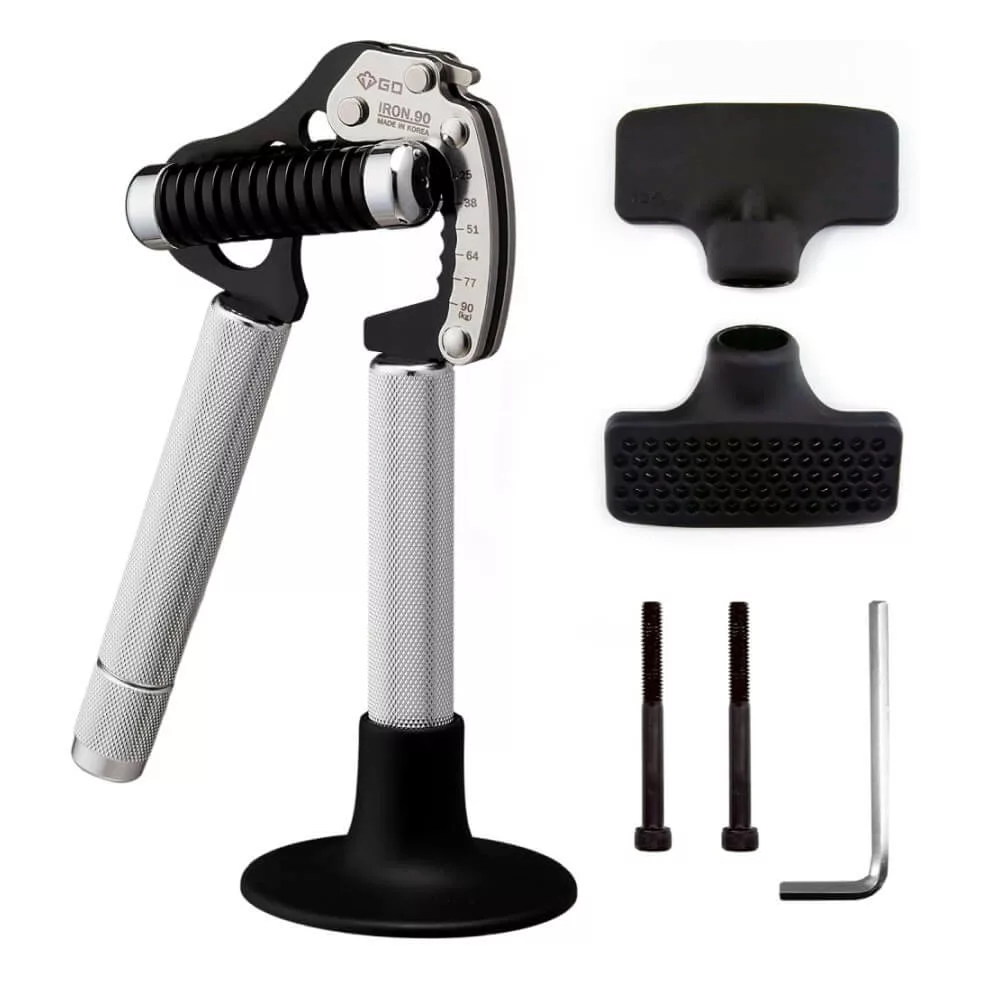
One of the Most Precise Grippers Ever Built?
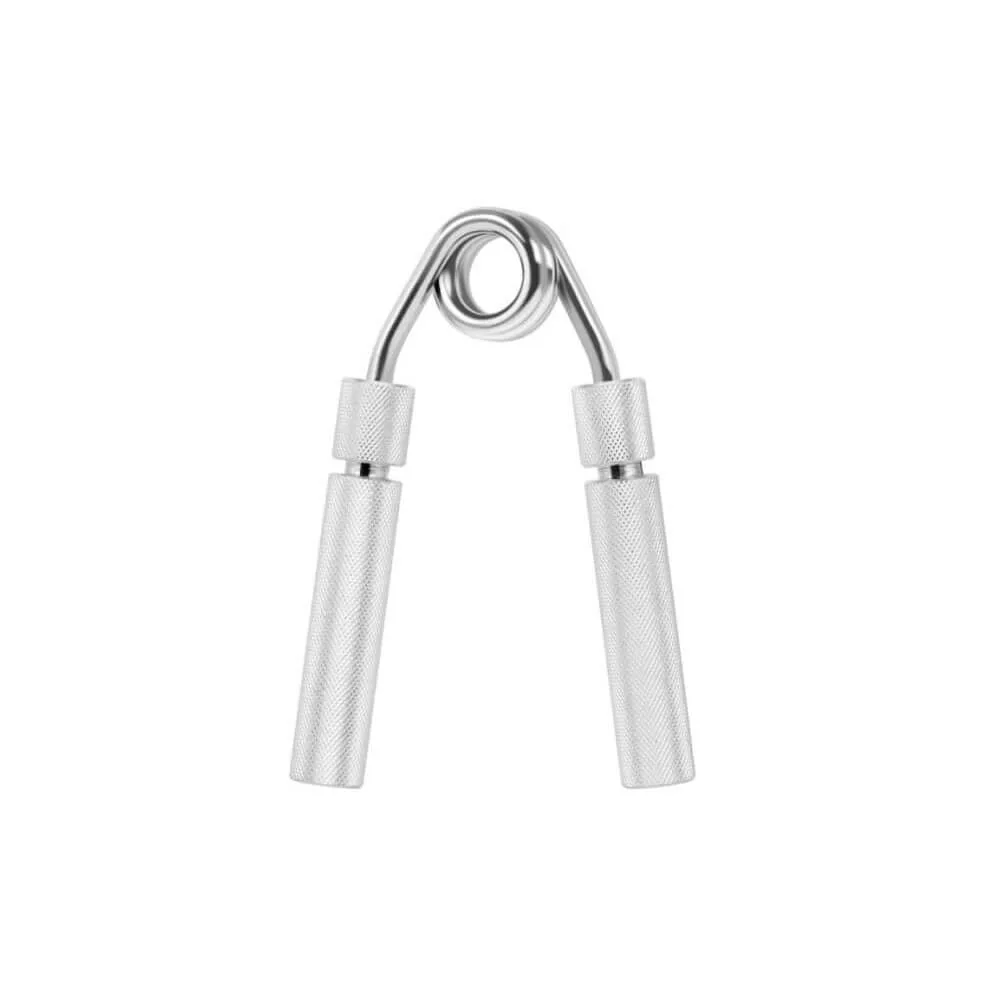
Budget Gripper: Do Cheap Options Still Work?
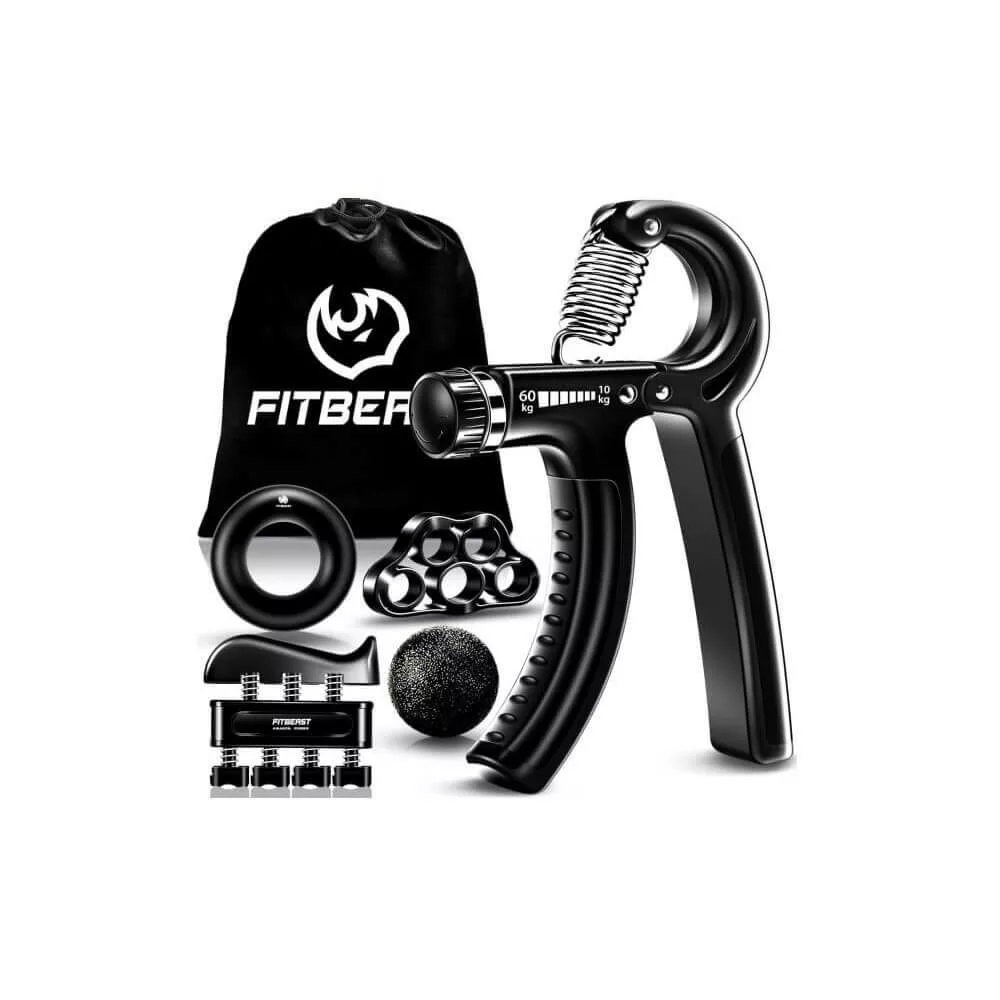
Budget Grip Strengthener Kit With 5 Trainers
Grip tools make it easier to stay consistent and build strength over time.
Stress balls and therapy putty offer a gentler approach, making them ideal for beginners or those recovering from strain. These tools help develop finger strength, coordination, and endurance without placing too much stress on the joints.
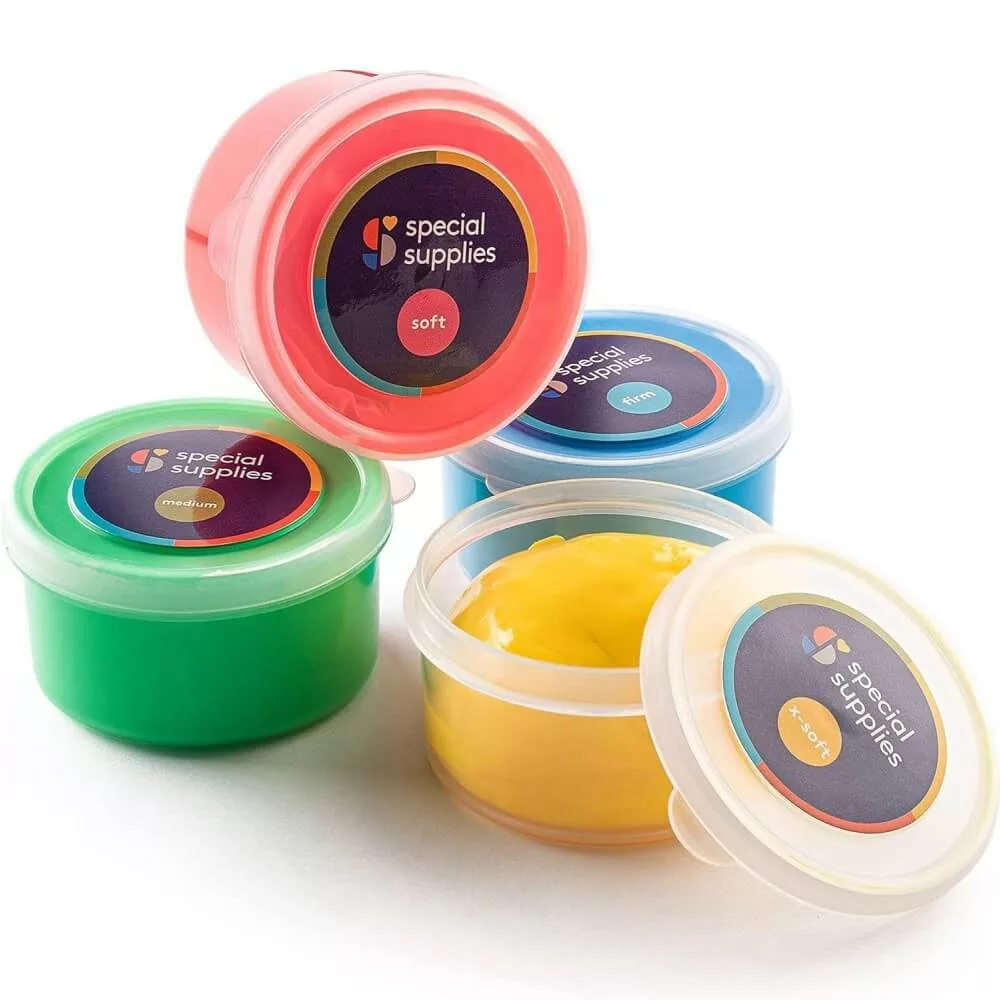
Therapy Putty: Rehab-Grade Hand Recovery & Grip Training?
Low-resistance tools can still deliver strong long-term results.
A more functional option is the towel wringing exercise. By twisting a towel as if you’re drying it, you mimic real-world gripping actions while engaging multiple muscles in the hands and forearms. It’s simple, effective, and surprisingly challenging.
Functional movements can strengthen your grip in practical ways.
When choosing grip tools, adjustable resistance is a major advantage. Starting with lighter resistance allows you to build a solid foundation, while the ability to increase difficulty ensures continued progress as your grip gets stronger.
Progressive resistance keeps your grip training effective and sustainable.
By combining these tools and techniques, beginners can build a well-rounded routine that improves grip strength, enhances hand control, and supports long-term development.
Using Bands and Bodyweight to Improve Grip Strength Naturally
Resistance bands are a highly effective way to add variety and progression to your routine, especially if your goal is to improve grip strength as a beginner. They’re lightweight, portable, and allow you to easily adjust resistance based on your current level.
Simple tools like bands can deliver surprisingly strong grip results.
Using bands for movements like curls and extensions helps target both the forearm flexors and extensors. This balanced approach is essential for building strength while also protecting your wrists and elbows from overuse.
Versatility keeps your grip training both effective and engaging.
Balanced training supports long-term grip strength progress.
Bodyweight exercises are another powerful way to develop grip strength. Pull-ups are one of the most effective options, as they require you to support your entire body weight through your hands. If full pull-ups feel too difficult at first, assisted variations or simple dead hangs are excellent starting points.
Even hanging from a bar can significantly improve your grip over time.
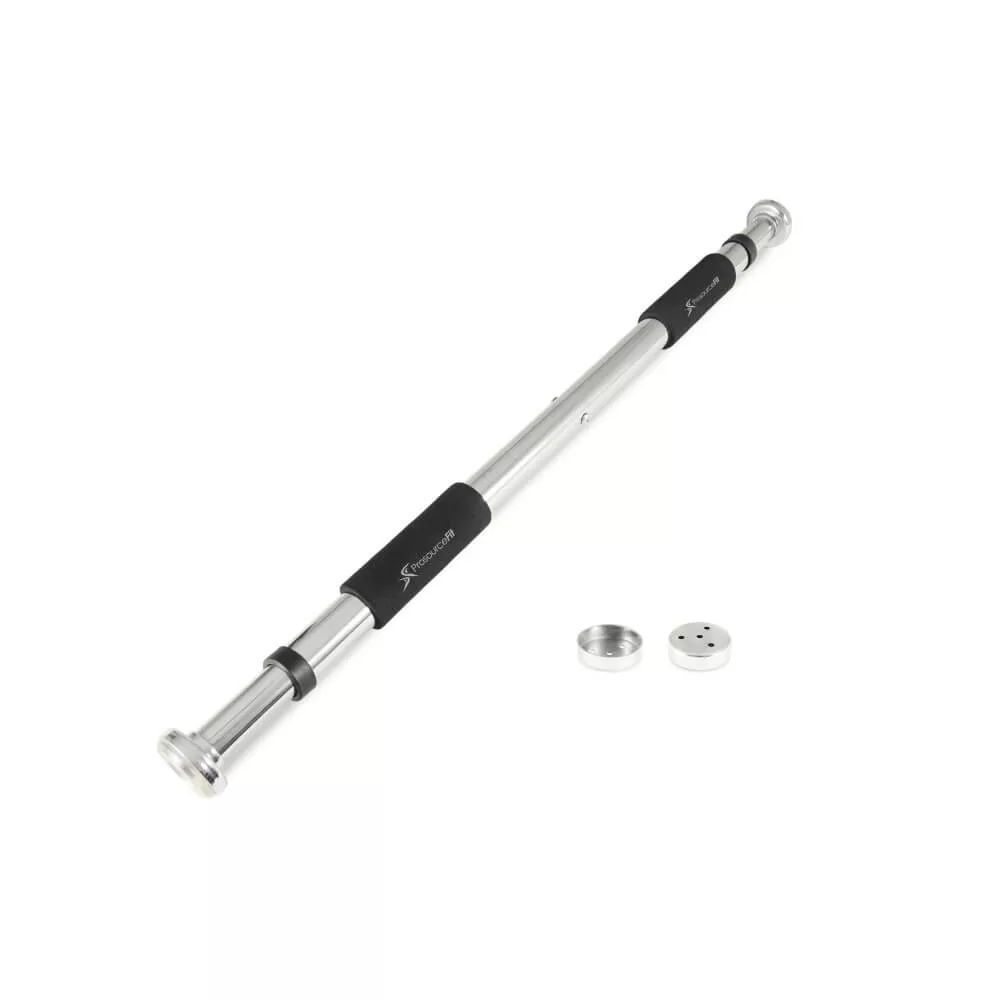
Basic Doorway Pull-Up Bar: Simple, Easy to Assemble

Is This Foldable Pull-Up Bar Affordable & User-Friendly Option?
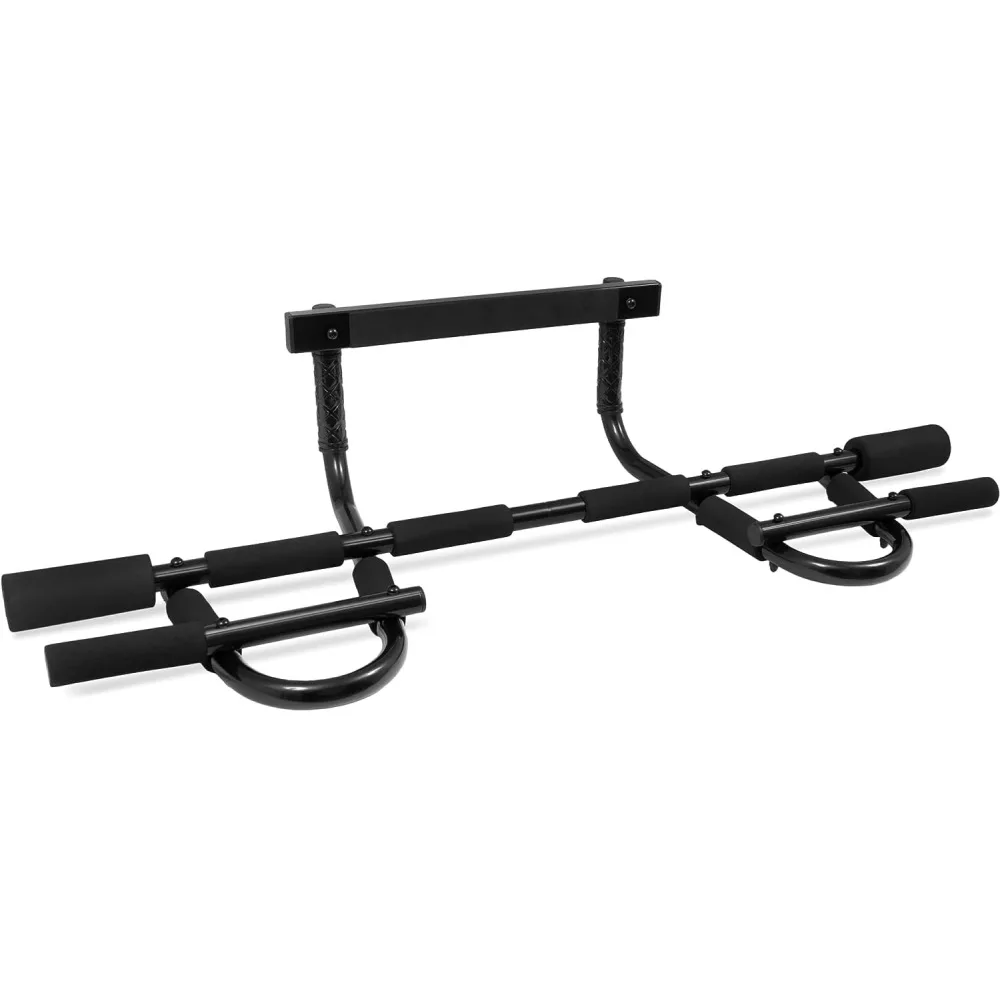
Door Pull-Up Bar with 12 Foam Grips: Max Comfort & Versatility

Multi-Grip Pull-Up Bar, Simple yet Surprisingly Effective?
Plank variations, especially those that challenge stability like side planks, also engage the forearms and wrists. While they’re often seen as core exercises, they quietly build grip endurance and joint stability at the same time.
Grip strength often improves through exercises you might not expect.
Blending grip-focused movements into your regular workouts is a smart strategy. Adding them between sets or at the end of a session keeps your routine efficient without overwhelming your schedule.
Small additions can lead to consistent grip strength gains.
Compound exercises like deadlifts and rows are also essential for anyone looking to improve their grip. These movements naturally demand strong hands and forearms, helping you build grip strength alongside full-body power.
Big lifts build more than just big muscles; they build a stronger grip, too.
How to Track Grip Strength Progress and Avoid Injury
Setting realistic goals is one of the most important steps if you want to improve grip strength consistently as a beginner. Starting with clear, achievable benchmarks, like how long you can hold a dead hang or how many reps you can complete, gives your training direction and purpose.
Clear goals make grip training more focused and effective.
Tracking progress keeps your motivation steady and your results measurable.
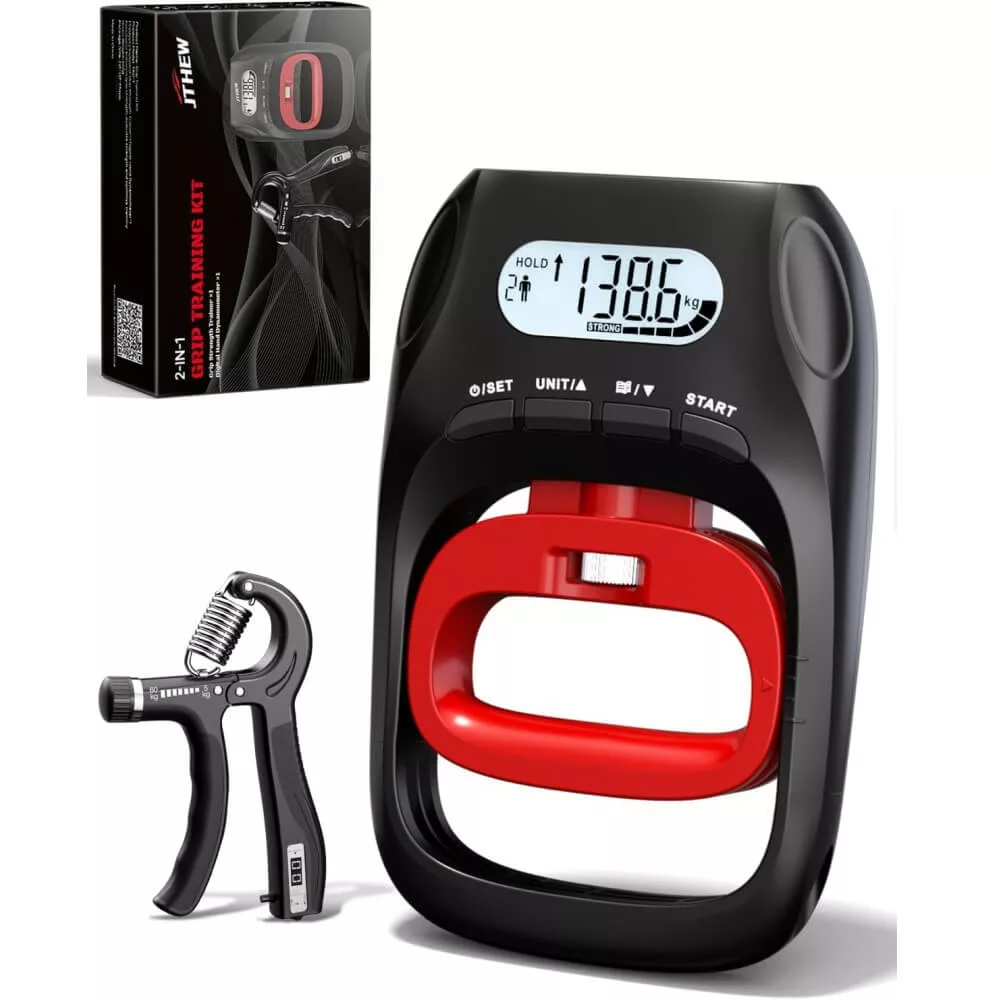
Don’t Guess: Use Grip Dynamometer for Accurate Progress Tracking
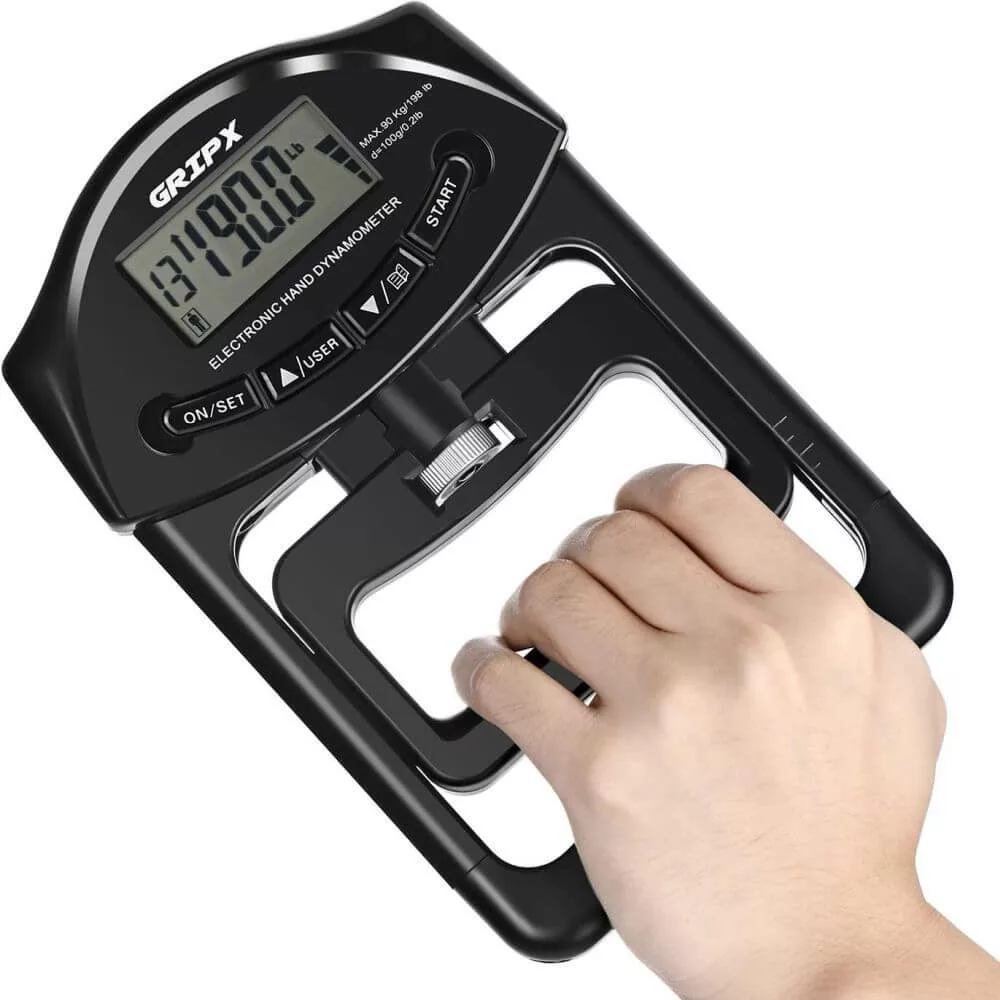
The Best Grip Dynamometer for Home, Sports, & Clinical Use?
Recovery is just as important as the exercises themselves. Your forearm muscles rebuild and grow stronger during rest, not during the workout. Without proper recovery, your progress can slow down and your risk of injury increases.
Rest is where real grip strength gains are made.
Recognizing the signs of overtraining is essential for long-term success. Persistent soreness, fatigue, or a drop in performance are clear signals that your body needs more recovery time. Adjusting your routine when needed helps maintain steady progress without setbacks.
Listening to your body helps you improve your grip safely.
Taking preventative measures can also make a big difference. Using wrist supports during heavier sessions, focusing on proper technique, and progressing gradually all help reduce the risk of strain or injury.

Competition Grade Wrist Wraps: Built for Serious Lifters

Extra Long Wrist Wraps: More Support, More Stability
Smart training habits protect your progress.
Avoid rushing into advanced exercises before building a solid foundation. Mastering basic grip and forearm movements ensures your muscles, tendons, and joints are prepared for more intense training later on.
Strong foundations lead to stronger, more resilient grip strength over time.
Conclusion: Building Strong Forearms and Grip Strength Long-Term
Building forearm strength and working to improve your grip is a process that rewards consistency, patience, and smart training. As a beginner, focusing on proper technique, balanced exercises, and gradual progression will set the foundation for long-term success.
Strong grip strength is built over time through consistent, focused effort.
By combining dumbbell exercises, grip tools, resistance bands, and bodyweight movements, you create a well-rounded approach that targets every aspect of your grip. This not only improves strength but also enhances endurance, control, and injury resistance.
Variety in training leads to better and more complete grip development.
Equally important is listening to your body. Prioritizing recovery, tracking your progress, and adjusting your routine when needed ensures steady improvement without setbacks. Avoid rushing the process: building a strong grip is about sustainable growth, not quick wins.
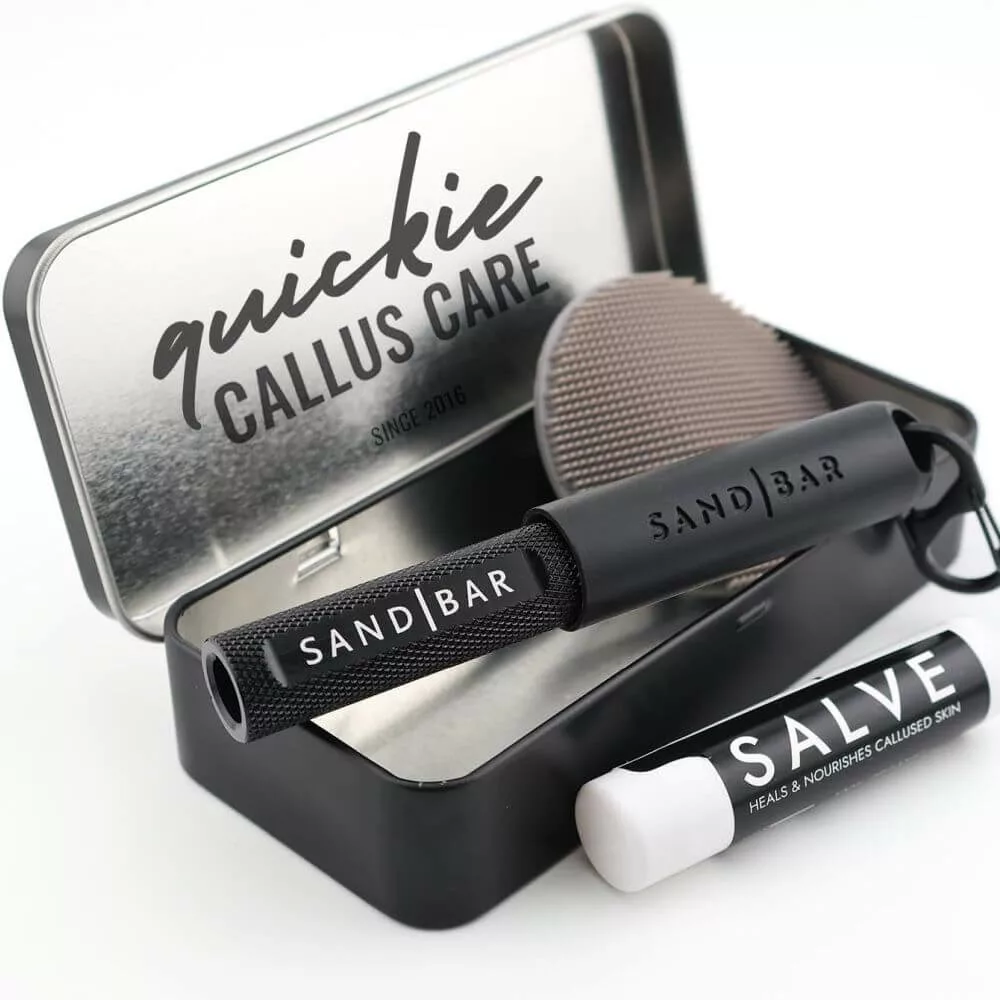
SandBar Callus Remover: Grip-Friendly Hand Care for Lifters

Razor Sharp Callus Shaver to Maintain Grip Health?

60% Urea Cream: An Aggressive Solution for Serious Skin Damage?
Smart training habits keep your grip strength progressing safely.
Over time, these consistent efforts will translate into noticeable improvements: not just in workouts, but in everyday tasks and overall physical performance. A stronger grip supports everything from lifting heavier weights to handling daily activities with greater ease and confidence.
Commit to the process, and your grip strength will follow.
Thanks for Stopping By!
How Do You Train Your Grip Strength?
Share Your Experience Below!