(Last Updated on May 30, 2026 by Henry)
Grip training might seem like something reserved for athletes or maybe serious weightlifters, but it’s beneficial for everyone. Think of all the day-to-day activities that require a good grasp: opening jars, carrying groceries, even turning a doorknob. When your grip strength is solid, these tasks become easier, reducing strain on your hands and making daily life smoother.
If you want to improve your grip, it starts by appreciating how much grip strength influences everyday life.
Strong hands make everyday tasks feel easier.
For those interested in fitness, grip strength plays a pivotal role beyond what most realize.
A firmer grip can enhance performance in exercises like pull-ups and deadlifts, allowing you to push a little further and achieve better results.
It’s not just about having strong hands; it’s about improving your overall physical capability.
Better grip strength supports bigger lifts and better performance.
The psychology of grip strength is equally fascinating. There’s something empowering about a strong handshake or the ability to hold onto things with confidence.
Many people find a boost in self-esteem and assurance when their grip is reliable, connecting the mental and physical benefits seamlessly.
Improving your grip can strengthen confidence as much as your forearms.
Even if you’re not lifting weights or training for a sport, grip exercises are an excellent way to improve your fitness. They promote endurance and strength across various muscle groups, providing a balanced approach to health. Whether you’re typing away at a keyboard or playing an instrument, a strong grip can improve your efficiency and prevent fatigue.
Grip training benefits athletes, workers, musicians, and everyday life alike.
Sometimes, it’s the things we don’t notice, those silent supporters in our fitness regimen, that make the most difference. Grip training may seem minor, but its impact is far-reaching, influencing not just your routine in the gym but your everyday experiences too.
When you improve your grip, you improve more than just hand strength.
Grip Training Myths: Debunking the Misconceptions
There’s a lot of noise about grip training, and it’s easy to see why some myths have sprouted up around it. One common misconception is that grip work is boring or monotonous. In reality, there’s a whole world of exercises and techniques to keep your sessions lively. From using hand grippers to climbing rope, the options are vast and can be quite fun.
If you want to improve your grip consistently, breaking past common myths is a great place to start.
Grip training can be challenging, creative, and surprisingly fun.
- Grip training is not limited to repetitive gripper workouts
- Use varied exercises like rope climbs, hangs, carries, and pinch work
- Grip strength training benefits far more than athletes and lifters
- Everyday tasks become easier when you improve your grip
- Grip strength can be developed at nearly any age
- Simple tools like stress balls and resistance bands support lifelong hand strength
- Variety in training keeps grip workouts engaging and helps prevent plateaus
Another myth floating around is that grip strength is reserved for bodybuilders or strongmen. While those folks certainly benefit, the truth is everyone can gain from better grip strength. Whether for playing sports, working in the garden, or simply carrying your shopping bags, a firm grip is useful in countless ways.
Grip strength supports performance, function, and long-term hand health.
Some folks believe that once you’re older, building grip strength is a lost cause. This myth can be particularly limiting because maintaining or even improving grip strength as you age is totally possible and essential for maintaining independence. Exercises like squeezing soft balls or using resistance bands can be modified for any skill level to make this happen.
It’s never too late to start improving your grip.
There’s also this idea that grip exercises need to be done daily for them to be effective. Overtraining is a real concern, and it’s important to let those muscles recover. Quality over quantity is the mantra here; focused sessions, even just a few times a week, can bring significant benefits without risking injury.
Dynamic Workouts: Making Grip Training Multifaceted
Grip training doesn’t have to be a standalone routine. By integrating different grip techniques into various workouts, you can make your sessions more dynamic and multifunctional. For instance, pairing grip exercises with agility drills not only mixes things up but also provides a full-body workout that enhances coordination and balance.

Spinning Burn Rotator Machine: Build Your Wrists Endurance

Burn Machine Arm Rotation Trainer: Shockingly Effective?
If you want to improve your grip while keeping training exciting, variety is one of the most powerful tools you have.
Train your grip in more ways than one.
- Combine grip exercises with agility drills for more functional training
- Use compound lifts to build grip strength while training the whole body
- Add farmer’s walks and sled pulls to improve grip endurance naturally
- Use kettlebells, resistance bands, and odd objects to create variety
- Train crush, support, and pinch grip through diverse movement patterns
- Keep grip workouts mentally engaging to improve consistency
- Apply grip strength training to sports, work, and everyday performance
Using compound exercises can also bring a fresh perspective to your grip training regimen. Movements like farmer’s walks or sled pulls engage multiple muscle groups while targeting grip strength specifically. This makes workouts not only more efficient but often much more rewarding.
Functional grip exercises build strength that carries over everywhere.
Props like kettlebells, resistance bands, and even common household items can add considerable variety to your sessions, turning what might seem repetitive into something fresh. Kettlebells can build endurance through swings and carries, while bands can complement static holds and strengthen supporting muscles.
Simple tools can make grip training far more effective and far more fun.
Experimenting with these diverse techniques provides more than physical results. It boosts mental engagement, sustains motivation, and makes the benefits of grip training show up in nearly every activity. Whether climbing, racket sports, or even gardening, a versatile approach can dramatically improve how you train and how you perform.
Variety keeps you improving your grip without losing enthusiasm.
Innovative Tools and Gadgets to Enhance Grip Training
Keeping grip training fresh can be boosted with some of the latest gadgets hitting the market. Items like finger stretchers, grip rings, and hand extensor gadgets provide targeted exercises that enhance different aspects of grip strength. These tools often come with adjustable resistance levels, which makes them ideal for progressive hand strength training.
If you want to improve your grip without workouts feeling repetitive, the right tools can make a huge difference.

Transform Every Barbell into Axel with Fat Bar Handles?
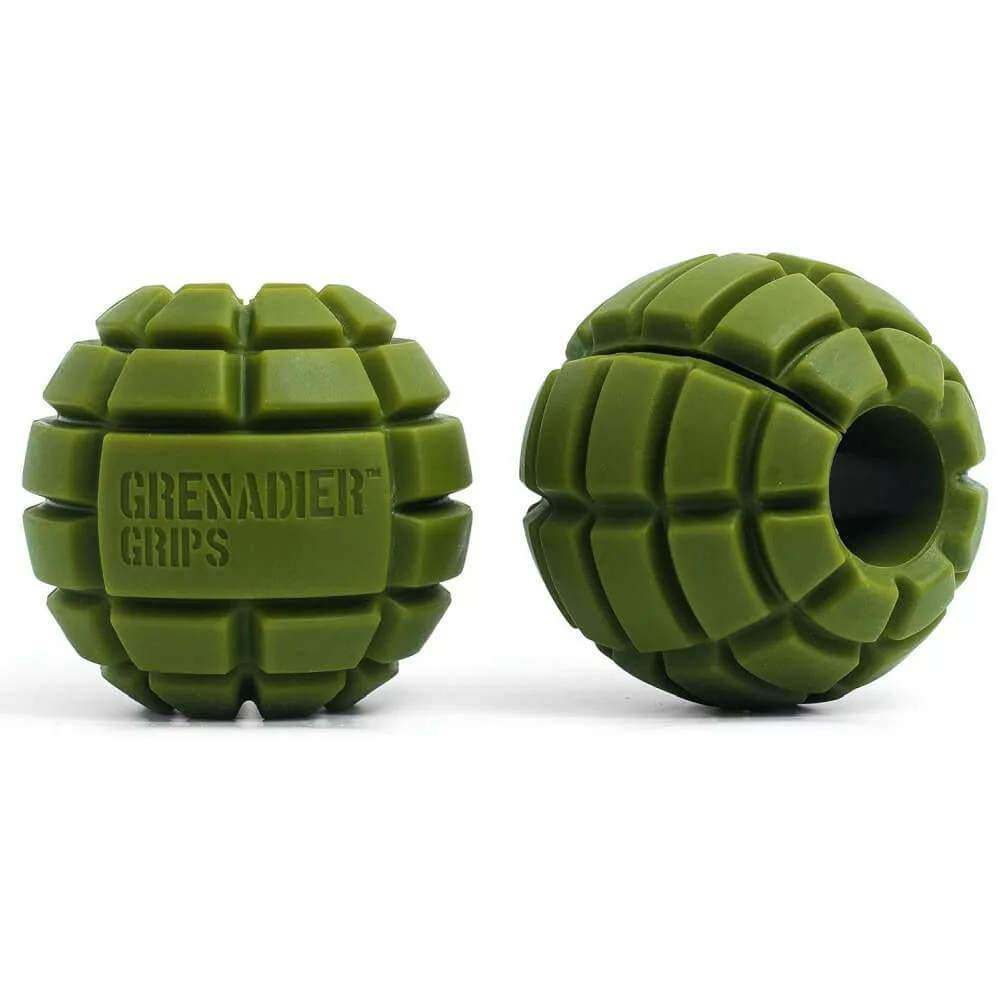
Unique Fat Bar Adaptors to Target Your Pinch Grip?
New tools can make grip training more engaging and more effective.
With technology making strides in fitness, grip training has not been left behind. Today, there are apps that track your progress, suggest new workouts, and even offer challenges to keep things engaging. Combining these digital resources with traditional exercises can add a new layer of motivation while helping you improve your grip more consistently.
Smart tools can keep progress measurable and workouts motivating.
Each of these gadgets has its pros and cons, and it’s important to figure out what works best for your personal goals. While grip rings can help develop endurance, finger stretchers can support balance in the hands and strengthen often-neglected muscles. Choosing the right tools makes your grip training far more purposeful.
The best grip training tools are the ones that match your goals.
When introducing these tools into your routine, maintain balance. Start lighter, build gradually, and let progression, not novelty, drive results. That keeps training productive while reducing overuse risk.
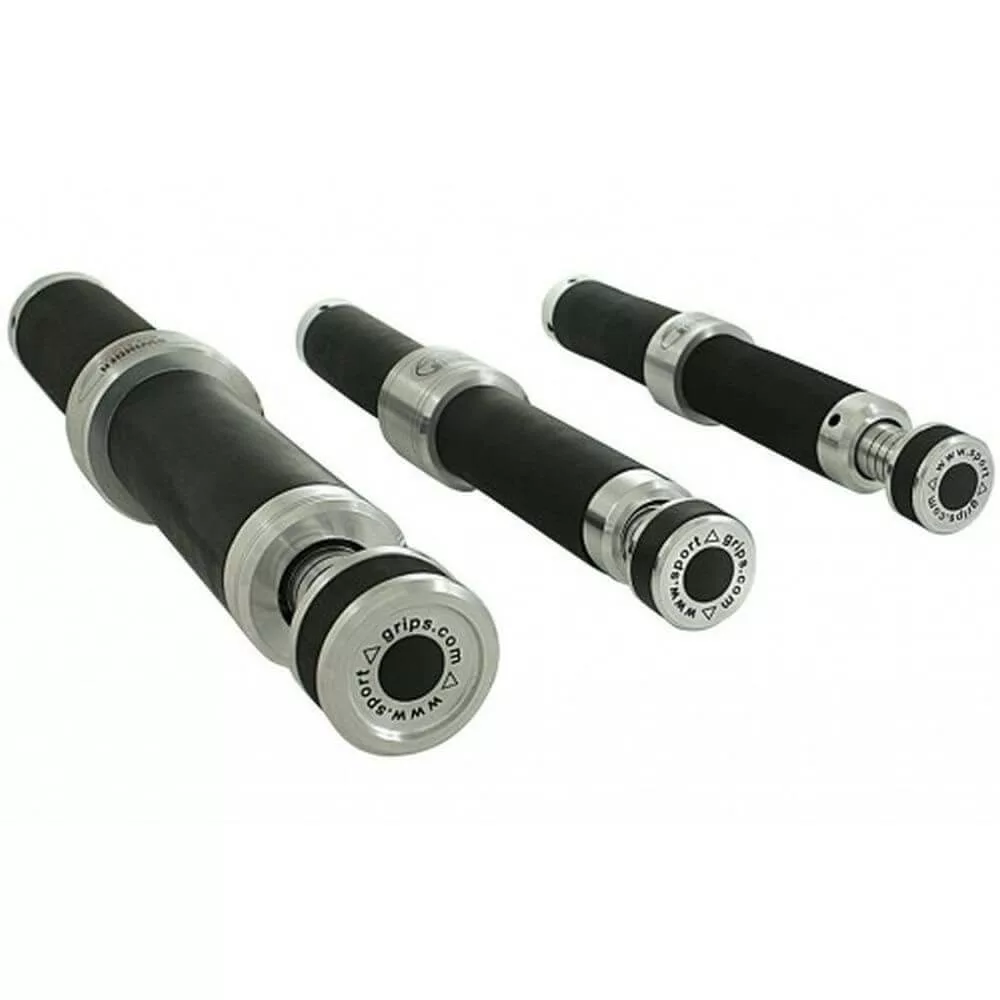
Blast Your Wrists with XL Wrist-Roller to Bulk Up Forearms
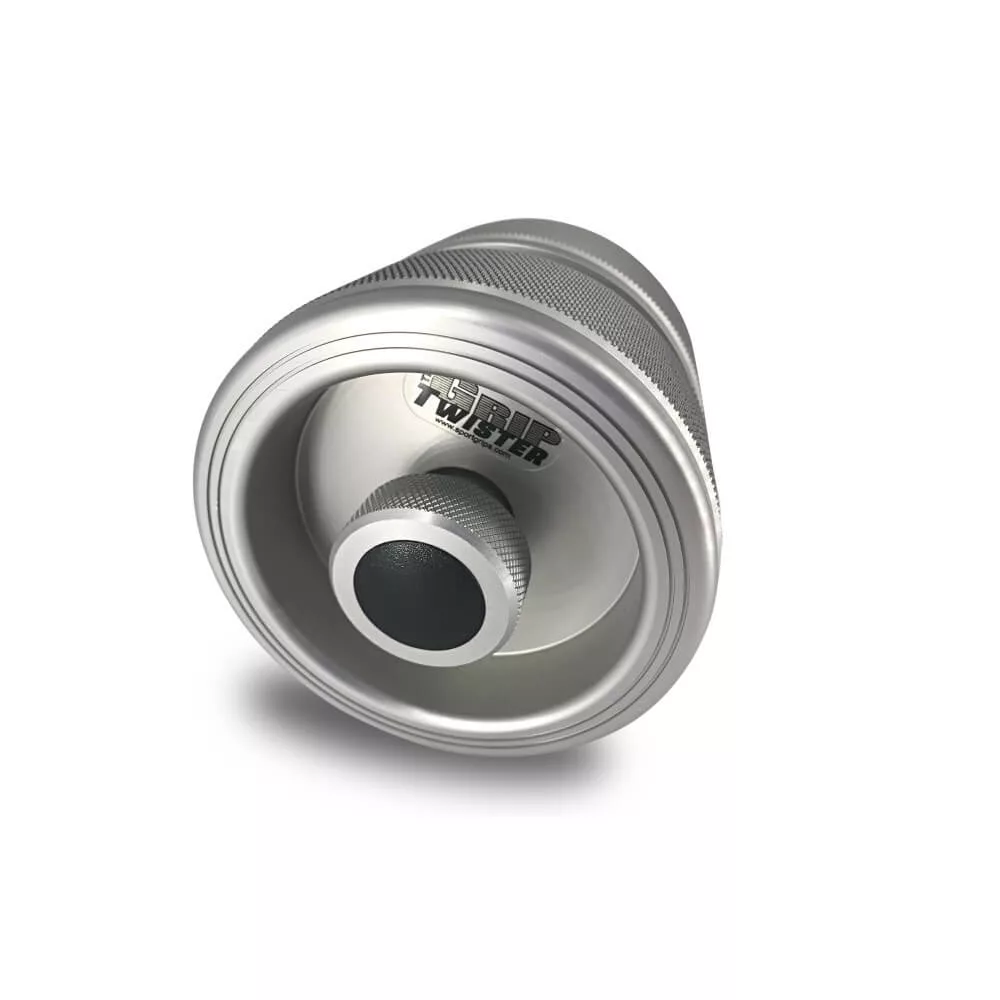
Ultimate Pinch Grip Trainer with Virtually Infinite Resistance?
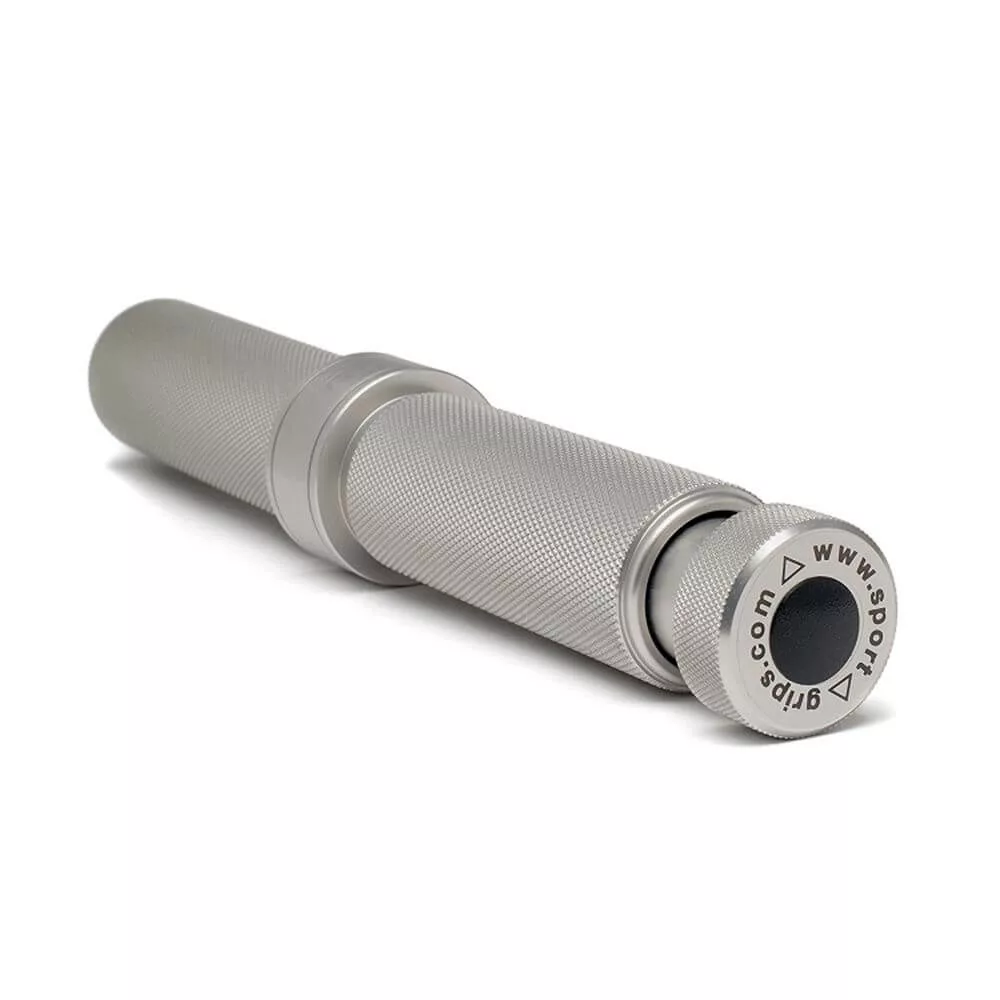
Modern, Rope-Less Wrist Roller: Sure Way to Get Strong Wrists
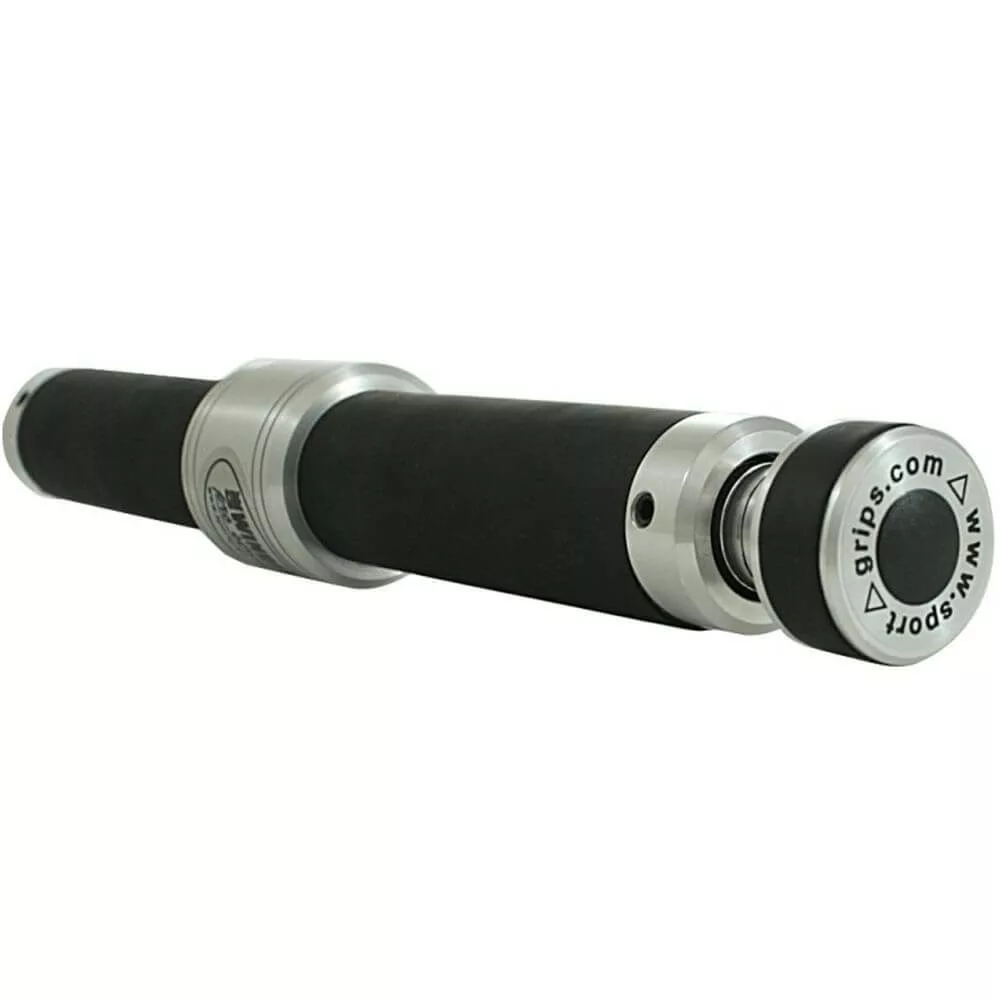
Build Wrist Strength with Rope-Less Wrist Roller
Progressive resistance still matters, even when training stays fun.
Whether you’re looking to make your workouts more comprehensive or simply inject more excitement into your routine, adding a few grip tools can reshape how you train. They build strength, increase variety, and make it easier to stay consistent over time.
Sometimes, a small training upgrade can reignite your entire grip routine.
Gamifying Grip Strength: Keeping Your Sessions Entertaining
Turning exercises into games can be a fantastic way to make grip training enjoyable. Challenges like timing how long you can hold onto a bar or seeing how many times you can squeeze a hand gripper within a minute keep things lively. These small competitions add motivation while helping you improve your grip through measurable progress.
If consistency has ever felt difficult, making grip workouts feel like play can change everything.
Fun often leads to better long-term grip training habits.
Utilizing leaderboards in your fitness community or with friends can amplify the fun.
Whether it’s a friendly challenge or a group competition, a little rivalry can push performance and make training more engaging. Sharing progress also builds accountability, which can be a major driver of consistency.
A little competition can push grip strength further than solo training sometimes can.
Creating mini-games specifically designed for hand and forearm exercises keeps enthusiasm high while targeting different muscles more effectively. Using grippers, resistance bands, timed holds, or reaction drills can turn ordinary grip exercises into something much more interactive.
Creative challenges can train your hands while keeping boredom away.
Technology can transform traditional grip training into an interactive experience. Apps with badges, progress tracking, and virtual competitions can add another layer of motivation while helping reinforce regular practice.
Turning progress into a game makes improving your grip feel rewarding.
Gamifying your grip routine is more than just having fun; it can be a powerful training strategy. When workouts feel less like a chore and more like a challenge you want to return to, long-term commitment becomes far easier.
The more enjoyable grip training becomes, the easier it is to stick with it.
Community and Social Engagement in Grip Training
Getting involved with local or online communities dedicated to grip training can offer a wealth of benefits. These spaces provide a platform to share tips, discover new ways to improve your grip, and stay motivated through shared experiences.
Sometimes the best way to stay excited about grip training is not training alone.
Community can make grip progress feel far more rewarding. Joining group challenges or events is a great way to foster camaraderie. Whether online or in person, these shared challenges build accountability while keeping workouts fresh and engaging. They can also introduce new grip exercises and training ideas you may not have considered on your own.
Training with others often makes consistency come easier.
Social accountability can strengthen dedication in a big way. Posting updates, sharing milestones, or participating in challenge threads can motivate both you and others. That kind of support can be surprisingly powerful for long-term grip strength progress.
Support and accountability often help improve your grip more consistently.
Sharing experiences and participating in discussions about challenges and wins enriches the entire community experience. It creates a space where setbacks become lessons, successes feel amplified, and learning never really stops.
Sometimes, one new idea from a training community can transform your routine.
Building connections with people who share similar fitness interests can elevate your whole journey. As you exchange insights and encouragement, you gain not just stronger hands but a stronger support system around your training.
Grip training can be a lot more fun when progress is shared.
Measuring Success: Tracking Your Grip Progress Effectively
Keeping tabs on your progress in grip training isn’t just about numbers. It’s about understanding how your exercises translate into real-world improvements. Tools like dynamometers can offer precise measurements of your grip strength, providing tangible proof of progress while helping you set smarter goals.
If you want to improve your grip long-term, tracking progress keeps your training purposeful.
What gets measured often improves faster.
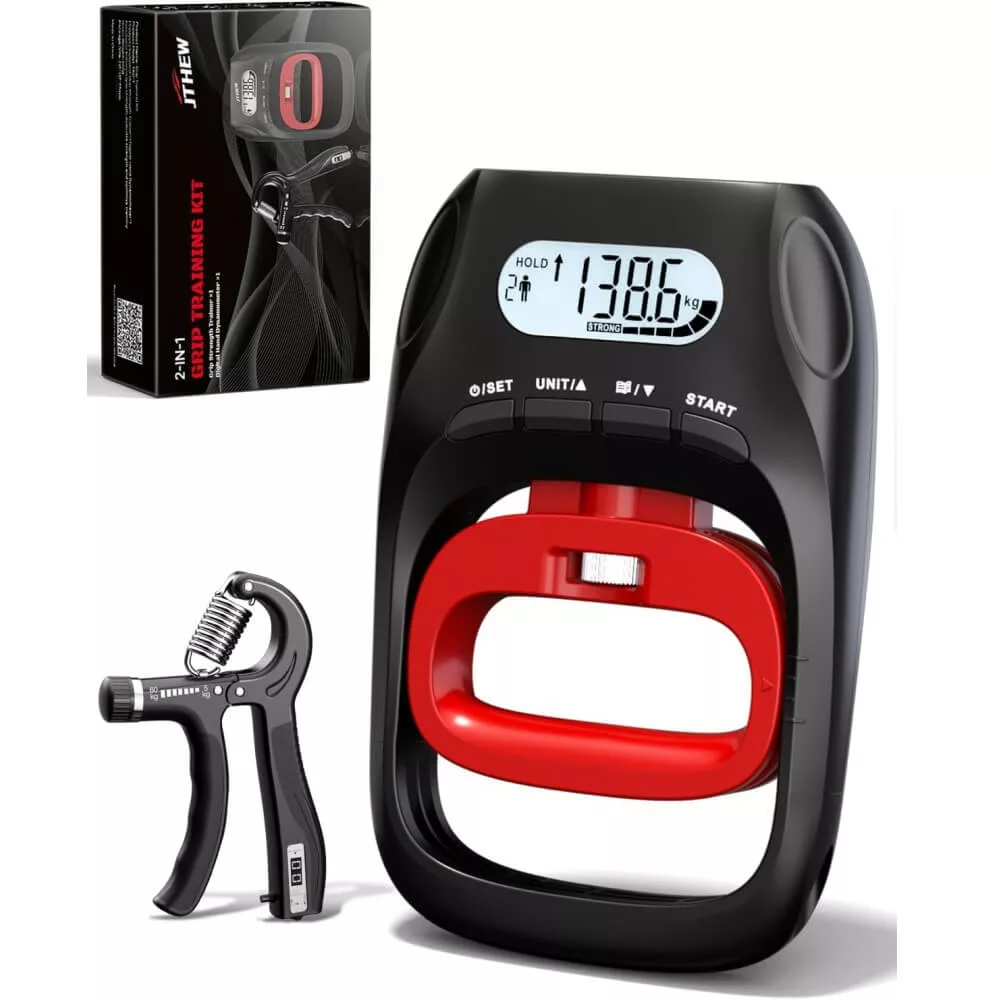
Don’t Guess: Use Grip Dynamometer for Accurate Progress Tracking
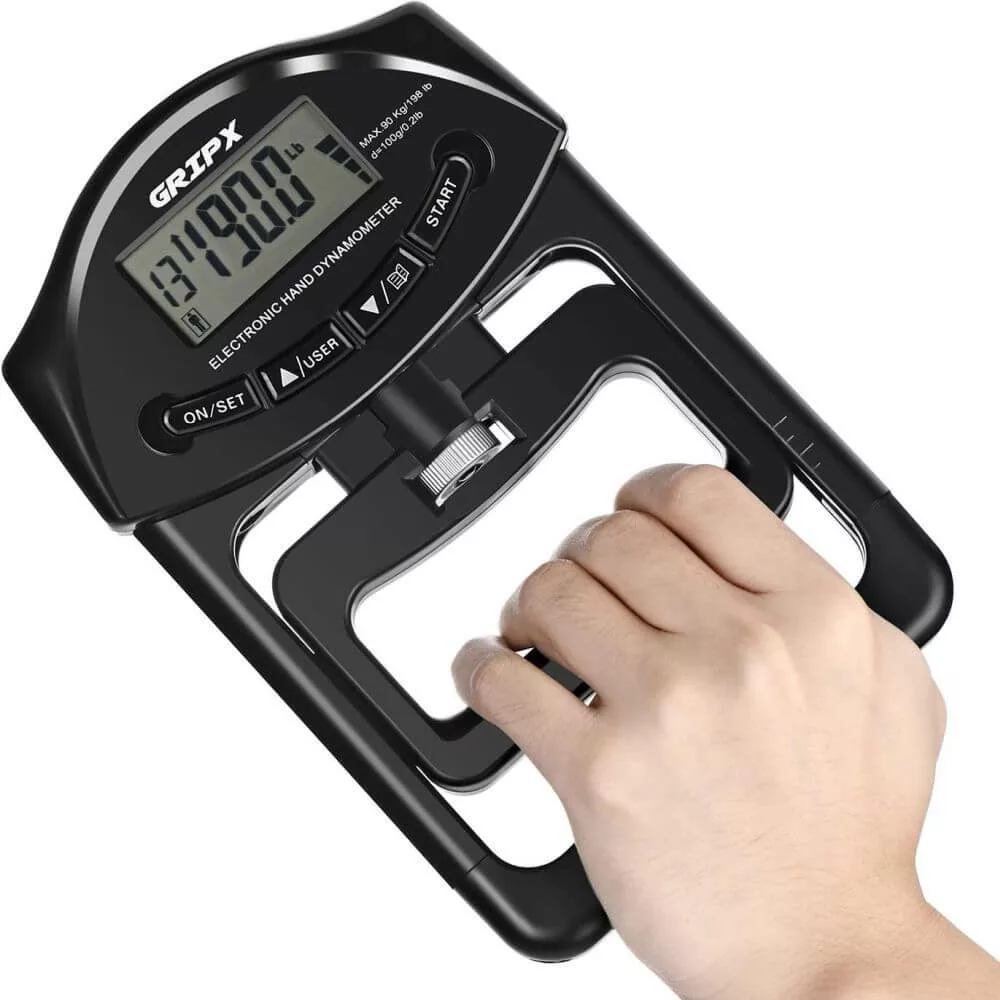
The Best Grip Dynamometer for Home, Sports, & Clinical Use?
Setting achievable targets is crucial for staying motivated. Knowing where you started and where you aim to go keeps your grip workouts focused. Breaking larger goals into smaller milestones makes progress feel more attainable and keeps momentum strong.
Small grip wins often lead to big long-term gains.
Tracking progress can be as simple as a notebook or as advanced as apps that analyze performance trends. Seeing improvements visually can be incredibly motivating and often reveals progress you may have otherwise overlooked.
Progress tracking can make grip training more engaging, not less.
Incorporating a reward system for reaching certain grip milestones can add another layer of fun. Sometimes, rewarding progress helps reinforce consistency just as much as the training itself.
Celebrate progress, because progress fuels motivation.
Success in grip training isn’t only about hitting benchmarks; it’s also about recognizing functional improvements in daily life. Opening jars more easily, carrying more comfortably, or noticing less hand fatigue are all real indicators that your grip is improving.
Real-world results are often the most satisfying proof that your grip training is working.
Nutrition and Recovery: Supporting Grip Training Holistically
Fueling your body properly is a key element in grip training success. Incorporating foods rich in protein, omega-3 fatty acids, and essential vitamins can support muscle repair and growth, directly helping you improve your grip and recover better between sessions.
Strong grip training is built in the kitchen as much as in the gym.
Nutrition supports stronger hands, healthier joints, and better recovery.
Staying well-hydrated is another crucial part of maintaining muscle endurance. Hydration helps transport nutrients, supports muscle function, and can reduce fatigue during demanding grip workouts. Even small improvements in hydration can positively influence performance.
Better hydration can mean better grip endurance.
Rest days and recovery techniques should never be overlooked.
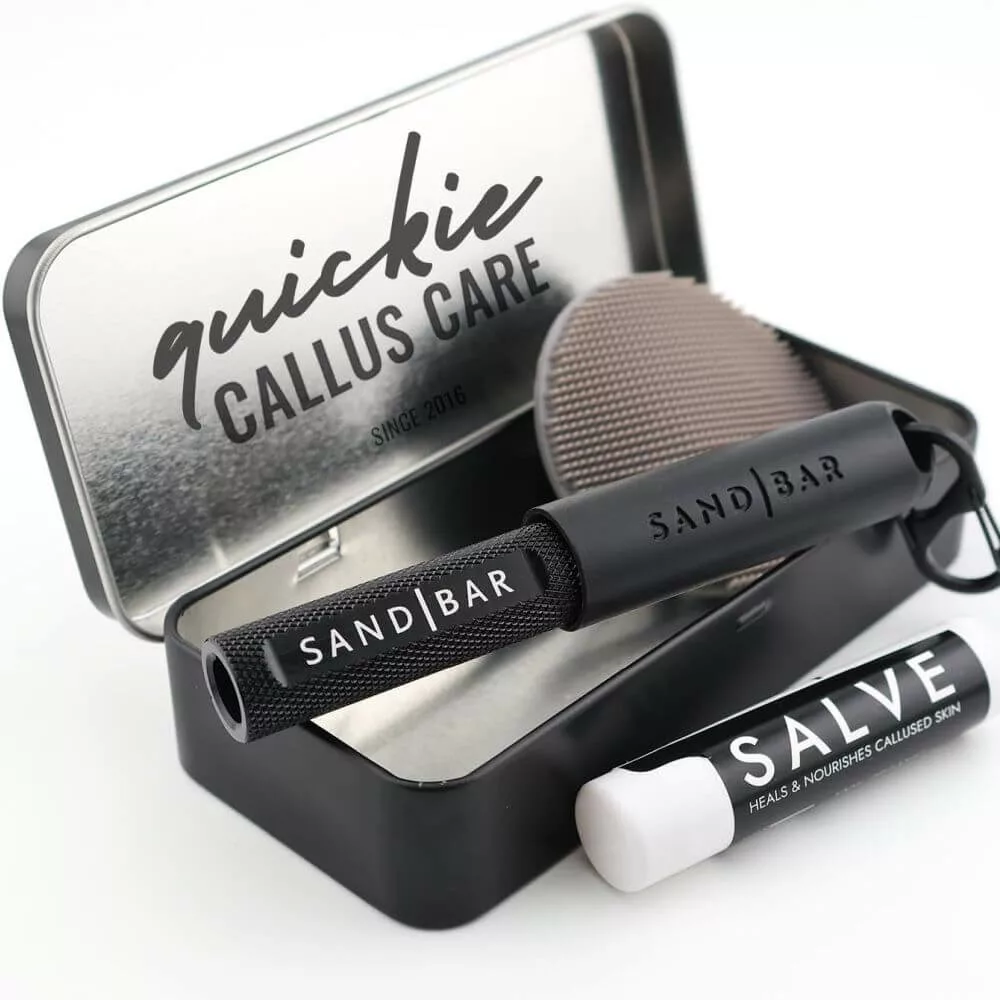
SandBar Callus Remover: Grip-Friendly Hand Care for Lifters

Razor Sharp Callus Shaver to Maintain Grip Health?

60% Urea Cream: An Aggressive Solution for Serious Skin Damage?
Giving muscles, tendons, and connective tissues time to recover supports greater strength gains while reducing overuse risks. Simple strategies like stretching, massage, or light yoga can keep your hands and forearms feeling ready for the next session.
Recovery is where much of your grip progress actually happens.
Balancing hard training with proper nutrition and recovery doesn’t just improve grip strength; it supports long-term progress and overall well-being. When you combine smart fueling, consistent recovery, and progressive training, improving your grip becomes much more sustainable.
Train hard, recover well, and your grip will thank you.
Advanced Techniques: Pushing Your Grip Training to the Next Level
For those ready to elevate their grip training, advanced techniques can introduce new challenges and unlock new improvements. Mastering grip styles used in climbing, strongman training, or advanced carries can dramatically help improve your grip strength, coordination, and forearm development.
Advanced grip training can reignite progress when basic routines feel stale. New challenges often lead to new grip strength gains.
Integrating grip exercises with other training routines allows for more dynamic workouts.
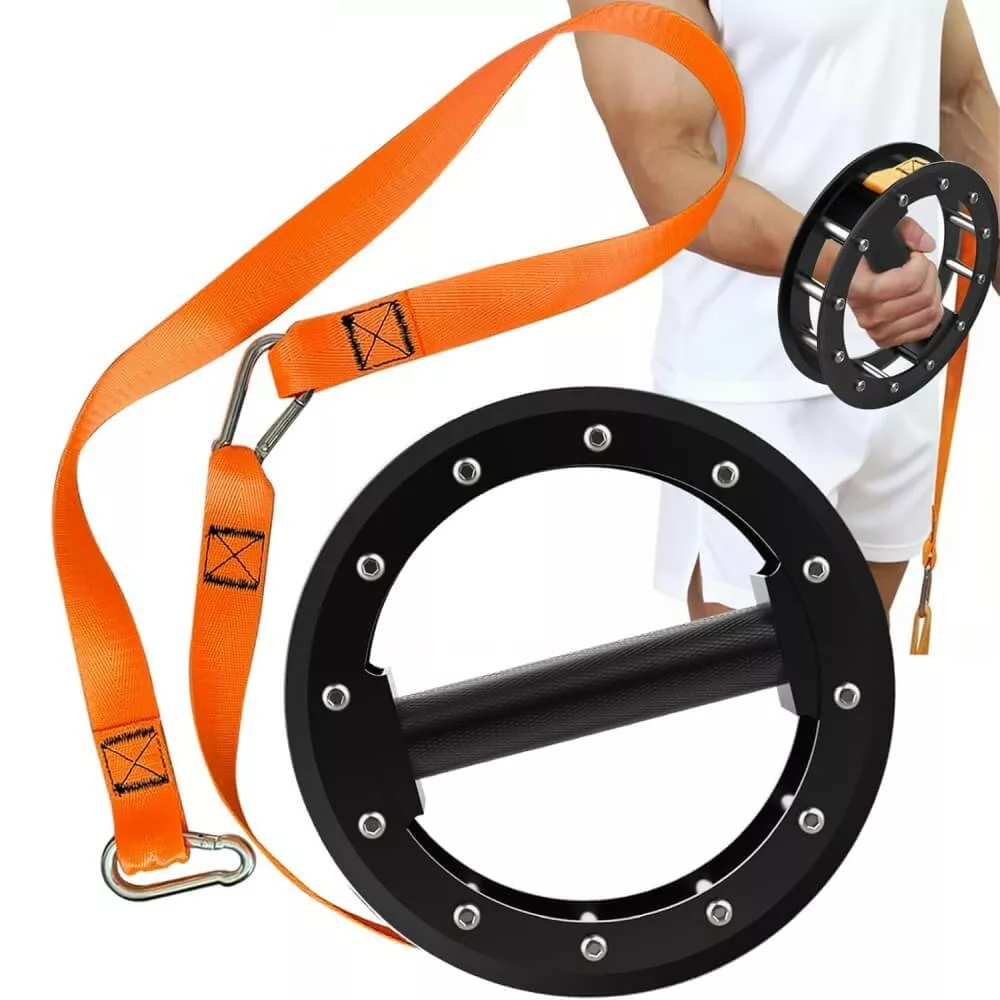
Compact Rotation Exerciser to Isolate Pronated & Supinated Grip
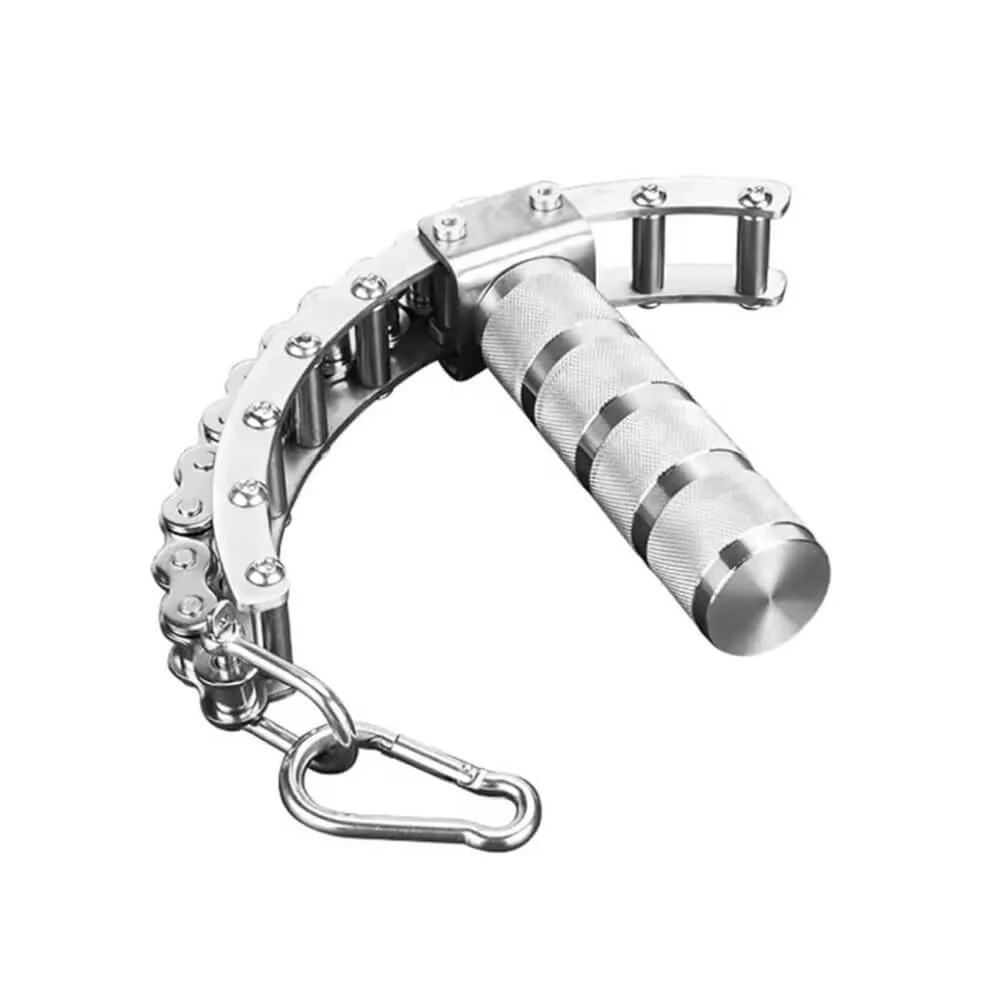
Elite Arm Wrestling Rotation & Pronation Grip Builder
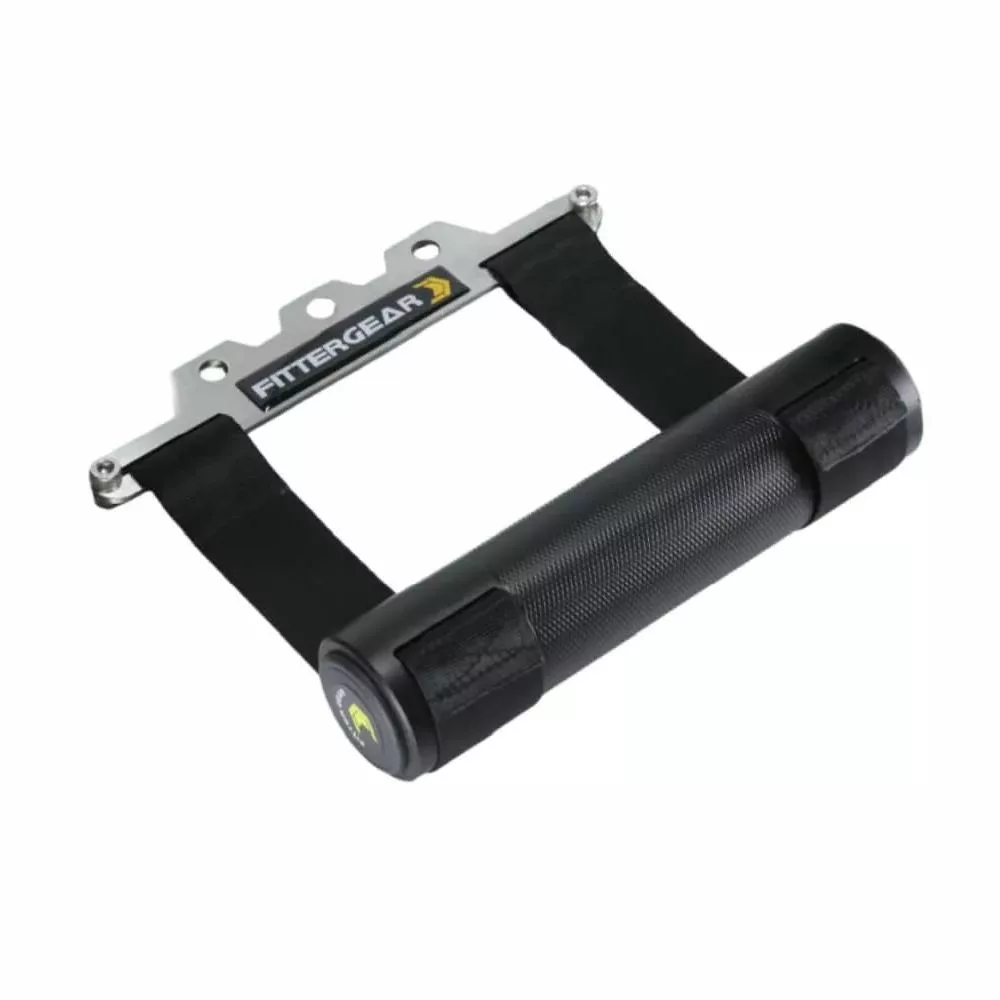
Heavy-Duty Wrist-Wrench for Cupping Power & Forearm Endurance
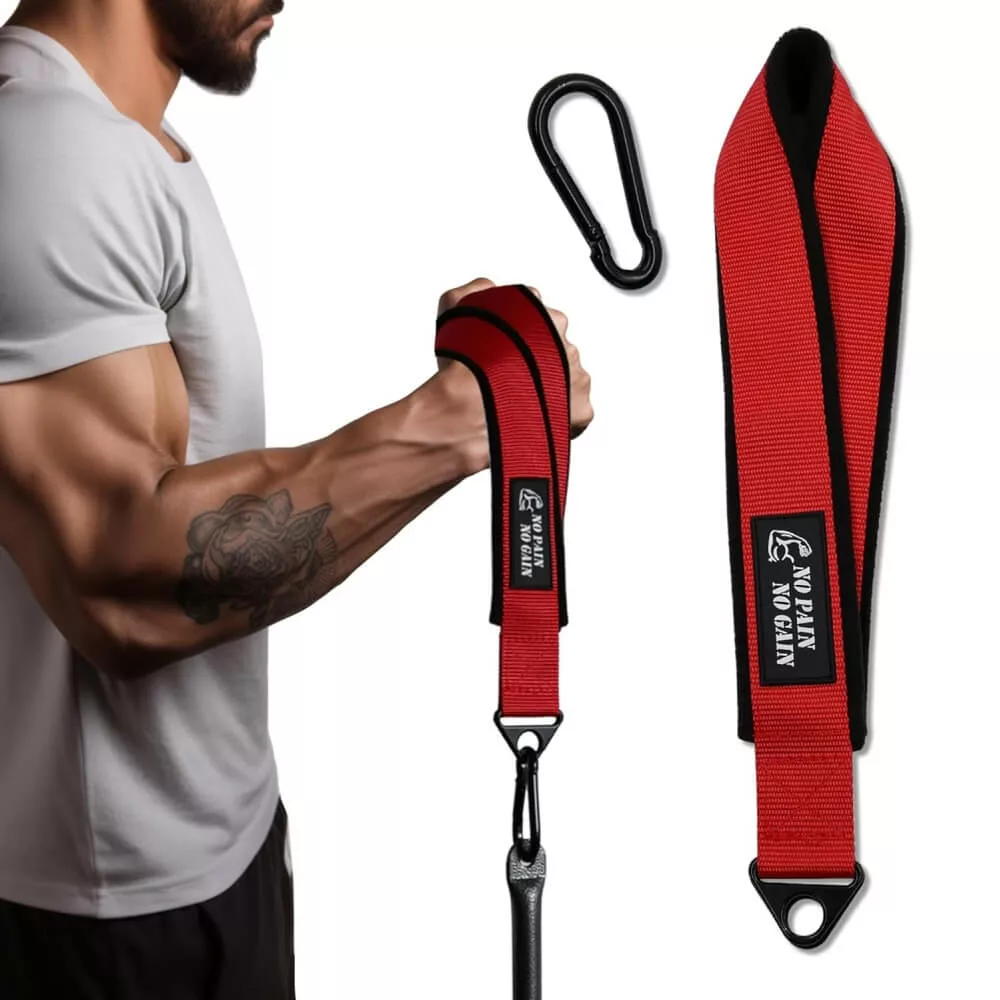
Twist Stronger, Control Harder: Padded Arm Wrestling Strap
Activities like martial arts, gymnastics, or loaded carries combine full-body performance with serious grip demands, making training both functional and exciting.
Blending grip work into bigger movements makes training far more engaging.
Using unconventional tools such as sandbags or thick-grip dumbbells provides a fresh stimulus that challenges your hands and forearms in ways standard tools often can’t. These variations can help break plateaus while building more practical, real-world grip strength.
Sometimes changing the tool changes the results.
Creating a specialized grip training program around your interests and goals can maximize both motivation and results. Whether you want a stronger support grip, better sports performance, or improved hand endurance, a personalized approach keeps your training aligned and enjoyable.
The most effective grip program is the one built around your goals.
Advanced grip training is about exploring potential you may not have tapped into yet.
As you experiment with more intricate techniques and personalized routines, you’re not just building stronger hands; you’re expanding overall resilience, capability, and long-term progress.
Keep challenging your grip, and your training can keep evolving.
Thanks for Stopping By!
How Do You Keep Grip Training Fun?
Share Your Experience Below!