(Last Updated on May 30, 2026 by Henry)
Grip strength, simply put, is how strongly you can hold onto or squeeze an object. This simple action plays a surprisingly big role in our daily lives and fitness journeys. Whether you’re opening a jar, carrying groceries, or deadlifting a barbell, grip strength is working hard behind the scenes.
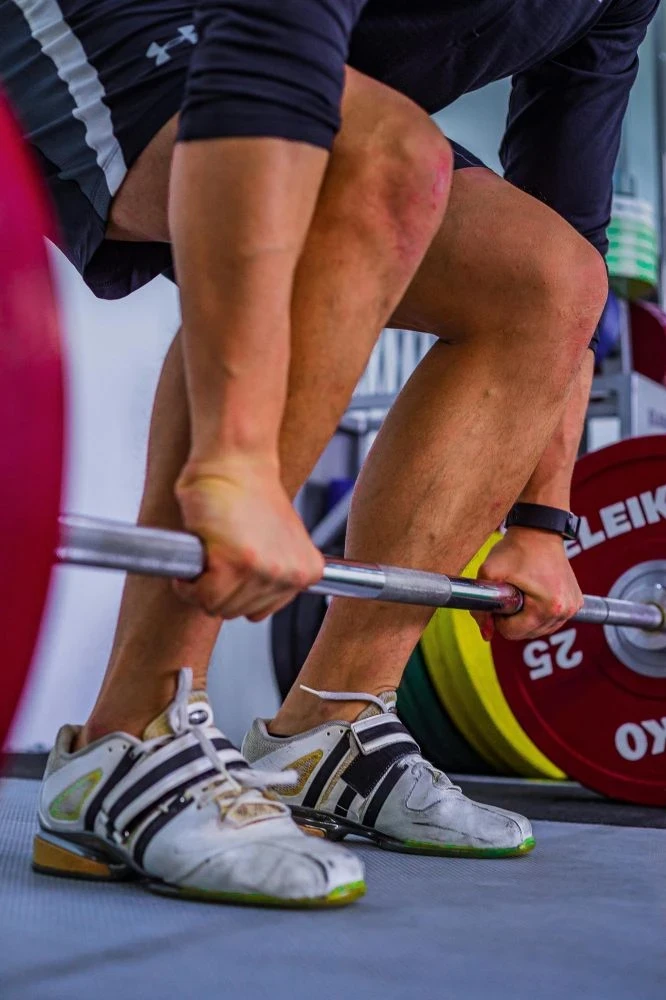
It’s one of those foundational abilities that supports both performance and functionality, yet often goes unnoticed until it becomes a limiting factor.
When your grip gives out, everything else follows.
Your strength is only as strong as your grip.
There are three main types of grip strength you should know about. The first one is the crush grip, which involves closing your hand around an object.
Think of using a handshake as a simple example. Then there’s the pinch grip, where you’re holding something between your fingers and thumb, like a pinch of salt.
Lastly, the support grip is your ability to maintain grip over a period, such as hanging from a pull-up bar.
Each type has its own role and importance, affecting how we perform both simple tasks and more complex athletic feats.
Understanding these distinctions allows you to train more effectively instead of relying on a one-dimensional approach. Each grip type contributes differently to strength, endurance, and control.
Different grips, different strengths.
Understanding the nuances of grip strength can provide you with a better foundation for improving it. Know why grip strength matters and the types involved, and you’re off to a good start. It’s crucial because once you hit a plateau in your grip strength, tackling it head-on with the right strategies can make all the difference.
Building this awareness early on helps you recognize weak points and avoid stalled progress later. When you understand what you’re training, you can adapt faster and push through plateaus more efficiently.
Clarity leads to progress.
Recognizing and Understanding Grip Strength Plateaus
Hitting a plateau in any area of training can be frustrating, and grip strength is no exception. A plateau happens when progress stalls despite consistent training efforts. It’s like pushing against a brick wall, and pushing harder isn’t getting you anywhere.
Plateaus can feel discouraging, especially when you’re putting in the effort but not seeing results. But they’re a natural part of the strength-building process, not a sign that something is wrong.
Progress doesn’t stop; it just slows down.
To know whether you’ve hit a plateau, look out for certain signs. You might notice that your grip isn’t improving in strength or endurance, or maybe your usual workouts feel easier, but you’re not seeing any big gains. Sometimes it means your grip fatigues quicker, or it just can’t handle increased weights as well as it used to.
Recognizing these early signals allows you to act before frustration builds. Awareness is key to making timely adjustments that keep your training moving forward.
The signs are subtle, until they’re not.
Understanding why plateaus occur is crucial to overcoming them. Often, it’s because the muscles used for grip strength aren’t being challenged in new or varied ways. They’ve gotten used to the routine, and now they’re on autopilot. Other factors could be at play too, like insufficient recovery time, poor nutrition, or even stress, all of which can make it hard for your body to adapt and grow stronger.
When your body adapts to a repeated stimulus, progress naturally slows. Without variation or proper recovery, your muscles have no reason to grow stronger.
Adaptation without progression leads to stagnation.
Once you recognize a plateau, it’s time to shake things up. Mix up your training exercises, focus on recovery, or revisit your nutrition plan. Each step brings you closer to breaking through and making gains again.
Taking action quickly prevents long-term stagnation and keeps your motivation intact. Small, strategic changes can restart progress faster than you might expect. Change creates momentum.
Assessing Your Current Grip Strength Level
Before you can break a plateau, it’s important to know where you stand with your grip strength. This means assessing your current level, which gives you a baseline to work from.
Without a clear starting point, it’s difficult to know whether your training is actually working. Establishing a baseline turns your efforts into measurable progress instead of guesswork.
You can’t improve what you don’t measure.
There are various ways to measure grip strength. A straightforward method is using a grip strength dynamometer, a device that provides a reading of your hand’s clamping force. Many gyms have these, or you can get a portable one for home use.
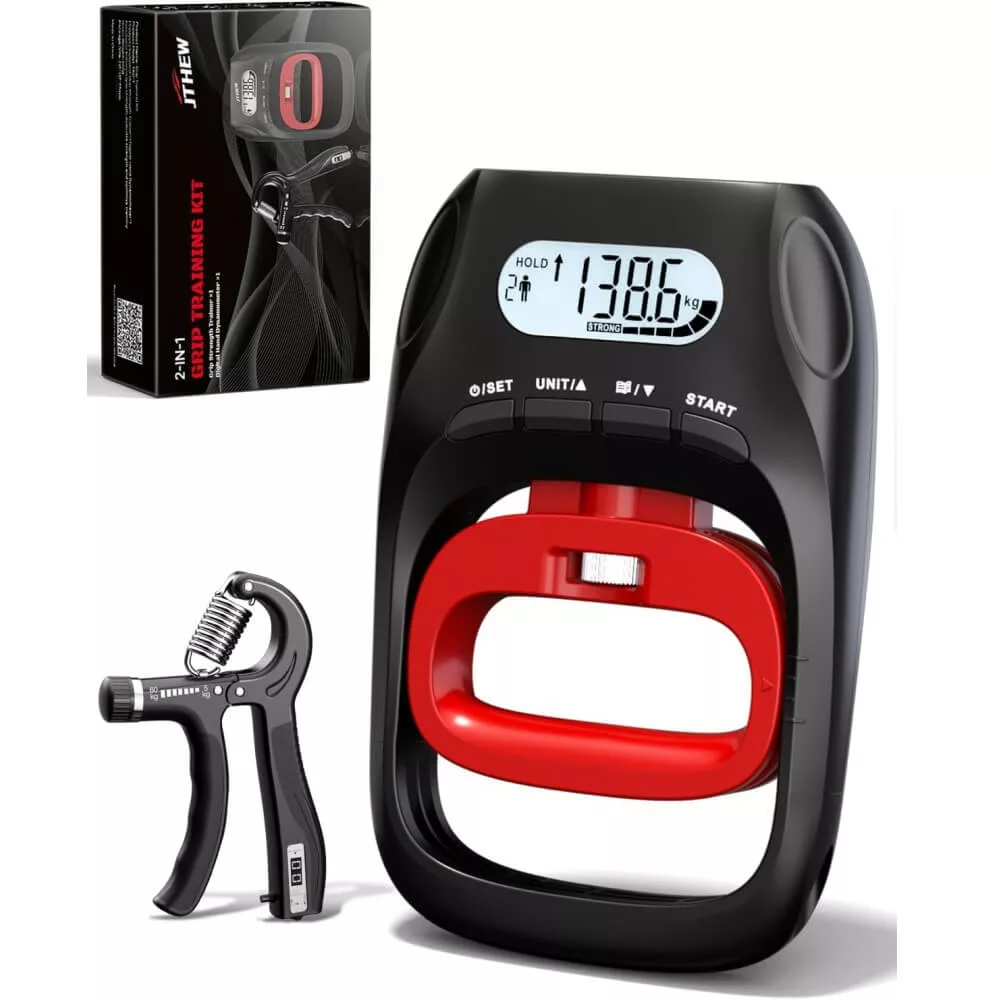
Don’t Guess: Use Grip Dynamometer for Accurate Progress Tracking
These tools provide objective data, helping you track even small improvements over time. Even simple methods can be effective if used consistently.
Tracking your progress plays a vital role in understanding where improvements are needed. Keep a log of your grip strength scores over time. Noticing trends can reveal your strengths and pinpoint weak spots, guiding you toward more focused training.
- Record grip strength measurements regularly (weekly or monthly)
- Track different grip types (crush, pinch, support)
- Note exercise performance, duration, and weights used
- Look for patterns in fatigue, strength gains, or stagnation
Patterns reveal what effort alone cannot.
Regular assessments help tailor your workout program. If you find your crush grip is lagging behind, you can add more specific exercises to target that area. Conversely, if support grip is your weakness, plan some routines to boost endurance.
This targeted approach ensures you’re not wasting time on what’s already strong, but instead building up what’s holding you back.
Train your weaknesses, unlock your strength.
Knowing how to assess grip strength and keeping an eye on the results can serve as a compass in your journey to overcome plateaus. With this information, it becomes easier to navigate towards stronger, more resilient grip strength.
Clarity in your progress leads to smarter decisions and faster breakthroughs. Direction creates results.
Adding Variety to Grip Training for Continuous Progress
Diversifying your grip workouts is a key tactic in overcoming plateaus. Just like any other muscle group, your hands and forearms can benefit hugely from a varied and dynamic training approach. Sticking to just a few routines may lead to stagnation, where muscles stop adapting and growing.
When your training lacks variety, your progress eventually slows down. Introducing new challenges forces your muscles to respond, adapt, and grow stronger again.
Variation drives adaptation.
When it comes to improving your crush grip, incorporate exercises like farmers’ walks or heavy bar holds. These moves not only challenge the grip but also test your ability to hold on under tension for longer periods. For pinch grip, consider using weight plates or pinch blocks, which target the fingers and thumbs especially.
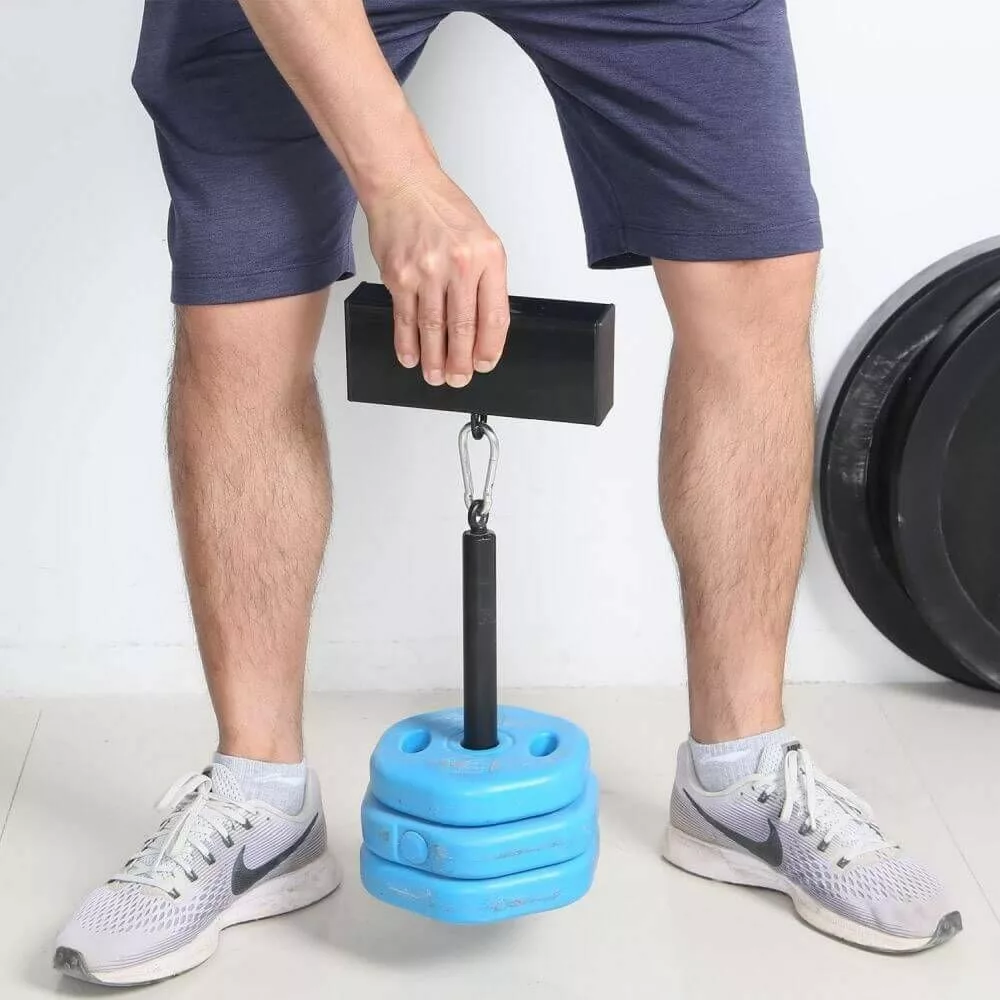
Pinch Grip Training Made Effective in a Simple Way?
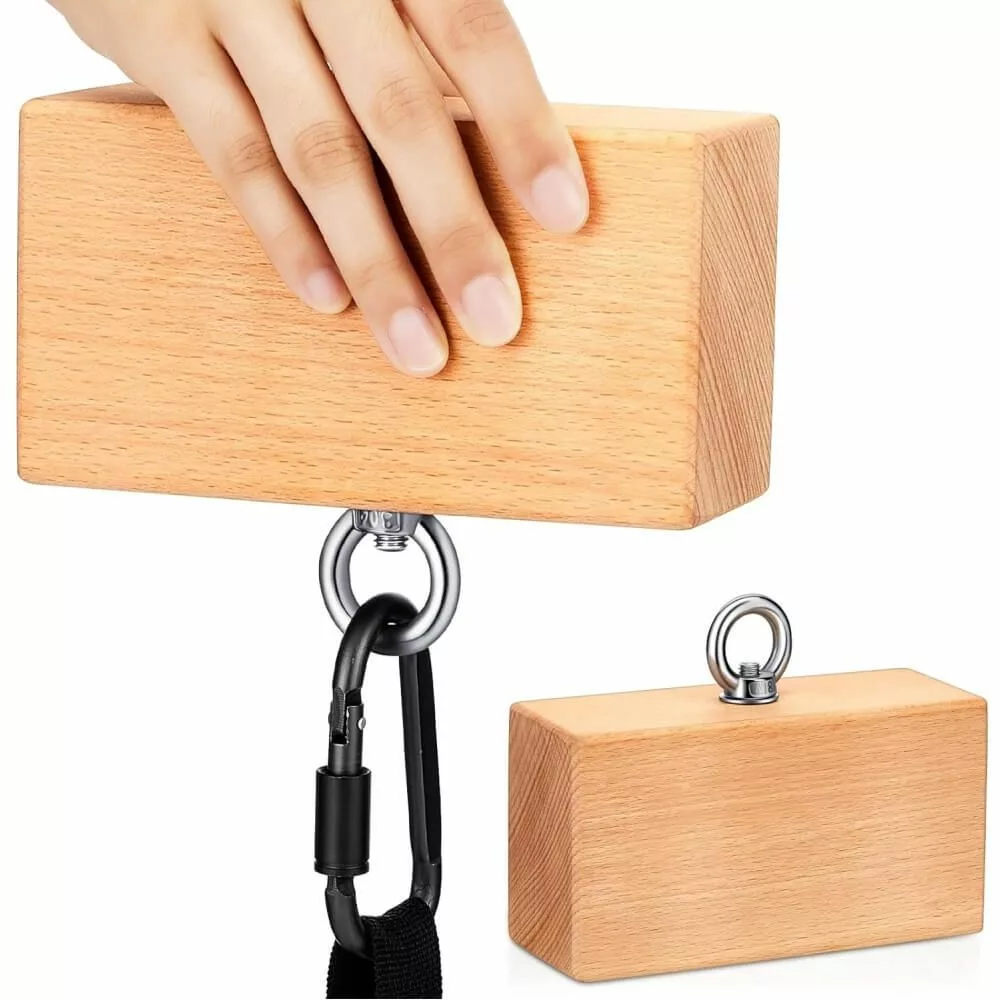
Train Your Thumbs with a Simple Pinch Block
Training different grip types ensures balanced strength development and prevents one weak link from limiting your overall performance. Each variation adds a new layer of strength and control.
Strength is built through variety, not repetition alone.
Support grip often gets overlooked, but it’s crucial for endurance. Classic exercises like dead hangs or towel hangs from a pull-up bar can train the hands to maintain a hold for extended periods. Including these in your regimen ensures that your grip will last throughout a workout, not just for a single rep.
Endurance is what allows your strength to last. Without it, even a strong grip can fail under sustained effort.
Grip strength that lasts is grip strength that performs.
Rotational and dynamic movements are fantastic for adding variety. Instead of lifting weights in a single plane, incorporate movements that require twisting or turning. Use a wrist roller, for example, to engage different muscles of the forearm, ensuring a more comprehensive grip workout that can stimulate new muscle growth and break through plateaus.
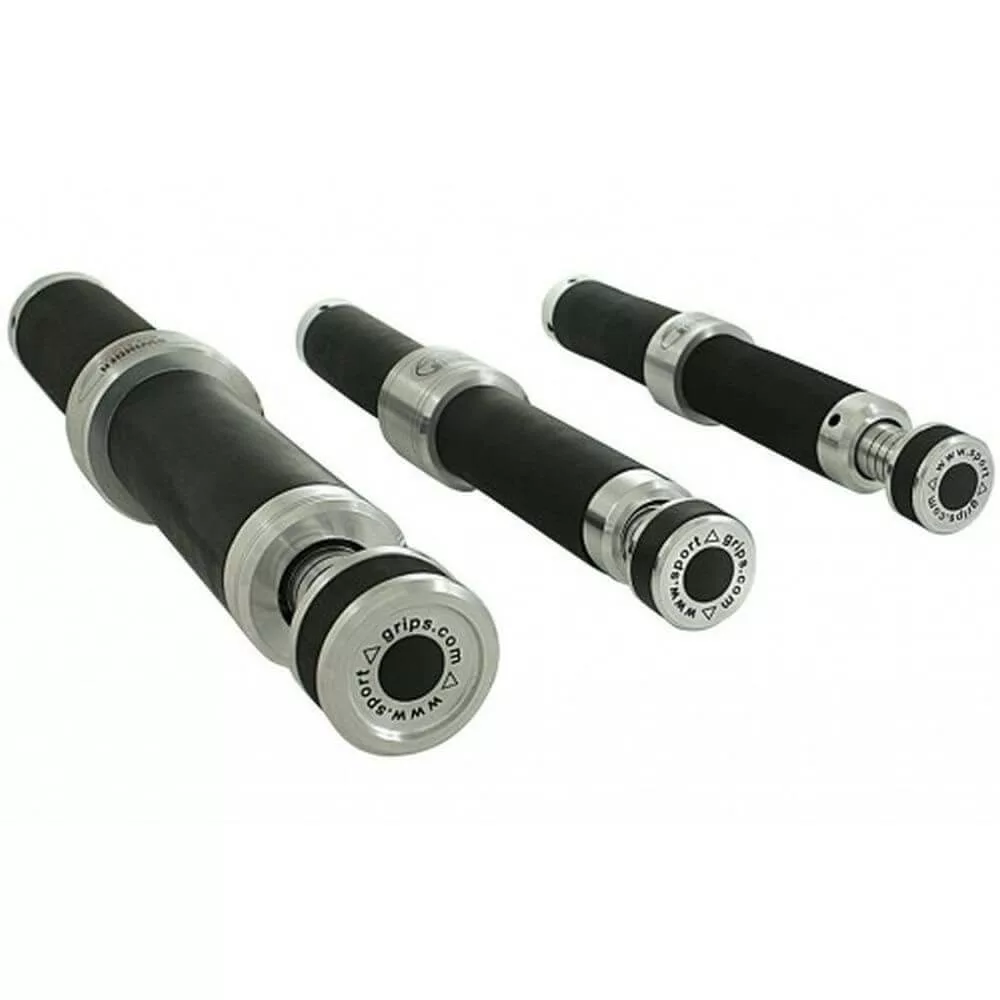
Blast Your Wrists with XL Wrist-Roller to Bulk Up Forearms
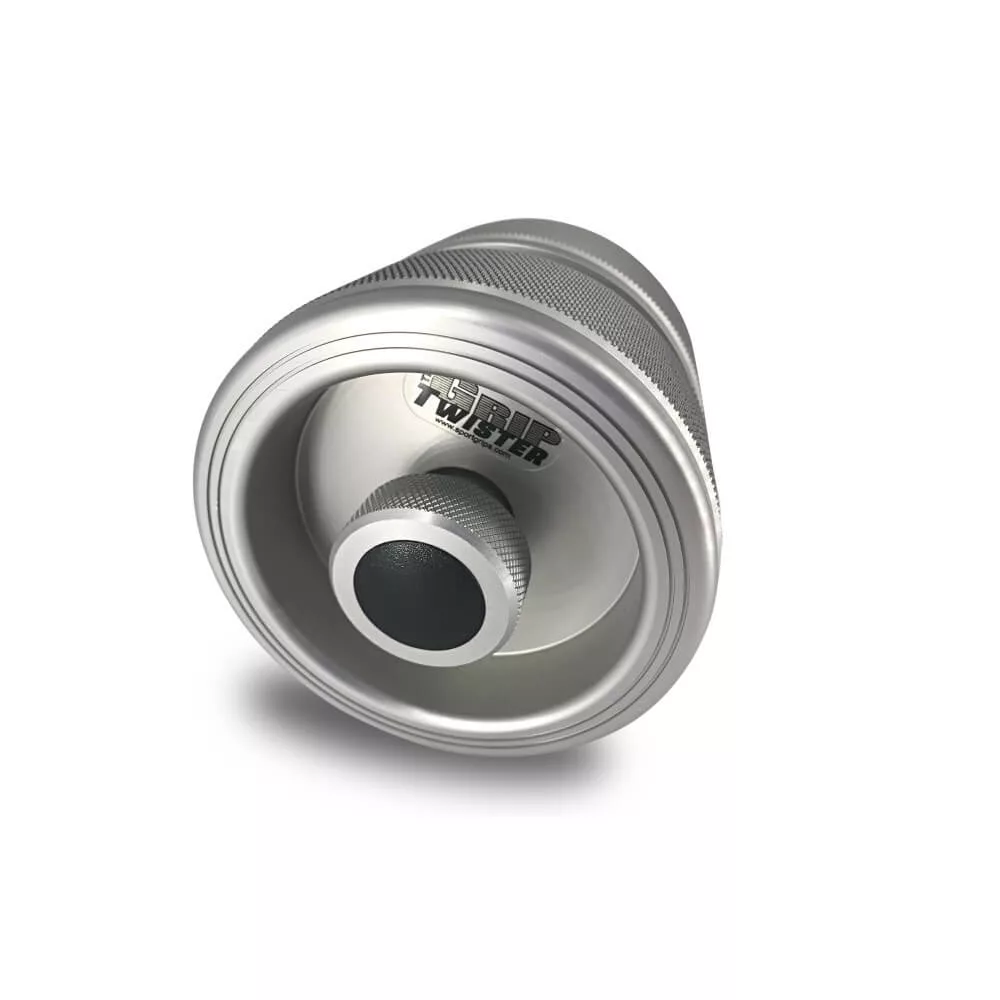
Ultimate Pinch Grip Trainer with Virtually Infinite Resistance?
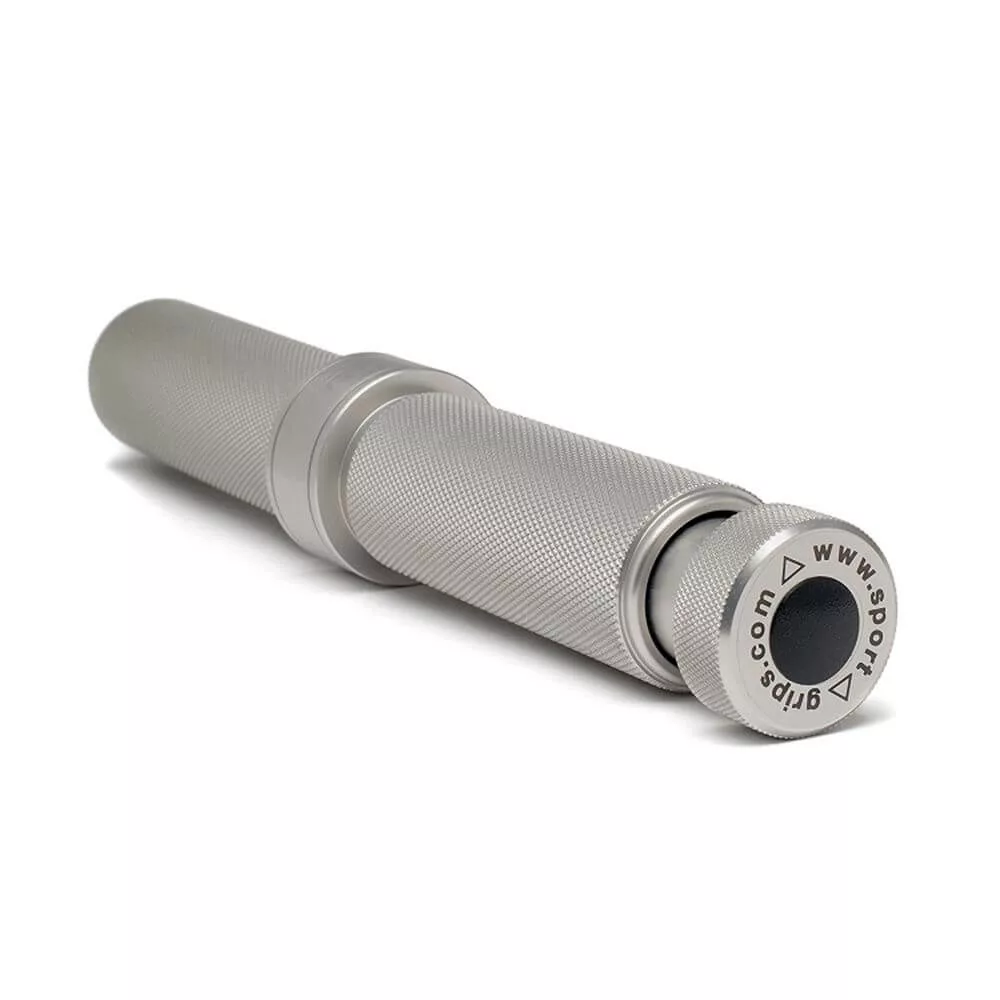
Modern, Rope-Less Wrist Roller: Sure Way to Get Strong Wrists
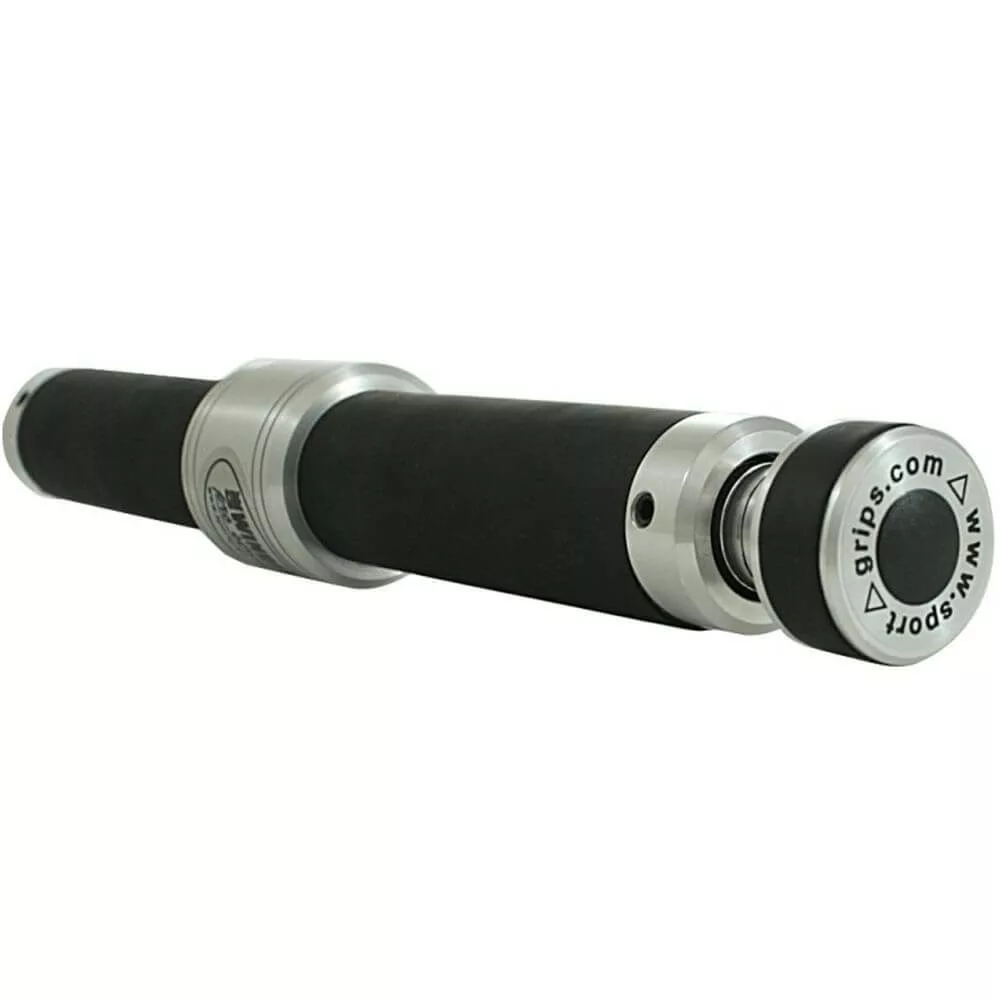
Build Wrist Strength with Rope-Less Wrist Roller
These movements challenge coordination and stability in ways static exercises cannot. By training across multiple angles and patterns, you create a more resilient and adaptable grip. New angles create new gains.
Using Progressive Overload to Break Training Plateaus
Progressive overload isn’t just a buzzword in the fitness world; it’s a fundamental principle that drives muscle growth and strength improvements. Applying this concept to your grip strength training can help you break through plateaus.
Without progressive overload, your body has no reason to change. It adapts only when it’s pushed beyond its current limits in a controlled and consistent way. No challenge, no change.
To start with, think about gradually increasing the weight you’re handling. Whether you’re gripping a dumbbell, barbell, or specialty grip tool, slowly bumping up the weight challenges your muscles more each session. This incremental increase is a signal to your body to adapt and grow stronger.
Even small increases can make a significant difference over time.
The key is consistency, not massive jumps in difficulty. Small increases, big results. It’s not all about adding weight, though. You can also adjust the intensity by controlling how long you hold onto the weight, perhaps increasing the duration of each hold session by a few seconds every week. This added tension over time challenges the endurance of your grip.
Time under tension is a powerful tool, especially for grip training, where endurance plays a major role. Extending holds gradually builds resilience and control.
Time builds toughness. Adaptation is key, but it’s critical to do it safely. Listen to your body to avoid overtraining, which can stall progress. It might also help to mix in high-intensity grip sessions with lower-intensity or rest days, allowing time for recovery while still keeping your muscles engaged.
Pushing too hard without recovery can backfire quickly.
Smart progression balances effort with rest to keep improvements steady and sustainable. Train hard, recover smart.
By consistently employing progressive overload, while being mindful of safe adaptation techniques, you’ll keep your grip muscles stimulated and growing. This strategic approach is your ally in overcoming the barriers that plateaus present.
When applied correctly, progressive overload turns stalled progress into steady improvement, helping you move forward with confidence and control. Progress is built step by step.
The Role of Rest and Recovery in Grip Strength Growth
Rest and recovery are as crucial as the training itself. They allow the muscles to repair and strengthen, leading to improved performance over time. Too often, the importance of downtime gets understated, leading many to push beyond limits, risking overtraining.
Recovery is not time lost, it’s where progress actually happens.
Without it, your muscles never fully adapt to the stress you’re placing on them. Recovery builds strength. Overtraining not only hinders progress but can also cause burnout and injury. Signs like prolonged fatigue, persistent soreness, or lack of motivation should be red flags. Recognizing these early can keep you from setbacks. Ignoring these warning signs can quickly turn a minor issue into a long-term setback.
Awareness and timely adjustments are key to staying consistent.
Your body always gives feedback; listen to it. Incorporating effective recovery techniques can make a significant difference. Stretching regularly helps maintain flexibility and prevent injuries. Simple hand and forearm stretches lengthen the muscle fibers, aiding recovery.
Improved flexibility not only reduces injury risk but also enhances overall grip performance by allowing a better range of motion and control. Flexibility supports strength.
Massage can also play a key role. Self-massage or using tools like foam rollers relieves tension, increases blood flow, and accelerates healing in worked muscles. It’s like giving your muscles the care they need to bounce back stronger.
Better circulation means faster recovery, helping your muscles repair and prepare for the next training session more efficiently. Recovery speeds up with circulation.

Gyro Ball is Amazing For Grip Training Warm-Up & Hand Rehab
Nutrition is another pillar of recovery. Ensuring you’re fueling your body with the right nutrients supports muscle repair and growth. Proteins, essential fatty acids, and a variety of vitamins and minerals provide the building blocks for recovery.
Without proper nutrition, recovery slows down and performance suffers.
Your body needs the right inputs to rebuild stronger after each session. Fuel determines recovery quality. While building grip strength, balance your active sessions with rest and recovery. It might sound counterintuitive, but often stepping back allows you to step forward, breaking plateaus effectively.
Strategic rest keeps your training sustainable and your progress consistent over the long term. Rest to progress.
Supplementary Grip Training Tools and Methods
When it comes to leveling up your grip strength, supplementary training and the right tools can be game-changers. These not only enhance your workouts but can also introduce new challenges that your muscles need to grow.
Adding the right tools expands your training possibilities and helps you target weaknesses more precisely. It’s a simple way to make your routine more effective without completely changing it. Tools unlock new strength.
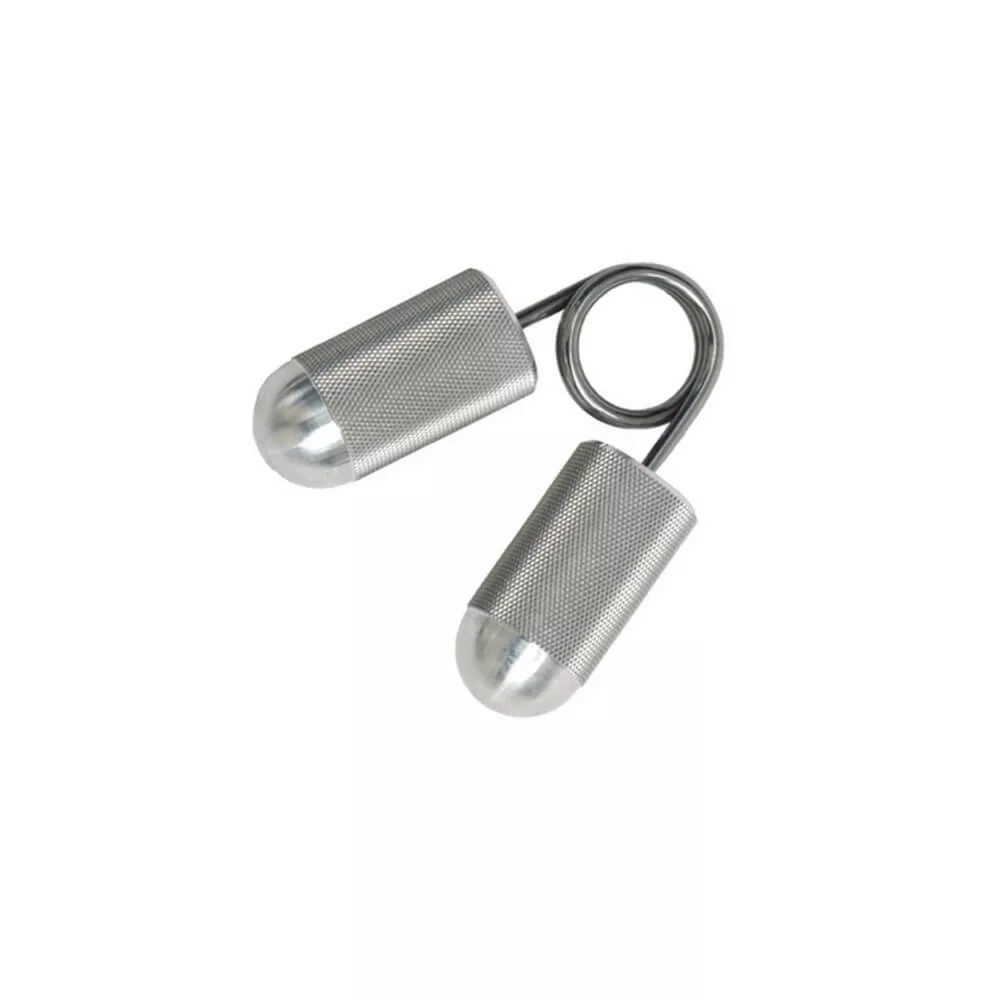
Specialized Spring Gripper to Skyrocket Your Thumb Strength
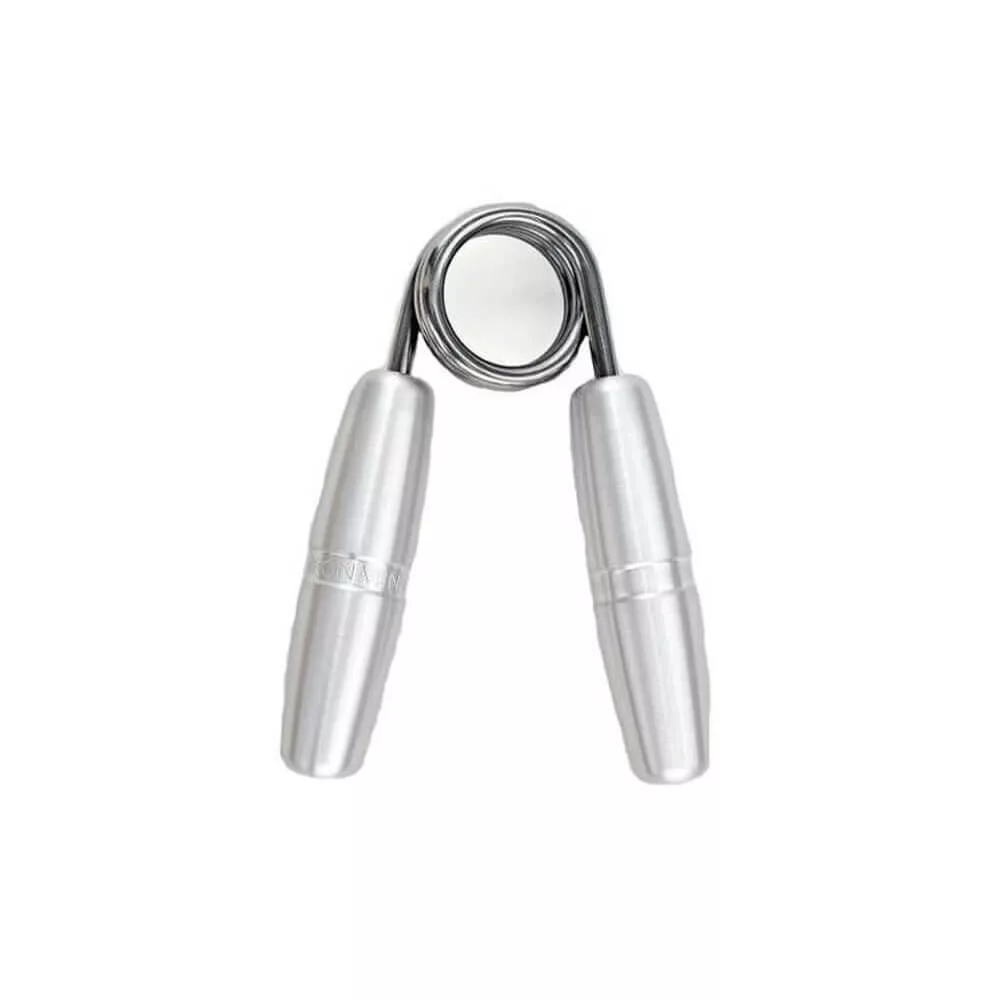
Smooth-Handle Gripper: Ideal For Rehab & Gentle Training

The Iconic Grip Workhorse for Serious Strength?
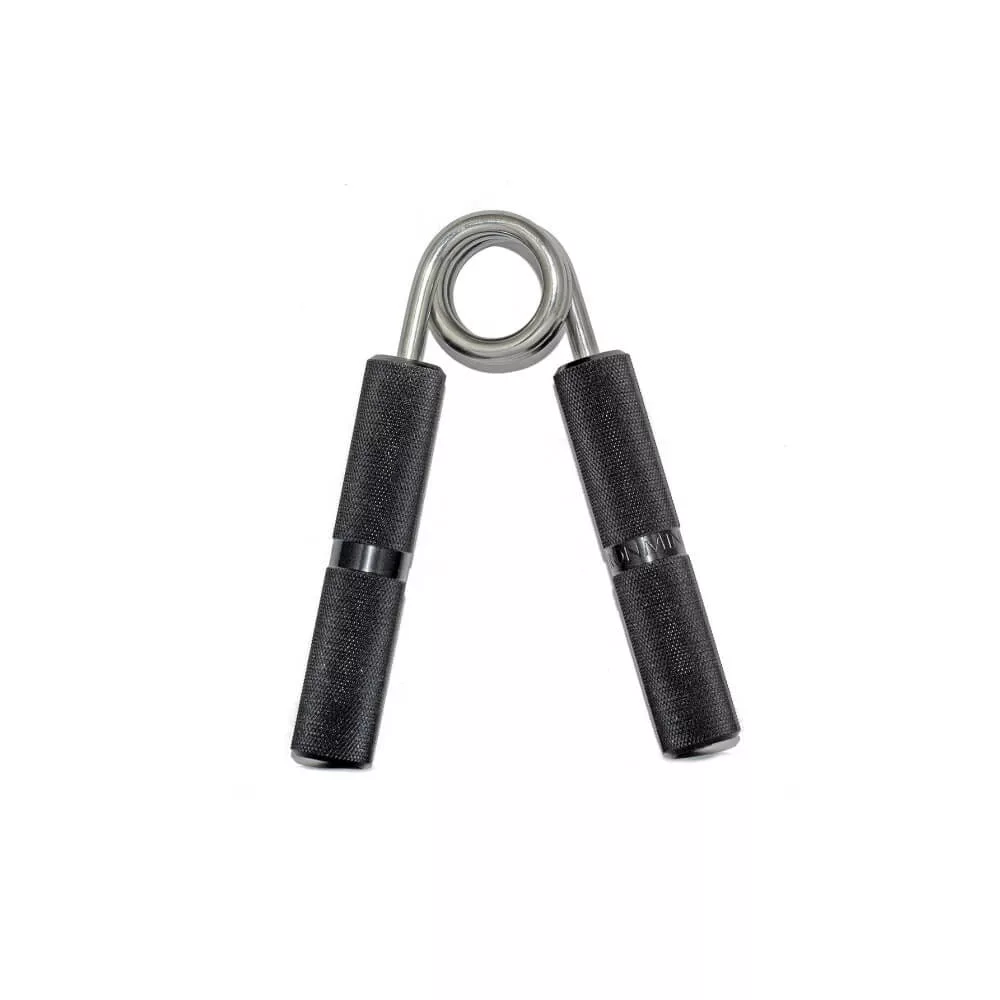
Left-Wing Springs: Crush Grip Trainer for Left-Handed Users?
Grip strength tools such as grippers and resistance bands are excellent for targeting specific muscle groups.
Grippers allow for controlled squeezing exercises, while resistance bands offer versatility, letting you perform a variety of grip and forearm exercises. These tools make it easier to isolate movements and progressively overload your grip in a controlled and measurable way.
Incorporating cross-training methods, like rock climbing or martial arts, can test and strengthen your grip in different, dynamic ways. These activities require varied grip positions and strengths, ensuring you’re improving comprehensively.
- Use grippers for targeted crush grip development
- Incorporate resistance bands for a versatile grip and forearm work
- Try cross-training activities like climbing or martial arts
- Add thick bar or fat grip variations to standard lifts
Different tools create different challenges, and that’s exactly what drives progress.
Compound movements, like deadlifts and pull-ups, are fantastic not only for overall strength but also for grip strength. They naturally challenge your grip every time you perform them, particularly if you experiment with different grip widths or use a thicker grip bar.
These exercises give you more value from every workout by training multiple muscle groups while reinforcing grip strength at the same time.
Efficiency builds strength faster.
Adding a mix of these tools and exercises into your routine keeps your training fresh and your grip muscles constantly adapting. This approach not only fights the monotony of regular workouts but also effectively targets those stubborn plateaus.
A varied and well-equipped routine ensures continuous challenge, which is exactly what’s needed to push past stagnation and keep improving.
Keep it fresh, keep progressing.
Nutrition and Lifestyle Factors for Grip Performance
Grip strength isn’t solely built in the gym. Nutrition and lifestyle play pivotal roles in how well your muscles cope with training and recovery. Your body needs the right fuel to enhance grip strength, and smart lifestyle choices can make the training more effective.
What you do outside your workouts directly impacts what you achieve inside them. Training is only one part of the equation; recovery and lifestyle complete the picture.
Strength is built 24/7.
A balanced diet rich in protein helps muscle repair and growth. Incorporate sources like lean meats, legumes, and nuts to provide the amino acids your muscles need post-workout. Complex carbohydrates and healthy fats serve as the energy sources required to power through intense grip sessions.
Proper nutrition ensures your body has the resources it needs to recover faster and perform better in every session. Without it, progress slows, and fatigue builds up.
Fuel your performance. Hydration is another critical factor.
Dehydration can negatively impact muscle performance, causing early fatigue and reduced endurance. Aim for consistent water intake throughout the day, particularly before and after workouts, to maintain optimal muscle function.
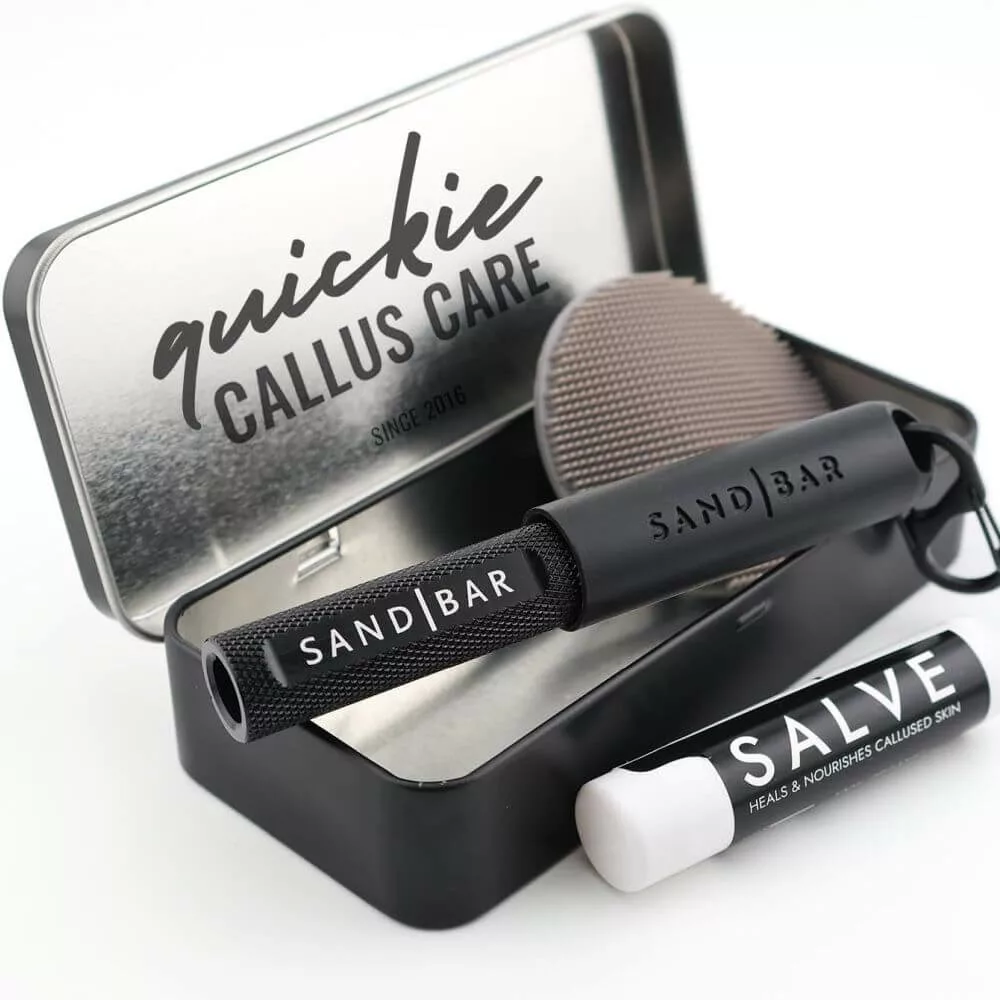
SandBar Callus Remover: Grip-Friendly Hand Care for Lifters

Razor Sharp Callus Shaver to Maintain Grip Health?

60% Urea Cream: An Aggressive Solution for Serious Skin Damage?
Even slight dehydration can reduce grip endurance and strength output, making your workouts less effective than they should be. Hydration supports endurance.
Lifestyle changes can also support your grip strength goals.
Reducing stress through activities like meditation or yoga can improve training focus and recovery rates. Adequate sleep is equally important, as it’s during rest that your body undertakes essential repair and growth processes.
Managing stress and prioritizing sleep creates an environment where your body can fully recover and adapt to training demands. Recovery starts with lifestyle.
Incorporating these nutrition and lifestyle strategies enhances your body’s capability to train effectively and overcome plateaus in grip strength development, setting a strong foundation for continued progress.
When all these elements work together, your progress becomes more consistent, sustainable, and easier to maintain over time. Build the foundation, unlock the results.
Tracking Progress and Setting SMART Grip Strength Goals
Setting realistic and measurable goals is a powerful motivator in training. When it comes to overcoming plateaus in grip strength, having clear objectives can guide your workouts and keep you on track. Clear goals turn effort into direction. Instead of training aimlessly, you’re working toward something specific and meaningful.
Clarity drives consistency.
Start by defining what success looks like for you, whether it’s lifting a heavier weight, improving grip endurance, or holding onto a climbing hold longer. Specific goals provide direction and a target to aim for. Well-defined goals make progress easier to measure and more rewarding to achieve. They give every workout a purpose.
A clear target sharpens focus. Tools and apps designed for fitness tracking can be very helpful.
These devices can record and analyze your grip strength over time, giving a clear picture of how you’re progressing and where adjustments are needed. Seeing your data evolve over time creates accountability and reinforces your commitment to improvement.
Numbers tell the story. Consistency is key. It’s easy to lose steam, but by regularly evaluating your goals and setting new ones, you maintain motivation. Whether it’s weekly or monthly, review your performance, celebrate the victories, and recalibrate any off-target metrics.
Regular check-ins keep you aligned with your goals and prevent you from drifting off course. Small adjustments can make a big difference over time.
Consistency creates momentum.
Staying motivated involves more than just tracking numbers. Find a routine that excites you, incorporate variety to prevent boredom, and consider joining a community or finding a workout partner to keep the accountability high.
Motivation thrives in an environment that feels engaging and supportive. The more enjoyable your routine, the easier it is to stick with it.
Enjoy the process, not just the outcome.
With the right tools and mindset, tracking your progress not only helps in recognizing improvements but also makes your journey toward overcoming plateaus more effective and rewarding. When you combine structure with motivation, progress becomes something you can both see and feel. Track it, improve it.
Thanks for Stopping By!
How Do You Push Through Grip Training Plateaus?
Share Your Experience in the Comments!