
(Last Updated on May 30, 2026 by Henry)
Mental resilience often gets overshadowed by physical prowess when we talk about fitness and training. It’s the mental fortitude that keeps us pushing, especially when the going gets tough. Mental resilience isn’t something you either have or don’t; it’s a skill that can be developed with practice and patience.
In grip training, especially, where discomfort and fatigue show up quickly, your mindset often determines how far you go. The difference between stopping early and pushing through often isn’t physical; it’s mental.

Strength starts in the mind.
At its core, mental resilience refers to the ability to cope with stress and adversity, bouncing back from setbacks. For athletes, it’s about staying focused and composed, even under pressure. It’s not just about physical endurance but about keeping your mental game sharp.
This ability becomes crucial when training intensity increases or progress slows. Staying composed allows you to keep executing your routine effectively, even when results aren’t immediate.
Focus fuels performance.
Think of it like this: the body achieves what the mind believes. This correlation between mind and body means that strengthening one often benefits the other. Scientific research shows that mentally resilient people tend to recover faster from injuries and perform better in high-stress circumstances.
This is because mental resilience enhances decision-making skills, focus, and perseverance during competitions and training.
When your mind stays strong, your body follows with better coordination, endurance, and consistency. This connection is what allows athletes to perform at a higher level under pressure.
Your mindset sets your limits. Hold longer, get stronger.
Why does this matter for grip training? Believe it or not, a strong mindset can significantly impact grip strength. When you’re mentally prepared, you’re more likely to push through challenging sets and reach new personal bests. It’s about believing in your capacity to hold on a little longer and trusting that you can overcome challenges.
Grip training is one of the clearest examples of mental resilience in action, especially during long holds or heavy carries where quitting feels easier than continuing. That extra second you hold on often comes down to belief, not strength.
The Connection Between Mental Resilience and Grip Strength Performance
There’s a fascinating connection between mental resilience and physical strength, especially in areas like grip training, that might surprise you. While lifting heavier weights or doing more repetitions might seem purely about physical strength, your mental toughness plays a huge role in how well you perform and progress.
What often looks like a physical limitation is actually a mental barrier in disguise. When your mind stays strong, your body is capable of far more than you initially think.
The limit is rarely physical.
When we talk about physical strength, particularly grip strength, it’s not just about the muscles in your hands and forearms. The mental game is equally important. Focus, determination, and the ability to keep going despite fatigue or discomfort are crucial elements sharpened by mental resilience. Just like your body needs conditioning, your mind does too.
Training your mind alongside your muscles creates a more complete and effective approach to strength development. One supports the other at every stage of progress.
Train the mind, unlock the body. See it, then achieve it.
A lot of top athletes use mental strategies to enhance their grip training. They rely on mental tricks like visualization, where they imagine successfully completing tough sets or achieving their ideal lift. This helps build the mental pathways needed to maintain a strong grip even when the body wants to give up.
Visualization reinforces confidence and prepares you for the physical challenge before it even begins. It reduces hesitation and increases execution quality during demanding sets.
Consider some real-world examples where mental resilience made a difference. Competitive rock climbers and professional arm wrestlers often cite their mental preparation as key to their success. They mentally rehearse challenging moves or scenarios in their minds to cultivate a powerful grip that holds steady under duress.
These athletes understand that performance under pressure is not just trained physically but rehearsed mentally. Their ability to stay calm and focused gives them a clear edge.
Pressure reveals preparation. Confidence improves control.
Mental resilience also aids in overcoming the fear of failure or injury, common in grip-heavy activities. By fostering a resilient mindset, athletes can push past mental barriers and stay focused on their technique, reducing the risk of injury while maximizing their strength output.
A strong mindset replaces hesitation with control, allowing you to stay present and execute movements safely and effectively.
Assessing Your Current Level of Mental Resilience
Before diving deeper into developing mental toughness, it’s helpful to know where you already stand. Assessing your mental resilience gives a solid starting point and helps pinpoint areas that need growth. Plus, knowing your strengths can boost your confidence on tough days.
Self-awareness is the foundation of improvement. When you understand your current mindset, you can start shaping it more effectively.
Awareness creates control. Your thoughts shape your performance.
Start by reflecting on how you handle stress and setbacks in training and everyday life. Do you find yourself bouncing back quickly, or do you stay mired in frustration for a while? Notice your thoughts when facing a challenging workout. Are they encouraging or do they tend to sabotage your effort?
Your internal dialogue plays a powerful role in how you perform under pressure. Identifying negative patterns is the first step toward changing them.
Consider using self-evaluation techniques like journaling. Write down your thoughts after each training session and note any repeated patterns. It might shock you to see how much your mindset impacts your performance and recovery.
- Reflect on your thoughts after each workout session
- Identify patterns in motivation, frustration, or self-doubt
- Track how your mindset affects performance and recovery
- Note improvements in focus, confidence, and consistency over time
Patterns reveal what habits hide.
There are plenty of tools and tests out there designed to measure resilience and mental toughness. Simple questionnaires can provide insight into how you cope with pressure and stress. Remember, these aren’t definitive markers but useful guides to help you understand yourself better.
These tools provide structure to your self-assessment, helping you evaluate your mindset in a more objective and consistent way.
Measure your mindset to improve it. Know yourself to improve yourself.
It’s important to identify both your strengths and areas for improvement. Recognizing where you excel mentally can help you face future challenges with that much more assurance. Meanwhile, acknowledging areas where you struggle gives you a chance to actively work on them, turning weaknesses into strengths over time.
Growth starts with honesty. The more clearly you see your strengths and weaknesses, the more effectively you can improve them.
Setting Realistic and Achievable Grip Training Goals
Goal setting might seem straightforward, but laying down a clear path can make a huge difference in your grip training journey. When you set goals that are both realistic and achievable, you’re creating a roadmap that guides you toward success without overwhelming you right out of the gate.
A clear direction removes uncertainty and replaces it with purpose. When you know where you’re going, it’s easier to stay committed along the way.
Direction builds discipline.
Start with SMART goals: specific, measurable, achievable, relevant, and time-bound. This approach keeps you focused, helping you to hone in on exactly what you want to accomplish. For grip strength, maybe it’s holding a heavy weight for a certain period or squeezing through a particularly challenging climb.
Structured goals turn vague intentions into actionable steps. They give your training clarity and make progress easier to track and evaluate.
Clarity drives action. Purpose keeps you going.
Having clarity can boost mental resilience by keeping you motivated and on track, even during tough periods. When you know what each session is building towards, it’s easier to summon the mental toughness needed to keep grinding.
Purpose fuels persistence, especially when motivation dips. Knowing “why” you’re training helps you push through discomfort and stay consistent.
Tracking your progress is crucial. It’s easy to get bogged down when results aren’t immediate, but regular check-ins with yourself can highlight the triumphs, big and small. Whether it’s tracking how long you can sustain your grip or the incremental improvement in weight, these victories feed into mental resilience.

Don’t Guess: Use Grip Dynamometer for Accurate Progress Tracking
Visible progress reinforces effort and builds confidence over time. Even small wins remind you that you’re moving forward.
Progress builds belief. Adjust to stay consistent.
Don’t be afraid to adjust your goals. Flexibility is key in training. Sometimes life happens, and that’s okay. Adjusting doesn’t mean quitting; it’s smart training. Adapt your goals when needed to stay on course without burning out. After all, consistency beats intensity over time.
Adaptability allows you to stay consistent without unnecessary pressure. It keeps your training sustainable and aligned with your current situation.
Proven Techniques for Building Mental Resilience in Training
Building mental resilience takes practice, like any other skill in training. It’s about incorporating strategies that reinforce your mental stamina and prepare you for the physical challenges ahead.
Just like muscles, your mindset strengthens through repetition and consistency. The more you train it, the more reliable it becomes under pressure.
Mental strength is built, not given. Calm mind, stronger grip.
Mindfulness and meditation are two powerful tools to add to your routine. They help cultivate a sense of inner calm and focus, reducing the level of stress you might feel, particularly during tough workouts. Even a few minutes of mindful breathing or meditation can set a strong mental foundation.
A calm mind performs better under strain. Reducing internal noise allows you to stay focused on the task rather than the discomfort.
Visualization techniques are another great way to enhance mental resilience. Try picturing yourself completing a difficult grip exercise successfully. Imagine the details of how it feels to conquer it. This mental rehearsal creates a blueprint your body can follow, especially when the actual challenge arises.
This practice prepares your mind for success before the physical effort even begins. It reduces doubt and improves execution when it matters most.
See success before you feel it.
Positive self-talk can’t be underestimated. The way you talk to yourself during a workout can influence your ability to push through. Replace self-defeating thoughts with affirmations. When you tell yourself, “I’ve got this,” it can make a world of difference in those crucial moments where giving up feels tempting.
Your inner voice can either limit you or push you forward. Training it to be supportive creates a powerful mental edge.
Your voice shapes your limits. Practice builds mental endurance.
Integrate these strategies into your daily routine and during your training. Consistent practice makes them second nature, ready to be drawn upon when faced with physical demands. Over time, these techniques not only build mental resilience but also enhance your overall training performance.
When these habits become automatic, your ability to handle discomfort, fatigue, and pressure improves significantly.
Overcoming Mental Barriers and Training Setbacks
Everyone faces mental barriers and setbacks from time to time. They’re a natural part of any challenging pursuit, including grip training. The key is learning to recognize and overcome these hurdles to maintain momentum.
Barriers are not the end of progress: they’re part of the process. What matters is how you respond when they show up.
Obstacles build resilience. Name it to overcome it.
Start by identifying what holds you back. Common mental barriers include fear of failure, self-doubt, and the anxiety of not meeting expectations. Being aware of these feelings can help you address them directly and prevent them from stalling your progress.
Clarity around your mental blocks gives you the power to confront them instead of being controlled by them.
Strategies for overcoming mental barriers can be incredibly empowering. One effective method is to break down challenges into smaller, more manageable pieces. This makes daunting tasks feel more achievable and reduces the sense of being overwhelmed.
- Break large goals into smaller, actionable steps
- Focus on one rep, one hold, or one set at a time
- Use short-term targets to maintain momentum
- Reduce overwhelm by simplifying the challenge
Small steps create big progress.
It’s also helpful to reframe setbacks as opportunities for growth. Mistakes and failures provide valuable lessons. By viewing them as a chance to learn and adapt, you cultivate a resilient mindset that embraces challenges rather than fearing them.
Shifting your perspective transforms frustration into fuel. It allows you to stay engaged instead of discouraged.
Failure teaches what success cannot. If they can push through, so can you.
Learning from athletes who have successfully tackled their own obstacles can offer inspiration. Look for stories of resilience in the sports world that demonstrate the power of mindset in overcoming adversity. These examples can serve as motivation when you’re facing your own roadblocks.
Seeing others push through similar struggles reinforces the idea that setbacks are temporary and progress is always possible.
Integrating Mental Resilience Into Grip Training Routines
Designing a training routine that includes mental resilience exercises alongside physical ones can create a more balanced approach to grip training. By integrating mental strategies directly into your routine, you can enhance both your physical and mental toughness.
When both elements are trained together, they reinforce each other. A stronger mind supports stronger performance, and better performance builds confidence.

Basic Doorway Pull-Up Bar: Simple, Easy to Assemble

Is This Foldable Pull-Up Bar Affordable & User-Friendly Option?
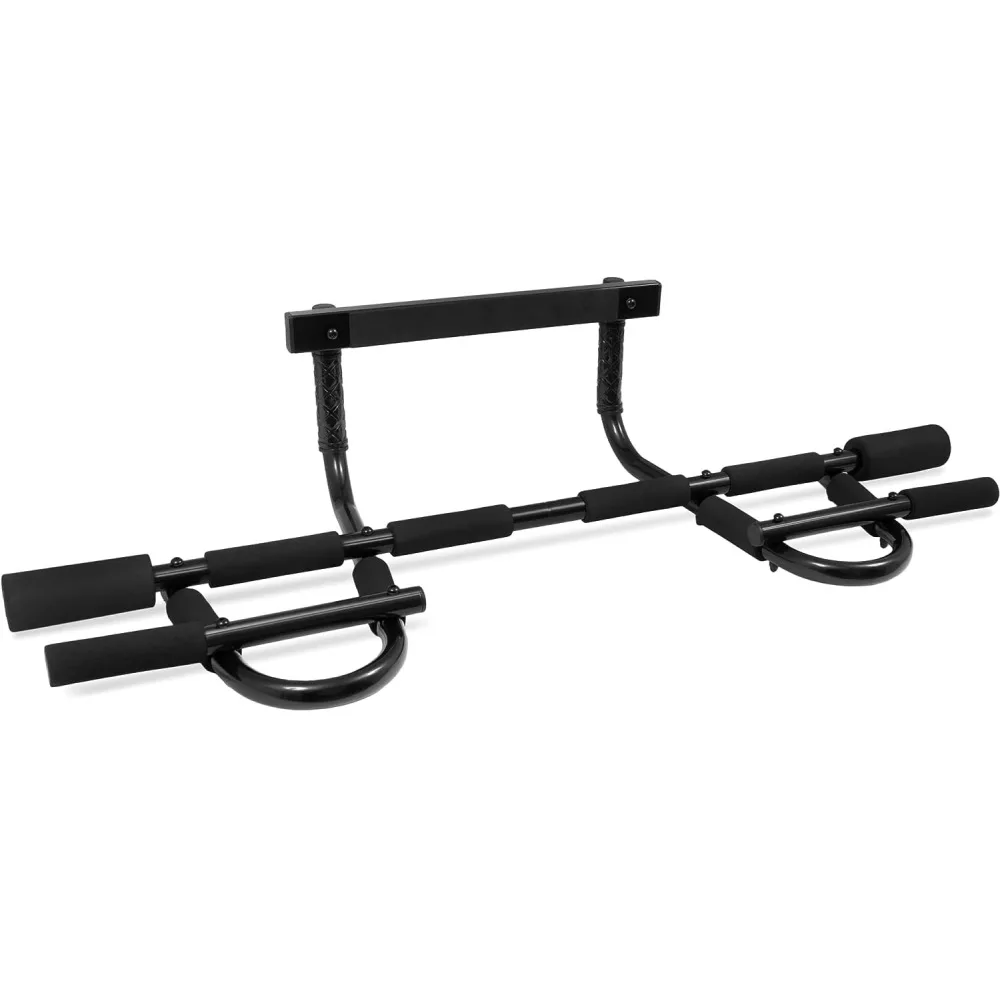
Door Pull-Up Bar with 12 Foam Grips: Max Comfort & Versatility

Multi-Grip Pull-Up Bar, Simple yet Surprisingly Effective?
Train the body and mind together.
Start by incorporating mental exercises into your warm-up and cool-down routines. This could be as simple as a few minutes of visualization or deep breathing exercises. Preparing your mind before tackling physical challenges helps set the stage for success.
A focused start improves execution, while a calm finish supports recovery and reflection. These small additions can significantly elevate your training quality.
Prepare your mind to perform. Stay when it gets uncomfortable.
During your workout, add small mental challenges to build focus and resilience. For instance, practice holding a grip beyond the point of comfort, using positive affirmations to push through. This exercise both the mind and body, improving your ability to handle stress.
These moments of controlled discomfort are where real growth happens. Training your response to fatigue builds lasting resilience.
Monitor your progress, not just physically, but mentally as well. Keep track of how your mental exercises influence your physical performance. Note any improvements in concentration, perseverance, and confidence.
Mental progress often shows up subtly at first, but over time, it becomes a major driver of consistency and performance.
Track your mindset like your reps. Evolve to stay strong.
Regularly review and adjust your routines based on your findings. As your resilience grows stronger, you may find new mental challenges to tackle, ensuring that your training remains effective and engaging. This approach keeps both you and your mind sharp and prepared to handle future training hurdles.
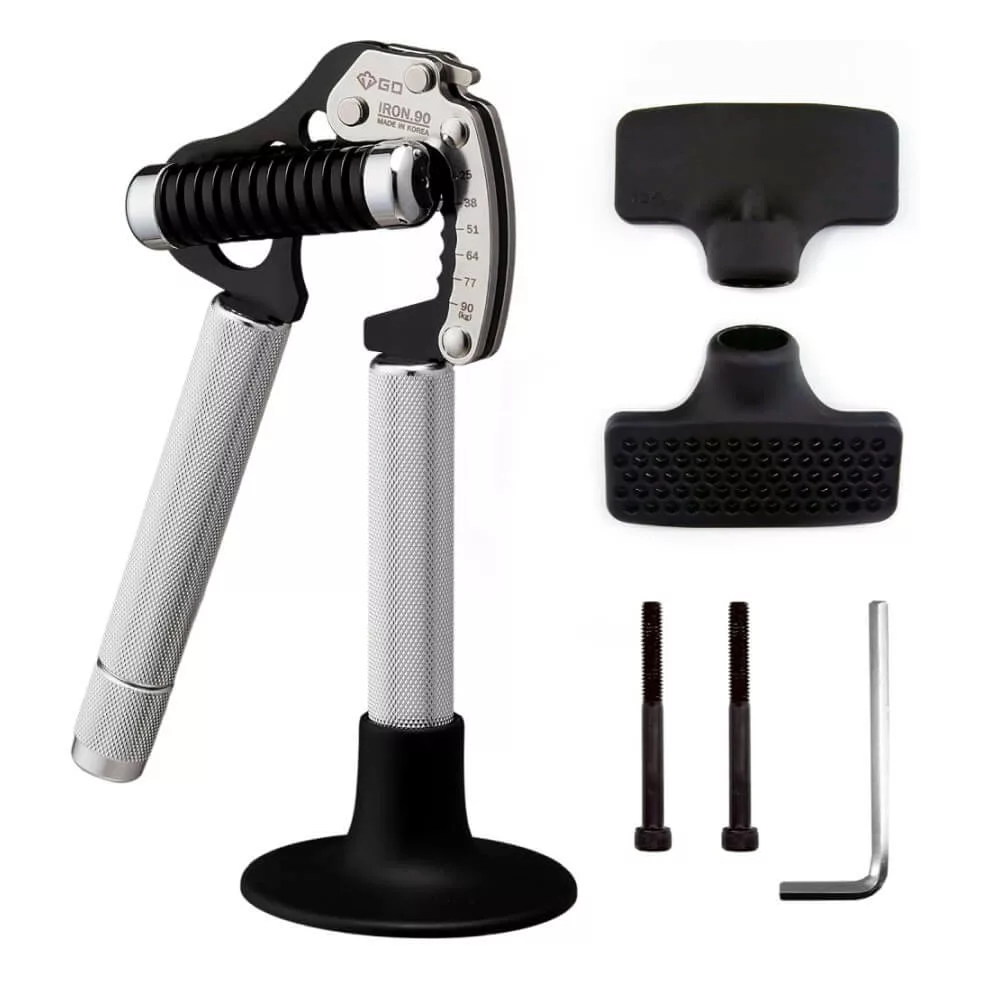
One of the Most Precise Grippers Ever Built?
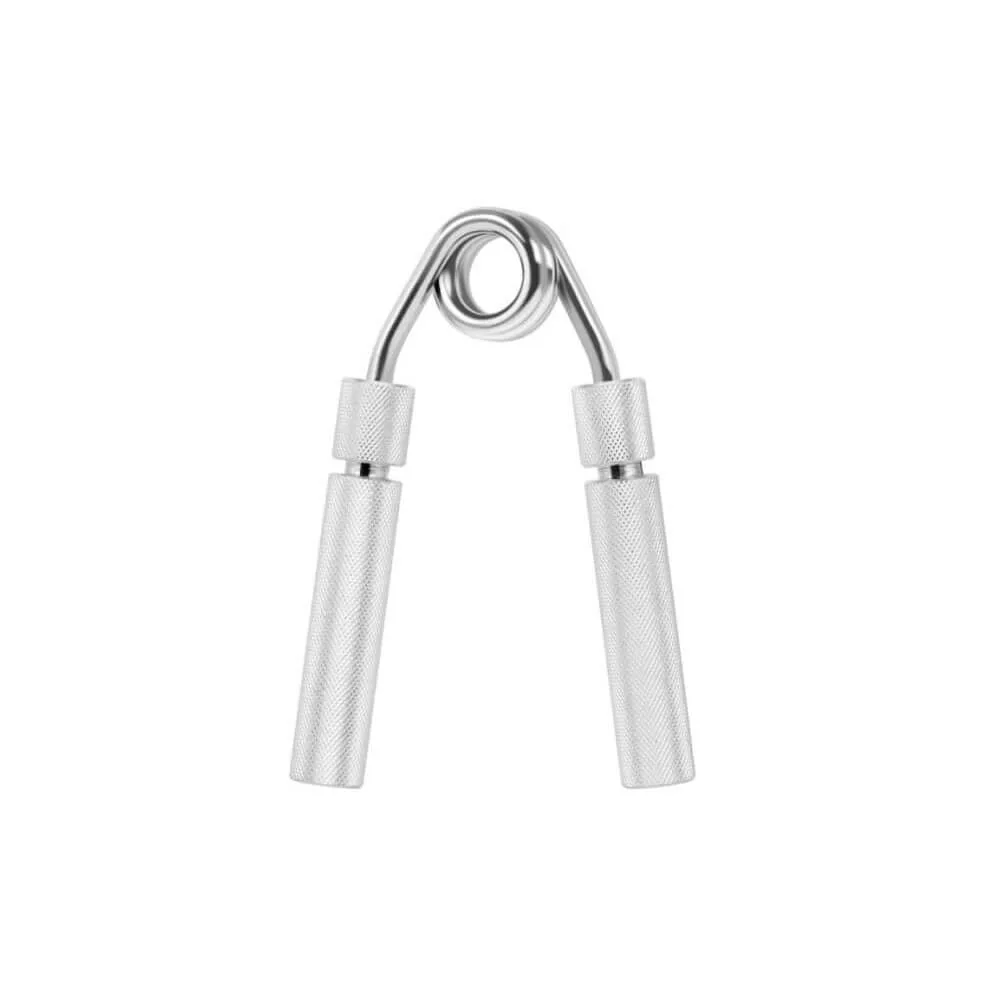
Budget Gripper: Do Cheap Options Still Work?

Budget Grip Strengthener Kit With 5 Trainers
Adapting your routine keeps both your body and mind challenged, preventing stagnation and maintaining long-term growth.
The Role of Coaching, Peers, and Support Systems
Having a solid support system can make a huge impact on building mental resilience during grip training. Whether it’s coaches, mentors, or peers, the right support network helps keep you motivated and accountable. Training alone can be effective, but support adds consistency and perspective. It keeps you grounded and moving forward when motivation dips.
Support strengthens consistency. Experience accelerates progress.
Coaches and mentors bring expertise and experience that can guide your training effectively. They can help identify areas for improvement and provide strategies to build mental toughness. Their outside perspective often highlights strengths you might overlook and helps you stay focused on your goals.
Guidance from someone experienced shortens the learning curve and helps you avoid common mistakes that slow progress.
Peers, particularly those sharing similar training paths, offer camaraderie and encourage perseverance. Sharing experiences and challenges with others creates a sense of community, making the journey less isolating.
Training alongside others adds energy and accountability, making it easier to stay committed over time. You grow stronger together.
Building a supportive environment involves open communication and active listening. Share your goals and challenges openly with your support network, and be receptive to feedback. This collaboration can spark new ideas and approaches, enriching your training experience.
Honest communication builds trust and creates a space where real progress can happen.
Feedback fuels improvement. Success leaves clues.
Learning from others’ experiences can provide invaluable insights. Listening to how others have overcome mental hurdles can fuel your own growth. Their stories offer motivation and practical tips that might just make the difference in your own training journey.
Seeing others overcome similar struggles reinforces that progress is possible, even when things feel difficult.
Long-Term Benefits of Mental Resilience in Grip Training
Developing mental resilience in grip training goes beyond just achieving immediate goals. Over time, the skills you build can significantly enhance overall athletic performance. Mental resilience allows you to approach challenges with confidence, remain focused during competitions, and recover swiftly from setbacks.
What you build mentally carries over into every aspect of performance. It’s not just about holding longer; it’s about performing better under pressure.
Mental strength amplifies physical strength. Train hard, live stronger.
Beyond improving your performance in the gym, fostering mental resilience helps in managing stress and pressures in daily life. When you’re used to overcoming barriers during tough training sessions, you’re better equipped to handle unexpected challenges outside of training, too.

Modern Rice Bucket Gadget for Grip & Forearm Training?
The discipline and control developed in training naturally transfer into real-life situations, making you more adaptable and composed.
Mental resilience also contributes to a more balanced and fulfilling lifestyle. By cultivating a strong and positive mindset, you develop a greater appreciation for both the ups and downs. This balanced perspective can improve your overall quality of life and well-being.
A resilient mindset allows you to stay steady through highs and lows, reducing stress and improving overall satisfaction.
Balance creates longevity. Resilience is a strength that lasts.
These long-term benefits add depth to your training journey, impacting not only how you perform but also how you perceive challenges and successes. Investing time in strengthening your mental toughness ensures that you’re ready not just for the next workout, but for all the hurdles life throws your way.
When you commit to building resilience, you’re investing in something far bigger than strength; you’re building durability for life.
Thanks for Stopping By!
How Do You Stay Mentally Tough?
Share Your Experience in the Comments!