(Last Updated on May 30, 2026 by Henry)
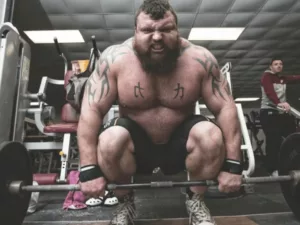
Grip strength is often overlooked until you realize just how much it affects your daily life. From opening stubborn jars to carrying heavy bags or performing lifts in the gym, your grip is constantly at work. It reflects the strength and coordination of your hands and forearms, making it a key part of overall physical performance.
Grip strength plays a bigger role in daily function than most people realize.
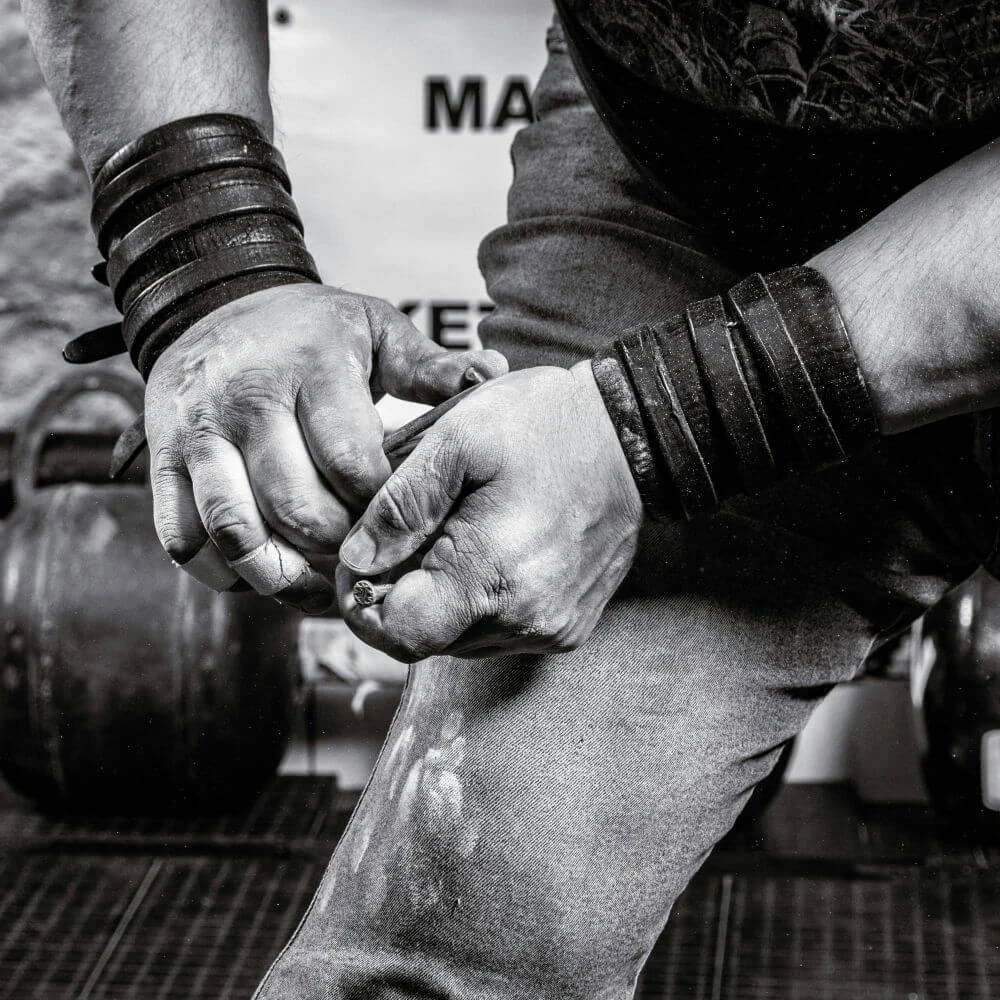
Understanding grip strength isn’t just for athletes or weightlifters. It’s an essential part of everyday movement.
Simple tasks like holding groceries, gripping tools, or maintaining control during exercises all depend on how strong your grip is.
Improving it can make these activities noticeably easier and more efficient.
A stronger grip supports both performance and everyday convenience.
When it comes to setting grip strength goals, the first step is awareness.
Knowing how grip strength impacts your daily life and training helps you define what you want to achieve.
Whether your aim is to improve your grip for lifting, sports performance, or general functionality, having a clear direction makes your training more purposeful.
Clear goals give your grip training direction and meaning.
Identifying your personal “why” is what keeps you consistent. Maybe you want to lift heavier without your grip failing, perform better in a sport, or simply handle everyday tasks with more ease. Whatever the reason, connecting your goals to real-life benefits makes the process more motivating.
Purpose-driven training leads to better consistency and results.
Setting grip strength goals isn’t just about building stronger hands; it’s about improving how you move, perform, and function every day. With the right mindset and direction, even small improvements in grip strength can lead to meaningful, lasting benefits.
Benefits of Strong Grip Strength and Why It Matters
Having solid grip strength comes with a wide range of benefits that go far beyond just holding onto heavy objects. When you actively work to improve your grip strength, you’re also enhancing your overall physical performance. A stronger grip allows you to lift heavier, train longer, and maintain better control during exercises like deadlifts, rows, and pull-ups.
A stronger grip unlocks greater strength across your entire body.
Improving your grip also contributes to better overall health. Research has shown a connection between grip strength and cardiovascular health, with stronger grip often being linked to better heart function and general fitness levels. While it’s not the only indicator, it’s a simple and effective way to gauge physical condition.
Grip strength can reflect your overall health and fitness level.
In everyday life and the workplace, stronger hands make a noticeable difference. Tasks that once felt tiring, like carrying, lifting, or even prolonged typing, become easier and less taxing on your wrists and forearms. This can help reduce fatigue and improve efficiency, whether you’re working a manual job or sitting at a desk.
Improving your grip makes daily tasks easier and more efficient.
For athletes and active individuals, grip strength is often a performance limiter. In sports like climbing, tennis, gymnastics, or martial arts, your ability to hold, control, and stabilize directly impacts your results. A stronger grip improves endurance, control, and confidence in these movements.
Better grip strength leads to better sports performance and control.
There’s even growing evidence linking grip strength to longevity. Some studies suggest that individuals with stronger grip strength tend to have better long-term health outcomes. While it’s just one piece of the puzzle, it reinforces the importance of including grip training in your routine.
A stronger grip today can support better health in the long run.
When you look at the bigger picture, improving your grip strength isn’t just about your hands—it’s about building a stronger, healthier, and more capable body overall.
Assessing Your Current Grip Strength Levels Accurately
Before setting off on your journey to improve your grip strength, it’s important to know where you stand right now. Gauging your current grip strength isn’t just for tracking progress; it’s essential for shaping realistic goals and staying motivated as you work to increase grip strength over time.
Knowing your starting point makes your grip training far more effective.
There are several reliable ways to measure how strong your grip is. The handheld dynamometer is the gold standard, providing a precise measure of your grip force. Many gyms and physical therapy centers have these tools available if you’re curious to get an exact figure and establish a clear baseline for your grip strength training.
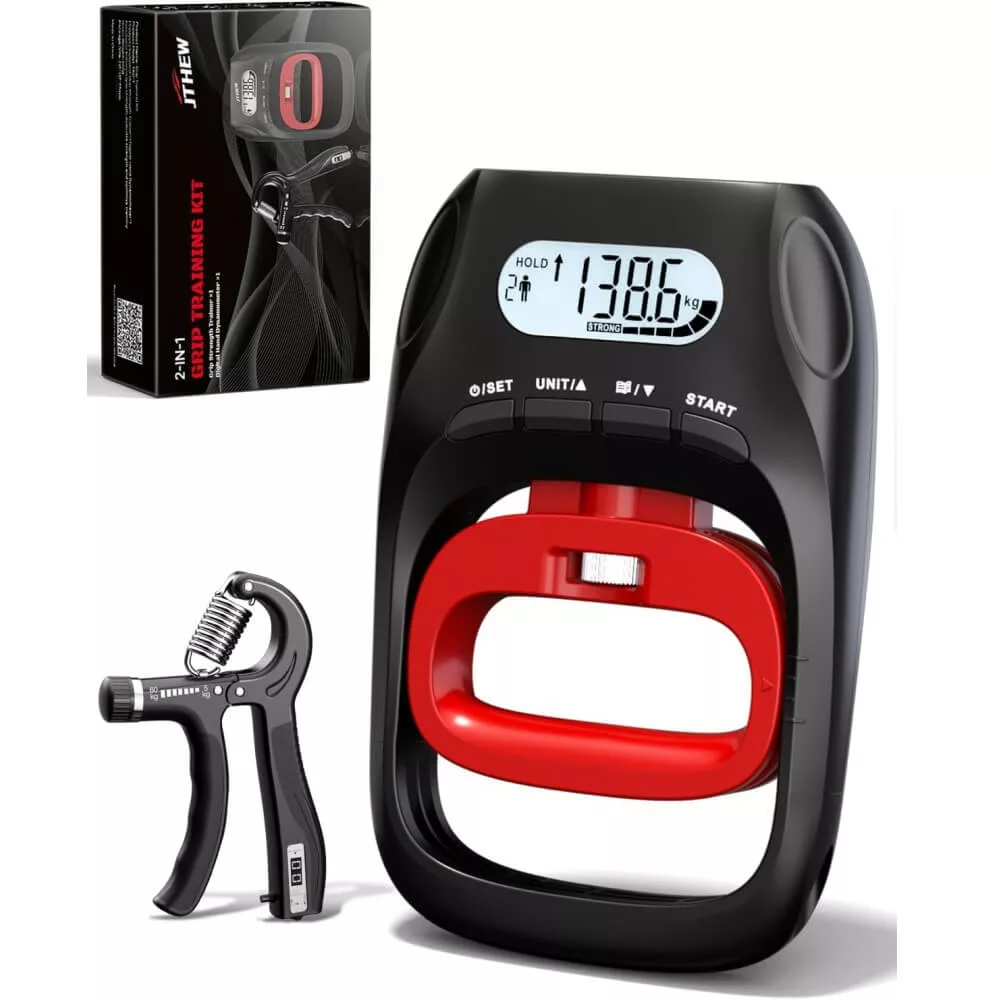
Don’t Guess: Use Grip Dynamometer for Accurate Progress Tracking
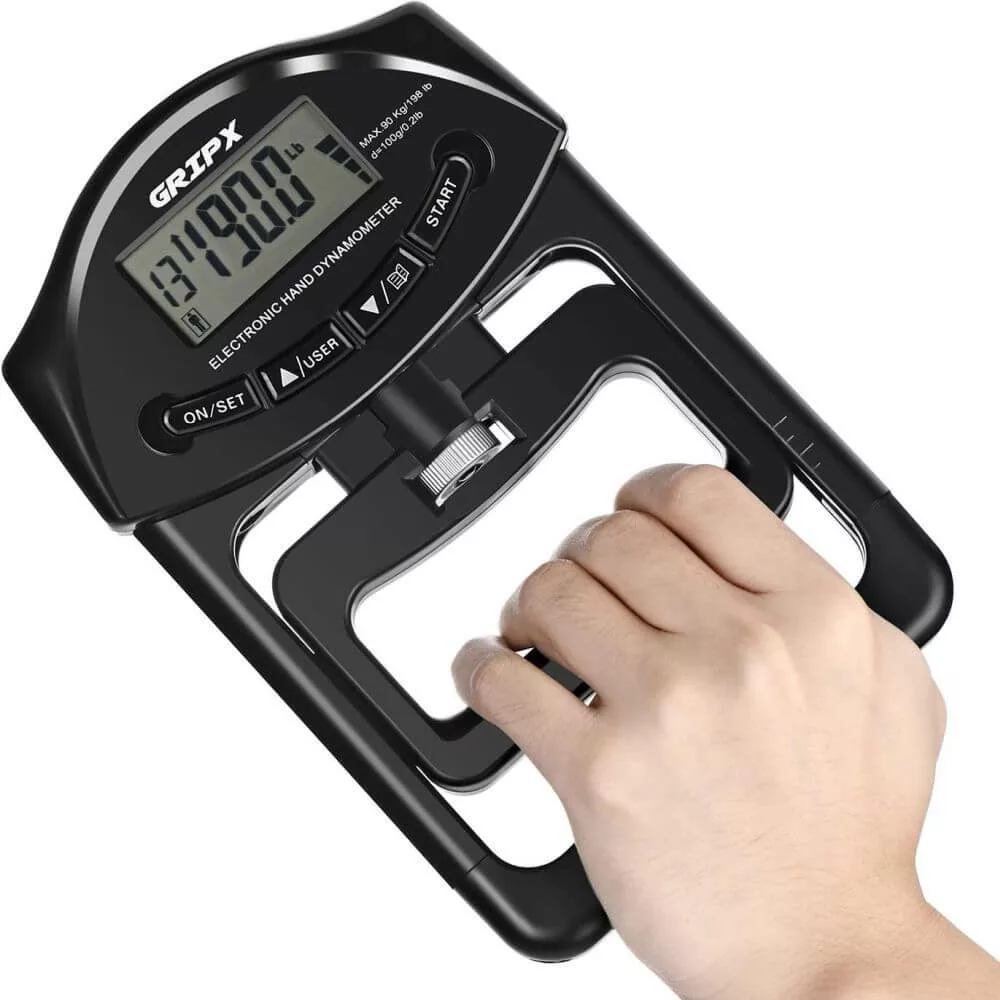
The Best Grip Dynamometer for Home, Sports, & Clinical Use?
Accurate measurements help you track real improvements in grip strength.
Beyond the numbers, understanding grip strength standards can help set your expectations. Various charts detail what’s considered average or excellent grip strength for different age groups and genders. These benchmarks give useful context and help you evaluate how your current level compares, especially if your goal is to significantly improve your grip.
Benchmarks give your grip strength goals more direction and clarity.
Setting a baseline with these measurements lets you pinpoint exactly where you are starting from. This initial assessment is fundamental when crafting your personalized plan to improve grip strength, ensuring that you’re challenging yourself enough to progress, without overreaching or risking injury.
A strong starting point leads to smarter, more sustainable grip strength gains.
Setting SMART Grip Strength Goals for Faster Progress
Crafting goals with the SMART framework can make all the difference when you’re working to improve your grip strength. SMART stands for Specific, Measurable, Achievable, Relevant, and Time-bound. Applying these principles helps you build a structured and effective grip strength training plan that’s easier to follow, track, and stay consistent with.
Structured goals lead to faster and more consistent grip strength progress.
Having specific goals means you clearly outline what you want to accomplish. Instead of vaguely aiming to “get stronger,” you could aim to “increase my grip strength by 20%” or “hold a dead hang for 60 seconds.” Specific targets give your grip training clear direction and purpose.
Clarity turns general effort into focused grip strength improvement.
Measurable goals involve setting objectives where you can track progress. If you’re aiming for a 20% increase, knowing your starting point allows you to monitor improvements and stay motivated as you work to increase grip strength over time.
Tracking progress keeps your grip training results visible and motivating.
Achievability is about finding the right balance between challenge and realism. While it’s great to push yourself, your grip strength goals should match your current ability level. This helps prevent burnout, reduces injury risk, and keeps your progress steady.
Realistic goals help you build grip strength without setbacks.
Keep your goals relevant by aligning them with your personal needs. Whether you’re trying to improve grip strength for lifting, sports performance, or everyday tasks, relevance keeps your training meaningful and engaging.
Purpose-driven grip training improves long-term consistency.
Finally, setting a clear timeframe is essential. Giving yourself a deadline, like “within three months” or “before summer”, creates urgency and helps structure your grip strength training plan more effectively.
Deadlines turn goals into actionable grip strength results.
Effective Training Techniques to Improve Grip Strength
When it comes to building grip strength, variety is your friend, especially if your goal is to improve your grip strength efficiently and consistently. Different exercises target various aspects of grip strength, like crush, pinch, and support. This mix ensures that your hands and forearms develop evenly while reducing the risk of imbalances or plateaus in your grip training.
- Use a mix of crush, pinch, and support grip exercises
- Train grip strength 2–3 times per week for consistency
- Start with manageable resistance and progress gradually
- Combine grip work with compound movements like deadlifts
- Focus on proper form to prevent wrist and forearm strain
- Track your grip strength progress to stay motivated
- Include both strength and endurance-based grip exercises
Crush exercises are great for overall grip power and are a key part of any plan to improve grip strength. Think of moves like farmer’s walks or squeezing a hand gripper. These mimic everyday actions where you need to clasp things tightly, like carrying heavy bags or holding onto weights during lifts.
Pinch exercises involve gripping objects without fully wrapping your fingers.
Holding weight plates together or using a pinch block can be productive here. Pinch strength is crucial in tasks where fingers need to stay firm and controlled, like turning a doorknob or handling objects with precision.
Support exercises help in scenarios where you hold onto something for extended periods. Pull-ups or dead hangs help build this capacity. It’s especially useful when you want to improve grip endurance for longer sets, carries, or hanging movements.
Incorporating these exercises into your regular workouts isn’t hard.
Consider adding a dedicated grip segment a few times a week or integrating them into circuits. Progressive loading, gradually increasing the weight, resistance, or duration, is essential, helping your muscles adapt and grow stronger while continuing to improve your grip safely and effectively.
Equipment and Tools to Enhance Grip Strength Results
Boosting grip strength often calls for the right tools, especially if your goal is to improve your grip strength efficiently and progressively. These gadgets can target different aspects of your grip, providing varied resistance and engagement to support a well-rounded grip training routine.
The right tools can accelerate your grip strength results.
Hand grippers are a popular choice for anyone looking to improve grip strength. They come in different resistance levels, allowing you to progress over time as your hand and forearm strength improve. They’re also highly convenient, small enough to use at home, at the gym, or even at the office for consistent grip training.
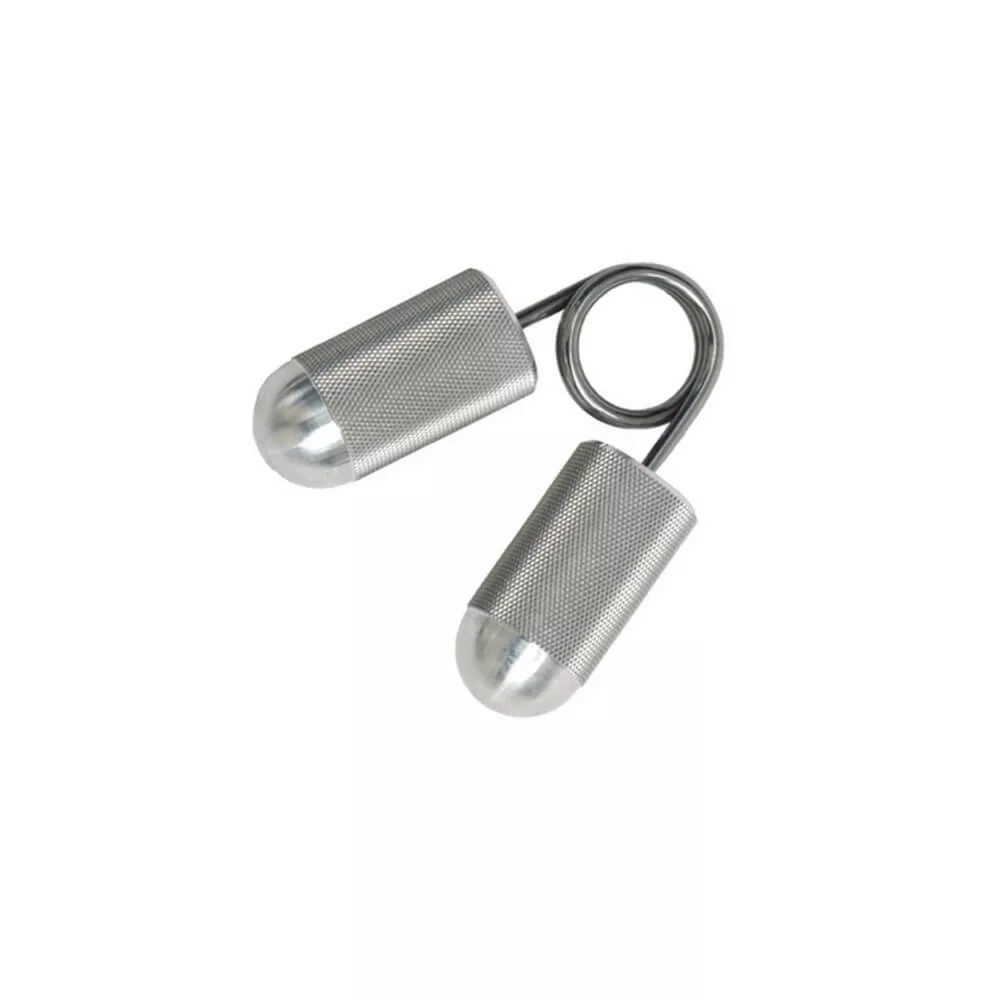
Specialized Spring Gripper to Skyrocket Your Thumb Strength
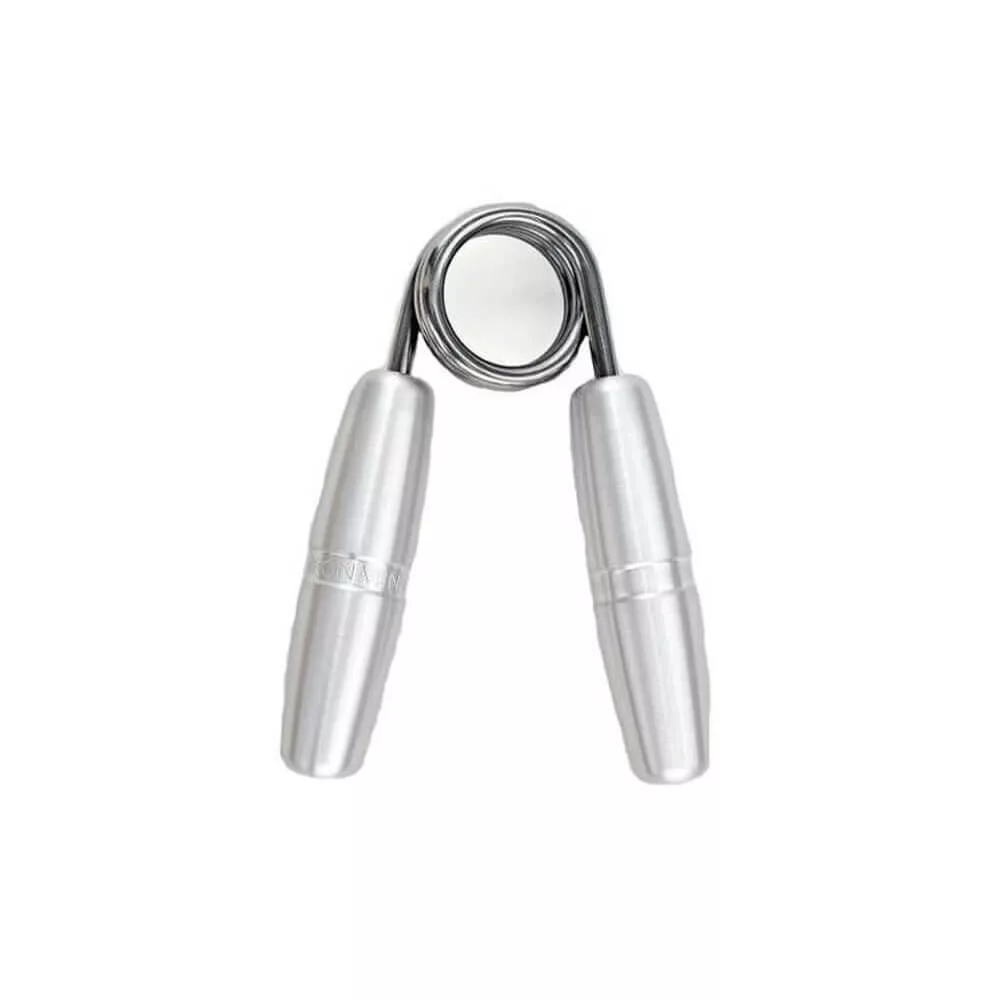
Smooth-Handle Gripper: Ideal For Rehab & Gentle Training

The Iconic Grip Workhorse for Serious Strength?
Simple tools can deliver powerful grip strength gains.
Wrist rollers are excellent for building both grip and forearm strength. You can even make one at home with a dowel, some rope, and weight plates if you’re keen on a DIY approach. They work by rolling the weight up and down, forcing your grip to stay engaged the entire time, which helps improve grip endurance and control.
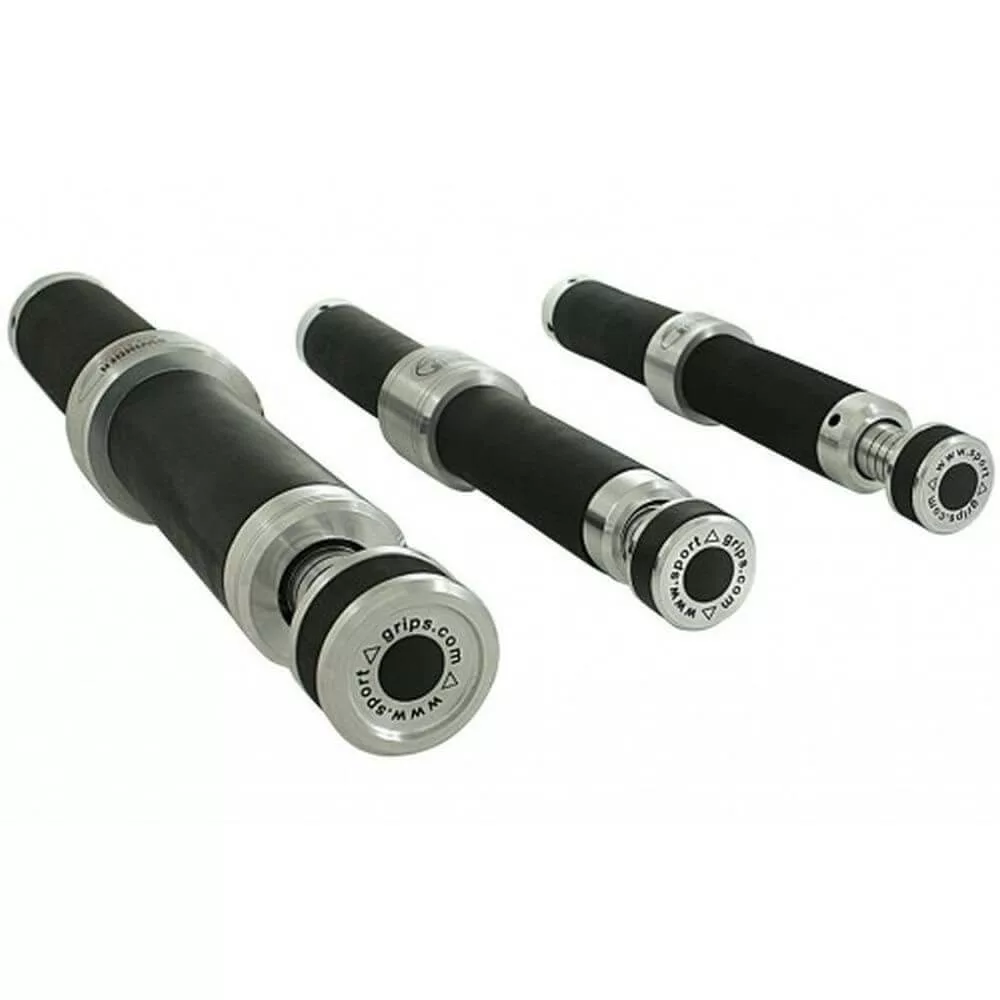
Blast Your Wrists with XL Wrist-Roller to Bulk Up Forearms
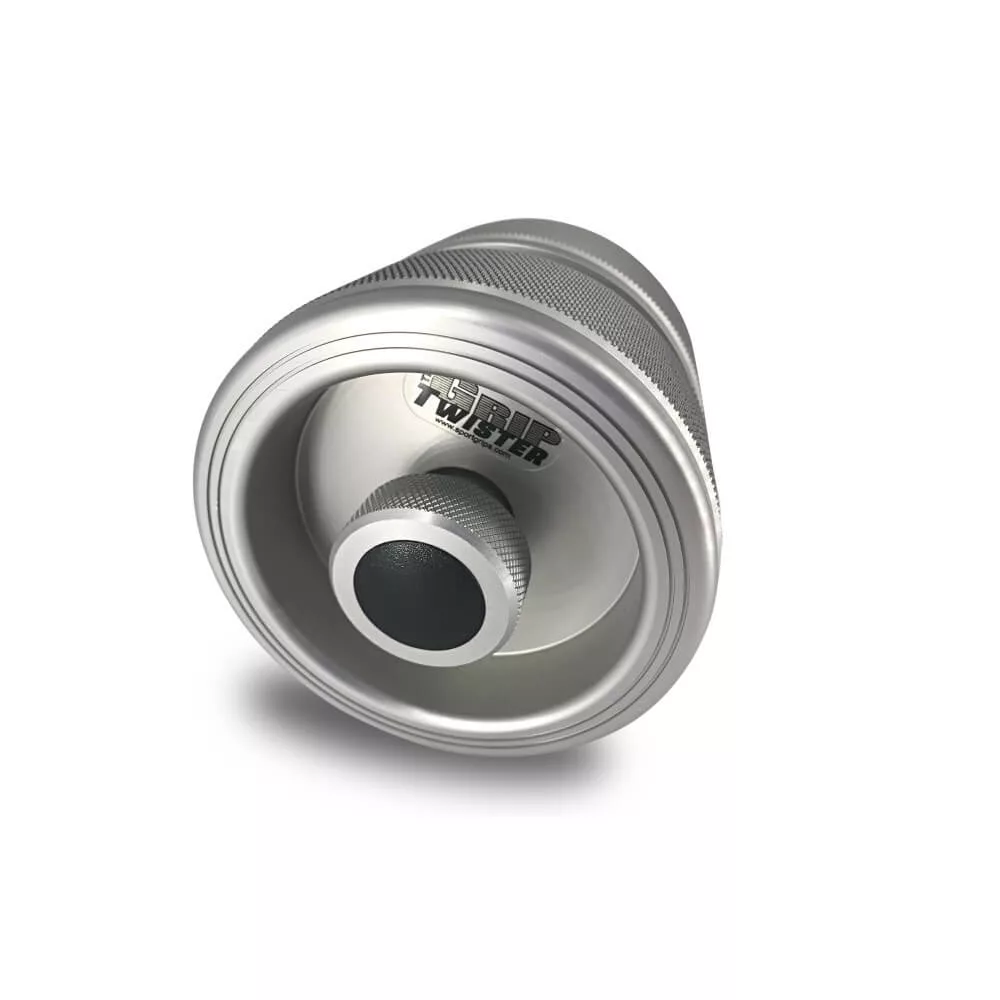
Ultimate Pinch Grip Trainer with Virtually Infinite Resistance?
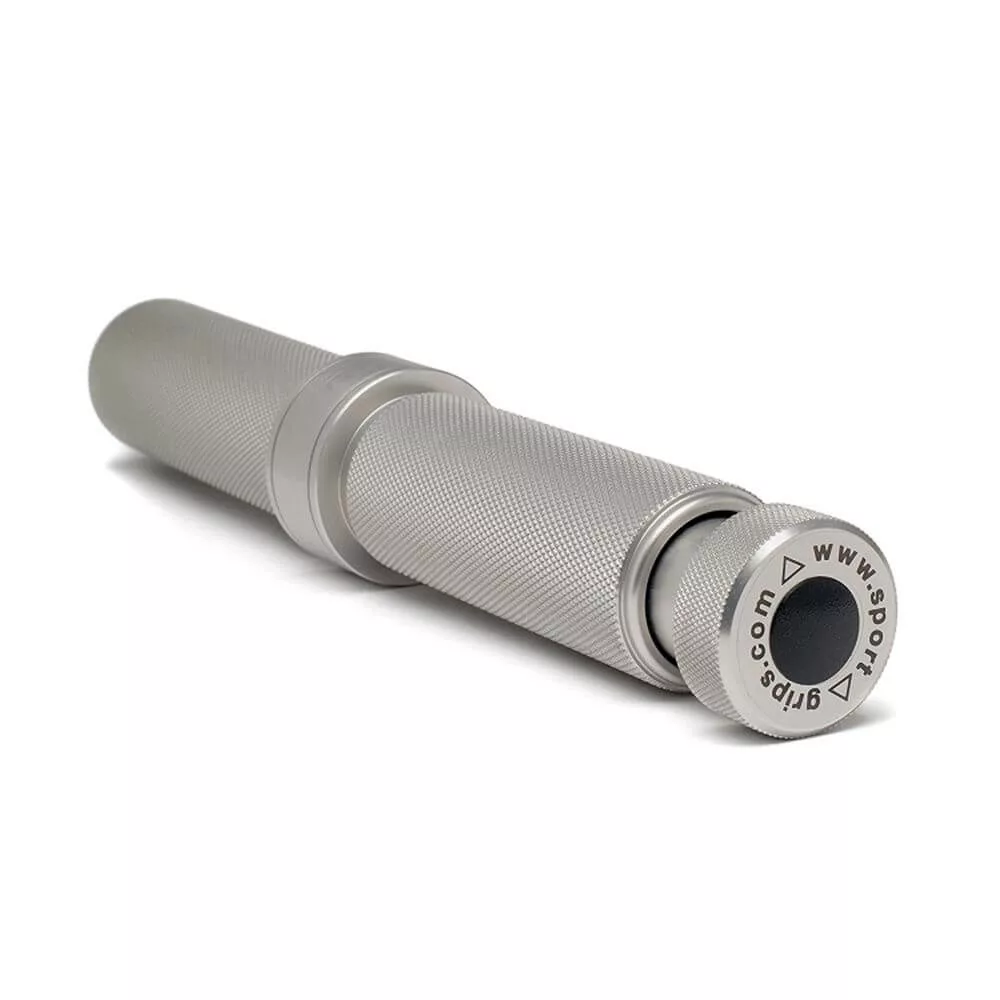
Modern, Rope-Less Wrist Roller: Sure Way to Get Strong Wrists
Continuous tension builds stronger, more resilient forearms.
Pinch blocks are perfect for targeting pinch strength, an often-overlooked component when trying to improve grip strength. They require you to hold onto a block using finger strength alone, simulating real-world tasks that involve awkward or bulky objects.
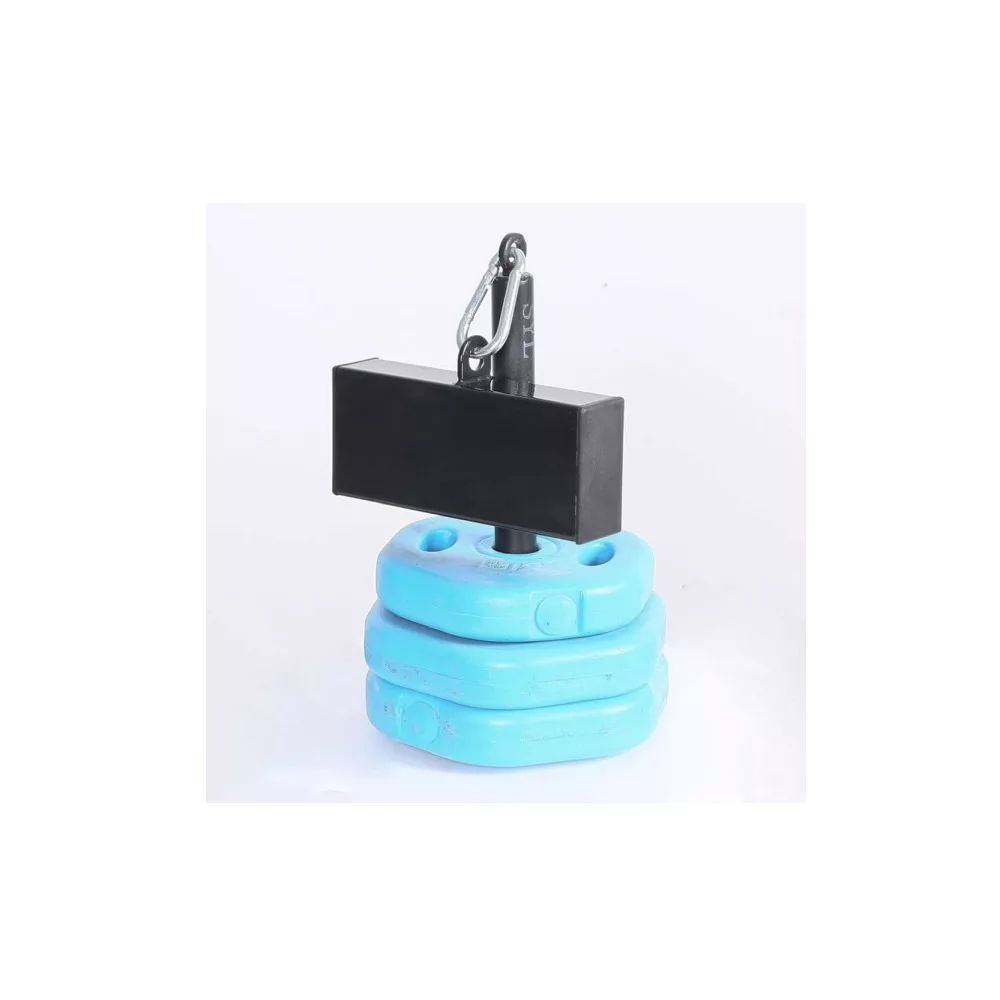
Pinch Grip Training Made Effective in a Simple Way?
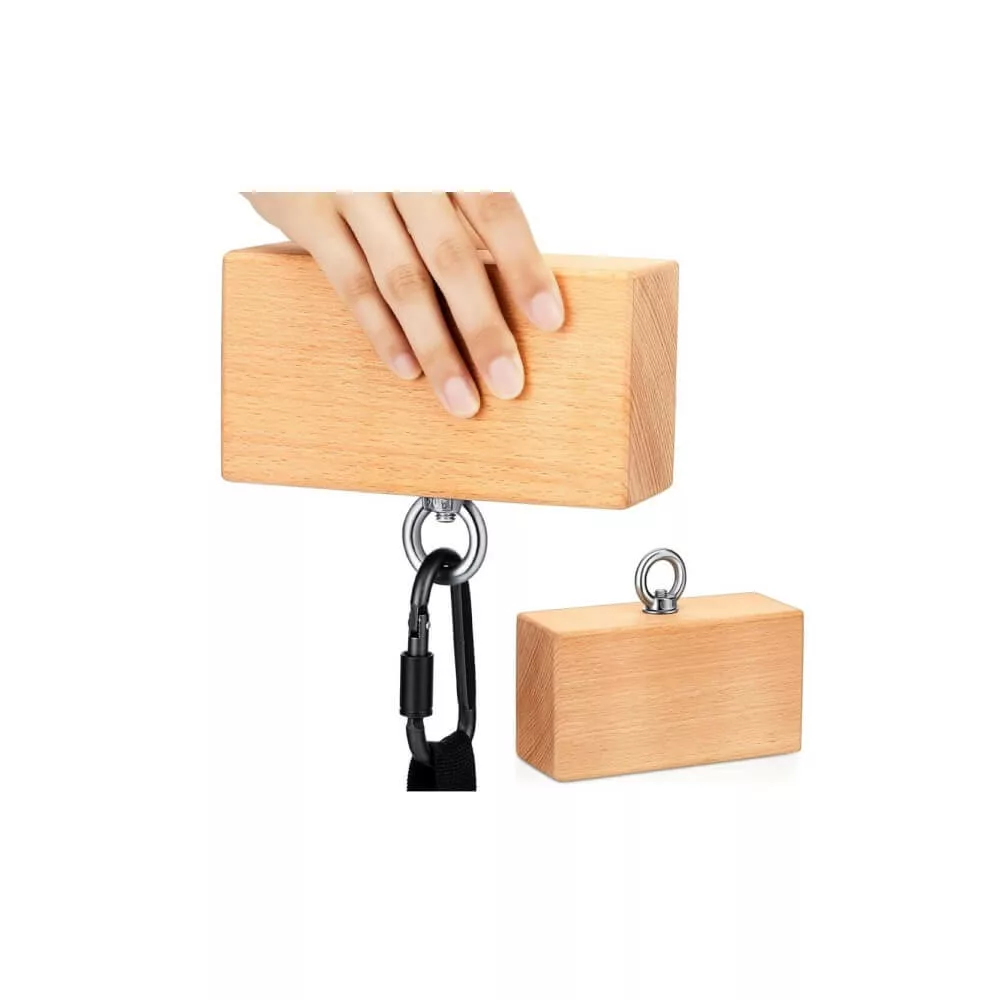
Train Your Thumbs with a Simple Pinch Block
Targeting weak points leads to more balanced grip strength.
DIY options using household items can be just as effective for grip training. A heavy book, a towel, or even rubber bands can provide solid resistance for hand and finger exercises, making it easy to improve your grip without specialized equipment.
You don’t need fancy gear to build serious grip strength.
Choosing the right equipment depends on your goals and current grip strength level. If you’re just starting out, lighter resistance is best to develop proper form and avoid injury. As your grip strength improves, gradually incorporating more challenging tools will help you continue progressing and building stronger, more resilient hands and forearms.
Progressive overload keeps your grip strength moving forward.
Overcoming Common Challenges in Grip Strength Training
Grip training isn’t just about pushing limits; it also involves navigating a few common hurdles, especially if your goal is to improve your grip strength consistently without setbacks. Recognizing these challenges early can help you stay on track and build a more sustainable grip training routine.
Awareness is the first step to long-term grip strength success.
Plateaus are a frequent issue when trying to improve grip strength. When progress stalls, it’s usually a sign that your body has adapted. Incorporating different exercises, adjusting volume, or increasing resistance can help reignite progress. Keeping your grip workouts varied and strategically progressing intensity can be a true game-changer.
Variation and progression are key to breaking grip strength plateaus.
Injuries might occur if you’re not mindful during your grip strength training. Wrist and hand strains are common, especially when form breaks down or volume gets too high. Ensuring proper technique and avoiding overtraining are essential. Warm-ups and targeted stretches for the hands and forearms can significantly reduce injury risk.
Smart training protects your grip strength progress.
Balancing grip workouts with your overall fitness routine is crucial. Too much focus on grip alone can lead to overtrained forearms, which may negatively affect other lifts and performance. Aligning grip training with your broader program ensures steady progress without overloading specific muscle groups.
Balance keeps your grip strength training effective and sustainable.
When aiming to push boundaries, listening to your body becomes even more important. If pain or discomfort arises, it’s a clear signal to pause and reassess your approach. Rest days are just as important as training days, allowing muscles to recover and come back stronger.
Recovery is where real grip strength gains happen.
Staying mindful of these challenges not only helps you improve grip strength more efficiently but also keeps motivation high by minimizing downtime caused by injuries, fatigue, or burnout.
Monitoring Progress and Staying Motivated Long-Term
Tracking the progress of your grip strength journey is vital for staying committed and motivated, especially if your goal is to improve your grip strength consistently over time. Keeping a detailed log of workouts, including exercises performed, sets, reps, and resistance levels, helps you clearly see where you’re excelling and where adjustments may be needed.
Clear tracking turns effort into measurable grip strength progress.
Celebrate every little win along the way. Small improvements in grip strength can be just as meaningful as hitting major milestones. Recognizing these achievements fuels motivation and reinforces consistency. Setting smaller sub-goals also makes larger grip strength goals feel more manageable and less overwhelming.
Small wins build long-term grip strength success.
Consider enlisting the support of a personal trainer or joining a fitness community focused on grip strength training. These resources provide guidance, feedback, and accountability. Trainers can refine your technique and programming, while communities make training more engaging and help you stay consistent over time.
Support systems make grip training more effective and sustainable.
Periodic reassessment is crucial when working to improve grip strength. Revisiting your initial measurements and comparing them to current performance gives you a clear picture of your progress. Regular check-ins also help you adjust your goals so they remain challenging yet realistic.
Reassessment keeps your grip strength goals on track.
Staying motivated often comes down to remembering your original “why.” Revisiting the reason you started grip strength training, whether for sports performance, daily function, or overall health, can reignite focus and commitment, helping you stay consistent even during slower progress phases.
Your “why” is the foundation of long-term grip strength progress.
Conclusion: Next Steps to Achieving Stronger Grip Strength
The journey towards enhancing grip strength is both rewarding and practical, especially if your goal is to improve your grip strength for daily life, sports performance, and long-term physical health. Strong hands and forearms can significantly impact everyday tasks, athletic ability, and overall well-being.
Each section of this guide has aimed to equip you with the insights you need, from understanding what grip strength entails to setting SMART goals, tackling challenges, and using the right tools effectively.
A structured approach makes grip strength improvement far more achievable.
Starting your grip strength training can seem daunting at first, but with a clear plan and the right approach, it quickly becomes a manageable and even enjoyable pursuit. Embracing consistency and proper progression helps you steadily improve grip strength without unnecessary strain or frustration. Celebrating progress along the way, even small gains, keeps motivation high.
Progress builds confidence in your grip strength journey.
Readers are encouraged to begin today by applying the exercises and strategies discussed throughout this guide. Stay persistent, adapt your routine as needed, and be patient with the process. The efforts you put in now will lay a strong foundation for both immediate improvements in grip strength and long-term functional benefits in everyday life and training.
Consistency is what turns effort into real grip strength results.
If you’ve got any success stories or personal tips about improving grip strength, sharing them can help inspire others on a similar journey. Feedback and experiences from fellow trainees often strengthen the broader fitness community and add valuable insight to everyone’s progress.
Thanks for Stopping By!
What Are Your Grip Strength Goals?
Share Your Experience Below!