(Last Updated on May 12, 2026 by Henry)

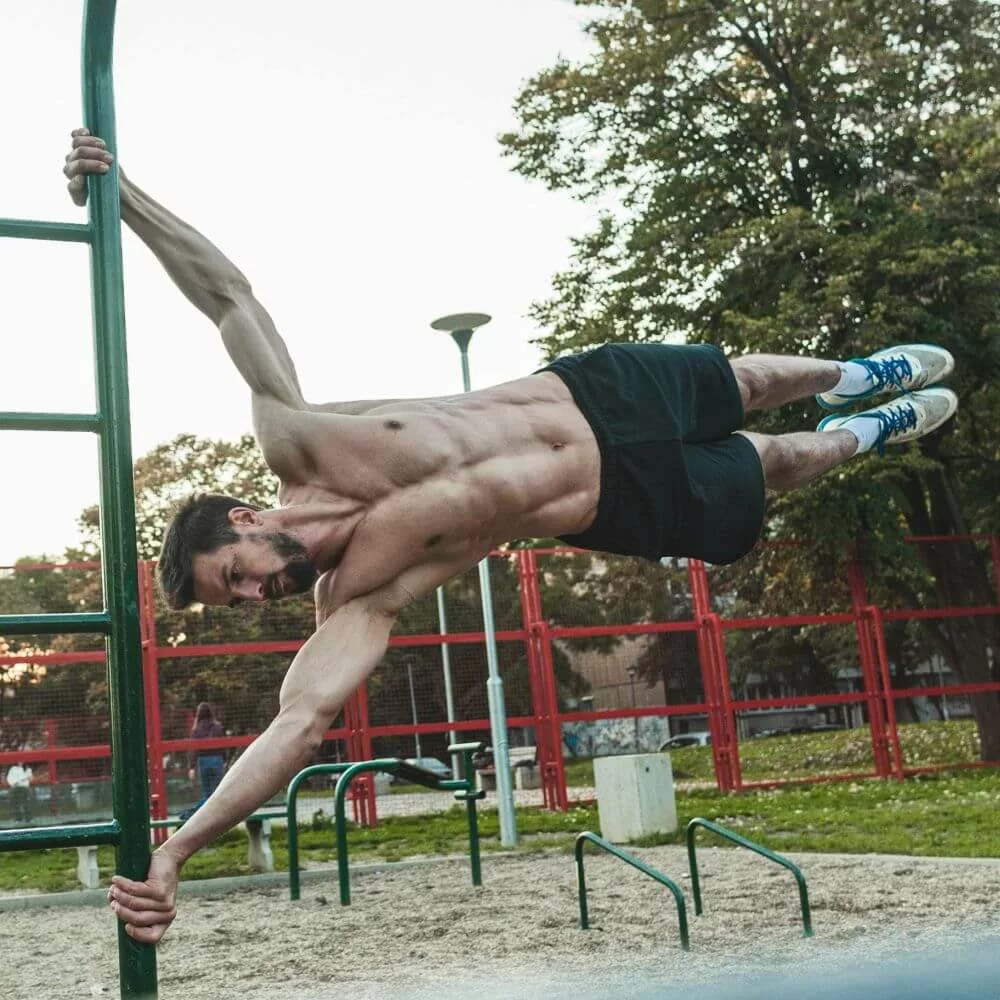
Whether you train pull-ups, muscle-ups, front levers, street lifting, or advanced bodyweight skills, grip strength plays a massive role in calisthenics performance.

Strong hands, resilient wrists, durable forearms, and controlled pulling strength help calisthenics athletes maintain better body control, improve endurance, and also perform difficult movements more efficiently.

This calisthenics hub combines practical grip training, recovery strategies, pulling endurance methods, wrist conditioning education, and bodyweight-specific grip tools designed to help you build stronger, more reliable hands for bars, rings, and advanced movements.

Why Grip Strength Matters for Calisthenics

Calisthenics is heavily dependent on grip strength because nearly every pulling movement requires strong, stable hands and wrists. Even athletes with strong backs, shoulders, and core control can struggle if their grip fatigues too quickly during pull-ups, hangs, levers, or static holds. Whether your hands fail before your larger muscles, your wrists feel unstable on rings, or you lose endurance during high-volume sessions, grip strength can directly affect performance and progression.

For calisthenics athletes, grip training involves far more than crushing strength alone. It includes hanging endurance, wrist stability, finger durability, pulling control, static support strength, forearm conditioning, and balanced hand development. Because calisthenics often relies on repeated bodyweight loading through the hands, recovery and connective tissue resilience become extremely important for long-term progress.

Athletes who ignore grip endurance and wrist conditioning often plateau early, especially when progressing toward advanced skills like front levers, one-arm hangs, weighted pull-ups, and ring movements. Developing stronger hands and healthier connective tissues helps improve confidence, control, and overall movement efficiency.

Many calisthenics athletes focus heavily on upper-body strength while overlooking grip endurance, wrist resilience, and connective tissue recovery. Understanding how grip strength supports body control and pulling efficiency can significantly improve long-term performance.

This hub was built to help calisthenics athletes understand how grip strength applies specifically to bodyweight training, hanging endurance, pulling control, wrist integrity, and advanced skill progression. From beginner grip endurance to advanced static holds, recovery systems, ring control, and bodyweight-specific grip methods, you’ll find practical resources designed to help you train harder while protecting your hands and wrists long-term.

Explore the stages below to improve calisthenics grip strength step by step: from beginner pulling endurance and wrist conditioning to advanced bodyweight control, recovery, and long-term connective tissue durability.

STAGE 1 — BEGINNER CALISTHENICS ATHLETE: BUILD AWARENESS

STAGE 1 — BEGINNER CALISTHENICS ATHLETE: BUILD AWARENESS

Every calisthenics athlete starts somewhere. At this stage, the goal is to understand how grip strength affects pulling endurance, body control, hanging stability, wrist fatigue, and long-term progression. These guides help beginners identify weak points, avoid common mistakes, and build stronger foundations for bodyweight training.


  • Why Your Grip Fails Before Your Back During Pull-Ups
  • Why Hanging Endurance Matters In Calisthenics
  • Common Wrist Problems In Bodyweight Training
  • Signs Weak Grip Is Limiting Your Pulling Strength
  • Why Your Hands Fatigue During Long Pull-Up Sets
  • Most Common Grip Mistakes In Calisthenics
  • Why Wrist Stability Matters For Rings Training
  • Why Calisthenics Athletes Need Extensor Training
  • Why Pull-Up Bar Training Hurts Your Hands
  • How Weak Grip Limits Advanced Skills
STAGE 2 — LEARN HOW CALISTHENICS GRIP STRENGTH WORKS

STAGE 2 — LEARN HOW CALISTHENICS GRIP STRENGTH WORKS

Once you recognize the weak points limiting your performance, the next step is understanding how calisthenics grip strength actually develops. These guides explain hanging endurance, tendon adaptation, wrist stability, pulling mechanics, recovery systems, and bodyweight-specific hand conditioning so you can train smarter instead of simply adding more repetitions.


  • How Calisthenics Athletes Build Grip Endurance
  • Grip Endurance vs Crushing Strength
  • How Tendons Adapt To Bodyweight Training
  • Why Hanging Strength Matters In Calisthenics
  • Open-Hand Grip vs Closed Grip Training
  • Forearm Anatomy For Pulling Performance Explained
  • How Often Should Calisthenics Athletes Train Grip?
  • Why Recovery Matters For Pulling Strength
  • How Wrist Stability Affects Body Control
  • Why Extensor Training Helps Calisthenics Athletes
STAGE 3 — EXPLORE CALISTHENICS GRIP TRAINING METHODS & TOOLS

STAGE 3 — EXPLORE CALISTHENICS GRIP TRAINING METHODS & TOOLS

Now it’s time to explore practical training methods. These calisthenics-focused guides cover hanging drills, wrist conditioning, pulling endurance systems, grip exercises, ring stability work, recovery methods, and bodyweight-specific grip tools designed to help athletes build stronger, more durable hands for bars, rings, and advanced skills.


  • Best Grip Exercises For Calisthenics Athletes
  • Dead Hangs vs Active Hangs Explained
  • How To Build Pull-Up Grip Endurance
  • Best Forearm Exercises For Bodyweight Training
  • Towel Pull-Ups vs Standard Pull-Ups
  • How To Train Wrist Stability For Rings
  • Finger Extensor Training For Calisthenics
  • How To Improve Hanging Endurance
  • Thick Bar Training For Pulling Strength
  • How To Use Fat Grip Attachments Safely
  • Static Hold Training Methods
  • One-Arm Hang Progressions
  • Support Grip Training For Pull-Ups
  • Grip Recovery Between High-Volume Sessions
  • How To Warm Up Hands Before Pulling Workouts
STAGE 4 — FIND THE BEST CALISTHENICS GRIP EQUIPMENT

STAGE 4 — FIND THE BEST CALISTHENICS GRIP EQUIPMENT

Different calisthenics goals require different tools. Whether you want stronger hanging endurance, better wrist support, improved pulling control, or more durable forearms, these reviews and comparison guides help bodyweight athletes choose practical grip equipment that supports long-term performance and progression.


  • Best Grip Trainers For Calisthenics Athletes
  • Best Pull-Up Bars For Grip Training
  • Best Gymnastic Rings For Wrist Stability
  • Best Finger Extensor Tools For Pulling Athletes
  • Fat Grip Attachments For Pull-Up Strength
  • Best Wrist Wraps For Calisthenics
  • Best Portable Grip Trainers For Travel Workouts
  • Adjustable Grippers For Bodyweight Athletes
  • Best Recovery Tools For Sore Forearms
  • Thick Bars vs Standard Pull-Up Bars
  • Finger Conditioning Tools Compared
  • Best Hanging Equipment For Grip Endurance
  • Forearm Recovery Equipment Explained
  • Best Beginner Grip Tools For Calisthenics
  • Portable Warm-Up Devices For Pulling Sessions
STAGE 5 — ADVANCED CALISTHENICS GRIP PROGRESSION

STAGE 5 — ADVANCED CALISTHENICS GRIP PROGRESSION

As your calisthenics level improves, grip training becomes increasingly specialized. Advanced athletes often focus on tendon resilience, advanced hanging endurance, one-arm support strength, static control, progressive overload, and long-term connective tissue durability. These advanced guides help athletes continue progressing while protecting their hands, wrists, elbows, and forearms over time.


  • How To Track Grip Progress In Calisthenics
  • Avoiding Pull-Up Grip Plateaus
  • Advanced One-Arm Hang Progressions
  • Long-Term Tendon Health For Calisthenics Athletes
  • How To Periodize Grip Training For Pulling Strength
  • Balancing Grip Work With High-Volume Training
  • Advanced Hanging Endurance Systems
  • Year-Round Wrist Conditioning
  • Forearm Density Training For Bodyweight Athletes
  • Advanced Ring Stability Training
  • Static Grip Endurance Cycles
  • Performance Tracking Systems For Hanging Strength
  • Advanced Pull-Up Support Grip Development
  • Recovery Scheduling For High-Frequency Pulling
  • How Elite Calisthenics Athletes Protect Their Hands
RECOVERY & LONG-TERM WRIST HEALTH FOR CALISTHENICS ATHLETES

RECOVERY & LONG-TERM WRIST HEALTH FOR CALISTHENICS ATHLETES

Strong calisthenics performance is not built through training volume alone. Long-term progress depends heavily on recovery, tendon resilience, wrist durability, and intelligent load management. Calisthenics athletes place repeated stress on the hands, wrists, elbows, and connective tissues through hanging work, support holds, rings training, and high-frequency pulling sessions.


  • Tendon Recovery Basics For Calisthenics Athletes
  • How To Reduce Wrist Pain From Pull-Ups
  • Wrist Mobility For Bodyweight Training
  • Best Recovery Tools For Sore Forearms
  • Managing Hand Fatigue Between Pulling Sessions
  • Warm-Up Systems Before Hanging Exercises
  • How To Reduce Elbow Stress From Pull-Ups
  • Blood Flow Methods For Faster Forearm Recovery
  • Skin, Calluses & Hand Care For Calisthenics
  • Signs You Need More Recovery Time
  • Overtraining Symptoms In Bodyweight Athletes
  • Long-Term Joint Health Strategies For Pulling Athletes

High-frequency pull-up training, static holds, and ring work can place enormous stress on the wrists, elbows, and forearm tendons. Proper recovery systems and connective tissue conditioning are essential for long-term calisthenics progress.

A strong calisthenics grip is built through consistency, intelligent progression, balanced recovery, and durable connective tissue development. Explore the guides throughout this hub to build stronger hands, more stable wrists, and better pulling endurance for long-term bodyweight performance.

Thanks for Stopping By!

What Calisthenics Skill Are You Working On Right Now?
Share Your Experience Below!

Need to Improve Your Grip? As a Fitness Enthusiast, I'm Here to Guide You: Looking to Get More Competitive Edge? Prehab, Rehab, Treating RSI or Just Seeking Fun? Find All the Relevant Tricks of the Trade You Need Right Here. Sharing My Insight to Help You to Improve Both Mentally & Physically, Offering You Various Ideas & Directions to Be on Top of Your Game.

Leave a Reply

Your email address will not be published. Required fields are marked *