(Last Updated on May 30, 2026 by Henry)
Grip strength is often taken for granted until we face challenges that make us realize its importance. Think about the last time you had trouble opening a jar or struggled to carry heavy groceries. Strong grip isn’t just about convenience; it’s a cornerstone of overall fitness and daily functionality.

When you start paying attention to it, grip strength becomes impossible to ignore. It quietly supports nearly every upper-body movement and many everyday actions, yet it’s one of the most overlooked aspects of physical training.
This is where everything begins, and where most people fall behind.
One of the main benefits of grip training is improved performance in various physical activities. Whether you’re lifting weights, playing tennis, or rock climbing, a firm grip can enhance your performance and reduce the risk of injury. It helps you lift heavier, play longer, and climb higher.
In fact, grip strength often becomes the limiting factor before your larger muscle groups do. You might have the back strength for heavier deadlifts or the endurance for longer climbs—but without a strong grip, progress stalls.
Your hands are the gateway to your strength potential.
Beyond sports and exercise, a solid grip is crucial for everyday tasks. Carrying shopping bags, opening doors, and even using tools, strong hands make these activities easier and less tiring. For those working in manual labor or professions requiring fine motor skills, grip strength can directly impact job performance and safety.
To put it simply, grip strength shows up everywhere in daily life:
- Carrying groceries without strain or discomfort
- Opening jars, bottles, and containers with ease
- Handling tools safely and efficiently
- Maintaining control and precision in a detailed task
Another key point is the role grip strength plays in overall health. Studies have shown a correlation between grip strength and longevity. A stronger grip often reflects greater muscle mass and better cardiovascular health. Essentially, it’s a good indicator of overall physical well-being.
This makes grip strength more than just a training metric; it becomes a simple yet powerful health marker. Researchers and health professionals increasingly use it as a quick snapshot of physical capability and resilience.
Sometimes, the simplest measures reveal the most.
Lastly, grip training can help in tackling and preventing conditions like arthritis. By strengthening the muscles around your joints, you can improve your hand function and reduce pain. It’s a proactive way to maintain hand health as you age.
Consistent, controlled grip work can also improve circulation, joint stability, and mobility over time, key factors in long-term hand health. Instead of reacting to discomfort later, you’re building durability now.
Strong hands today mean fewer limitations tomorrow.
Investing time in grip training is not just about building strength in your hands and forearms. It’s about enhancing your entire fitness regimen, making daily activities easier, and contributing to long-term health.
Setting Realistic Goals for Grip Training Progress
Understanding where you currently start is crucial. Whether you’re just beginning or looking to improve, assessing your current grip strength gives you a baseline to work from. Using tools like a dynamometer can provide accurate measurements, but even simple tests, like seeing how long you can hold a weight, can work.
Once you take that first measurement, everything becomes more intentional. You’re no longer guessing, you’re training with direction and purpose.
What gets measured gets improved.
Once you know your starting point, it’s time to set some goals. Short-term goals keep you motivated and give you regular wins to celebrate. These could be as simple as increasing your grip endurance by a few seconds every week or adding a small weight to your exercises.
Short-term targets create momentum, and momentum is what keeps motivation alive. Instead of chasing one distant outcome, you’re building consistency through small, repeatable victories.
Progress feels better when you can see it happening in real time.
For the long term, think bigger. Maybe it’s crushing a specific type of grip challenge or reaching a certain level of grip strength by a set date. Whatever it is, make sure it’s realistic and achievable. Ambitious, but not out of reach.
Long-term goals give your training direction and meaning. They act as a compass, guiding your weekly sessions and helping you stay committed even when motivation dips. The key is finding that balance, challenging enough to inspire you, but realistic enough to keep you engaged.
Tracking your progress is essential. Keep a log of your exercises, repetitions, and improvements. This not only helps you stay on track but also shows you how far you’ve come, boosting motivation. There are plenty of apps and fitness trackers that can simplify this for you.
Seeing your progress on paper, or on a screen, creates a powerful feedback loop. It reinforces consistency and helps you identify what’s working and what needs adjustment. Small improvements add up faster than you think.
Remember to adjust your goals as you progress. If you hit a plateau or face setbacks, don’t get discouraged. Modify your goals to match your current situation and keep moving forward. Your grip strength journey is personal, and it’s important to pace yourself accordingly.
Adaptability is what keeps long-term motivation alive. Progress isn’t always linear, and that’s completely normal. By adjusting your expectations instead of abandoning them, you stay in the game, and that’s what ultimately leads to real, lasting strength.
Essential Grip Strength Exercises for Beginners and Advanced Training
When it comes to grip training, you’ll find a variety of exercises designed to target different aspects of grip strength. It’s crucial to incorporate a mix of these exercises to develop a well-rounded grip. A balanced approach ensures you’re not just strong in one position or movement, but across all real-world demands, crushing, holding, pinching, and supporting.
Train all angles, build real strength.
Start with grip squeezes. These are straightforward and suitable for beginners. All you need is a grip strengthener or even a tennis ball. Squeeze it as hard as you can, hold for a few seconds, and release. Repeat this for a set number of repetitions.
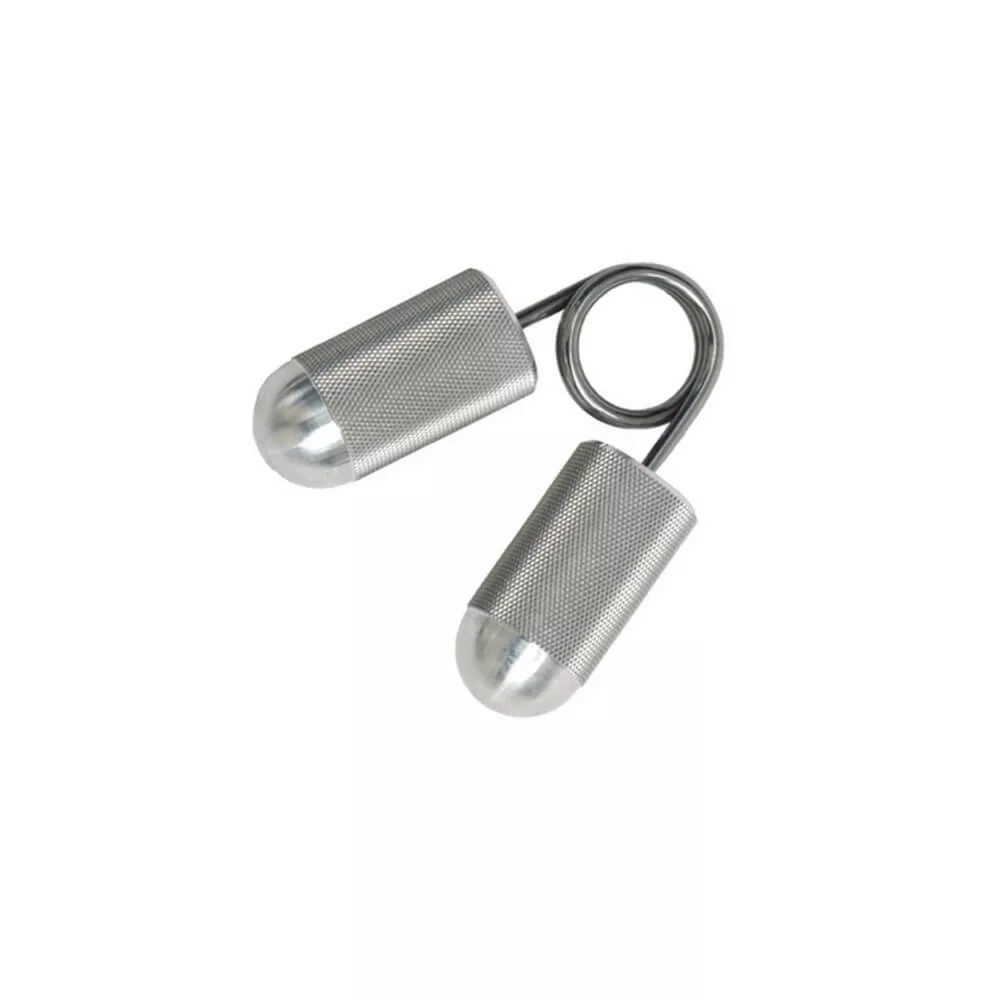
Specialized Spring Gripper to Skyrocket Your Thumb Strength
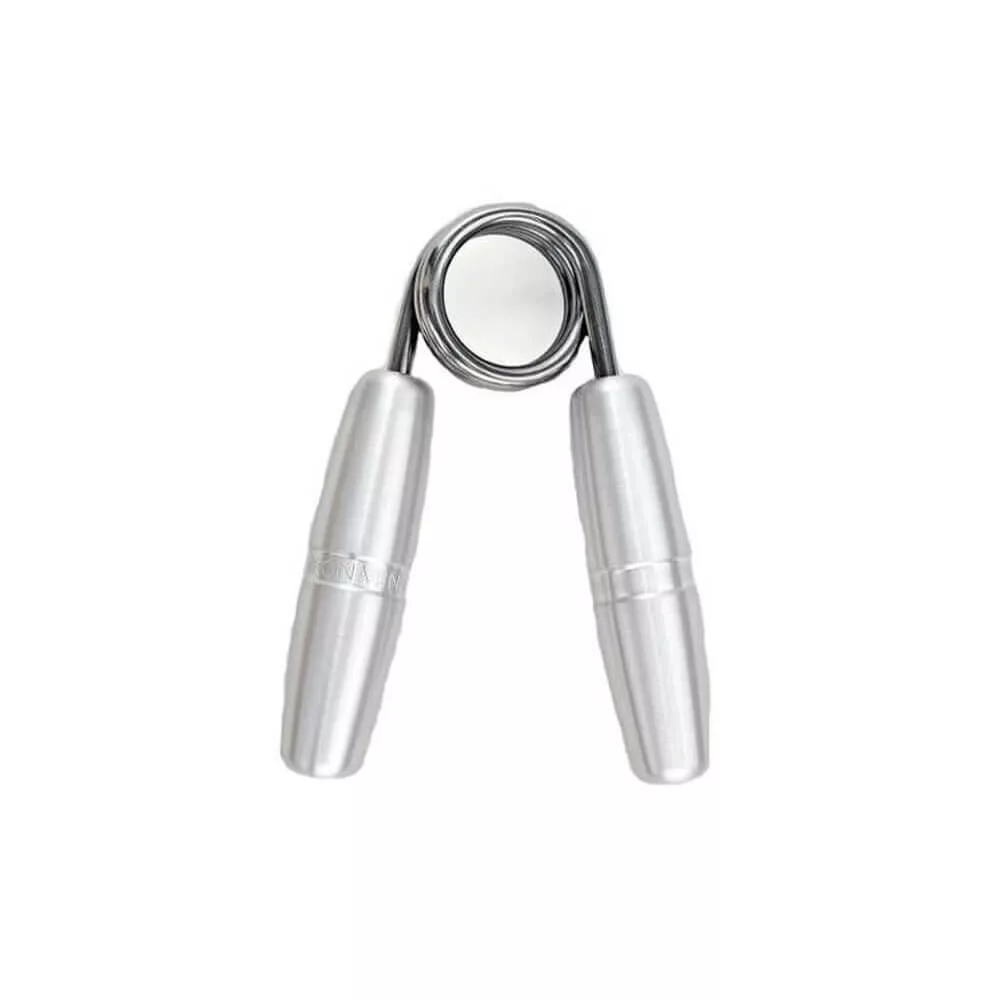
Smooth-Handle Gripper: Ideal For Rehab & Gentle Training

The Iconic Grip Workhorse for Serious Strength?
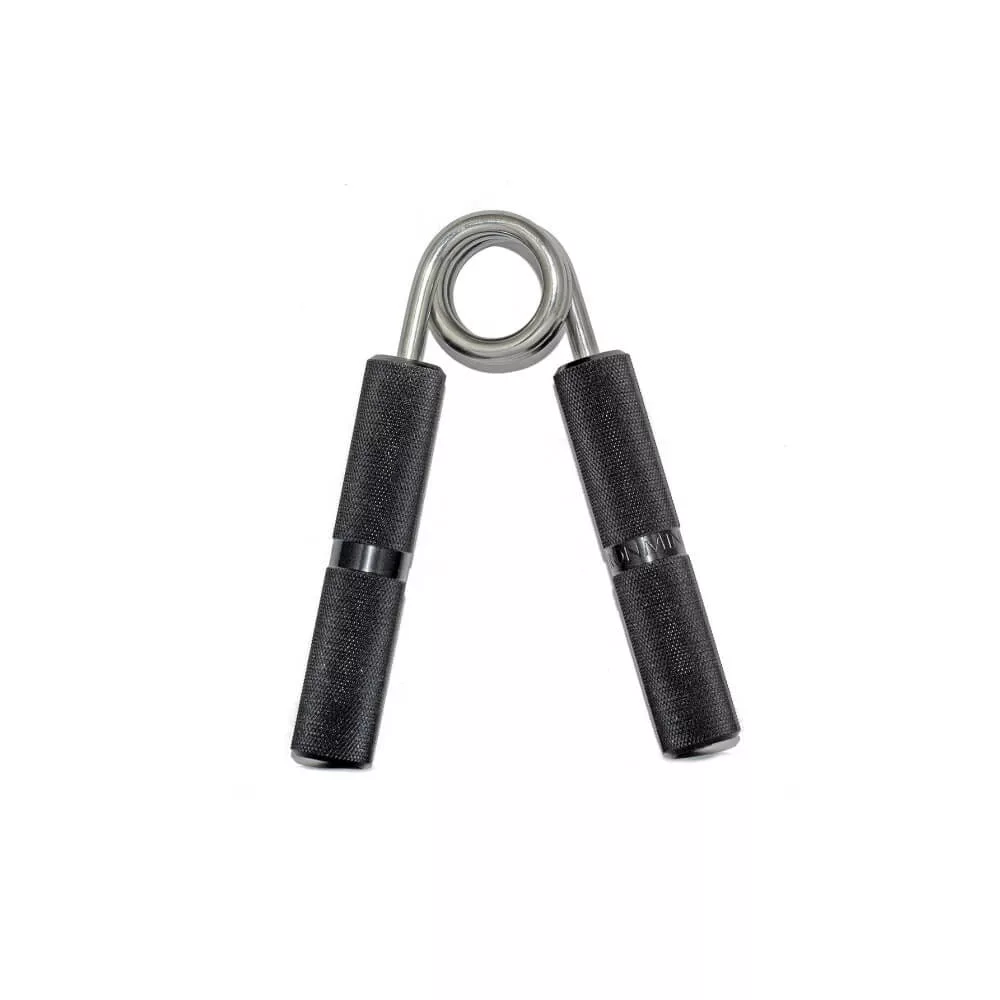
Left-Wing Springs: Crush Grip Trainer for Left-Handed Users?
This simple movement lays the foundation for stronger hands and better neuromuscular control, especially for those just starting their grip training journey. Consistency here builds confidence fast.
Simple doesn’t mean ineffective.
Pinch holds are another effective exercise. Grab a pair of weight plates and pinch them together, holding them for as long as possible. This exercise strengthens your fingers and thumb, which are vital for a strong grip.
Pinch strength is often a weak link, yet it plays a major role in real-world grip tasks and advanced training. Improving it can noticeably boost overall hand performance.
Dead hangs from a bar help build endurance and overall grip strength. Simply hang from a pull-up bar, keeping your body still, for as long as you can. This exercise is particularly good for improving your grip when lifting weights.
This movement also conditions your tendons and builds resilience over time, which is key for injury prevention and long-term progress.
Endurance is where grip strength proves itself.
Don’t forget about the farmer’s walk. Grab a heavy dumbbell or kettlebell in each hand and walk a set distance or time. This exercise not only boosts grip strength but also improves your core stability and endurance. It’s one of the most functional grip exercises you can do, translating directly into real-life strength and full-body coordination.
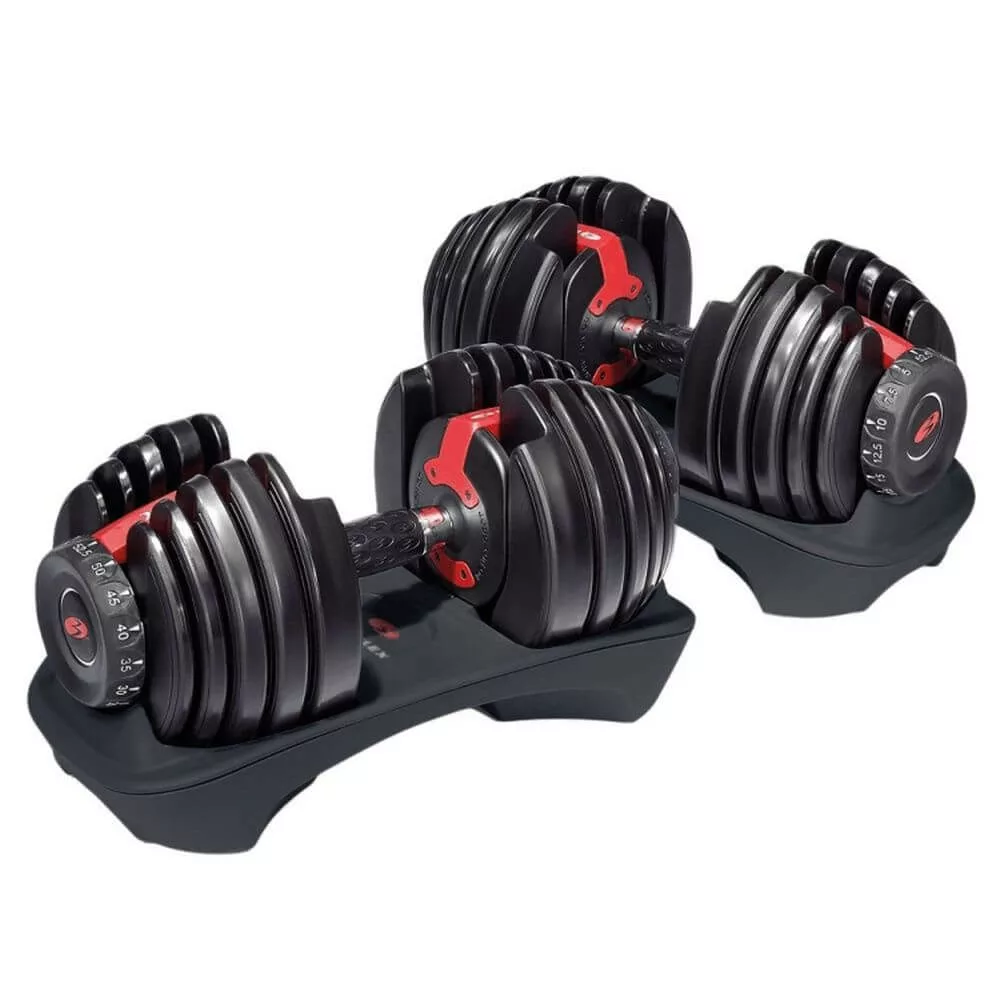
Compact Adjustable Dumbbells: Perfect for Your Home Gym
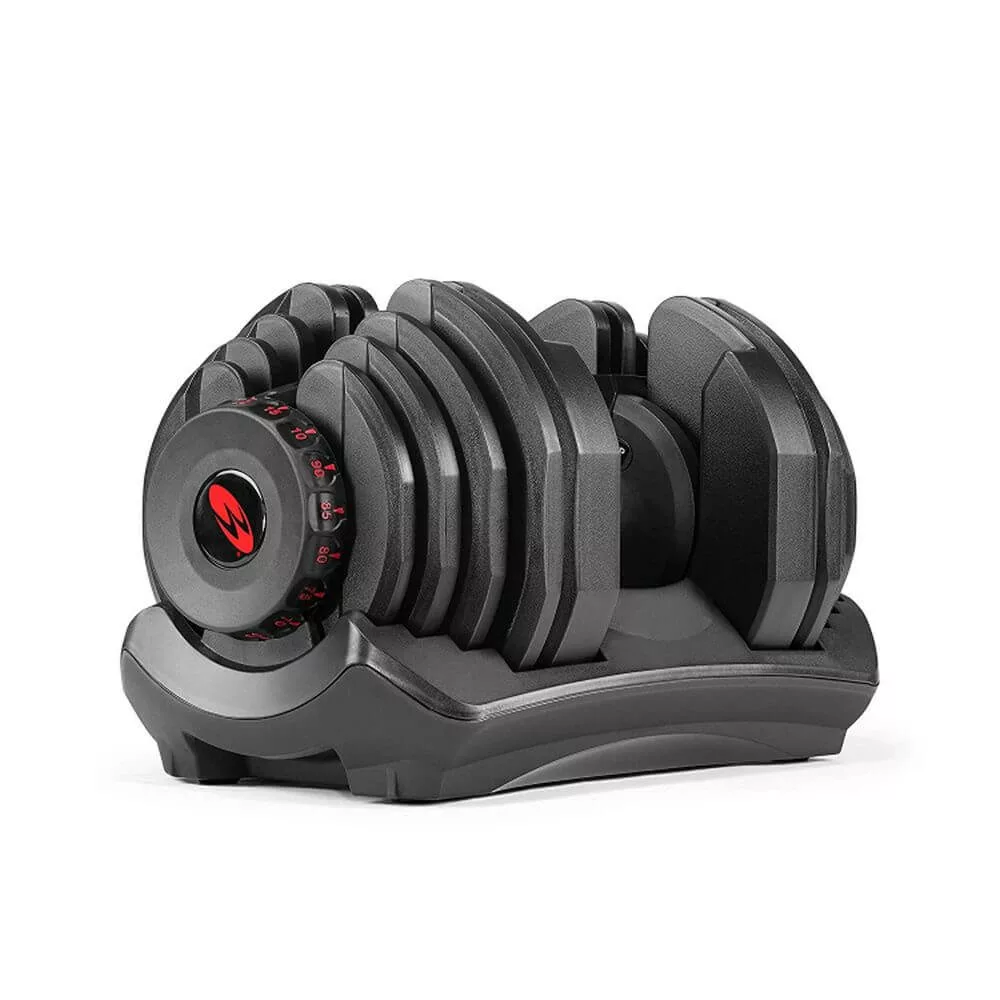
Heavy, Adjustable Dumbbells for Serious Strength Training
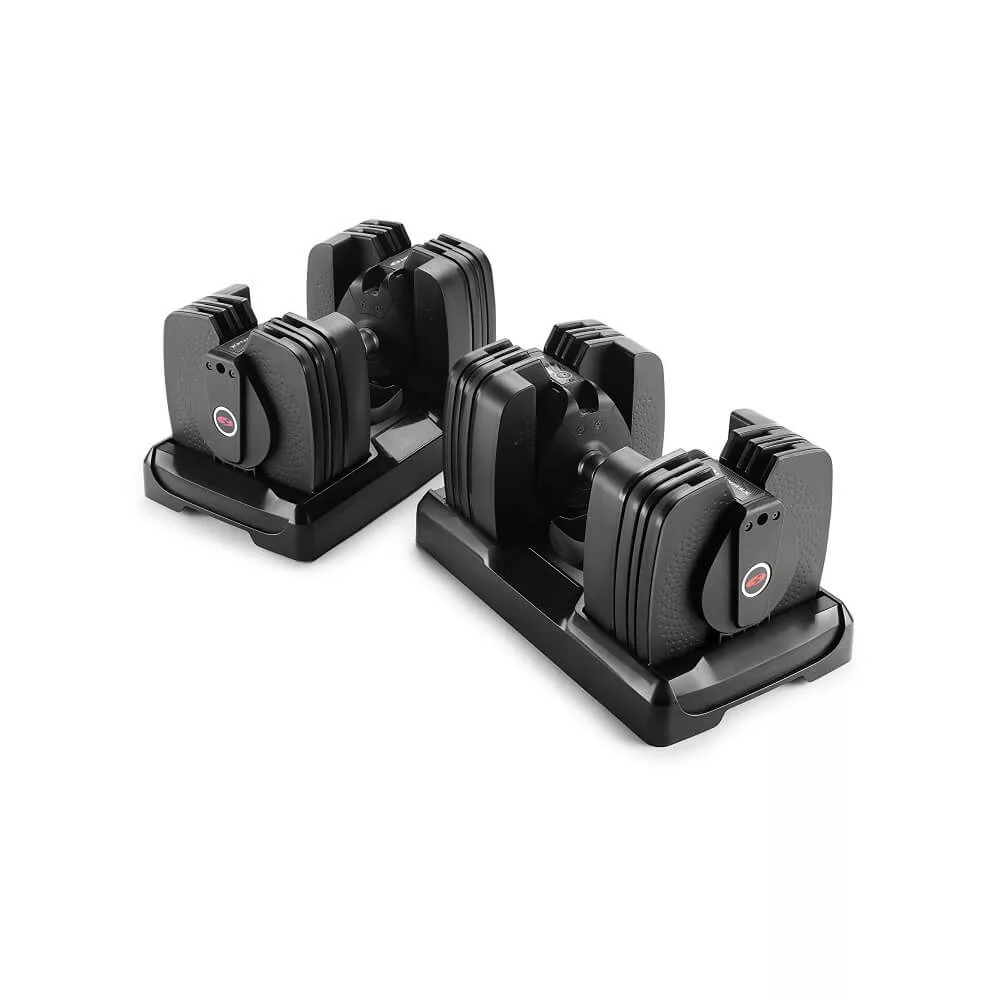
Smart Dumbbells that Can Count Your Repetitions?
For those looking for advanced exercises, consider adding wrist rollers and heavy bag training. Wrist rollers involve rolling a weighted bar up and down using only your wrists, while heavy bag training involves gripping and manipulating a heavy bag, which can mimic real-life scenarios.
These exercises introduce new challenges and variability, which is essential for breaking plateaus and continuing progression. They also demand greater control, coordination, and muscular endurance.
Challenge creates growth.
No matter your level, proper form is vital to avoid injuries. Keep your wrist neutral and avoid overextending your fingers. Start with lighter weights and gradually increase as your grip gets stronger.
Good technique not only protects your joints and tendons but also ensures you’re targeting the right muscles effectively. Poor form can slow progress or even set you back.
Form first, strength follows.
Incorporating these exercises into your routine will ensure you build a comprehensive grip strength that supports all your fitness and daily activity needs.
By combining different movements and progressing gradually, you create a system that continuously challenges your grip while supporting long-term development and resilience.
How to Create a Balanced Grip Training Routine
Integrating grip training with your existing workout can be more straightforward than you might think. A balanced grip training routine fits well within your current exercise regimen without requiring extra hours at the gym. The key is to make small, effective tweaks to your workouts.
Instead of overhauling your routine, you’re simply enhancing it. These small additions compound over time and lead to noticeable improvements in both strength and performance.
Small changes, big results.
For example, incorporate grip exercises at the beginning or end of your session. This way, your grip muscles are adequately warmed up but not too fatigued to handle the added strain. You could start with dead hangs as a warm-up or end with farmer’s walks as a finisher.
This approach keeps your training efficient while ensuring your grip gets dedicated attention without compromising your main lifts or overall energy levels.
A good rule of thumb is to train your grip two to three times a week. This frequency allows you to build strength without overtraining your muscles. Each session doesn’t need to be long; even 10-15 minutes can be effective if done consistently.
Consistency matters more than duration.
Variety is critical to keeping your routine balanced and engaging. Mix different types of grip exercises to work various muscles and prevent monotony. One day, focus on grip squeezes and pinch holds; the next grip day, switch to wrist rollers or heavy bag training.
A well-structured rotation not only prevents boredom but also ensures complete development across all grip types—crush, pinch, and support.
- Alternate between different grip styles (crush, pinch, support)
- Rotate exercises every session to avoid adaptation
- Pair grip work with complementary upper-body movements
- Keep workouts fresh to maintain long-term motivation
It’s essential to give your grip muscles time to recover, just like any other muscle group. Adequate rest ensures you avoid strains or injuries that could sideline your progress. If you notice any persistent soreness, scaling back the intensity and allowing more recovery time might help.
Recovery is where strength is built, not just in the workout itself.
Incorporating grip training into compound movements, like deadlifts or pull-ups, can also bring great benefits. These exercises naturally engage your grip, providing more bang for your buck. Just be sure to maintain proper form to avoid putting unnecessary strain on your wrists and fingers.
This method allows you to train smarter, not longer, by stacking grip development onto exercises you’re already performing.
Efficiency drives consistency.
This balanced approach to grip training not only improves your hand strength but also enhances your overall workout performance. Keeping your routine varied and integrated with your existing exercises ensures you stay engaged and motivated.
When your training feels seamless and purposeful, sticking with it becomes much easier—and that’s where real progress happens.
Staying Motivated in Grip Training: Practical Strategies That Work
Setting milestones can make a world of difference in keeping you motivated. Breaking down your long-term goals into smaller, achievable tasks gives you regular opportunities to succeed. Celebrating these little wins helps maintain your enthusiasm and drive.
Progress feels different when you can actually see it happening step by step. Each milestone reinforces your effort and builds confidence in your training process.
Momentum is built one win at a time.
Adding new exercises or changing your routine can keep your grip training fresh and exciting. Trying something different, like switching from grip squeezes to pinch holds, can prevent boredom and keep you engaged. Variety also ensures that all aspects of your grip strength are being developed evenly.
When your routine feels dynamic, you’re far more likely to stay consistent. New challenges stimulate both your muscles and your mindset, keeping training from becoming repetitive.
Change keeps progress alive.
Finding a workout buddy or joining a community can provide both accountability and encouragement. Having someone to share your progress with or to challenge you can boost your motivation. Look for local fitness groups or online forums where you can connect with others who share your goals.
Support systems create an environment where consistency becomes easier. Whether it’s friendly competition or shared progress, being part of something bigger adds another layer of motivation.
You’re stronger when you’re not doing it alone.
Technology can be a great motivator, too. Fitness apps and trackers can help you monitor your progress and set new targets. Many apps offer challenges and rewards that can keep you focused. Plus, seeing your improvements in data form can be incredibly satisfying.
Tracking data turns effort into something tangible. It gives you proof that your training is working, even on days when motivation feels low.
Data doesn’t lie.
Sometimes, giving yourself a tangible reward for achieving a milestone can work wonders. It doesn’t have to be anything big, maybe a new pair of workout gloves or a treat you’ve been eyeing. These rewards can serve as constant reminders of your dedication to your grip training journey.
Rewarding progress reinforces positive habits and keeps you looking forward to the next goal. It creates a cycle where effort leads to achievement, and achievement fuels even more effort.
Make progress something worth celebrating.
Common Grip Training Challenges and How to Overcome Them
Hitting a plateau can be frustrating, but it’s a normal part of any training process. If you find that your progress has stalled, it might be time for a change. Switching up your exercises or increasing the intensity could help reignite your progress. Sometimes even small adjustments in your routine can make a big difference.
Plateaus often signal adaptation, not failure. Your body has simply become efficient at what you’ve been doing, and it needs a new challenge to continue progressing.
Progress slows before it grows.
Dealing with injuries or soreness is another hurdle. Listening to your body is key here. If you experience sharp pain or persistent discomfort, it’s important to take a step back. Rest and recovery are just as crucial as the workouts themselves. Incorporating stretches and mobility exercises can aid in preventing and addressing any issues.

Modern Rice Bucket Gadget for Grip & Forearm Training?
Ignoring warning signs can set you back far more than taking a short break. Smart training includes knowing when to push and when to pause.
Recovery is part of the program.
Managing time effectively can be a challenge, especially with busy schedules. Fitting grip training into your day doesn’t have to be a massive time commitment. Short, focused sessions can be just as effective as longer ones. Consider integrating grip exercises into your daily activities, like doing grip squeezes while watching TV or pinch holds during work breaks.
This approach removes the pressure of finding “perfect” workout time and replaces it with consistency throughout your day. Small efforts, repeated often, drive long-term results.
Consistency beats perfection.
Staying committed to your routine might also be tough sometimes. It’s natural to feel demotivated or too busy. To counter this, remember why you started your grip training in the first place. Visualizing your goals or looking back at how much you’ve improved can rekindle your motivation. Even on low-energy days, doing a lighter workout can keep the habit alive without overexerting yourself.
Motivation will come and go, but habits are what carry you forward. Showing up, even at a lower intensity, keeps your progress intact and your mindset focused.
Discipline keeps you going when motivation fades.
Nutrition and Recovery for Optimal Grip Strength Gains
Proper nutrition forms the foundation for building muscle, and your grip strength is no exception. Including a balanced diet rich in protein, healthy fats, and complex carbohydrates supports muscle repair and growth. Foods like lean meats, nuts, seeds, fruits, and vegetables are excellent choices to fuel your training.
What you eat directly impacts how well you recover, perform, and progress. Without proper fuel, even the best training routine will fall short of its potential.
Fuel your strength from the inside out.
Particular nutrients can play a vital role. Omega-3 fatty acids, found in fish and flaxseeds, fight inflammation and aid in muscle recovery. Likewise, vitamins like B6 and magnesium, found in bananas and spinach, contribute to muscle function and energy use.
Dialing in these key nutrients helps your body operate efficiently, especially during repeated grip-intensive sessions where recovery speed matters.
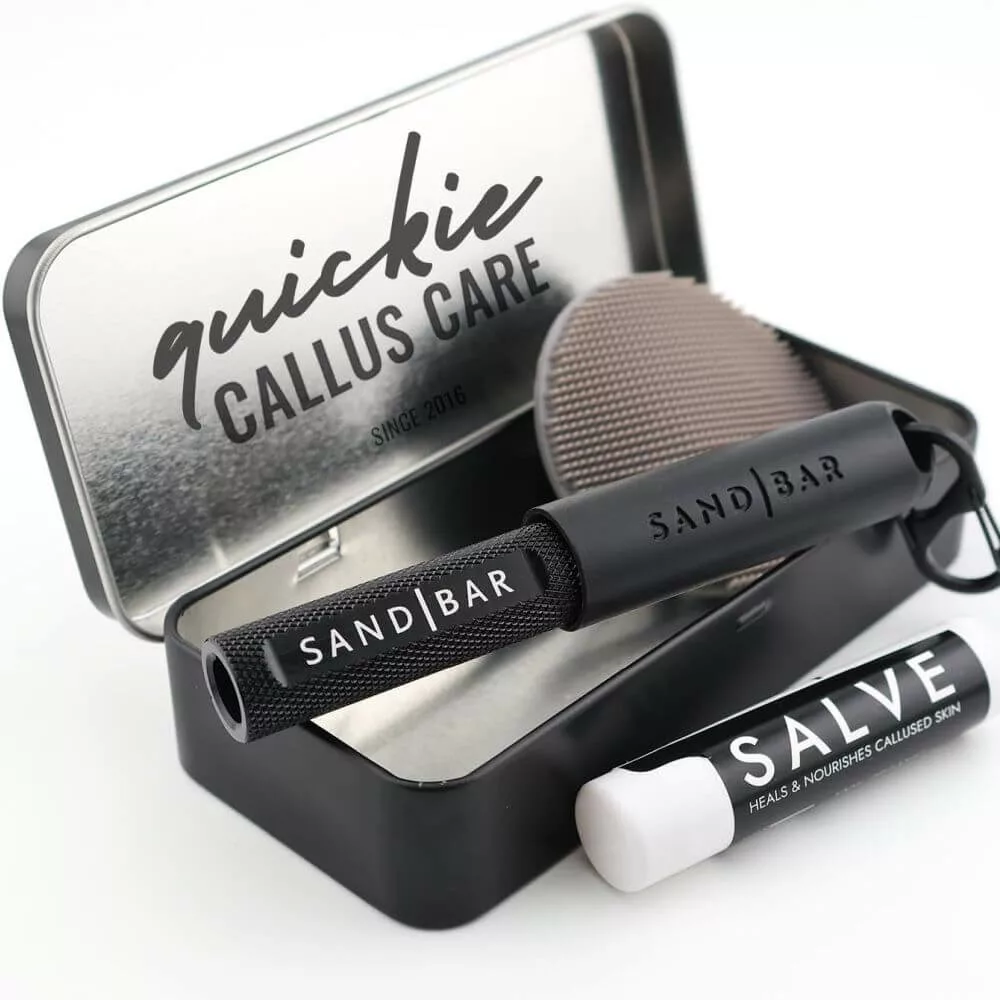
SandBar Callus Remover: Grip-Friendly Hand Care for Lifters

Razor Sharp Callus Shaver to Maintain Grip Health?

60% Urea Cream: An Aggressive Solution for Serious Skin Damage?
Small nutrients, big impact.
Hydration is often overlooked but essential. Dehydrated muscles are more prone to cramps and injuries. Drinking enough water throughout the day helps keep your muscles functioning correctly and supports overall health.
Even mild dehydration can reduce performance and increase fatigue, making your workouts feel harder than they need to be. Staying hydrated keeps everything running smoothly.
Hydration powers performance.
Equally important is recovery. Post-workout, your muscles need time to heal and grow stronger. Techniques like stretching and foam rolling can relieve muscle tightness and improve blood flow to aid recovery. Incorporating rest days into your schedule ensures that your grip muscles get the recovery time they need.
Recovery is where adaptation happens. Without it, your progress slows, and your risk of injury increases significantly.
Train hard, recover harder.
Getting enough sleep can’t be stressed enough. Aim for seven to nine hours a night to support muscle recovery and overall well-being. Quality sleep helps your body repair the wear and tear from intense training sessions.
Sleep is one of the most powerful and most overlooked performance tools available. It affects everything from strength output to mental focus.
Sleep builds strength you don’t see.
Listen to your body. If you’re feeling drained or excessively sore, it’s okay to take a break or have a lighter workout. Pushing through pain can lead to injuries, setting you back in your grip training journey. Long-term progress comes from consistency, not constant intensity. Knowing when to ease off is just as important as knowing when to push forward.
Train smart to stay strong.
Monitoring Progress and Adjusting Your Grip Training Plan
Regularly assessing your grip strength is crucial to understanding your progress and making necessary adjustments. It doesn’t mean you need to test yourself daily, but periodic assessments, maybe once a month, can provide valuable insights. Use simple tests like timing your grip holds or measuring the weight you can handle for specific exercises.
Tracking progress turns guesswork into structured improvement. It gives you clarity on whether your training is actually working or if adjustments are needed.
What gets measured improves faster.
Adapting your routine based on your progress is essential for continued growth. If you find that certain exercises have become too easy, it’s time to increase the weight or the duration. On the other hand, if some exercises are too challenging, don’t hesitate to modify them to suit your current capability. The goal is to stay within a range that challenges you without causing unnecessary strain or injury.
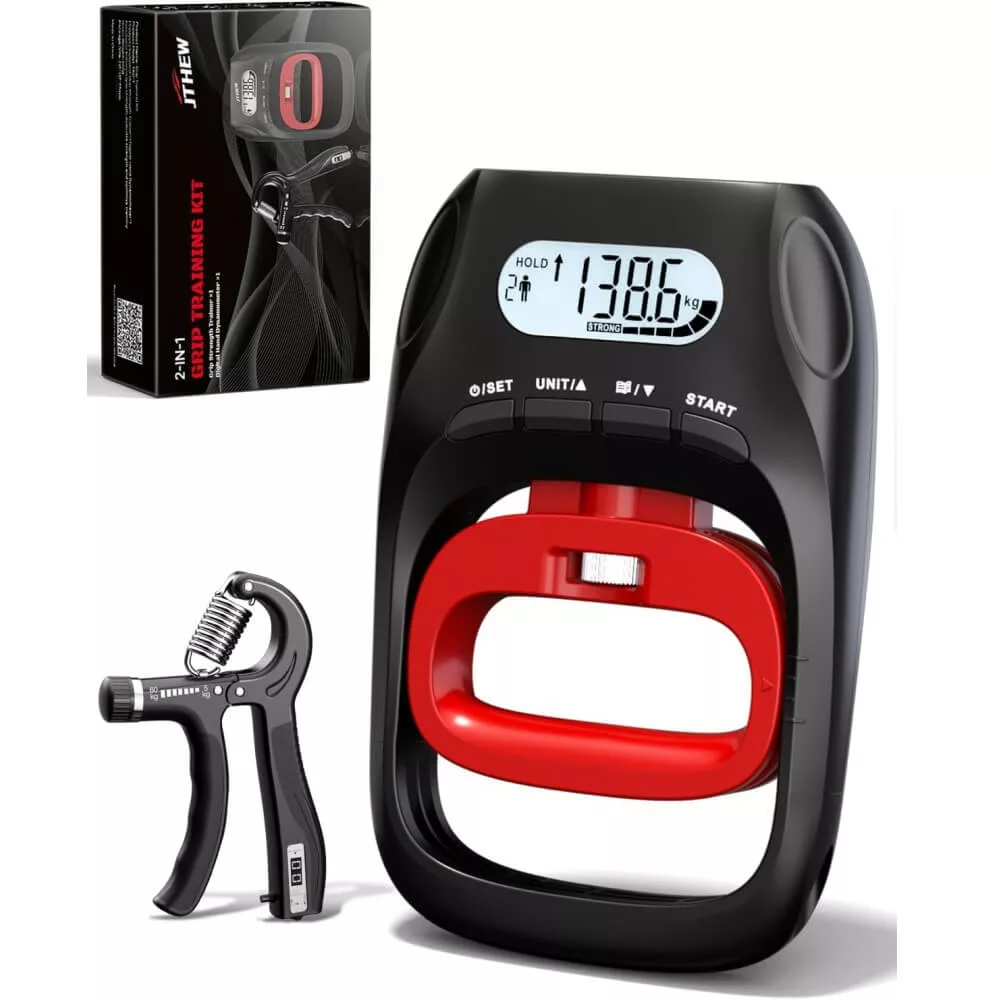
Don’t Guess: Use Grip Dynamometer for Accurate Progress Tracking
Progressive overload is the backbone of strength development, but it must be applied intelligently. Training too easily stalls progress, while training too hard increases injury risk.
Balance drives progression.
Sometimes, despite our best efforts, progress might slow down. This is where variety can be beneficial. Incorporating different types of grip exercises keeps your muscles guessing and can help overcome any plateaus. Changing the order of your exercises or trying new techniques can provide a fresh stimulus for your muscles.
- Switch between crush, pinch, and support grip exercises
- Rotate training order weekly to prevent adaptation
- Introduce new tools like grippers, plates, or bars
- Vary hold times and intensity levels
Plateaus are often a sign that your body has adapted, not that it has stopped improving. Variety forces adaptation to restart.
Change the stimulus, restart the progress.
Recognizing when to seek professional advice is also important. If you’re unsure about your form, experiencing persistent pain, or just need new ideas to break a rut, consulting a fitness trainer or physical therapist can provide personalized guidance. They can help you refine your techniques and introduce you to new exercises suited to your goals.
External feedback can reveal issues you can’t see on your own. Even small corrections in form or programming can unlock major improvements.
Expert eyes accelerate progress.
Keeping an open mind and being willing to adjust your grip training plan as needed ensures you continue to make progress. Flexibility in your approach not only helps you tackle challenges but also keeps your training enjoyable and aligned with your evolving goals.
Adaptability is what separates short-term effort from long-term development. When you stay flexible, your training evolves with you instead of holding you back.
Long-Term Commitment to Grip Strength and Hand Health
Summing up the journey of grip training, it’s clear that building and maintaining grip strength isn’t a one-time effort but a continuous process. It involves setting realistic goals, regularly assessing your progress, and staying motivated through various strategies. This commitment leads to enhanced performance in both fitness activities and everyday tasks.
Grip training is not a short-term project: it’s a long-term investment in your physical capability. The more consistent you are, the more noticeable and lasting the results become.
Consistency builds real strength.
Grip strength significantly contributes to overall health and longevity. A solid grip can help prevent injuries, aid in recovery, and improve functionality in daily chores. It’s about ensuring that as you age, your hands remain as strong and capable as possible.
It’s also widely recognized as a key indicator of overall health, often correlating with muscular strength, resilience, and even long-term physical independence. Strong grip, stronger life.
Sticking to a balanced grip training routine means finding the right mix of exercises that challenge and improve all aspects of grip strength. Integrating these exercises seamlessly into your regular workout makes it manageable and effective.
A well-structured routine ensures you’re not overdeveloping one type of grip while neglecting others. Balance is what creates complete, functional strength. Balance creates durability.
Remember, the importance of nutrition and recovery cannot be overstated. Proper fuel and adequate rest are the cornerstones of any successful training program, grip strength included. Without recovery and nutrition, progress slows dramatically, no matter how good your training plan is. These elements are what allow adaptation to actually take place. Recovery and fuel drive progress.
Lastly, be open to adjusting your plan as needed.
Monitor your progress, embrace variety, and seek professional guidance if necessary. This flexible approach helps fend off plateaus and keeps your training aligned with your goals.
Adaptability ensures your training evolves with you instead of becoming stagnant or outdated. It keeps your progress moving forward even when challenges appear.
Stay flexible, stay progressing.
Commitment to grip training promises not just stronger hands but overall improved health and functionality. Stick with it, celebrate your progress, and continue to challenge yourself. Your future self will thank you for the effort and dedication you put in today.
Thanks for Stopping By!
How Do You Stay Motivated to Train Your Grip?
Share Your Experience in the Comments!