(Last Updated on May 30, 2026 by Henry)
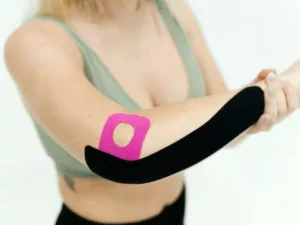
Hand taping has become a staple in sports where grip strength is critical. You see it everywhere: from the lifting platforms of powerlifting to the rugged walls of climbing gyms, and even in martial arts arenas.
The common thread? Each athlete seeks that extra edge taping can offer.
In all of these environments, the hands serve as the primary interface between the athlete and resistance, whether that resistance comes from a barbell, rock surface, opponent, or piece of equipment.

When grip is compromised, performance drops immediately. This is why taping has gained traction, not as a shortcut, but as a way to manage stress on the hands during demanding training or competition settings.
Despite its popularity, there’s a persistent belief that taping automatically weakens your grip. This misconception doesn’t quite hold up upon closer inspection.
Taping, when used correctly, can enhance grip performance by stabilizing joints and mitigating pain, which often hampers grip.
Pain and instability are two of the biggest inhibitors of effective gripping. When the brain senses discomfort or threat, it subconsciously limits force output.
Strategic taping can reduce that inhibitory signal by providing light support and protection, allowing you to apply force more confidently. In this way, tape doesn’t reduce grip strength; it can actually help you access the grip strength you already have.
The key lies in knowing when taping acts as a performance booster versus when it turns into a crutch.

Latex-Free Pre-Wrap Tape for Grip & Wrist Training
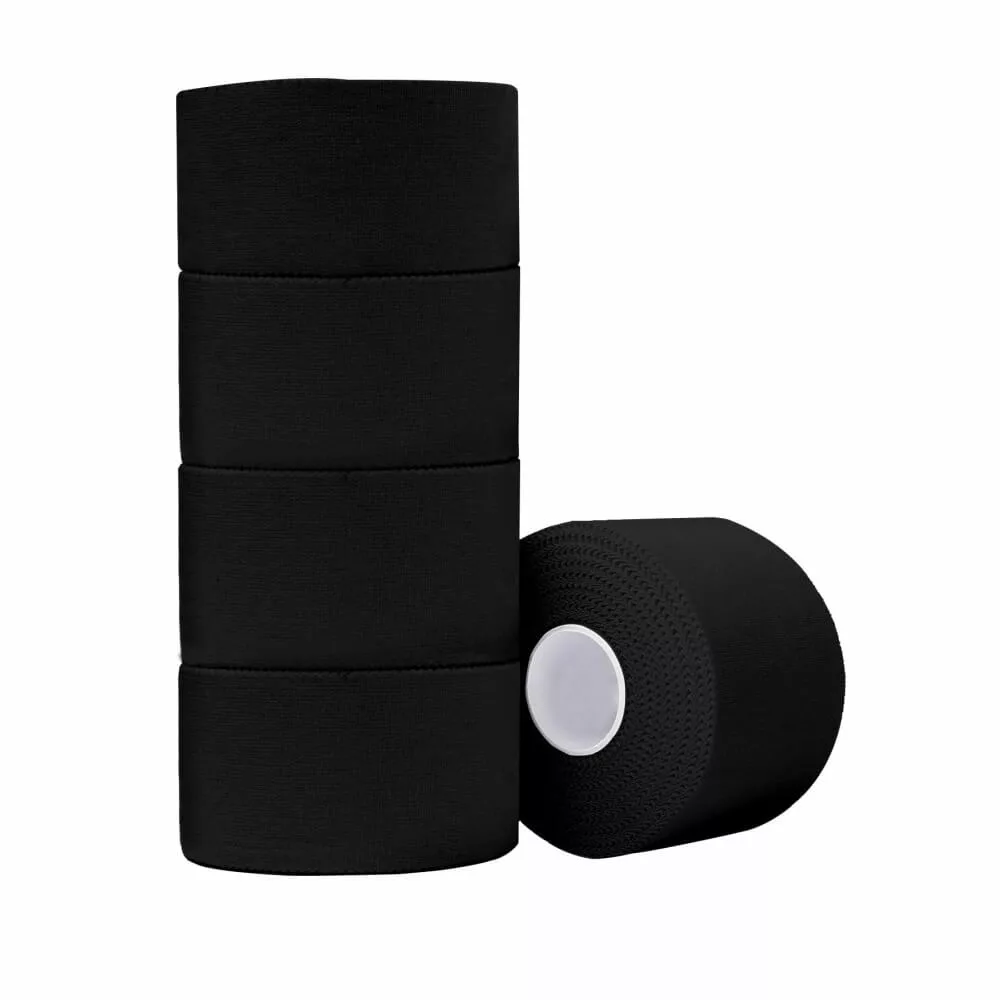
Simple & Practical: Number 1 Athletic Tape in the World?
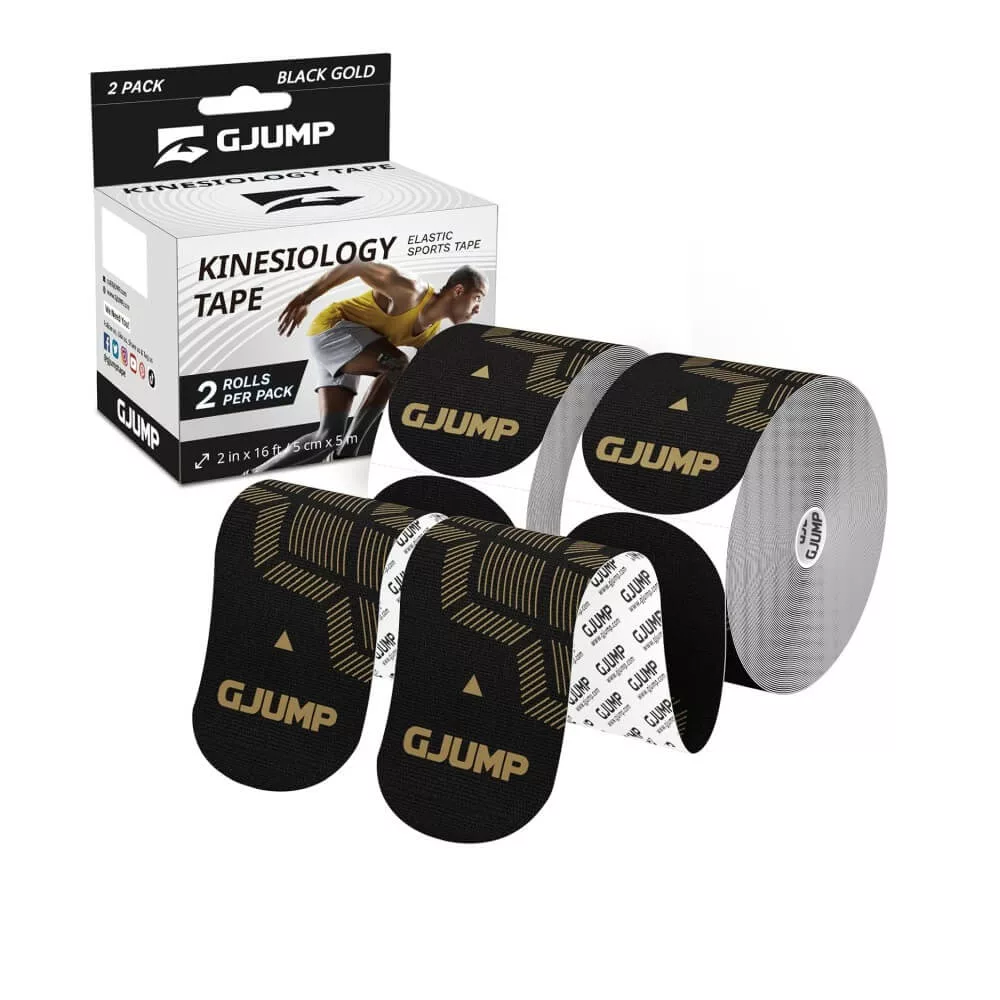
Precut Kinesiology Tape: No Measuring, Just Peel & Apply

Train Harder, Tape Smarter: Pro-Grade KT Support for Grip
Using tape effectively can help support injury-prone or tired muscles during intense sessions, allowing you to lift or climb with confidence. But relying on it too heavily might lead you to neglect strengthening your natural grip strength.
This distinction is crucial for long-term development. Tape can be invaluable during high-volume phases, recovery windows, or competition prep, but it shouldn’t replace progressive grip training, tissue conditioning, and proper hand care. When tape becomes automatic rather than intentional, it risks dulling sensory feedback and slowing adaptation.
Think of tape as a precision tool rather than just a quick fix. Like any tool, its effectiveness lies in how wisely it’s used. With strategic application, you can harness the benefits of tape without letting it replace the natural strength and adaptability your hands can develop on their own.
Approached this way, taping becomes part of a larger system, one that prioritizes resilient hands, strong grip mechanics, and sustainable performance. Used thoughtfully, tape supports your grip journey instead of short-circuiting it.
Understanding Grip Strength and Hand Stability for Peak Performance
Grip strength goes beyond just clutching an object tightly. It’s a complex interplay involving finger joints, tendons, muscles, and nerves all working in sync. When everything is balanced, your grip feels solid and secure.
Effective gripping depends on coordinated force transfer from the forearm through the wrist and into the fingers. Sensory feedback from the skin and joints helps regulate how much pressure you apply and how long you can sustain it. When this system is functioning smoothly, grip strength feels both powerful and controlled rather than forced.
Stability in finger joints is crucial for producing maximum force.
Unstable joints can limit how much force your fingers can apply, much like trying to squeeze tightly on a wobbly handle. This instability often results in weaker grip performance.
Joint instability can cause force leaks, where energy is lost instead of being transferred into the object you’re gripping. In grip-intensive sports, this can show up as early fatigue, slipping, or inconsistent performance. Light external support from taping can sometimes improve joint alignment, helping fingers apply force more efficiently.
There’s a flip side, though. Overly constricting your joints with tape can sap your strength, too.
If your fingers lack the freedom to move comfortably, they can’t fully engage all the muscles involved in gripping. This restriction can reduce your overall grip output.
Excessive compression dulls proprioceptive feedback and restricts normal joint mechanics. When fingers can’t flex, extend, or subtly adjust under load, the grip becomes rigid rather than responsive. This often leads to compensations higher up the chain, such as excessive wrist or forearm tension.
Finding the sweet spot between providing enough support and maintaining freedom of movement is essential. It’s a balancing act – enough structure to stabilize without sacrificing the natural flexibility needed to execute a strong, effective grip. This balance helps ensure you’re not just holding on but maximizing the force your grip can achieve.
When tape supports joint integrity without dominating movement, it complements natural grip mechanics instead of replacing them. This approach allows you to benefit from added stability while still training the neuromuscular coordination that underpins long-term grip strength and resilience.
Exploring Hand Taping Techniques to Maximize Grip Strength
When it comes to enhancing your grip, knowing which taping technique to use can make a world of difference. Various methods focus on specific areas of the hand to offer the right kind of support needed for different activities.
Different grip demands place stress on different structures of the hand. A climber crimping on small holds, a powerlifter pulling a heavy deadlift, or a CrossFit athlete cycling high-rep movements will all benefit from taping in slightly different ways. Understanding where support is needed helps ensure tape complements performance instead of interfering with it.
Finger joint taping, especially around the PIP and DIP joints, offers stability without overly restricting movement. This technique is perfect for activities requiring both strength and dexterity, giving just enough support to finger joints to boost grip without locking them in place.
Light joint stabilization can improve force transfer through the fingers while reducing excessive joint shear.
When joints feel more secure, athletes often grip with greater confidence and consistency. The key is maintaining enough mobility for natural finger flexion and extension, which keeps grip strength fluid rather than rigid.
Palm and thumb taping provide a layer of reinforcement where it’s often needed most. This technique can stabilize the base of your grip, especially useful when lifting heavy weights or gripping rough surfaces that can cause strain or injury.
Support around the thumb and palm can improve overall grip integrity by reinforcing the contact points that anchor the force. This can reduce excessive strain on smaller stabilizing muscles and help distribute load more evenly across the hand during heavy or repetitive work.
Sometimes, calluses need a bit of extra protection. Callus-protection taping shields these areas from ripping or tearing, especially during repetitive or high-friction activities.
Protecting calluses isn’t about eliminating them; it’s about preserving them.
Strategic taping allows callused skin to continue adapting while preventing sudden tears that can derail training for weeks. This is particularly useful during high-volume phases or competitions where recovery time is limited.
Choosing between athletic tape and its elastic counterparts can affect your grip technique as well. Athletic tape tends to offer more rigidity, perfect for maintaining finger position, while elastic tape provides flexibility, allowing for more natural hand movements. Selecting the right type depends on your specific needs and the activity you’re preparing for.
Rigid tape often favors joint control and positional awareness, while elastic tape supports movement and circulation. Neither is inherently better; the effectiveness comes from matching the tape’s properties to the demands of your grip and the condition of your hands on that day.
By understanding and using the proper taping technique, you’re not just securing your grip but also setting yourself up for better performance and safety.
When tape is applied thoughtfully, it becomes a strategic aid, reinforcing weak links, reducing unnecessary strain, and allowing your grip to function at a high level without masking underlying issues. Used this way, taping supports long-term hand resilience rather than replacing it.
Benefits of Proper Taping for Stronger, More Reliable Grip
Proper taping techniques can significantly boost your grip by enhancing the way force is applied through your hands. Stabilized joints lead to a smoother transfer of force, letting you hold onto heavier weights or tougher grips with greater ease.
When joints feel secure, less energy is lost through unwanted movement. Instead of force leaking through unstable fingers or shifting skin, more of your effort is transferred directly into the implement you’re gripping. This efficiency becomes especially noticeable during maximal lifts, long hangs, or high-tension holds where even small improvements in force transfer can make a meaningful difference.
Pain often acts as a limiter during heavy lifting or intense gripping. When you tape correctly, you minimize discomfort, thereby inhibiting the pain that might otherwise hold you back from performing at your peak.
Pain doesn’t just affect how hard you grip; it affects how confidently you grip.
Even low-level discomfort can subconsciously cause you to hold back, shorten sets, or avoid full engagement. By reducing irritation and pressure on sensitive areas, taping can remove that invisible performance ceiling and allow your grip to express its true capacity.
Support enhances performance.
- Stabilized joints improve force transfer through the hands
- Reduced pain allows for stronger and more consistent gripping
- Improved efficiency minimizes energy loss during heavy lifts
- Greater confidence leads to more committed and controlled execution
- Enhanced stability supports performance in high-tension movements
Having confidence in your grip can change the way you approach your workout or sport. There’s reassurance in knowing your hands are supported, which often leads to pushing boundaries without fear of injury.
That psychological edge matters. When you trust your hands, you’re more willing to commit fully to a lift, a move, or a hold. This increased commitment often translates into better execution, stronger contractions, and more decisive performance, all of which compound over time into measurable gains.
Examples abound where tape has led athletes to stronger performances, powerlifters hitting personal records, climbers conquering seemingly impossible walls, or martial artists securing their grip more firmly during combat. When used smartly, tape can provide that crucial edge, leading to standout moments in your training and competition.
In each case, tape isn’t replacing strength; it’s enabling it.
By reducing distractions, improving stability, and reinforcing confidence, taping allows athletes to perform closer to their true physical limits. Used strategically, it becomes a performance amplifier rather than a dependency.
Pitfalls of Improper Taping: Protect Your Grip From Weakening
Improper taping can become a real drawback if it isn’t approached carefully. Over-taping the fingers can seriously reduce your range of motion. This limitation can make your hands less responsive, leaving you with a clumsy grip rather than the powerful hold you’re aiming for.
Grip strength depends on coordinated movement across multiple joints. When tape restricts that movement too much, it interferes with your ability to adjust finger pressure, reposition mid-lift, or react to shifts in load.
Instead of stabilizing your grip, excessive tape can blunt it, making strong hands feel oddly ineffective.
Another downside is the loss of tactile feedback. When tape is suffocating your hands, you can’t feel the bar or whatever you’re gripping as intuitively. This feedback is crucial, especially in activities where your grip needs to adjust quickly to different surfaces or weights.
Tactile input helps your nervous system fine-tune force output. Without it, your grip becomes less precise and more reactive, often leading to over-gripping, early fatigue, or hesitation. In sports like climbing, Olympic lifting, or martial arts, that split-second loss of feedback can directly affect performance and control.
There’s also a risk in leaning too much on tape and not addressing underlying weaknesses in your grip strength. Relying on tape as a constant solution means those weaker spots aren’t getting stronger, ultimately holding back your progress.
Tape can mask limitations rather than fix them.
If joint instability, poor skin conditioning, or weak finger extensors are the real issue, taping over them delays the adaptation your hands need to make. Over time, this creates a false sense of readiness while the foundational strength remains underdeveloped.
In the long run, consistently over-taping can lead to stagnation in grip development. If you’re not careful, instead of building a vice-like grip, you end up with hands that haven’t adapted and strengthened with the rest of your training.
The key is to use tape wisely, ensuring it enhances, rather than detracts from, your natural strength capabilities. When tape supports specific needs without limiting movement or replacing adaptation, it becomes a smart tool. When it replaces honest grip work, it quietly becomes a ceiling.
Tailoring Taping to Sport-Specific Grip Demands
Different sports demand specific taping strategies to align with the unique challenges they present. While taping is common across many disciplines, the way it’s applied should reflect the exact grip demands, movement patterns, and injury risks of that sport.
Proper taping not only protects the hands but also helps maintain optimal grip strength during sport-specific movements, which is essential for consistent performance and injury prevention.
In powerlifting, taping is often used to reinforce grip security on heavy barbells. The focus here is on stabilizing the fingers and thumbs during maximal pulls and holds. Properly placed tape can reduce finger joint strain and minimize bar slippage under heavy loads, allowing lifters to apply force confidently without compromising hand position.
The goal isn’t to replace grip strength, but to support it during high-intensity efforts where even slight instability can affect performance. This careful application ensures grip efficiency remains high, which is key for strength progression and protecting the skin on the hands.
For rock climbing and bouldering, taping strategies shift toward skin protection and joint support rather than raw grip pressure.
Climbers frequently tape to shield calluses from tearing and to support small finger joints that endure extreme stress on tiny holds. Here, tape is applied more surgically, targeting pulleys, knuckles, or skin-prone areas, so climbers maintain sensitivity and dexterity while improving durability during repeated attempts. By preserving finger mobility and tactile feedback, proper taping helps climbers enhance grip endurance and reduce hand injuries.
In strongman training and odd-object lifting, taping becomes a tool for managing unconventional grips.
Events often involve thick handles, stones, sandbags, or awkwardly shaped implements that place unusual demands on the hands and wrists. Tape is commonly used to provide extra wrist stability and palm protection, helping athletes maintain control without sacrificing the ability to adjust their grip mid-lift. This targeted support ensures hand strength and grip mechanics remain consistent under extreme load.
For martial arts, grappling, and combat sports, taping supports grip endurance and joint integrity during prolonged, high-force engagements. Fingers and thumbs are constantly subjected to pulling, twisting, and resisting forces.
Strategic taping helps stabilize vulnerable joints and reduce the risk of sprains while preserving enough mobility to grip uniforms, limbs, or equipment effectively. In these contexts, tape acts as both protection and performance insurance, allowing athletes to maintain effective grip function without compromising hand health.
Each sport highlights how taping can be adapted to enhance performance rather than restrict it.
The common thread is intentional use, adjusting tape placement, tension, and coverage based on the specific grip challenges involved. When taping aligns with the demands of your sport, it becomes a precision tool that supports both performance and long-term hand health, helping athletes maintain strong, injury-resistant hands that are essential for peak grip capability.
Tape vs. Other Grip Tools: Chalk, Gloves, and Straps Compared
Tape isn’t the only tool athletes turn to for enhancing grip. It often gets compared to other popular aids like chalk, gloves, and straps, each offering distinct benefits. Using tape alongside these tools can help lifters, climbers, and grip athletes optimize hand protection while still promoting natural grip development.
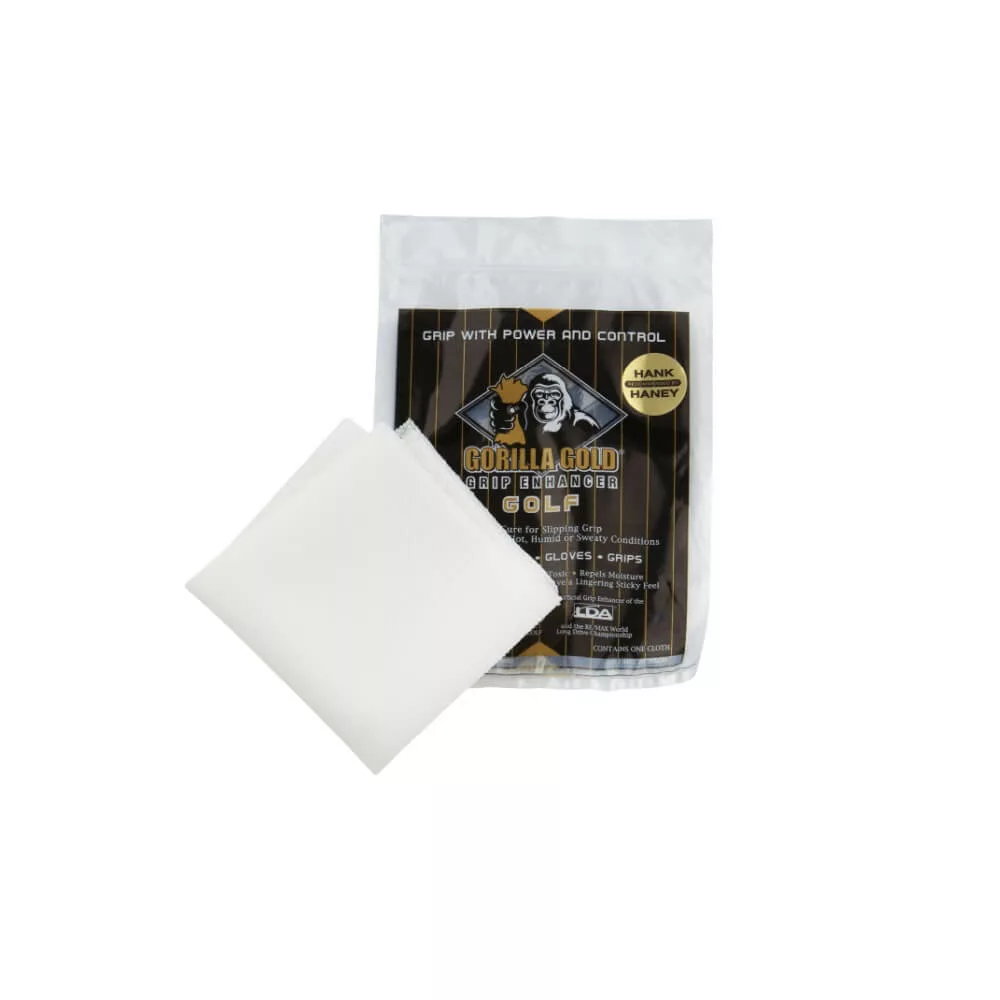
Grip Enhancing, Resin Towels: Easy To Apply In A Blink
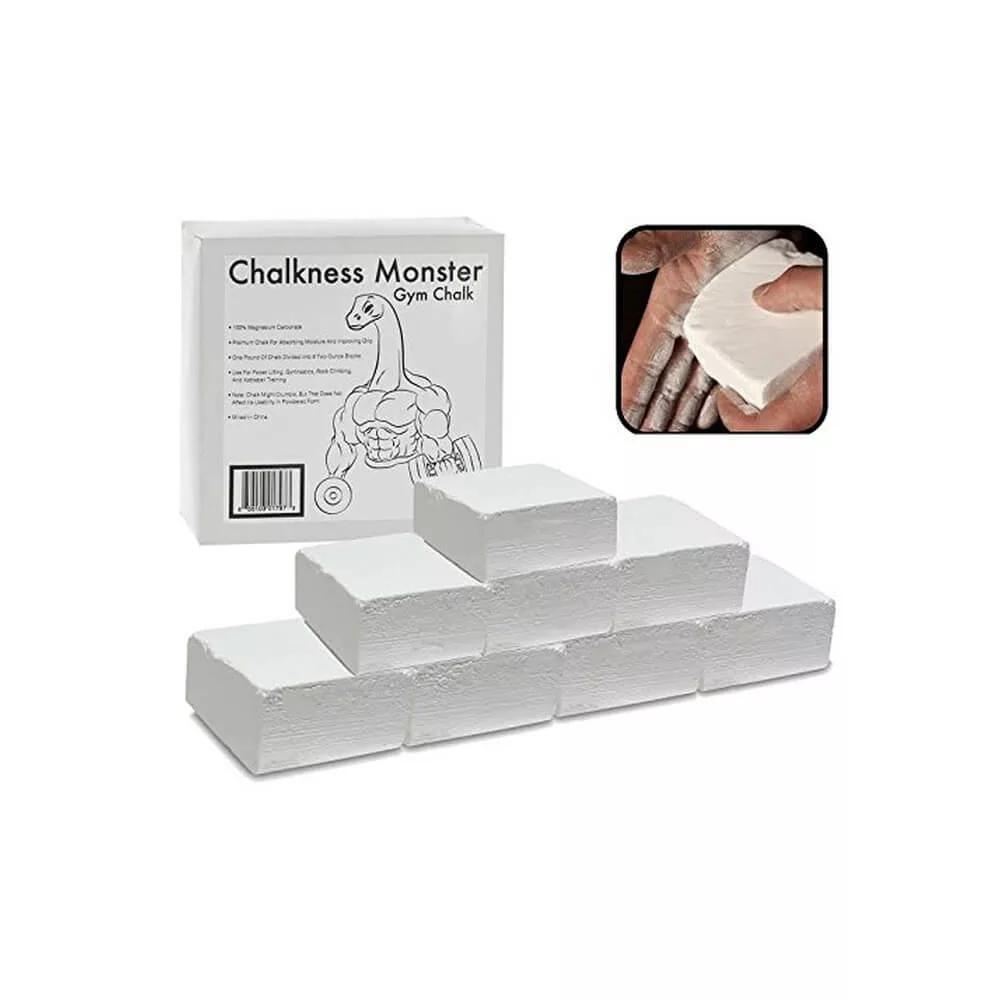
Budget Gym Chalk, Inexpensive and Quick to Crumble
Chalk is primarily used for its ability to improve friction. It keeps hands dry, reducing slippage without adding bulk or restriction. Unlike tape, chalk lets you keep the complete natural movement of your hand while still providing grip support, which is crucial for maintaining optimal grip strength during heavy lifts, climbing, or other high-intensity grip-focused activities.
Gloves offer protection for the skin but can limit the tactile sensation.
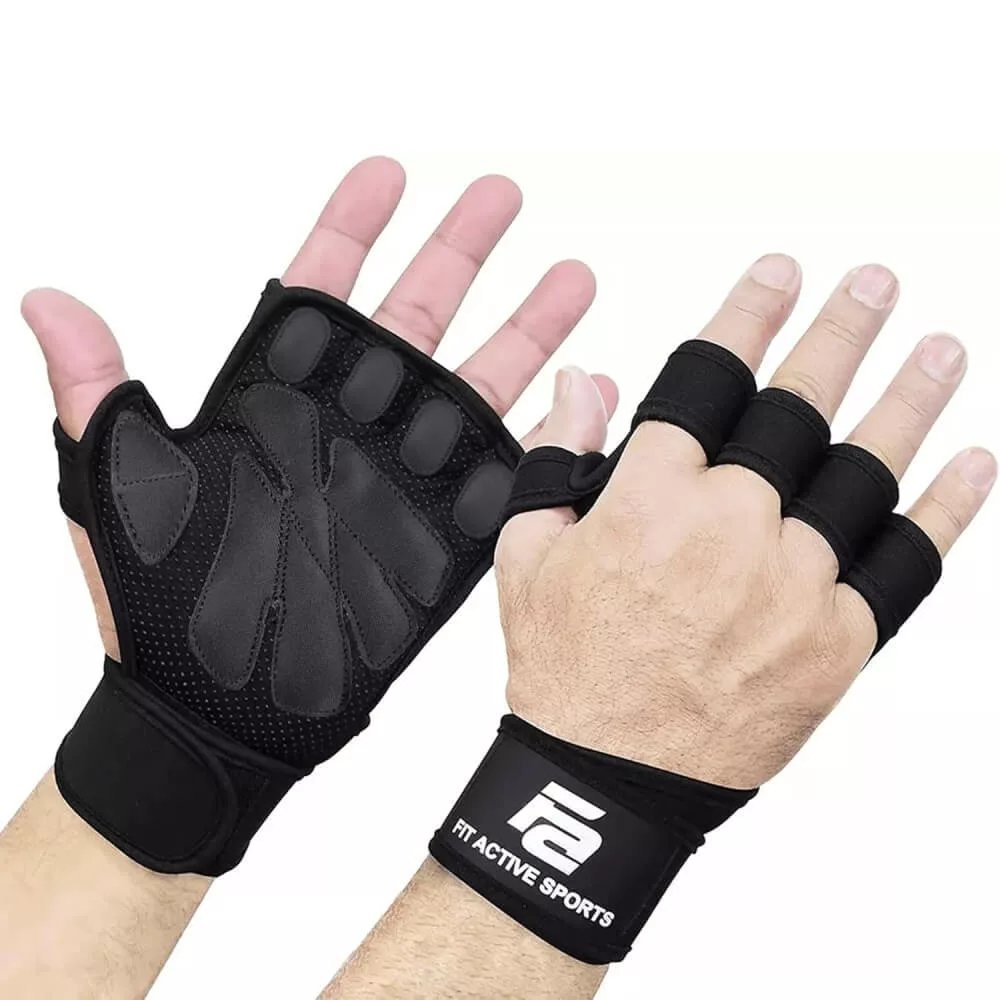
Ventilated Fitness Gloves: No More Heavily Sweating Hands?

Breathable Wristwrap Gloves with Durable Leather Palm
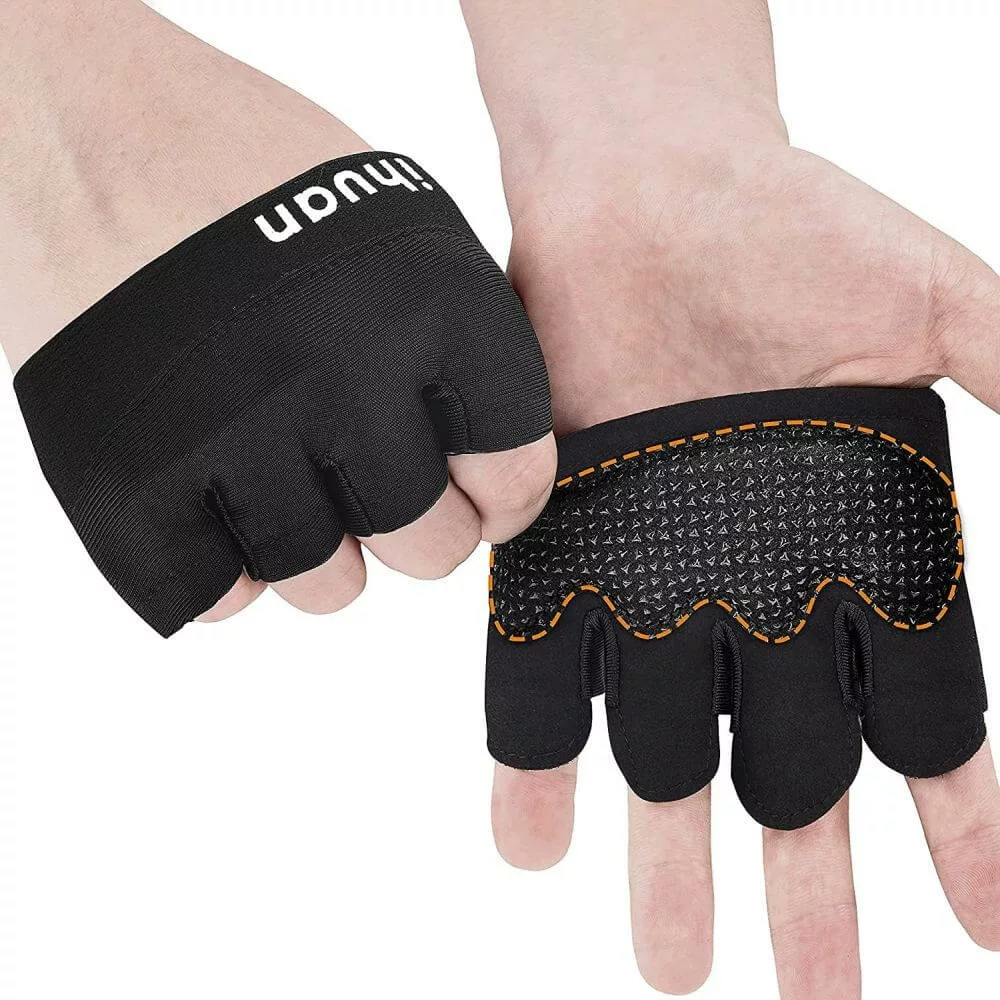
Minimal Grip Protection with Partial Fitness Gloves?
They act as a buffer, protecting against calluses and abrasions, but sometimes at the cost of direct hand contact with the object in question. Tape can provide a similar level of protection with more direct feedback, allowing athletes to preserve hand sensitivity and maintain precise control over grip mechanics.
Straps are another option often used in lifting sports. They directly support the weight, reducing the demand on grip strength. However, they can detract from overall grip development if used too frequently. Tape, in contrast, aids stability without taking on the entire load, helping hands stay strong and conditioned over time.

Fantastic General-Purpose Lifting Straps with Proven Results
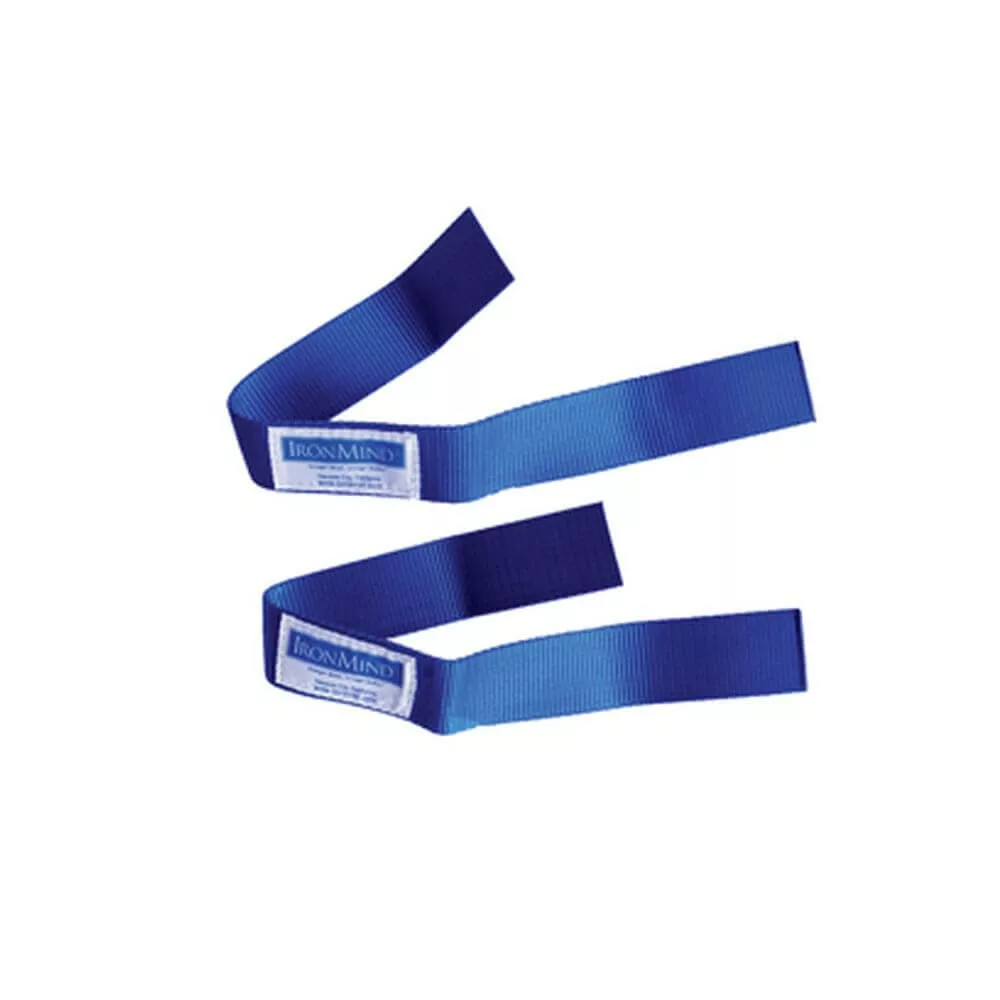
Olympic-Style Lifting Straps: Hard to Use, Epic for Bail Out

The Easiest Lifting Straps To Use: Perfect for Casual Training
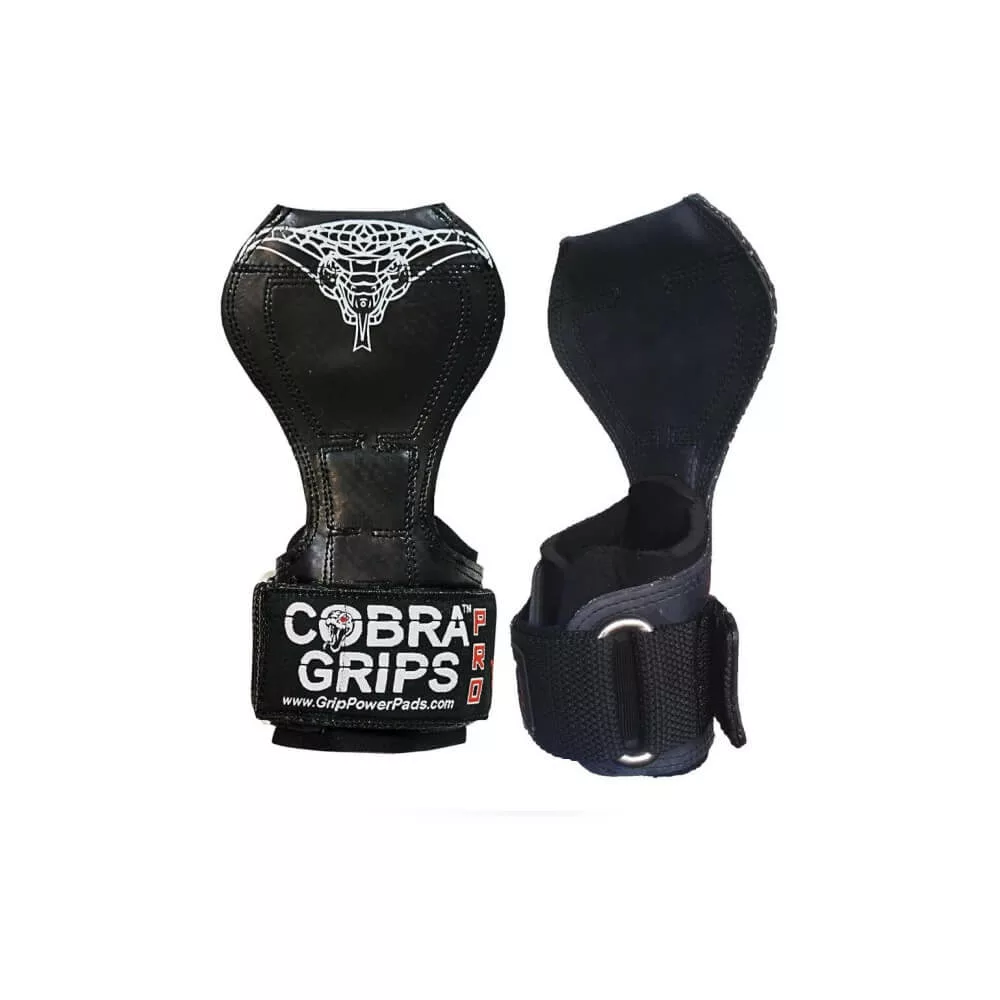
Can One Pair of Lifting Grips Replace Four Tools?
While tape effectively supports grip, it shouldn’t replace chalk for friction or gloves for comprehensive hand protection. Nor should it take the place of straps in load-bearing.
Tape serves as a supplementary tool, designed to enhance natural grip capabilities without overshadowing foundational grip strength training, making it a strategic addition to any grip-focused routine.
Best Practices for Using Tape to Improve Grip Strength
When using tape to enhance your grip, focusing on specific needs and scenarios ensures you’re getting the most out of it. Apply tape only where you genuinely need additional support, targeting joints or areas prone to injury rather than blanket covering your hands.
Strategic placement helps maintain full hand mobility while safeguarding grip-critical areas during lifts, climbs, or other grip-intensive activities.
It’s wise to reserve taping for those high-intensity or high-volume sessions where your grip is truly tested. Use support with intention.
- Apply tape only to joints or areas that need targeted support
- Avoid covering the entire hand to preserve mobility and feedback
- Reserve taping for high-intensity or high-volume sessions
- Alternate between taped and untaped training days
- Track grip performance to ensure continued strength development
This strategic approach prevents you from becoming over-reliant on the tape, while still protecting your hands when it counts the most, allowing for consistent training and minimizing the risk of tears, calluses, or joint strain.
Another strong approach is rotating between taped and untaped training days. This way, you build underlying grip strength on untaped days and ensure that your grip can handle demands without aid, reinforcing hand endurance, finger tendon resilience, and overall grip capability.
Keep track of your grip strength over time. Regularly monitoring your performance ensures you’re actually progressing and not compensating for weaknesses with an over-reliance on tape.
Tracking metrics like bar hold time, pull-up reps, or climbing endurance provides insight into your grip development and helps fine-tune your taping strategy.
Following these practices allows you to benefit from taping without hindering your long-term grip development, enabling a stronger, more versatile grip ability across various activities. Properly applied tape becomes a targeted support tool, complementing your natural grip training rather than replacing it, ensuring both performance and hand health are optimized.
Conclusion: Smart Taping Strategies for Long-Term Grip Gains
Taping should be viewed as an ally in your grip strength journey, not the foundation.
The goal is to use it as a supplement to your training regimen, offering extra support where it’s needed most while still focusing on developing natural grip power through consistent practice. When applied strategically, tape can protect sensitive areas, reduce friction, and maintain hand functionality, all while allowing your grip to remain challenged and adaptive.
It’s essential to adopt a mindful approach, reflecting on when and how tape fits into your routine.
Use it strategically and thoughtfully to prevent dependency, ensuring it aids rather than detracts from your overall progress. By combining taping with deliberate grip exercises, hand conditioning, and technique refinement, you create a comprehensive approach that strengthens your hands safely and effectively.
Remember, long-term grip strength and resilience aren’t just about the tools you use; they’re about encouraging tissue adaptation and strength building over time.
Let taping be part of a broader strategy that includes regular grip training, diverse workout routines, and a focus on health-oriented practices. This holistic approach ensures your grip continues to improve, your joints remain protected, and your hands stay durable for high-intensity activities.
Incorporating smart taping techniques into your routine supports your grip development journey while maintaining hand health and performance efficiency.
Used correctly, tape becomes a precision tool that enhances training outcomes without compromising natural grip development or hand longevity.
Thanks for Stopping By!
How Does Taping Make a Difference for You?
Share Your Experience in the Comments!