(Last Updated on May 30, 2026 by Henry)
In the world of strength training and grip-intensive activities, calluses often become common talking points. They form naturally on our hands as a protective response to friction and pressure, shielding those sensitive layers underneath. While these hardened patches of skin are initially helpful, their status can quickly change from friend to foe. When they get too thick or dry, calluses can rip or tear, leading to painful open wounds that act as roadblocks in our training regimen.
From a grip mechanics standpoint, calluses develop at key contact points where the bar consistently loads the skin, most commonly at the base of the fingers.
This adaptive thickening helps distribute pressure, but excessive buildup creates uneven edges that are more likely to catch and shear under load. Once torn, the exposed skin becomes highly sensitive, making even light gripping uncomfortable and compromising grip confidence during lifts.
Your grip strength relies heavily on the condition of your hands, making callus management essential to avoid unwanted interruptions.
A torn callus can set back not just your current session but potentially the entire training week’s plan, affecting everything from your progress to your motivation.
To keep these nuisances from becoming major issues, many athletes turn to taping as a go-to preventive measure.
When skin integrity is compromised, the nervous system instinctively limits grip force to avoid pain, even if muscular strength is still available.
This protective response often results in shortened sets, reduced loads, or skipped movements altogether.
By proactively managing calluses, athletes protect not only their skin but also their ability to train consistently and apply progressive overload without unnecessary setbacks.
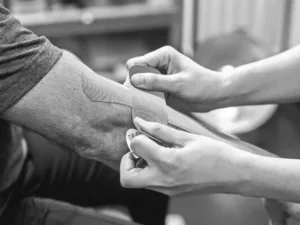
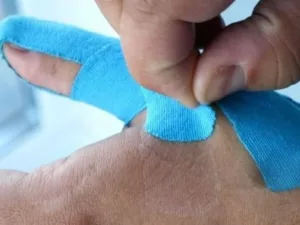
Taping offers a simple yet highly effective interim solution that keeps training on track by preemptively dealing with the problem of calluses. Offering protection and flexibility, tape provides an extra layer that absorbs the wear and tear your hands would otherwise face directly.
By exploring the world of hand taping, we find strategic methods to sidestep disruptions and maintain continuity in our hard-fought athletic progress.
Used thoughtfully, tape acts as a buffer rather than a barrier. It reduces friction at high-risk points while still allowing the hands to move naturally around the bar. This balance supports ongoing grip adaptation while minimizing the risk of sudden tears that can derail training momentum. For athletes who depend on their hands session after session, taping becomes a practical strategy for preserving both performance and long-term hand health.
Understanding How Calluses Form and Affect Your Grip Strength
Calluses occur as our skin’s way of toughening up in response to repeated friction and pressure on our hands, primarily during grip-focused exercises. Everyday examples include scaling ropes, grasping bars, or hefty dumbbells. These forces push the skin to adapt by forming thicker areas that can, initially, be beneficial.
This adaptation is part of the body’s natural defense system.
As grip demands increase, the outer layers of skin thicken to tolerate repeated loading and friction. When this process is balanced, calluses help distribute pressure more evenly across the hand, improving comfort and control during gripping tasks.
However, it’s during specific exercises that issues may arise. Exercises like pull-ups, deadlifts, and kettlebell swings pose a significant risk due to the intense friction and pressure they place on the skin. Such activities often lead to uneven callus growth depending on grip technique and the frequency or intensity of the exercises.
High-repetition pulling and heavy barbell work repeatedly load the same contact points, especially near the base of the fingers. Small variations in grip placement or bar path can cause calluses to grow unevenly, creating edges or ridges that are more prone to catching and tearing. Over time, this uneven development increases the likelihood of sudden skin failure during demanding sets.
An important distinction needs to be made between a healthy callus and one that’s problematic.
A well-maintained callus is barely noticeable, maintaining a subtle thickness that aids in hand protection. On the other hand, unmanaged calluses can harden, crack, or change shape, increasing the risk of tearing under strain.
Problematic calluses often lose elasticity, making them less capable of tolerating load without splitting. When cracks or hardened edges form, friction concentrates at these weak points, dramatically raising the risk of painful tears that can halt training unexpectedly.
To manage this, recognizing how your grip impacts your hands is crucial.
Adjustments in techniques, like ensuring a proper grip and regular hand maintenance practice, contribute significantly to balanced callus formation. By being proactive, you prevent calluses from becoming obstacles, rather than turning them into assets within your training arsenal.
Mindful grip positioning, consistent hand care, and awareness of friction patterns allow athletes to guide how their skin adapts. This proactive approach supports stronger, healthier hands that can tolerate higher training volumes while reducing the need for reactive measures after injuries occur.
How Athletic Tape Protects Calluses and Reduces Tears
Athletic tape serves as a barrier between your skin and the forces trying to wear it down. This layer effectively reduces shear forces, which are the main culprits behind callus tears. When applied correctly, the tape absorbs much of the friction, sparing your skin from the abrasive grind that occurs during intense workouts.
Shear forces occur when the skin is pulled in opposite directions while under load, such as when a bar rolls slightly in the hand during pulling movements. These forces concentrate stress along callus edges, where tears are most likely to begin. By reducing this friction at the skin–bar interface, tape helps stabilize the skin surface and lowers the risk of sudden tearing mid-set.
Taping provides a protective cover over sensitive or high-risk areas on your hands.
Especially during repetitive motions common in weightlifting and gymnastics, it acts as a buffer that prevents further tearing or splitting of the skin. This means fewer painful disruptions and a smoother ride towards achieving your training goals. High-volume training amplifies friction exposure, particularly during repeated pulls, swings, and hangs.
Without protection, even well-conditioned hands can reach a breaking point. Tape allows athletes to maintain training intensity and volume while protecting healing or vulnerable areas, helping preserve consistency across training sessions.
While gloves are often considered for hand protection, tape has the upper hand when it comes to control and feel. Tape allows for a direct touch with the equipment, letting you maintain that crucial grip confidence while still safeguarding your skin. This immediate feedback from the bar or weight can improve technique and performance.
Grip confidence depends heavily on sensory feedback.
Feeling the texture and rotation of the bar allows lifters to adjust pressure and positioning in real time. Gloves can interfere with this feedback, whereas tape preserves much of the natural hand-to-bar connection while offering targeted protection exactly where it’s needed. The use of tape is a smart short-term solution, offering flexibility without the bulk that comes with gloves.
It’s all about giving your hands the breathing room to move naturally while still offering that vital layer of protection needed during heavy lifting sessions.
When used intentionally, tape supports both performance and hand health.
It provides temporary assistance during demanding phases of training without replacing the natural adaptations that build durable skin and strong grip mechanics over time.
When You Should Tape Calluses: Timing for Optimal Protection
It’s crucial to listen to what your hands are telling you, especially when they signal the early signs of trouble. You might notice hot spots or slight peeling on your palms. These are clear indicators that taping should be part of your next session. Addressing these early wins in the battle against injuries before it worsens.
Early warning signs are often subtle but meaningful.
Hot spots signal increased friction before the skin breaks down, and light peeling indicates that the outer layers are already under stress. Acting at this stage helps prevent small issues from escalating into full callus tears that can abruptly derail grip performance and training plans.
During training phases that ramp up in volume or repetition, the demands placed on your skin multiply. This is where tape steps in to provide that much-needed respite, ensuring you remain consistent without unforeseen setbacks.
High-volume blocks place repeated shear forces on the same areas of the hand, often faster than the skin can adapt. Even well-conditioned hands can reach a threshold where breakdown becomes inevitable without intervention. Strategic taping during these phases reduces cumulative stress, allowing grip endurance and strength to continue progressing without interruption.
Taping becomes especially vital when prepping for a competition where peak performance is expected.
During this period, even minor skin issues can lead to major distractions, impacting both physical and mental preparedness.
In competitive settings, confidence in your grip matters as much as raw strength. Pain, fear of tearing, or hesitation during pulls can compromise execution and focus. Taping removes one variable from the equation, allowing athletes to direct attention toward technique, timing, and performance rather than hand discomfort.
There are also times you simply can’t afford to stop or slow down.
Maybe you’re chasing a new personal record or involved in a critical training block. Here, taping ensures you remain in the game, keeping those disruptions at bay while still hitting your targets.
In these high-stakes moments, tape acts as insurance. It supports skin integrity without altering grip mechanics, helping lifters push intensity while minimizing unnecessary risks. Used strategically, it preserves momentum when consistency matters most.
How to Tape Calluses Correctly Without Losing Grip
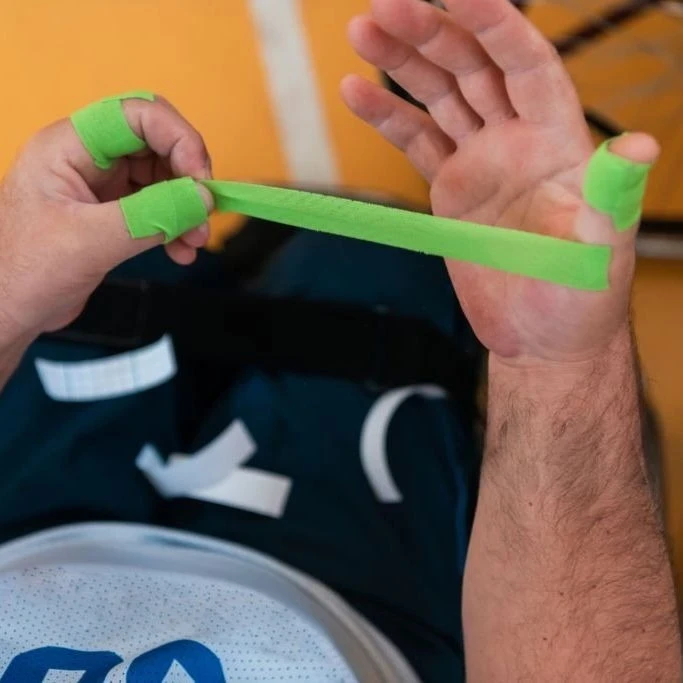
Getting the most from your tape involves a bit of finesse. Minimal coverage is key to maintaining precision in your grip, while still offering protection. It’s about finding that balance where the tape is just enough to shield without overwhelming your feel of the bar.
Precision in gripping depends on how well the hand can sense and respond to the bar’s texture and movement. Over-taping dulls this feedback, while under-taping leaves the skin exposed. Strategic placement allows tape to protect high-risk areas while preserving the fine motor control required for confident, stable lifts.
Keeping the tape thin is crucial. You don’t want to lose that critical connection with your equipment.
A few careful wraps over problem spots can be just right, avoiding the bulky feeling that can impact your grip confidence.Thin application maintains friction and prevents the bar from shifting unexpectedly in the hand.
Bulky tape can smooth out the contact surface too much, forcing the fingers to work harder to maintain control and increasing fatigue during longer or heavier sets. The natural movement of your hands is your greatest asset, so keep it unrestricted. Taping up shouldn’t feel like you’re wearing mitts, but rather a second skin that moves effortlessly as you do.
Free finger flexion and palm movement allow the hand to conform naturally to the bar, distributing pressure evenly and reducing localized strain. Tape should support this movement, not limit it. When applied correctly, it enhances comfort without interfering with grip mechanics or wrist alignment.
Don’t fall into common pitfalls like over-wrapping or taping too tightly, which can cut off circulation or feel uncomfortable. Proper technique is straightforward but makes all the difference in the effectiveness of your taping efforts.
Overly tight taping can reduce blood flow, increase hand fatigue, and distract from the lift itself. A well-applied wrap should feel secure but barely noticeable, allowing you to focus on performance rather than adjustment or discomfort.
Prevent Hand Injuries Beyond Calluses
Injuries to the skin aren’t confined to calluses alone. There are risks of skin splits and open wounds that can occur from the sheer intensity of robust workouts. Preventing these injuries requires a strategic blend of techniques and preventative measures.
High-friction movements, heavy loading, and repeated gripping can overwhelm even well-conditioned skin. When the skin’s tolerance is exceeded, splits and abrasions may form in areas not traditionally associated with calluses, such as along finger creases or across the palm. Addressing these risks proactively helps preserve grip function and avoid sudden disruptions in training.
Reducing infection risk from torn skin is a vital consideration.
Cleanliness and proper aftercare are your best allies in keeping any small injuries minor. Infected cuts can lead to more serious issues like downtime or the necessity for medical intervention.
Open skin creates an entry point for bacteria, especially in gym environments where bars and equipment are shared. Cleaning wounds promptly, keeping them covered, and allowing them to breathe when not training helps minimize complications that could otherwise escalate into forced rest periods.
You can protect healing areas while still training, adapting techniques, or using protective measures like tape to cover healing injuries. This approach helps maintain training momentum without having to back down completely from your routine.
Taping over healing skin reduces direct friction and limits movement that could reopen wounds.
When combined with slight technique adjustments, such as modifying grip depth or reducing volume temporarily, athletes can continue training productively while allowing the skin to recover.
Prioritizing long-term hand health means considering not just immediate solutions but adopting a holistic approach to hand care. This includes hydration, regular maintenance, and paying attention to early warning signs to pre-empt potential problems.
Healthy skin is more resilient and better able to tolerate friction. Staying hydrated supports skin elasticity, while regular maintenance keeps rough areas from becoming liabilities. Recognizing early signs of irritation allows for timely intervention, preventing minor issues from escalating into training-stopping injuries.
When Taping Becomes a Problem for Your Hands
Using tape excessively can sometimes mask underlying poor hand care habits.
Regular tape users might skip necessary maintenance steps, thinking the tape will handle everything, which can lead to issues down the road.
When tape becomes a default rather than a deliberate choice, it can hide warning signs like overly thick calluses, dry skin, or uneven wear patterns.
These issues don’t disappear just because tape is present; they quietly worsen beneath the surface, eventually leading to tears or chronic irritation that tape alone can’t prevent. Dependence on tape might reduce the natural toughness and resilience your hands develop over time. It can lead you to rely too heavily on an artificial solution, ignoring the need to build natural callus durability.
Grip strength isn’t just about muscles; it’s also about how well your skin adapts to friction and pressure. Consistently shielding your hands from all stress limits this adaptation process, potentially leaving your grip less prepared when tape isn’t available or appropriate.
Proper callus maintenance shouldn’t be ignored, even if tape becomes a regular part of your training toolkit. Filing and moisturizing are simple steps that can prevent calluses from becoming a problem tied to discomfort or injury.
Keeping calluses smooth and pliable allows them to protect without catching or folding under load.
This maintenance supports stronger, more confident gripping while reducing reliance on external aids during routine training sessions.
Watching for signs telling you it’s beneficial to skip the tape for a session is important. Training without tape can allow your hands to adapt naturally, building the toughness needed for long-term improvement.
Low-volume days, lighter loads, or technique-focused sessions are ideal opportunities to expose your hands to controlled stress. This strategic approach strengthens skin resilience, reinforces grip feedback, and ensures your hands evolve alongside your overall strength.
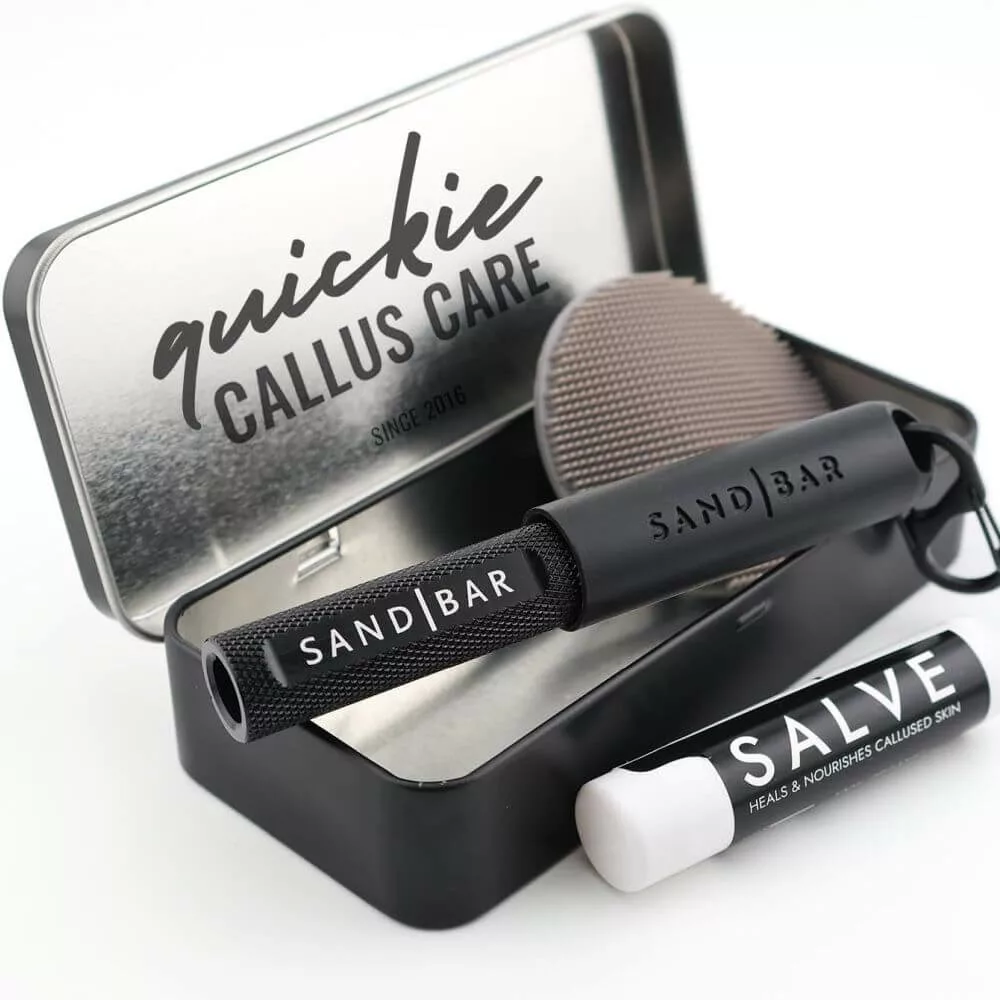
SandBar Callus Remover: Grip-Friendly Hand Care for Lifters

Razor Sharp Callus Shaver to Maintain Grip Health?

60% Urea Cream: An Aggressive Solution for Serious Skin Damage?
Taping vs Filing vs Using Balms: Building Healthy, Resilient Hands
The debate between using tape and callus maintenance tools often comes up in discussions among athletes and lifters. Each has its strengths, but understanding their respective roles is key to a balanced approach.
This debate usually stems from treating tape and maintenance tools as competing solutions, when in reality, they serve very different purposes. Tape is reactive and protective, while maintenance tools are proactive and preventive: both are essential for keeping your grip functional and pain-free over time.
Tape protects those delicate spots while allowing you to continue training, but it shouldn’t completely replace tools like pumice stones or callus files. These tools help keep calluses from getting out of hand, maintaining them at a healthy thickness.
By regularly filing down excess buildup, you reduce the chances of calluses catching on the bar or folding under pressure, two of the most common causes of tears. This directly supports grip consistency, especially during high-rep or heavy pulling movements.
Moisturizers and hand balms are other useful additions to your hand care routine. They help keep the skin supple, reducing the chance of cracks. Tape provides immediate protection, while these products work on enhancing skin resilience over time.
Well-hydrated skin flexes better under load, allowing your hands to adapt instead of breaking down.
This adaptability is critical for athletes focused on long-term grip strength development rather than short-term fixes. Taping supplements your routine, but the foundation of good callus care lies in proper maintenance. A well-rounded strategy that includes the right tools ensures your hands remain in top condition.
When maintenance is handled consistently, tape becomes a precision tool instead of a necessity, used only when volume, intensity, or existing irritation demands it.
Employing a long-term plan for hand health involves routine care, using the tools mentioned, and thoughtful use of tape. This way, you can train hard without sidelining yourself due to common skin problems.
This layered approach keeps your hands resilient, responsive, and capable of handling the demands of serious grip training, session after session.
Conclusion: Smarter Callus Management for Stronger Grip
Reframing taping as a temporary aid shifts the focus back to developing a comprehensive callus management strategy. Taping offers immediate relief, but integrating it with proactive hand care ensures long-term success.
Tape should be viewed only as one of many components in a layered approach.
While it protects vulnerable skin during high-volume sessions or healing periods, the true foundation of hand health comes from consistent maintenance, skin conditioning, and proper technique. This combination preserves both comfort and performance over time.
Balancing protection with grip development involves thoughtful planning. Taping provides that short-term shield, but giving your hands the opportunity to naturally adapt and strengthen is equally crucial.
Exposing the skin to controlled friction allows calluses to form optimally, enhancing the hand’s ability to tolerate heavier loads without tearing. Over-reliance on tape can limit these adaptations, so incorporating tape selectively ensures your grip continues to develop alongside hand protection.
Encouraging proactive hand care is the core message.
Regular maintenance, hydration, and addressing early signs of wear preempt issues from escalating, ensuring a more seamless training journey.
Attending to these details supports not just stronger hands but more reliable grip performance. By recognizing warning signs early and taking preventive measures, athletes can maintain consistency in training and reduce the risk of interruption.
Building durable hands without sacrificing grip performance requires a mix of the old and new.
Embrace both protective measures and natural development, allowing your hands to grow tougher over time without losing their edge.
This integrated approach ensures hands remain resilient, flexible, and capable of sustaining grip-intensive training. When tape, maintenance, and natural adaptation work together, lifters can push limits safely and consistently, session after session.
Thanks for Stopping By!
Which Taping Methods Have Made a Difference for You?
Share Your Experience in the Comments!